Welcome to Salvador da Bahia
Salvador was founded in 1549 as the first capital of Portuguese Brazil, and served as the colony's capital until 1763. It became one of the greatest slave ports in the Americas, with millions of Africans brought here to work on sugar plantations, and their legacy shaped the city's culture. Today, it is the most African city in Brazil, and its music, religion, food and dance reflect that heritage.
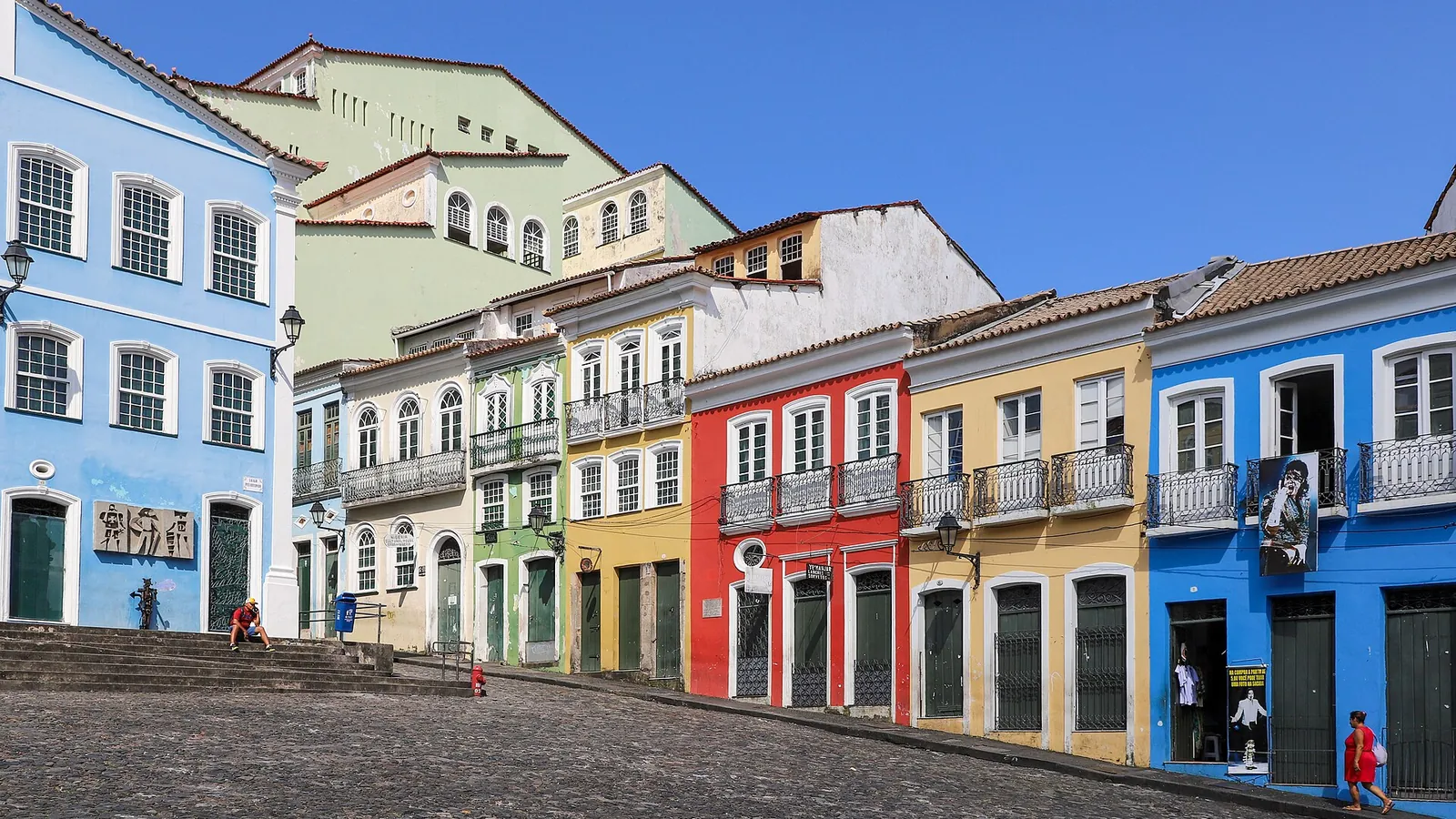
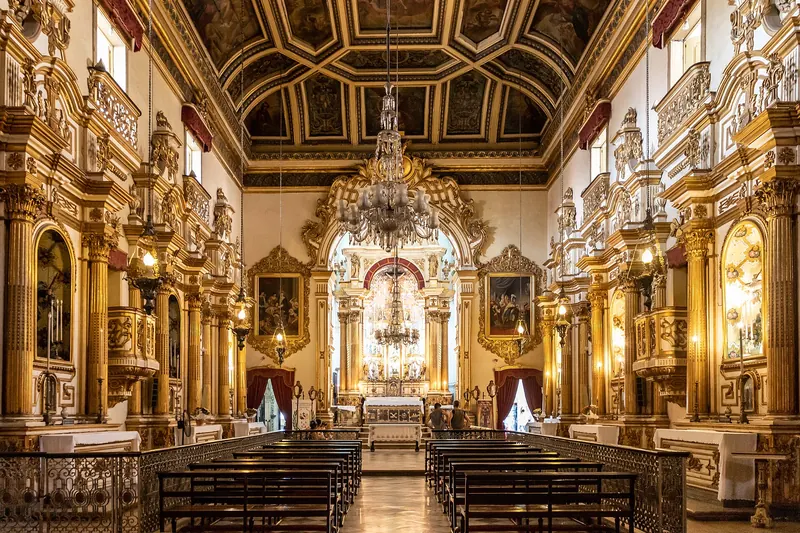
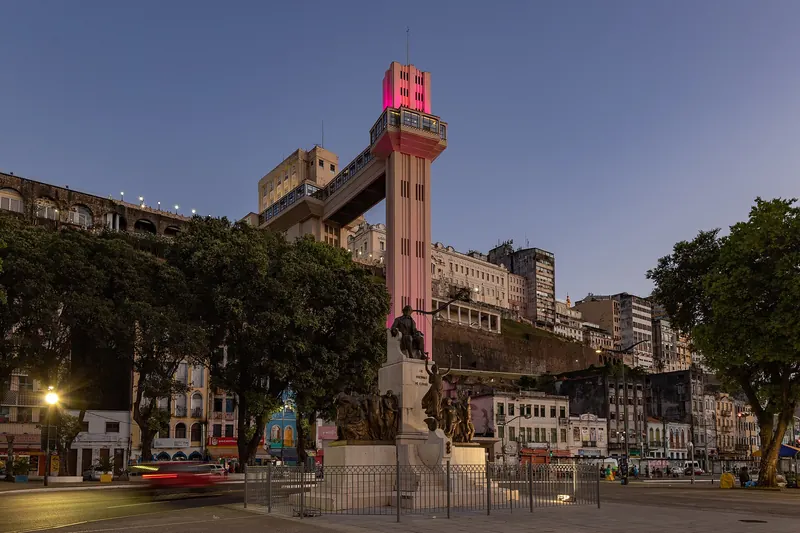
The historic centre, the Pelourinho, is one of the finest colonial ensembles in Latin America, and UNESCO listed it in 1985. Pastel-coloured mansions and baroque churches line cobbled squares and steep lanes, with the gilded interior of the Church of São Francisco as a highlight. The city is divided by a cliff into an Upper City and a Lower City, linked by the Elevador Lacerda, an Art Deco lift from the 1930s.
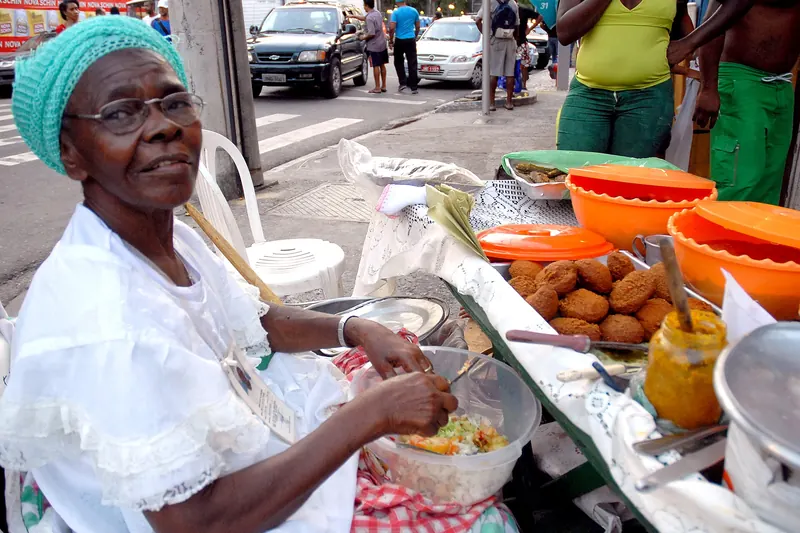
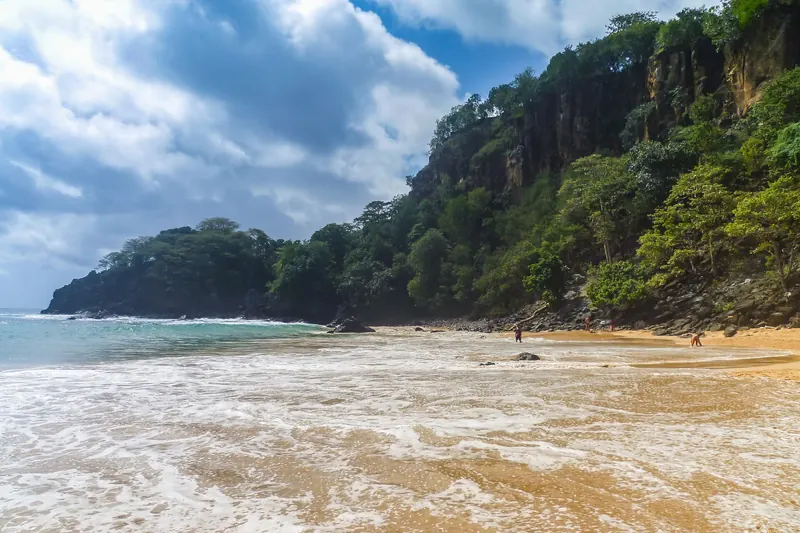
Salvador is also a city of beaches, of a huge bay, of Carnival, and of candomblé. Drummers play in the squares, capoeira groups practise in the streets, and baianas in white dresses sell acarajé. It is a warm, vibrant, welcoming place, though visitors should take care in the historic centre at night.
- Historic Site
- UNESCO Site
- Culture & Arts
- Coast & Beaches