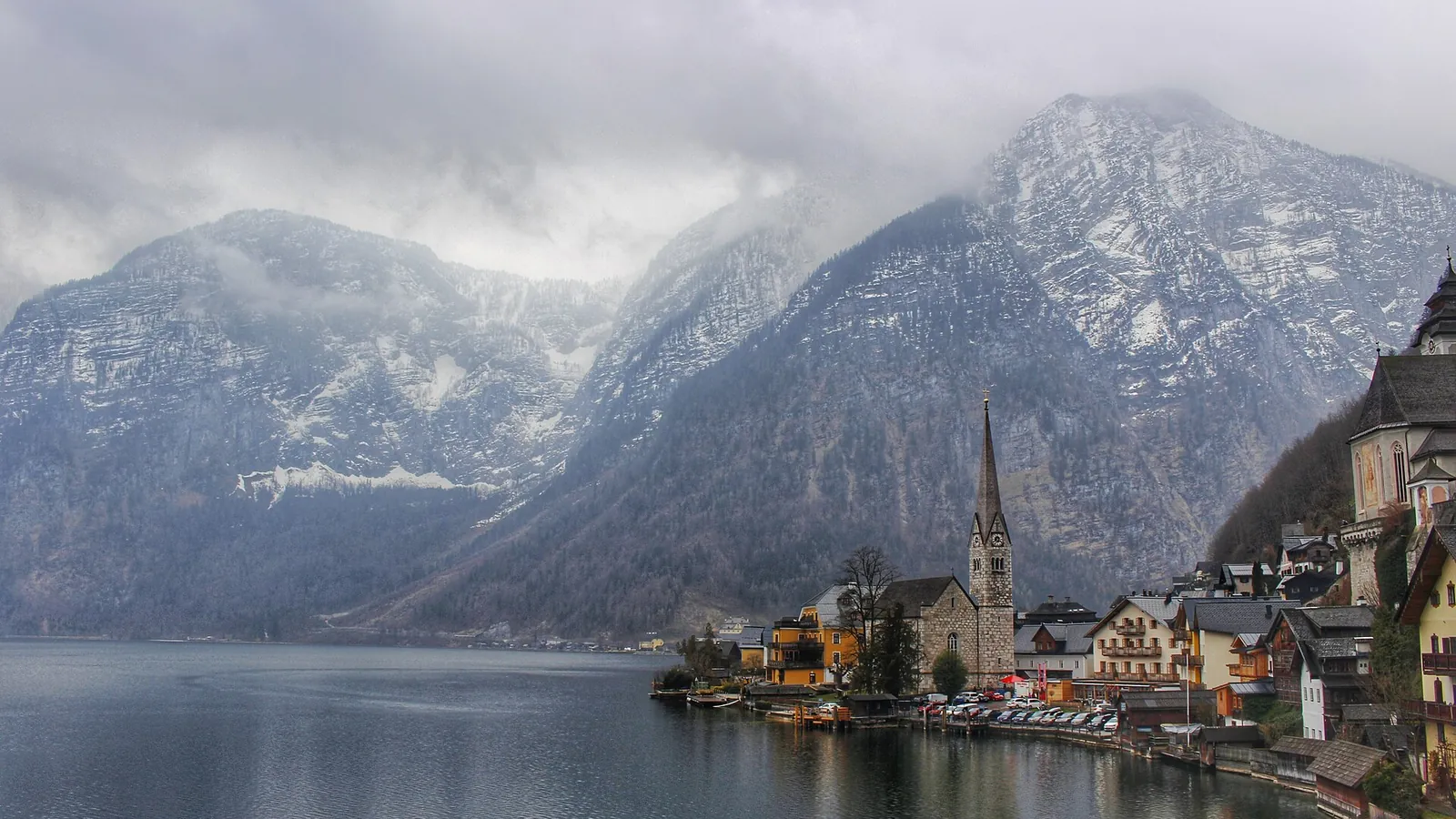
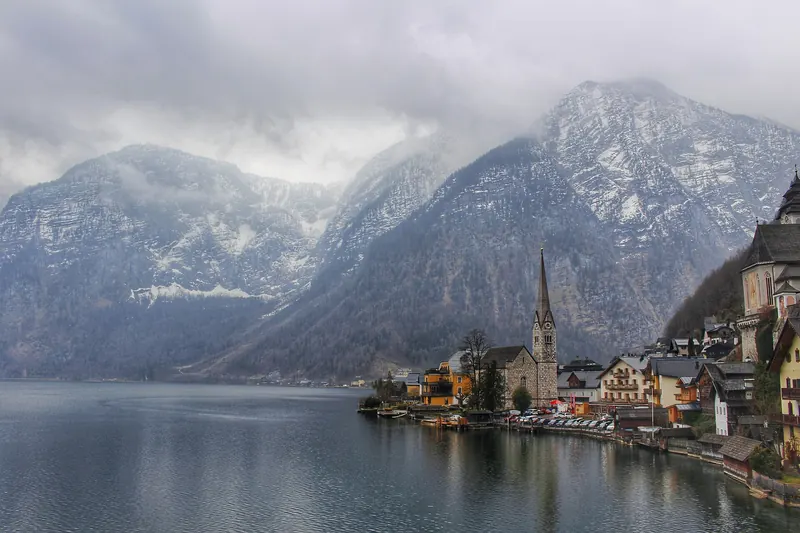
Hallstatt's lakeside village beneath the Alps in Austria's Salzkammergut

Austria · Travel guide

The Complete Austria Travel Guide

How imperial Vienna, the Alps and the lake districts divide, why the trains beat driving, and what a fortnight can honestly cover.

  • Reading time 15 min read
  • Covers 10 destinations
  • Updated 2026

Photo: MontanNito · CC BY-SA 3.0

Austria packs Habsburg-era grandeur, some of Europe's most photogenic Alpine lakes and a mountain range running the length of the country into an area its rail network makes easy to combine. This guide covers how the regions differ, when a train beats a car, what the seasons really mean from June's hiking to December's ski season, and the practicalities — Sunday closures and cash-preferring small towns — that catch first-time visitors out most often.

How Austria divides

Austria spans imperial cities, Alpine lake districts and mountain regions, and treating it as a single trip without picking a focus is the most common mistake first-time visitors make in planning.

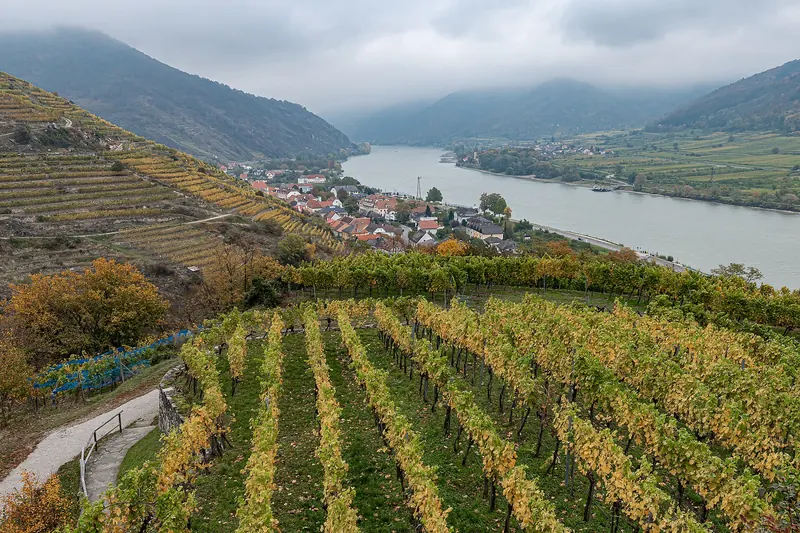
Vienna and the Danube. Vienna itself, the imperial capital, alongside an easy day or overnight trip to the Wachau Valley's vineyard-lined river scenery.

Salzburg and the Salzkammergut lakes. Salzburg's baroque old town and Hallstatt's postcard lakeside village, the classic pairing for anyone chasing Austria's most photographed scenery.

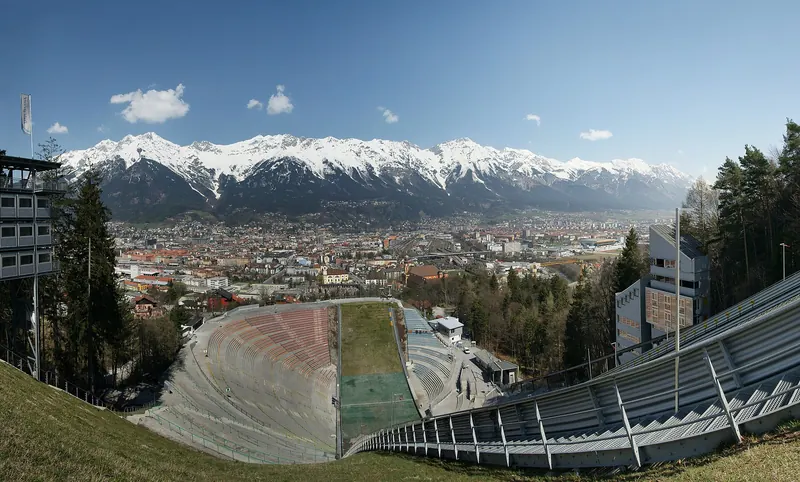
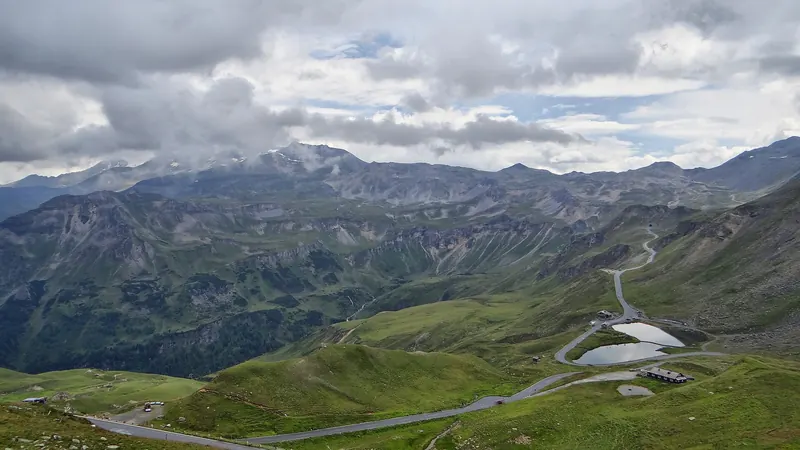
Tyrol and the western Alps. Innsbruck's mountain-ringed old town and Kitzbühel's ski heritage, alongside the Grossglockner High Alpine Road's dramatic mountain drive.

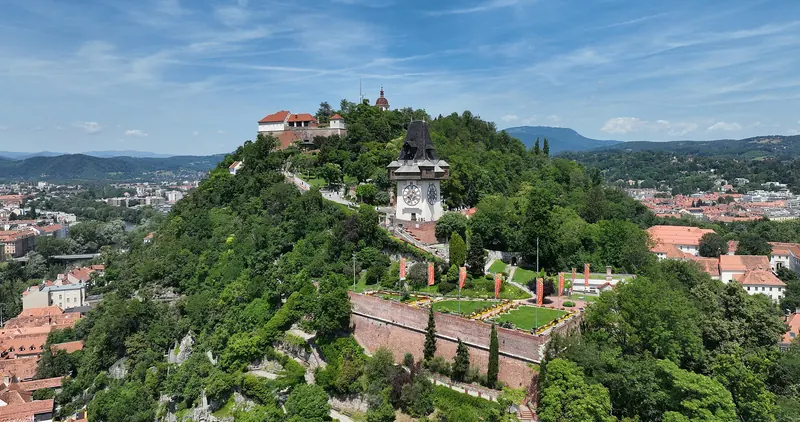
The quieter east and west. Graz's underrated UNESCO old town, Eisenstadt and Lake Neusiedl's wine country, and Bregenz on the far western edge by Lake Constance.

Worth knowing: The practical unit for a first trip is Vienna plus Salzburg and the Salzkammergut lakes, not an attempt at the whole country. The train network makes this corridor easy; Tyrol, Graz and the eastern wine country each reward dedicated time of their own.

Choosing between the ten destinations

  • If this is your first trip

    Vienna, Salzburg and Hallstatt, connected by train. Three nights in Vienna, two in Salzburg, two in Hallstatt. It is the standard route because it works: imperial history, baroque charm and the Alps' most photographed lake village.

  • If you want serious Alpine scenery and activity

    Innsbruck paired with Kitzbühel or the Grossglockner High Alpine Road — skiing in winter, hiking and mountain drives in summer.

  • If you want ancient history without the crowds

    Graz, Austria's underrated second city, its UNESCO-listed old town holding a fraction of Vienna's visitor numbers.

  • If you want wine country over mountains

    The Wachau Valley for Danube-side vineyards close to Vienna, or Eisenstadt and Lake Neusiedl for Burgenland's flatter, lake-side wine region.

  • If you want a lake district beyond Hallstatt's crowds

    The wider Salzkammergut's smaller lakes, or Bregenz on Lake Constance for a different, less-visited western Austria.

  • If you want the classic Sound of Music scenery

    Salzburg and the surrounding Salzkammergut hills, where much of the film was shot and the landscape still looks exactly as it did on screen.

Getting around: trains, one drive worth the exception

Austria's ÖBB rail network makes a wide-ranging itinerary workable without a car. Fast Railjet trains connect Vienna, Salzburg, Graz and Innsbruck efficiently.

Book Sparschiene discount fares ahead for meaningfully lower prices on intercity routes, released a set number of months before departure.

Regional trains and postbuses reach the smaller destinations — Hallstatt, the Wachau Valley and Kitzbühel are all reliably connected to the main network.

Rent a car only for the Grossglockner High Alpine Road. It's one of Europe's most dramatic mountain drives, and public transport doesn't cover it well — hire specifically for this leg rather than the whole trip.

Consider a Danube cycle path or river cruise for the Wachau Valley — a scenic, well-maintained alternative to the train for exploring the wine villages.

Validate regional train tickets where required. Austria's system relies partly on honesty checks, and an unvalidated ticket can result in a fine even if purchased in good faith.

Worth knowing: Book the train for your last leg back to Vienna with real slack before an international departure. Alpine weather delays, while less common than elsewhere, are still worth planning a buffer around.

When to go

Austria has two distinct best seasons depending on what you're after. For cities and hiking, May to June and September are the sweet spots.

Spring brings mild, increasingly warm weather, ideal for Vienna and Salzburg sightseeing and Alpine hiking trails as the snow clears from lower elevations.

Summer offers warm, reliable weather for lake swimming and hiking, but also the most crowded and expensive months in the popular Salzkammergut lake district, particularly August.

Autumn, especially September, keeps comfortable temperatures with thinning crowds, and coincides with the Wachau Valley's wine harvest.

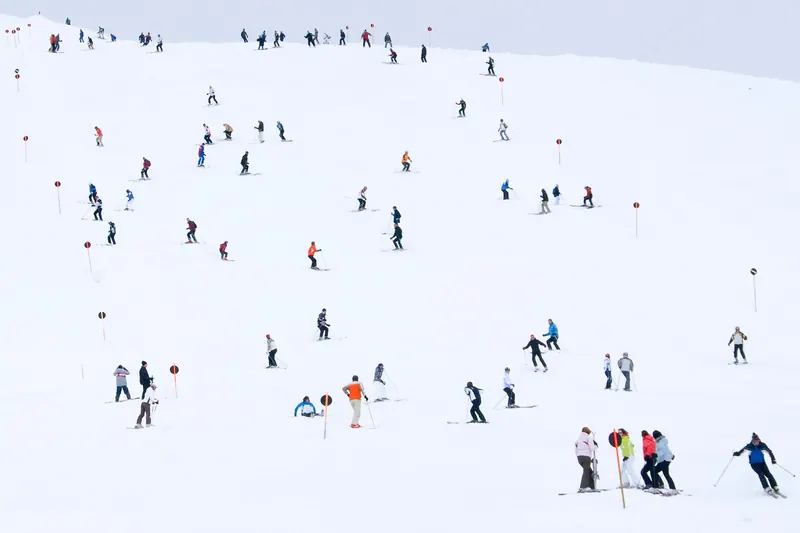
Winter, from December to March, is essential if skiing matters — Austria's Alpine resorts rival Switzerland's — and Vienna's Christmas markets make the capital worthwhile even without hitting the slopes.

Worth knowing: August specifically overlaps Austrian and German domestic summer holidays, pushing the Salzkammergut lakes to their busiest, most expensive point of the year — book well ahead or shift a few weeks either side if your dates allow it.

Costs, cash and what you must book

Mid-range travel in Austria runs roughly €110–180 per person per day, with Vienna and peak ski season adding a genuine premium over that figure. Backpacking works at €60–90; comfortable travel with good hotels and guided tours runs €200–340.

Carry some cash. Card acceptance is strong in cities, but smaller Alpine towns, market stalls and some traditional restaurants still prefer or require cash.

Book ahead, without exception: Sparschiene discount train fares, Alpine and Salzkammergut accommodation for summer and ski season, and Schönbrunn Palace or Hallstatt salt mine tickets for peak-season visits.

Plan around Sunday closures. Most shops close nationwide on Sundays and public holidays — stock up the day before rather than assuming errands can wait.

Small savings that add up: traditional gasthauses over tourist restaurants, regional train tickets over taxis, and travelling in May, June or September rather than the July-August peak for meaningfully lower prices.

Culture, punctuality and how coffee houses work

Austrian culture is shaped by its imperial history and Alpine geography, and a handful of broadly shared norms hold nationwide.

Punctuality is taken seriously. Arriving on time for a train, tour or dinner reservation is expected rather than optional.

Formality matters more than in many countries. Formal address and professional titles are common — let a local lead the shift to first names.

Directness isn't rudeness. Austrians can come across as blunt to visitors used to more indirect cultures — it's typically efficiency, not unfriendliness.

Coffee house etiquette is real — ordering a single coffee does buy hours of sitting time, but flag down your server rather than expecting table service to hover.

Finally, take Sunday closures seriously when planning — nearly everything except train stations and tourist-area restaurants shuts nationwide.

Four routes that work

  1. Ten days: the classic Vienna-Salzburg-Hallstatt route

    Three nights in Vienna, three in Salzburg, two in Hallstatt, connected by train. The most trodden route in Austria and still the right first trip — imperial history, baroque charm and the Alps' most photographed lake village.

    Tip Book Hallstatt accommodation well ahead — the village is tiny and rooms sell out early for summer.

  2. Two weeks: cities and the Alps

    The itinerary on the Austria country page: Vienna, the Wachau Valley, Salzburg, Hallstatt, then Innsbruck and the Alps. Adds serious mountain scenery to the classic imperial-cities route.

    Tip Book the Innsbruck-to-Vienna return leg with real slack — it's the longest single journey in the loop.

  3. Ten days in Tyrol and the western Alps alone

    Innsbruck as a base, with Kitzbühel and the Grossglockner High Alpine Road as day or overnight trips, without any long-distance transfers to Vienna at all.

    Tip Hire a car specifically for the Grossglockner road — it's one of the best mountain drives in Europe.

  4. A week in the quieter east and west

    Graz and Eisenstadt and Lake Neusiedl as a self-contained eastern Austria trip, or Bregenz paired with a Lake Constance loop into neighbouring countries. Both reward a full week and neither works well as a rushed day trip from Vienna.

    Tip For Graz and Eisenstadt, hire a car or use regional trains — the connection between them isn't as fast as the main Vienna-Salzburg corridor.

Reference

The 10 destinations in this guide

Every place named above has its own detailed guide — attractions, food, where to stay, how to get around and a suggested day-by-day plan.

Capital CityMajor City

Vienna

Vienna

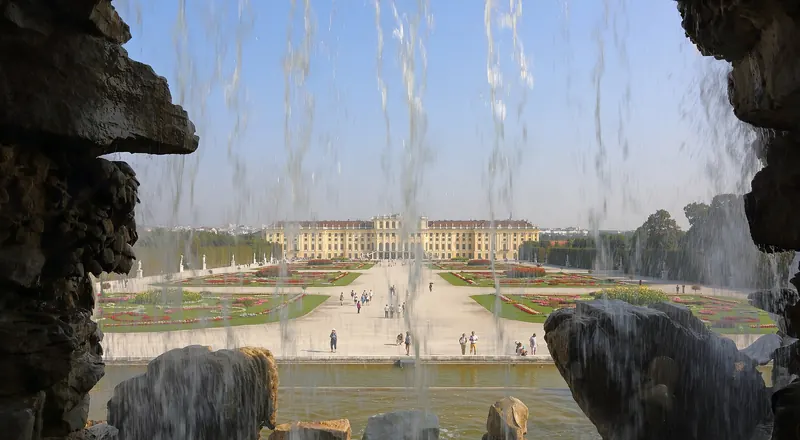
Austria's imperial capital, its Habsburg-era palaces, opera houses and coffee houses still central to how the city lives today.

Don't miss Schönbrunn Palace's gardens at golden hour, the former imperial summer residence's gravel paths stretching toward a hilltop gloriette.

Explore Destination — Vienna
Historic SiteUNESCO Site

Salzburg

Salzburg

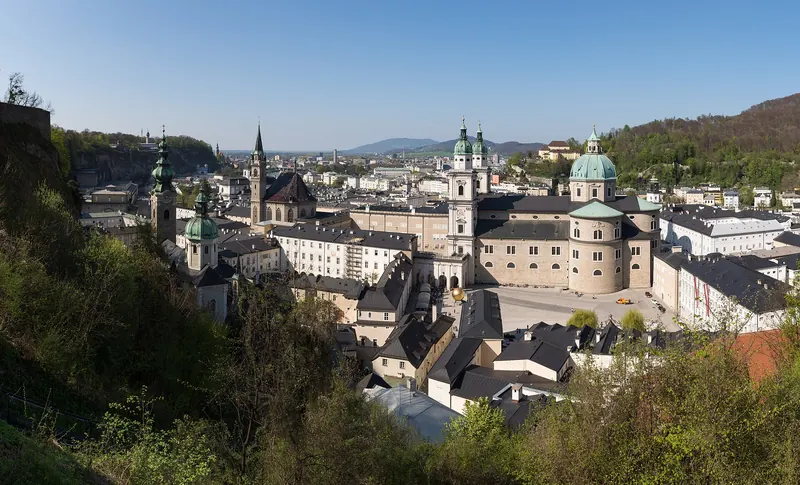
Mozart's baroque birthplace, its UNESCO-listed old town crowned by a hilltop fortress and surrounded by Sound of Music countryside.

Don't miss The view from Hohensalzburg Fortress at dusk, the baroque old town's spires and the Salzach River spread out below as the light fades.

Explore Destination — Salzburg
Scenic RegionUNESCO Site

Hallstatt

Salzkammergut, Upper Austria

Austria's most photographed village, its pastel houses wedged between a mountainside and a turquoise Alpine lake.

Don't miss The classic view of Hallstatt from across the lake, the village's church spire and pastel houses stacked beneath the mountains and reflected in the water.

Explore Destination — Hallstatt
Historic SiteMountains

Innsbruck

Tyrol

Tyrol's capital, its medieval old town wedged so tightly between the Alps that the mountains dominate the view from nearly every street.

Don't miss The view down Maria-Theresien-Strasse toward the snow-capped Nordkette range, the old town's baroque facades framed directly by the mountains behind them.

Explore Destination — Innsbruck
Historic SiteUNESCO Site

Graz

Styria

Austria's second city, its UNESCO-listed old town and lively university culture underrated relative to Vienna's fame.

Don't miss The view from Schlossberg hill at dusk, Graz's red-tiled old town spreading out below as the clock tower's silhouette catches the last light.

Explore Destination — Graz
Scenic RegionUNESCO Site

Wachau Valley

Lower Austria

A UNESCO-listed Danube valley of terraced vineyards, castle ruins and riverside wine villages, worth more than a passing glance from a train window.

Don't miss The view from Dürnstein's castle ruins over the Danube, terraced vineyards curving with the river below and the village's blue-domed church spire in the foreground.

Explore Destination — Wachau Valley
MountainsHistoric Site

Kitzbühel

Tyrol

A medieval Tyrolean town turned world-famous ski resort, home to the legendary Hahnenkamm downhill race and a charming Alpine old town.

Don't miss The view from the top of the Hahnenkamm mountain, the legendary Streif downhill course dropping away below toward the town's colourful rooftops.

Explore Destination — Kitzbühel
Food & WineNature & Wildlife

Eisenstadt & Lake Neusiedl

Burgenland

Burgenland's low-key capital and a shallow steppe lake shared with Hungary, at the centre of Austria's warmest, most overlooked wine region.

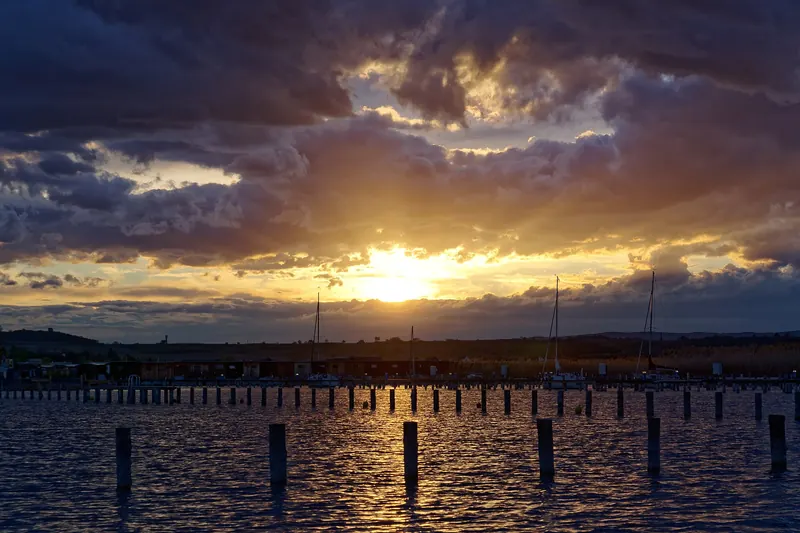
Don't miss Sunset over Lake Neusiedl's reed-lined shore, the shallow steppe lake's wide horizon a different Austrian landscape from the Alps most visitors expect.

Explore Destination — Eisenstadt & Lake Neusiedl
Scenic RegionCulture & Arts

Bregenz & Lake Constance

Vorarlberg

Austria's westernmost city, on the shore of Lake Constance where Austria, Germany and Switzerland meet, home to a spectacular floating opera stage.

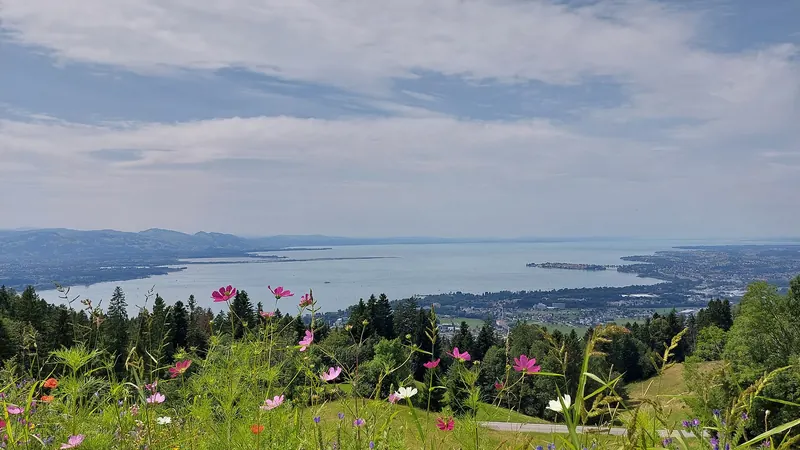
Don't miss The Bregenz Festival's floating stage on Lake Constance at dusk, a surreal setting for opera with the lake and mountains as a backdrop.

Explore Destination — Bregenz & Lake Constance

Back to the Austria country page

FAQ

Planning a trip to Austria

How long do I need in Austria?

Ten to fourteen days for a first trip. Eight to ten covers Vienna and the Salzkammergut lakes properly by train; twelve to sixteen lets you add Innsbruck and the Alps, which is the itinerary on this page. Four or five days is enough for Vienna alone, and Vienna alone justifies a trip.

Should I rent a car in Austria?

Not for the main route — trains cover Vienna, Salzburg, Hallstatt, Innsbruck and Graz excellently and comfortably. Rent specifically for the Grossglockner High Alpine Road, where public transport doesn't reach well.

What is the single most common mistake visitors make?

Visiting the Salzkammergut lakes in August without accommodation booked far ahead. Austrian and German domestic summer holidays push Hallstatt and the surrounding villages to their busiest, most expensive point of the year.

When should I avoid Austria?

Nowhere is truly a bad time, but the Salzkammergut lake district in peak August requires accommodation booked many months ahead unless that's exactly what you're prepared for — shoulder-season May, June or September offers a considerably calmer version of the same scenery.

Advertisement