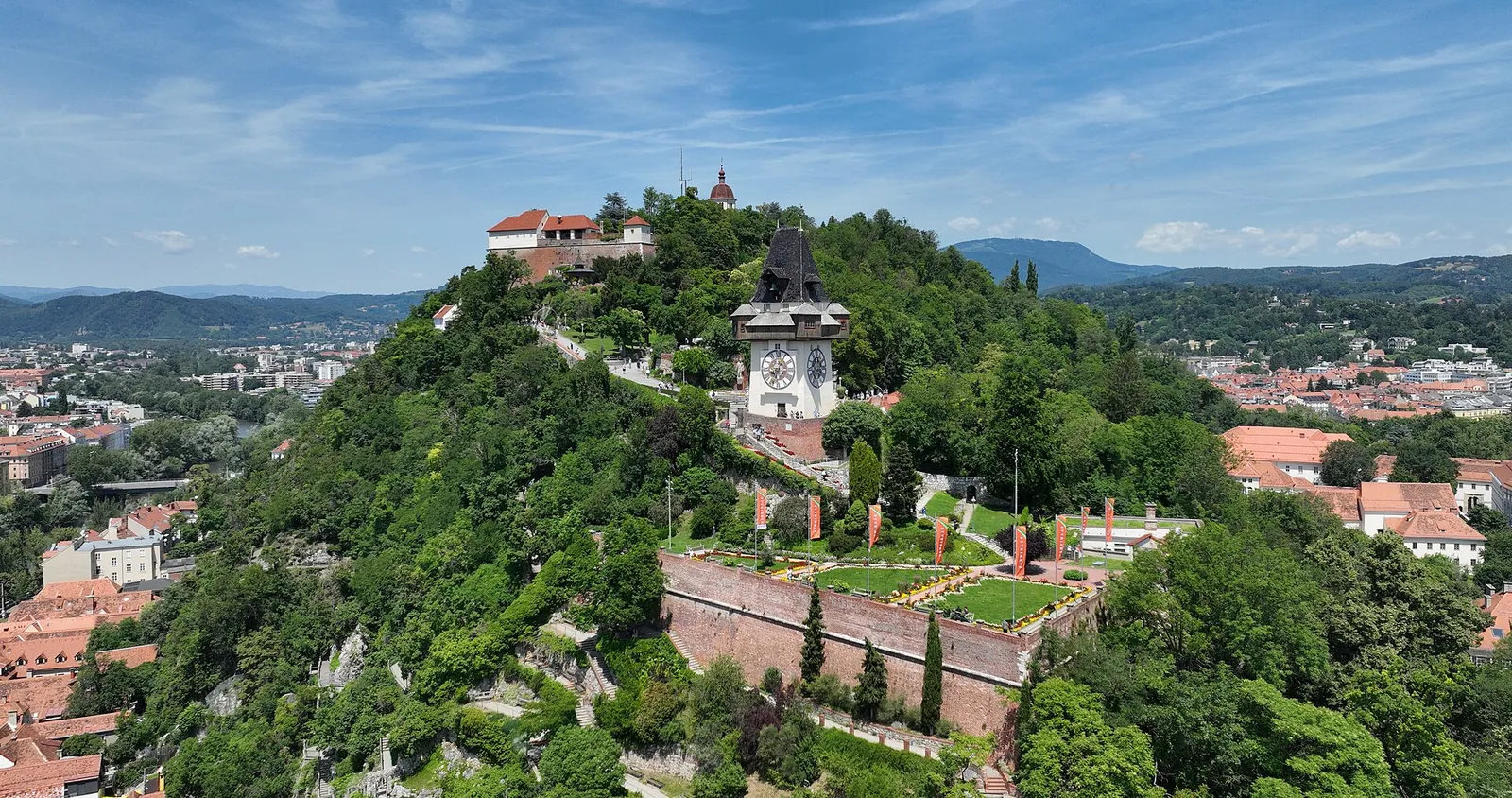
Graz's red-tiled old town seen from Schlossberg hill

Styria · Austria

Graz

Austria's underrated second city, a UNESCO-listed old town and a striking contemporary art museum, with a fraction of Vienna's crowds.

  • Best time May–June and September–October, for mild weather and manageable crowds
  • Stay 2 days
  • Good for History, architecture, a quieter Austrian city

Photo: C.Stadler/Bwag · CC BY-SA 4.0

Welcome to Graz

Graz is Austria's second-largest city, and one underrated relative to its size and quality — a UNESCO World Heritage old town of red-tiled roofs and Renaissance courtyards, spread beneath a hilltop clock tower that has watched over the city since the 13th century.

That historic core sits alongside a lively contemporary energy, driven by six universities and a student population that gives Graz one of Austria's youngest average ages, plus a striking modern counterpoint in the Kunsthaus, a biomorphic contemporary art museum nicknamed the 'Friendly Alien' by locals.

The result is a city that pairs genuine architectural depth with a noticeably more relaxed, less touristed pace than Vienna, making it a consistently rewarding addition for visitors willing to go beyond the capital.

  • Historic Site
  • UNESCO Site
  • Culture & Arts
  • Off the Beaten Path

Why visit

Why visit Graz?

Graz's case is that it delivers genuine UNESCO-listed old-town beauty with a fraction of Vienna's visitor numbers and prices.

  • The old town is UNESCO-worthy

    A well-preserved mix of Gothic, Renaissance and Baroque architecture, recognised as a World Heritage Site since 1999.

  • Schlossberg delivers a great city view

    A hilltop park and clock tower offering sweeping views over the old town's red rooftops.

  • The Kunsthaus is striking

    A biomorphic contemporary art museum that stands in deliberate, playful contrast to the historic old town below.

  • It's lively for its size

    Six universities give Graz a young, active atmosphere well beyond what its visitor numbers might suggest.

  • It's noticeably cheaper and quieter than Vienna

    Comparable architectural quality at meaningfully lower prices and crowd levels.

Main attractions

Top things to see in Graz

Graz's essential sights, spanning the UNESCO-listed old town and the hilltop park above it.

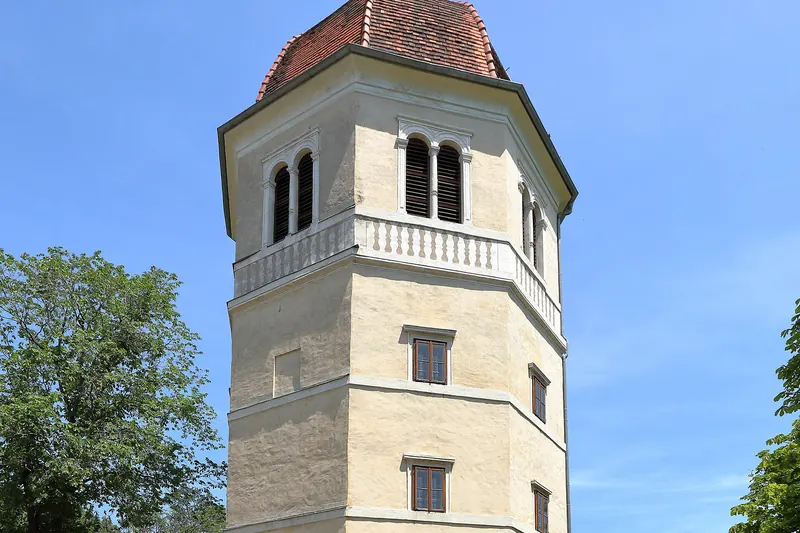
  1. The Uhrturm clock tower on Schlossberg hill above Graz

    Schlossberg and the Clock Tower

    A hilltop park crowned by Graz's iconic 13th-century clock tower, offering sweeping views over the old town's red-tiled roofs.

    Tip Take the funicular up and walk down through the park, or climb the stairs for a rewarding, if steeper, approach.

  2. Kunsthaus Graz

    A striking biomorphic contemporary art museum, nicknamed the 'Friendly Alien' by locals, a deliberate architectural contrast to the historic old town nearby.

    Tip The building's exterior is worth photographing even if you don't have time for the exhibitions inside.

  3. Graz Cathedral and Mausoleum

    A Gothic cathedral alongside the elaborate mausoleum of Emperor Ferdinand II, one of the most significant Mannerist buildings in Central Europe.

    Tip The mausoleum's interior is worth the separate entry, with considerably more elaborate decoration than the cathedral itself.

  4. Hauptplatz and the old town lanes

    Graz's central square and surrounding Renaissance-era lanes, well preserved and considerably less crowded than comparable old towns elsewhere in Austria.

    Tip Look up at the courtyards behind the main facades — many of Graz's most beautiful architectural details are hidden from the street.

  5. Landeszeughaus (Styrian Armoury)

    The world's largest historic armoury still in its original location, housing thousands of pieces of 16th and 17th century weaponry and armour.

    Tip An unusual, atmospheric museum worth the visit even without a specific interest in historic weaponry.

  6. Eggenberg Palace

    A UNESCO-listed baroque palace on the city's outskirts, its cosmological design reflecting the number of days, weeks and seasons in a year through its architecture.

    Tip The palace's Planet Rooms, with their ceiling frescoes, are worth the guided tour to fully appreciate the symbolism.

Things to do

Best things to do in Graz

Beyond the old town's sights, Graz rewards its student energy and Styrian food and wine culture.

  1. Explore Graz's student neighbourhoods

    Six universities give Graz a lively, youthful energy, with student bars and cafés spread through the city beyond the historic centre.

    Tip The area around the main university campus offers a good, more local counterpoint to the old town's tourist streets.

  2. Visit the Graz farmers market

    Kaiser-Josef-Platz and Lendplatz host lively morning markets selling Styrian produce, cheese and pumpkin seed oil.

    Tip Visit on a Saturday morning, when the markets are at their fullest and liveliest.

  3. Try Styrian pumpkin seed oil

    A distinctive regional specialty, dark green and nutty, used across Styrian cuisine on salads and in cooking.

    Tip A proper bottle from a local producer makes a worthwhile souvenir, distinct from mass-market versions.

  4. Walk along the Mur River

    The river running through Graz offers pleasant walking and cycling paths, including a small artificial island installation, the Murinsel.

    Tip The Murinsel, a floating platform connecting both riverbanks, makes a good stop for a coffee with a view.

  5. Take a Styrian wine day trip

    The rolling hills of Styria's wine country, particularly the Südsteiermark region, are a worthwhile day trip from Graz for tastings and views.

    Tip A rental car or organised tour is the most practical way to reach the wine region's smaller producers.

Local food

What to eat in Graz

Graz sits at the heart of Styrian cuisine, distinct from the rest of Austria for its use of pumpkin seed oil and regional produce.

  • Steirisches Kürbiskernöl (Styrian pumpkin seed oil)

    A distinctive dark, nutty oil, protected by EU geographic indication status, used across Styrian cooking and salads.

    Where to try it Local markets and traditional restaurants throughout Graz, often drizzled over a simple salad to let the oil's flavour stand out.

  • Steirisches Backhendl

    Styrian-style breaded and fried chicken, a regional take on schnitzel technique applied to poultry rather than veal.

    Where to try it Traditional Styrian restaurants throughout the old town.

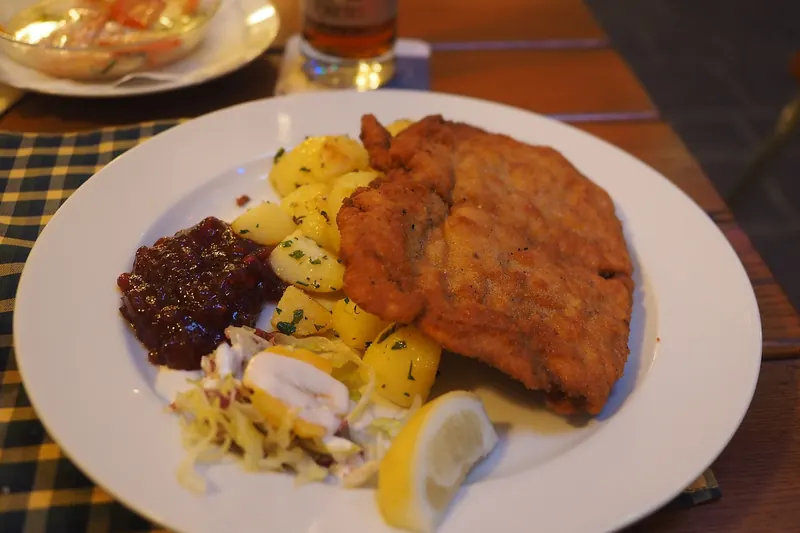
  • A Wiener schnitzel with parsley potatoes

    Wiener schnitzel

    Widely available across the city as elsewhere in Austria, good from Graz's traditional restaurants.

    Where to try it Gasthauses throughout the old town.

  • Styrian wine

    The Südsteiermark wine region south of Graz produces excellent whites, particularly Sauvignon Blanc, increasingly recognised internationally.

    Where to try it Wine bars in Graz's old town, or a day trip directly to Südsteiermark's producers.

  • Grazer Krauthäuptelsalat

    A simple local lettuce salad dressed with Styrian pumpkin seed oil, a defining regional side dish.

    Where to try it Traditional restaurants throughout Graz, typically served alongside a main dish.

Accommodation

Where to stay in Graz

Graz's old town offers a convenient, walkable base for most visitors.

  • Altstadt (old town)

    The most central, historic base, putting Hauptplatz and the cathedral within easy walking distance.

    Best for: Walking to Schlossberg and the main sights

  • Near the Kunsthaus and Mur River

    A short walk from the old town, with good access to the river and modern art museum.

    Best for: A slightly quieter, still-central atmosphere

What a night costs

Hostel dorm
€22–35 per night
Mid-range hotel
€80–140 per night
Schlossberg funicular
€3.60 one-way
Backhendl dinner
€14–20

Transport

Getting to and around Graz

Graz Airport handles regional flights, with fast trains connecting to Vienna.

Getting there

  • Graz Airport (GRZ)

    About 10km from the city centre, with limited direct international routes.

    A bus or taxi covers the short transfer into the city.

  • Train from Vienna

    Fast trains connect Vienna to Graz in about 2.5 hours.

    Book Sparschiene discount fares ahead for meaningfully lower prices.

  • Train from Salzburg

    A regional connection from Salzburg, typically changing once, taking about 4 hours.

    Most visitors combine Graz with Vienna given the more direct rail connection.

Getting around

Graz's old town is compact and walkable, with trams covering the wider city.

  • Walking

    The old town's Hauptplatz, cathedral and Schlossberg base all sit within a compact, walkable centre.

    Comfortable shoes matter for the cobblestone lanes and the Schlossberg climb.

  • Trams

    An efficient network covering the wider city, including university areas and Eggenberg Palace.

    A day ticket is good value if making several tram journeys.

  • Schlossberg funicular or lift

    The easiest way up the hill, sparing the steep climb.

    An outdoor glass lift also reaches the hilltop from within the old town.

When to go

Best time to visit Graz

Graz is pleasant most of the year, with spring and autumn offering the best balance of weather and crowds.

  • Spring (May–June)

    Best time

    Mild, increasingly warm weather, ideal for walking the old town and Schlossberg park.

  • Summer (July–August)

    Good

    Warm and reliable, with fewer crowds than Vienna even at the summer peak.

  • Autumn (September–October)

    Best time

    Comfortable temperatures and the Styrian wine harvest in full swing nearby.

  • Winter (November–March)

    Good

    Cold but atmospheric, with a Christmas market on Hauptplatz.

Worth planning around: Nothing strongly — Graz's comparatively low visitor numbers mean crowds are rarely a genuine concern in any season.

Itinerary

Two days in Graz

The old town and Schlossberg first, then the city's modern art and student culture.

  1. Day1

    The old town and Schlossberg

    Graz's essential historic sights.

    • Morning Hauptplatz and Graz Cathedral.
    • Afternoon The Schlossberg funicular and clock tower views.
    • Evening Dinner in the old town.
  2. Day2

    Modern Graz and Eggenberg Palace

    The city's contemporary side and outlying sights.

    • Morning The Kunsthaus and a walk along the Mur River.
    • Afternoon Eggenberg Palace.
    • Evening A final dinner with Styrian wine.

Travel tips

Graz travel tips

Practical notes on booking, timing and transport that make a real difference to a Graz trip.

  • Take the Schlossberg funicular up and walk down through the hilltop park for the easiest route.
  • Visit the Kaiser-Josef-Platz farmers market on a Saturday morning for the liveliest atmosphere.
  • Book Eggenberg Palace's Planet Rooms tour ahead if visiting in peak season.
  • Consider a day trip to the Südsteiermark wine region if you have an extra day.
  • Combine Graz with Vienna rather than treating it as a standalone destination — the rail connection is convenient.
  • Carry some cash for smaller cafés and market stalls, though most restaurants take cards.

FAQ

Graz: frequently asked questions

Is Graz worth visiting instead of just Vienna?

It's worth adding rather than replacing Vienna — Graz offers comparable old-town beauty with fewer crowds and lower prices, but Vienna's imperial sights and musical heritage are on a different scale entirely.

How many days do you need in Graz?

Two days covers the old town, Schlossberg and the Kunsthaus comfortably, with Eggenberg Palace or a wine country day trip as a worthwhile extension if you have more time.

How do I get from Vienna to Graz?

By train, taking about 2.5 hours on a direct fast service — one of Austria's most convenient city-to-city connections.

Is Graz expensive?

No, one of Austria's more affordable cities — mid-range travel runs roughly €75–130 per person per day, noticeably below Vienna's capital-city premium.

What is the best time of year to visit?

May to June and September to October offer the most comfortable weather. Graz's comparatively low visitor numbers mean crowds are rarely a concern even in peak summer.

Read next

Related travel articles

Where to go

Beyond the Big Names: Places Worth the Detour

The most visited place in a country is rarely its best, and it is almost never its best value. This is a method for finding the destinations that do not make the postcards — and a set of examples from five of the 50 countries on this site.

Transport

Getting Around Europe by Train

European rail is excellent and confusing — six national operators, three completely different pricing models, and a rail pass that is either a bargain or a waste depending on where you are going. Here is how to work out which.

Advertisement