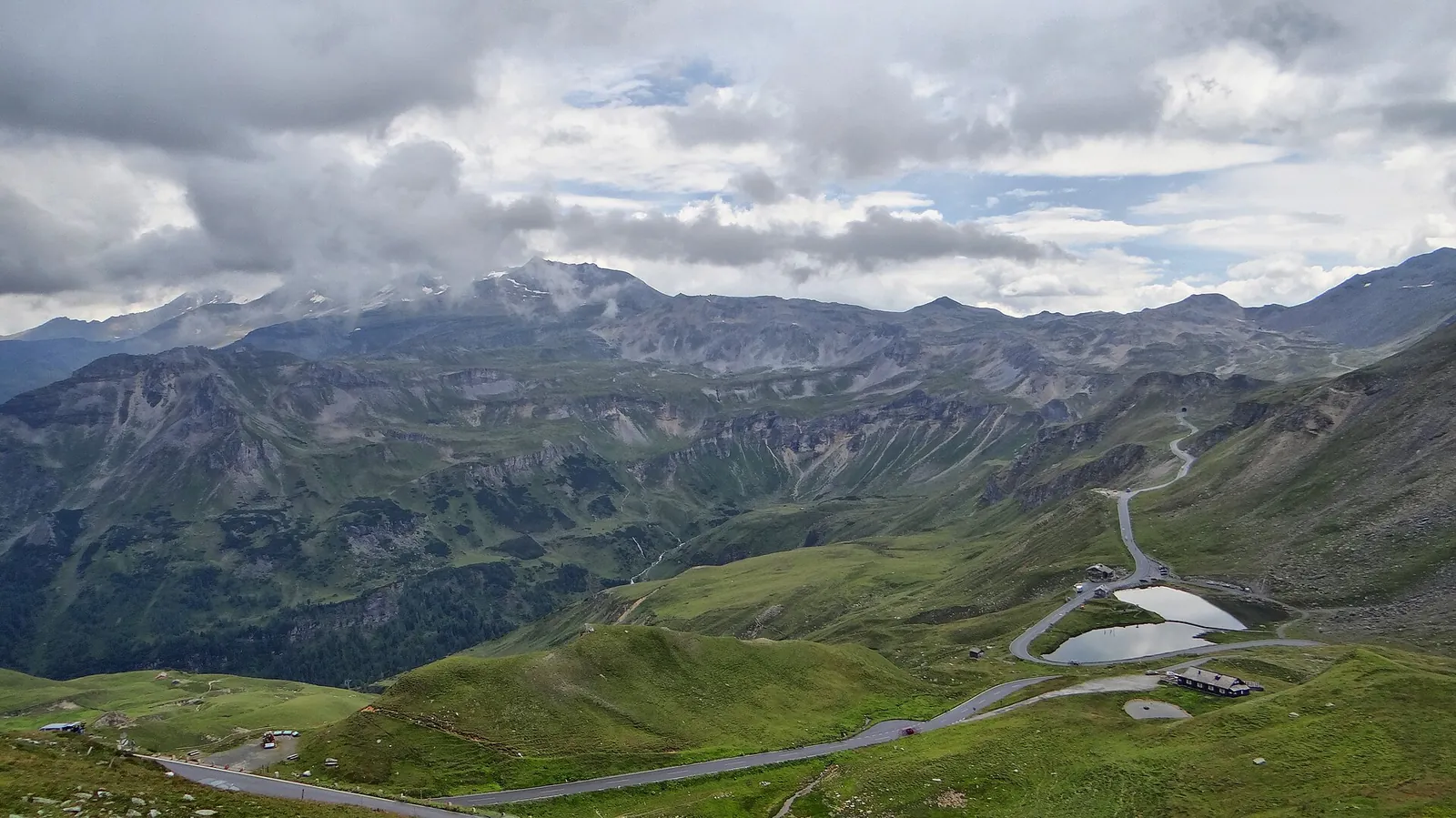
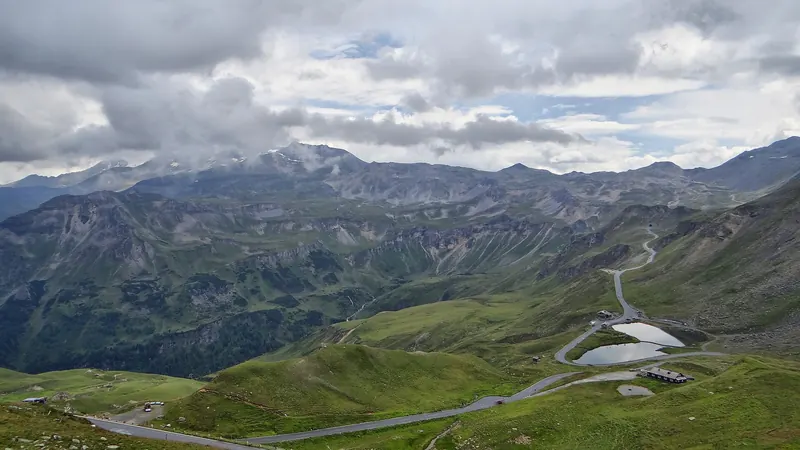
The Grossglockner High Alpine Road winding through Austria's highest mountains

Salzburg province · Austria

Zell am See & the Grossglockner High Alpine Road

A lakeside resort town at the foot of Austria's highest mountain, and the single most dramatic high-altitude road drive in the Alps.

  • Best time June–September for the Grossglockner road, December–March for skiing
  • Stay 2–3 days
  • Good for Scenic drives, mountains, lake activities

Photo: Renedrivers · CC BY-SA 3.0 at

Welcome to Zell am See & the Grossglockner High Alpine Road

Zell am See sits on the shore of the picturesque Zeller See, a turquoise Alpine lake ringed by mountains, close enough to Austria's highest peak, the Grossglockner, to serve as the natural base for exploring both the lake and the glacier country above it.

The region's centrepiece is the Grossglockner High Alpine Road, a spectacular 48-kilometre high-mountain road opened in 1935, climbing to over 2,500 metres through hairpin turns with views over glaciers, waterfalls and Austria's highest summit throughout.

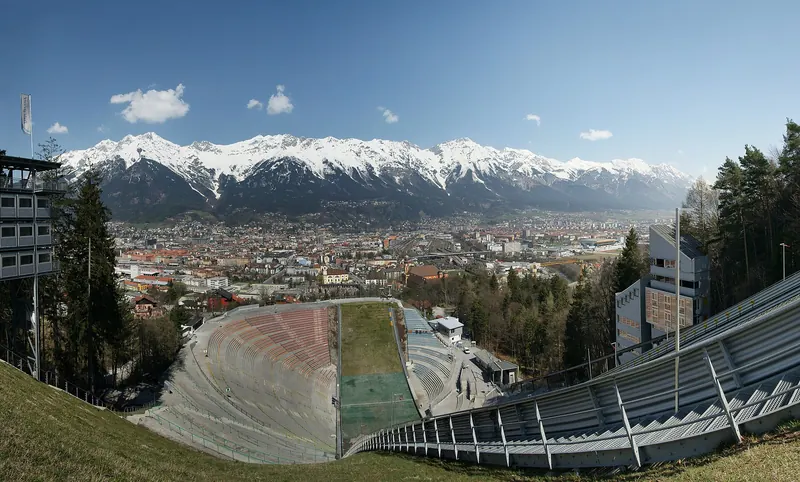
That combination of a relaxed lakeside town and one of Europe's most dramatic drives makes the area a worthwhile stop for visitors wanting serious Alpine scenery without committing to a full ski-resort stay in Kitzbühel or Innsbruck.

  • Mountains
  • Scenic Region
  • Nature & Wildlife
  • Off the Beaten Path

Why visit

Why visit Zell am See & the Grossglockner High Alpine Road?

The region's case is that the Grossglockner High Alpine Road delivers Alpine drama unmatched anywhere else in Austria, with a relaxed lakeside base to return to.

  • The Grossglockner road is one of Europe's best mountain drives

    48 kilometres of hairpin turns through glacier country, climbing to over 2,500 metres.

  • Zeller See is one of Austria's prettiest Alpine lakes

    Turquoise water ringed by mountains, offering swimming, boating and lakeside walking.

  • The glacier views are spectacular

    The Pasterze, Austria's largest glacier, is directly viewable from the Grossglockner road's Kaiser-Franz-Josefs-Höhe viewpoint.

  • It's less crowded than Austria's bigger-name Alpine resorts

    Comparable scenery to Kitzbühel or Innsbruck's surroundings, with noticeably fewer visitors.

  • It works well as both a base and a day trip

    Flexible for a dedicated stay or as an extension from Salzburg or Innsbruck.

Main attractions

Top things to see in Zell am See & the Grossglockner High Alpine Road

The region's essential sights, spanning Zell am See's lake and the Grossglockner road above it.

  1. The Grossglockner High Alpine Road winding through Austria's highest mountains

    The Grossglockner High Alpine Road

    A spectacular 48-kilometre toll road climbing through hairpin turns to over 2,500 metres, with views over glaciers and Austria's highest peak throughout.

    Tip Check the road's opening dates before visiting — it typically operates from May to October and closes for winter.

  2. Kaiser-Franz-Josefs-Höhe and the Pasterze glacier

    The Grossglockner road's most famous viewpoint, offering a direct view of the Pasterze, Austria's largest glacier, though it has retreated considerably in recent decades.

    Tip A funicular or walking path descends closer to the glacier's current edge for those wanting a nearer view.

  3. Zeller See

    A picturesque turquoise Alpine lake at the centre of Zell am See, ringed by mountains and offering swimming, boating and lakeside walking paths.

    Tip A full walk or cycle around the lake's roughly 12-kilometre perimeter path is a pleasant half-day activity.

  4. Edelweissspitze

    The Grossglockner road's highest viewpoint, reachable by a short side road, offering 360-degree panoramic views over the surrounding peaks.

    Tip A worthwhile detour off the main road — allow extra time for the narrow access route and the view itself.

  5. Schmittenhöhe

    The mountain rising directly above Zell am See, reachable by cable car, offering sweeping views over the lake and surrounding Alps.

    Tip The cable car runs year-round, serving skiers in winter and hikers in summer alike.

Things to do

Best things to do in Zell am See & the Grossglockner High Alpine Road

Beyond the famous road and the lake, the region rewards both mountain activity and a relaxed lakeside pace.

  1. Drive the Grossglockner High Alpine Road

    The single most essential activity in the region, an unforgettable drive through high Alpine scenery unmatched elsewhere in Austria.

    Tip Start early in the day for the clearest weather and lightest traffic on the narrow mountain road.

  2. Swim or boat on Zeller See

    The lake's clean, cool water and mountain backdrop make it a popular summer swimming and boating spot.

    Tip Several public swimming areas around the lake are free to access, alongside paid lidos with more facilities.

  3. Hike or ski on the Schmittenhöhe

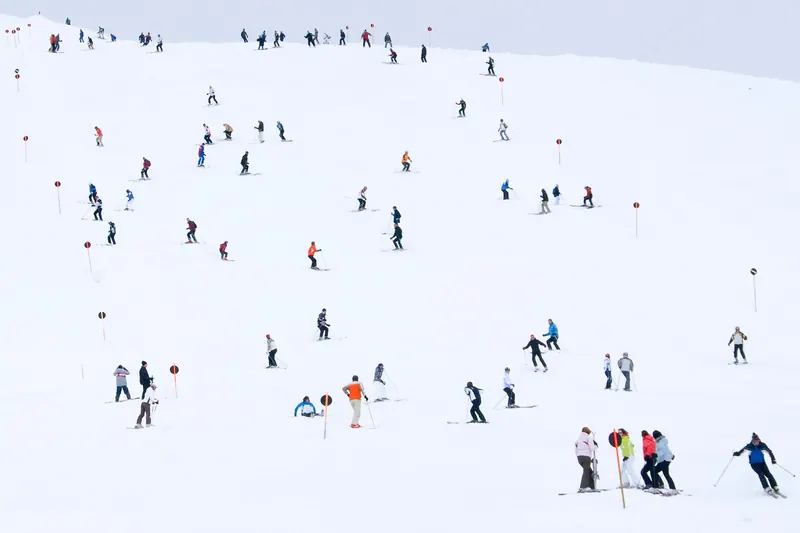
    The mountain above Zell am See offers excellent hiking in summer and skiing in winter, both reachable directly by cable car from town.

    Tip Summer hiking trails from the top station suit a wide range of fitness levels.

  4. Cycle the Tauern cycle path

    A well-maintained long-distance cycle route passes through the Zell am See area, following river valleys through the wider region.

    Tip Bicycle rental is widely available in Zell am See for visitors without their own equipment.

  5. Visit the Kitzsteinhorn glacier

    An accessible glacier ski area near Kaprun, offering summer skiing and glacier viewing even outside winter season.

    Tip A cable car and the '3K K-onnection' reach the glacier directly, worthwhile even for non-skiers for the high-altitude views.

Local food

What to eat in Zell am See & the Grossglockner High Alpine Road

The region's food centres on Salzburg province's Alpine specialties, served in scenic lakeside and mountain settings.

  • Kaiserschmarrn

    A shredded, caramelised pancake with fruit compote, a beloved mountain-hut classic across the Grossglockner road's rest stops.

    Where to try it Mountain huts along the Grossglockner High Alpine Road and restaurants in Zell am See.

  • Pinzgauer Kasnocken

    A regional cheese spätzle dish from the Pinzgau area around Zell am See, rich and satisfying after a day of hiking or driving.

    Where to try it Traditional restaurants throughout Zell am See.

  • Fresh lake fish

    Fish from Zeller See, grilled or pan-fried, one of the local specialties at lakeside restaurants.

    Where to try it Restaurants directly on Zeller See's shore.

  • Tiroler Gröstl

    A hearty pan-fried dish of potatoes, onions and roast meat, widely available as essential Alpine comfort food.

    Where to try it Traditional gasthauses throughout Zell am See.

  • Alpine cheese and dairy

    Mountain farms across the Pinzgau region produce good local cheese, often sold directly at farm shops.

    Where to try it Farm shops and markets around Zell am See and along the Grossglockner road.

Accommodation

Where to stay in Zell am See & the Grossglockner High Alpine Road

Zell am See itself works as the natural base for exploring both the lake and the Grossglockner road.

  • Zell am See town centre

    The most central, convenient base, with the lake and the Schmittenhöhe cable car both within easy walking distance.

    Best for: Lake access and a wide range of restaurants

  • Kaprun

    A short distance from Zell am See, convenient if the glacier ski area is a priority.

    Best for: Closer access to the Kitzsteinhorn glacier

What a night costs

Guesthouse room
€90–160 per night
Mid-range hotel
€160–280 per night
Grossglockner road toll (per car)
€40
Kasnocken dinner
€15–22

Transport

Getting to and around Zell am See & the Grossglockner High Alpine Road

Zell am See is reached by train or road from Salzburg or Innsbruck, both convenient gateway cities.

Getting there

  • Train from Salzburg

    Regional trains connect Salzburg to Zell am See in about 1.5 hours.

    The town's train station sits within easy walking distance of the lake and centre.

  • Rental car for the Grossglockner road

    Essential for driving the Grossglockner High Alpine Road itself, which isn't well served by public transport.

    Hire specifically for this leg if travelling the rest of your trip by train.

  • Train or bus from Innsbruck

    A regional connection from Innsbruck, typically changing once, taking roughly 2–2.5 hours.

    A rental car offers more flexibility if combining Innsbruck and Zell am See in one trip.

Getting around

Zell am See town is walkable, while the Grossglockner road and glacier require a car or organised tour.

  • Walking

    Zell am See's town centre and lakeside promenade are walkable, with the Schmittenhöhe cable car reachable on foot.

    A full lake-perimeter walk takes several hours — plan accordingly or cycle instead.

  • Rental car

    The only practical way to drive the Grossglockner High Alpine Road and reach some outlying viewpoints.

    The road's toll and narrow hairpin sections require genuine driving confidence.

  • Organised bus tour

    A relaxed alternative to self-driving the Grossglockner road, available from Zell am See and Salzburg.

    Worthwhile if you'd rather enjoy the views without focusing on the driving.

When to go

Best time to visit Zell am See & the Grossglockner High Alpine Road

The region splits into two seasons — the high alpine road is only open roughly May to October, while winter brings skiing on the Schmittenhöhe and Kitzsteinhorn.

  • Late spring to early summer (May–June)

    Good

    The Grossglockner road typically reopens in May, though higher sections can retain snow and require caution early in the season.

  • Summer (July–August)

    Best time

    The most reliable window for driving the full Grossglockner road and enjoying Zeller See's lake activities.

  • Autumn (September–October)

    Good

    Still open for driving with thinning crowds, though the road typically closes for the season by late October.

  • Winter (November–April)

    Shoulder

    The Grossglockner road closes entirely, but skiing on the Schmittenhöhe and nearby Kitzsteinhorn glacier remains excellent.

Worth planning around: Attempting the Grossglockner road outside its official open season (roughly May to October) — it closes completely for winter and reopening dates can shift with conditions.

Itinerary

Two to three days in Zell am See and the Grossglockner region

The lake first, then the famous high alpine road.

  1. Day1

    Zell am See and Zeller See

    The lakeside town's essentials.

    • Morning Arrive and settle into Zell am See.
    • Afternoon A walk or swim around Zeller See.
    • Evening Dinner with lake views.
  2. Day2

    The Grossglockner High Alpine Road

    The region's essential drive.

    • Morning Drive the Grossglockner road, starting early.
    • Afternoon Kaiser-Franz-Josefs-Höhe and the Pasterze glacier viewpoint.
    • Evening Return to Zell am See.
  3. Day3

    The Schmittenhöhe or Kitzsteinhorn glacier

    An optional third day for more mountain activity.

    • Morning The Schmittenhöhe cable car and hiking trails.
    • Afternoon Free time or a Kitzsteinhorn glacier visit.
    • Evening A final dinner before departing.

Travel tips

Zell am See & the Grossglockner High Alpine Road travel tips

Practical notes on booking, timing and transport that make a real difference to a Zell am See and Grossglockner trip.

  • Check the Grossglockner road's current opening dates before planning your trip — it closes completely in winter.
  • Start the Grossglockner drive early in the day for the clearest weather and lightest traffic.
  • Rent a car specifically for the Grossglockner leg if travelling the rest of your trip by train.
  • Pack proper layers even in summer — temperatures at 2,500 metres run considerably cooler than the valley.
  • Book Zell am See accommodation ahead for both summer lake season and winter ski season peaks.
  • Consider an organised bus tour of the Grossglockner road if you'd rather not focus on driving the hairpin turns yourself.

FAQ

Zell am See & the Grossglockner High Alpine Road: frequently asked questions

Is the Grossglockner High Alpine Road worth the toll?

Yes — it's widely considered one of Europe's most spectacular mountain drives, with views over glaciers and Austria's highest peak that justify both the toll and the drive time.

When is the Grossglockner road open?

Typically from May to October, though exact dates shift year to year depending on snow conditions — check current opening dates before planning your visit, since the road closes completely for winter.

How many days do you need in this region?

Two to three. Two covers Zeller See and a full Grossglockner road drive; three allows the Schmittenhöhe or Kitzsteinhorn glacier without feeling rushed.

Do I need a car for this region?

For the Grossglockner road, yes — it isn't well served by public transport, though organised bus tours offer an alternative. Zell am See itself is walkable without a car.

What is the best time of year to visit?

June to September for driving the Grossglockner road and lake activities. December to March brings excellent skiing on the Schmittenhöhe and Kitzsteinhorn glacier, though the high alpine road itself is closed.

Read next

Related travel articles

Practical

Packing by Season and Trip Type

Most packing advice is a list of things. This is the opposite: the small number of decisions that determine whether your luggage helps or hinders, organised by the kind of trip you are actually taking.

Where to go

Beyond the Big Names: Places Worth the Detour

The most visited place in a country is rarely its best, and it is almost never its best value. This is a method for finding the destinations that do not make the postcards — and a set of examples from five of the 50 countries on this site.

Advertisement