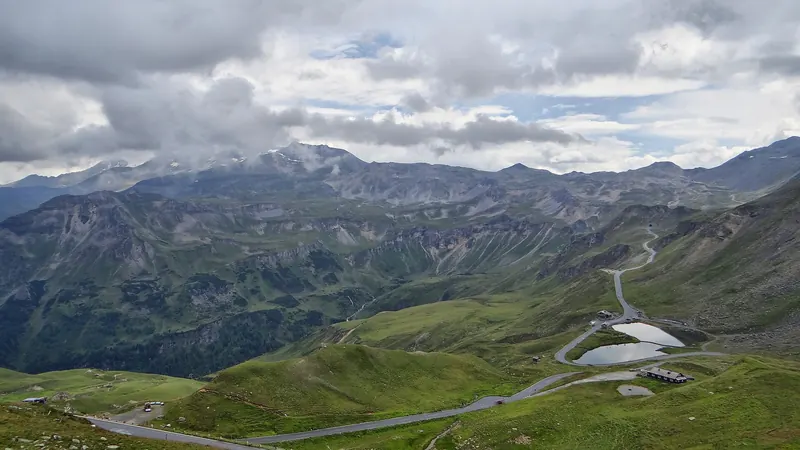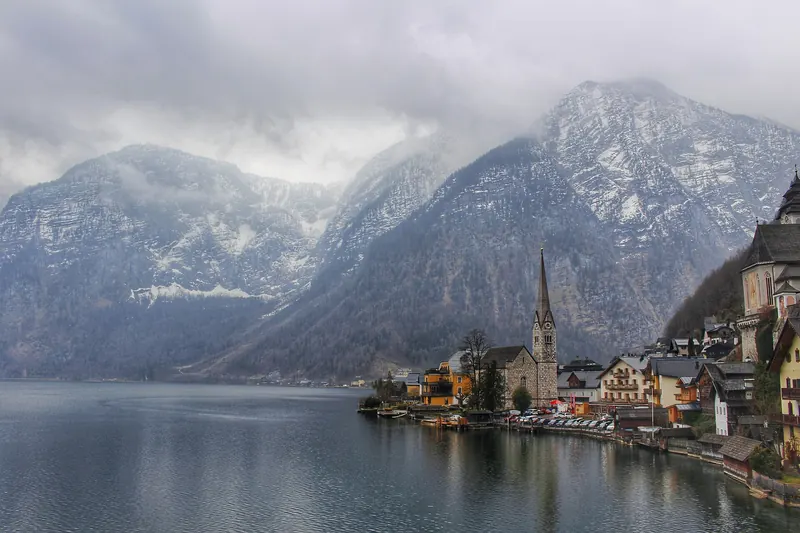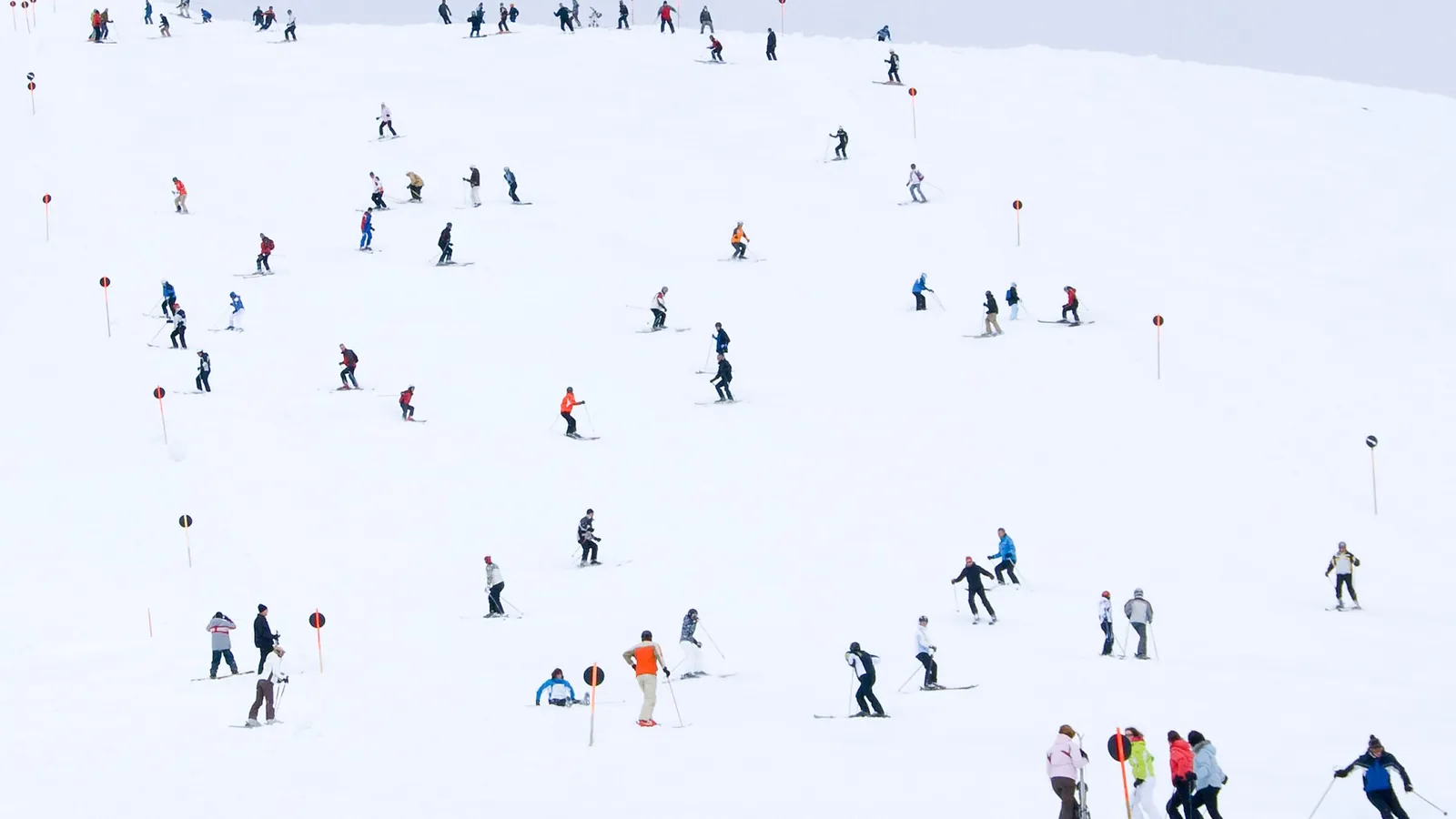
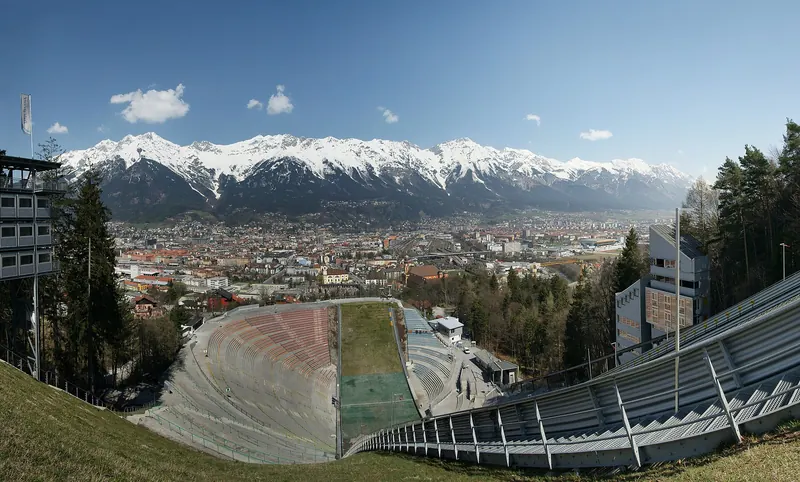
Skiers on a slope in the Austrian Alps

Tyrol · Austria

Kitzbühel

A medieval walled town turned world-famous ski resort, home to the legendary Streif downhill run and a pretty Alpine old town beneath it.

  • Best time December–March for skiing, June–September for hiking
  • Stay 2–3 days
  • Good for Skiing, hiking, an Alpine resort atmosphere

Photo: Wilder Kaiser · CC BY-SA 3.0

Welcome to Kitzbühel

Kitzbühel built its wealth centuries ago on copper and silver mining, and the medieval walled town that money built — colourful merchant houses lining narrow cobbled streets — still forms the charming core of what's now one of the world's most famous ski resorts.

That fame rests largely on the Hahnenkamm, home to the Streif, widely considered the most dangerous and prestigious downhill ski race on the World Cup circuit, drawing tens of thousands of spectators every January for a major event on the international skiing calendar.

Beyond the race itself, Kitzbühel's surrounding Alps offer excellent skiing in winter and a well-developed hiking and mountain-biking network in summer, making the town a legitimate year-round destination rather than a purely seasonal one.

  • Mountains
  • Historic Site
  • Scenic Region

Why visit

Why visit Kitzbühel?

Kitzbühel's case is that it pairs a charming medieval old town with world-class Alpine sport, in both winter and summer.

  • The old town is more charming than most ski resorts

    Colourful medieval merchant houses give Kitzbühel real architectural character beyond its ski reputation.

  • The Hahnenkamm is legendary

    Home to the Streif, the most famous and feared downhill race on the World Cup circuit.

  • The skiing is excellent

    A large, well-connected ski area with terrain suited to a wide range of ability levels.

  • It works well in summer too

    Extensive hiking and mountain-biking trails make Kitzbühel a legitimate year-round mountain destination.

  • It's more manageable than Innsbruck's bigger-city pace

    A small, walkable Alpine town with resort-level amenities in a considerably more intimate setting.

Main attractions

Top things to see in Kitzbühel

Kitzbühel's essential sights, spanning the medieval old town and the mountains around it.

  1. The medieval old town

    Colourful merchant houses lining narrow cobbled streets, well preserved from Kitzbühel's mining-wealth heyday.

    Tip Vorderstadt and Hinterstadt, the two parallel main streets, are the heart of the old town's charm.

  2. The Hahnenkamm and the Streif

    The mountain hosting the legendary Streif downhill course, one of the most demanding and feared runs in competitive skiing.

    Tip A cable car reaches the mountain even outside ski season, with a viewing platform overlooking sections of the famous course.

  3. Kitzbüheler Horn

    A second major mountain above the town, offering sweeping panoramic views and a botanical alpine garden near the summit.

    Tip The Horn's cable car and summit area are worth visiting even without skiing, for the views alone.

  4. Kitzbühel Museum

    A small but well-curated museum covering the town's mining history and ski racing heritage, housed in a medieval tower.

    Tip A worthwhile stop for context before exploring the Hahnenkamm's racing legacy further.

  5. The parish church and Liebfrauenkirche

    Two notable churches at the edge of the old town, their onion-domed towers a defining part of Kitzbühel's skyline.

    Tip A short, easy stop to combine with a wander through the adjacent old town streets.

Things to do

Best things to do in Kitzbühel

Beyond the old town and the famous race course, Kitzbühel rewards both winter and summer mountain activity.

  1. Ski the Kitzbühel ski area

    A large, well-connected network of runs suited to a wide range of ability levels, with the Hahnenkamm's terrain a highlight for advanced skiers.

    Tip The KitzSki area connects with neighbouring resorts, worth exploring beyond just the Hahnenkamm itself.

  2. Watch or attend the Hahnenkamm Rennen

    The annual World Cup downhill race in January draws massive crowds and a festival atmosphere well beyond just the skiing itself.

    Tip Book accommodation many months ahead if visiting specifically for race weekend — the town fills to capacity.

  3. Hike the Alpine trails in summer

    Kitzbühel's mountains offer extensive summer hiking, from easy valley walks to serious high-altitude routes.

    Tip The cable cars that serve skiers in winter also run in summer, useful for reaching high-altitude trailheads without a long climb.

  4. Mountain bike the surrounding trails

    A well-developed network of mountain biking trails has grown around Kitzbühel's summer tourism, from gentle valley routes to serious downhill tracks.

    Tip Bike rental and trail maps are widely available in town for visitors without their own equipment.

  5. Relax at the Schwarzsee lake

    A small, warm Alpine lake just outside town, popular for swimming on summer days between hikes.

    Tip A short walk or bike ride from the town centre, worth the detour on a hot summer afternoon.

Local food

What to eat in Kitzbühel

Kitzbühel's food scene blends hearty Tyrolean mountain fare with an upscale resort-town dining scene.

  • Tiroler Gröstl

    A hearty pan-fried dish of potatoes, onions and leftover roast meat, topped with a fried egg, essential Alpine comfort food.

    Where to try it Traditional gasthauses throughout the old town, particularly welcome after a day on the slopes or trails.

  • Kaiserschmarrn

    A shredded, caramelised pancake with fruit compote, a beloved mountain-hut classic served at altitude across the ski area.

    Where to try it Mountain restaurants on the Hahnenkamm and Kitzbüheler Horn.

  • Tiroler Speck

    A distinctive dry-cured, lightly smoked Tyrolean ham, often served simply as a starter with bread.

    Where to try it Traditional restaurants and delis throughout the old town.

  • Kasspatzln

    Tyrolean cheese spätzle baked with mountain cheese and topped with crispy fried onions, a rich, satisfying Alpine dish.

    Where to try it Traditional Tyrolean restaurants throughout town.

  • Glühwein

    Mulled wine, essential apres-ski culture during the winter season, served at bars throughout the ski area and old town.

    Where to try it Mountain huts and old town bars throughout the winter season.

Accommodation

Where to stay in Kitzbühel

Kitzbühel's old town and the areas near the main lift stations both work well as a convenient base.

  • The old town centre

    The most atmospheric base, putting the medieval streets within easy walking distance of most amenities.

    Best for: Walking to restaurants, shops and the town's historic charm

  • Near the Hahnenkamm lift station

    A short walk from the old town, convenient for winter visitors prioritising direct slope access.

    Best for: Ski-in, ski-out convenience

What a night costs

Guesthouse room
€100–180 per night
Mid-range hotel
€180–320 per night
Day ski pass
€68–75
Gröstl dinner
€16–24

Transport

Getting to and around Kitzbühel

Kitzbühel is reached by train or road from Innsbruck or Salzburg, both convenient gateway cities.

Getting there

  • Train from Innsbruck or Salzburg

    Regional trains connect Innsbruck and Salzburg to Kitzbühel in roughly 1–1.5 hours.

    The town's train station sits within easy walking distance of the old town centre.

  • Munich Airport, Germany

    A convenient international gateway, roughly 2 hours from Kitzbühel by train or car.

    Many international skiers fly into Munich specifically for Tyrolean ski resorts including Kitzbühel.

  • Rental car

    Offers flexibility for exploring the wider Tyrolean region beyond Kitzbühel itself.

    Winter driving requires genuine snow-driving experience and, in some areas, snow chains.

Getting around

Kitzbühel's old town is compact and walkable, with cable cars reaching the surrounding mountains.

  • Walking

    The old town and most central hotels sit within a compact, walkable area.

    Comfortable, sturdy shoes help on the old town's cobblestones, especially in winter.

  • Cable cars

    Reach the Hahnenkamm and Kitzbüheler Horn directly from town, serving both winter skiers and summer hikers.

    Combined ski or summer activity passes often include cable car access.

  • Ski bus

    A free local bus service connects outlying hotels and lift stations during winter season.

    Convenient for visitors staying slightly outside the immediate old town centre.

When to go

Best time to visit Kitzbühel

Kitzbühel has two distinct best seasons depending on whether mountain activity is skiing or hiking.

  • Winter (December–March)

    Best time

    The core ski season, with January's Hahnenkamm race weekend the single busiest, most atmospheric point of the year.

  • Spring (April–May)

    Shoulder

    A genuine transition period, with many lifts and hotels operating reduced schedules between seasons.

  • Summer (June–September)

    Best time

    The core hiking and mountain-biking season, with pleasant valley-floor temperatures.

  • Autumn (October–November)

    Shoulder

    A quieter transition period before the first significant snow, with many facilities reducing hours.

Worth planning around: April, May, October and November if a specific mountain activity matters — Kitzbühel, like much of the Alps, has genuine off-season lulls between its two main seasons.

Itinerary

Two to three days in Kitzbühel

The old town first, then the mountains, adjusted for winter skiing or summer hiking.

  1. Day1

    The old town

    Kitzbühel's essential historic sights.

    • Morning Wander Vorderstadt and Hinterstadt's medieval streets.
    • Afternoon The Kitzbühel Museum.
    • Evening Dinner in the old town.
  2. Day2

    The Hahnenkamm

    Kitzbühel's legendary mountain.

    • Morning Cable car up the Hahnenkamm.
    • Afternoon Skiing in winter, or a hike in summer.
    • Evening Après-ski or a mountain-view dinner.
  3. Day3

    The Kitzbüheler Horn or Schwarzsee

    An optional third day beyond the Hahnenkamm.

    • Morning The Kitzbüheler Horn's panoramic viewpoint.
    • Afternoon Schwarzsee lake in summer, or more skiing in winter.
    • Evening A final Kitzbühel dinner.

Travel tips

Kitzbühel travel tips

Practical notes on booking, timing and transport that make a real difference to a Kitzbühel trip.

  • Book accommodation many months ahead for the January Hahnenkamm race weekend, when the town fills to capacity.
  • Check lift and hotel operating schedules if visiting in the April-May or October-November shoulder periods.
  • Consider Munich as an alternative international gateway to Innsbruck or Salzburg.
  • Pack layers for both skiing and hiking — Alpine weather changes quickly regardless of season.
  • Use the free ski bus if staying outside the immediate old town centre in winter.
  • Book a summer cable car pass if planning several hikes — it's better value than paying per ride.

FAQ

Kitzbühel: frequently asked questions

How many days do you need in Kitzbühel?

Two to three. Two covers the old town and a Hahnenkamm visit at a rushed pace; three allows the Kitzbüheler Horn or Schwarzsee lake without feeling hurried.

Is Kitzbühel only worth visiting for skiing?

No — the medieval old town has real architectural charm, and summer hiking and mountain biking make it a legitimate year-round destination beyond the ski season.

What is the Hahnenkamm race?

The annual World Cup downhill ski race held on the Streif course, widely considered the most demanding and prestigious downhill race on the circuit, drawing tens of thousands of spectators every January.

Is Kitzbühel expensive?

Yes, on the higher end for Austria — as a well-known international ski resort, mid-range travel runs roughly €110–200 per person per day, noticeably above smaller Tyrolean towns.

What is the best time of year to visit?

December to March for skiing, June to September for hiking — April, May, October and November fall in genuine off-season lulls between the two, worth avoiding if a specific mountain activity is your priority.

Read next

Related travel articles

Practical

Packing by Season and Trip Type

Most packing advice is a list of things. This is the opposite: the small number of decisions that determine whether your luggage helps or hinders, organised by the kind of trip you are actually taking.

Where to go

Beyond the Big Names: Places Worth the Detour

The most visited place in a country is rarely its best, and it is almost never its best value. This is a method for finding the destinations that do not make the postcards — and a set of examples from five of the 50 countries on this site.

Advertisement