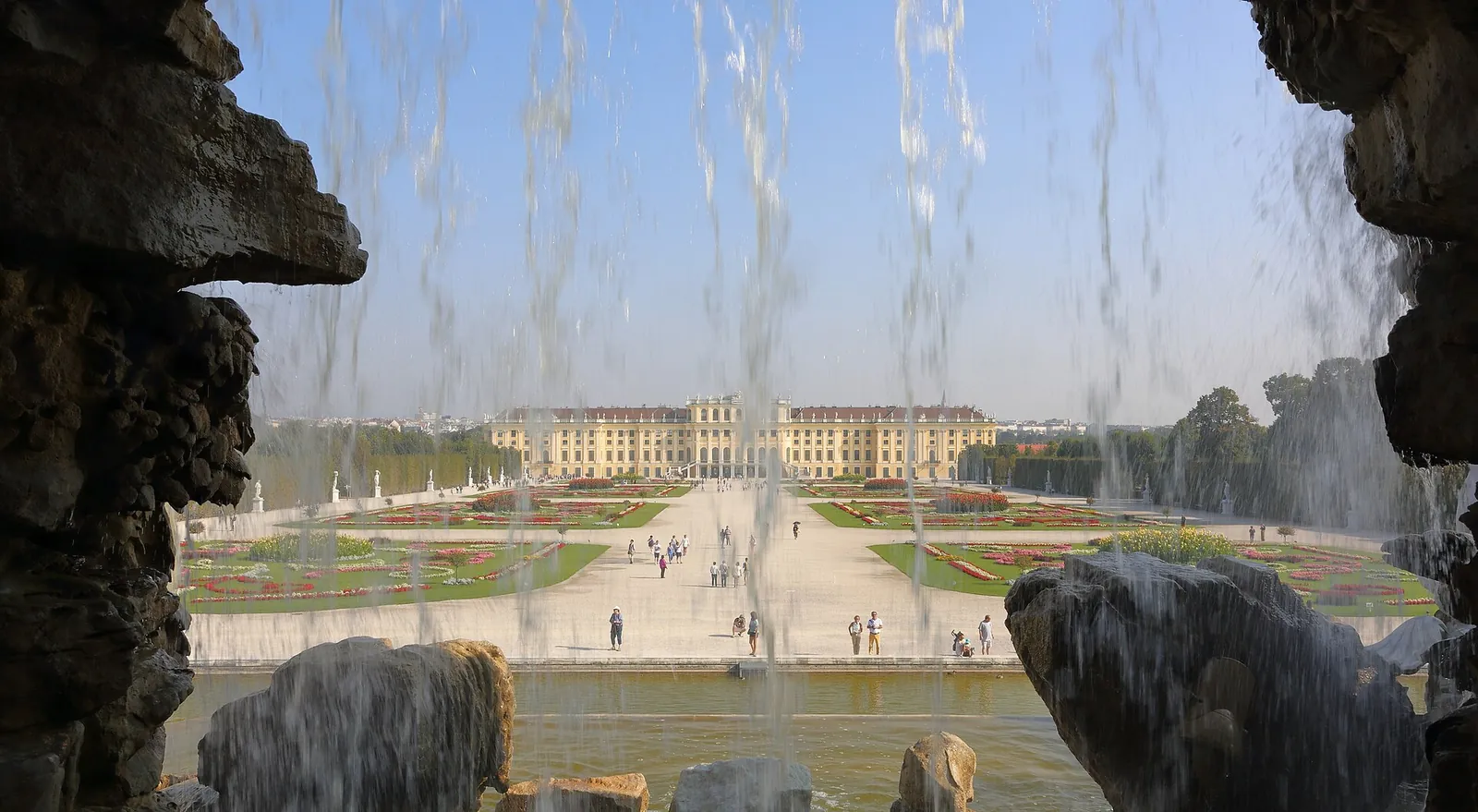
Schönbrunn Palace, the former imperial summer residence in Vienna

Vienna · Austria

Vienna

The former seat of the Habsburg Empire, its palaces, opera houses and coffee houses still running on the same imperial grandeur that once ruled half of Europe.

  • Best time April–June and September–October, for mild weather and manageable crowds
  • Stay 3–4 days
  • Good for History, culture, music, food

Photo: Martin Falbisoner · CC BY-SA 4.0

Welcome to Vienna

Vienna spent centuries as the seat of the Habsburg Empire, one of Europe's most powerful dynasties, and the imperial grandeur that legacy left behind — grand palaces, a state opera house, boulevards lined with 19th-century architecture — still defines the city's centre today.

That imperial past sits alongside a serious musical legacy: Mozart, Beethoven, Schubert and Brahms all worked in Vienna, and the city's classical music culture remains active rather than purely historical, with the Vienna Philharmonic and State Opera performing regularly rather than existing only in museums.

What consistently surprises first-time visitors is how liveable all this grandeur feels day to day — Vienna's coffee house culture, extensive parks and consistently high quality-of-life rankings make it a city built for lingering rather than just checklisting palaces.

  • Capital City
  • Major City
  • Historic Site
  • Culture & Arts

Why visit

Why visit Vienna?

Vienna's case is that no other European capital pairs this much imperial grandeur with a still-active classical music and coffee house culture.

  • The imperial palaces are spectacular

    Schönbrunn and the Hofburg deliver on the reputation in a way photographs alone never quite capture.

  • The classical music scene is still active

    Regular performances by the Vienna Philharmonic and State Opera, not just historical plaques.

  • The coffee house culture is central to daily life

    A UNESCO-recognised institution where a single coffee buys hours of unhurried sitting.

  • It's one of the world's most liveable cities

    Extensive parks, efficient transit and a walkable centre make Vienna feel built for lingering.

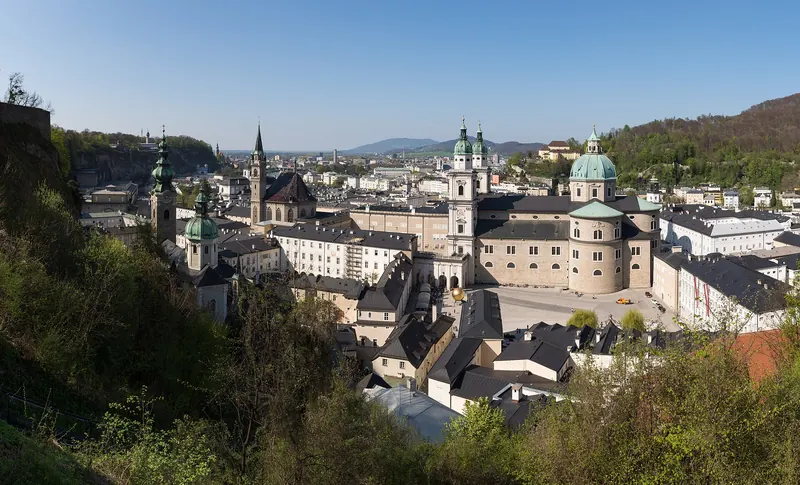
  • It's the natural gateway to the rest of Austria

    The Wachau Valley, Salzburg and beyond are all a short, comfortable train ride from Vienna.

Main attractions

Top things to see in Vienna

Vienna's essential sights, spanning the imperial Innere Stadt and the palaces beyond it.

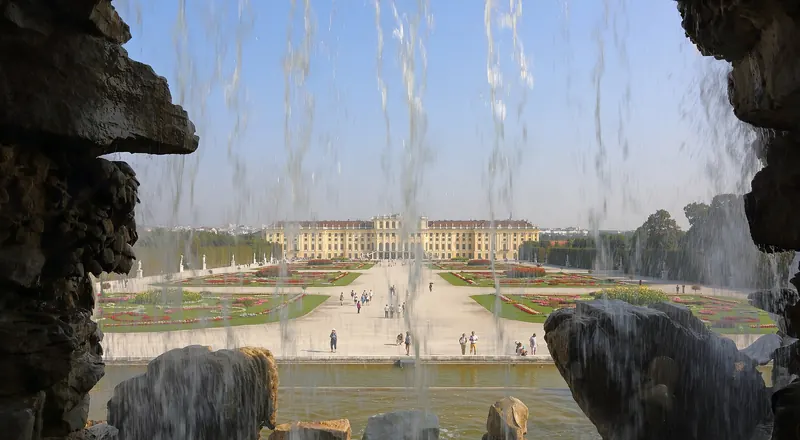
  1. Schönbrunn Palace, the former imperial summer residence in Vienna

    Schönbrunn Palace

    The Habsburgs' former summer residence, its 1,441 rooms and sweeping baroque gardens one of Europe's grandest surviving imperial palaces.

    Tip Book timed-entry tickets online ahead in summer, and allow time for the gardens and gloriette viewpoint, not just the palace interior.

  2. The Hofburg

    The Habsburgs' former winter residence and seat of power for over six centuries, now home to the Austrian president's office alongside several museums.

    Tip The Sisi Museum, covering the famously beloved and tragic Empress Elisabeth, is worth the extra ticket.

  3. St. Stephen's Cathedral

    Vienna's Gothic cathedral at the city's geographic and spiritual centre, its colourfully tiled roof one of the skyline's defining features.

    Tip Climb the south tower for a sweeping view over Vienna's rooftops, though the 343 steps are a real workout.

  4. The Kunsthistorisches Museum

    Austria's premier art museum, its collection of old masters including Bruegel, Vermeer and Titian rivalling any museum in Europe.

    Tip Allow at least two hours — the collection is vast and easy to underestimate.

  5. The Belvedere Palace

    A baroque palace complex housing Austria's finest collection of Klimt paintings, including 'The Kiss', worth the visit for that painting alone.

    Tip Visit the Upper Belvedere for the Klimt collection and the gardens connecting to the Lower Belvedere for a complete visit.

  6. The Vienna State Opera

    One of the world's leading opera houses, its ornate interior and world-class performances a defining part of Vienna's cultural life.

    Tip Standing-room tickets are sold only on the day and are affordable — a real Vienna institution worth queuing for.

  7. Naschmarkt

    Vienna's largest and most famous market, a lively strip of food stalls, restaurants and a weekend flea market.

    Tip Visit on a Saturday for the adjoining flea market, a good spot for browsing antiques and curiosities.

Things to do

Best things to do in Vienna

Beyond the palaces, Vienna rewards its coffee house culture, music scene and walkable neighbourhoods.

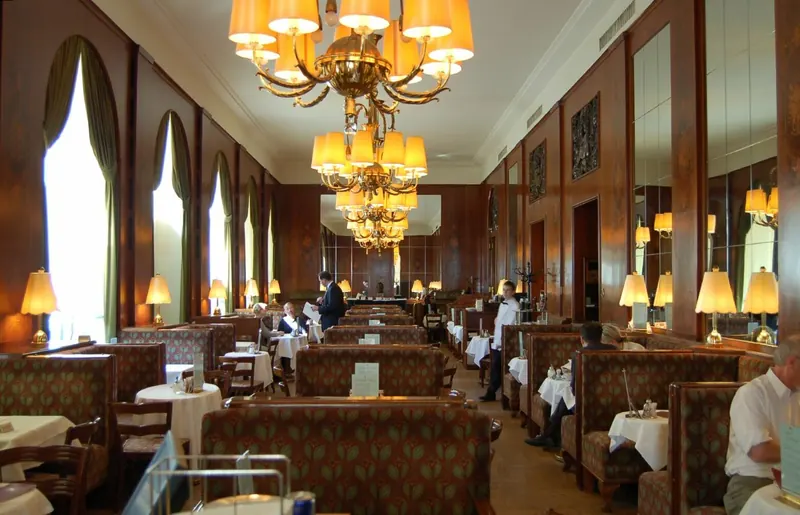
  1. The ornate interior of a traditional Viennese coffee house

    Sit in a proper Viennese coffee house

    A genuine Vienna institution, where a single coffee buys the right to sit for hours with a newspaper and no one will rush you.

    Tip Café Central and Café Sacher are the famous ones, but a quieter neighbourhood kaffeehaus offers a more local version of the same ritual.

  2. Attend a classical music performance

    Regular performances by the Vienna Philharmonic, State Opera and countless smaller ensembles make Vienna's musical heritage still active.

    Tip Musikverein and Konzerthaus both offer excellent, slightly less crowded alternatives to the State Opera.

  3. Explore the Prater

    Vienna's beloved amusement park and surrounding green space, home to the historic Wiener Riesenrad Ferris wheel, offers a different, more relaxed side of the city.

    Tip Ride the Riesenrad at sunset for sweeping views over the city as the light changes.

  4. Wander the Ringstrasse's grand boulevard

    The former city walls, replaced in the 19th century by a grand boulevard lined with museums, theatres and government buildings.

    Tip Rent a bicycle or take the tram for a full loop of the Ringstrasse to appreciate its scale properly.

  5. Visit a Heuriger wine tavern

    Traditional wine taverns on Vienna's outskirts, particularly in Grinzing, serving the current vintage alongside simple, hearty food.

    Tip A short tram ride from the centre reaches Grinzing's Heurigen, worth the trip for an authentic evening.

  6. Explore the MuseumsQuartier

    A vibrant cultural complex of contemporary art museums, courtyards and cafés, a modern counterpoint to Vienna's imperial sights.

    Tip The courtyard's colourful loungers make a pleasant spot to relax between museum visits.

Local food

What to eat in Vienna

Vienna's food scene spans genuine imperial-era classics to an increasingly serious modern Austrian restaurant movement.

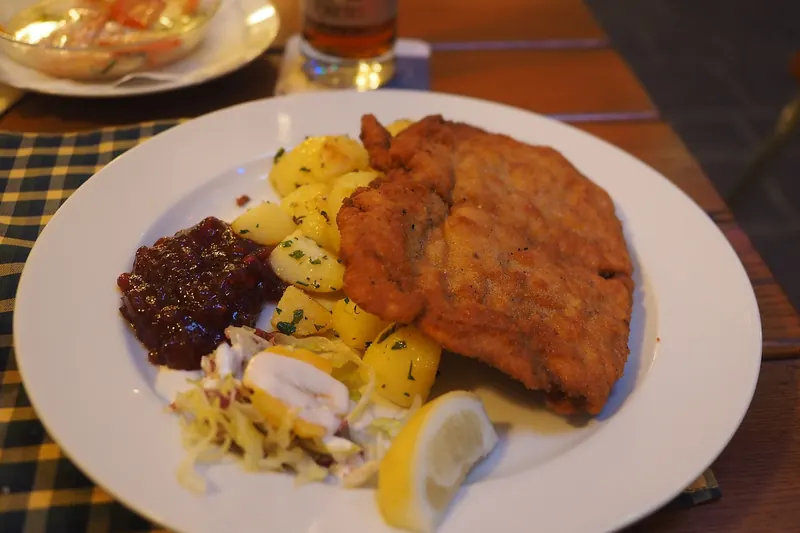
  • A Wiener schnitzel with parsley potatoes

    Wiener schnitzel

    Vienna's namesake dish, a thin, breaded and fried veal cutlet, a point of local pride over proper preparation.

    Where to try it Figlmüller and traditional gasthauses citywide, several serving schnitzels larger than the plate.

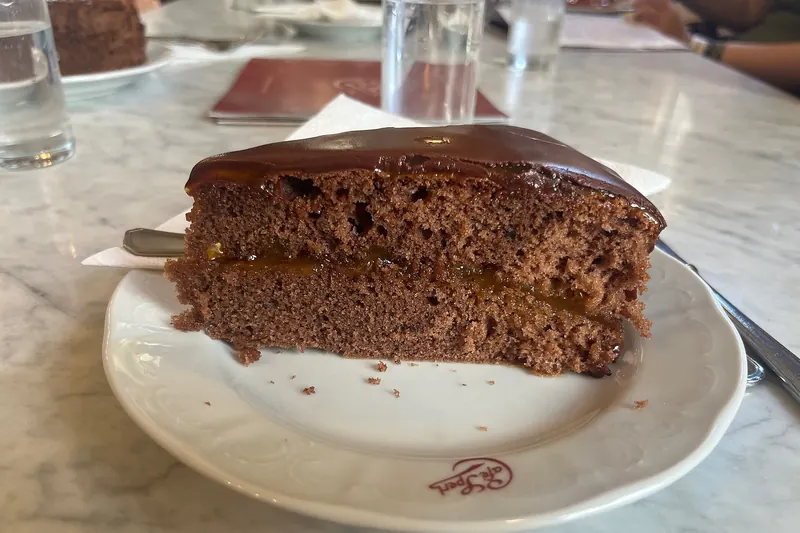
  • A slice of Sachertorte, Austria's famous chocolate cake, with whipped cream

    Sachertorte

    A dense chocolate cake with a thin apricot jam layer, the subject of a decades-long dispute over the 'original' recipe.

    Where to try it Hotel Sacher for the original, or Demel, its longtime rival, for a comparable version.

  • Tafelspitz

    Boiled beef with root vegetables and horseradish sauce, a Habsburg-era classic said to have been Emperor Franz Joseph's favourite dish.

    Where to try it Plachutta, one of Vienna's most celebrated restaurants for this specific dish.

  • Naschmarkt street food

    The city's largest market offers a wide range of international and Austrian food stalls, from falafel to fresh strudel.

    Where to try it The Naschmarkt itself, at its liveliest on a Saturday morning.

  • Apfelstrudel

    Thin pastry rolled around spiced apple filling, one of Vienna's defining desserts, best served warm.

    Where to try it Traditional konditoreis citywide, several with decades of history.

  • Viennese coffee (Melange)

    A milk coffee central to Vienna's café culture, distinct from an Italian cappuccino in both preparation and pace.

    Where to try it Any of Vienna's traditional coffee houses, a genuine daily ritual for locals.

Accommodation

Where to stay in Vienna

Vienna's Innere Stadt and surrounding districts each offer a different base, from central grandeur to quieter local neighbourhoods.

  • Innere Stadt (1st district)

    The most central, historic base, putting the major imperial sights within easy walking distance.

    Best for: Walking to the Hofburg and St. Stephen's Cathedral

  • Neubau (7th district)

    Home to the MuseumsQuartier, with excellent cafés and a younger, more contemporary feel.

    Best for: A trendier, more local atmosphere

  • Near the Naschmarkt

    Close to Vienna's largest market, with a good range of restaurants and easy transit connections.

    Best for: Food and a lively neighbourhood feel

What a night costs

Hostel dorm
€28–45 per night
Mid-range hotel
€100–180 per night
Schönbrunn Palace entry
€24–30
Schnitzel dinner
€16–24

Transport

Getting to and around Vienna

Vienna International Airport connects directly to the city centre by fast train.

Getting there

  • Vienna International Airport (VIE)

    The City Airport Train (CAT) reaches central Vienna in about 16 minutes, a fast, reliable option.

    The regular S-Bahn (S7) offers a cheaper, slightly slower alternative on the same route.

  • Train from other Austrian cities

    Fast Railjet trains connect Vienna to Salzburg, Graz and Innsbruck efficiently.

    Book Sparschiene discount fares ahead for meaningfully lower prices.

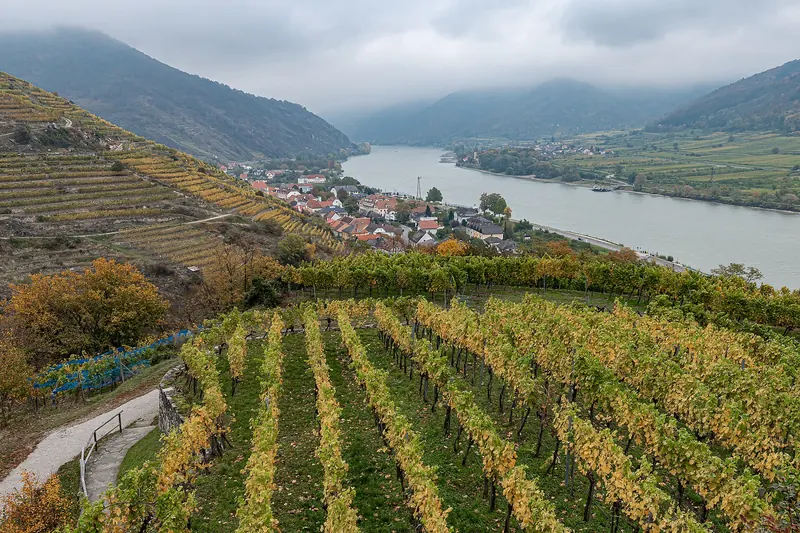
  • Regional train to the Wachau Valley

    Reaches the Wachau Valley's wine villages in under an hour from Vienna.

    A combined train-and-boat ticket is available for a scenic Danube river return leg.

Getting around

Vienna's U-Bahn, trams and buses cover the city efficiently, with the Innere Stadt walkable on foot.

  • Walking

    The Innere Stadt's major sights all sit within a compact, walkable historic centre.

    Comfortable shoes matter for the cobblestone streets around St. Stephen's Cathedral.

  • U-Bahn (subway)

    A clean, efficient five-line system covering the wider city and airport connections.

    A 24, 48 or 72-hour Vienna City Card covers unlimited transit alongside museum discounts.

  • Trams

    A scenic way to see the Ringstrasse's grand boulevard while getting around the city centre.

    Tram route 1 or 2 circles the Ringstrasse, a good orientation ride on arrival.

When to go

Best time to visit Vienna

Vienna is pleasant nearly year-round, with spring and autumn offering the best balance of weather and crowds.

  • Spring (April–June)

    Best time

    Mild, increasingly warm weather, ideal for walking the Innere Stadt and Schönbrunn's gardens.

  • Summer (July–August)

    Good

    Warm and reliable, though busier with tourists and occasionally quite hot.

  • Autumn (September–October)

    Best time

    Comfortable temperatures and thinning crowds, an excellent window for sightseeing.

  • Winter (November–March)

    Good

    Cold but magical for Vienna's Christmas markets, particularly around the palaces.

Worth planning around: Nothing strongly — Vienna handles all seasons well, though August can bring both heat and the year's biggest tourist crowds at major sights.

Itinerary

Three days in Vienna

The imperial palaces first, then Vienna's museums, music and coffee house culture at an unhurried pace.

  1. Day1

    Imperial Vienna

    Vienna's essential palaces and cathedral.

    • Morning Schönbrunn Palace, arriving at opening time.
    • Afternoon The Hofburg and St. Stephen's Cathedral.
    • Evening A concert or the Vienna State Opera.
  2. Day2

    Museums and coffee houses

    Vienna's art collections and café culture.

    • Morning The Kunsthistorisches Museum or the Belvedere.
    • Afternoon A proper Viennese coffee house.
    • Evening Dinner in the Naschmarkt neighbourhood.
  3. Day3

    Neighbourhoods and local life

    A more relaxed, local side of the city.

    • Morning The MuseumsQuartier and Neubau district.
    • Afternoon The Prater and its historic Ferris wheel.
    • Evening A Heuriger wine tavern in Grinzing.

Travel tips

Vienna travel tips

Practical notes on booking, timing and transport that make a real difference to a Vienna trip.

  • Book Schönbrunn Palace tickets online ahead in summer, when queues can be long.
  • Get State Opera standing-room tickets on the day — advance booking isn't possible for these.
  • Use the U-Bahn and trams rather than taxis for most city journeys — it's faster and cheaper.
  • Carry some cash for smaller cafés and market stalls, though most restaurants take cards.
  • Book Sparschiene discount train fares ahead for onward travel to Salzburg or Graz.
  • Dress reasonably smart for a Heuriger wine tavern visit or a concert — Vienna leans slightly formal.
  • Plan around Sunday closures for shopping — most stores shut nationwide.

FAQ

Vienna: frequently asked questions

How many days do you need in Vienna?

Three to four. Two covers Schönbrunn and the Innere Stadt's main sights at a rushed pace; four allows the Belvedere, a concert and genuine neighbourhood time without feeling hurried.

Is Vienna a good base for exploring Austria?

Yes — the airport and main rail stations connect easily to the Wachau Valley, Salzburg and beyond, making Vienna the natural start or end point for a wider Austria trip.

Is Vienna safe for tourists?

Yes, very — violent crime against visitors is rare. Standard vigilance around bags on public transport is the main practical precaution.

What is the best time of year to visit?

April to June and September to October offer the most comfortable weather for sightseeing. Winter is magical for the Christmas markets, and even summer's heat is manageable with a well-paced itinerary.

Is Vienna expensive?

Mid-range travel runs about €110–180 per person per day, on the higher end of Austria's national average given Vienna's capital-city premium. Coffee houses and traditional gasthauses over touristy restaurants keep costs reasonable.

Read next

Related travel articles

Transport

Getting Around Europe by Train

European rail is excellent and confusing — six national operators, three completely different pricing models, and a rail pass that is either a bargain or a waste depending on where you are going. Here is how to work out which.

Planning

Planning Your First Trip to Europe

Most first European trips go wrong in the same three ways: too many cities, too little time in each, and a route shaped by a cheap flight rather than by geography. Here is how to avoid all three.

Advertisement