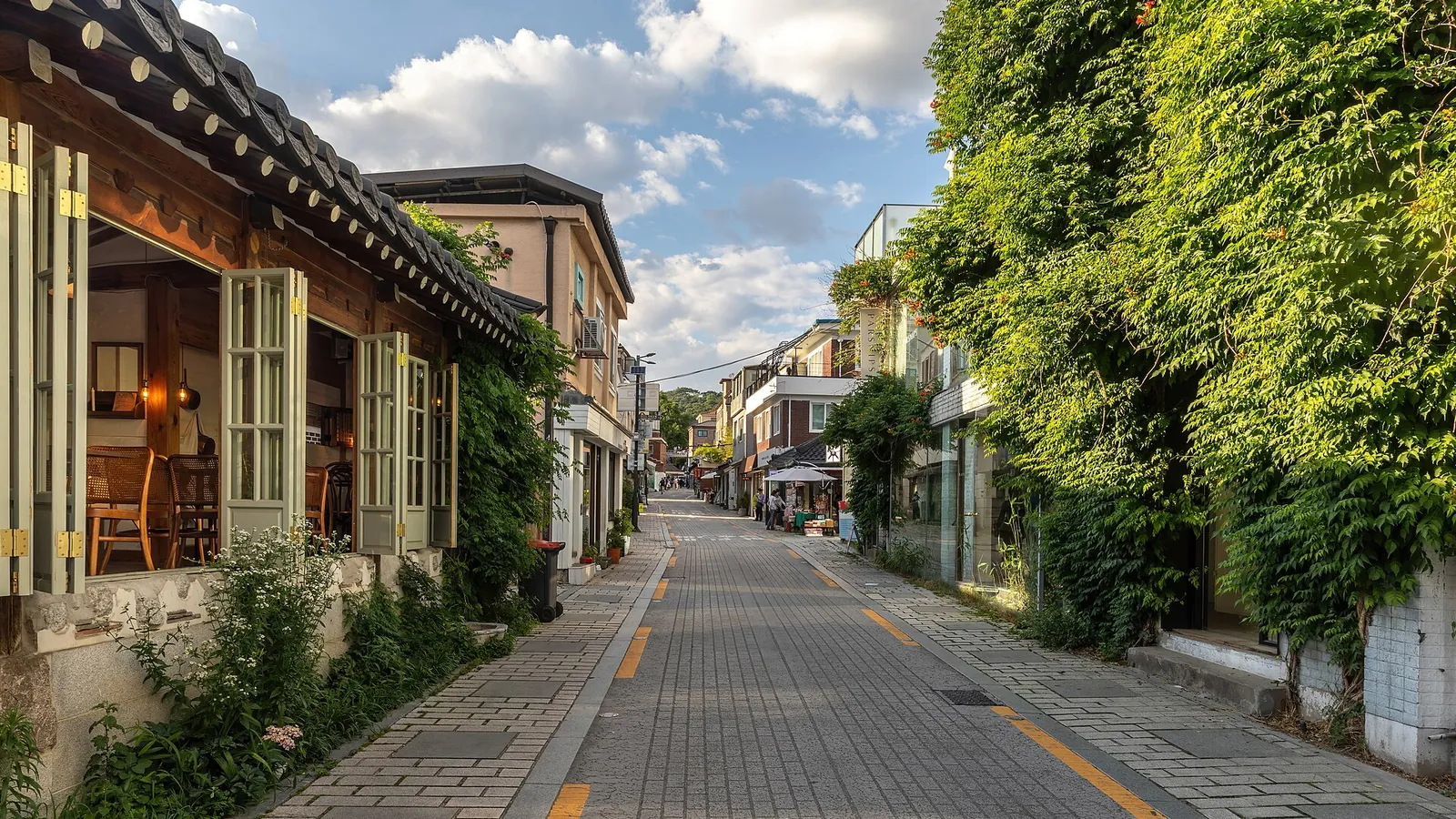
A quiet hanok-lined street in Seoul covered in climbing plants at golden hour

South Korea · Travel guide

The Complete South Korea Travel Guide

How the country divides, how to choose between the ten destinations, how to use its trains and apps, and what two weeks can realistically hold.

  • Reading time 13 min read
  • Covers 10 destinations
  • Updated 2026

Photo: Basile Morin · CC BY-SA 4.0

South Korea packs palaces, mountain temples, beaches, a volcanic island and one of Asia's best food cultures into a country you can cross by train in a few hours. This guide covers how the regions divide, how to choose between the ten destinations, how to travel, when to go, what it costs and three routes that work.

How South Korea divides

South Korea is about 500 km from north to south, and for a visitor it falls into five zones.

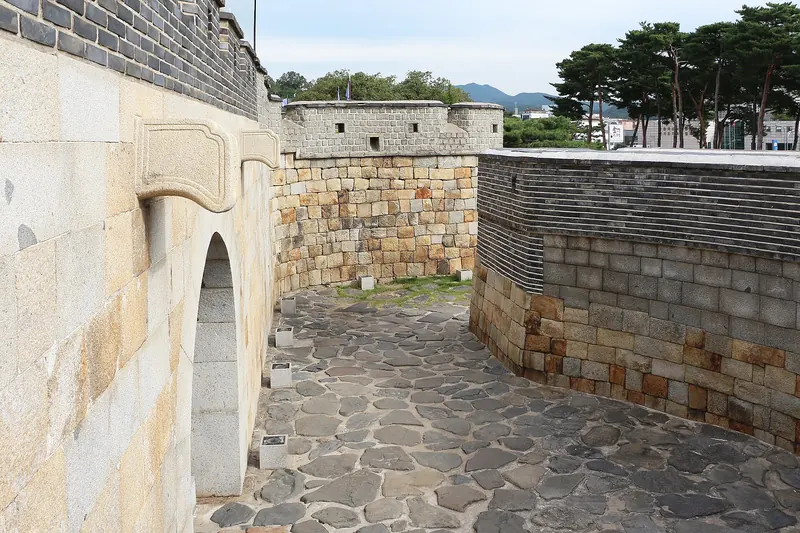
Seoul and the north-west. Seoul is the hub, with Suwon's fortress an easy day trip and the DMZ just to the north.

The east coast. Seoraksan has the peaks and Gangneung has beaches, coffee and tea, both a train or bus ride from Seoul.

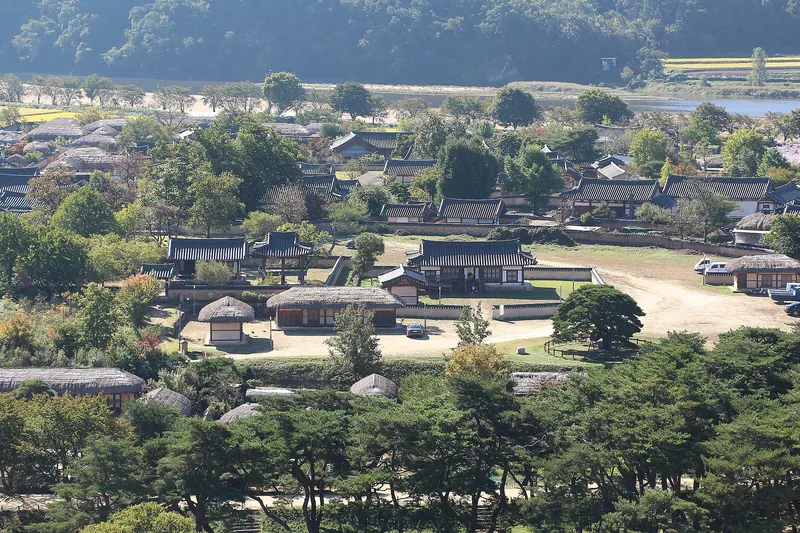
The south-east. Gyeongju, the ancient Silla capital, and Busan, the second city on the coast, are linked by short rail trips, with Andong and Hahoe Village inland.

The south-west. Jeonju is the centre for traditional houses and food.

Jeju. Jeju Island is a volcanic island an hour by air from Seoul and Busan.

Worth knowing: The practical unit is a line, Seoul to Busan by KTX with stops at Jeonju or Gyeongju, plus a flight to Jeju. The country is small enough to stitch these together in two weeks.

Choosing between the ten destinations

  • If you have one week

    Seoul with a day at Suwon or the DMZ, then Gyeongju and Busan by train.

  • If you love history and heritage

    Gyeongju for Silla tombs and temples, Hahoe Village for Joseon-era life and Suwon for its fortress.

  • If you love nature and hiking

    Seoraksan for granite peaks and Jeju for Hallasan, lava tubes and coastal walks.

  • If you love food

    Jeonju for bibimbap and banquet-style meals, Busan for seafood and street snacks, and Seoul for everything.

  • If you love beaches and coast

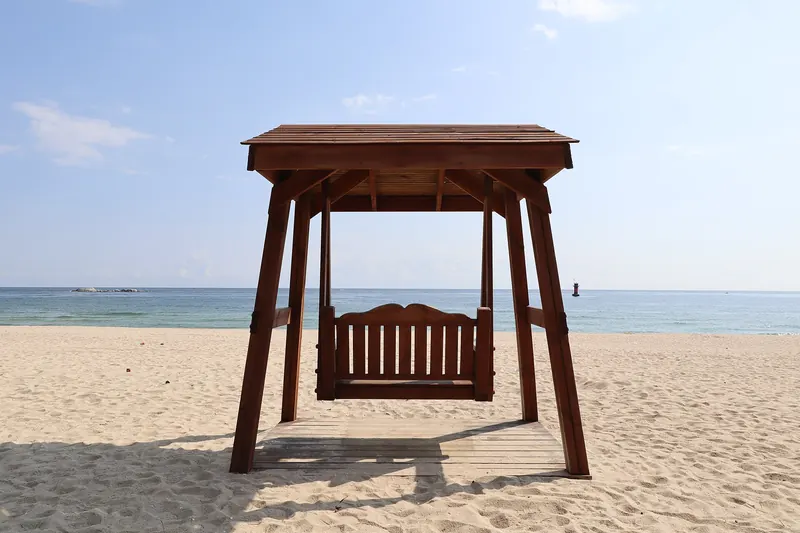
    Busan's Haeundae, Gangneung's pine-lined shores and Jeju's white-sand coves.

  • If you want something different

    The DMZ for one of the world's most unusual borders, or a templestay near Seoraksan.

Getting around

South Korea has one of the best transport systems in the world, cheap and punctual, and its apps do most of the work.

KTX and SRT trains. Seoul to Busan takes about two and a half hours. Trains also serve Gyeongju, Jeonju, Gangneung and other cities. Book seats on Korail and consider a KR Pass.

Express buses. Cover places without trains, including Andong and Sokcho, for a fraction of the price of flying.

Flights. Jeju is best reached by air from Seoul (Gimpo) or Busan, with many low-cost carriers.

City metros. A T-money card works on subways, buses and many taxis. Use Naver Map or Kakao Map rather than Google Maps for directions.

Worth knowing: Rental cars need an international driving permit, and are worth it only on Jeju and around the east coast.

When to go

South Korea has four clear seasons, and the shoulder seasons are the best.

March to May is spring, with cherry blossom in early April, mild days and green mountains. Air quality can dip on some days.

June to August is summer, hot and humid, with a rainy season from late June to July and possible typhoons. Beaches are busy, and hiking is best early in the day.

September to November is autumn, the finest season, with clear skies and colour, peaking in Seoraksan in mid to late October.

December to February is winter, cold and dry, with ski resorts near Gangneung and quieter, cheaper city sightseeing.

Worth knowing: Avoid the Lunar New Year and Chuseok holiday weeks if you can. Trains and flights are packed, and many shops close.

Money, costs and connectivity

South Korea is reasonable value, cheaper than Japan and most of Western Europe. A restaurant meal costs US$7–15, a comfortable hotel US$80–150, and a KTX ticket from Seoul to Busan around US$40–60.

Cards are accepted almost everywhere, though some foreign cards fail at ATMs. Tipping is not expected.

Mobile coverage is excellent. Buy an eSIM or rent a pocket Wi-Fi, and download Naver Map, Kakao Map and Papago before you land.

Check entry rules, including K-ETA registration, before you fly, since they have changed several times in recent years.

Three routes that work

  1. One week: Seoul, Gyeongju and Busan

    Three nights in Seoul with a day at Suwon, two in Gyeongju and two in Busan.

    Tip Take the KTX between each city.

  2. Ten days: adding Jeju

    The same route, then a flight from Busan to Jeju for three nights, and back to Seoul.

    Tip Rent a car on Jeju.

  3. Two weeks: the classic

    The itinerary on the country page: Seoul, the DMZ, Suwon, Jeonju, Gyeongju, Busan and Jeju.

    Tip Swap Jeonju for the east coast: Seoraksan and Gangneung if you prefer mountains and sea.

Reference

The 10 destinations in this guide

Every place named above has its own detailed guide — attractions, food, where to stay, how to get around and a suggested day-by-day plan.

Capital CityMajor City

Seoul

Seoul Capital Area, north-west South Korea

South Korea's capital, with Joseon palaces, Bukchon Hanok Village, temples, markets, K-culture districts, night views from N Seoul Tower and some of the best food in Asia.

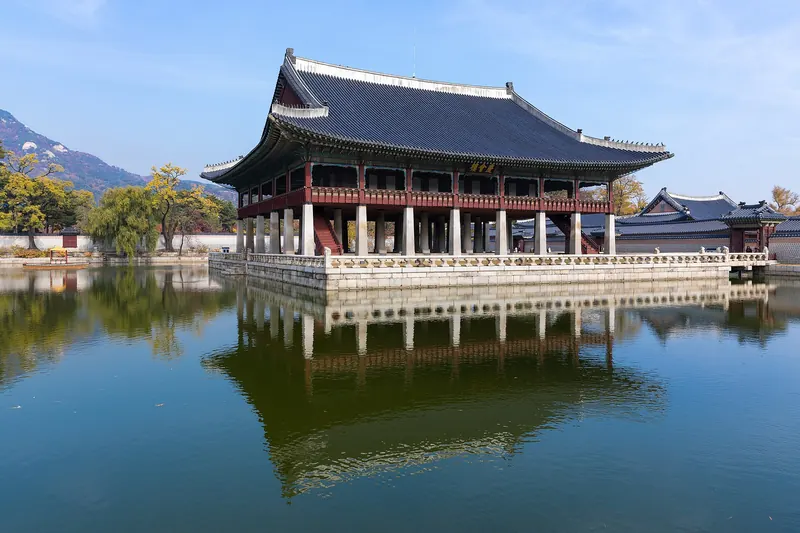
Don't miss Gyeongbokgung Palace at opening time, with the mountains behind and a hanbok-dressed crowd walking through its gates.

Explore Destination — Seoul
Major CityCoast & Beaches

Busan

Busan, south-east coast

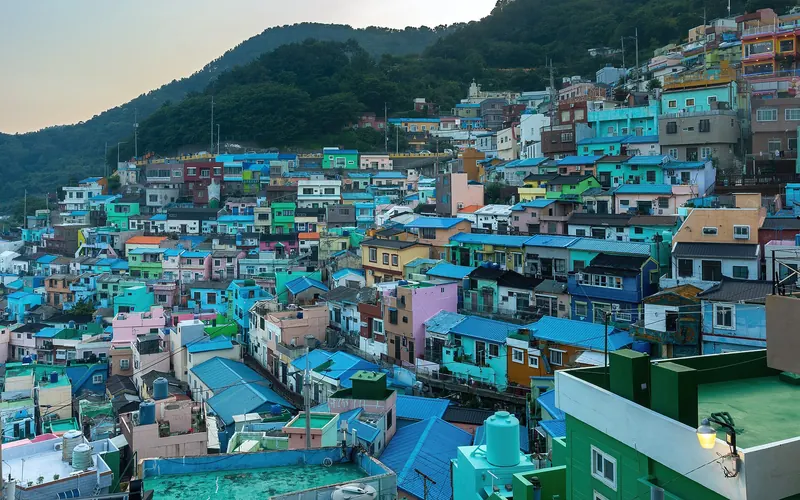
South Korea's second city, with Gamcheon Culture Village, Haeundae Beach, Jagalchi Fish Market, the seaside temple of Haedong Yonggungsa and a strong seafood and street food scene.

Don't miss The pastel houses of Gamcheon Culture Village stacked up a hillside above the harbour.

Explore Destination — Busan
Historic SiteUNESCO Site

Gyeongju

North Gyeongsang, south-east South Korea

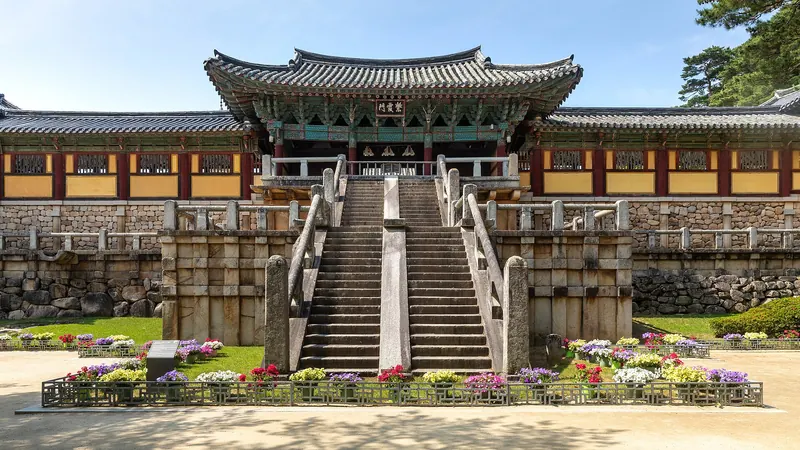
The ancient Silla capital, with the UNESCO-listed Bulguksa temple and Seokguram Grotto, giant royal burial mounds, Cheomseongdae observatory and the night-lit Donggung Palace and Wolji Pond.

Don't miss Bulguksa temple's stone stairways and wooden halls in the soft light of early morning.

Explore Destination — Gyeongju
IslandNature & Wildlife

Jeju Island

Jeju, island south of the peninsula

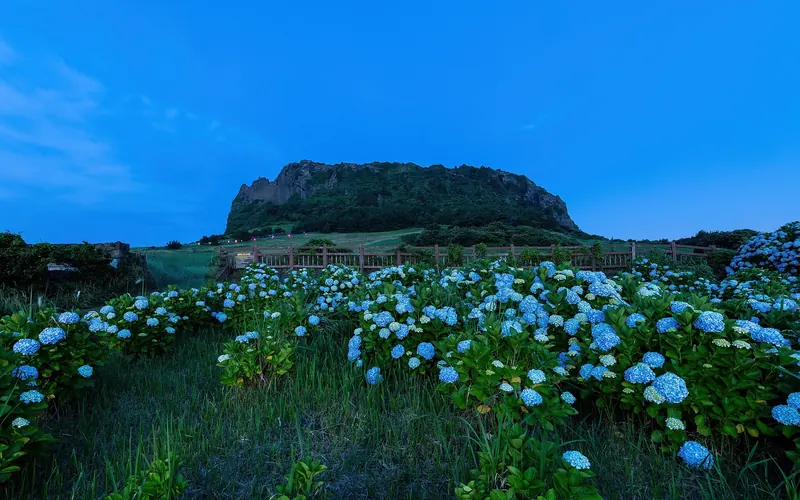
South Korea's volcanic island, with Hallasan mountain, the Seongsan Ilchulbong tuff cone, Manjanggul Lava Tube, beaches like Hyeopjae, tangerine farms and the female divers of the haenyeo.

Don't miss Sunrise from the crater rim of Seongsan Ilchulbong, with the sea turning gold below.

Explore Destination — Jeju Island
Culture & ArtsHistoric Site

Jeonju

North Jeolla, south-west South Korea

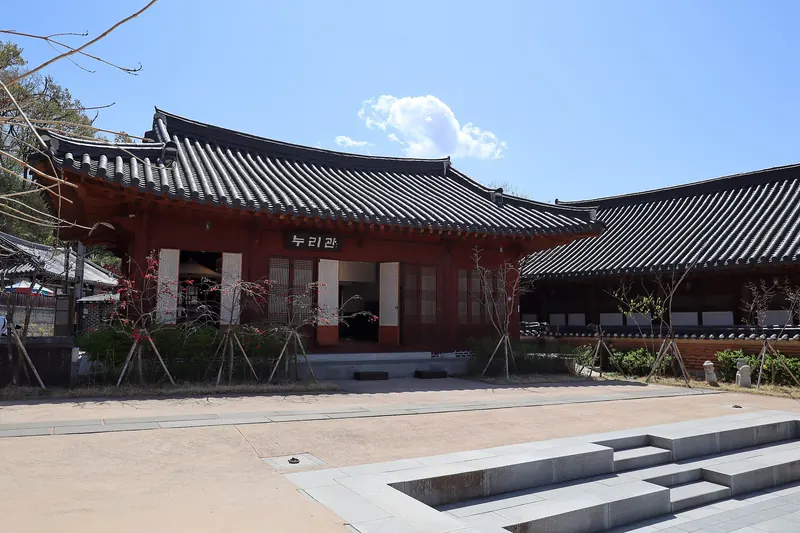
A UNESCO City of Gastronomy with a large hanok village, Gyeonggijeon Shrine, Nambu Market and Korea's best bibimbap, makgeolli and banquet-style side dishes.

Don't miss A bibimbap lunch in Jeonju Hanok Village, followed by a walk through tile-roofed lanes.

Explore Destination — Jeonju
National ParkMountains

Seoraksan and Sokcho

Gangwon, north-east coast

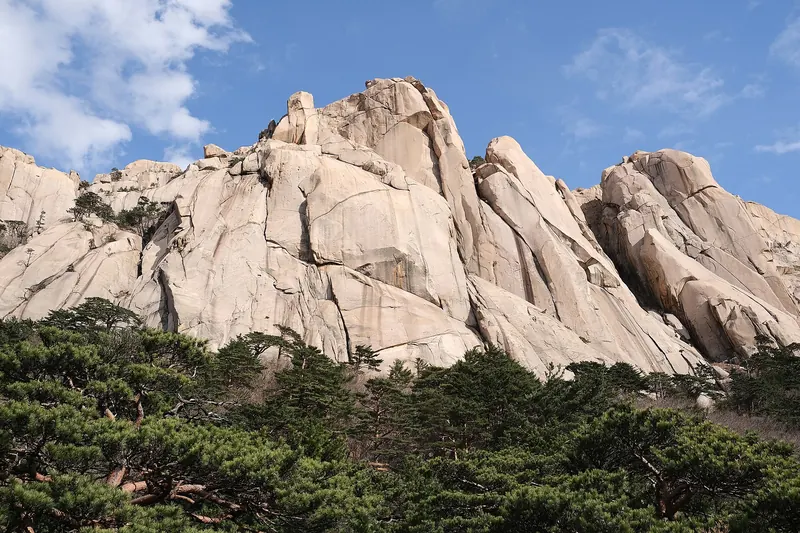
South Korea's most beautiful mountain park, with the Ulsanbawi rock, Biryong Falls, the cable car to Gwongeumseong and hiking to Daecheongbong, plus the port town of Sokcho and its seafood market.

Don't miss A cable car to Gwongeumseong fortress, with the granite spires of Seoraksan spread out below in October.

Explore Destination — Seoraksan and Sokcho
Historic SiteOff the Beaten Path

The DMZ and Panmunjom

Gyeonggi and Gangwon, north of Seoul

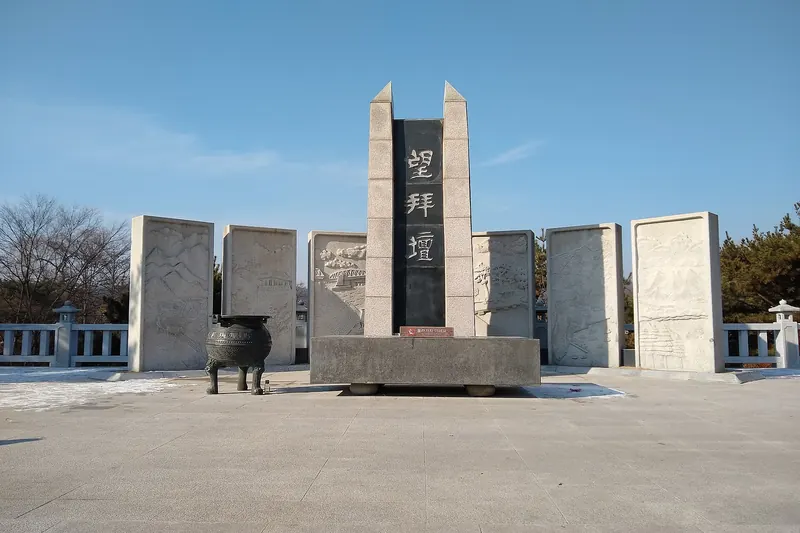
The Demilitarized Zone between North and South Korea, with tunnels, the Dora Observatory, Imjingak and, when open, the Joint Security Area at Panmunjom, visited on guided tours from Seoul.

Don't miss Looking across the border from an observatory at a landscape the two Koreas have watched each other across since 1953.

Explore Destination — The DMZ and Panmunjom
Coast & BeachesCulture & Arts

Gangneung

Gangwon, east coast

A relaxed east-coast city with Gyeongpo Beach, Ojukheon (home of the scholar Yulgok), the Anmok coffee street, the Danoje festival and a KTX link from Seoul in under two hours.

Don't miss Sipping a coffee on Anmok Beach while the waves roll in, in Korea's coffee capital.

Explore Destination — Gangneung

Back to the South Korea country page

FAQ

Planning a trip to South Korea

Can I see South Korea without speaking Korean?

Yes. Stations, major attractions and hotels have English signs, and translation apps handle menus. Few taxi drivers and small restaurants speak English, so carry your destination written in Korean.

Is it better to take the train or drive?

Take trains and buses. They are fast, cheap and reach nearly everywhere. A car is worth it only on Jeju and in the countryside around Andong and Gangneung.

How far ahead should I book?

Book KTX seats and DMZ tours a week or more ahead, and Jeju flights and hanok stays a month or more ahead for peak seasons. Cherry blossom weeks, October foliage and holidays such as Chuseok fill up early.

Is South Korea good for a first trip to Asia?

It is one of the easiest. It is safe, clean, well signposted and full of good food, and most sights are reachable by public transport.

Advertisement