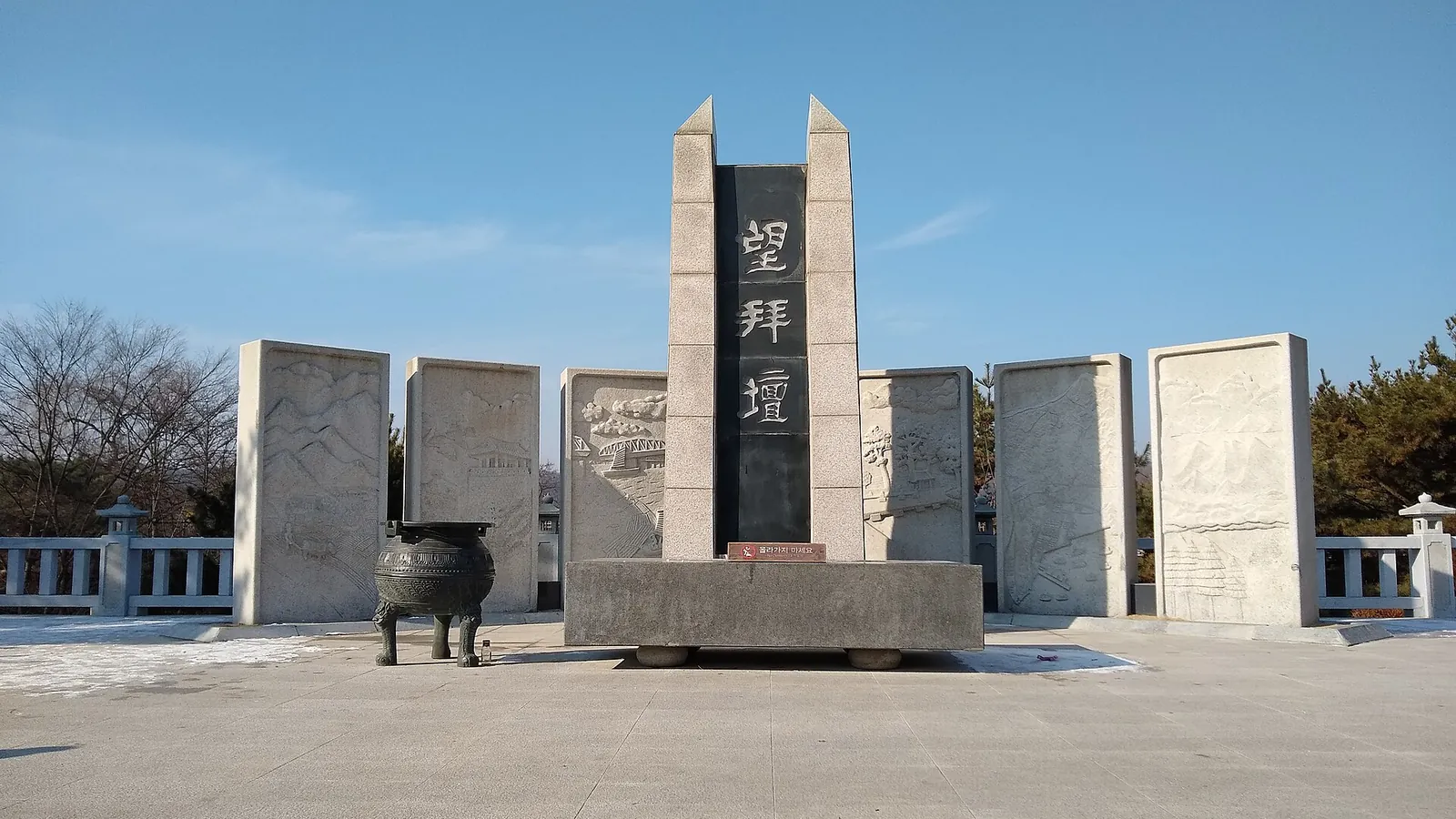
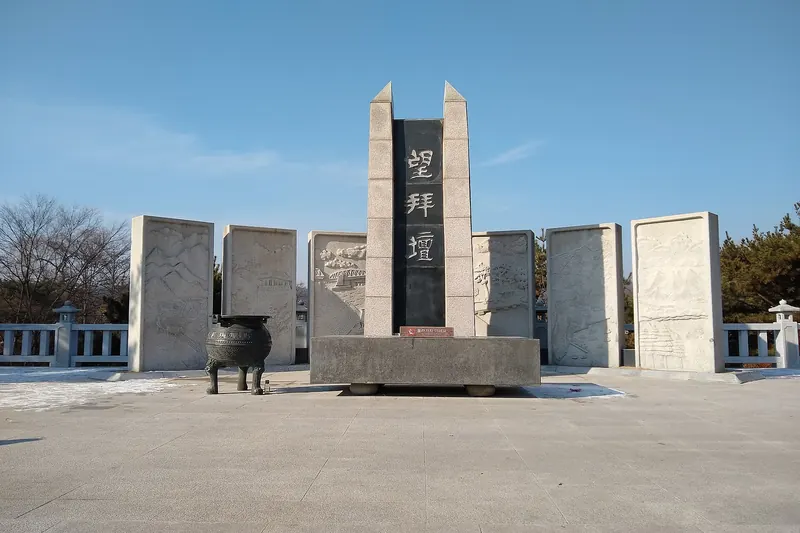
The Peace Altar at Imjingak near the Demilitarized Zone

Gyeonggi and Gangwon, north of Seoul · South Korea

The DMZ and Panmunjom

One of the most heavily guarded borders on earth, a four-kilometre strip of tunnels, observation posts and wildlife, an hour north of Seoul.

  • Best time Spring and autumn
  • Stay 1 day
  • Good for History and politics, unusual travel, day trips from Seoul

Photo: Lance Vanlewen · CC BY-SA 4.0

Welcome to the DMZ

The Korean Demilitarized Zone is a strip of land about 250 km long and 4 km wide that cuts across the peninsula near the 38th parallel. It was set up by the armistice agreement of 1953, which halted the fighting of the Korean War without a peace treaty, and it remains a heavily guarded frontier, lined with fences, minefields and guard posts on both sides. Ironically, with few people allowed inside, it has also become a refuge for wildlife, including cranes and other rare birds.

For visitors, the DMZ is a strange, moving and sometimes tense place. Tours from Seoul usually visit Imjingak, a park with memorials and a bridge where prisoners were exchanged, one of the tunnels dug by North Korea under the border, and Dora Observatory, where binoculars look out over the North. Some tours reach the Joint Security Area at Panmunjom, where blue huts straddle the border and soldiers face each other, but access there is controlled and depends on the political situation, and is sometimes suspended.

You cannot visit the DMZ independently. Tours are run by the government-approved operators and the USO, they require a passport, and they have dress codes and rules about photos. Book ahead, follow instructions, and treat it with respect, since it is a place where a war remains unresolved and families are still separated.

  • Historic Site
  • Off the Beaten Path
  • Culture & Arts

Why visit

Why visit the DMZ?

The DMZ is a memorable, thought-provoking day that puts the Korean story in context.

  • A unique border

    One of the world's most militarised frontiers.

  • Cold War history

    Tunnels, memorials and observation posts.

  • Views of North Korea

    From Dora Observatory.

  • Wildlife

    A refuge for cranes and other species.

  • Close to Seoul

    About an hour north.

Main attractions

Top things to see in the DMZ

Tour routes vary, but most include some of these places.

  1. The Peace Altar at Imjingak with memorial ribbons

    Imjingak

    A park near the border with memorials, a Peace Bell and the Freedom Bridge, where prisoners of war crossed in 1953. Ribbons and messages from separated families hang from the fences.

    Tip Free to visit without a tour.

  2. The Dora Observatory viewing platform overlooking the border

    Dora Observatory

    An observation post where you can use binoculars to see the North's propaganda village and land beyond the border.

    Tip Photography is limited to a line.

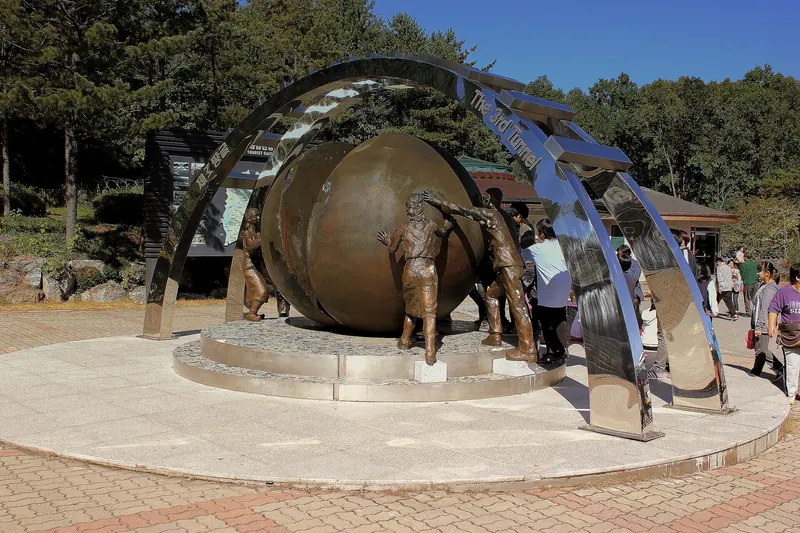
  3. The entrance to the Third Infiltration Tunnel at the DMZ

    The Third Infiltration Tunnel

    A tunnel discovered in 1978, dug by North Korea under the border, which you can walk down. It is low and steep, and helmets are required.

    Tip Bring no large bags, and expect a stooping walk.

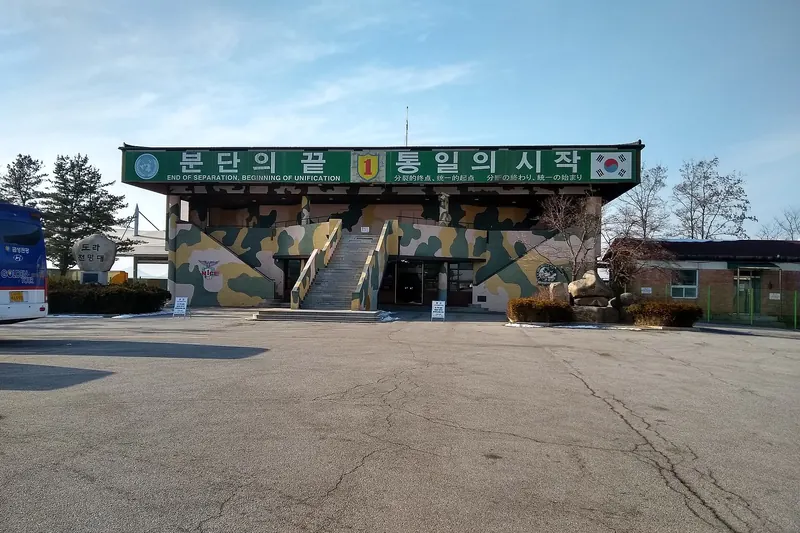
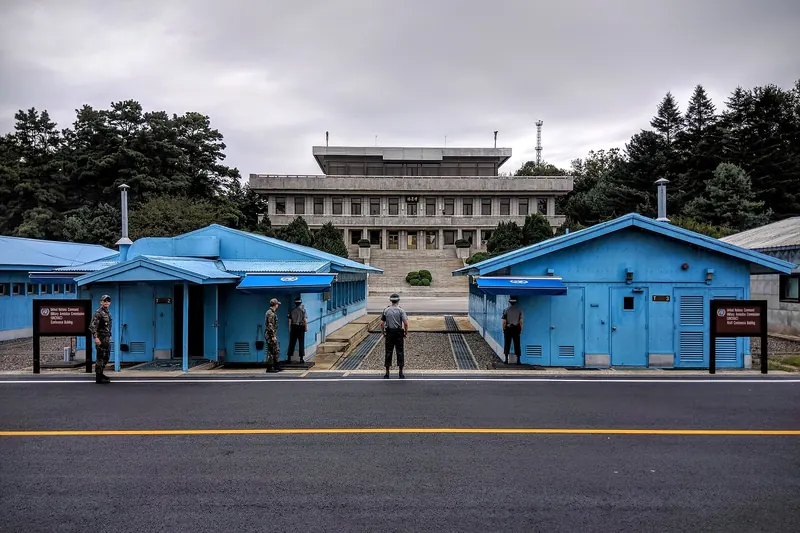
  4. The Joint Security Area at the DMZ looking toward North Korea

    Joint Security Area (Panmunjom)

    The blue conference huts on the border line, where soldiers of both sides stand face to face. Visits are strictly controlled and sometimes suspended.

    Tip Check availability when you book.

  5. Dorasan Station

    A train station built for a hoped-for rail link to the North, and never used for regular passenger service.

    Tip Often on tours.

  6. DMZ Theater and Exhibition Hall

    A museum about the DMZ's history and nature.

    Tip Short.

Things to do

Best things to do in the DMZ

The DMZ is a guided experience.

  1. Join a DMZ tour

    Half-day or full-day tours run from Seoul.

    Tip Book weeks ahead.

  2. Walk down a tunnel

    Go 73 metres below ground.

    Tip Not for claustrophobes.

  3. Look through binoculars

    See the North from the observatory.

    Tip Bring coins if required.

  4. Visit Imjingak

    Read the ribbons and memorials.

    Tip A quiet moment.

  5. Try the Peace Trail

    Some hiking routes reopen periodically.

    Tip Check the rules.

  6. Watch for cranes

    Migratory birds in winter.

    Tip Go in winter.

Local food

What to eat in the DMZ

The DMZ area has simple food, and most tours include a lunch.

  • Bibimbap lunch

    A common tour lunch.

    Where to try it Restaurants near Imjingak.

  • Unification snacks

    Local tourist food such as roasted chestnuts.

    Where to try it Imjingak stalls.

  • Dubu (tofu) dishes

    Tofu is a local speciality.

    Where to try it Restaurants in Paju.

  • Jangdan beans

    Paju is known for its beans.

    Where to try it Local markets.

  • Korean barbecue

    After returning to Seoul.

    Where to try it Hongdae.

Accommodation

Where to stay in the DMZ

Stay in Seoul and take a day tour.

  • Seoul (Myeongdong)

    Many tours leave from here.

    Best for: Tour pick-ups

  • Seoul (Hongdae)

    Close to Paju by train.

    Best for: Nightlife

  • Paju

    Guesthouses.

    Best for: Quiet

What a night costs

DMZ half-day tour
US$50–90
Tour including JSA
US$80–150
Mid-range hotel in Seoul
US$90–170 per night
Lunch on tour
US$8–15

Transport

Getting to and around the DMZ

Tours leave from Seoul.

Getting there

  • Guided tour

    About one to two hours by bus from Seoul, on half- or full-day tours.

    The only way to reach most sites.

  • Train to Imjingak

    From Seoul to Imjingak-ri station, then a shuttle.

    For Imjingak only.

  • Private car

    Possible with a tour guide.

    Expensive.

Getting around

Everything is on the tour bus.

  • Tour bus

    Follows a set route.

    Stay with the group.

  • On foot

    Only in permitted areas.

    Follow signs.

  • Shuttle

    Near the observatories.

    Check.

When to go

Best time to visit the DMZ

The DMZ is best visited in clear weather, since haze hides the North.

  • Spring (March–May)

    Best time

    Clear and mild.

  • Summer (June–August)

    Think twice

    Hot, humid and hazy.

  • Autumn (September–November)

    Best time

    Clear skies.

  • Winter (December–February)

    Good

    Cold, with cranes.

Worth planning around: Rainy or foggy days, and any time when tours are suspended.

Itinerary

One day at the DMZ

A guided day out from Seoul.

  1. Day1

    The border

    A tour.

    • Morning Depart Seoul and visit Imjingak.
    • Afternoon The Third Tunnel and Dora Observatory.
    • Evening Return to Seoul.

Travel tips

The DMZ travel tips

A few tips help you visit safely.

  • Book a tour weeks ahead.
  • Take your passport.
  • Follow the dress code.
  • Do not photograph restricted areas.
  • Check whether the JSA is open.
  • Be respectful.
  • Expect changes if tensions rise.

FAQ

The DMZ: frequently asked questions

Is the DMZ safe to visit?

Guided tours are run regularly and are generally safe. Check advice if tensions rise.

Can I go alone?

Not to most sites. Imjingak is open to independent visitors.

Do I need my passport?

Yes.

Can I see North Korea?

Yes, from observatories on a clear day.

Can I visit the JSA?

Sometimes. Access is restricted and can be suspended.

How long is a tour?

Half a day to a full day.

Read next

Related travel articles

Where to go

Beyond the Big Names: Places Worth the Detour

The most visited place in a country is rarely its best, and it is almost never its best value. This is a method for finding the destinations that do not make the postcards — and a set of examples from five of the 50 countries on this site.

Heritage

UNESCO Sites Worth Planning a Trip Around

A UNESCO listing tells you a place matters; it does not tell you whether it is worth two days and a detour. This is how to read the list usefully — and which sites reward building a trip around them.

Advertisement