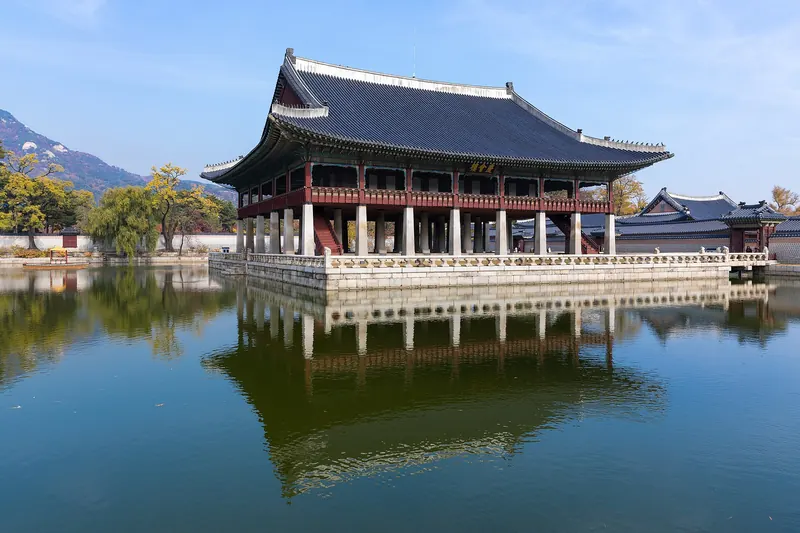
Welcome to Gyeongju
Gyeongju was the capital of the Silla kingdom, which unified most of the Korean peninsula in the 7th century and ruled for nearly a thousand years, until 935. At its height the city was one of the largest in the world, and it is now a small, low-rise city of about 250,000 people whose parks, hills and lanes still hold much of that heritage. It is often called a museum without walls.
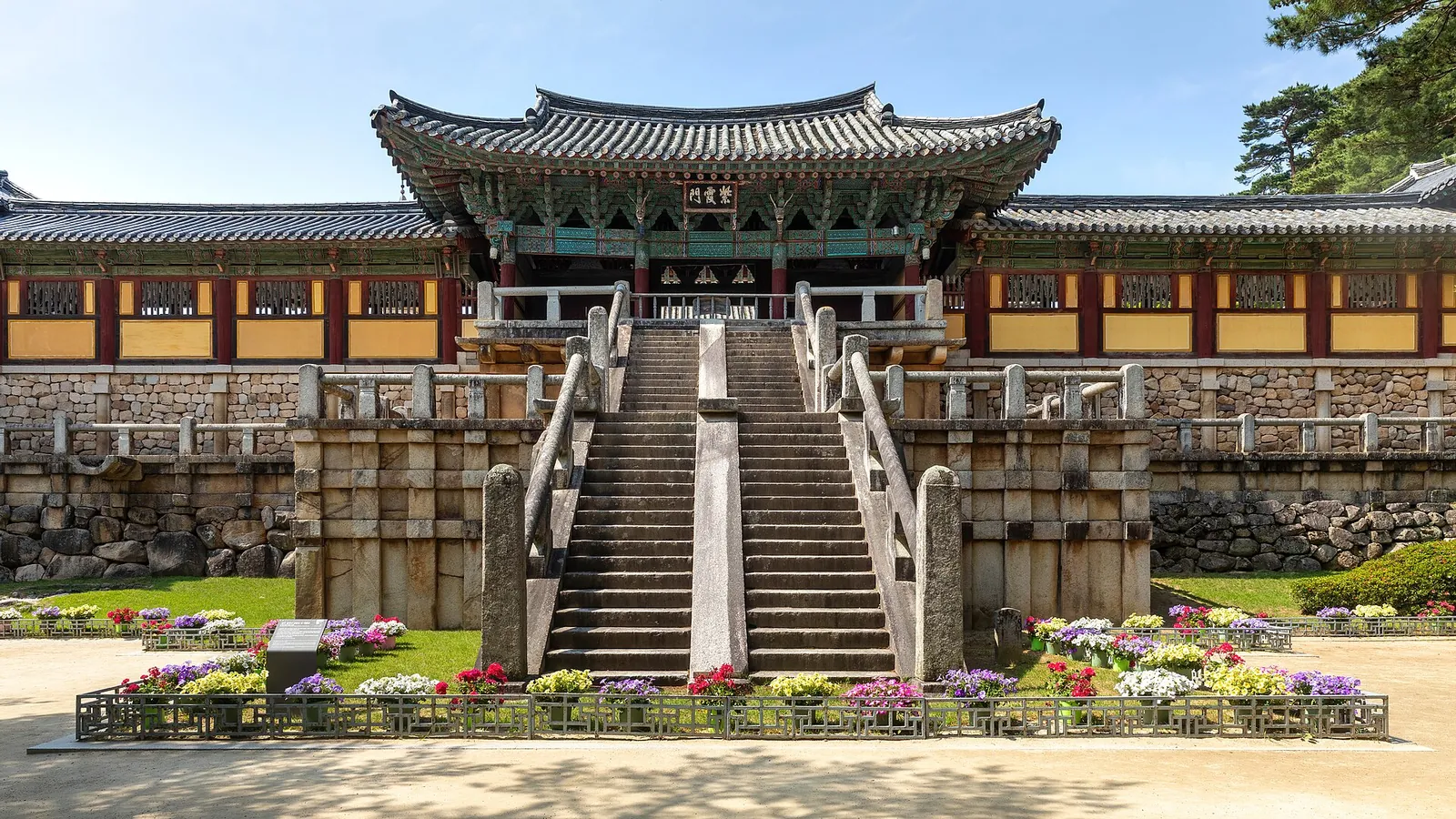
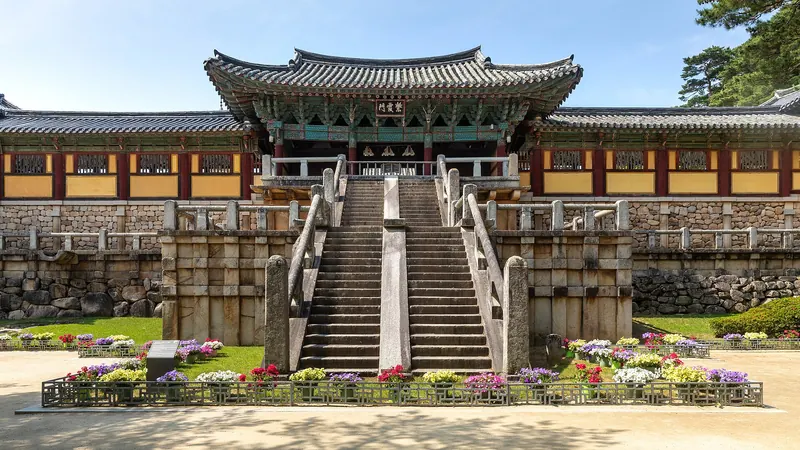
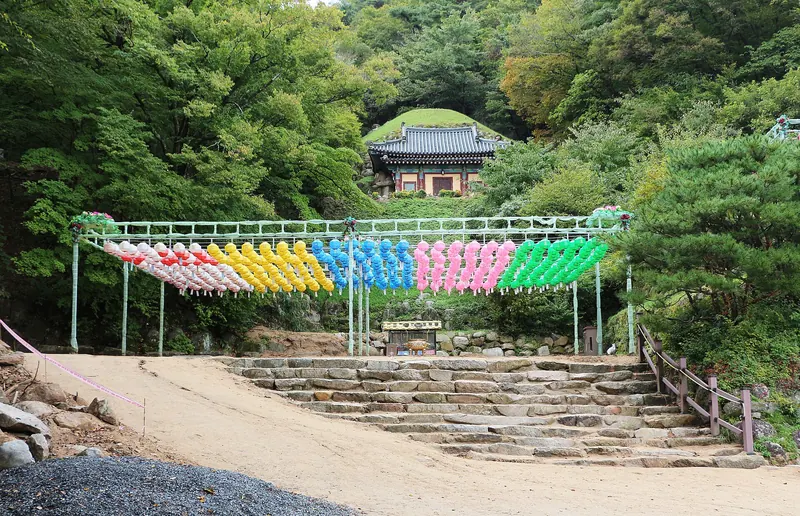
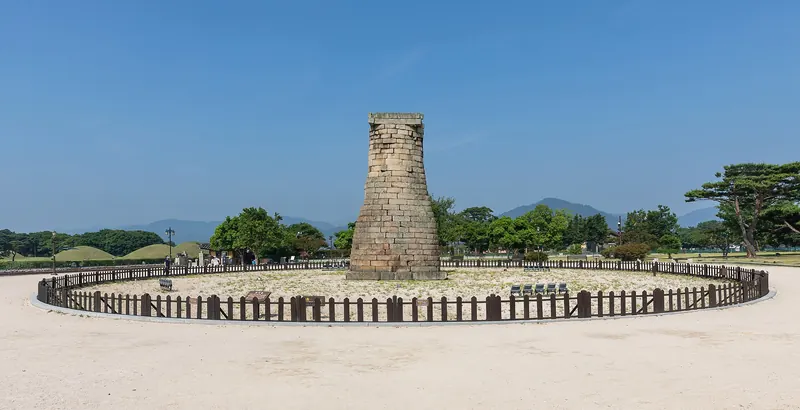
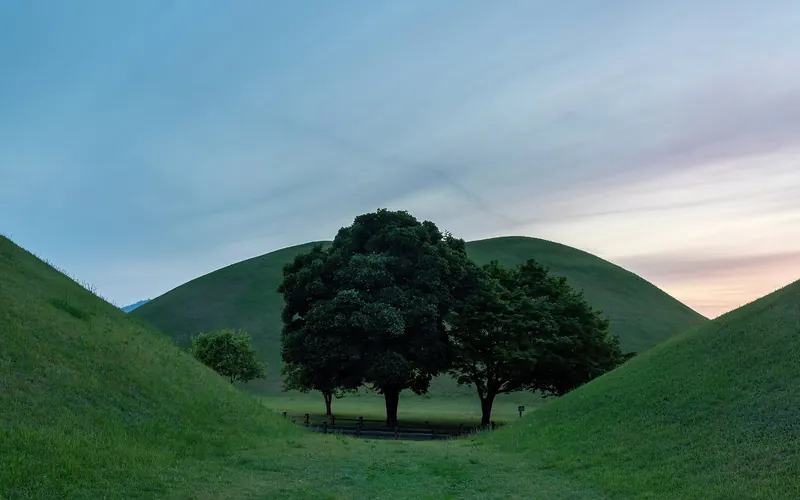
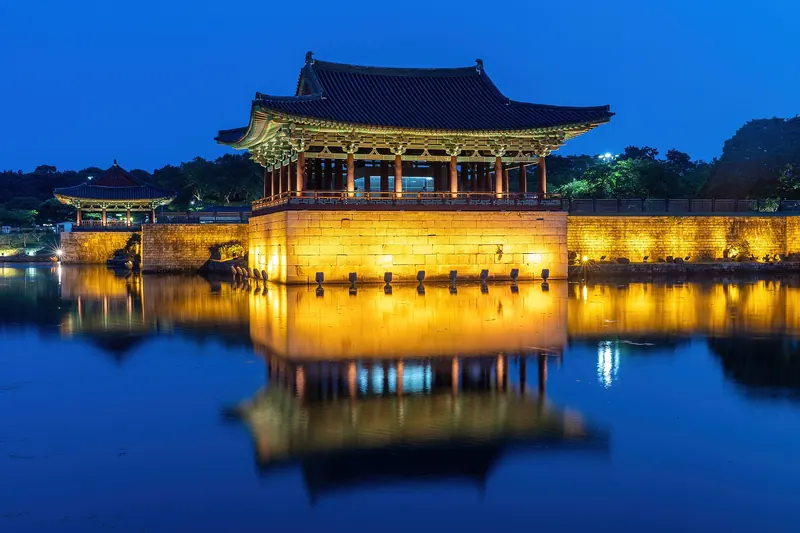
The sights are outstanding. Bulguksa, a temple founded in the 8th century, and Seokguram Grotto, a granite cave holding a serene seated Buddha, are both UNESCO World Heritage sites. In the city centre, grassy burial mounds rise like green hills at Daereungwon, Cheomseongdae is a stone observatory from the 7th century, and Donggung Palace and Wolji Pond are lit up at night. Gyeongju's historic areas together are also on the World Heritage list.
Gyeongju is easy to see at a gentle pace. Distances are short, cycling between sights is a pleasure, and the Hwangnidan-gil district is full of cafés in restored hanok. The city is about two hours from Seoul by KTX and 30 minutes from Busan, and two days is a good visit, ideally with a night in town to see the lit-up ponds.
- Historic Site
- UNESCO Site
- Archaeology
- Culture & Arts