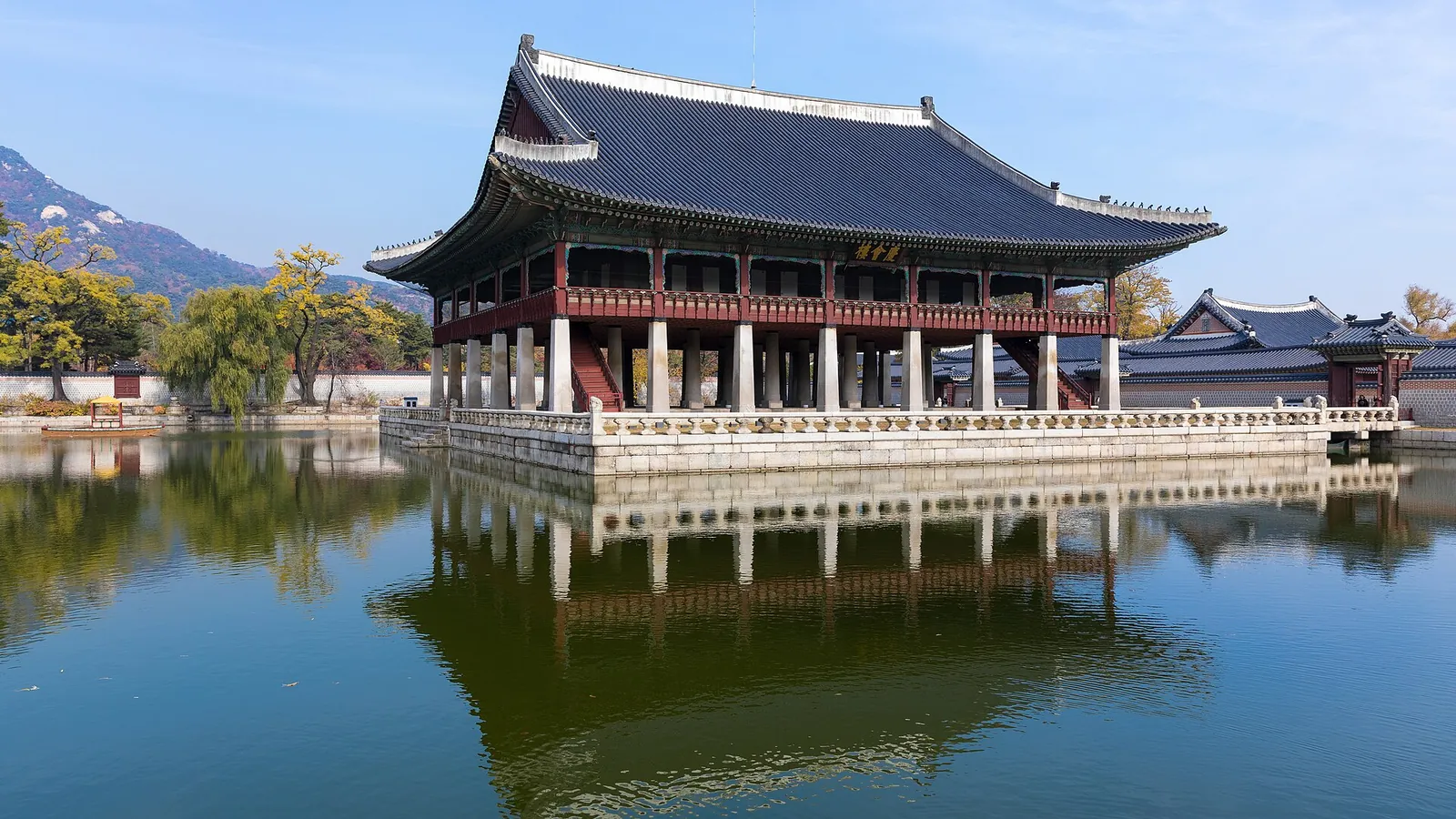
Gyeonghoeru, the royal banquet hall at Gyeongbokgung Palace, reflected in its pond

Seoul Capital Area, north-west South Korea · South Korea

Seoul

A megacity of royal palaces, hanok lanes, mountain trails, neon nights and street food, where 600 years of history sit beside the future.

  • Best time April–May and September–October
  • Stay 4 days
  • Good for First-timers, food, history, shopping, nightlife, day trips

Photo: Frank Schulenburg · CC BY-SA 4.0

Welcome to Seoul

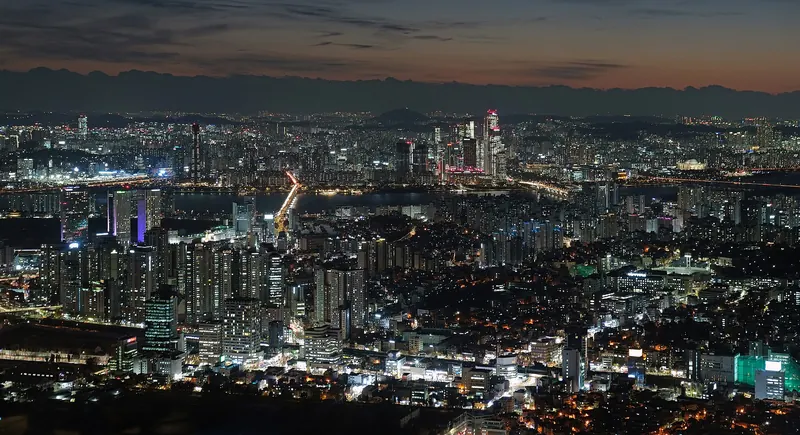
Seoul is a city of about 9 million people, part of a metropolitan area of more than 25 million, set in a bowl of granite mountains around the Han River. It has been the capital for over 600 years, since the Joseon dynasty made it the seat of the kingdom in 1394, and the old city is ringed by fortress walls and guarded by five royal palaces.

Old and new sit side by side. Within a few subway stops you can pass from the palaces and hanok lanes of Jongno and Bukchon to the shopping streets of Myeongdong, the design landmarks of Dongdaemun, the youth culture of Hongdae, and the towers of Gangnam. Mountains rise inside the city, so a hike to a fortress wall or a temple is a short ride from any hotel, and the Han River parks fill with picnics on summer nights.

Seoul is easy for first-timers. The subway is cheap and clear, the streets are safe at any hour, food is available at all times, and the city moves quickly. Four days covers the palaces, a hanok district and the main neighbourhoods, and it is the natural base for day trips to Suwon, the DMZ and the east coast.

  • Capital City
  • Major City
  • Historic Site
  • Culture & Arts
  • Food & Wine

Why visit

Why visit Seoul?

Seoul combines history, food and modern energy more densely than almost any other Asian capital.

  • Living palaces

    Five royal palaces from the Joseon dynasty, with guards, gardens and hanbok.

  • Extraordinary food

    From market stalls and barbecue to temple cuisine and fine dining.

  • Mountains in the city

    Bukhansan, Namsan and Inwangsan are reached by subway.

  • Design and culture

    Modern architecture, museums, K-pop districts and cafés.

  • Safe and easy

    A clean, cheap metro and a very low crime rate.

Main attractions

Top things to see in Seoul

The main sights cluster around Jongno in the old city, with others across the river or on the mountain.

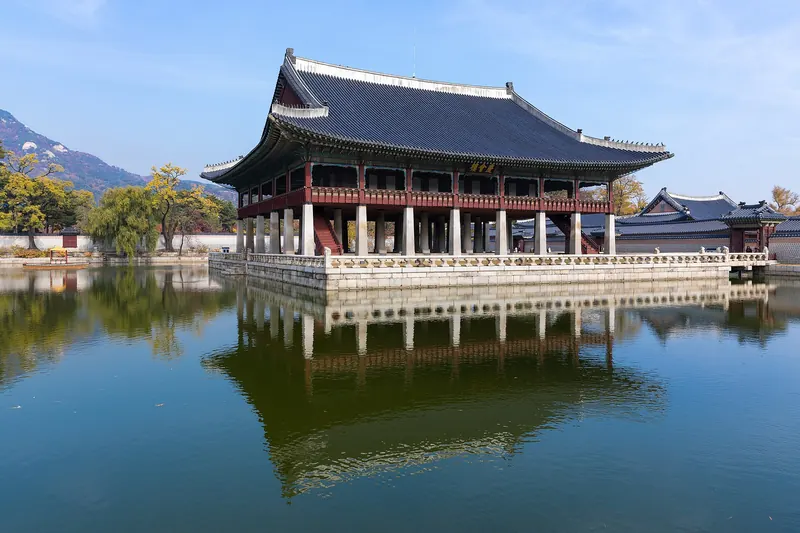
  1. Gyeonghoeru pavilion on its pond at Gyeongbokgung Palace

    Gyeongbokgung Palace

    The largest and grandest of Seoul's palaces, built in 1395, with a throne hall, a pavilion on a lake and a changing-of-the-guard ceremony. It is free to enter in hanbok.

    Tip Go at opening time, and check closing days.

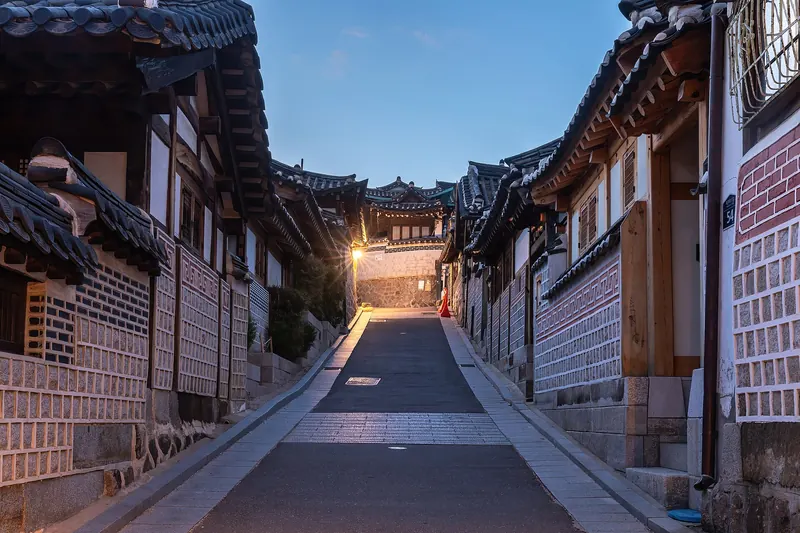
  2. Traditional hanok houses lining a hillside street in Bukchon at blue hour

    Bukchon Hanok Village

    A hillside neighbourhood of traditional tile-roofed houses between two palaces, with views to the city. People live here, and access is restricted at some times.

    Tip Visit early and keep your voice down.

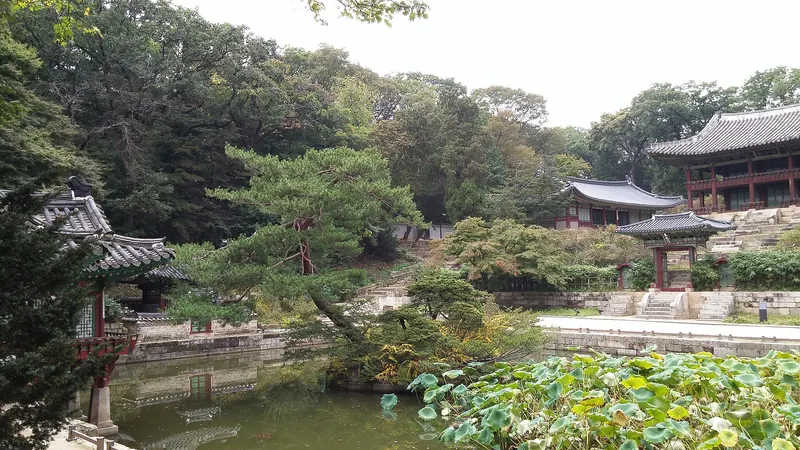
  3. A pavilion and pond in the Secret Garden at Changdeokgung Palace

    Changdeokgung and the Secret Garden

    A UNESCO World Heritage palace that blends into its landscape, with a rear garden of ponds, pavilions and old trees, visited on timed guided tours.

    Tip Book the Secret Garden tour online.

  4. N Seoul Tower rising above the trees of Namsan Mountain

    N Seoul Tower and Namsan

    A 236-metre tower on Namsan, with panoramic views of the city, reached by cable car or a walk up a wooded hill.

    Tip Go at dusk and stay for the lights.

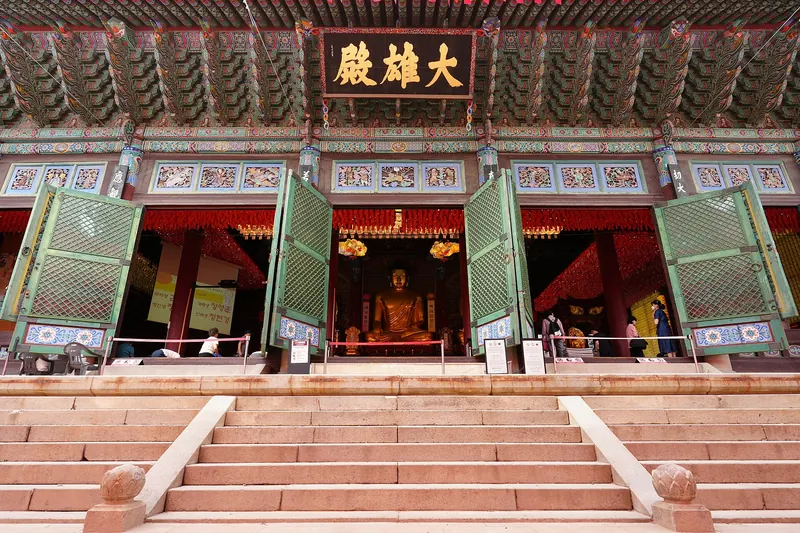
  5. The main hall of Jogyesa temple decorated with colourful lanterns

    Jogyesa Temple

    The centre of Korean Zen Buddhism, in the middle of the city, and hung with thousands of lanterns around the Buddha's Birthday in spring.

    Tip Visit in the morning, when it is quiet.

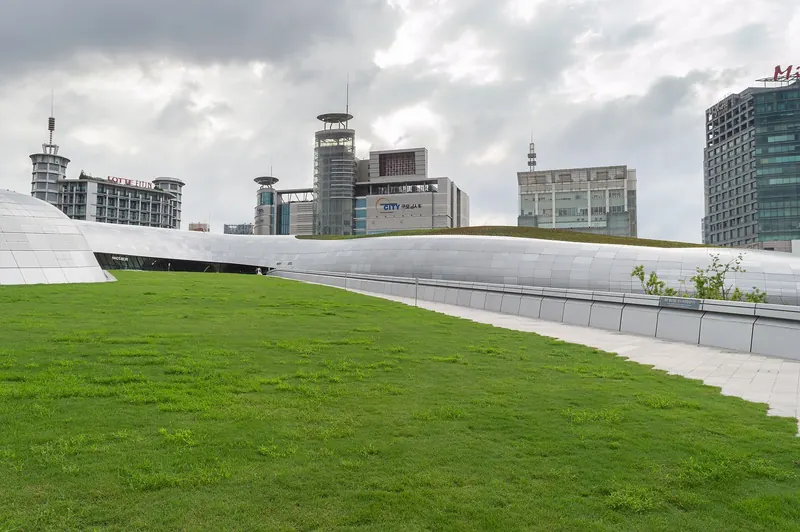
  6. The curved silver walls of Dongdaemun Design Plaza above a garden of grass

    Dongdaemun Design Plaza

    A curved, silver building by Zaha Hadid that hosts exhibitions and events, surrounded by fashion markets that stay open late.

    Tip Visit at night for the lights.

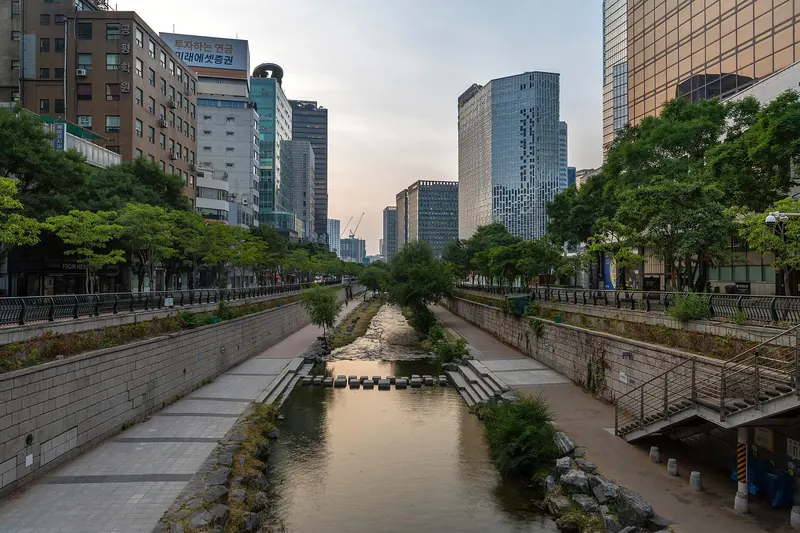
  7. The Cheonggyecheon stream running through the city at sunrise

    Cheonggyecheon Stream

    A restored stream running through the centre, replacing a former elevated highway, with a walking path and bridges.

    Tip Walk it in the evening.

Things to do

Best things to do in Seoul

Seoul rewards a mix of history, food and neighbourhood wandering.

  1. Wear a hanbok in a palace

    Rent traditional dress near Gyeongbokgung and enter the palaces free.

    Tip Book a slot in advance for peak times.

  2. Eat at Gwangjang Market

    Bindaetteok pancakes, mayak gimbap and raw beef tartare at a century-old market.

    Tip Go hungry, and bring cash.

  3. Hike Bugaksan or Inwangsan

    Trails along the old fortress wall with views over the palaces.

    Tip Bring your passport, since some sections are security-controlled.

  4. Spend an evening in Hongdae

    Buskers, clubs, cafés and shops around the university district.

    Tip Go on a Friday or Saturday night.

  5. Picnic by the Han River

    Order chicken and beer to your spot on the riverbank.

    Tip Visit Banpo Bridge's fountain show in summer.

  6. Take a day trip

    Suwon's fortress, the DMZ or the mountains north of the city are easy trips.

    Tip See Suwon and the DMZ.

Local food

What to eat in Seoul

Seoul's food is the best sampler of Korea, from cheap street snacks to long barbecue nights.

  • Korean barbecue

    Pork belly and marinated beef grilled at the table with banchan side dishes.

    Where to try it Restaurants in Mapo, Jongno and Gangnam.

  • Tteokbokki and street snacks

    Rice cakes in chilli sauce, fried snacks and fish cakes.

    Where to try it Myeongdong and Gwangjang Market.

  • Samgyetang

    A whole young chicken stuffed with rice and ginseng in a hot broth.

    Where to try it Restaurants near Gyeongbokgung.

  • Naengmyeon and mandu

    Cold noodles and dumplings.

    Where to try it Old restaurants in Jung-gu.

  • Temple food

    Vegetarian cooking from Buddhist traditions.

    Where to try it Restaurants in Insadong.

  • Cafés and dessert

    Bingsu shaved ice and coffee culture.

    Where to try it Ikseon-dong and Seongsu-dong.

Accommodation

Where to stay in Seoul

Choose by the type of trip: old city for sights, Hongdae for nightlife, Gangnam for business.

  • Jongno, Insadong and Bukchon

    Close to the palaces, with guesthouses and hanok.

    Best for: Palaces and hanok stays

  • Myeongdong and Jung-gu

    Central, with many hotels and street food.

    Best for: First-timers and shopping

  • Hongdae and Mapo

    Hostels, cafés and bars, near the airport train.

    Best for: Nightlife and budget stays

  • Gangnam and Jamsil

    Tall hotels south of the river.

    Best for: Business and luxury

What a night costs

Hostel dorm
US$20–35 per night
Mid-range hotel
US$90–170 per night
Luxury hotel
US$250–500 per night
Meal at a local restaurant
US$7–15 per person

Transport

Getting to and around Seoul

Most visitors arrive at Incheon Airport, about 50 km west of the city.

Getting there

  • Airport railroad (AREX)

    An express train reaches Seoul Station in about 45 minutes, and an all-stop train is cheaper.

    The best option.

  • Airport bus

    Buses serve many hotels, taking 60 to 90 minutes.

    Good with luggage.

  • KTX and SRT trains

    High-speed rail from Busan, Gyeongju and other cities to Seoul Station or Yongsan.

    Book in advance.

Getting around

The subway covers nearly everything, with buses filling the gaps.

  • Subway

    Nine lines, signs in English, and trains until around midnight.

    Use a T-money card.

  • Buses

    Extensive, with a night network.

    Use Naver Map or Kakao Map.

  • Taxis

    Cheap and plentiful.

    Show your destination in Korean.

  • On foot

    The palaces and the old city are walkable.

    Wear comfortable shoes.

When to go

Best time to visit Seoul

Seoul has hot, humid summers and cold, dry winters, with pleasant springs and autumns.

  • Spring (March–May)

    Best time

    Cherry blossom in early April and mild days.

  • Summer (June–August)

    Think twice

    Hot, humid and rainy.

  • Autumn (September–November)

    Best time

    Clear skies and colourful leaves.

  • Winter (December–February)

    Quiet

    Cold and dry, with fewer crowds.

Worth planning around: The July rainy season and the major holidays.

Itinerary

Four days in Seoul

Palaces and hanok, the city's markets and hills, and a day trip.

  1. Day1

    Palaces and hanok

    The old city.

    • Morning Gyeongbokgung Palace.
    • Afternoon Bukchon Hanok Village and Insadong.
    • Evening Dinner near Jongno.
  2. Day2

    Gardens and views

    Changdeokgung and the tower.

    • Morning Changdeokgung and its Secret Garden.
    • Afternoon Jogyesa and Gwangjang Market.
    • Evening N Seoul Tower at dusk.
  3. Day3

    A day trip

    The DMZ or Suwon.

    • Morning Depart on a DMZ tour or train to Suwon.
    • Afternoon Tunnels, observatories or the fortress wall.
    • Evening Barbecue in Hongdae.
  4. Day4

    Design and streams

    Modern Seoul.

    • Morning Dongdaemun Design Plaza.
    • Afternoon Cheonggyecheon stream and Myeongdong.
    • Evening Han River picnic.

Travel tips

Seoul travel tips

A few tips make Seoul smoother.

  • Get a T-money card at the airport or a convenience store.
  • Use Naver Map or Kakao Map, not Google Maps.
  • Check palace closing days, since most close on Tuesday or Monday.
  • Book the Secret Garden tour in advance.
  • Carry some cash for markets and small stalls.
  • Avoid the subway in rush hour if you can.
  • Wear layers, since air-conditioning is strong.
  • Dress modestly in temples.

FAQ

Seoul: frequently asked questions

How many days do you need in Seoul?

Three to four days cover the main sights, and a week allows day trips.

Is Seoul safe?

Yes, it is one of the safest big cities in the world.

When is the best time to visit?

April to May and September to October.

Can I visit palaces free?

Yes if you wear a hanbok, and there are free days for other visitors, such as the last Wednesday of the month.

Do I need to speak Korean?

No. English signs are common and translation apps help.

Which airport should I fly into?

Incheon for most international flights. Gimpo handles domestic flights and some flights from Japan and China.

Read next

Related travel articles

Food

A Country-by-Country Food Primer

Eating well abroad is mostly a matter of knowing when meals happen, how the menu is structured and which dish belongs to the place you are standing in. This covers all three for the five countries in this guide, plus the signals that separate a restaurant that feeds locals from one that feeds coaches.

Practical

Packing by Season and Trip Type

Most packing advice is a list of things. This is the opposite: the small number of decisions that determine whether your luggage helps or hinders, organised by the kind of trip you are actually taking.

Advertisement