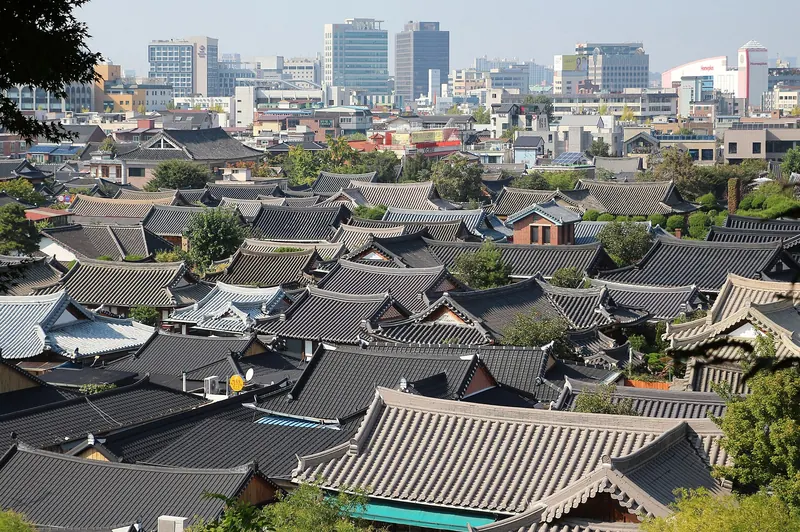
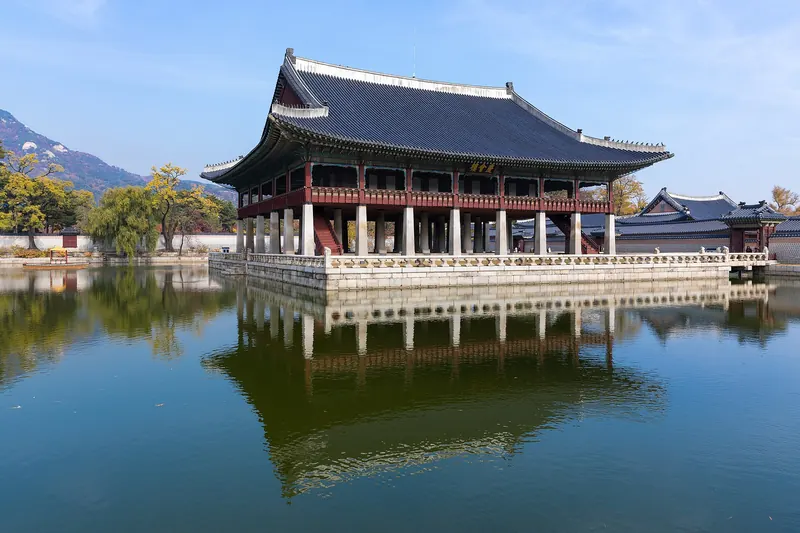
Tile-roofed hanok houses in Jeonju Hanok Village

North Jeolla, south-west South Korea · South Korea

Jeonju

Korea's food capital and a city of 700 traditional hanok houses, where bibimbap, makgeolli and calligraphy have deep roots.

  • Best time April and October
  • Stay 1–2 days
  • Good for Food lovers, traditional culture, slow travel

Photo: Mobius6 · CC BY-SA 4.0

Welcome to Jeonju

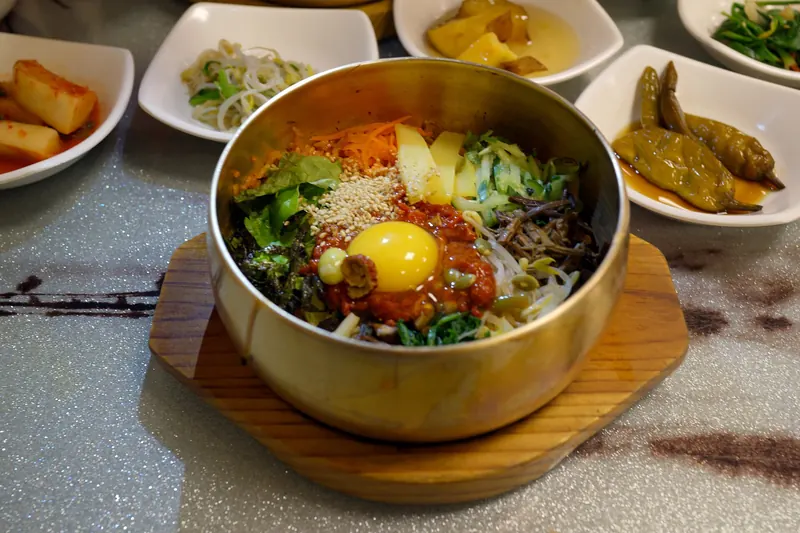
Jeonju is a city of about 650,000 in the fertile south-west, and it is widely regarded as the culinary heart of South Korea. UNESCO named it a Creative City of Gastronomy in 2012, and locals will tell you that a meal in Jeonju includes far more side dishes than anywhere else. It is the home of bibimbap, the rice bowl mixed with vegetables and chilli paste, and of a regional banquet tradition in which a table fills with small dishes as soon as you order drinks.

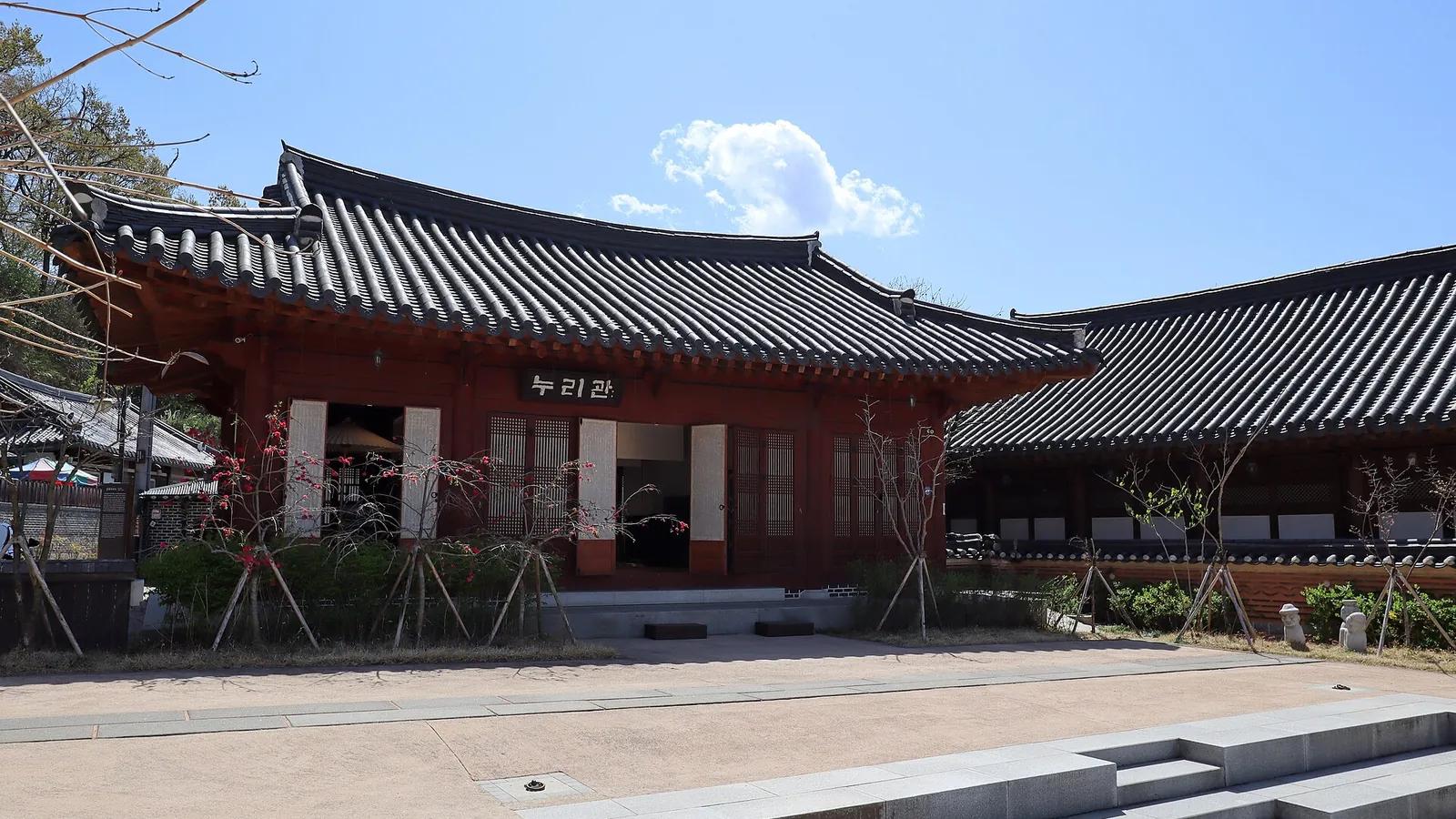
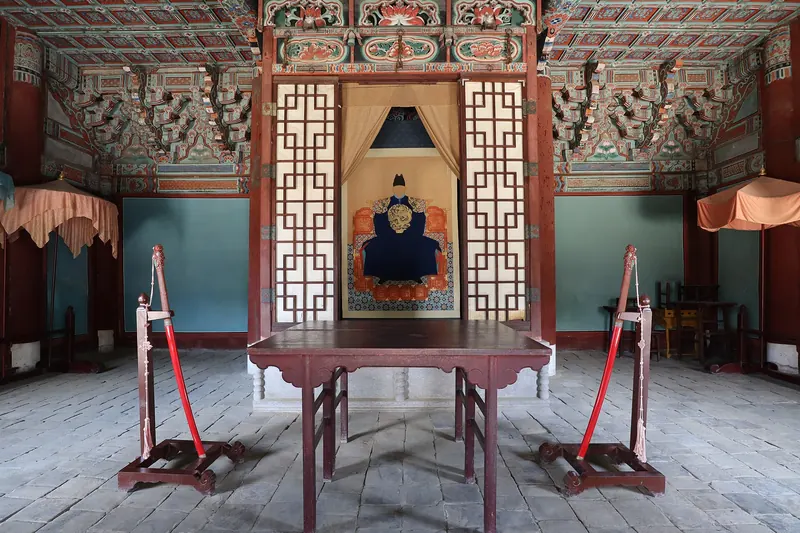
The old heart of the city is Jeonju Hanok Village, a district of about 700 traditional houses with curved tile roofs, alleys and courtyard cafés. It grew around the Gyeonggijeon Shrine, which holds a portrait of the founder of the Joseon dynasty, who was born in Jeonju's family line, and the area is the country's best place to try on hanbok and stroll through real streets rather than a museum set.

Jeonju is compact and easy: a day or two lets you eat, walk the village, browse the Nambu Market and taste the local makgeolli. It is about two hours from Seoul by KTX, and it fits between Seoul and the south-east, making it a natural stop on a longer trip.

  • Culture & Arts
  • Historic Site
  • Food & Wine

Why visit

Why visit Jeonju?

Jeonju offers food and tradition in one compact, walkable place.

  • The home of bibimbap

    The most famous bowl in Korea.

  • A large hanok village

    About 700 traditional houses.

  • A UNESCO gastronomy city

    Banquets, market food and makgeolli.

  • Traditional crafts

    Paper, calligraphy and rice wine.

  • An easy stop

    Two hours from Seoul by KTX.

Main attractions

Top things to see in Jeonju

Everything worth seeing is within a short walk of the hanok village.

  1. A lane in Jeonju Hanok Village lined with tile-roofed houses

    Jeonju Hanok Village

    A district of about 700 hanok with cafés, workshops, guesthouses and hanbok rentals, and the main street for snacks.

    Tip Stay overnight, when the crowds go.

  2. The Gyeonggijeon Shrine buildings in Jeonju

    Gyeonggijeon Shrine

    A shrine that houses a portrait of King Taejo, the founder of the Joseon dynasty, in a quiet compound.

    Tip Visit in the morning.

  3. Jeondong Cathedral

    A Romanesque-Byzantine church from the early 1900s, in red brick, beside the hanok village.

    Tip Visit before it closes.

  4. Nambu Market

    A traditional market with food stalls and a night market on weekends.

    Tip Go in the evening.

  5. Omokdae

    A pavilion on a hill with views across the hanok village's rooftops.

    Tip Go at sunset.

  6. Korean Traditional Wine Museum

    A museum where you can learn about and taste traditional wines.

    Tip Book a tasting.

Things to do

Best things to do in Jeonju

Jeonju is about eating and strolling.

  1. Eat Jeonju bibimbap

    Try the classic bowl with raw beef and bean sprouts.

    Tip Go at lunch.

  2. Wear a hanbok

    Rent traditional dress and stroll the village.

    Tip Rentals are cheap.

  3. Drink makgeolli

    Visit a makgeolli alley for a kettle of rice wine with a table of dishes.

    Tip Go in the evening.

  4. Try a hanok stay

    Sleep on a heated floor in a traditional house.

    Tip Book ahead.

  5. Make paper or craft

    Try hanji paper workshops.

    Tip Book a class.

  6. Snack along the street

    Choco pies, grilled skewers and egg bread.

    Tip Bring cash.

Local food

What to eat in Jeonju

Jeonju's food is a national point of pride, and a meal is generous.

  • A bowl of Jeonju bibimbap with vegetables and egg

    Jeonju bibimbap

    Rice cooked in beef broth with about two dozen toppings, including bean sprouts and raw beef, mixed with chilli paste.

    Where to try it Traditional restaurants in the village.

  • Kongnamul gukbap

    Bean sprout soup with rice, a cheap breakfast and hangover cure.

    Where to try it Local restaurants.

  • Makgeolli alley meals

    A kettle of rice wine that comes with a table of dishes.

    Where to try it Samcheon-dong Makgeolli Street.

  • Hanjeongsik

    A banquet table of many dishes.

    Where to try it Restaurants in the village.

  • Choco pie and street snacks

    Sweet and savoury treats.

    Where to try it Hanok village street.

Accommodation

Where to stay in Jeonju

Stay in the hanok village for atmosphere.

  • Hanok Village

    Hanok guesthouses, with floor bedding.

    Best for: Atmosphere

  • Near the station

    Business hotels.

    Best for: Transport

  • Deokjin district

    Modern hotels.

    Best for: Budget stays

What a night costs

Guesthouse
US$30–60 per night
Hanok stay
US$70–180 per night
Hotel
US$60–120 per night
Bibimbap meal
US$8–15 per person

Transport

Getting to and around Jeonju

Jeonju is reached by KTX or bus from Seoul.

Getting there

  • KTX from Seoul (Yongsan)

    About two hours, by KTX to Jeonju station.

    Book in advance.

  • Express bus

    About three hours from Seoul Express Bus Terminal.

    Frequent.

  • From Gyeongju or Busan

    Via a bus or a change of train.

    Plan a half day.

Getting around

The hanok village is walkable.

  • On foot

    The village and market are close together.

    Wear comfortable shoes.

  • Bicycle

    Rentals in the village.

    Good for the flat city.

  • Taxi and bus

    For the station.

    Cheap.

When to go

Best time to visit Jeonju

Jeonju has four seasons, with hot summers and cold winters.

  • Spring (March–May)

    Best time

    Mild, with cherry blossom.

  • Summer (June–August)

    Think twice

    Hot and humid.

  • Autumn (September–November)

    Best time

    Clear, with gold leaves.

  • Winter (December–February)

    Quiet

    Cold, but quiet.

Worth planning around: August heat.

Itinerary

Two days in Jeonju

Eating and strolling the village.

  1. Day1

    The hanok village

    Tradition.

    • Morning Bibimbap for lunch.
    • Afternoon Gyeonggijeon Shrine and the village.
    • Evening Makgeolli alley.
  2. Day2

    Markets and views

    Local life.

    • Morning Nambu Market.
    • Afternoon Omokdae and Jeondong Cathedral.
    • Evening Depart.

Travel tips

Jeonju travel tips

A few tips help you make the most of Jeonju.

  • Come hungry.
  • Stay overnight in a hanok.
  • Carry cash for street stalls.
  • Go early to the village.
  • Try the makgeolli alley.
  • Book hanok stays early.
  • Wear comfortable shoes.

FAQ

Jeonju: frequently asked questions

How long do I need in Jeonju?

One to two days.

Is Jeonju worth it?

Yes for food and tradition.

How do I get there from Seoul?

KTX in about two hours.

What is the best food?

Bibimbap and makgeolli banquets.

Can I stay in a hanok?

Yes, in guesthouses.

When is the best time to go?

April and October.

Read next

Related travel articles

Food

A Country-by-Country Food Primer

Eating well abroad is mostly a matter of knowing when meals happen, how the menu is structured and which dish belongs to the place you are standing in. This covers all three for the five countries in this guide, plus the signals that separate a restaurant that feeds locals from one that feeds coaches.

Where to go

Beyond the Big Names: Places Worth the Detour

The most visited place in a country is rarely its best, and it is almost never its best value. This is a method for finding the destinations that do not make the postcards — and a set of examples from five of the 50 countries on this site.

Advertisement