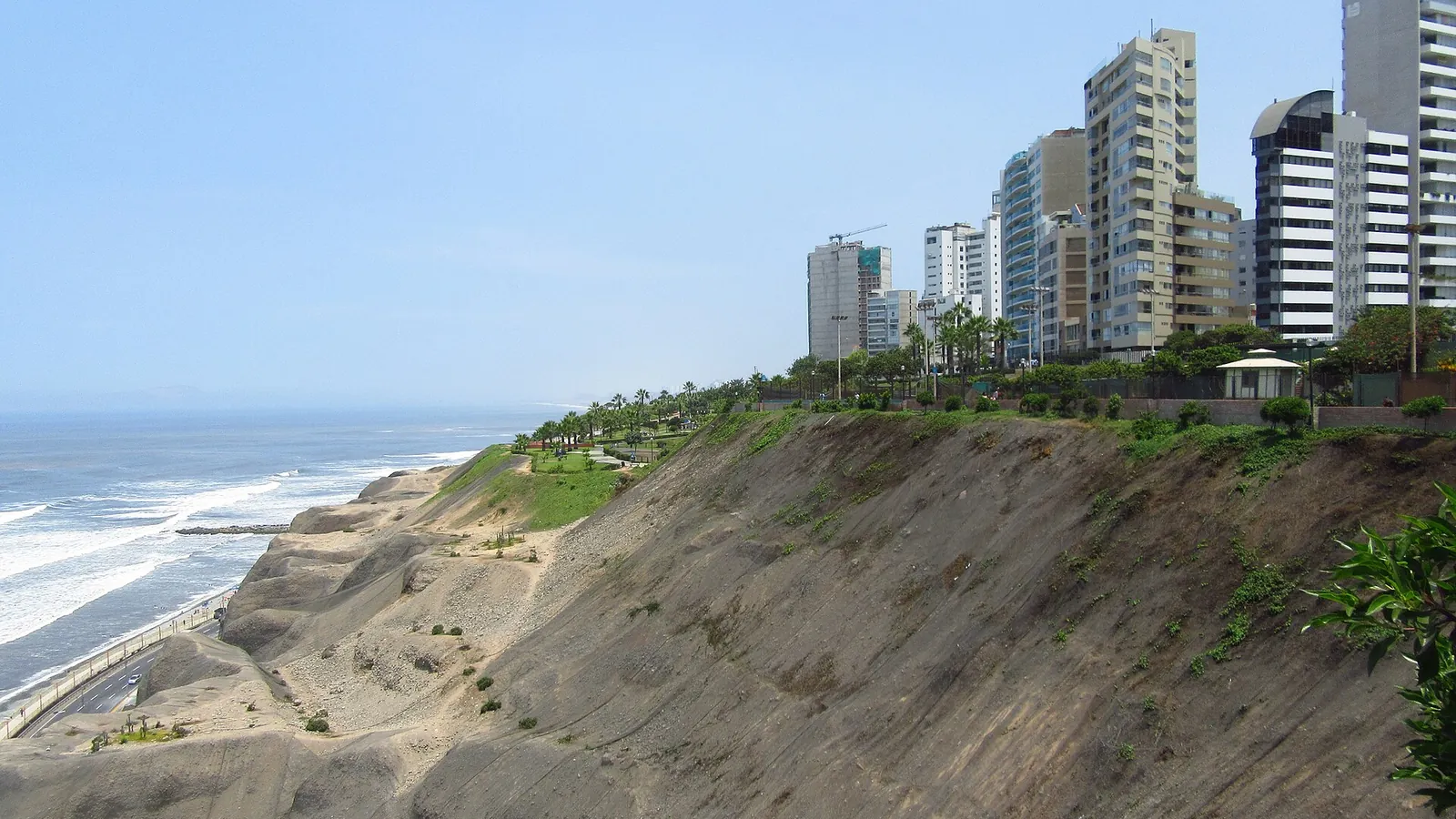
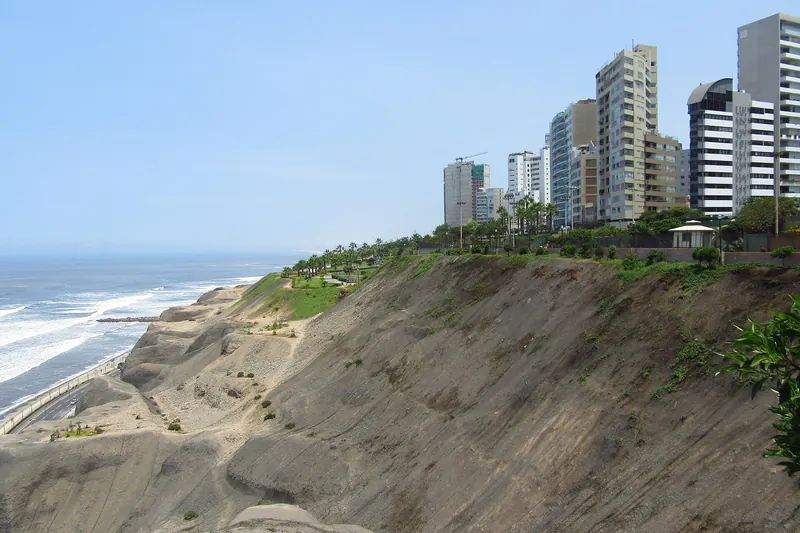

The Malecón coastal cliffs of Miraflores in Lima

Lima Region · Peru

Lima

Peru's sprawling coastal capital, a world-class food city where colonial grandeur sits above a pre-Inca pyramid still being excavated.

  • Best time December to April for the warmest, sunniest weather
  • Stay 2-3 days
  • Good for Food, history, an easy international gateway

Photo: Felipe Restrpo Acosta · CC BY-SA 4.0

Welcome to Lima

Lima is Peru's sprawling coastal capital, a city where colonial-era grandeur in the historic centre sits alongside a food scene now regularly ranked among the best in the world.

It's also a city of real archaeological depth — Huaca Pucllana, a pre-Inca clay pyramid predating the Incas by centuries, still stands and is still being excavated in the middle of the modern Miraflores district.

Most visitors use Lima as their international gateway, spending a couple of days here before or after the Andes, though its food, museums and coastal neighbourhoods easily reward a dedicated stay of their own.

  • City
  • Culture
  • Food
  • History

Why visit

Why visit Lima?

Lima's case rests on world-class food layered over serious colonial and pre-Columbian history.

  • The food scene is world class

    Home to some of the world's most acclaimed restaurants, alongside excellent, inexpensive street food.

  • Huaca Pucllana predates the Inca by centuries

    A pre-Inca clay pyramid still being excavated, right in the middle of the modern city.

  • The historic centre is a UNESCO World Heritage site

    Grand colonial architecture around the Plaza Mayor, largely intact.

  • Barranco is one of South America's most charming neighbourhoods

    A bohemian district of street art, galleries and a famous footbridge.

  • It works well as an international gateway

    Most visitors pass through regardless, so it's an easy addition rather than a detour.

Main attractions

Top things to see in Lima

Lima's essential sights combine serious pre-Columbian and colonial history with its coastal modern neighbourhoods.

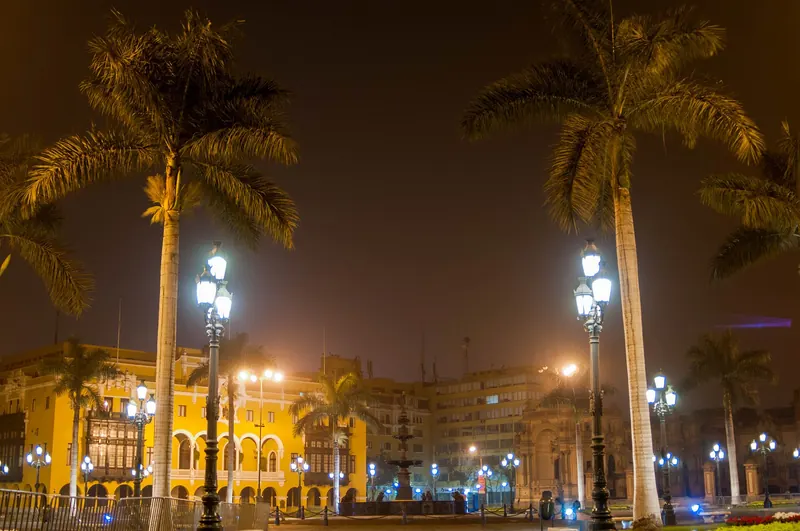
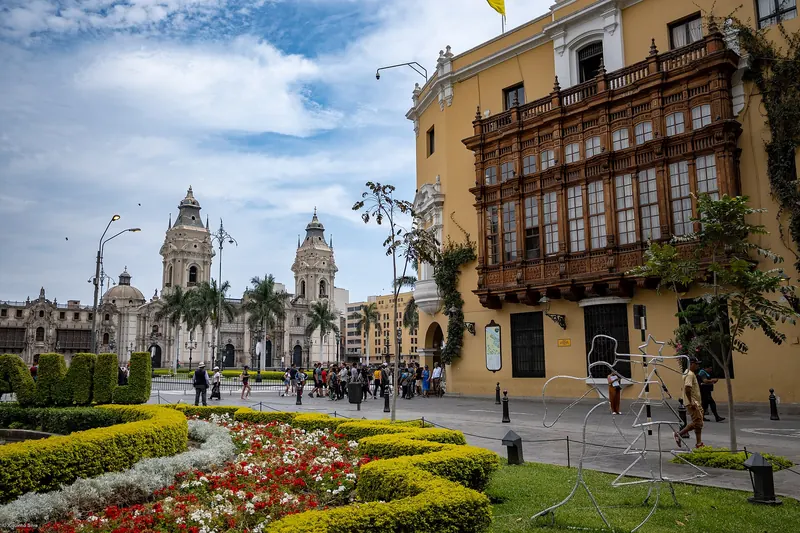
  1. The Plaza Mayor in central Lima

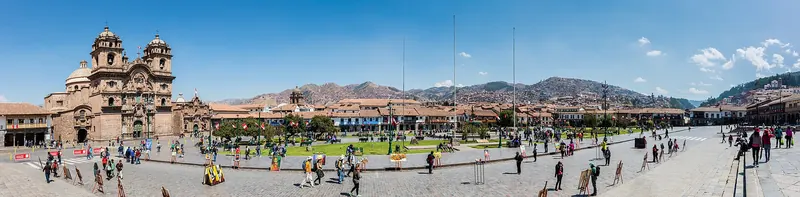
    The Plaza Mayor

    The historic heart of the city, a grand colonial square surrounded by the cathedral, government palace and city hall.

    Tip Time a visit for the changing of the guard at the Government Palace, held most days at noon.

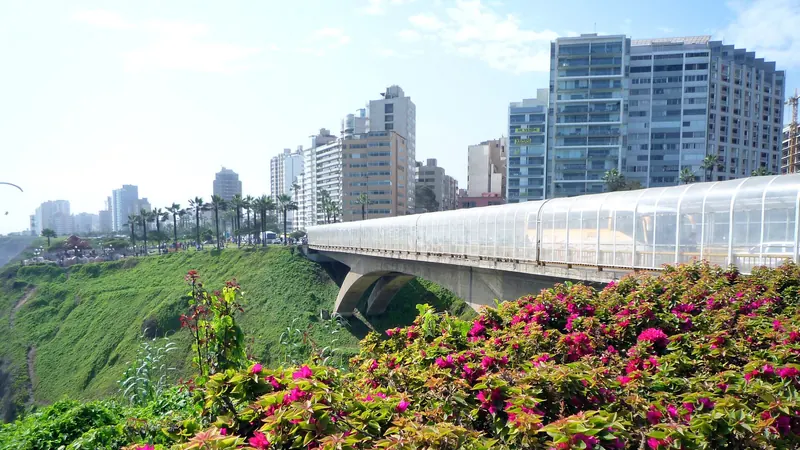
  2. The modern skyline of Miraflores in Lima

    Miraflores

    Lima's most polished district, a modern coastal neighbourhood of parks, shopping and some of the city's best restaurants.

    Tip A safe, walkable base for most visitors, especially first-timers to Lima.

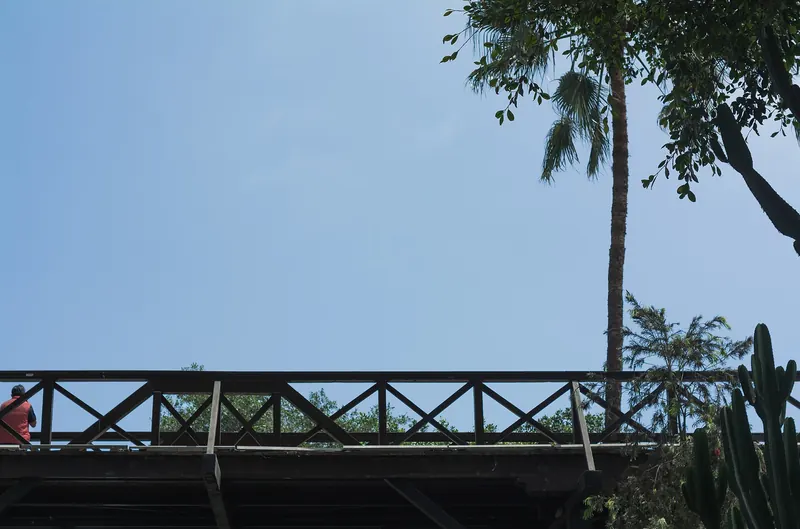
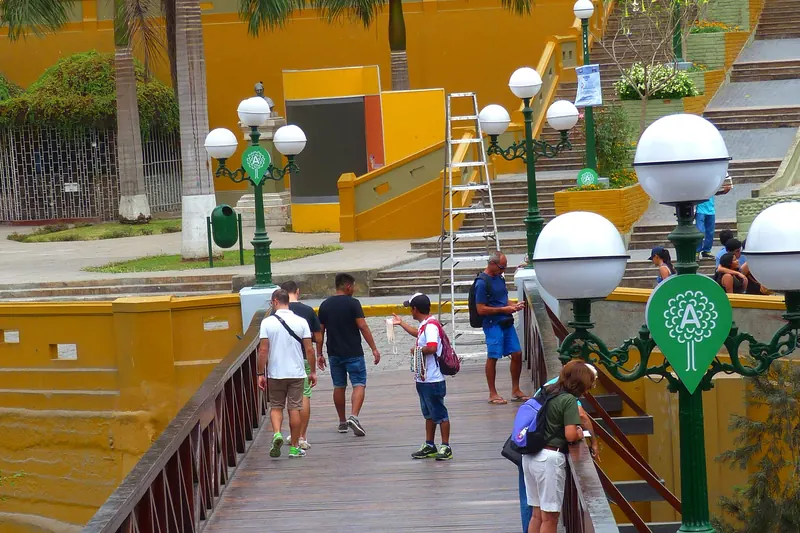
  3. The Bridge of Sighs in the Barranco district of Lima

    The Bridge of Sighs, Barranco

    A beloved local landmark, a small wooden footbridge at the heart of Lima's bohemian Barranco neighbourhood.

    Tip Local legend says holding your breath while crossing brings good luck.

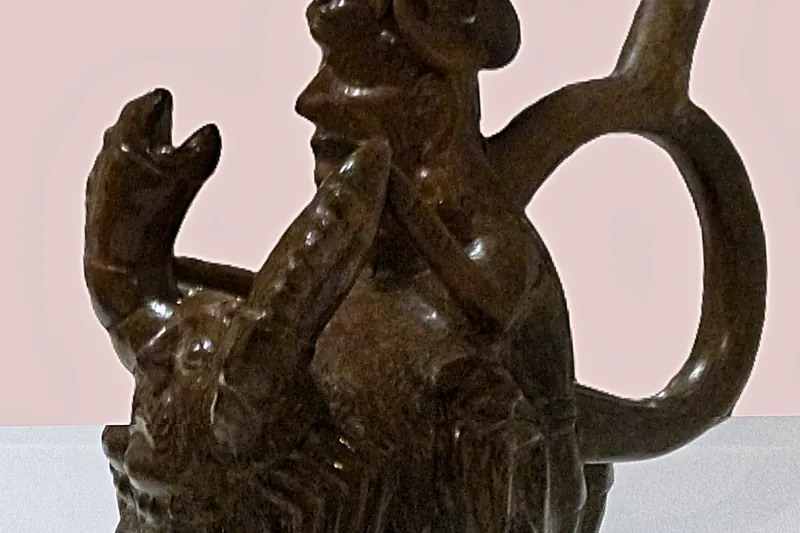
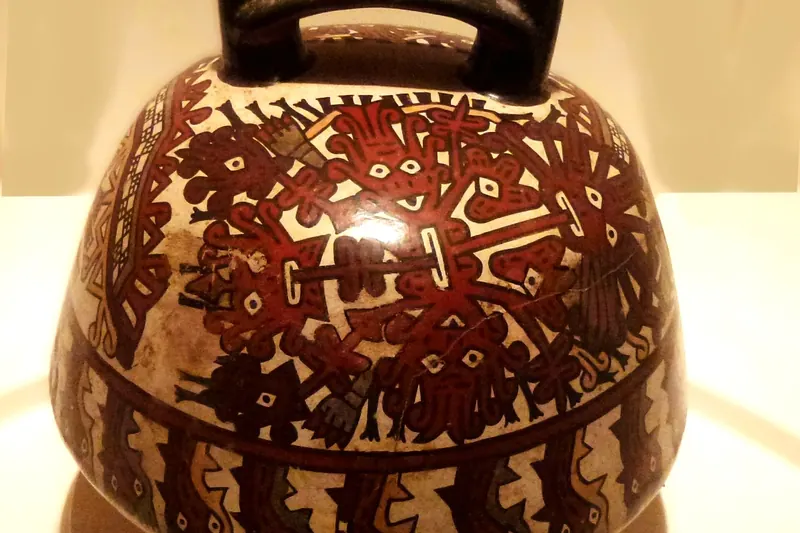
  4. Ancient ceramics at the Larco Museum in Lima

    The Larco Museum

    One of Peru's finest museums, an extraordinary collection of pre-Columbian art housed in an 18th-century mansion.

    Tip The museum's gardens and on-site restaurant make it worth a leisurely half-day visit.

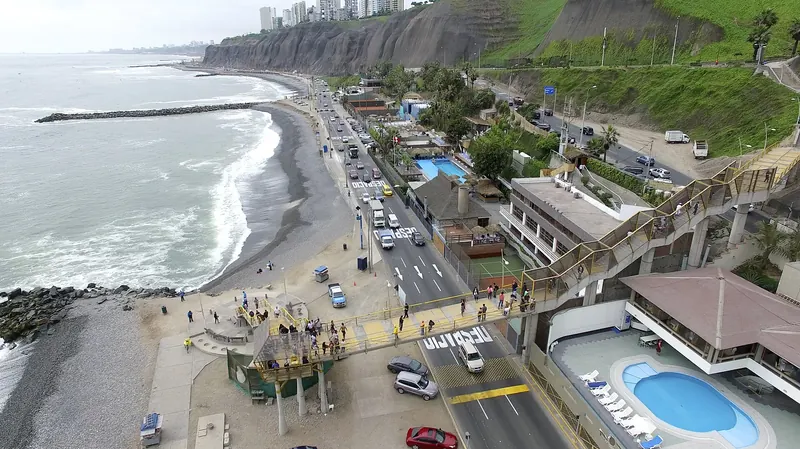
  5. The Malecón coastal walkway in Miraflores

    The Malecón de Miraflores

    A striking coastal walkway running along cliffs above the Pacific, dotted with parks and paragliders overhead.

    Tip Sunset here is one of Lima's best free experiences.

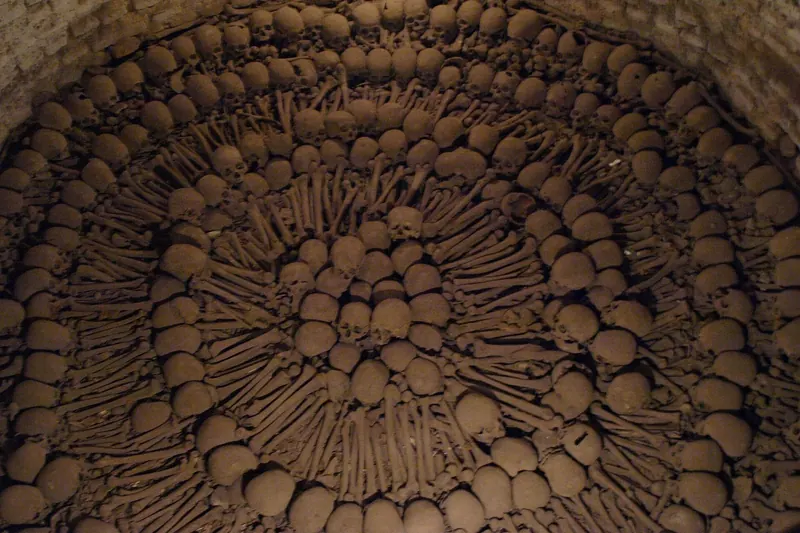
  6. The San Francisco Monastery in Lima

    San Francisco Monastery

    A striking colonial monastery famous for its catacombs, where the bones of an estimated 25,000 people are arranged below ground.

    Tip The guided tour, included with entry, is essential for the full catacombs experience.

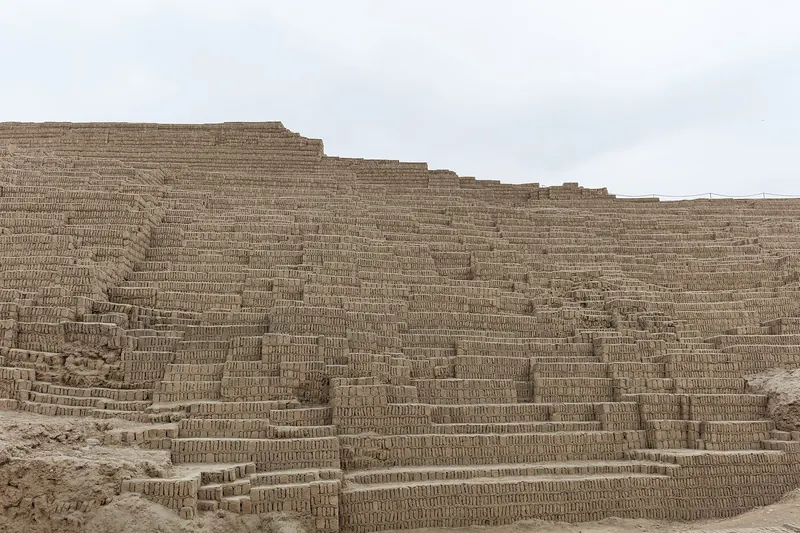
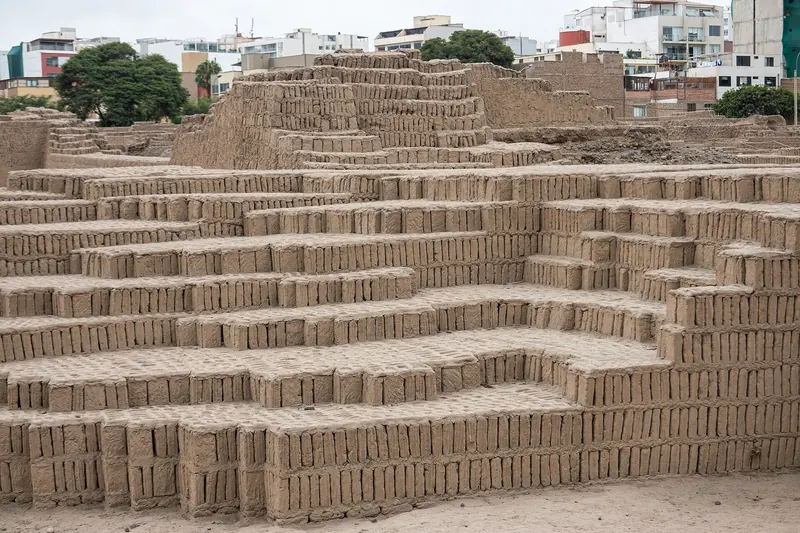
  7. The pre-Inca pyramid of Huaca Pucllana in Lima

    Huaca Pucllana

    A pre-Inca clay and adobe pyramid, predating the Inca Empire by centuries, still actively excavated in the middle of Miraflores.

    Tip Visit at dusk, when the site is lit up against the modern city skyline.

Things to do

Best things to do in Lima

Lima rewards mixing serious museums with its excellent food scene and coastal neighbourhoods.

  1. The bohemian streets of Barranco in Lima

    Wander Barranco's bohemian streets

    A relaxed way to spend an afternoon, browsing street art, galleries and cafés in Lima's most charming district.

    Tip The neighbourhood comes alive in the evening with a lively bar and restaurant scene.

  2. Ancient pottery at the Larco Museum

    Explore the Larco Museum's collection

    An essential few hours, taking in thousands of years of pre-Columbian art and culture in one collection.

    Tip The museum's discreet erotic art gallery is a separate, adults-only section worth knowing about.

  3. The Malecón cliff-top path in Miraflores

    Walk the Malecón cliff path

    A scenic walk along the coastal cliffs, with parks, viewpoints and paragliders launching overhead.

    Tip Combine with a stop at Parque del Amor, known for its large sculpture and colourful mosaics.

  4. Exploring the historic centre of Lima near San Francisco

    Explore San Francisco's catacombs

    An atmospheric, if slightly eerie, guided tour through underground burial chambers beneath the monastery.

    Tip Combine with a wander through the wider historic centre afterward.

  5. Huaca Pucllana pyramid at sunset in Lima

    Visit Huaca Pucllana at sunset

    A striking contrast, an ancient clay pyramid lit up against Miraflores' modern skyline after dark.

    Tip Book the guided evening tour, which includes dramatic lighting of the site.

  6. Try Lima's world-class food scene

    An essential part of any Lima visit, from acclaimed fine dining to excellent, inexpensive local spots.

    Tip Book well-known restaurants weeks ahead — Lima's top tables are in serious demand.

Local food

What to eat in Lima

Lima's food scene is world class, regularly producing some of South America's most acclaimed restaurants alongside excellent street food.

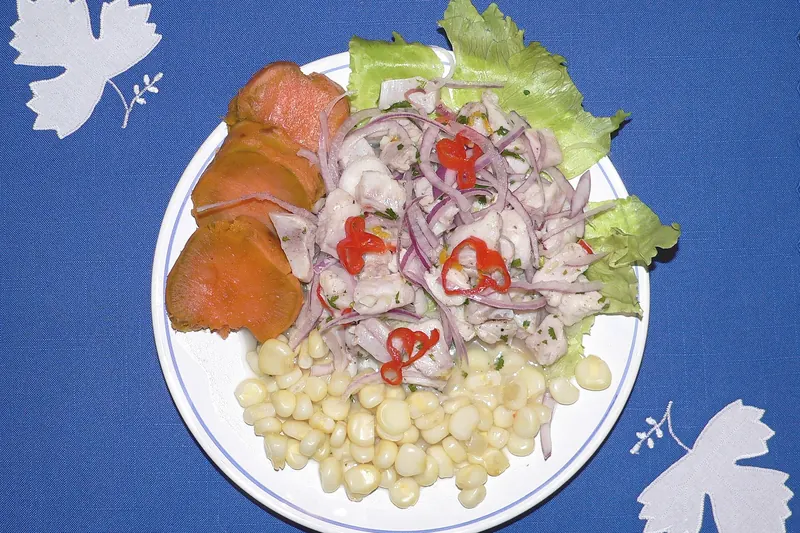
  • Ceviche, Peru's national dish of citrus-cured raw fish

    Ceviche

    At its absolute best here, fresh raw fish cured in citrus, the dish Lima is most famous for.

    Where to try it Cevicherías throughout Miraflores and Barranco.

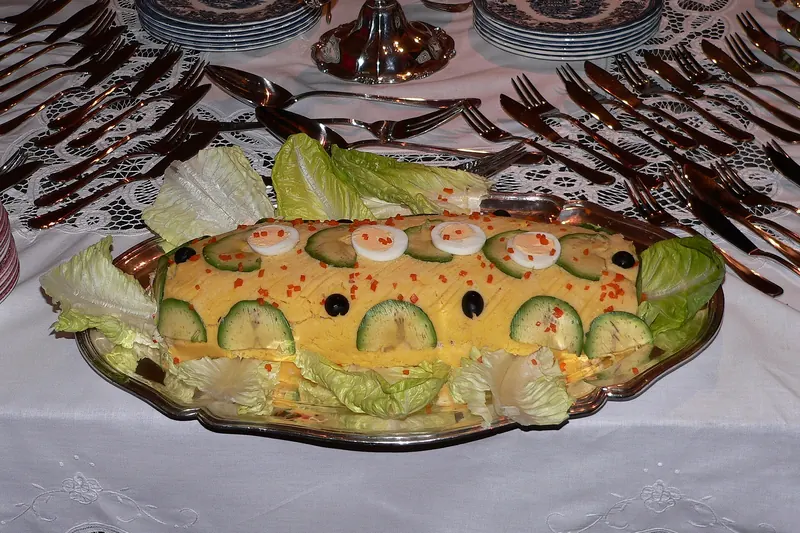
  • Causa limeña, a layered Peruvian potato dish

    Causa limeña

    A true Lima classic, layered mashed potato with chicken, avocado or seafood.

    Where to try it Restaurants throughout the city.

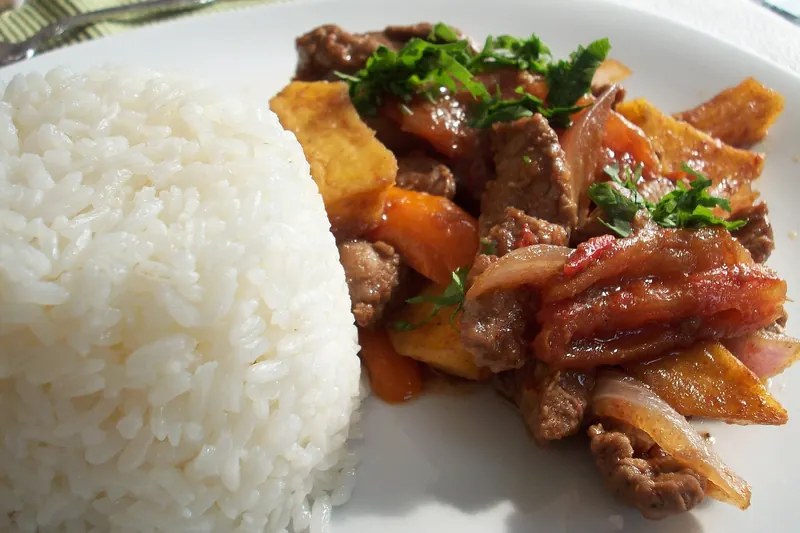
  • Lomo saltado, a Peruvian stir-fry of beef, onions and fries

    Lomo saltado

    A beloved fusion dish born in Lima's Chinese-Peruvian community, found everywhere from street stalls to fine dining.

    Where to try it Restaurants throughout the city.

  • A pisco sour, Peru's national cocktail

    Pisco sour

    Best enjoyed here, Peru's national cocktail served at bars throughout the city.

    Where to try it Bars and restaurants throughout Miraflores and Barranco.

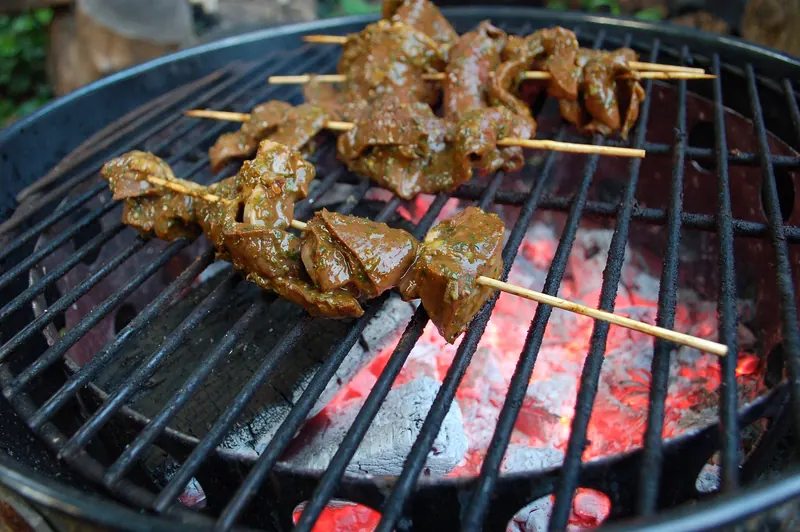
  • Anticuchos, grilled beef heart skewers

    Anticuchos

    An essential street food, smoky grilled skewers sold from carts across the city after dark.

    Where to try it Street stalls throughout Lima, especially in the evening.

  • Chicha morada

    A refreshing non-alcoholic purple corn drink, a common accompaniment to a Lima meal.

    Where to try it Restaurants and juice stalls throughout the city.

Accommodation

Where to stay in Lima

Lima offers accommodation across every budget, with Miraflores and Barranco the most visitor-friendly districts.

  • Miraflores

    The most popular base, close to the Malecón, restaurants and Huaca Pucllana.

    Best for: Being safe, walkable and well set up for visitors

  • Barranco

    A short taxi ride from Miraflores, with excellent nightlife and galleries.

    Best for: A more bohemian, artistic atmosphere

What a night costs

Hostel or guesthouse
S/50–110 per night
Mid-range hotel
S/220–450 per night
Larco Museum entry
About S/35
Dinner at a mid-range restaurant
About S/40–80 per person

Transport

Getting to and around Lima

Lima is Peru's main international gateway, with most visitors arriving here first regardless of their final destination.

Getting there

  • International flight to Jorge Chávez Airport

    Most international routes into Peru land here.

    Well connected to North America, Europe and across South America.

  • Domestic flight onward

    The standard way to reach Cusco, Arequipa and other regions.

    Frequent daily flights connect Lima to nearly every major Peru destination.

  • Long-distance bus

    A budget option for reaching Ica, Nazca and the southern coast.

    Comfortable overnight services with reclining seats cover longer coastal routes well.

Getting around

Lima is a sprawling city, and most visitors rely on taxis or rideshare apps rather than walking between districts.

  • Rideshare apps and taxis

    The easiest way around, widely available and inexpensive.

    Traffic can be heavy, so budget extra time between districts.

  • On foot within Miraflores or Barranco

    Easy — both districts are walkable and pleasant on their own.

    Moving between the two, or to the historic centre, is best done by taxi.

  • The Metropolitano bus

    A fast, dedicated busway connecting Miraflores to the historic centre.

    A practical, budget-friendly option for avoiding Lima's traffic.

When to go

Best time to visit Lima

Lima's coastal climate differs from the Andes, with a distinct grey, foggy winter season affecting visibility for months.

  • Summer (December–April)

    Best time

    The warmest, sunniest season, best for the Malecón and coastal neighbourhoods.

  • Shoulder months (May, November)

    Good

    Mild with less fog than deep winter.

  • Winter (June–September)

    Good

    Grey and overcast, known locally as garúa, though rarely cold or rainy.

Worth planning around: Expecting sunny skies in Lima's winter — persistent coastal fog and cloud cover are the norm, June to September.

Itinerary

Two days in Lima

Built around the historic centre on day one, Miraflores and Barranco on day two.

  1. Day1

    The historic centre

    The Plaza Mayor and San Francisco Monastery.

    • Morning The Plaza Mayor and cathedral.
    • Afternoon San Francisco Monastery and its catacombs.
    • Evening Dinner back in Miraflores.
  2. Day2

    Miraflores and Barranco

    Huaca Pucllana, the Malecón and Barranco.

    • Morning Huaca Pucllana and the Larco Museum.
    • Afternoon The Malecón de Miraflores.
    • Evening Dinner and a wander through Barranco.

Travel tips

Lima travel tips

Practical notes that make a Lima stay noticeably smoother.

  • Book well-known restaurants weeks ahead — Lima's top tables are in serious demand.
  • Base yourself in Miraflores or Barranco rather than the historic centre for safety and convenience.
  • Budget extra time for taxi journeys — Lima's traffic is often heavy.
  • Check the forecast if visiting June–September — coastal fog is the seasonal norm, not a rare event.
  • Drink only bottled or purified water throughout your stay.
  • Combine Huaca Pucllana and the Larco Museum in one day, given their proximity.

FAQ

Lima: frequently asked questions

How many days do you need in Lima?

Two to three days covers the historic centre, Miraflores and Barranco comfortably.

Is Lima worth visiting beyond being a gateway city?

Yes — its food scene alone justifies dedicated time, alongside serious pre-Columbian and colonial history.

Is Lima safe?

Generally yes in Miraflores and Barranco, with sensible precautions elsewhere, especially around petty theft in crowded areas.

What is Lima known for?

Its world-class food scene, alongside colonial architecture and pre-Inca sites like Huaca Pucllana.

Why is Lima so foggy?

A coastal phenomenon called garúa, caused by the cold Humboldt Current, persisting roughly June to September most years.

Should I visit Lima before or after the Andes?

Either works well — some visitors prefer Lima first to adjust before altitude, others end their trip here to enjoy the food scene at sea level.

Read next

Related travel articles

Food

A Country-by-Country Food Primer

Eating well abroad is mostly a matter of knowing when meals happen, how the menu is structured and which dish belongs to the place you are standing in. This covers all three for the five countries in this guide, plus the signals that separate a restaurant that feeds locals from one that feeds coaches.

Where to go

Beyond the Big Names: Places Worth the Detour

The most visited place in a country is rarely its best, and it is almost never its best value. This is a method for finding the destinations that do not make the postcards — and a set of examples from five of the 50 countries on this site.

Advertisement