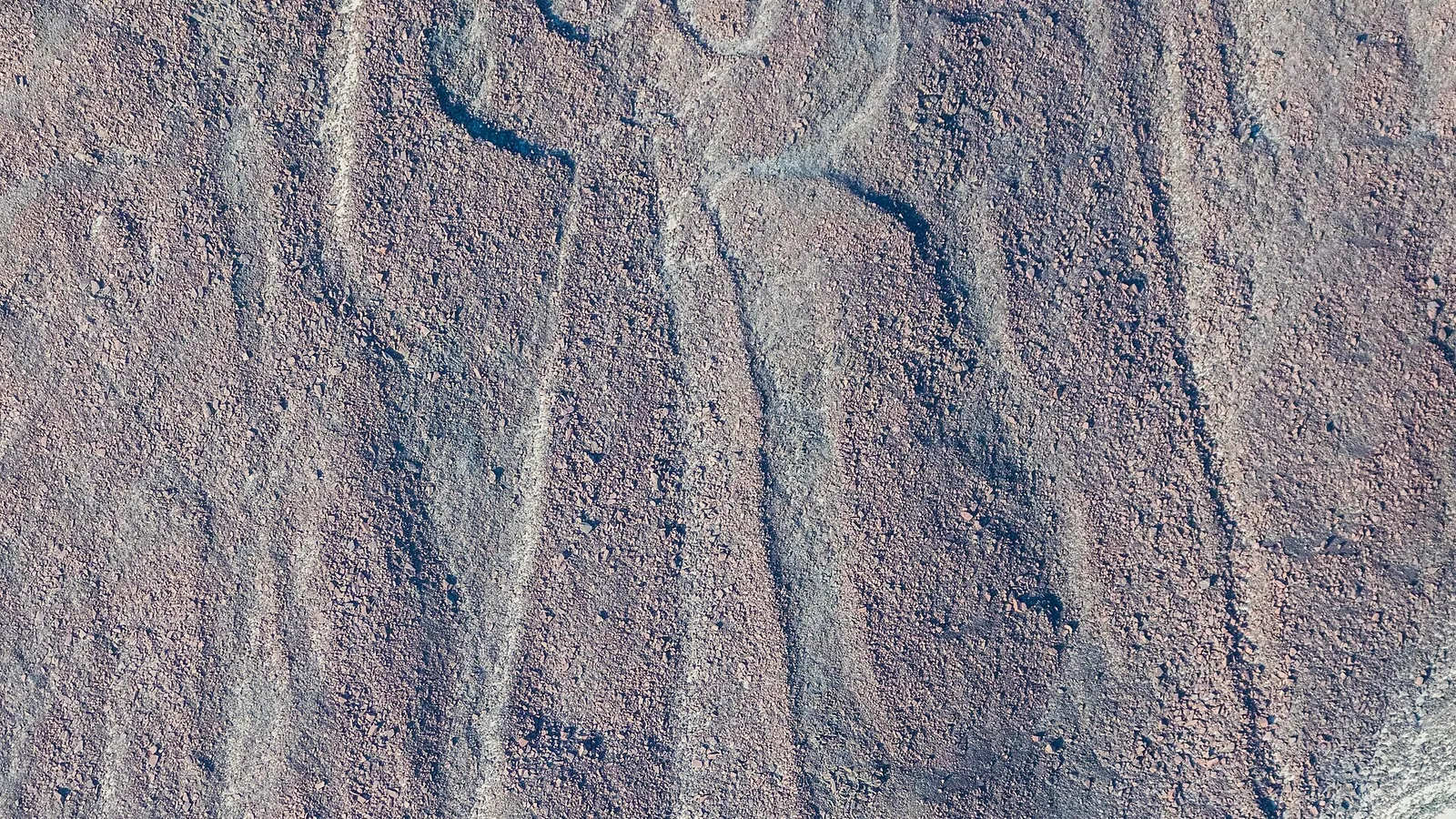
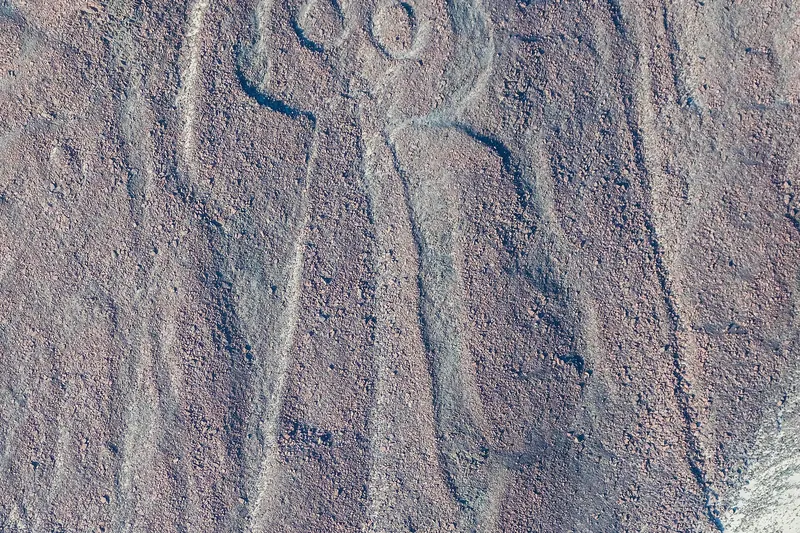


The Nazca Lines etched into the desert floor in southern Peru

Ica Region · Peru

The Nazca Lines

Massive geoglyphs etched into the desert over 1,500 years ago, so large they're only fully legible from the air.

  • Best time April to November for the driest, clearest flying conditions
  • Stay 1 day
  • Good for History, mystery, a striking desert detour

Photo: Diego Delso · CC BY-SA 4.0

Welcome to the Nazca Lines

The Nazca Lines are one of archaeology's great enduring mysteries, hundreds of geoglyphs etched into Peru's southern coastal desert by the Nazca culture around 1,500 years ago, some stretching hundreds of metres across.

Their real scale means most are only fully legible from the air, a fact that has fuelled a century of theories about their purpose, from astronomical calendars to ceremonial pathways, none conclusively proven.

Most visitors see the lines from a small scenic overflight, though a roadside viewing tower offers a ground-level, budget-friendly alternative for those who'd rather not fly.

  • History
  • UNESCO Site
  • Desert
  • Mystery

Why visit

Why visit the Nazca Lines?

The Nazca Lines' case rests on being one of the world's great archaeological mysteries, at a scale that's hard to grasp until seen firsthand.

  • They're still not fully explained

    A century of study has produced theories, but no conclusive answer for their purpose.

  • The scale is hard to comprehend from photos alone

    Some figures stretch hundreds of metres, visible only from the air or a distant tower.

  • They're remarkably well preserved

    The desert's dry, still climate has protected the lines for around 1,500 years.

  • A scenic overflight is a memorable experience in itself

    A small plane ride low over the desert, regardless of the lines below.

  • It's an easy, worthwhile detour on Peru's southern coast

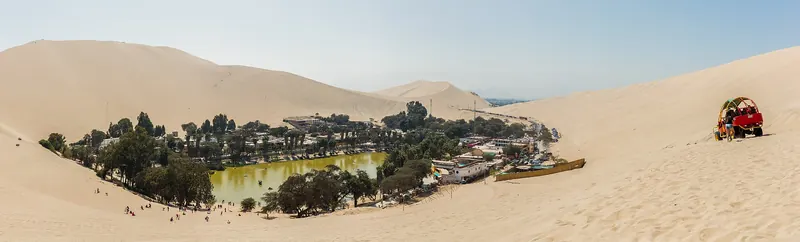
    Combinable with Huacachina and Lima on a single coastal itinerary.

Main attractions

Top things to see in the Nazca Lines

The Nazca region's essential sights centre on the mysterious geoglyphs and the ancient culture that created them.

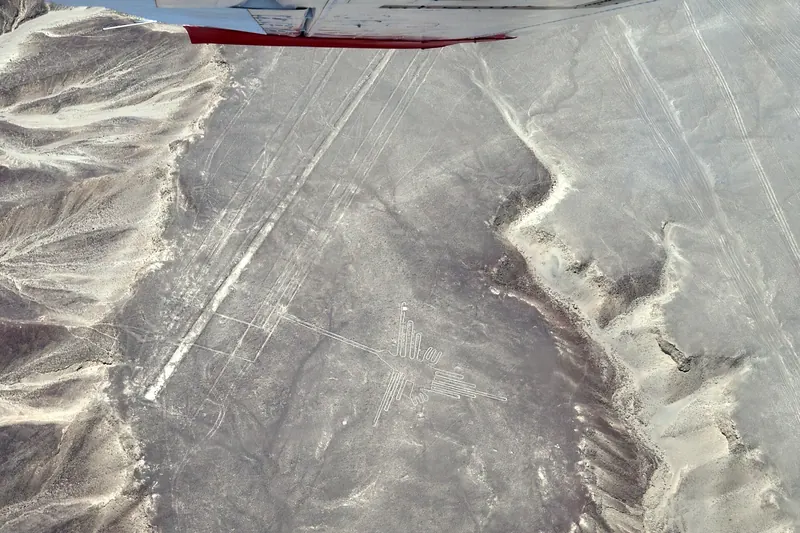
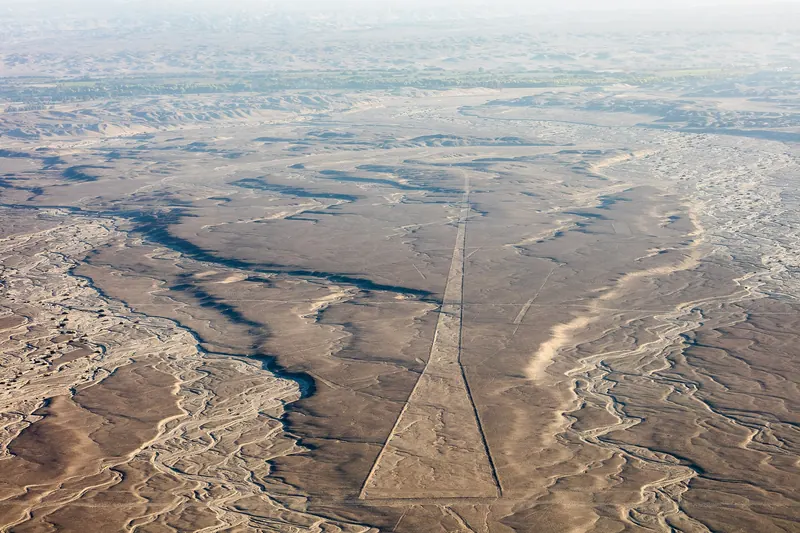
  1. The Nazca Lines etched into the desert floor

    The Nazca Lines

    Hundreds of geoglyphs covering an area of roughly 450 square kilometres, ranging from simple lines to complex animal and plant figures.

    Tip A scenic flight is the only way to see the lines' full figures in their proper context.

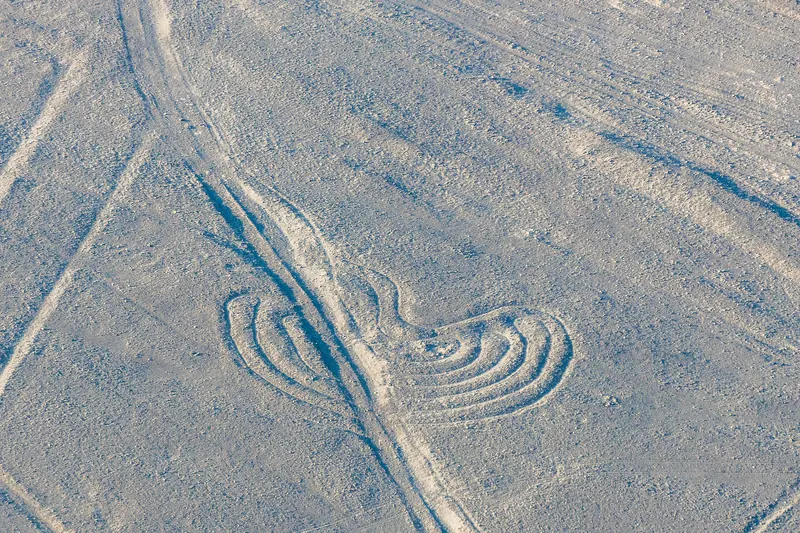
  2. The Hummingbird geoglyph, one of the most famous Nazca Lines figures

    The Hummingbird geoglyph

    One of the most famous individual figures, a hummingbird etched in a single continuous line spanning around 90 metres.

    Tip One of the figures most consistently pointed out on scenic overflights.

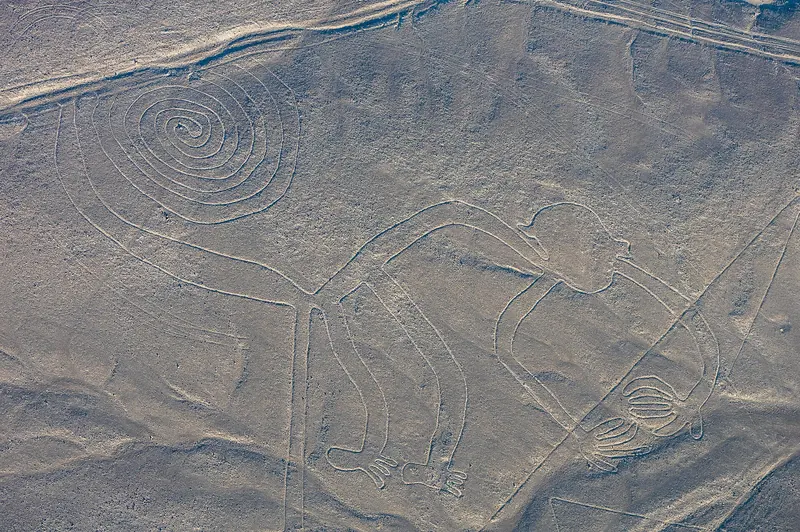
  3. An aerial view of the Nazca geoglyphs

    Aerial views of the geoglyphs

    Essential for appreciating the lines' true scale, revealing patterns invisible from ground level.

    Tip Sit on alternating sides during the flight — pilots typically bank toward each figure in turn.

  4. The arid desert plateau where the Nazca Lines are etched

    The desert plateau

    A stark, arid landscape whose dry, windless climate is exactly why the lines have survived for around 1,500 years.

    Tip The desert's stillness is part of what makes the lines' preservation possible — treat the ground with real care.

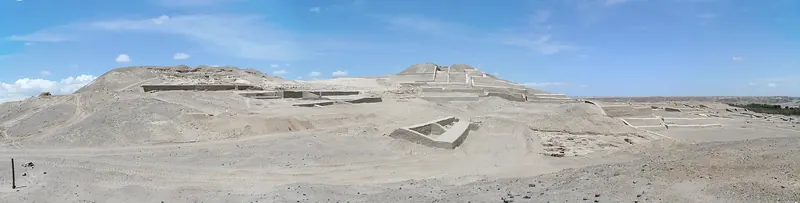
  5. The ancient pyramid complex of Cahuachi near Nazca

    Cahuachi

    Believed to be the Nazca culture's main ceremonial centre, a complex of adobe pyramids still being excavated today.

    Tip Far less visited than the lines themselves, offering a quieter archaeological experience.

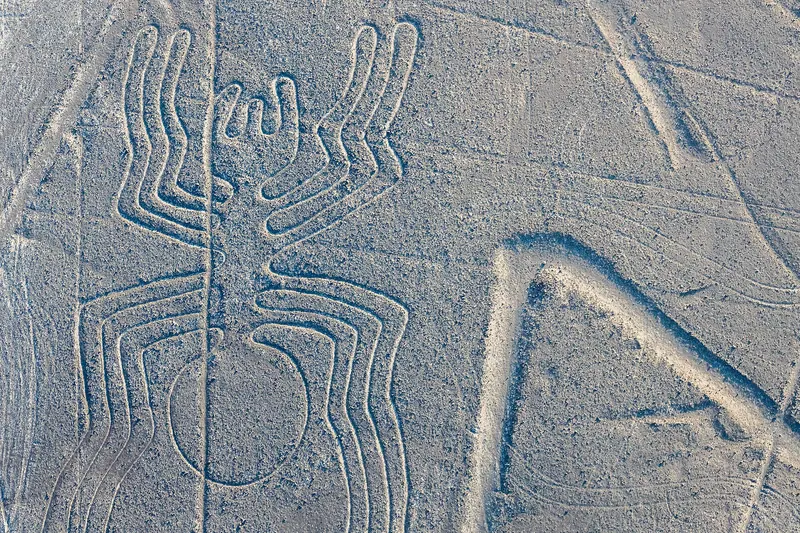
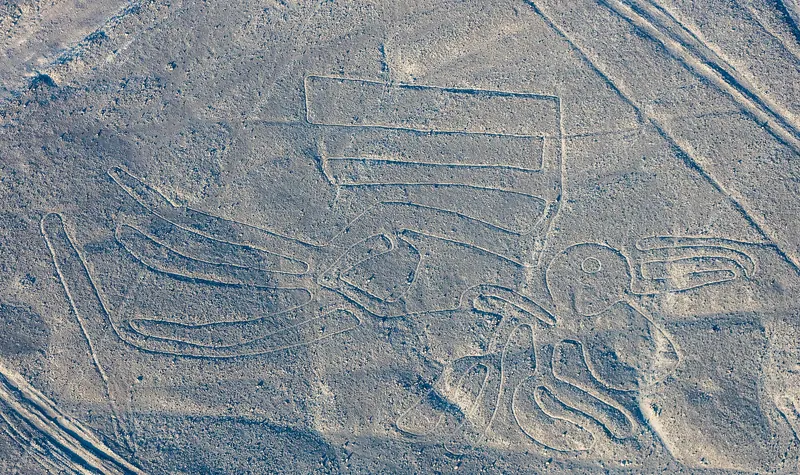
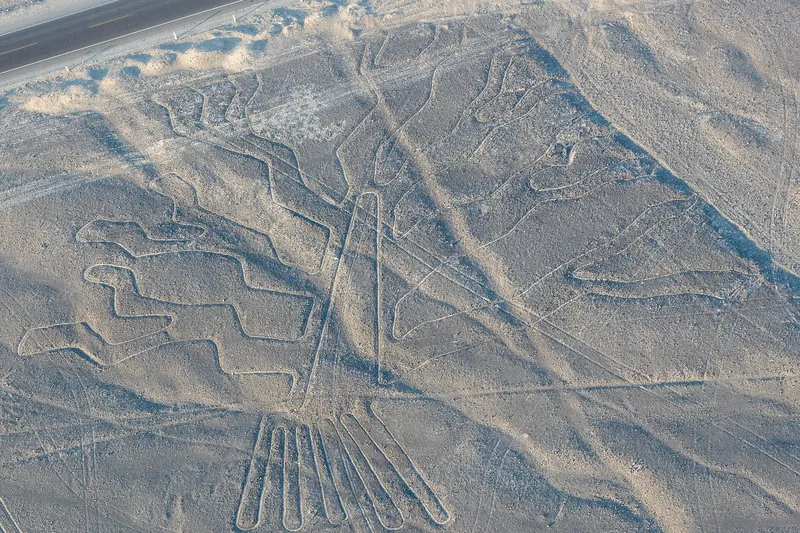
  6. Geometric geoglyph patterns among the Nazca Lines

    Additional geoglyph patterns

    Including geometric shapes and long straight lines alongside the more famous animal figures, some of the lines' original purpose theorised as astronomical.

    Tip Ask your pilot or guide which specific figures are included on your chosen flight route.

  7. The desert landscape surrounding the Nazca Lines

    The Nazca desert landscape

    A striking, otherworldly setting in its own right, beyond the geoglyphs themselves.

    Tip The surrounding desert's scale adds real context to how the lines have remained hidden for centuries.

Things to do

Best things to do in the Nazca Lines

Nazca rewards a single well-planned day, whether by air or from the ground.

  1. A scenic overflight of the Nazca Lines

    Take a scenic overflight

    An essential Nazca experience, a roughly 30-minute small plane flight revealing the lines' full figures from above.

    Tip Book with a reputable operator, and consider motion sickness medication if prone to it.

  2. Viewing the Hummingbird geoglyph

    Photograph the Hummingbird from the mirador

    A budget-friendly alternative to flying, a roadside viewing tower offering a partial, ground-level view of nearby figures.

    Tip The tower view shows only a couple of figures, far less complete than an aerial view.

  3. Exploring the pyramids of Cahuachi

    Explore Cahuachi's pyramids

    A worthwhile addition for those with extra time, visiting the ceremonial centre believed connected to the lines' creators.

    Tip Combine with a local guide for context on the ongoing excavations.

  4. Learn the lines' history at a local museum

    A useful stop before or after seeing the lines themselves, covering the leading theories about their purpose.

    Tip Worth visiting before your flight for better context on what you're seeing from the air.

  5. The ground-level viewing tower for the Nazca Lines

    View the lines from the ground-level tower

    A quick, practical stop for travellers passing through by road without time or budget for a flight.

    Tip Combine with a stop at Nazca's small local museum for fuller context.

  6. Wander Nazca town

    A low-key stop before or after seeing the lines, a small desert town with a handful of decent restaurants.

    Tip Most visitors pass through quickly, given the lines are the main draw.

Local food

What to eat in the Nazca Lines

Nazca's food benefits from the wider Ica region's reputation for excellent pisco and desert-valley produce.

  • A pisco sour made with Peru's national spirit

    Pisco

    Produced throughout the wider Ica region, including areas near Nazca, among Peru's finest pisco-growing land.

    Where to try it Restaurants and bars throughout Nazca town.

  • Ceviche, Peru's national dish of citrus-cured raw fish

    Ceviche

    Available given Nazca's proximity to the coast, a refreshing option in the desert heat.

    Where to try it Restaurants throughout Nazca town.

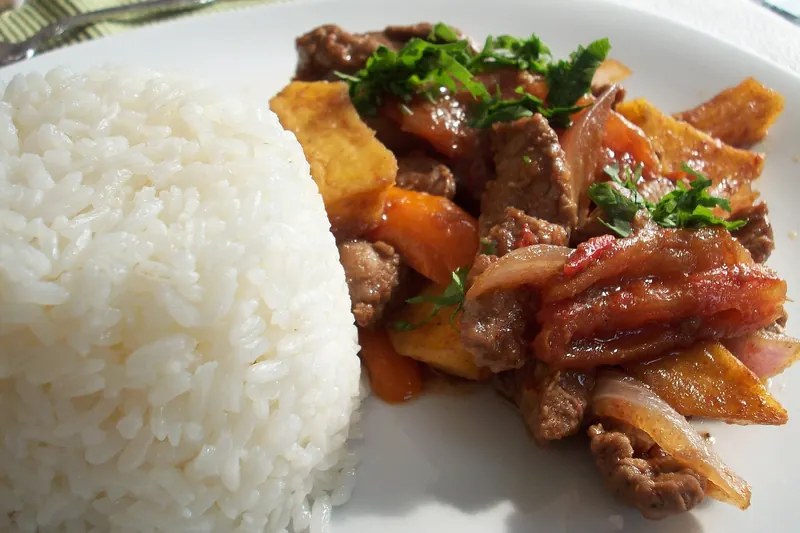
  • Lomo saltado, a Peruvian stir-fry of beef, onions and fries

    Lomo saltado

    A reliable classic, found on menus throughout the small town.

    Where to try it Restaurants throughout Nazca.

  • Tamales

    A common local snack, corn dough filled and steamed in a corn husk, sold throughout the town.

    Where to try it Local stalls and markets in Nazca.

  • Chicha morada

    A refreshing non-alcoholic purple corn drink, well suited to the desert heat.

    Where to try it Restaurants throughout Nazca.

  • Ica valley wine

    Produced in the same desert valleys as the region's famous pisco, worth trying alongside a meal.

    Where to try it Restaurants throughout Nazca and the wider Ica region.

Accommodation

Where to stay in the Nazca Lines

Nazca town serves as the only practical base for visiting the lines.

  • Nazca town centre

    The only practical base, with a range of budget to mid-range guesthouses and hotels.

    Best for: Being close to the airfield and viewing tower

What a night costs

Hostel or guesthouse
S/50–100 per night
Mid-range hotel
S/180–350 per night
Scenic overflight
About S/350–550 per person
Dinner at a mid-range restaurant
About S/30–55 per person

Transport

Getting to and around the Nazca Lines

Nazca is reached by road from Lima or Ica, with a small local airfield mainly used for overflights rather than arrivals.

Getting there

  • Bus from Lima

    A comfortable, if long, journey of around six to seven hours on reclining-seat services.

    A common stop on the way to or from Arequipa along Peru's southern coastal route.

  • Bus or shared van from Huacachina or Ica

    A short hop, around an hour and a half.

    A natural pairing given the two destinations' proximity.

  • Private transfer or tour from Lima

    A convenient, if pricier, option combining transport with a scenic overflight in one package.

    Some operators offer a long day trip from Lima, though an overnight stay is more comfortable.

Getting around

Nazca town itself is small and walkable, with the lines requiring a flight or short taxi ride to reach.

  • On foot in Nazca town

    Easy — the town centre is small and walkable.

    Most hotels, restaurants and tour operators sit within a few blocks of each other.

  • Taxi to the airfield or viewing tower

    A short, inexpensive ride from the town centre.

    Most hotels can arrange transport as part of a booked overflight or tower visit.

When to go

Best time to visit the Nazca Lines

Nazca's desert climate stays dry and mild most of the year, with morning flights offering the calmest air.

  • Dry months (April–November)

    Best time

    The clearest, calmest conditions for scenic overflights.

  • Summer (December–March)

    Good

    Warmer, with occasional afternoon haze that can affect visibility.

Worth planning around: Booking an afternoon overflight if avoidable — morning flights offer calmer air and clearer visibility.

Itinerary

One day at the Nazca Lines

A single, well-paced day built around a morning overflight.

  1. Day1

    The Nazca Lines

    A scenic overflight and the viewing tower.

    • Morning A scenic overflight of the geoglyphs.
    • Afternoon The ground-level viewing tower and a local museum.
    • Evening Dinner in Nazca town before continuing your journey.

Travel tips

The Nazca Lines travel tips

Practical notes that make a Nazca Lines visit noticeably smoother.

  • Book a morning overflight for the calmest air and clearest visibility.
  • Consider motion sickness medication ahead of your flight if you're prone to it.
  • Book with a reputable, licensed overflight operator rather than the cheapest option available.
  • Bring sun protection — the desert heat and glare are intense, even in cooler months.
  • Combine a Nazca visit with Huacachina, given the short distance between the two.
  • Manage expectations at the ground-level tower — it shows only a couple of figures, far less complete than a flight.

FAQ

The Nazca Lines: frequently asked questions

How many days do you need at the Nazca Lines?

One day covers a scenic overflight and the ground-level viewing tower comfortably.

Do you need to fly to see the Nazca Lines properly?

Yes, for the full figures — a roadside tower offers only a partial, ground-level view of a couple of geoglyphs.

Is the Nazca Lines overflight safe?

Generally yes with a reputable operator, though research safety records and reviews before booking, given past incidents in the industry.

What are the Nazca Lines actually for?

Still debated — theories include astronomical calendars, ceremonial pathways and water-related rituals, but no theory is conclusively proven.

How old are the Nazca Lines?

Around 1,500 years old, created by the Nazca culture between roughly 500 BCE and 500 CE.

Can you combine Nazca with Huacachina?

Yes, easily — the two sit only about an hour and a half apart, making them a natural pairing on Peru's southern coast.

Read next

Related travel articles

Heritage

UNESCO Sites Worth Planning a Trip Around

A UNESCO listing tells you a place matters; it does not tell you whether it is worth two days and a detour. This is how to read the list usefully — and which sites reward building a trip around them.

Where to go

Beyond the Big Names: Places Worth the Detour

The most visited place in a country is rarely its best, and it is almost never its best value. This is a method for finding the destinations that do not make the postcards — and a set of examples from five of the 50 countries on this site.

Advertisement