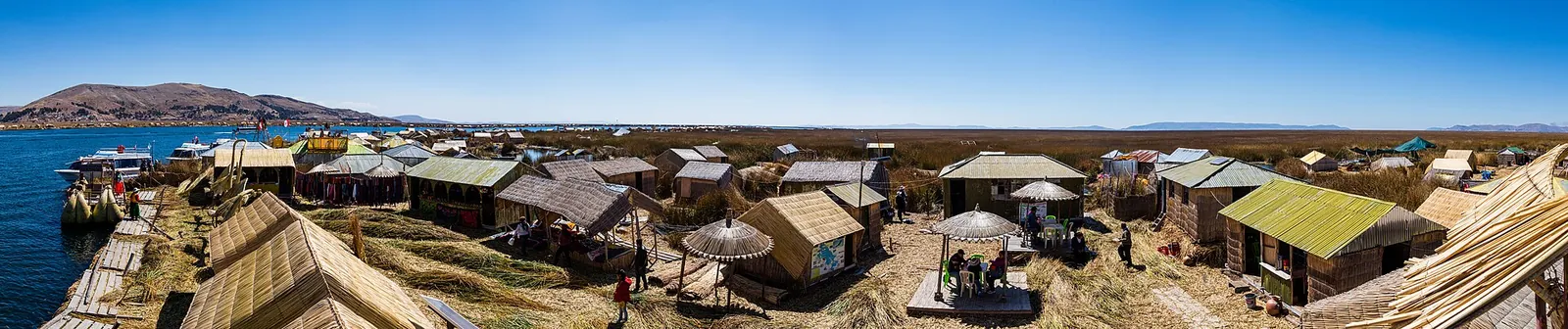
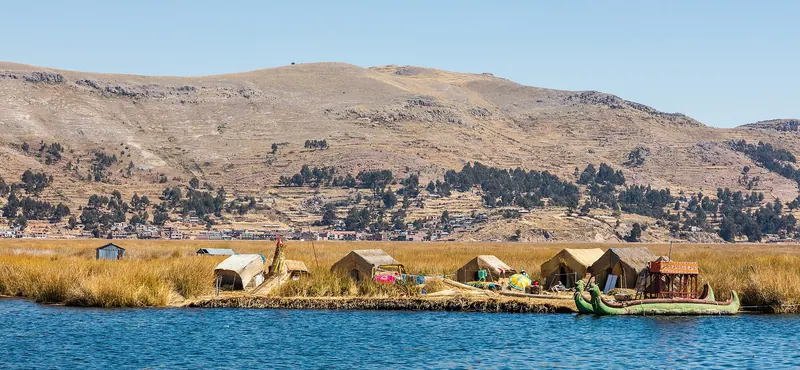
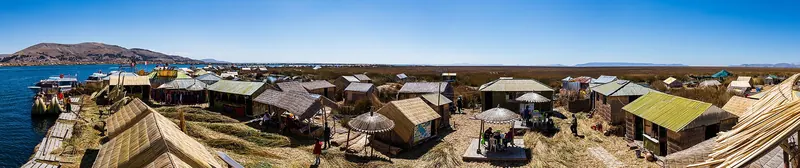

The floating reed islands of the Uros people on Lake Titicaca

Puno Region · Peru

Lake Titicaca & Puno

The world's highest navigable lake, home to a floating village built entirely from reeds and traditions still lived, not performed.

  • Best time May to September for the dry season, though the lake is visitable year-round
  • Stay 2-3 days
  • Good for Living culture, island life, high-altitude scenery

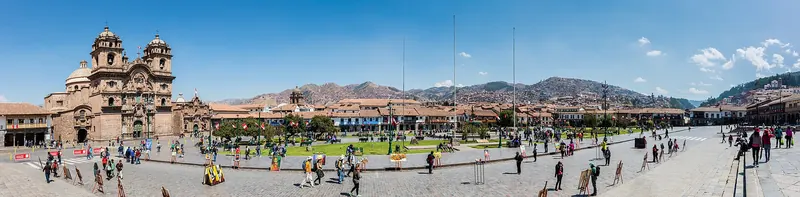
Photo: Diego Delso · CC BY-SA 4.0

Welcome to Lake Titicaca & Puno

Lake Titicaca is the world's highest navigable lake, a vast, deep-blue expanse straddling the Peru-Bolivia border at over 3,800 metres, ringed by traditional Andean communities.

Its most famous residents, the Uros people, live on floating islands built and continuously rebuilt from layers of totora reed, a way of life dating back centuries and still practised today, not staged for visitors.

Most visitors base themselves in Puno, a workaday lakeside city, using it to reach the Uros islands, Taquile's traditional weaving communities and the pre-Inca burial towers at nearby Sillustani.

  • Nature & Wildlife
  • Culture
  • Island
  • UNESCO Site

Why visit

Why visit Lake Titicaca & Puno?

Lake Titicaca's case rests on living Andean culture found nowhere else on Earth, set against extraordinary high-altitude scenery.

  • The Uros floating islands are still inhabited

    A real, ongoing way of life on islands rebuilt from reeds, not a recreation for tourists.

  • It's the world's highest navigable lake

    A vast, deep-blue expanse at over 3,800 metres, striking simply for its scale.

  • Taquile Island's weaving is UNESCO-recognised

    A textile tradition significant enough to be named Intangible Cultural Heritage.

  • Sillustani's burial towers are a serious archaeological site

    Pre-Inca funerary towers on a peninsula overlooking a smaller neighbouring lake.

  • It offers a different side of Peru from Cusco

    A quieter, more contemplative pace than the busier Machu Picchu circuit.

Main attractions

Top things to see in Lake Titicaca & Puno

The region's essential sights combine living island communities with serious pre-Inca archaeology.

  1. The floating reed islands of the Uros people

    The Uros floating islands

    Built entirely from layers of totora reed, continuously maintained as older layers rot away from below.

    Tip A short boat ride from Puno's harbour, easily combined with Taquile in a single day trip.

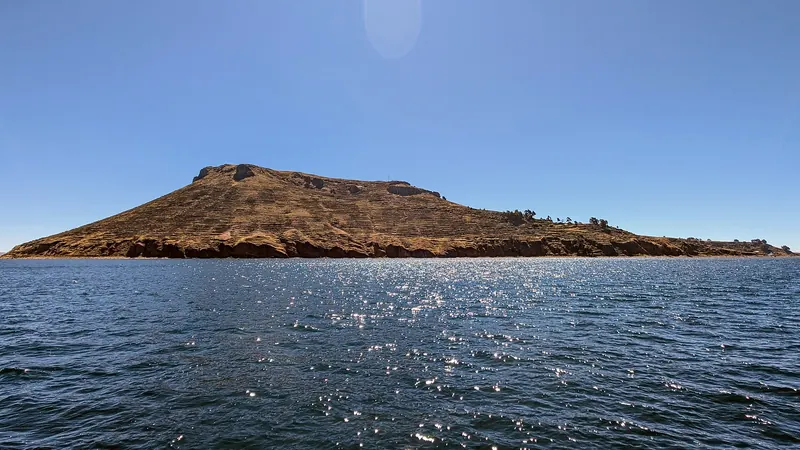
  2. Taquile Island on Lake Titicaca

    Taquile Island

    Home to a UNESCO-recognised weaving tradition, where men and women both knit and weave using techniques passed down for generations.

    Tip An overnight homestay here offers a far deeper experience than a rushed day visit.

  3. Amantaní Island on Lake Titicaca

    Amantaní Island

    A quieter, less-visited island than Taquile, known for its two hilltop temples and warm homestay tradition.

    Tip The climb to the island's temples rewards sweeping views over the lake at sunset.

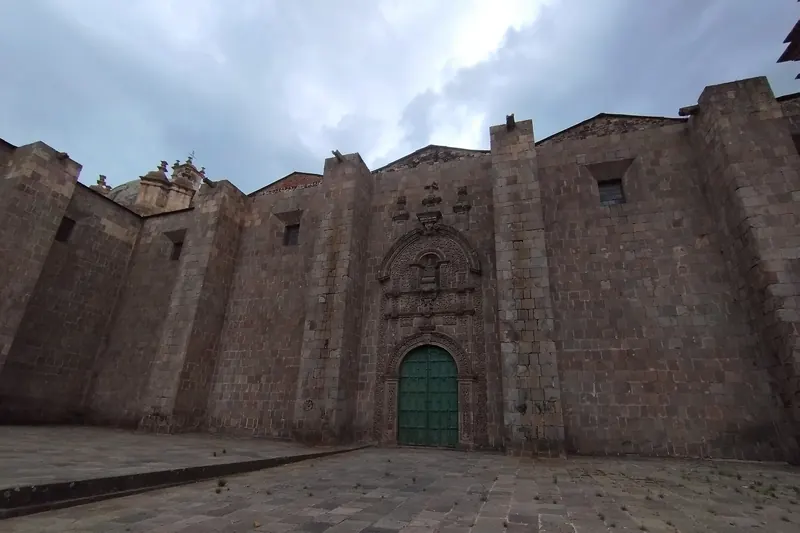
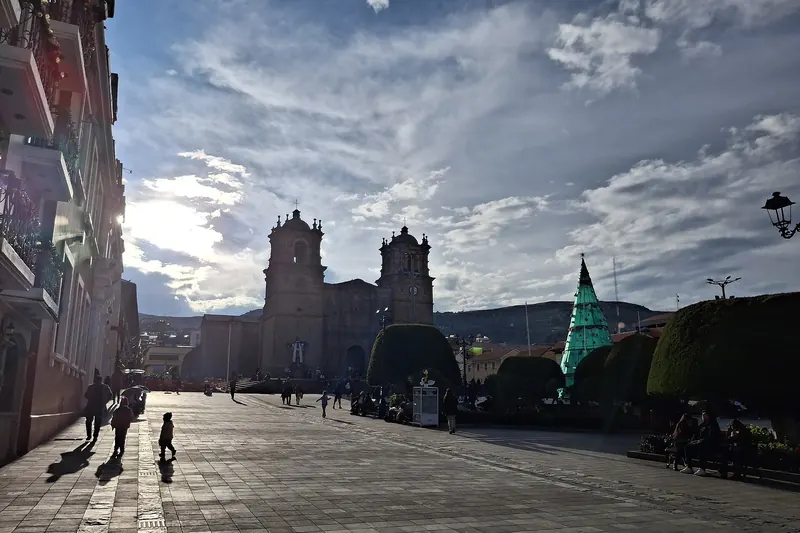
  4. Puno's Plaza de Armas and cathedral

    Puno's Plaza de Armas

    The heart of Puno, a colonial square anchored by a baroque cathedral overlooking the city.

    Tip A good spot to acclimatise gently before heading out onto the lake.

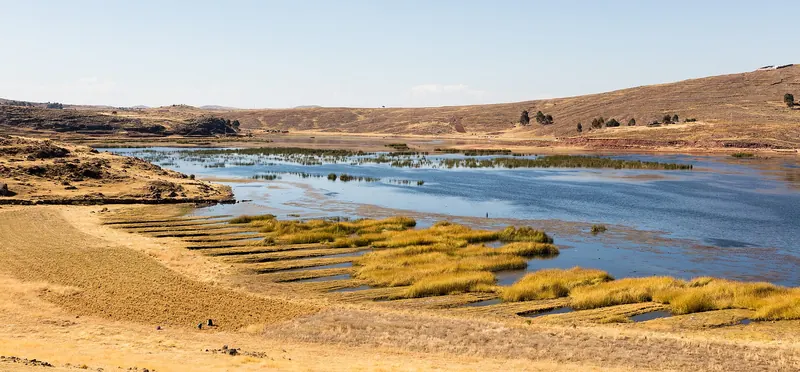
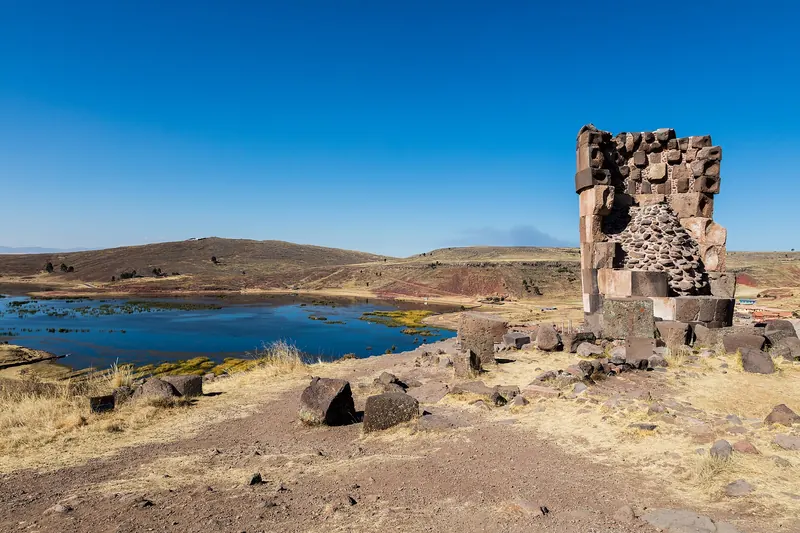
  5. The pre-Inca burial towers at Sillustani

    Sillustani

    Striking pre-Inca funerary towers, called chullpas, standing on a peninsula overlooking a smaller neighbouring lake.

    Tip Visit in the late afternoon for the best light on the towers' stonework.

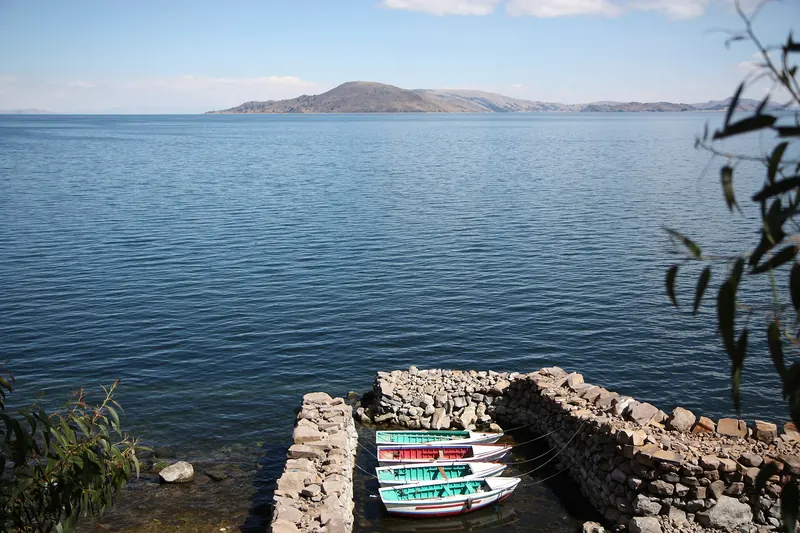
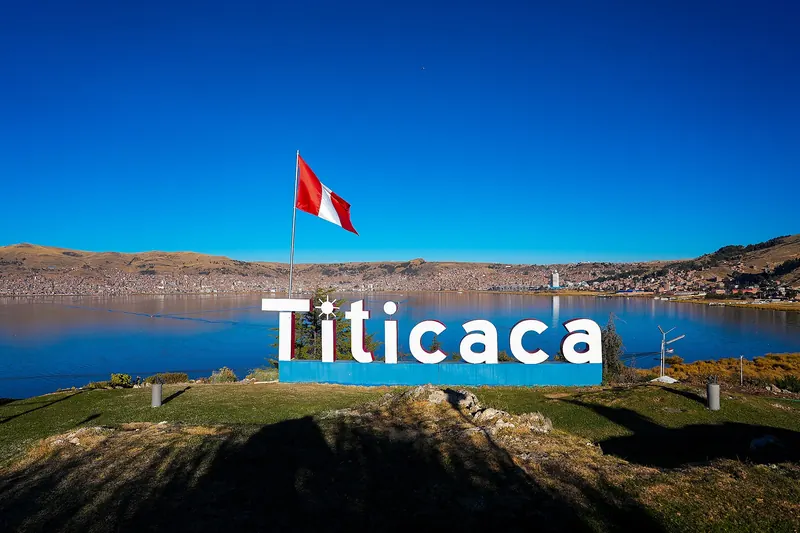
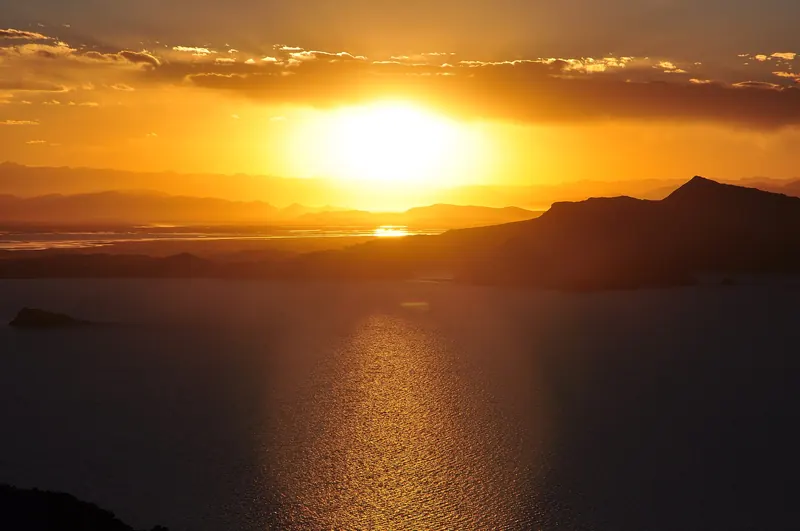
  6. The vast expanse of Lake Titicaca

    Lake Titicaca

    The world's highest navigable lake, its scale and deep blue colour striking from nearly any vantage point.

    Tip The light on the water changes dramatically through the day — worth seeing at more than one time.

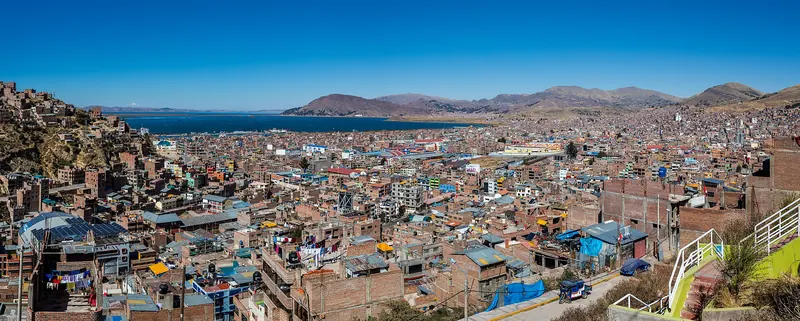
  7. Puno's waterfront along Lake Titicaca

    Puno's waterfront

    The departure point for nearly every lake excursion, a working harbour with sweeping views over the water.

    Tip Arrive early for boat departures — the harbour gets busy with day-trip groups.

Things to do

Best things to do in Lake Titicaca & Puno

The region rewards slowing down, whether on a boat, an island homestay, or exploring Puno itself.

  1. Visiting the Uros floating islands

    Visit the Uros floating islands

    An essential half-day, meeting Uros families and learning how the islands are continuously rebuilt from reeds.

    Tip A small tip or purchase of local crafts is a welcome way to support the community you're visiting.

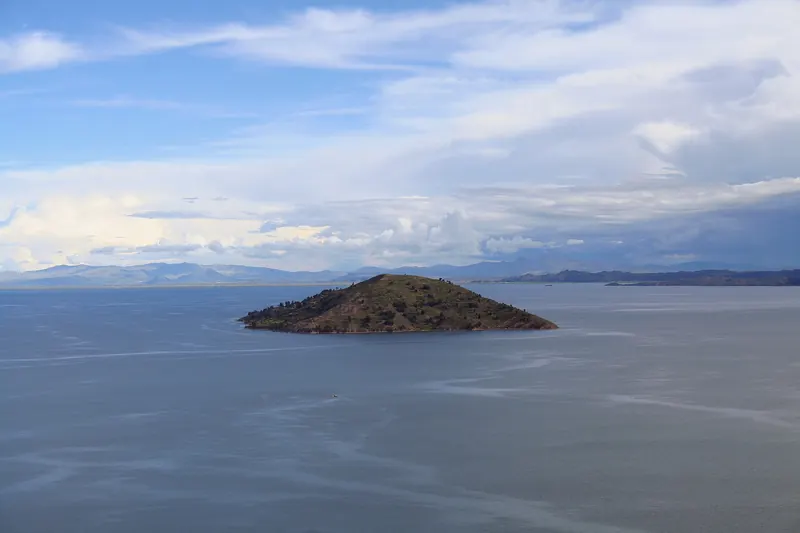
  2. The view of Taquile Island from Amantaní

    Stay overnight on Taquile or Amantaní

    A rewarding homestay experience, sharing a simple meal with a local family far from the day-trip crowds.

    Tip Pack a warm layer — island nights get cold even when days are mild.

  3. Exploring the burial towers at Sillustani

    Explore Sillustani's burial towers

    A worthwhile half-day trip from Puno, examining pre-Inca funerary architecture up close.

    Tip Combine with a stop at a local llama and alpaca farm, common on organised tours here.

  4. Sunset over Lake Titicaca from Amantaní Island

    Watch sunset from Amantaní

    A memorable evening, watching the light fade over the lake from one of the island's hilltop temples.

    Tip Bring a proper jacket — temperatures drop sharply once the sun goes down.

  5. Puno's Plaza de Armas

    Wander Puno's Plaza de Armas

    A gentle way to spend a first afternoon, adjusting to the altitude before heading out on the lake.

    Tip Combine with a coffee stop overlooking the square.

  6. Learn Taquile's weaving traditions

    A fascinating cultural experience, watching textiles produced using techniques recognised by UNESCO.

    Tip Handwoven textiles bought directly from Taquile's weavers make an especially meaningful souvenir.

Local food

What to eat in Lake Titicaca & Puno

Food here leans on fresh lake trout and hearty Andean staples suited to the high altitude.

  • Trucha (Titicaca trout)

    The lake's signature dish, fresh trout served grilled or fried, often with quinoa or potatoes.

    Where to try it Restaurants throughout Puno and on the lake's islands.

  • Quinoa soup

    A warming Andean staple, hearty quinoa soup well suited to Puno's cold evenings.

    Where to try it Restaurants throughout Puno.

  • Cuy (guinea pig)

    A traditional Andean delicacy, found on menus throughout the wider Puno region.

    Where to try it Traditional restaurants throughout Puno.

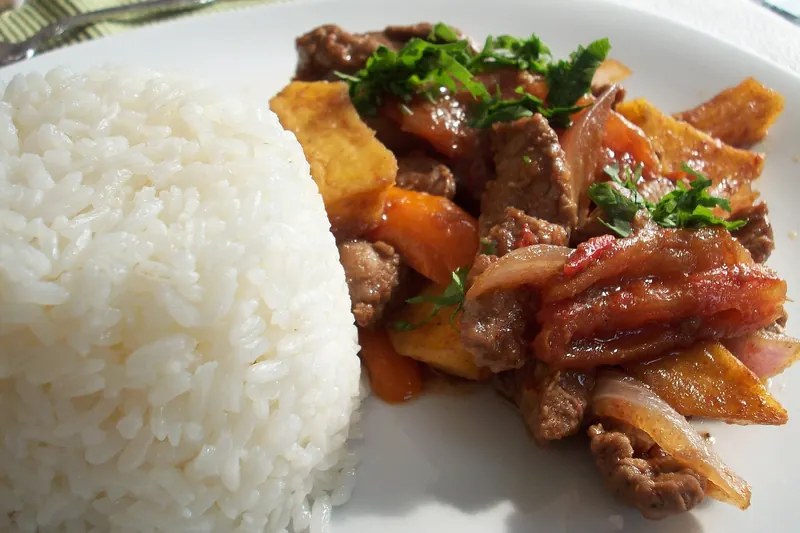
  • Lomo saltado, a Peruvian stir-fry of beef, onions and fries

    Lomo saltado

    A reliable classic, found on menus throughout Puno even at this altitude and distance from the coast.

    Where to try it Restaurants throughout Puno.

  • Coca tea

    Essential at this altitude, a mild herbal tea served at nearly every hotel and café in Puno.

    Where to try it Hotels and cafés throughout Puno.

  • A pisco sour, Peru's national cocktail

    Pisco sour

    Available throughout Puno, though best enjoyed in moderation given the altitude.

    Where to try it Bars and restaurants throughout the city.

Accommodation

Where to stay in Lake Titicaca & Puno

Puno serves as the region's main base, with island homestays a rewarding alternative for a night or two.

  • Puno city centre

    The most practical base, close to the harbour and Plaza de Armas.

    Best for: Being central and convenient for lake excursions

  • Taquile or Amantaní homestays

    Basic but welcoming accommodation with local families, arranged through tour operators.

    Best for: An immersive island experience

What a night costs

Hostel or guesthouse
S/45–90 per night
Mid-range hotel
S/180–350 per night
Uros and Taquile boat tour
About S/70–100
Dinner at a mid-range restaurant
About S/30–55 per person

Transport

Getting to and around Lake Titicaca & Puno

Puno is reached by bus or flight via nearby Juliaca, with Cusco the most common connecting point.

Getting there

  • Overnight or day bus from Cusco

    Comfortable on reclining-seat services, taking around six to seven hours.

    Some routes stop at scenic and historic sites along the way.

  • Flight to Juliaca

    The fastest option, with a short onward drive of about 45 minutes to Puno.

    Connects to Lima and Cusco with regular daily flights.

  • Bus or train from Arequipa

    A practical link for combining Titicaca with southern Peru.

    The scenic train route is a memorable, if slower, alternative to the bus.

Getting around

Boats are essential for reaching the lake's islands, with Puno itself easily walkable.

  • Organised boat tours

    The standard way to reach the Uros islands, Taquile and Amantaní.

    Widely available from Puno's harbour, bookable a day or more ahead.

  • On foot in Puno

    Easy — the city centre is compact and walkable, altitude permitting.

    Take it slowly given Puno's elevation, even higher than Cusco.

  • Taxis for Sillustani

    Useful for reaching sites outside the city, such as Sillustani.

    Organised tours are also widely available for this route.

When to go

Best time to visit Lake Titicaca & Puno

Puno's high altitude means it stays cool year-round, with the dry season offering the clearest lake views.

  • Dry season (May–September)

    Best time

    The clearest skies and most reliable boat conditions, though nights turn cold.

  • Shoulder months (April, October)

    Good

    Fewer crowds with still-decent weather odds.

  • Wet season (November–March)

    Good

    Warmer nights, though afternoon rain and choppier lake conditions are more common.

Worth planning around: Arriving without prior altitude acclimatisation — Puno sits even higher than Cusco, at around 3,800 metres.

Itinerary

Two days at Lake Titicaca and Puno

Built around the Uros and Taquile islands on day one, Sillustani and Puno's centre on day two.

  1. Day1

    The lake's islands

    The Uros floating islands and Taquile.

    • Morning Boat to the Uros floating islands.
    • Afternoon Continue to Taquile Island.
    • Evening Return to Puno, or stay overnight on the island.
  2. Day2

    Sillustani and Puno

    The Sillustani burial towers and Puno's centre.

    • Morning Visit Sillustani's pre-Inca towers.
    • Afternoon Explore Puno's Plaza de Armas and cathedral.
    • Evening A final dinner in Puno.

Travel tips

Lake Titicaca & Puno travel tips

Practical notes that make a Lake Titicaca and Puno visit noticeably smoother.

  • Acclimatise in Cusco or elsewhere before arriving — Puno sits even higher, at around 3,800 metres.
  • Book boat tours a day ahead through your hotel or a local agency.
  • Pack warm layers regardless of season — lake nights turn cold year-round.
  • Consider an island homestay for a deeper, less rushed cultural experience.
  • Bring small cash for craft purchases on the Uros islands and Taquile.
  • Drink plenty of water and coca tea to help manage the high altitude.

FAQ

Lake Titicaca & Puno: frequently asked questions

How many days do you need at Lake Titicaca?

Two to three days covers the Uros islands, Taquile and Sillustani comfortably.

Are the Uros floating islands still inhabited?

Yes — around 1,200 Uros people still live on and maintain the islands, a real, ongoing way of life, not a recreation.

Is Puno's altitude higher than Cusco's?

Yes — Puno sits at around 3,800 metres, noticeably higher than Cusco's 3,400 metres, so prior acclimatisation helps.

What is Lake Titicaca known for?

Being the world's highest navigable lake, home to the Uros floating islands and traditional weaving communities on Taquile.

Can you visit Lake Titicaca as a day trip?

The Uros islands work as a half-day trip from Puno, though an overnight island homestay offers a far richer experience.

How do you get from Cusco to Lake Titicaca?

By overnight bus (around six to seven hours) or a short flight to nearby Juliaca, both common and comfortable options.

Read next

Related travel articles

Heritage

UNESCO Sites Worth Planning a Trip Around

A UNESCO listing tells you a place matters; it does not tell you whether it is worth two days and a detour. This is how to read the list usefully — and which sites reward building a trip around them.

Where to go

Beyond the Big Names: Places Worth the Detour

The most visited place in a country is rarely its best, and it is almost never its best value. This is a method for finding the destinations that do not make the postcards — and a set of examples from five of the 50 countries on this site.

Advertisement