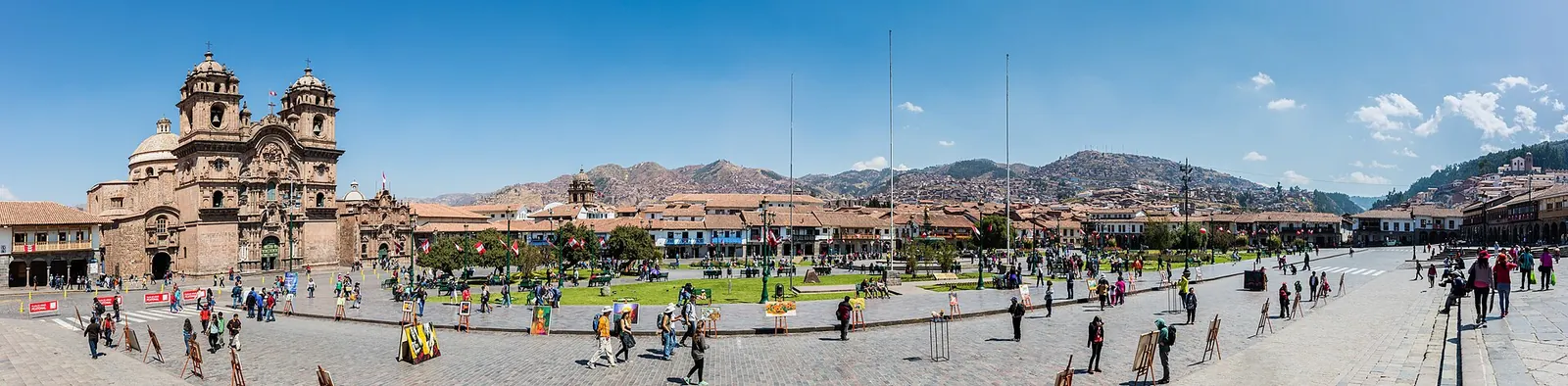

The Plaza de Armas in Cusco, the former capital of the Inca Empire

Cusco Region · Peru

Cusco

The former Inca capital, where colonial churches and cobbled streets still sit on foundations of massive, precisely cut Inca stone.

  • Best time May to September for the dry season, though Cusco is visitable year-round
  • Stay 3-4 days
  • Good for History, culture, acclimatising before the Andes

Photo: Diego Delso · CC BY-SA 4.0

Welcome to Cusco

Cusco is the former capital of the Inca Empire, a high-altitude city at 3,400 metres where Spanish colonial churches and mansions still sit directly on the massive, precisely cut stone foundations the Inca left behind.

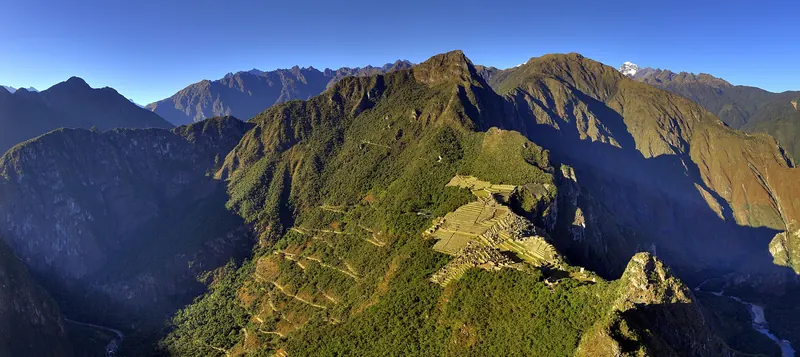
It's also Peru's essential gateway, the near-universal starting point for Machu Picchu, the Sacred Valley and the wider Andean highlands, making it a stop on almost every Peru itinerary.

Most visitors spend a few days here at the start of their trip, partly for the historic centre's dense concentration of Inca and colonial sites, and partly out of real necessity — acclimatising to the altitude before heading further into the mountains.

  • History
  • Culture
  • City
  • UNESCO Site

Why visit

Why visit Cusco?

Cusco's case rests on unmatched Inca stonework layered beneath a beautifully preserved colonial city.

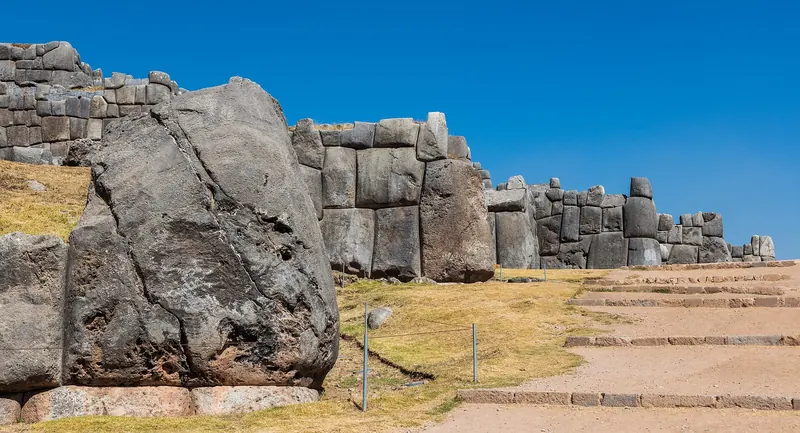
  • Sacsayhuamán's stonework is extraordinary

    Massive stone blocks fitted so precisely a knife blade can't slip between them, without mortar.

  • It's the historic capital of the Inca Empire

    The former centre of the largest empire in pre-Columbian America.

  • Colonial architecture sits directly on Inca foundations

    A visible, tangible layering of history found in few other cities on Earth.

  • It's the essential gateway to Machu Picchu

    Nearly every route to the citadel and the Sacred Valley starts here.

  • The altitude demands, and rewards, a slower pace

    A few unhurried days here set up the rest of an Andean trip properly.

Main attractions

Top things to see in Cusco

Cusco's essential sights combine extraordinary Inca stonework with beautifully preserved Spanish colonial architecture.

  1. The Plaza de Armas in central Cusco

    The Plaza de Armas

    The heart of the city, a grand colonial square built directly over the Inca's own central plaza, Huacaypata.

    Tip The square is at its most atmospheric in the evening, when the surrounding buildings light up.

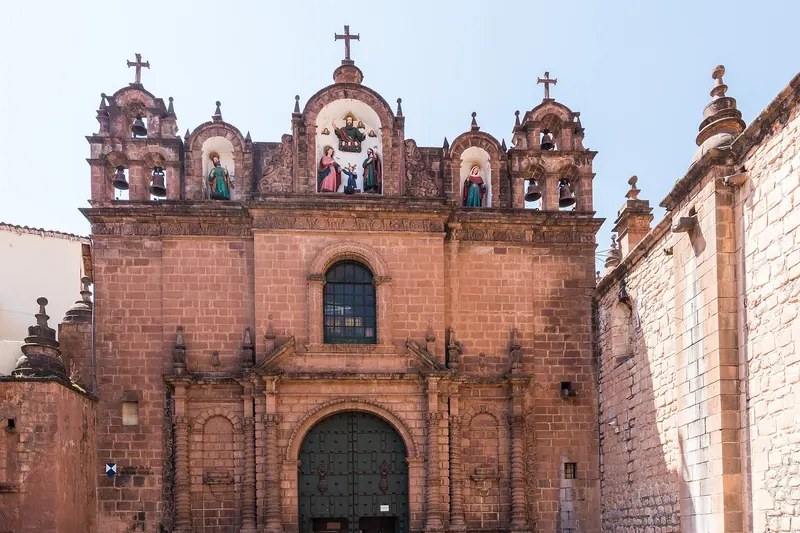
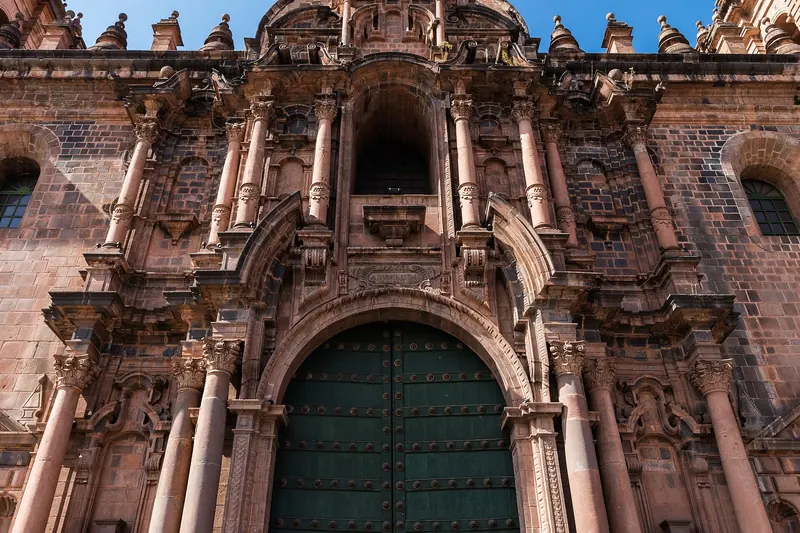
  2. Cusco Cathedral on the Plaza de Armas

    Cusco Cathedral

    A massive 16th-century cathedral built using stones taken from the nearby Sacsayhuamán fortress.

    Tip Look for the cathedral's famous painting of the Last Supper, which features a guinea pig on the table.

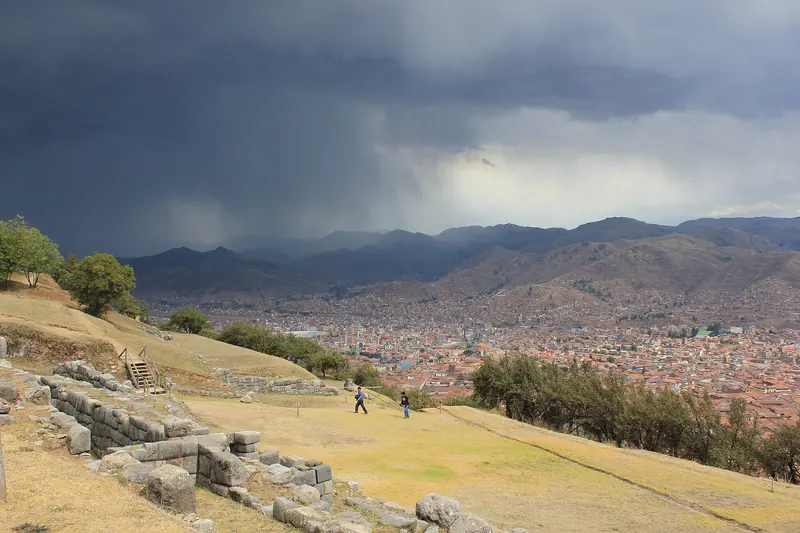
  3. The massive stone walls of Sacsayhuamán above Cusco

    Sacsayhuamán

    One of the Inca Empire's greatest engineering achievements, zigzagging walls of stone blocks weighing over 100 tonnes each.

    Tip Walk or take a short taxi up — the site sits at a noticeably higher altitude than the city centre.

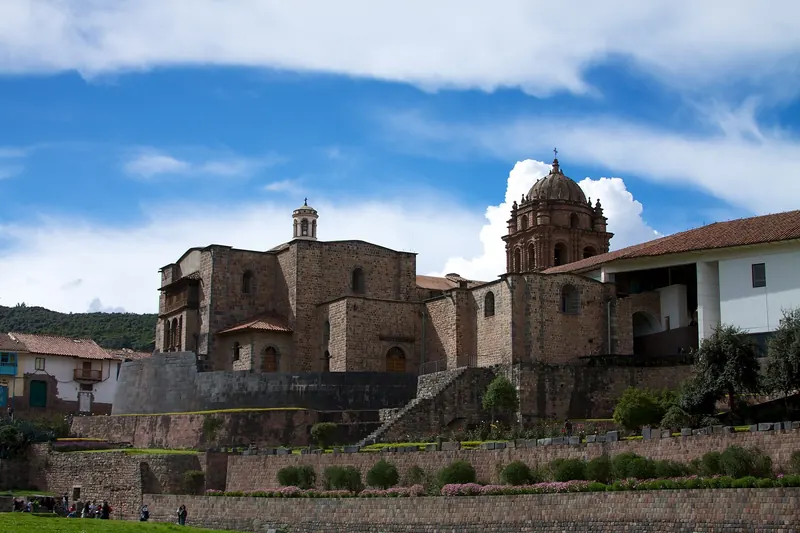
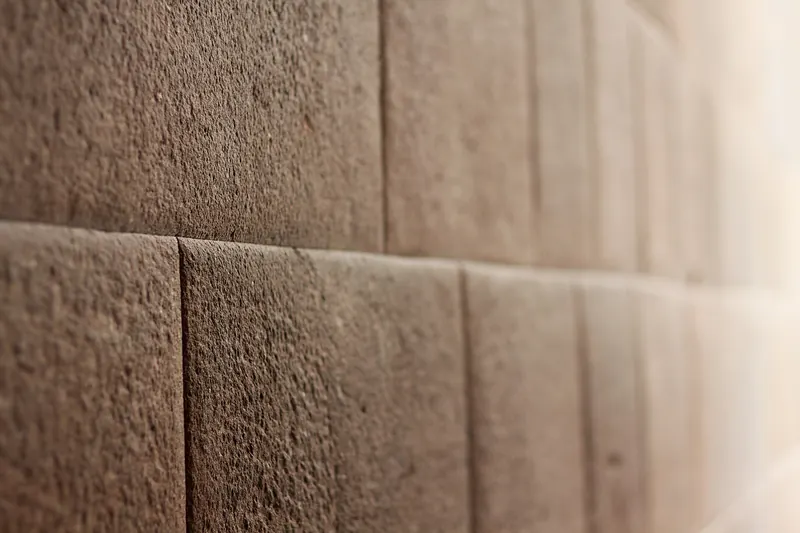
  4. Qorikancha, the former Inca Temple of the Sun in Cusco

    Qorikancha

    Once the Inca Empire's most important temple, dedicated to the sun god, its precise stonework still visible beneath a colonial convent built on top.

    Tip Look closely at the contrast between the Inca base and the Spanish colonial construction above it.

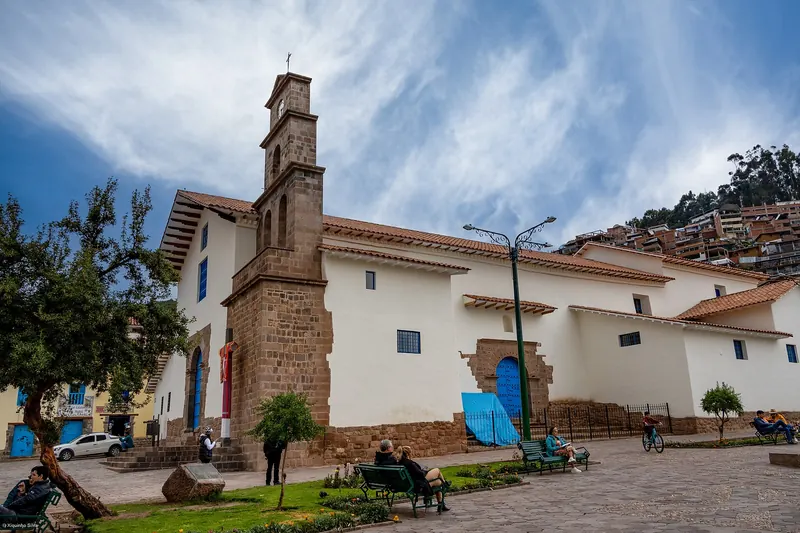
  5. The San Blas neighbourhood church in Cusco

    San Blas

    Cusco's most charming neighbourhood, steep cobbled streets lined with artisan workshops and a beautifully carved colonial church.

    Tip Wear good shoes — the neighbourhood's streets are steep, uneven, and add up at altitude.

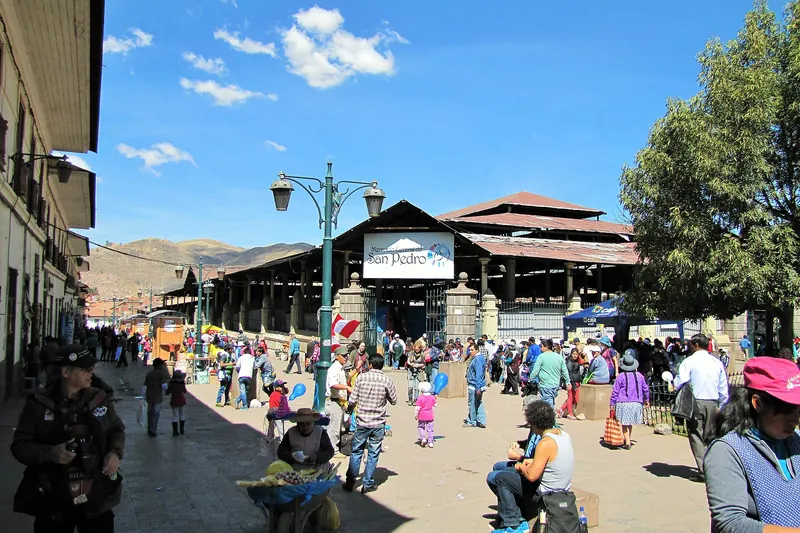
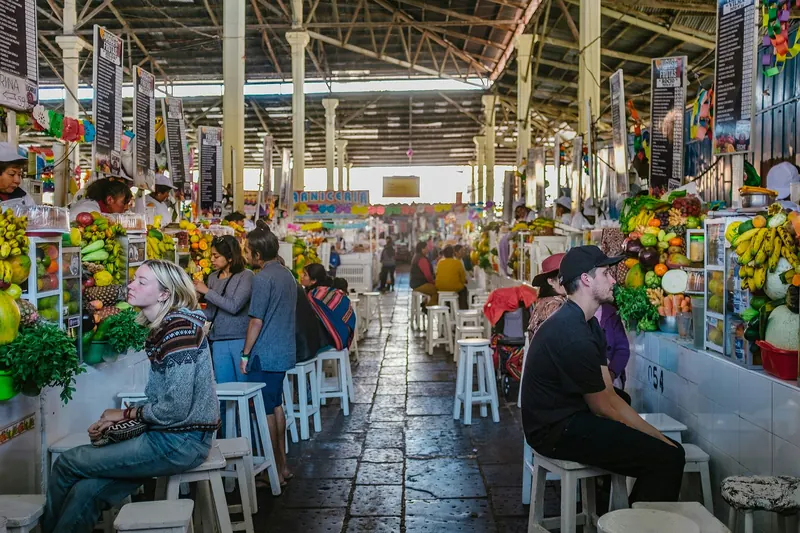
  6. Stalls inside San Pedro Market in Cusco

    San Pedro Market

    Cusco's main local market, a lively, authentic mix of produce, juice stalls and local street food.

    Tip Try a fresh fruit juice from one of the market's many juice stands.

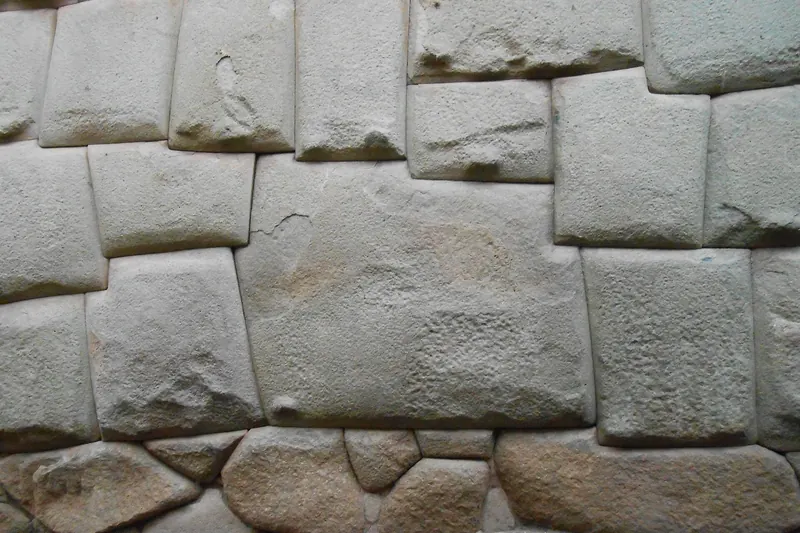
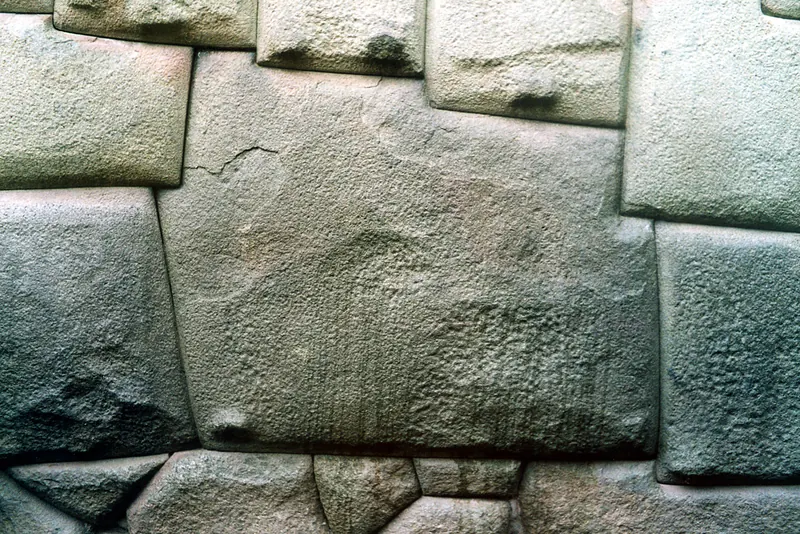
  7. The famous Twelve-Angled Stone in Cusco's Inca wall

    The Twelve-Angled Stone

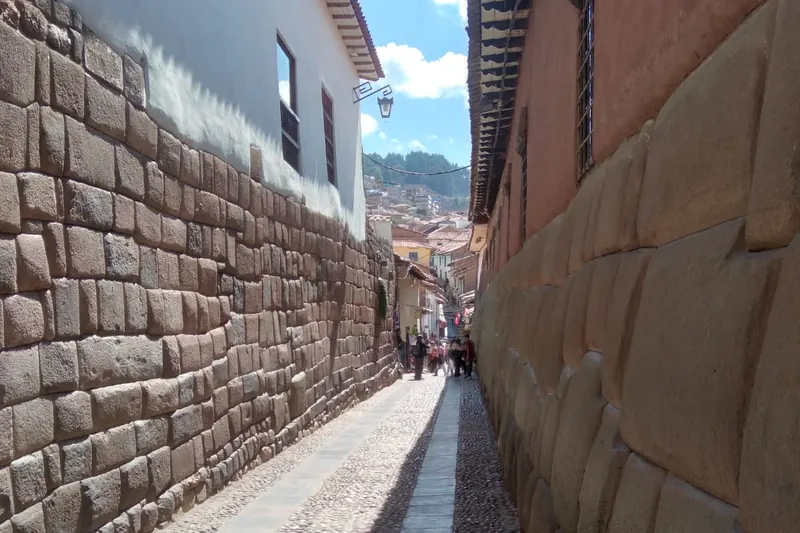
    A single, famous stone block cut with twelve distinct angles, fitted perfectly into a surviving Inca wall on Hatunrumiyoc street.

    Tip Easy to miss — look for the small crowd usually gathered around it.

Things to do

Best things to do in Cusco

Cusco rewards mixing its major Inca and colonial sites with a slower wander through its historic streets.

  1. The cobbled streets of San Blas in Cusco

    Wander San Blas's artisan streets

    A relaxed way to spend an afternoon, browsing workshops and galleries along steep, atmospheric cobbled streets.

    Tip Take it slowly at this altitude — the neighbourhood's hills are more tiring than they look.

  2. Precise Inca stonework at Qorikancha in Cusco

    Explore Qorikancha's Inca stonework

    A worthwhile hour, examining stonework so precise it has survived major earthquakes that destroyed colonial buildings around it.

    Tip Hire a guide here — the layered history is hard to fully appreciate without context.

  3. Shopping at San Pedro Market in Cusco

    Shop at San Pedro Market

    An authentic local experience, browsing stalls of produce, cheese, bread and prepared food alongside locals doing their own shopping.

    Tip Go with small cash and an appetite — the food stalls are excellent and inexpensive.

  4. Visitors examining the Twelve-Angled Stone in Cusco

    Photograph the Twelve-Angled Stone

    A quick but essential stop, marvelling at the precision of pre-Columbian stonework up close.

    Tip Combine with a walk down the wider Hatunrumiyoc street to see more surviving Inca walls.

  5. Walking along the walls of Sacsayhuamán

    Walk Sacsayhuamán's massive walls

    An awe-inspiring walk, tracing zigzagging walls built from stones far too massive to imagine moving by hand.

    Tip Go slowly — the site sits higher than the city centre, and the altitude is noticeable.

  6. Inside Cusco Cathedral on the Plaza de Armas

    See the Cathedral's colonial art

    A rewarding hour, taking in the cathedral's blend of Spanish and Andean religious art, including its famous Last Supper painting.

    Tip Photography is restricted inside — take time to look rather than rushing for photos.

Local food

What to eat in Cusco

Cusco's food blends Andean staples with Peru's wider culinary reputation, at every price point.

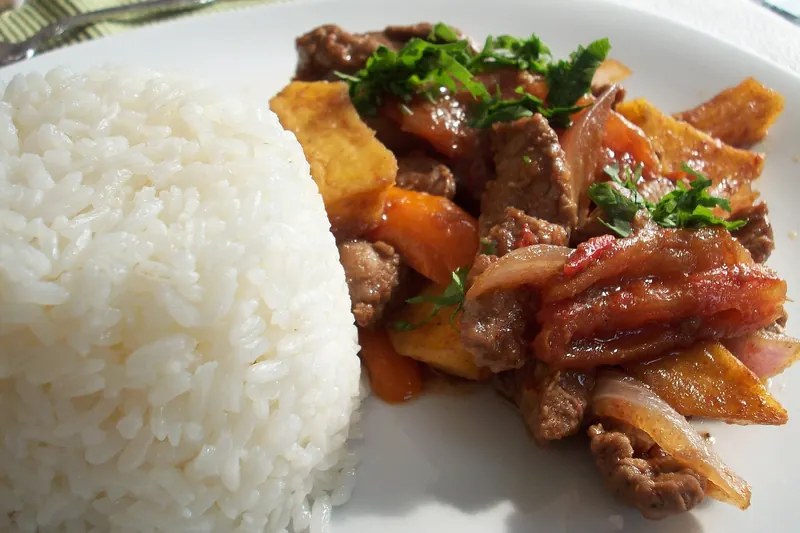
  • Lomo saltado, a Peruvian stir-fry of beef, onions and fries

    Lomo saltado

    A reliable classic found on menus throughout the city, at both simple local spots and finer restaurants.

    Where to try it Restaurants throughout the historic centre.

  • A pisco sour, Peru's national cocktail

    Pisco sour

    Worth trying at altitude, a frothy pisco cocktail that pairs well with Cusco's evening chill.

    Where to try it Bars and restaurants around the Plaza de Armas.

  • Cuy (guinea pig)

    A traditional Andean delicacy, roasted whole and considered a special-occasion dish in the region.

    Where to try it Traditional restaurants throughout Cusco, especially outside the main tourist strip.

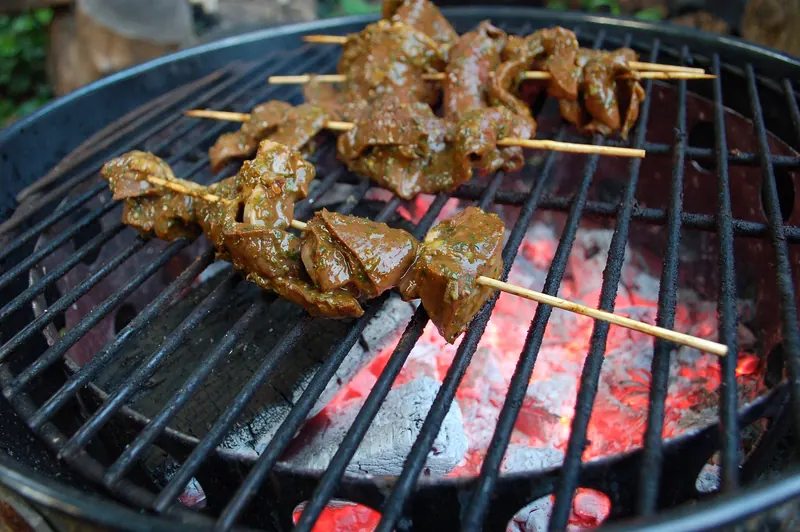
  • Anticuchos, grilled beef heart skewers

    Anticuchos

    A beloved street food, smoky grilled skewers sold from carts around the city in the evening.

    Where to try it Street stalls throughout the historic centre after dark.

  • Coca tea

    A common remedy for altitude symptoms, a mild herbal tea served at nearly every hotel and café.

    Where to try it Hotels and cafés throughout Cusco.

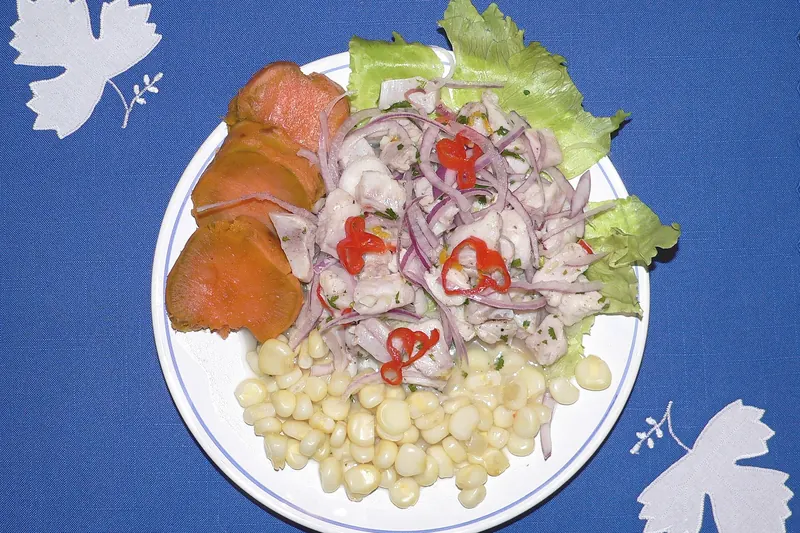
  • Ceviche, Peru's national dish of citrus-cured raw fish

    Ceviche

    Available even this far from the coast, though best enjoyed once back at sea level in Lima.

    Where to try it Peruvian restaurants throughout the city centre.

Accommodation

Where to stay in Cusco

Cusco offers accommodation across every budget, concentrated within a compact, walkable historic centre.

  • Historic centre (near the Plaza de Armas)

    The most convenient base, close to the cathedral, Qorikancha and San Blas.

    Best for: Being central and walkable to every major sight

  • San Blas

    A short, if steep, walk from the centre, with boutique guesthouses and artisan shops.

    Best for: A quieter, more charming neighbourhood feel

What a night costs

Hostel or guesthouse
S/50–100 per night
Mid-range hotel
S/250–500 per night
Boleto Turístico (multi-site ticket)
About S/130
Dinner at a mid-range restaurant
About S/40–70 per person

Transport

Getting to and around Cusco

Cusco is reached almost exclusively by domestic flight, given the impractical overland distance from Lima.

Getting there

  • Flight from Lima

    The standard way in, a short flight of about an hour and a half.

    Frequent daily flights run between Lima and Cusco.

  • Flight from Arequipa or Puno

    A fast link for combining Cusco with the south of Peru.

    A practical alternative to the long overland bus route.

  • Overnight bus from Puno

    A workable, if long, overland option for travellers combining Cusco with Lake Titicaca.

    Takes around six to seven hours, with comfortable reclining-seat services available.

Getting around

Cusco's historic centre is compact enough to explore mostly on foot, altitude permitting.

  • On foot

    Covers the Plaza de Armas, San Blas and most central sights easily.

    Take it slowly — the altitude makes even gentle inclines feel more strenuous than usual.

  • Taxis

    Inexpensive and useful for reaching Sacsayhuamán or accommodation outside the centre.

    Widely available throughout the city.

  • Organised tours

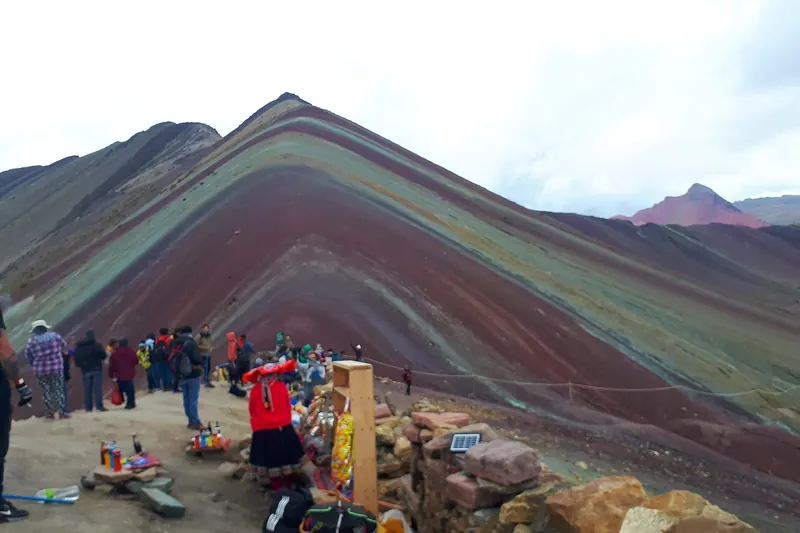
    The standard way to reach the wider Sacred Valley and Rainbow Mountain from Cusco.

    Both are best done as guided day trips rather than independently.

When to go

Best time to visit Cusco

Cusco's high altitude means it stays cool year-round, with the dry season offering the most reliable conditions.

  • Dry season (May–September)

    Best time

    The most reliable weather, with clear skies and cold nights, also the busiest season.

  • Shoulder months (April, October)

    Good

    Fewer crowds with still-decent weather odds.

  • Wet season (November–March)

    Good

    Lush surroundings, though afternoon rain is common and can affect day trips.

Worth planning around: Arriving in Cusco and immediately attempting strenuous activity — allow at least a day to acclimatise to the altitude first.

Itinerary

Two days in Cusco

Built around gentle acclimatisation and the Plaza de Armas on day one, Sacsayhuamán and Qorikancha on day two.

  1. Day1

    Acclimatising in the centre

    The Plaza de Armas, the Cathedral and San Blas.

    • Morning Rest and adjust to the altitude.
    • Afternoon The Plaza de Armas and Cusco Cathedral.
    • Evening A gentle wander through San Blas.
  2. Day2

    Inca Cusco

    Qorikancha and Sacsayhuamán.

    • Morning Qorikancha and the Twelve-Angled Stone.
    • Afternoon Sacsayhuamán.
    • Evening Dinner near the Plaza de Armas.

Travel tips

Cusco travel tips

Practical notes that make a Cusco stay noticeably smoother.

  • Spend at least one full day resting before any strenuous activity, given the altitude.
  • Drink plenty of water and coca tea to help manage altitude symptoms.
  • Buy the Boleto Turístico if planning to visit multiple sites, including Sacsayhuamán.
  • Wear comfortable shoes — the historic centre's cobbled streets are steep and uneven.
  • Book Sacred Valley and Rainbow Mountain tours a day or two ahead through your hotel or a local agency.
  • Pack layers regardless of season — Cusco's evenings turn cold even in the dry season.

FAQ

Cusco: frequently asked questions

How many days do you need in Cusco?

Three to four days allows time to acclimatise and see the main sights at a comfortable pace.

How bad is the altitude in Cusco?

Noticeable for most visitors, sitting at 3,400 metres — mild symptoms like headache or breathlessness are common in the first day or two.

Is Cusco worth visiting beyond being a Machu Picchu gateway?

Yes — its Inca and colonial sites, especially Sacsayhuamán and Qorikancha, are significant destinations in their own right.

Is Cusco safe?

Generally yes for tourists, with sensible precautions around petty theft in busy tourist areas like the Plaza de Armas.

What is Cusco known for?

Being the former capital of the Inca Empire, with extraordinary stonework still visible beneath its colonial architecture.

Do I need the Boleto Turístico?

Useful if visiting Sacsayhuamán and several other sites, as it bundles entry at a better combined price than individual tickets.

Read next

Related travel articles

Heritage

UNESCO Sites Worth Planning a Trip Around

A UNESCO listing tells you a place matters; it does not tell you whether it is worth two days and a detour. This is how to read the list usefully — and which sites reward building a trip around them.

Where to go

Beyond the Big Names: Places Worth the Detour

The most visited place in a country is rarely its best, and it is almost never its best value. This is a method for finding the destinations that do not make the postcards — and a set of examples from five of the 50 countries on this site.

Advertisement