



The Inca citadel of Machu Picchu high in the Andes

Cusco Region · Peru

Machu Picchu

The lost Inca citadel the Spanish conquest never found, still astonishing after more than a century of global fame.

  • Best time May to September for the dry season, though visitor numbers are capped year-round
  • Stay 1-2 days
  • Good for History, hiking, a once-in-a-lifetime sight

Photo: Martin St-Amant (S23678) · CC BY-SA 3.0

Welcome to Machu Picchu

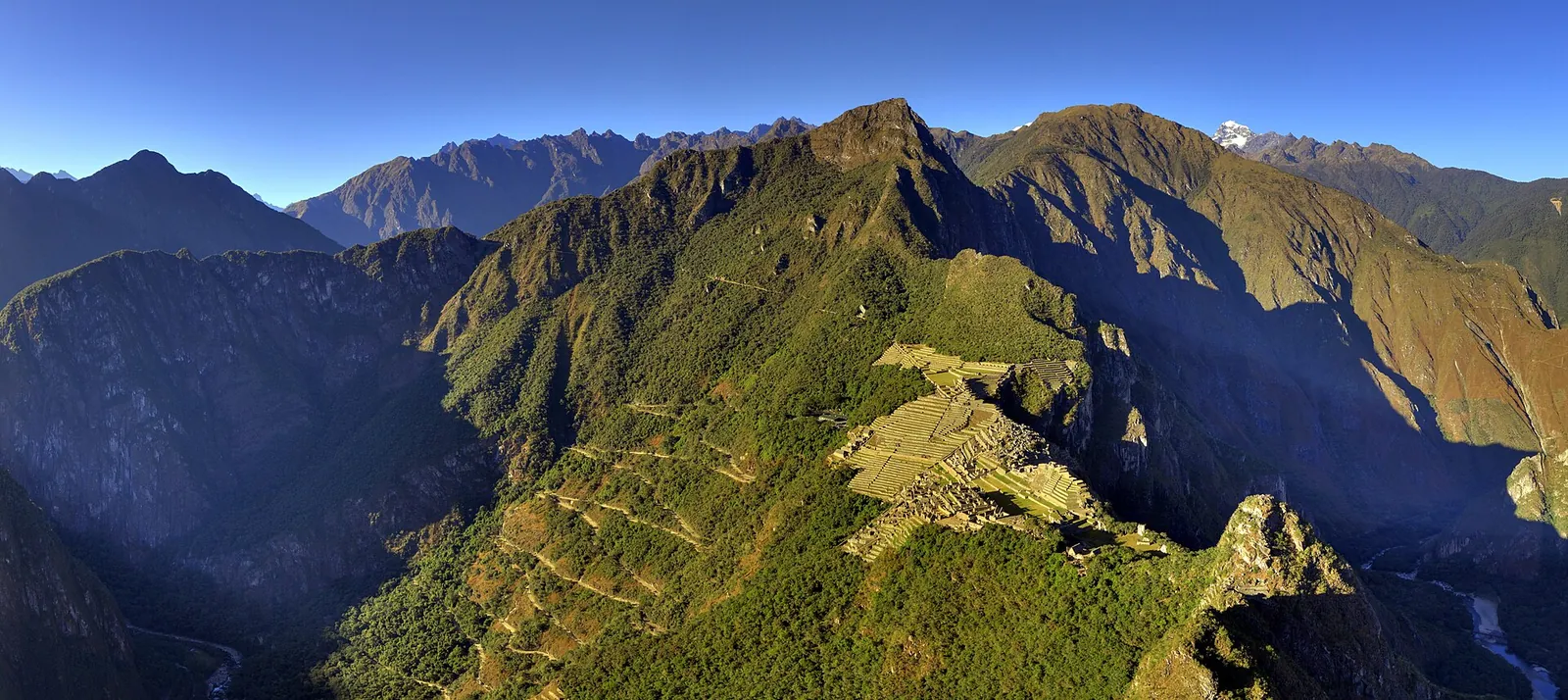
Machu Picchu is Peru's single most famous sight, a 15th-century Inca citadel perched on a ridge high above the Urubamba River, one of the only major ancient wonders the Spanish conquest never located or destroyed.

Rediscovered by the outside world in 1911, its extraordinary setting — surrounded by cloud forest peaks, most dramatically Huayna Picchu rising directly behind the ruins — has made it one of the most recognisable images in world travel.

Most visitors arrive by train from Cusco or the Sacred Valley to the small town of Aguas Calientes below, then take an early bus up to the site itself, timed to catch the classic view before the day's crowds build.

  • History
  • UNESCO Site
  • Hiking
  • Nature & Wildlife

Why visit

Why visit Machu Picchu?

Machu Picchu's case rests on being one of the world's great ancient sites, in a setting that lives up to its reputation.

  • It's one of the few great ruins the Spanish never found

    Abandoned and hidden by cloud forest for centuries, escaping the destruction other Inca sites suffered.

  • The setting is as dramatic as the photos suggest

    Sheer cloud forest peaks surrounding the citadel on every side, Huayna Picchu the most striking.

  • The stonework is extraordinary up close

    Precisely cut blocks fitted together without mortar, a hallmark of the finest Inca construction.

  • Huayna Picchu is climbable for those who book ahead

    A separate, limited-entry hike up the peak seen in every classic photo.

  • It's a once-in-a-lifetime experience

    No amount of photos fully prepares you for standing there in person.

Main attractions

Top things to see in Machu Picchu

The citadel's essential sights combine extraordinary Inca architecture with the dramatic cloud forest setting around it.

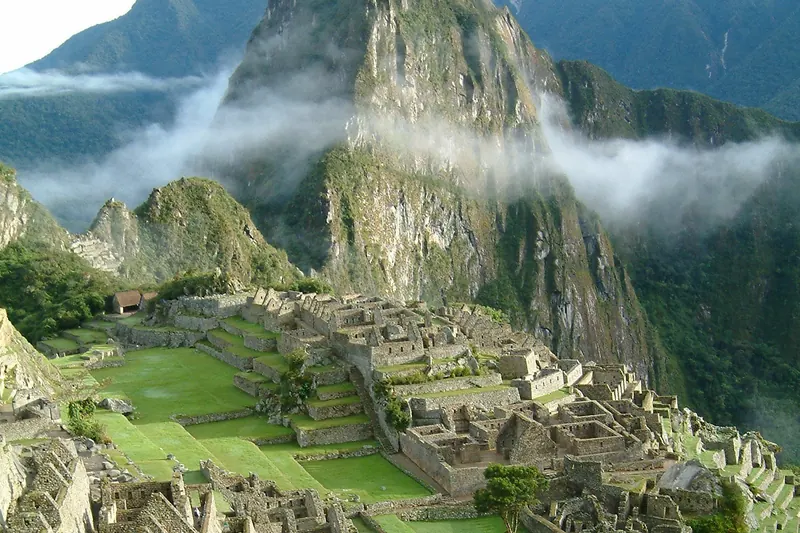
  1. The Inca citadel of Machu Picchu

    The Machu Picchu citadel

    A complete 15th-century Inca city, temples, terraces and residential sectors all remarkably preserved after being hidden by forest for centuries.

    Tip Hire a licensed guide at the entrance — the site's layout and purpose are far richer with context.

  2. Huayna Picchu rising behind the Machu Picchu citadel

    Huayna Picchu

    The dramatic peak seen behind the ruins in every classic photograph, itself home to smaller Inca structures near its summit.

    Tip Book months ahead — entry is separately ticketed and strictly limited each day.

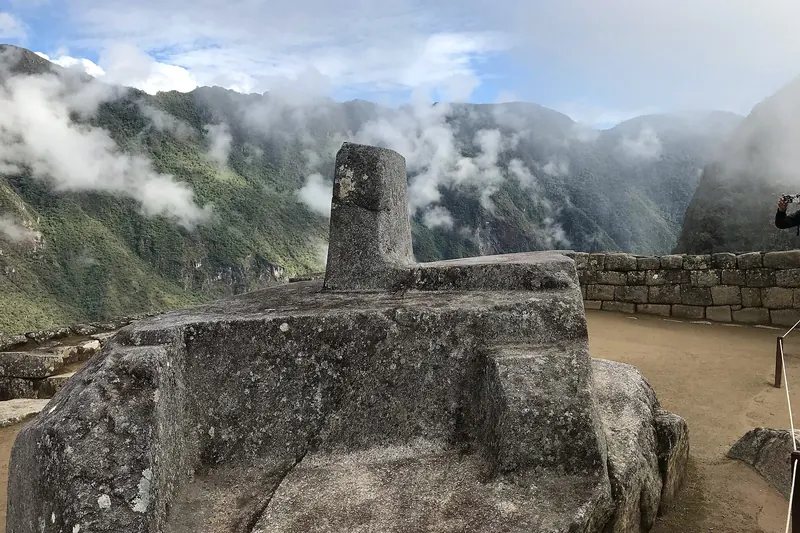
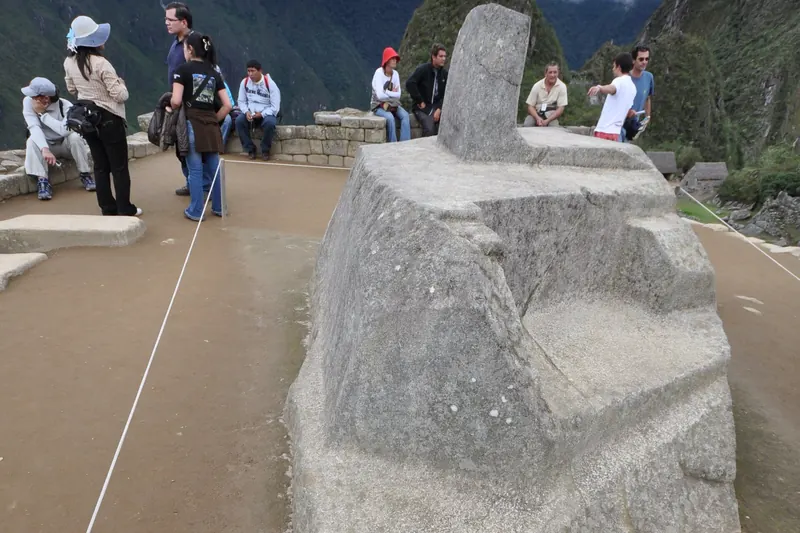
  3. The Intihuatana ritual stone at Machu Picchu

    The Intihuatana stone

    A carved ritual stone believed to have served as an astronomical calendar, one of the few to survive Spanish destruction elsewhere in Peru.

    Tip A guide can explain the stone's likely astronomical alignments, not obvious without context.

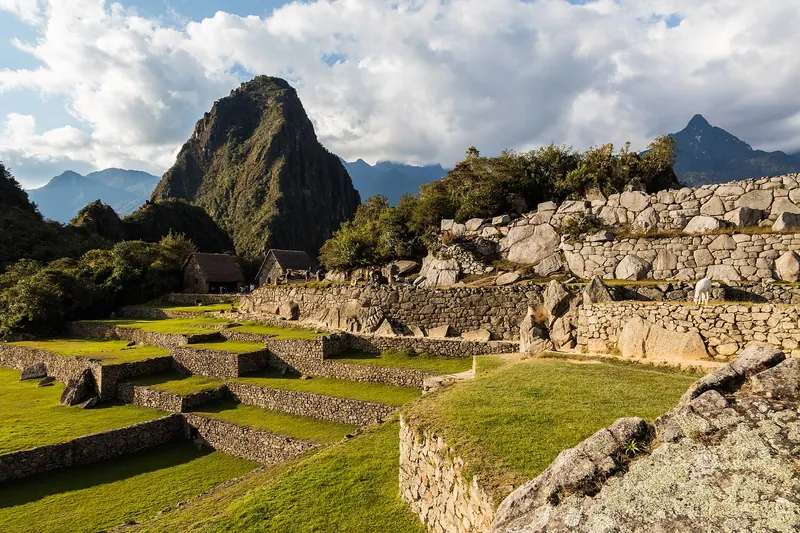
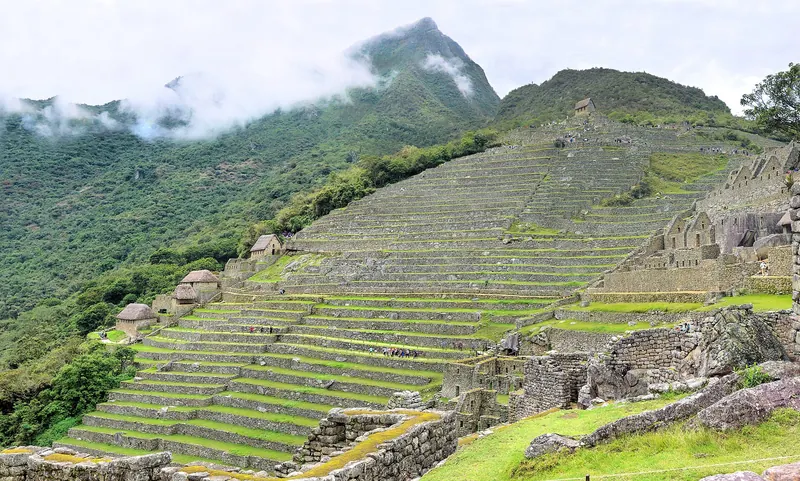
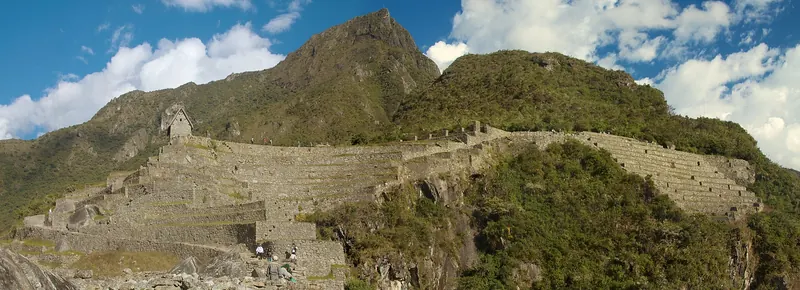
  4. The Inca agricultural terraces at Machu Picchu

    The agricultural terraces

    A striking feat of engineering, stepped terraces cut into the mountainside that once grew crops for the citadel's population.

    Tip The terraces also served a drainage function, preventing the site from washing away in heavy rain.

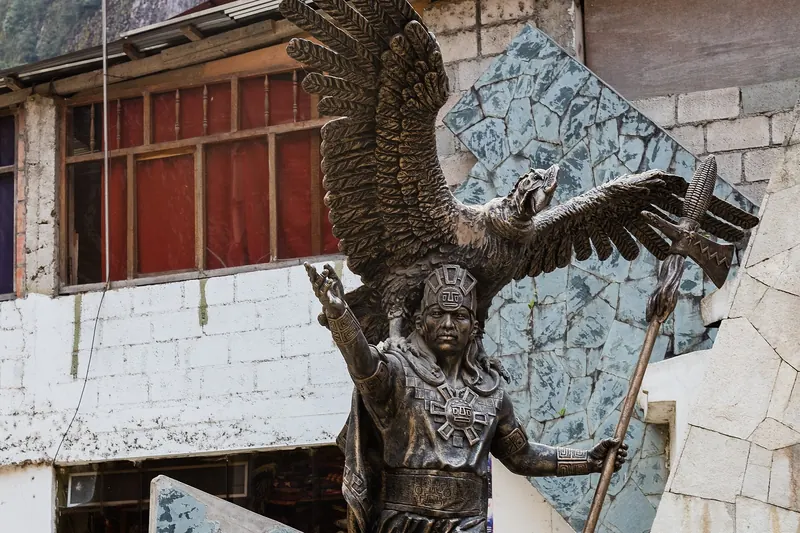
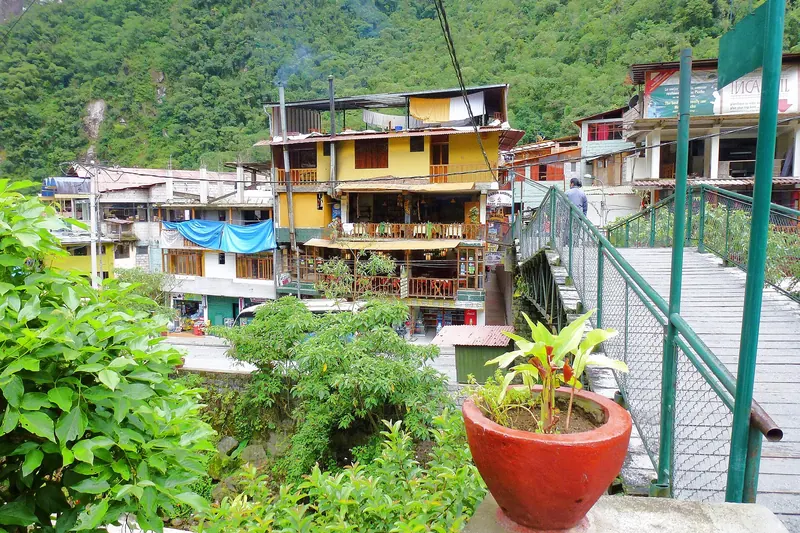
  5. The town of Aguas Calientes below Machu Picchu

    Aguas Calientes

    The small town below the citadel, reachable only by train or a multi-day trek, and the base for most Machu Picchu visits.

    Tip The town's hot springs, its namesake, make a relaxing end to a long day at the ruins.

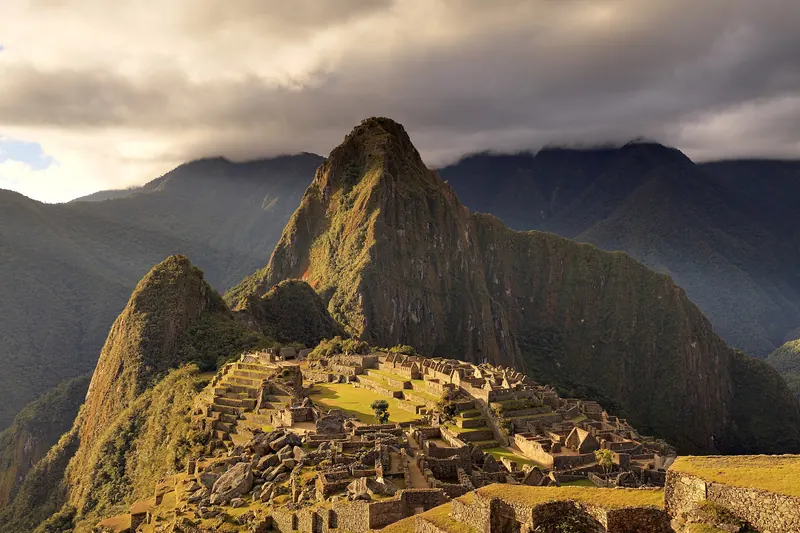
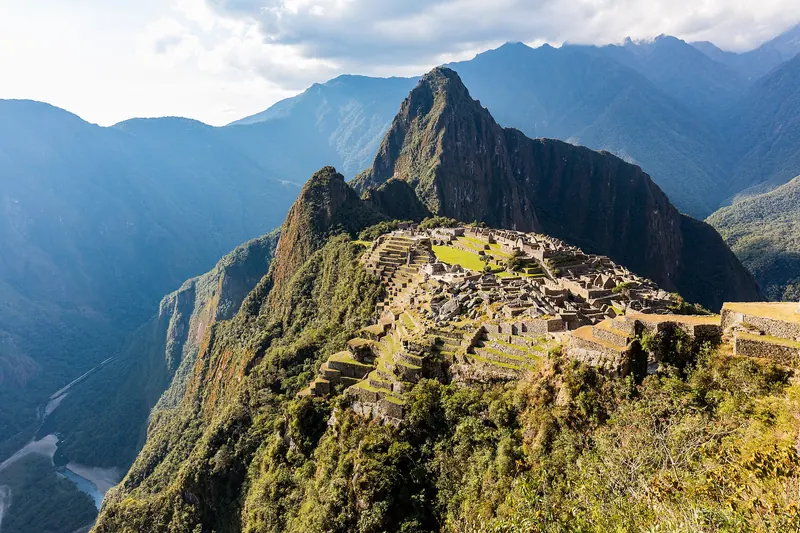
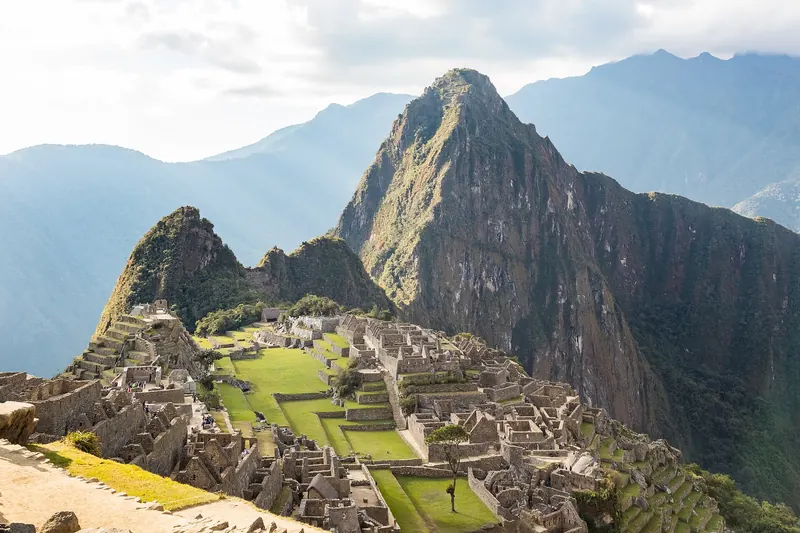
  6. The classic overlook view of Machu Picchu

    The classic postcard viewpoint

    The famous vantage point near the Guardian's Hut, offering the full citadel-and-mountain view seen in nearly every photograph.

    Tip Arrive with the first entry group for the best light and thinnest crowds at this spot.

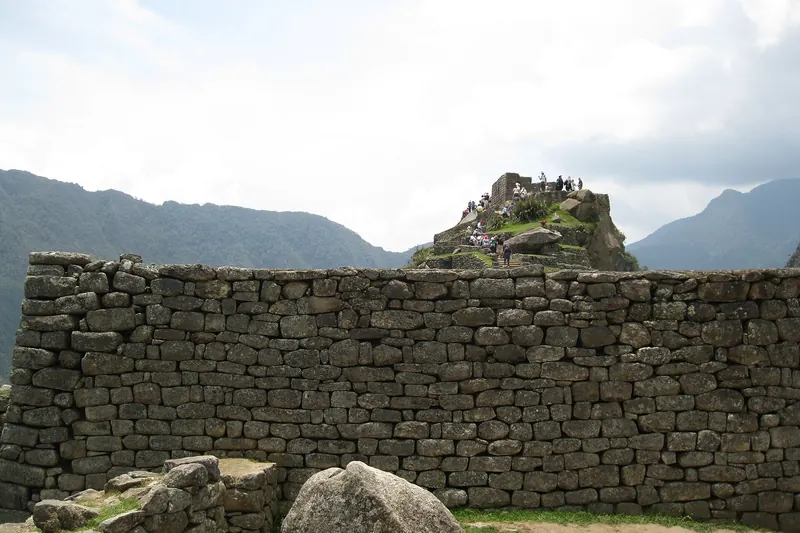
  7. Detailed Inca stonework at Machu Picchu

    Machu Picchu's stone architecture

    Worth close inspection, precisely fitted stone walls constructed without mortar, a hallmark of the finest Inca engineering.

    Tip Compare the finer, more precise stonework of religious buildings against the simpler residential walls.

Things to do

Best things to do in Machu Picchu

Machu Picchu rewards an early start, whatever else fills the rest of the day.

  1. Sunrise over Machu Picchu from the classic viewpoint

    Watch sunrise from the classic viewpoint

    An unforgettable start to the day, watching the first light spread across the citadel from the Guardian's Hut viewpoint.

    Tip Catch the first bus up from Aguas Calientes, which departs before dawn.

  2. The trail up Huayna Picchu above Machu Picchu

    Hike Huayna Picchu

    A steep, exposed climb rewarded with a bird's-eye view down over the entire citadel.

    Tip Not for those uncomfortable with heights — sections of the trail are narrow with real drops.

  3. The Intihuatana stone at Machu Picchu

    Examine the Intihuatana stone up close

    A quiet, reflective stop, standing beside one of the few ritual stones to survive intact from the Inca era.

    Tip Touching the stone is prohibited — a protective barrier now keeps visitors at a respectful distance.

  4. Walking the agricultural terraces at Machu Picchu

    Walk the agricultural terraces

    A rewarding way to see the site from a different angle, descending through the stepped terraces below the main ruins.

    Tip Wear sturdy shoes — the terrace paths are uneven stone.

  5. The streets of Aguas Calientes below Machu Picchu

    Explore Aguas Calientes town

    A relaxed way to spend an evening, browsing the small town's shops and restaurants after a long day at the ruins.

    Tip The town's hot springs are a welcome way to soothe tired legs afterward.

  6. The classic postcard view of Machu Picchu

    Photograph the classic postcard view

    An essential stop for every visitor, capturing the full citadel-and-mountain view that made the site globally famous.

    Tip The light and cloud cover change quickly — take your photos early rather than waiting for 'better' conditions.

Local food

What to eat in Machu Picchu

Food around Machu Picchu centres on Aguas Calientes, with options ranging from simple to surprisingly refined.

  • Ceviche, Peru's national dish of citrus-cured raw fish

    Ceviche

    Available even at this altitude, though best enjoyed once back at sea level in Lima.

    Where to try it Restaurants throughout Aguas Calientes.

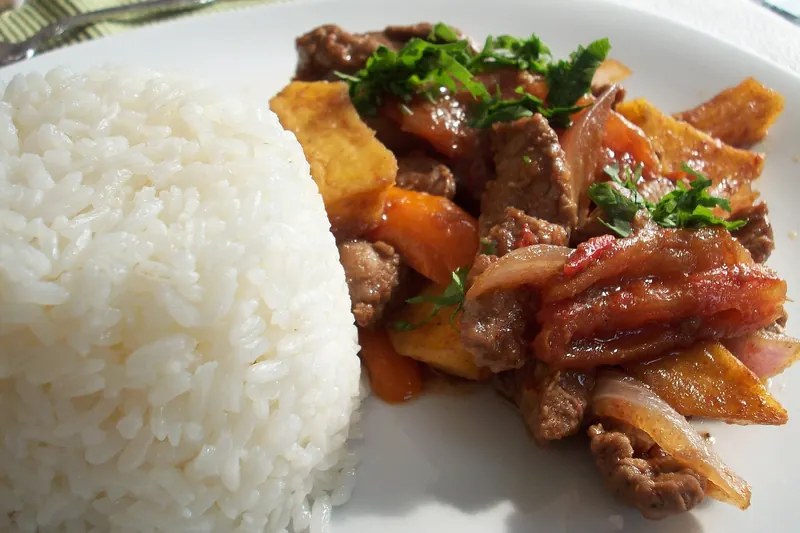
  • Lomo saltado, a Peruvian stir-fry of beef, onions and fries

    Lomo saltado

    A reliable, hearty option after a long day of hiking around the ruins.

    Where to try it Restaurants throughout Aguas Calientes.

  • A pisco sour, Peru's national cocktail

    Pisco sour

    A fitting way to celebrate after a memorable day, widely available in Aguas Calientes' restaurants.

    Where to try it Bars and restaurants throughout the town.

  • Causa limeña, a layered Peruvian potato dish

    Causa limeña

    A light, refreshing option, well suited to a warmer afternoon in the valley below the ruins.

    Where to try it Restaurants throughout Aguas Calientes.

  • Coca tea

    Useful at altitude, a mild herbal tea served at hotels and restaurants throughout the area.

    Where to try it Hotels and cafés in Aguas Calientes.

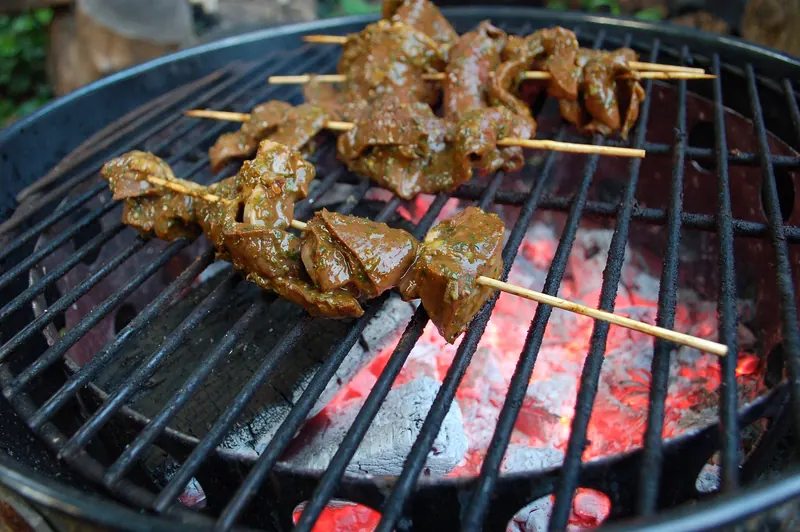
  • Anticuchos, grilled beef heart skewers

    Anticuchos

    A satisfying, smoky option found at restaurants and street stalls in Aguas Calientes.

    Where to try it Restaurants and stalls throughout the town.

Accommodation

Where to stay in Machu Picchu

Aguas Calientes serves as the only practical base right at Machu Picchu, with Cusco or the Sacred Valley as alternatives for a day trip.

  • Aguas Calientes

    The only town within easy reach of the site, essential for an early start or a Huayna Picchu hike.

    Best for: Being right at the base of Machu Picchu

  • The Sacred Valley or Cusco

    Requires a longer travel day but offers a wider choice of accommodation.

    Best for: A more comfortable base for a rushed day trip

What a night costs

Hostel or guesthouse
S/70–140 per night
Mid-range hotel
S/350–700 per night
Machu Picchu entry ticket
About S/150–200
Round-trip train from Cusco or the Sacred Valley
About S/250–600

Transport

Getting to and around Machu Picchu

Machu Picchu is reachable only by train or a multi-day trek — no road connects Aguas Calientes to the outside world.

Getting there

  • Train from Cusco or the Sacred Valley

    The standard way in, run by PeruRail or Inca Rail to Aguas Calientes.

    Departures from Ollantaytambo in the Sacred Valley are generally shorter and cheaper than from Cusco itself.

  • The classic Inca Trail

    A multi-day trek arriving at the Sun Gate above the citadel, for those who book permits far ahead.

    A profoundly rewarding, if strenuous, alternative to arriving by train.

  • Bus from Aguas Calientes to the citadel

    The final short leg, a winding 20-minute ride up from the town to the entrance gate.

    Buses run continuously from early morning, with queues forming well before opening.

Getting around

Once at the site, Machu Picchu is explored entirely on foot, following marked circuit routes.

  • On foot within the site

    The only way to explore the citadel, following one of several fixed, one-way circuit routes.

    Routes are assigned at entry and cannot be changed once inside, per current park rules.

  • Bus between Aguas Calientes and the entrance

    The practical way up and down, though a steep hiking trail also exists for the fit and determined.

    Buy bus tickets in Aguas Calientes ahead of your entry time.

When to go

Best time to visit Machu Picchu

Machu Picchu is visitable year-round, with the dry season offering the most reliable views free of low cloud.

  • Dry season (May–September)

    Best time

    The clearest views and most reliable weather, also the busiest and most tightly booked season.

  • Shoulder months (April, October)

    Good

    Fewer crowds with still-decent weather odds.

  • Wet season (November–March)

    Good

    Lush and green, though cloud cover can obscure the classic view, and the Inca Trail closes each February.

Worth planning around: Skipping advance booking — essential year-round, since daily visitor numbers are capped regardless of season.

Itinerary

One day at Machu Picchu

A single, well-paced day built around an early entry and the citadel's essential sights.

  1. Day1

    The citadel

    Sunrise, the citadel and the Intihuatana stone.

    • Morning Early bus up and sunrise at the classic viewpoint.
    • Afternoon A guided walk through the citadel and terraces.
    • Evening Return to Aguas Calientes for the hot springs and dinner.

Travel tips

Machu Picchu travel tips

Practical notes that make a Machu Picchu visit noticeably smoother.

  • Book entry tickets, trains and any Huayna Picchu permit months ahead, especially for June–August travel.
  • Catch the first bus up from Aguas Calientes for the best light and thinnest crowds.
  • Bring your passport — it's required to enter, matching the name on your ticket.
  • Pack a poncho or light rain layer, even in the dry season, given the cloud forest setting.
  • Hire a licensed guide at the entrance for far richer context than exploring alone.
  • Wear sturdy shoes — the site's stone paths and terraces are uneven throughout.

FAQ

Machu Picchu: frequently asked questions

How many days do you need at Machu Picchu?

One full day covers the citadel itself; an overnight in Aguas Calientes allows a more relaxed, unrushed visit.

Do I need to book Machu Picchu tickets in advance?

Yes, essential — daily visitor numbers are capped, and popular entry slots sell out well ahead, especially in the June–August dry season.

Is Huayna Picchu worth climbing?

Yes, for those comfortable with heights and steep trails — it offers a spectacular bird's-eye view, though tickets are separate and limited.

Can you visit Machu Picchu without hiking the Inca Trail?

Yes — most visitors arrive by train to Aguas Calientes and bus up to the site, no trekking required.

What is Machu Picchu known for?

Being one of the few major Inca sites the Spanish conquest never found, its dramatic cloud forest setting now one of the world's most iconic views.

How high is Machu Picchu?

Around 2,430 metres, notably lower than Cusco, which makes it a comparatively easier stop for those still adjusting to altitude.

Read next

Related travel articles

Heritage

UNESCO Sites Worth Planning a Trip Around

A UNESCO listing tells you a place matters; it does not tell you whether it is worth two days and a detour. This is how to read the list usefully — and which sites reward building a trip around them.

Where to go

Beyond the Big Names: Places Worth the Detour

The most visited place in a country is rarely its best, and it is almost never its best value. This is a method for finding the destinations that do not make the postcards — and a set of examples from five of the 50 countries on this site.

Advertisement