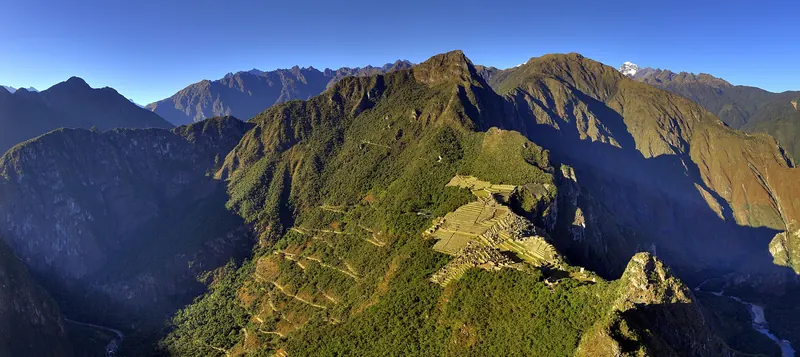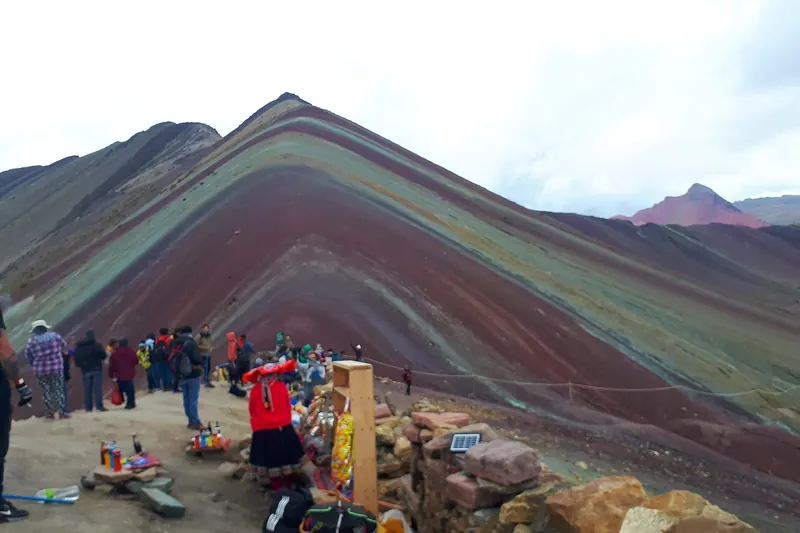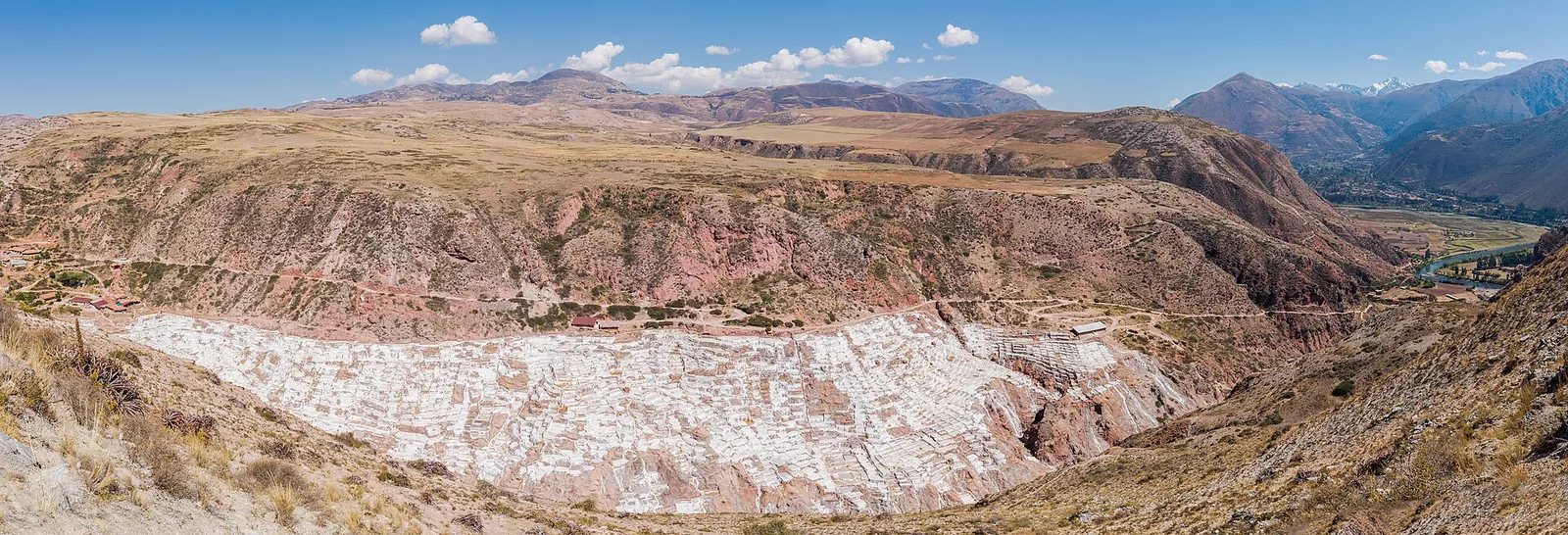
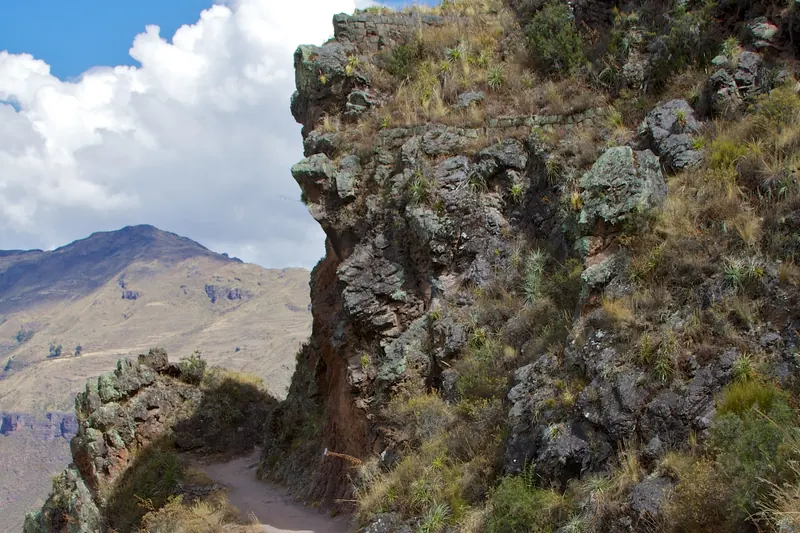
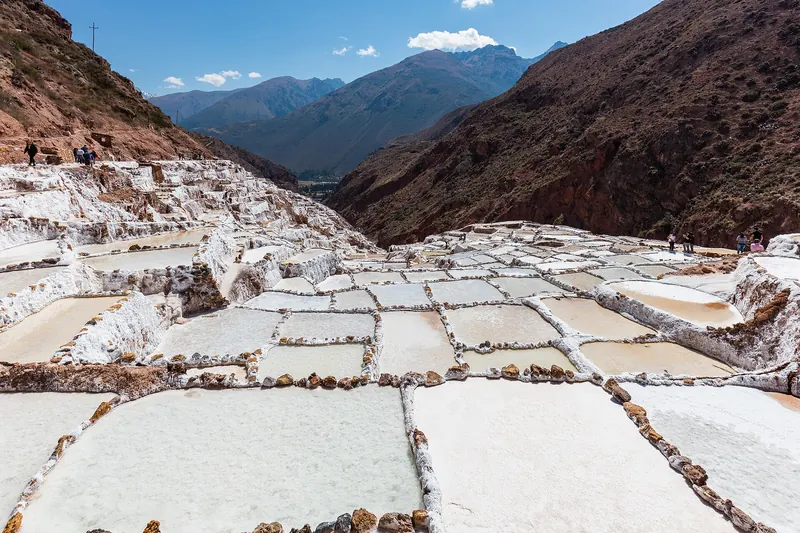
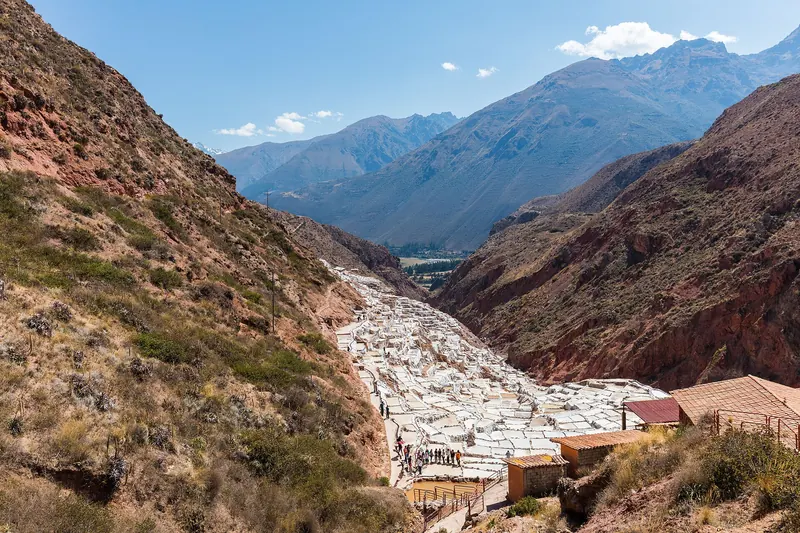


The Maras salt pans terracing down the Sacred Valley hillside

Cusco Region · Peru

The Sacred Valley

The Inca Empire's agricultural heartland, a fertile Andean valley strung with ruins, living villages and extraordinary engineering.

  • Best time May to September for the dry season, though the valley works well year-round
  • Stay 2 days
  • Good for History, scenic drives, lower-altitude acclimatisation

Photo: Diego Delso · CC BY-SA 4.0

Welcome to the Sacred Valley

The Sacred Valley is the Inca Empire's agricultural heartland, a fertile stretch of the Urubamba River valley that fed Cusco and supported some of the empire's most sophisticated engineering.

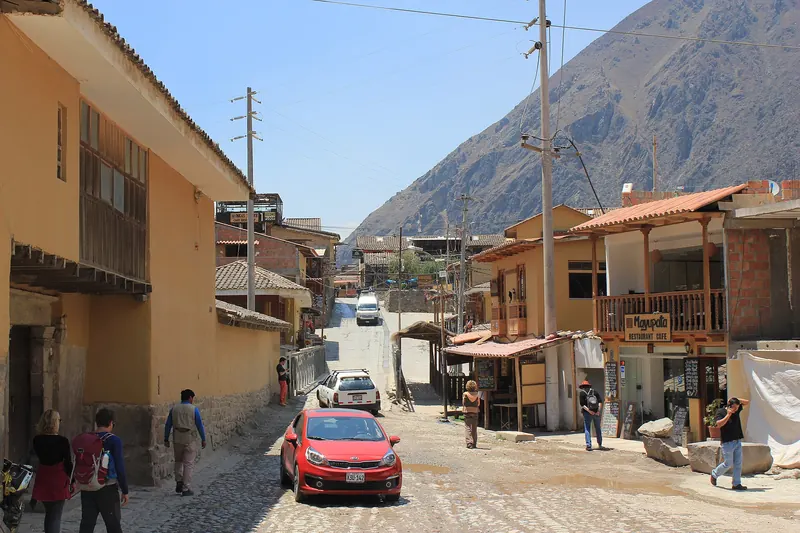
Its villages are still living Andean communities, not just open-air museums, with Ollantaytambo in particular retaining its original Inca street grid, still inhabited after more than 500 years.

Most visitors pass through en route between Cusco and Machu Picchu, though the valley's own sites — Pisac, Ollantaytambo, Moray and the Maras salt pans — easily reward a dedicated day or two, and its lower altitude makes it a useful acclimatisation stop.

  • History
  • Nature & Wildlife
  • Culture
  • Scenic Drive

Why visit

Why visit the Sacred Valley?

The Sacred Valley's case rests on combining major Inca sites with living Andean culture and a gentler altitude.

  • Ollantaytambo is still a living Inca town

    Its original street grid and water channels remain in daily use after more than 500 years.

  • Moray's terraces are a feat of agricultural science

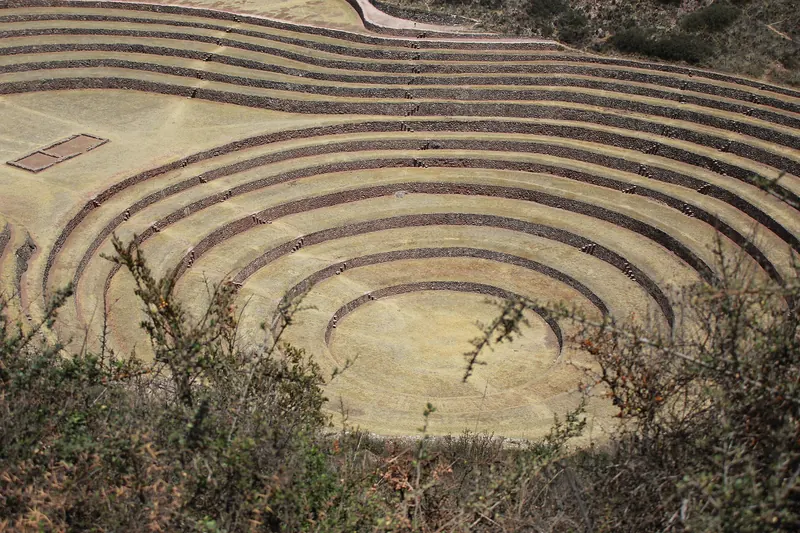
    Concentric circular terraces once used to test crops across distinct microclimates.

  • The Maras salt pans are still worked by hand

    Thousands of individual pools, harvested using techniques unchanged for centuries.

  • Pisac combines major ruins with an excellent market

    Impressive Inca terracing above town, and one of the region's best craft markets below.

  • It's lower altitude than Cusco

    A useful, gentler stop for acclimatising before higher-altitude activities.

Main attractions

Top things to see in the Sacred Valley

The valley's essential sights combine major Inca ruins with still-living Andean villages and landscapes.

  1. The Inca ruins above the town of Pisac

    Pisac ruins

    Impressive Inca terracing and ceremonial structures on a ridge high above the town, among the valley's most significant sites.

    Tip Arrive early to explore the ruins before the midday tour groups arrive.

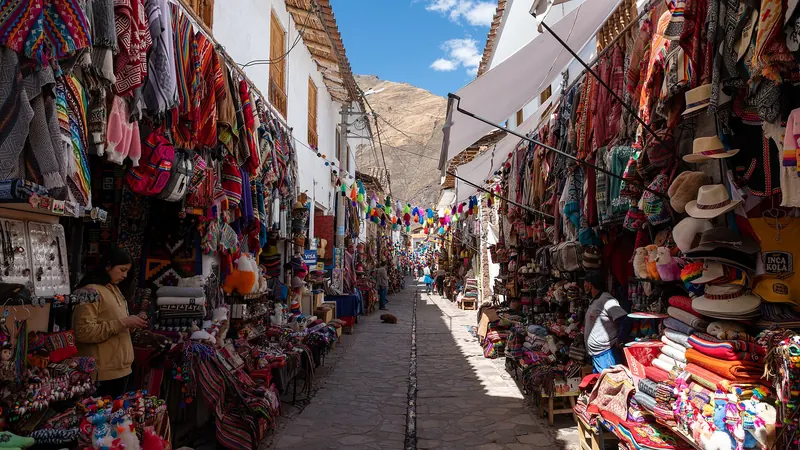
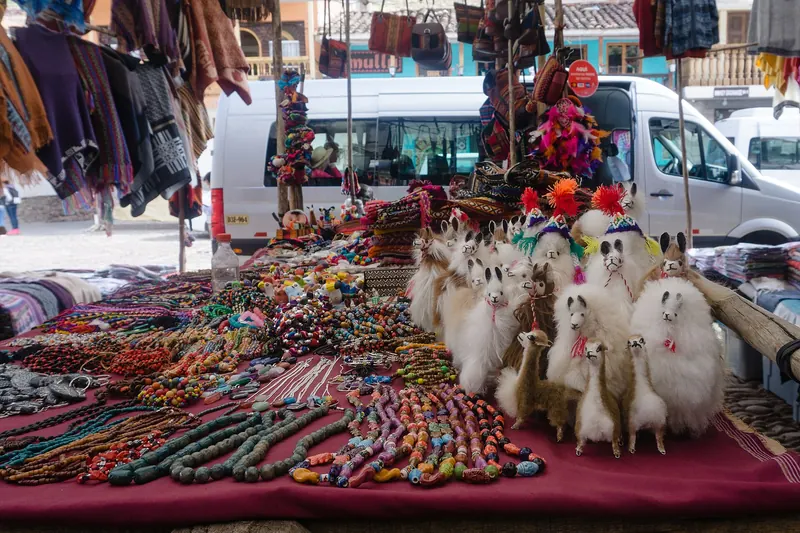
  2. The market in Pisac in the Sacred Valley

    Pisac market

    One of the region's best craft markets, textiles, ceramics and jewellery sold in the town square below the ruins.

    Tip Sunday brings the largest and most authentic version of the market.

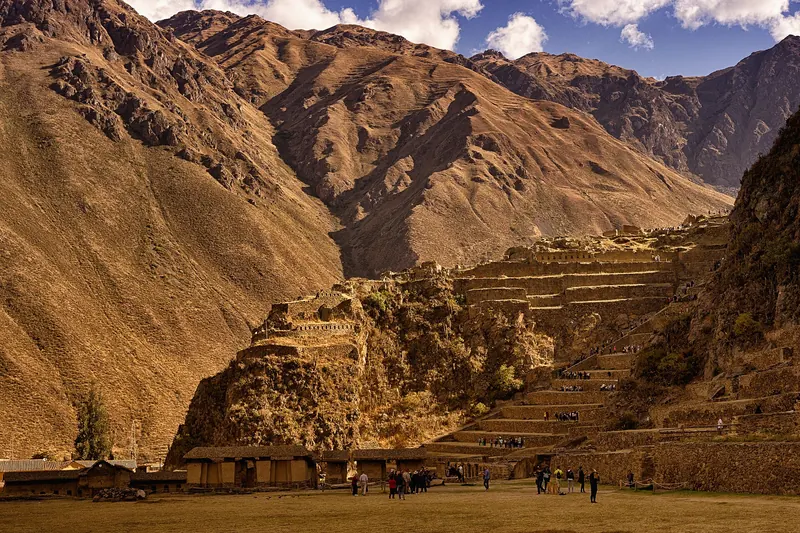
  3. The Inca fortress terraces at Ollantaytambo

    Ollantaytambo fortress

    A massive terraced fortress, the site of one of the few battles the Inca actually won against the invading Spanish.

    Tip The steep climb to the top is rewarded with sweeping views over the whole town.

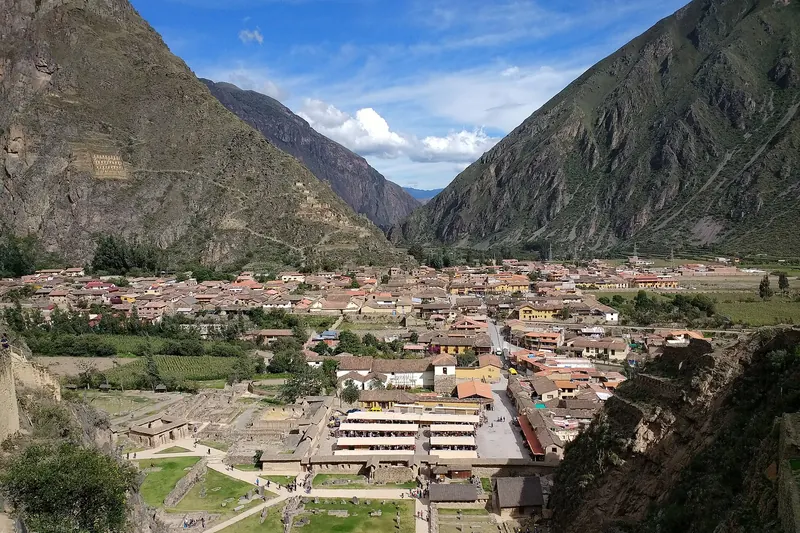
  4. The living Inca town of Ollantaytambo

    Ollantaytambo town

    The valley's best-preserved living Inca town, its original street grid and stone water channels still in daily use.

    Tip Wander the back streets away from the fortress for the town's most authentic atmosphere.

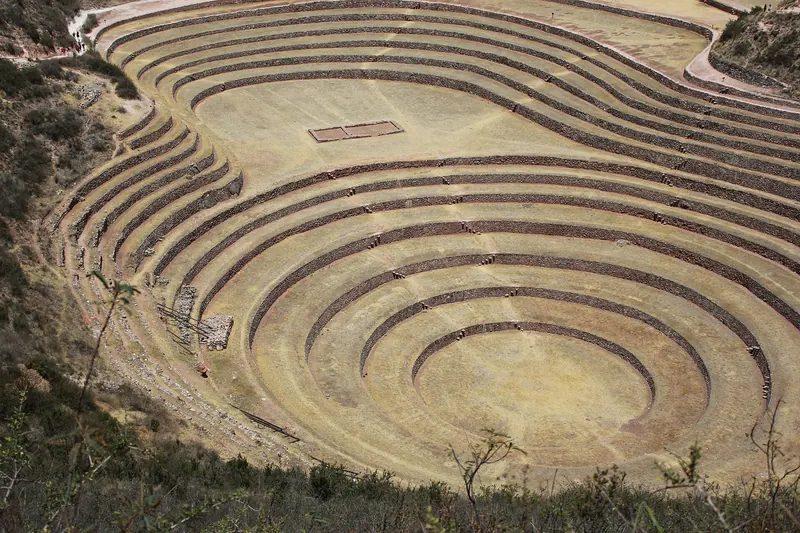
  5. The circular terraces of Moray in the Sacred Valley

    Moray

    A remarkable feat of Inca agricultural science, concentric circular terraces creating distinct microclimates believed to have tested crops.

    Tip The temperature difference between the terraces' top and bottom levels is real and noticeable.

  6. The Maras salt pans in the Sacred Valley

    The Maras salt mines

    Thousands of individual salt pools cascading down a hillside, fed by a natural spring and harvested by hand since Inca times.

    Tip Combine with a Moray visit, since both sit close together on the valley's northern side.

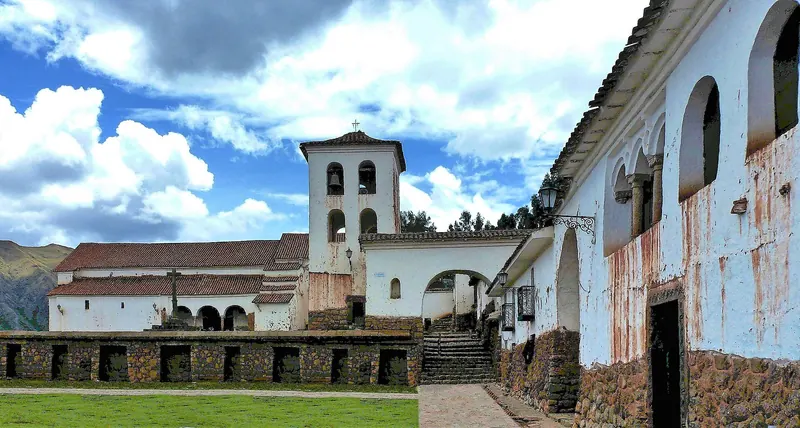
  7. The archaeological site and plaza at Chinchero

    Chinchero

    A traditional weaving village with its own Inca ruins and a striking colonial church built directly atop an Inca palace.

    Tip Check out a local weaving demonstration, showing techniques passed down for generations.

Things to do

Best things to do in the Sacred Valley

The valley rewards a full day or two combining ruins, markets and genuine Andean village life.

  1. Crafts for sale at Pisac market

    Browse Pisac's artisan market

    A relaxed way to spend a morning, browsing textiles and crafts from across the wider region.

    Tip Polite bargaining is expected and normal here.

  2. Climbing the fortress terraces at Ollantaytambo

    Explore Ollantaytambo's fortress terraces

    A rewarding, if steep, climb through massive terraces to the fortress's upper ceremonial sector.

    Tip Take it slowly — the climb is more strenuous than it first appears at altitude.

  3. Walking down into Moray's circular terraces

    Walk Moray's circular terraces

    A striking descent into the terraces' concentric rings, appreciating the engineering up close.

    Tip Combine with the nearby Maras salt pans for a full half-day out from Cusco.

  4. The terraced salt pans at Maras

    Photograph the Maras salt pans

    A striking sight, thousands of small pools glinting white and gold across the hillside.

    Tip Stay on the marked paths — the pans themselves are still actively worked by local families.

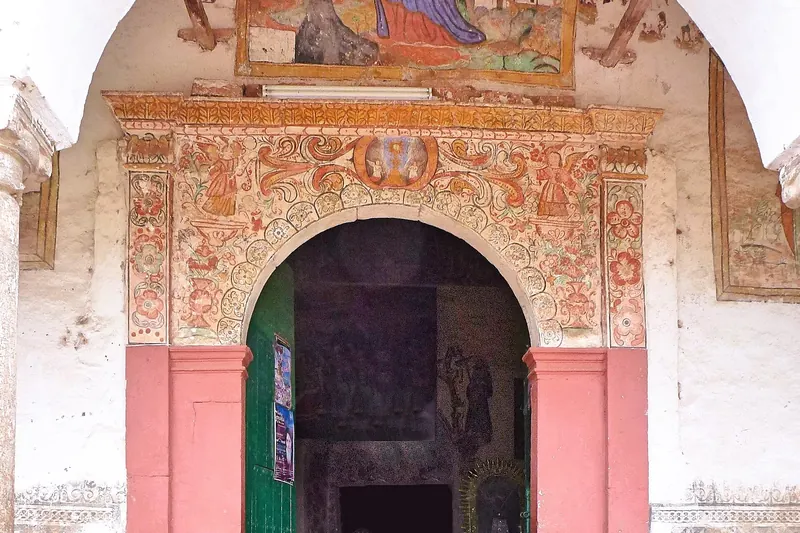
  5. The colonial church at Chinchero

    Visit Chinchero's colonial church

    A striking blend of cultures, a Spanish colonial church built directly on Inca foundations, its interior richly painted.

    Tip Photography is often restricted inside the church itself — check current rules on arrival.

  6. Walking the Inca streets of Ollantaytambo

    Wander Ollantaytambo's living Inca streets

    A rare chance to walk streets still following their original Inca layout, water still running through centuries-old channels.

    Tip A quiet early morning walk here feels different from the daytime tour crowds.

Local food

What to eat in the Sacred Valley

The Sacred Valley's food reflects its agricultural roots, with fresh Andean produce at every turn.

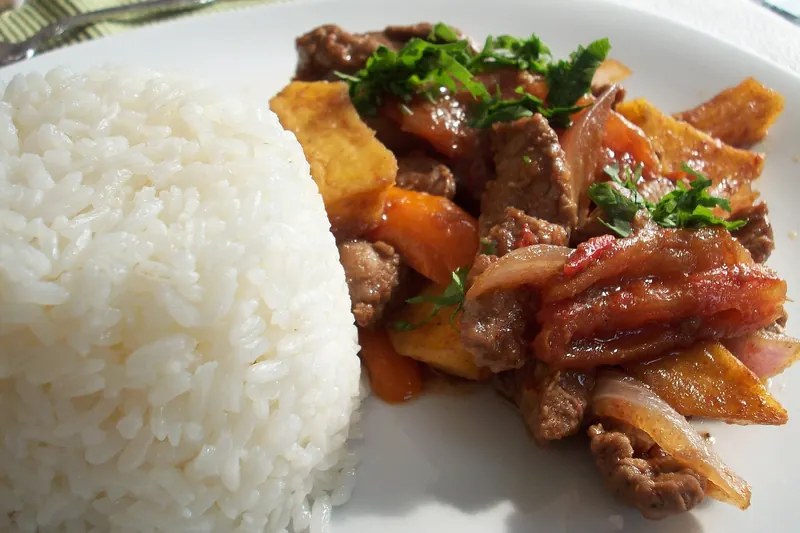
  • Lomo saltado, a Peruvian stir-fry of beef, onions and fries

    Lomo saltado

    A reliable classic found on menus throughout the valley's towns.

    Where to try it Restaurants throughout Pisac and Ollantaytambo.

  • Cuy (guinea pig)

    A traditional Andean delicacy, especially associated with the valley's rural communities.

    Where to try it Traditional restaurants throughout Pisac and Urubamba.

  • Chicha morada

    A refreshing, non-alcoholic purple corn drink found throughout the region, sweetened with fruit and spices.

    Where to try it Restaurants and markets throughout the valley.

  • Ceviche, Peru's national dish of citrus-cured raw fish

    Ceviche

    Available even this far inland, though a treat best saved for the coast.

    Where to try it Peruvian restaurants throughout the valley's main towns.

  • A pisco sour, Peru's national cocktail

    Pisco sour

    A fitting way to end a day of exploring the valley's ruins and villages.

    Where to try it Restaurants and bars throughout Ollantaytambo and Urubamba.

  • Coca tea

    Useful for managing altitude symptoms, widely available throughout the valley.

    Where to try it Hotels and cafés throughout the Sacred Valley.

Accommodation

Where to stay in the Sacred Valley

Urubamba and Ollantaytambo serve as the valley's main bases, both well set up for exploring the wider region.

  • Ollantaytambo

    The most practical base for onward travel, with direct access to the town's own fortress.

    Best for: Being convenient for the Machu Picchu train

  • Urubamba

    A larger town with a wider range of accommodation, central to Moray and the Maras salt pans.

    Best for: A more spacious, central valley location

What a night costs

Hostel or guesthouse
S/50–100 per night
Mid-range hotel
S/200–450 per night
Boleto Turístico (covers Pisac and Ollantaytambo)
About S/130
Dinner at a mid-range restaurant
About S/35–60 per person

Transport

Getting to and around the Sacred Valley

The Sacred Valley is reached by road from Cusco, and serves as a common onward point toward Machu Picchu.

Getting there

  • Rental car or taxi from Cusco

    About an hour to Pisac, or ninety minutes to Ollantaytambo.

    A flexible way to see multiple valley sites in one day.

  • Organised day tours

    The standard way most visitors see the valley, covering several sites in one trip.

    Widely available from Cusco, often combining Pisac, Moray and Maras in a single day.

  • Colectivo shared vans

    A budget-friendly, if less flexible, way to reach individual towns.

    Regular services connect Cusco to Pisac, Urubamba and Ollantaytambo.

Getting around

A car, tour or shared van helps for covering the valley's spread-out sites in one visit.

  • Rental car or private driver

    The most flexible way to combine Pisac, Moray, Maras and Ollantaytambo.

    Roads throughout the valley are generally well maintained.

  • On foot within each town

    Easy — Pisac, Ollantaytambo and Chinchero are all small and walkable.

    Moving between towns requires a car, tour or shared van.

  • Organised day tours

    The simplest way to see several sites without arranging transport yourself.

    Widely available from Cusco, typically covering four or more sites in one day.

When to go

Best time to visit the Sacred Valley

The Sacred Valley is visitable in any season, given its slightly lower, milder altitude than Cusco.

  • Dry season (May–September)

    Best time

    The most reliable weather for exploring the valley's outdoor ruins and terraces.

  • Shoulder months (April, October)

    Good

    Fewer crowds with still-decent weather odds.

  • Wet season (November–March)

    Good

    Lush and green, with the valley's agricultural roots on full display, though afternoon rain is common.

Worth planning around: Nothing strongly — the valley's lower altitude makes it a comfortable stop in any season.

Itinerary

Two days in the Sacred Valley

Built around Pisac on day one, Ollantaytambo, Moray and Maras on day two.

  1. Day1

    Pisac

    The Pisac ruins and market.

    • Morning The Pisac ruins.
    • Afternoon Pisac's craft market.
    • Evening Dinner in Urubamba.
  2. Day2

    Ollantaytambo, Moray and Maras

    The valley's remaining major sites.

    • Morning Moray's circular terraces and the Maras salt pans.
    • Afternoon Ollantaytambo's fortress and living Inca streets.
    • Evening Onward train to Machu Picchu, or dinner in Ollantaytambo.

Travel tips

The Sacred Valley travel tips

Practical notes that make a Sacred Valley visit noticeably smoother.

  • Buy the Boleto Turístico ahead if planning to visit Pisac and Ollantaytambo's ruins.
  • Combine Moray and the Maras salt pans in one trip, since they sit close together.
  • Book your onward Machu Picchu train from Ollantaytambo well ahead in peak season.
  • Wear comfortable shoes for the valley's uneven ruins and cobbled streets.
  • Consider basing yourself here for a night or two to help acclimatise before higher-altitude activities.
  • Bring small cash for Pisac's market and rural stalls throughout the valley.

FAQ

The Sacred Valley: frequently asked questions

How many days do you need in the Sacred Valley?

Two days covers Pisac, Ollantaytambo, Moray and the Maras salt pans comfortably.

Is the Sacred Valley worth visiting separately from Machu Picchu?

Yes — its own sites, especially Ollantaytambo and Moray, are significant enough to justify dedicated time.

Can you use the Sacred Valley to help with altitude acclimatisation?

Yes — it sits notably lower than Cusco, making it a useful, gentler stop before higher-altitude activities.

What is the Sacred Valley known for?

Being the Inca Empire's agricultural heartland, home to major ruins, the Maras salt pans and still-living traditional villages.

Is Ollantaytambo really still an Inca town?

Yes — its original Inca street grid and water channels remain in daily use, making it one of South America's oldest continuously inhabited urban layouts.

Can you visit the Sacred Valley on the way to Machu Picchu?

Yes, a popular and efficient route — many visitors stop here before catching the train onward to Machu Picchu from Ollantaytambo.

Read next

Related travel articles

Heritage

UNESCO Sites Worth Planning a Trip Around

A UNESCO listing tells you a place matters; it does not tell you whether it is worth two days and a detour. This is how to read the list usefully — and which sites reward building a trip around them.

Where to go

Beyond the Big Names: Places Worth the Detour

The most visited place in a country is rarely its best, and it is almost never its best value. This is a method for finding the destinations that do not make the postcards — and a set of examples from five of the 50 countries on this site.

Advertisement