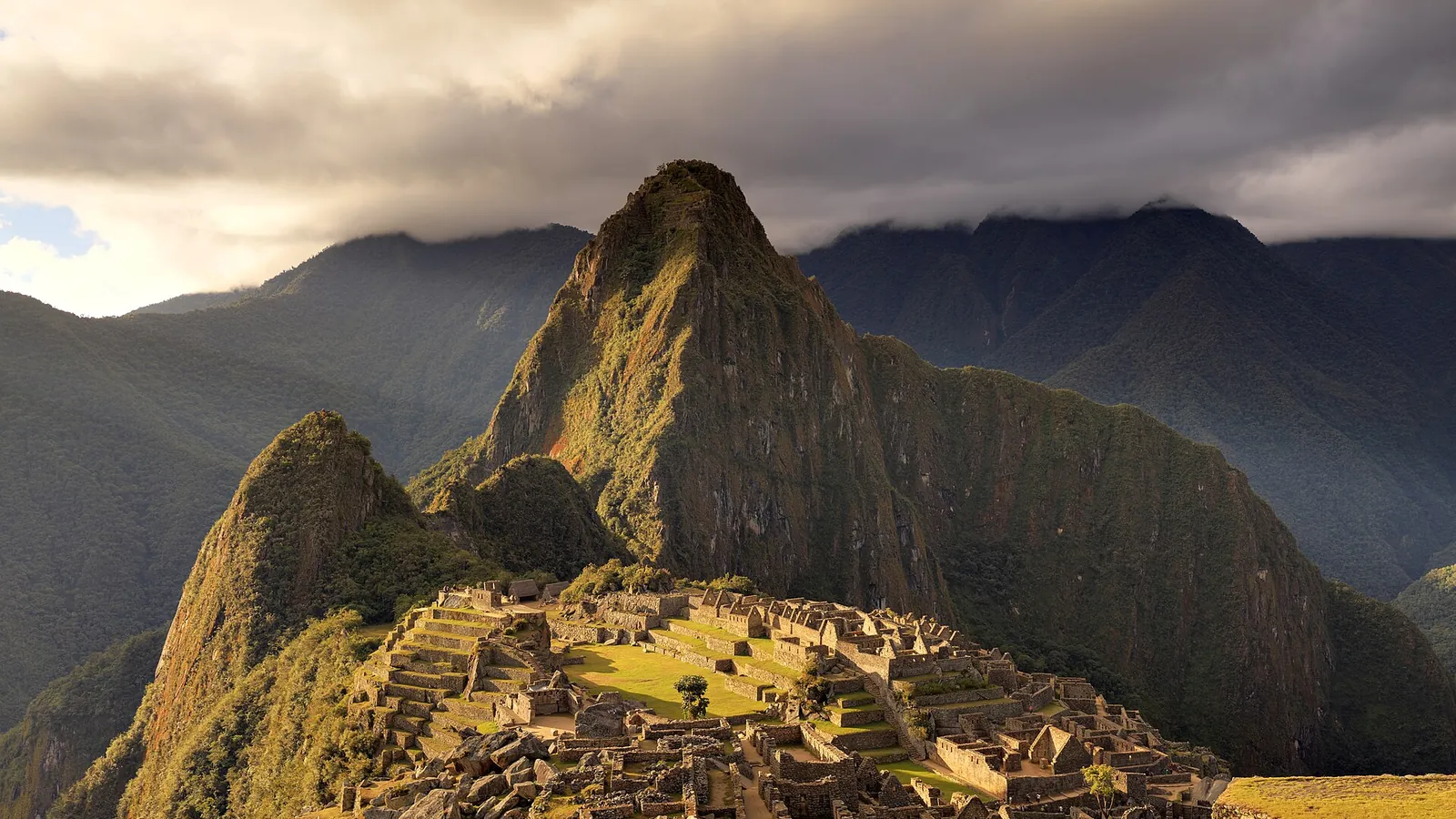
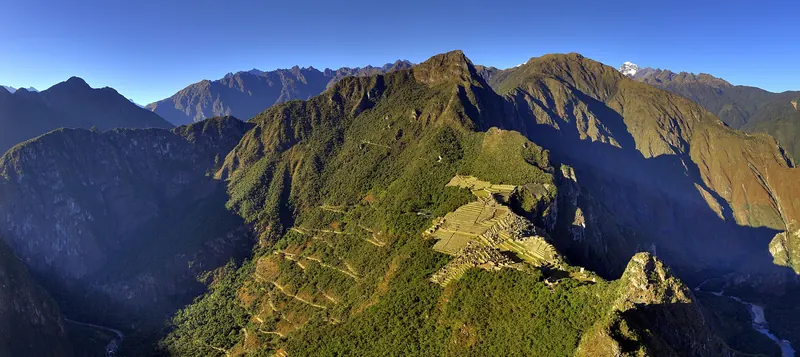
Machu Picchu, the ancient Inca citadel high in the Andes

Peru · Travel guide

The Complete Peru Travel Guide

Lost Inca cities, high-altitude lakes and desert oases across one of South America's most dramatic landscapes

  • Reading time 13 min read
  • Covers 10 destinations
  • Updated 2026

Photo: Martin St-Amant (S23678) · CC BY-SA 3.0

How to plan a Peru trip: whether to focus on the Andes, the coast or the Amazon, when to go for the driest trails, what it costs, and a practical ten-day itinerary.

How Peru divides

Peru divides into three very different geographic zones — the coast, the Andean highlands and the Amazon — and a first trip realistically covers only one or two well.

The Andean highlands. Cusco, Machu Picchu, the Sacred Valley, Rainbow Mountain and Lake Titicaca — the historic and scenic heart of most Peru itineraries.

The coast. Lima, the Nazca Lines and Huacachina — the capital's food scene and a strip of desert coastline with its own distinct attractions.

The south. Arequipa and Colca Canyon — an underrated colonial city and one of the world's deepest canyons.

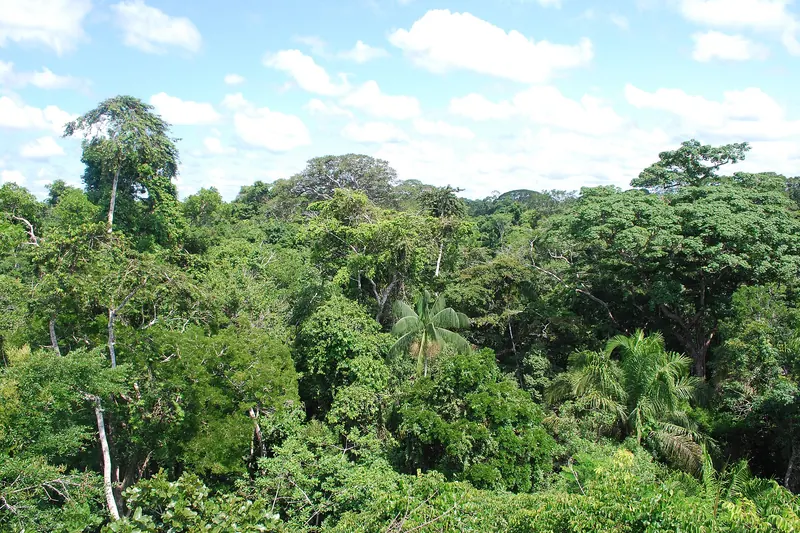
The Amazon. Puerto Maldonado — a different Peru entirely, dense rainforest and extraordinary biodiversity.

Worth knowing: Most first-time visitors combine Lima with the Andean highlands in a single trip. The Amazon and the far south coast are where a longer or second trip belongs.

Choosing between the ten destinations

  • If this is your first trip

    Lima, Cusco, the Sacred Valley and Machu Picchu, the classic route for a reason.

  • If you want dramatic high-altitude scenery

    Rainbow Mountain, one of the most photographed natural sights in the Andes.

  • If you want living Andean culture

    Lake Titicaca, home to the Uros floating islands and Taquile's weaving traditions.

  • If you want an underrated colonial city

    Arequipa, one of Peru's most beautiful cities, paired with condor-watching at Colca Canyon.

  • If you want extraordinary wildlife

    The Amazon, one of the most biodiverse places on Earth.

  • If you want something different from the Andes

    The Nazca Lines and Huacachina, a striking desert detour on Peru's southern coast.

Getting around: flights, trains, and one common mistake

Peru's scale and mountainous terrain mean no single mode of transport covers the whole country — a mix of domestic flights, trains and buses is standard.

Fly between regions, don't drive. Lima to Cusco or Arequipa takes over 24 hours by road versus about an hour and a half by air.

Book the Machu Picchu train well ahead. It's the only practical way to reach Machu Picchu without a multi-day hike.

Don't skip altitude acclimatisation. Arriving in Cusco at 3,400 metres and rushing straight into activity is the most common mistake first-time visitors make.

Use overnight buses for longer coastal routes. Nazca to Ica and similar routes are comfortable on Peru's reclining-seat overnight services.

Book Rainbow Mountain and Colca Canyon tours locally. Both involve early starts and high-altitude driving best left to experienced operators.

Worth knowing: Book your Machu Picchu tickets, train and Inca Trail permits (if hiking) months ahead for June–August travel — Peru's dry season sells out early.

When to go

Peru's three distinct regions have different ideal seasons, so 'the best time' depends on where your itinerary focuses. For the classic Andean route, May to September works best.

The Andean dry season brings reliable weather for Machu Picchu, Cusco and Rainbow Mountain, also the busiest and most expensive season.

The wet season, November to March, is lush and green, though trails can turn muddy and the Inca Trail itself closes each February.

The Amazon's own dry season, roughly June to October, offers the easiest wildlife spotting, with lower water levels concentrating animals near rivers.

The coast, including Lima and the desert south, is mild year-round, with its own separate garúa fog season affecting Lima specifically from June to September.

Worth knowing: Book Machu Picchu tickets and Inca Trail permits (if hiking) many months ahead for a June–August trip — this is the busiest and most tightly booked window of the year.

Four routes that work

  1. Six days: the highlights sprint

    Lima, Cusco and Machu Picchu, the most popular short Peru itinerary, though tight on acclimatisation time.

    Tip Fly into Cusco a day earlier than needed if possible, purely for extra altitude adjustment time.

  2. Ten days: the classic Andean loop

    The itinerary on the Peru country page: Lima, Cusco, the Sacred Valley, Machu Picchu, Rainbow Mountain and Lake Titicaca. A complete first look at Peru's classic highlights.

    Tip Do Rainbow Mountain only after at least three days at altitude — it's a serious high-altitude hike.

  3. A week focused on the south

    Arequipa and Colca Canyon paired with Nazca and Huacachina, skipping Cusco entirely.

    Tip This route avoids the highest altitudes, a good option for those concerned about altitude sickness.

  4. An Amazon add-on for a second trip

    Puerto Maldonado by guided lodge stay, one of the most biodiverse regions on Earth.

    Tip Book a multi-night lodge stay rather than a single day trip — wildlife sightings improve significantly with more time.

Reference

The 10 destinations in this guide

Every place named above has its own detailed guide — attractions, food, where to stay, how to get around and a suggested day-by-day plan.

HistoryCulture

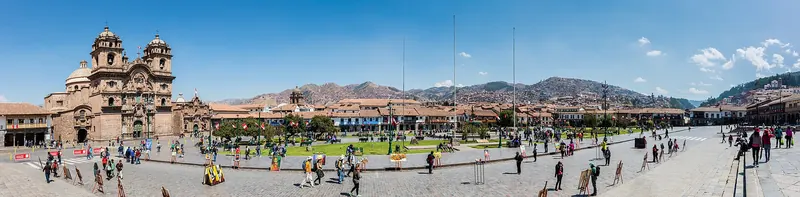
Cusco

Cusco Region

The former capital of the Inca Empire, a high-altitude city where colonial architecture sits directly on Inca foundations, and Peru's essential gateway to Machu Picchu.

Don't miss Running a hand along Sacsayhuamán's massive stone walls, some blocks weighing well over 100 tonnes, fitted together without mortar so precisely a knife blade still can't slip between them.

Explore Destination — Cusco
HistoryUNESCO Site

Machu Picchu

Cusco Region

The Inca citadel high above the Urubamba River, one of the only major ancient wonders the Spanish conquest never found, and Peru's single most iconic sight.

Don't miss Watching the first sunlight hit the citadel's stone terraces from the classic overlook, Huayna Picchu's peak still wrapped in morning mist behind it.

Explore Destination — Machu Picchu
HistoryNature & Wildlife

The Sacred Valley

Cusco Region

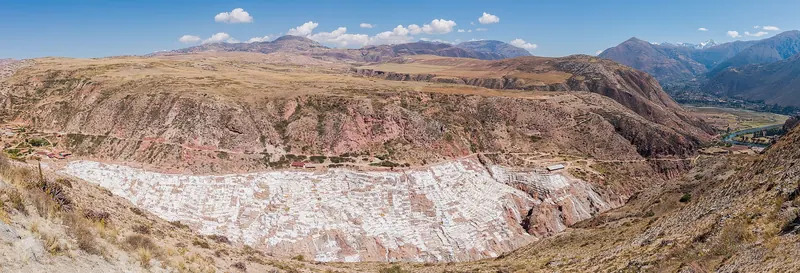
The Inca Empire's fertile agricultural heartland, a valley of ruins, salt pans and living villages between Cusco and Machu Picchu.

Don't miss Standing at the rim of Moray's perfectly concentric circular terraces, each level once its own distinct microclimate for testing crops.

Explore Destination — The Sacred Valley
CityCulture

Lima

Lima Region

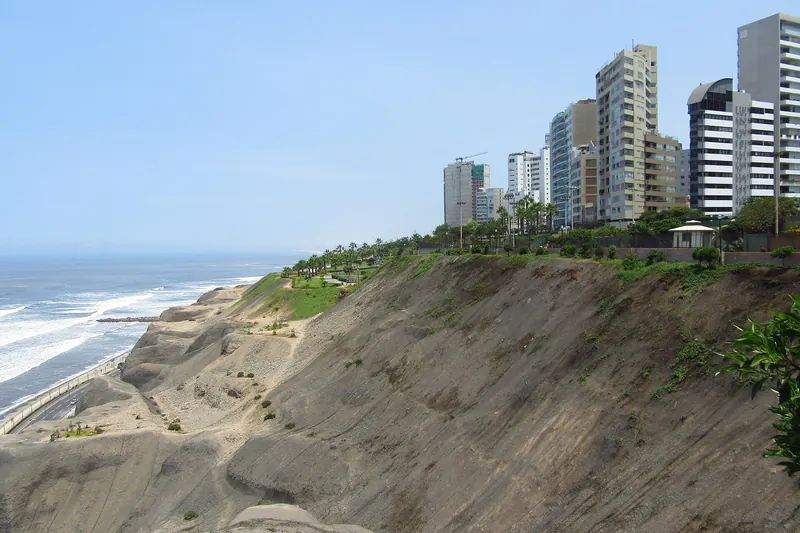
Peru's coastal capital, a sprawling city of colonial grandeur, pre-Inca pyramids and a food scene now recognised among the best in the world.

Don't miss Watching the sun set over the Pacific from Huaca Pucllana's ancient clay pyramid, the modern skyline of Miraflores rising just beyond its earthen walls.

Explore Destination — Lima
Nature & WildlifeCulture

Lake Titicaca & Puno

Puno Region

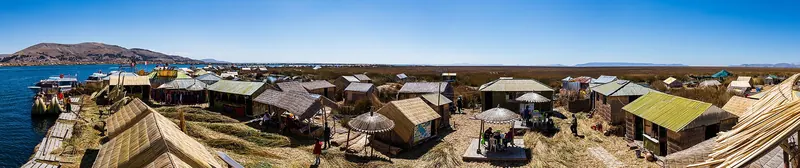
The world's highest navigable lake, home to the Uros people's floating reed islands and the traditional weaving villages of Taquile and Amantaní.

Don't miss Stepping onto a Uros floating island for the first time, the spongy reed ground shifting slightly underfoot, unlike anywhere else on Earth.

Explore Destination — Lake Titicaca & Puno
CityNature & Wildlife

Arequipa & Colca Canyon

Arequipa Region

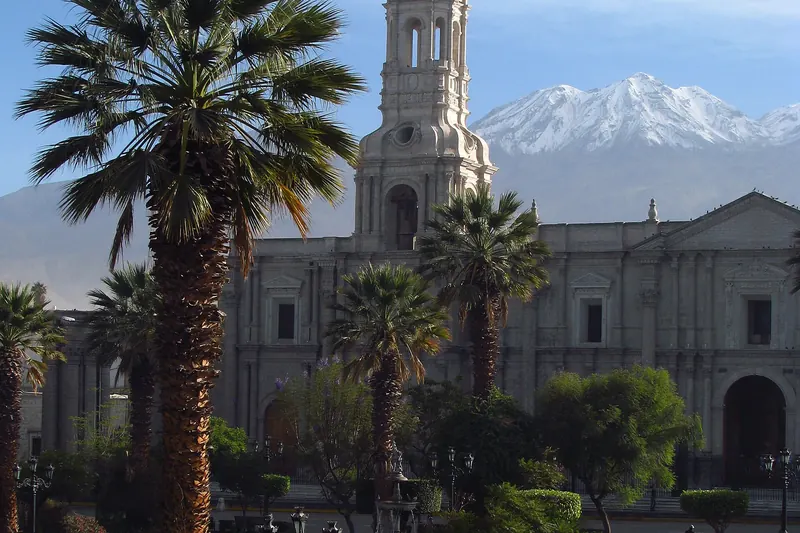
Peru's beautifully preserved white volcanic-stone city, paired with Colca Canyon, one of the world's deepest, and reliable Andean condor sightings.

Don't miss Watching an Andean condor rise on a thermal at eye level from Cruz del Cóndor, close enough to see every feather of its three-metre wingspan.

Explore Destination — Arequipa & Colca Canyon
HistoryUNESCO Site

The Nazca Lines

Ica Region

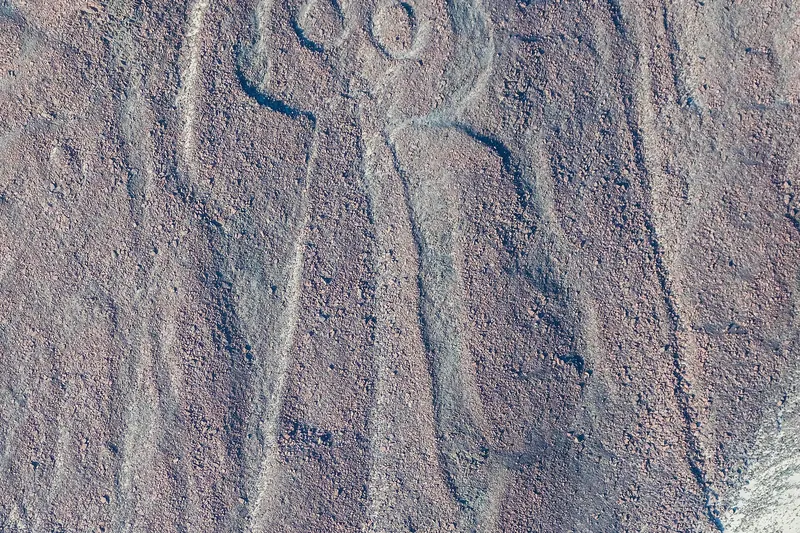
Massive ancient geoglyphs etched into Peru's southern desert, so large they're only fully legible from the air, and still not fully explained after a century of study.

Don't miss Watching the Hummingbird geoglyph resolve into perfect focus from a small plane window, a shape etched into the desert floor by people who never saw it from above.

Explore Destination — The Nazca Lines
DesertAdventure

Huacachina

Ica Region

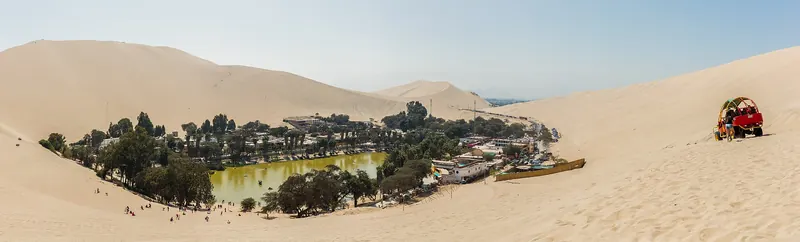
A small, genuine oasis village surrounded by towering desert dunes, built almost entirely around dune buggy rides, sandboarding and desert sunsets.

Don't miss Cresting a towering dune at sunset in a dune buggy, the whole oasis suddenly visible below, a tiny green circle in an ocean of sand.

Explore Destination — Huacachina
HikingNature & Wildlife

Rainbow Mountain

Cusco Region

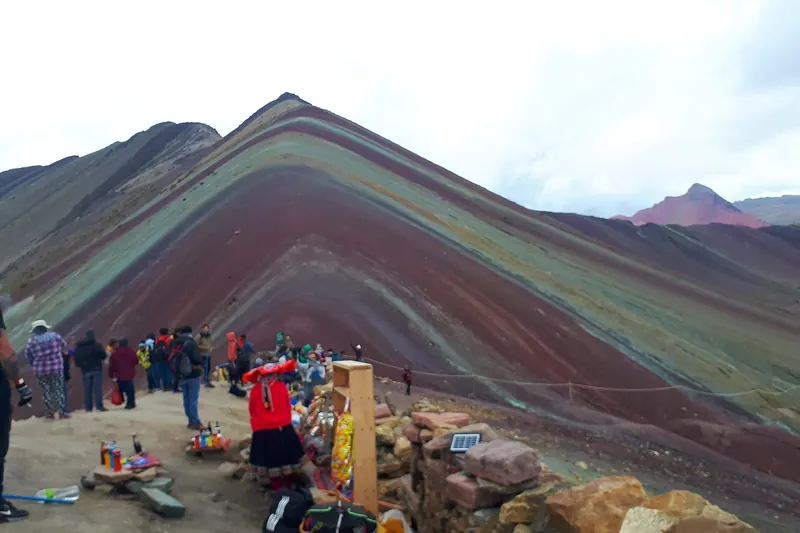
A real mineral-striped mountain at over 5,000 metres above sea level, its bands of colour among the most photographed natural sights in the Andes.

Don't miss Cresting the final ridge after hours of high-altitude hiking to see Vinicunca's full band of colours spread out below, more vivid in person than in any photo.

Explore Destination — Rainbow Mountain

Back to the Peru country page

FAQ

Planning a trip to Peru

How many days do you need in Peru?

Ten to fourteen days covers Lima, Cusco, the Sacred Valley, Machu Picchu and Lake Titicaca at a reasonable pace, which is the itinerary in this guide. Six days is enough for the highlights alone, and still worthwhile.

Is Machu Picchu worth the cost and effort?

Yes — it's one of the only major ancient wonders the Spanish conquest never found, and no photograph quite captures standing in the citadel itself.

Do you need to worry about altitude in Peru?

Yes, in Cusco and Puno especially — both sit above 3,300 metres, and rushing straight into activity without acclimatising is the most common visitor mistake.

When should I visit for the best weather?

May to September for the Andean dry season, offering the most reliable conditions for Machu Picchu, Cusco and Rainbow Mountain, though it's also the busiest and priciest time to visit.

Advertisement