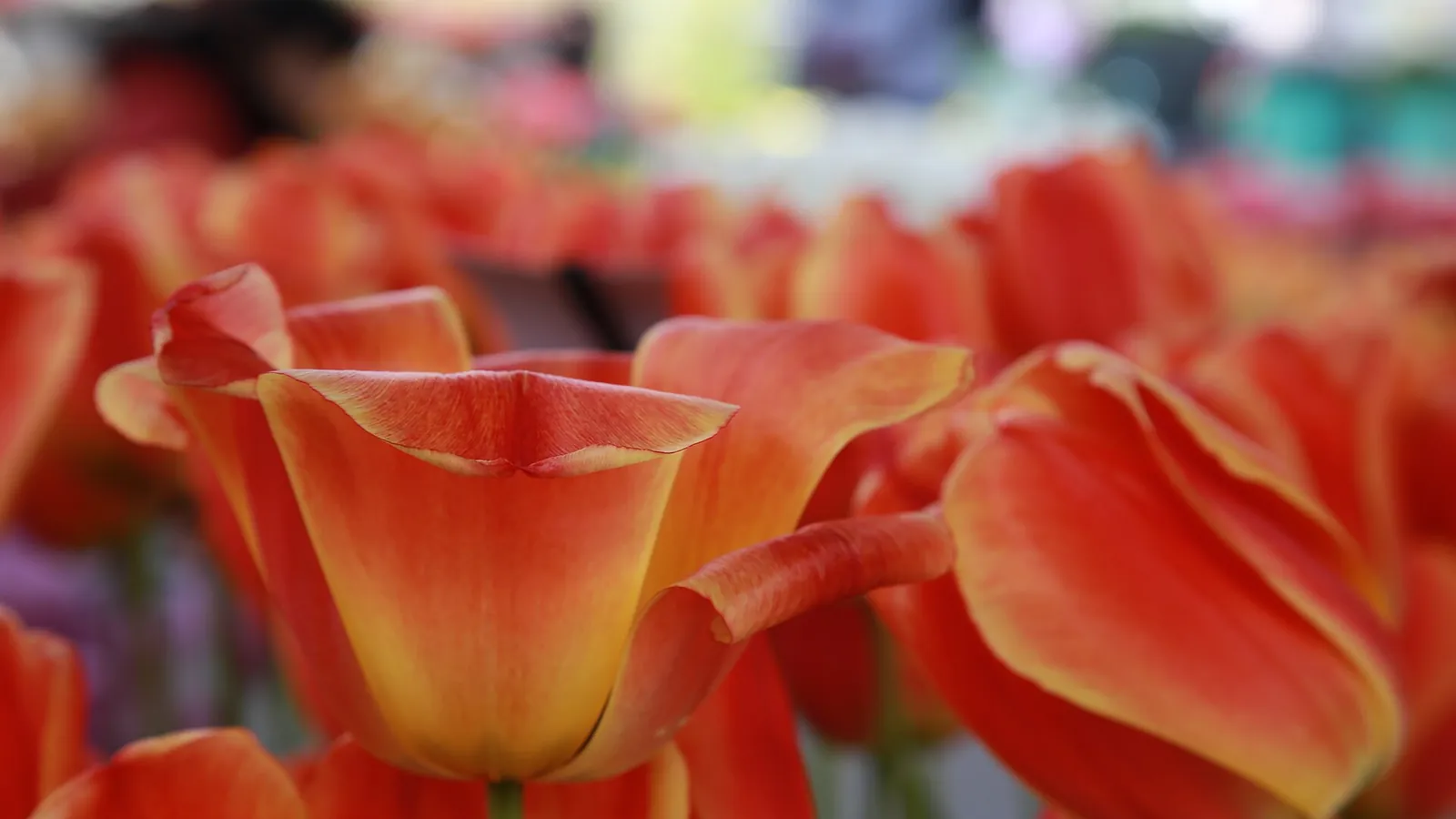
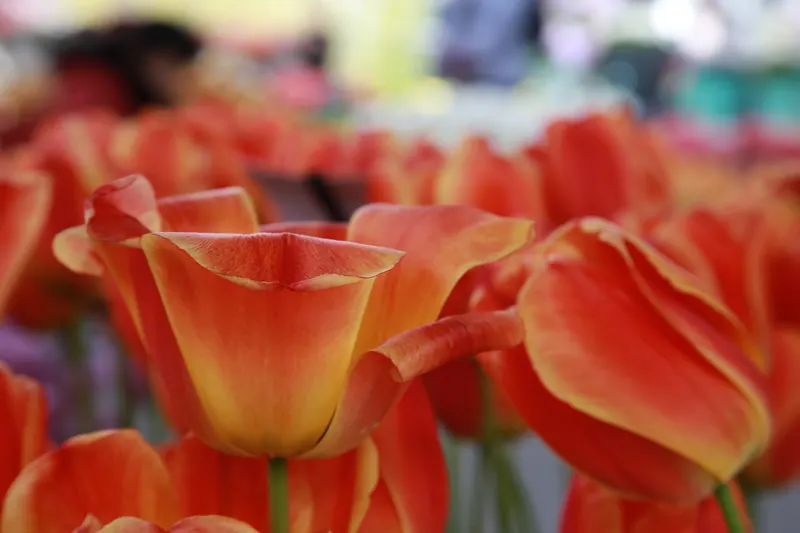
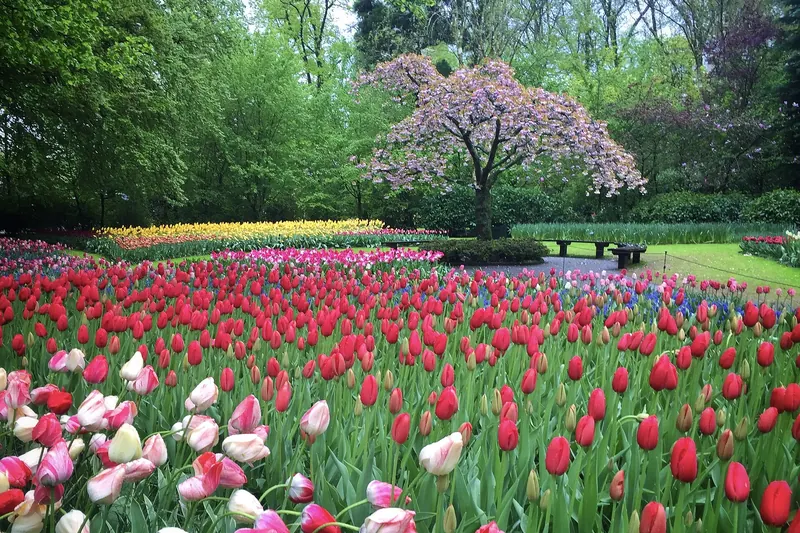
Rows of red and yellow tulips in bloom at Keukenhof gardens

South Holland (Lisse) · Netherlands

Keukenhof & the Bollenstreek

The world's largest flower garden, open only about eight weeks a year, surrounded by a patchwork of commercial bulb fields turned solid blocks of colour each spring.

  • Best time Mid-March to mid-May only — Keukenhof closes for the rest of the year
  • Stay Half a day to a full day (seasonal, roughly mid-March to mid-May only)
  • Good for Photography, flowers, a spectacular spring day trip

Photo: Dira0101 · CC BY-SA 4.0

Welcome to Keukenhof & the Bollenstreek

Keukenhof is the world's largest flower garden, planting over seven million bulbs fresh every autumn so that roughly 800 tulip varieties, alongside daffodils, hyacinths and other spring bulbs, bloom in careful, deliberate sequence across 32 hectares of historic parkland for about eight weeks each spring — and then the garden closes for the rest of the year.

The garden itself, designed as an English landscape park in 1857 by Jan David Zocher Jr., sits inside the Bollenstreek, the 'bulb region' stretching along the coast between Haarlem and Leiden, where commercial growers plant the fields that supply much of the world's tulip bulbs. Keukenhof is the curated, walkable showcase; the surrounding fields are the genuine working landscape, visible for kilometres in solid blocks of colour from the roads and cycle paths around Lisse.

Because Keukenhof only opens for a fixed spring window, timing is the whole story here — get the dates right and it is one of the most photographed sights in Europe; visit outside the season and there is comparatively little to see at all.

  • Nature & Wildlife
  • Scenic Region
  • Seasonal

Why visit

Why visit Keukenhof & the Bollenstreek?

Keukenhof's case is an unmatched concentration of spring bulb flowers, in a historic garden setting surrounded by the working fields that supply them.

  • It's the world's largest flower garden

    Over seven million bulbs, planted fresh each autumn, bloom across 32 hectares of historic parkland for a single spring window.

  • The surrounding fields are the real thing

    Unlike a purely curated garden, Keukenhof sits inside a genuine commercial bulb-growing region, visible at full scale from the surrounding roads and cycle paths.

  • The garden design is historic in its own right

    Jan David Zocher Jr.'s 1857 English landscape design still shapes the park's paths and woodland setting today.

  • It's an easy day trip

    Direct tourist buses run from Amsterdam and Schiphol Airport in season, no car required.

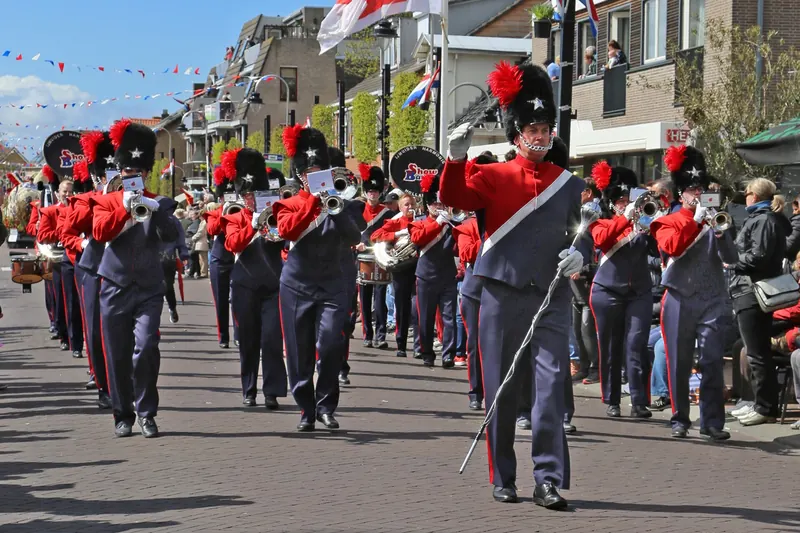
  • The Bloemencorso adds a genuine annual spectacle

    A flower parade of elaborately decorated floats passes through the Bollenstreek each April, timed to overlap with the garden's opening.

Main attractions

Top things to see in Keukenhof & the Bollenstreek

Keukenhof's essential sights are the garden itself and the working bulb-growing landscape immediately around it.

  1. Rows of red and yellow tulips in bloom at Keukenhof gardens

    The Keukenhof flower displays

    Over seven million bulbs, replanted fresh every autumn, bloom in carefully sequenced colour across the garden's 32 hectares, with different sections peaking at slightly different points through the roughly eight-week season.

    Tip Bloom timing varies within the season — daffodils and early tulips lead, with peak tulip colour usually mid-April.

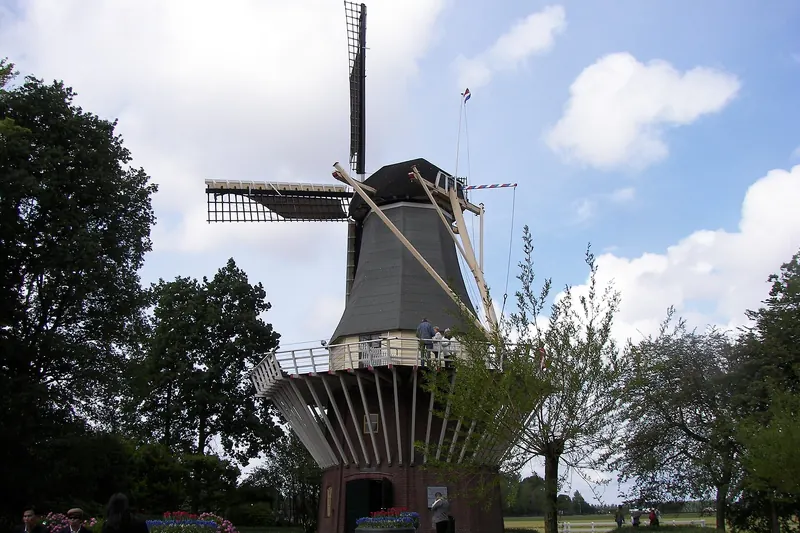
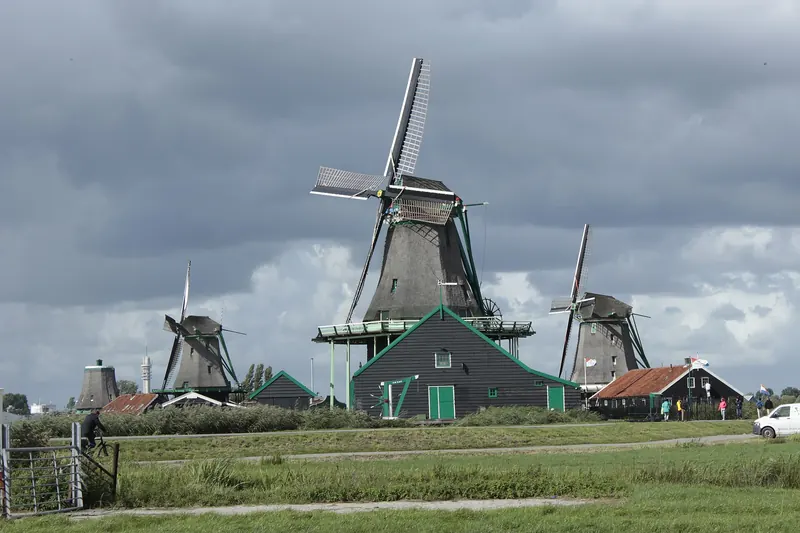
  2. A traditional windmill overlooking the tulip fields at Keukenhof

    The historic windmill

    A traditional Dutch windmill at the edge of the garden, offering the classic postcard combination of mill and tulip fields, with a viewing platform looking out over the surrounding Bollenstreek.

    Tip Climb the windmill's platform for the best overview of both the garden and the working fields beyond its boundary.

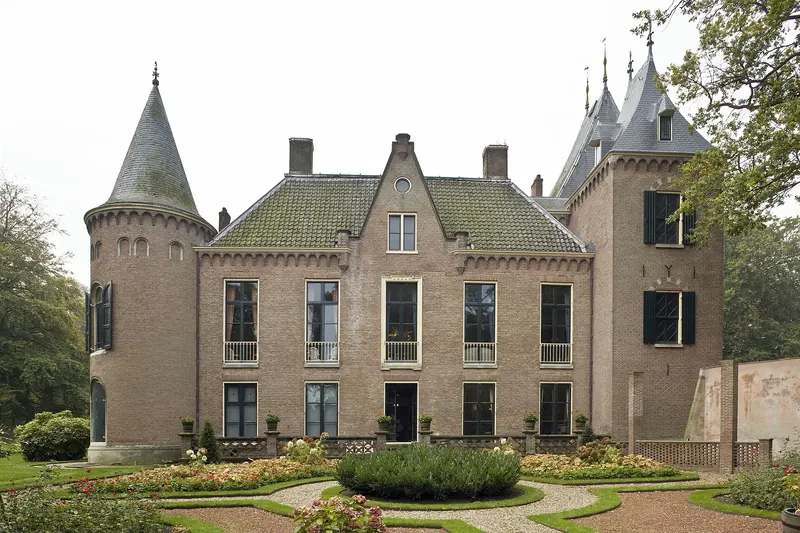
  3. Kasteel Keukenhof, the historic castle at the heart of the gardens

    Kasteel Keukenhof

    A historic castle at the centre of the grounds, its estate dating back to the 15th century, long before the surrounding bulb garden was ever planted.

    Tip The castle's own grounds and gardens are worth a slower look, distinct from the main bulb displays nearby.

  4. Rows of brightly coloured tulips stretching across a field in the Bollenstreek

    The Bollenstreek bulb fields

    The commercial growing region surrounding Keukenhof, its fields stretching to the horizon in solid blocks of single-colour tulips, visible from the roads and cycle paths around Lisse, Sassenheim and Noordwijk.

    Tip A short cycle or drive outside the garden itself gives a different sense of scale from the curated displays inside.

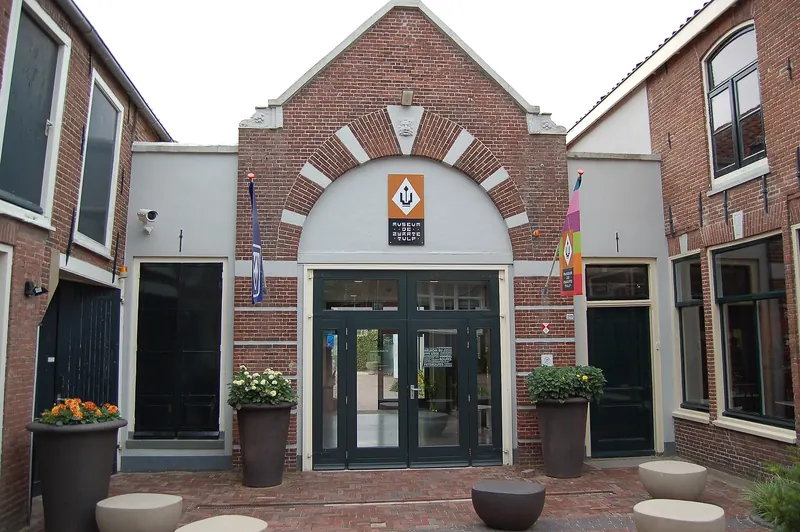
  5. Museum de Zwarte Tulp, the bulb-growing history museum in Lisse

    Museum de Zwarte Tulp

    A small museum in nearby Lisse dedicated to the region's bulb-growing history, including the story of 'tulip mania', the speculative 17th-century bulb trade that briefly made single tulip bulbs worth more than houses.

    Tip A worthwhile rainy-day or off-season stop for context the garden itself doesn't provide.

  6. Flower displays inside one of Keukenhof's indoor pavilions

    The themed flower pavilions

    Several indoor exhibition halls extend the garden's displays with arranged cut-flower shows and themed exhibitions, useful shelter on a rainy day without losing the flowers themselves.

    Tip The pavilions rotate their exhibitions through the season — worth a look even for visitors focused mainly on the outdoor gardens.

Things to do

Best things to do in Keukenhof & the Bollenstreek

Keukenhof rewards getting out into the wider bulb-growing landscape, not just the garden's paths.

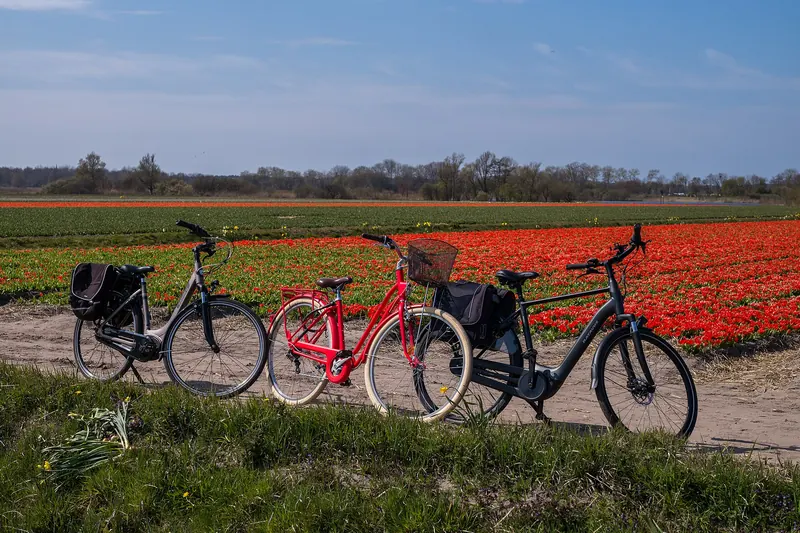
  1. Cycling paths running alongside tulip fields near Keukenhof

    Cycle through the surrounding bulb fields

    Dedicated cycle paths wind through the working fields around Lisse, Sassenheim and Noordwijk, giving a scale and perspective the garden alone can't.

    Tip Bike rental is available right at Keukenhof's entrance — a popular way to extend a visit beyond the garden itself.

  2. An elaborately decorated flower float at the Bloemencorso Bollenstreek parade

    See the Bloemencorso flower parade

    An annual parade of elaborately flower-covered floats passes through the Bollenstreek each April, timed to overlap with Keukenhof's opening season.

    Tip Check the current year's exact parade date and route well ahead — it runs on a single specific day, not throughout the season.

  3. The windmill at Keukenhof surrounded by blooming tulip fields

    Photograph the windmill among the tulips

    The combination of windmill and tulip fields is the classic Dutch postcard image, and Keukenhof's own mill delivers it without needing to travel elsewhere.

    Tip Morning light, before the garden gets busy, gives the best photos with the fewest people in frame.

  4. Take a canal boat through the gardens

    Small boats run through some of Keukenhof's waterways in season, offering a lower, different vantage point on the flower displays than walking alone.

    Tip Boat tours run seasonally and can queue up on busy days — check current availability at the entrance.

  5. Buy export-certified bulbs to take home

    Several stands at Keukenhof and in the surrounding towns sell bulbs with export certification, letting visitors legally bring tulip bulbs back through customs.

    Tip Check your home country's import rules before buying — certification requirements do vary.

  6. The grounds of Kasteel Keukenhof castle within the gardens

    Visit Kasteel Keukenhof's grounds

    The historic castle's own gardens predate the bulb displays by centuries, a quieter counterpoint to the main garden's crowds.

    Tip Worth a slower loop specifically for visitors who've already seen the main tulip displays and want a change of pace.

Local food

What to eat in Keukenhof & the Bollenstreek

Food at Keukenhof and in the surrounding Bollenstreek towns runs on the same genuine Dutch classics found across the country.

  • Stroopwafels, thin waffles filled with caramel syrup

    Stroopwafel

    Two thin waffles sandwiching a gooey caramel syrup filling, sold fresh and warm from stalls inside the garden.

    Where to try it Food stalls throughout the Keukenhof grounds.

  • Poffertjes, small fluffy Dutch pancakes, dusted with powdered sugar

    Poffertjes

    Small, fluffy mini pancakes, a beloved Dutch treat, traditionally dusted with powdered sugar and a knob of butter.

    Where to try it Café stands inside the garden and in nearby Lisse.

  • A plate of bitterballen, deep-fried Dutch meat croquettes, with mustard

    Bitterballen

    Deep-fried, breadcrumbed balls of a rich beef ragout, the classic accompaniment to a beer at any of the garden's cafés.

    Where to try it Café pavilions within Keukenhof.

  • Wheels of Gouda cheese on display

    Gouda cheese

    The Netherlands' most famous export, widely sold in nearby Lisse and a natural souvenir to pair with a tulip-season visit.

    Where to try it Shops in Lisse and around Keukenhof's entrance.

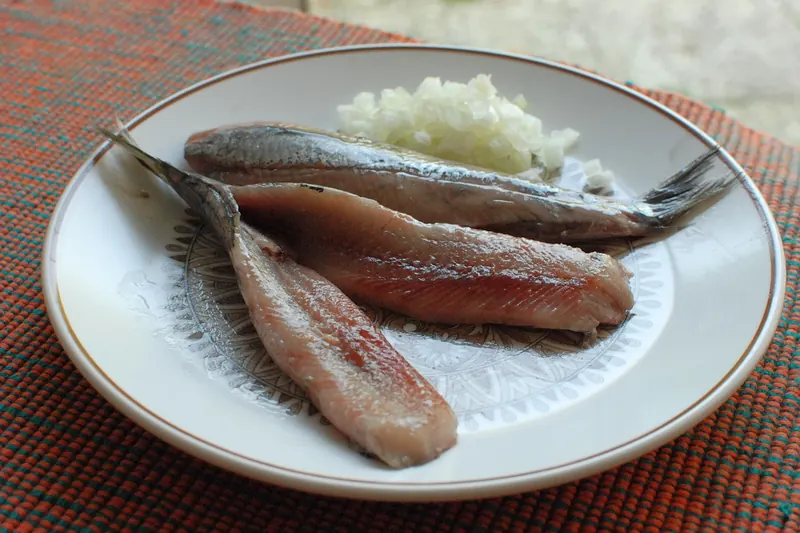
  • Raw Dutch herring served with chopped onion

    Haring (raw herring)

    Lightly cured raw herring, traditionally eaten by the tail with chopped onion — a genuine Dutch institution found at stalls in the nearby towns.

    Where to try it Herring stalls in Lisse and the surrounding Bollenstreek towns.

  • A portion of Dutch fries (patat) in a paper cone

    Patat (Dutch fries)

    Twice-fried potato chips served in a paper cone, defined by the sauce — mayonnaise, not ketchup, is the default order.

    Where to try it Friteries in Lisse and food stands around Keukenhof.

Accommodation

Where to stay in Keukenhof & the Bollenstreek

Most visitors see Keukenhof as a day trip rather than staying overnight nearby, basing themselves in Amsterdam or Leiden instead.

  • Amsterdam

    About 30–40 minutes away with direct tourist buses in season — the most common base.

    Best for: Combining Keukenhof with a wider Netherlands trip

  • Leiden

    A pleasant university city about 20 minutes from Keukenhof, with its own worthwhile old town.

    Best for: A closer, quieter base

  • Lisse itself

    A handful of small hotels and B&Bs in the town immediately surrounding Keukenhof, useful for an early-morning entry.

    Best for: The shortest possible commute to the gardens

What a night costs

Keukenhof entry ticket
About €22, book online in advance
Return bus from Amsterdam (combi-ticket)
About €35–40
Bike rental at the entrance
€10–15 per day
Lunch at a garden café
€12–20

Transport

Getting to and around Keukenhof & the Bollenstreek

Keukenhof has no train station of its own, but direct tourist buses in season make it easy to reach without a car.

Getting there

  • Direct bus from Amsterdam or Schiphol

    Dedicated Keukenhof Express buses run directly from Amsterdam and Schiphol Airport during the season, taking about 30–40 minutes.

    Combined bus-and-entry tickets, bought online ahead, are the simplest way to visit without a car.

  • Bus from Leiden

    Regular buses connect Leiden's train station to Keukenhof in about 20 minutes.

    Leiden itself connects easily by train to Amsterdam, Rotterdam and The Hague, making it a convenient transfer point.

  • Rental car

    Driving gives the most flexibility for exploring the wider Bollenstreek bulb fields beyond the garden itself.

    Parking is available on site, though it fills early on the busiest spring weekends.

Getting around

Keukenhof's garden itself is entirely walkable; the surrounding bulb fields are best explored by bike or car.

  • Walking

    The full garden is comfortably covered on foot within a few hours, with clearly marked paths through all the main displays.

    Paths can get crowded at midday on the busiest spring weekends — early or late visits are noticeably quieter.

  • Cycling

    Rental bikes at the entrance are the best way to see the surrounding commercial bulb fields beyond the garden's boundary.

    Dedicated cycle paths run throughout the Bollenstreek region around Lisse, Sassenheim and Noordwijk.

When to go

Best time to visit Keukenhof & the Bollenstreek

Timing here is the entire story: the garden opens for a fixed roughly eight-week window each spring and closes completely the rest of the year.

  • Late March–early April

    Good

    Daffodils and early tulips lead the display, worthwhile though not yet at full tulip colour.

  • Mid-April

    Best time

    Peak tulip bloom across most of the garden and the surrounding fields — the single best and busiest window of the year.

  • Late April–mid-May

    Good

    Later-blooming varieties take over as early tulips fade, still worthwhile with noticeably thinner crowds.

  • Mid-May–March

    Think twice

    Keukenhof is closed for the rest of the year — there is comparatively little to see at the site outside the open season.

Worth planning around: Don't plan a visit outside the published opening dates — check the current season's exact dates well ahead, since they shift slightly year to year with the weather.

Itinerary

One day at Keukenhof and the Bollenstreek

The garden and surrounding fields cover the essentials comfortably within a single day trip.

  1. Day1

    The gardens and the working fields

    The complete essential visit, garden and countryside combined.

    • Morning Arrive early at Keukenhof to see the main displays before the midday crowds.
    • Afternoon Rent a bike and ride out into the surrounding bulb fields around Lisse.
    • Evening Return to Amsterdam or Leiden for the night.

Travel tips

Keukenhof & the Bollenstreek travel tips

Practical notes on timing and booking that make a real difference to a Keukenhof trip.

  • Check the current season's exact opening dates before planning — Keukenhof is only open roughly mid-March to mid-May, and dates shift slightly each year.
  • Book entry tickets, and ideally a combined bus ticket, online well ahead — this is the single busiest short-season attraction in the Netherlands.
  • Arrive right at opening time for noticeably quieter paths — the garden fills up considerably by mid-morning.
  • Check a current bloom forecast if a specific flower or colour matters to you, since different varieties peak at different points in the season.
  • Rent a bike at the entrance to see the surrounding working bulb fields, not just the curated garden.
  • Check the current year's Bloemencorso parade date if you want to combine your visit with the flower parade.

FAQ

Keukenhof & the Bollenstreek: frequently asked questions

When is Keukenhof open?

Only for about eight weeks each spring, roughly mid-March to mid-May, with exact dates shifting slightly year to year. It is closed the rest of the year, so checking current dates before planning a trip is essential.

How many days do you need at Keukenhof?

Half a day covers the garden itself; a full day allows time to also cycle out into the surrounding Bollenstreek bulb fields, which are worth seeing at their uncropped, working scale.

Is Keukenhof worth visiting outside tulip season?

No — the garden closes completely outside its roughly eight-week spring window, and there is comparatively little to see at the site itself the rest of the year.

Do you need a car to visit Keukenhof?

No — direct tourist buses run from Amsterdam and Schiphol Airport throughout the season, and combined bus-and-entry tickets are widely available online.

What is the Bloemencorso?

An annual flower parade of elaborately decorated floats that passes through the Bollenstreek region each April, timed to overlap with Keukenhof's opening season — check the current year's specific date, since it runs on a single day.

Can I bring tulip bulbs home from Keukenhof?

Yes, generally — several stands at the garden and in nearby towns sell bulbs with export certification for international travel, though it's worth checking your home country's specific import rules beforehand.

Read next

Related travel articles

Practical

Packing by Season and Trip Type

Most packing advice is a list of things. This is the opposite: the small number of decisions that determine whether your luggage helps or hinders, organised by the kind of trip you are actually taking.

Where to go

Beyond the Big Names: Places Worth the Detour

The most visited place in a country is rarely its best, and it is almost never its best value. This is a method for finding the destinations that do not make the postcards — and a set of examples from five of the 50 countries on this site.

Advertisement