Gabled canal houses lining a tree-shaded Amsterdam canal

Netherlands · Travel guide

The Complete Netherlands Travel Guide

Canal cities, windmills and tulip fields in a country built below sea level

  • Reading time 13 min read
  • Covers 10 destinations
  • Updated 2026

Photo: Ank Kumar · CC BY-SA 4.0

How to plan a Netherlands trip: which cities to prioritise, how to get around by train and bike, when to go for tulip season, what it costs, and a practical ten-day itinerary.

How the Netherlands divides

The Netherlands is small and dense enough that most visitors base themselves in the Randstad — the ring of cities in the west — and treat everywhere else as a day or overnight trip from there.

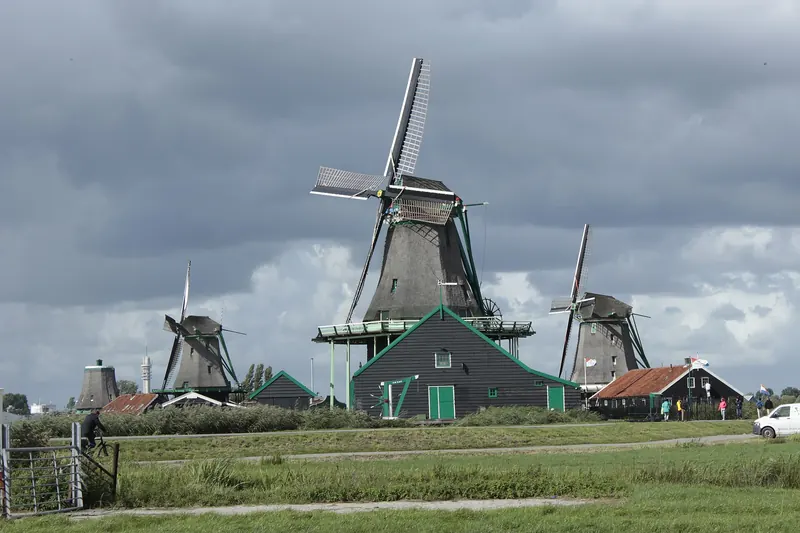
Amsterdam and its day trips. Amsterdam itself, the country's canal-ringed capital, alongside easy trips to the windmill village of Zaanse Schans and, in season, the tulip fields around Keukenhof.

The southern Randstad cities. Utrecht's wharf-level canals, Delft's Vermeer-era old town and pottery tradition, The Hague's government quarter and Mauritshuis, and Rotterdam's rebuilt, experimental modern skyline — all close together by train.

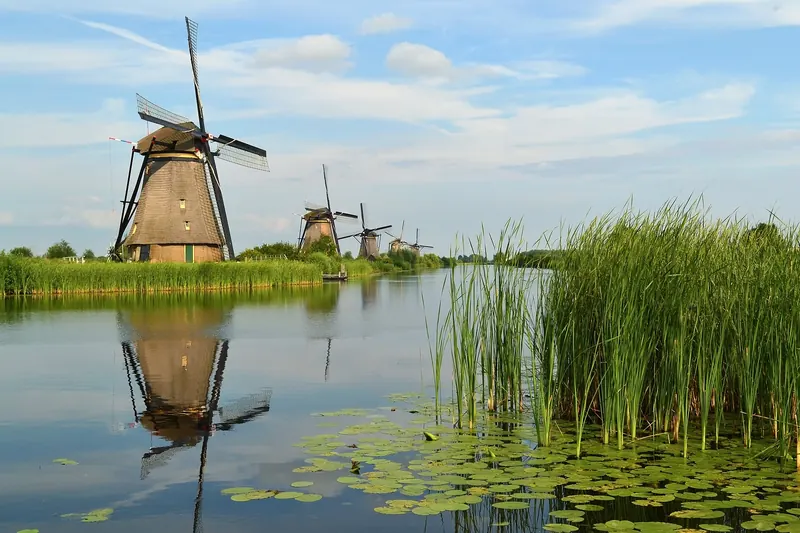
The UNESCO windmill landscape. Kinderdijk, a short trip from Rotterdam, holds the country's most complete and famous surviving windmill network.

The quieter south and northeast. Maastricht, in the far south, carries a different, more Burgundian character than the rest of the country, and the car-free canal village of Giethoorn sits well off the main Randstad route.

Worth knowing: The practical unit for a first trip is Amsterdam plus the southern Randstad cities, not an attempt at the whole country. The train network makes this corridor easy; Giethoorn and Maastricht each reward dedicated time of their own.

Choosing between the ten destinations

  • If this is your first trip

    Amsterdam, Utrecht and Delft, connected by train. Four nights in Amsterdam with day trips, two in Utrecht or Delft. It is the standard route because it works: the capital's canals and museums, plus two smaller cities that feel different from it, no car required.

  • If you want the UNESCO windmill landscape

    Kinderdijk, the most complete and famous surviving windmill network in the country, an easy day trip from Rotterdam.

  • If you're visiting for tulip season

    Keukenhof and the surrounding bulb fields, roughly mid-March to mid-May — book well ahead, since this is the single busiest window of the year.

  • If you want striking modern architecture

    Rotterdam, rebuilt almost entirely after 1940 and now a genuine showcase for experimental Dutch design, from the Cube Houses to the Markthal.

  • If you want a different side of the country

    Maastricht for a more Burgundian, southern European feel, or Giethoorn for a car-free village of thatched farmhouses and canals.

  • If you want art and government history

    The Hague for the Mauritshuis and the Binnenhof, the seat of Dutch government since the 13th century.

Getting around: trains, bikes, and one common mistake

The Netherlands' train network makes the Randstad cities easy to combine. NS intercity trains connect Amsterdam, Utrecht, The Hague, Delft and Rotterdam in well under an hour each.

Get an OV-chipkaart or use a contactless card. It covers trains, trams, buses and metros nationwide — no separate tickets needed for city transit.

Rent a bike for at least a day. Cycling infrastructure here is the best in the world, and it's the way locals actually get around every city in this guide.

Don't drive into central Amsterdam. Parking is scarce and expensive, and the city's compact size and excellent transit make a car unnecessary — pick one up only if heading to Giethoorn or the countryside.

Regional trains and buses reach the day trips easily. Zaanse Schans, Kinderdijk and Keukenhof are all straightforward without a car, with dedicated tourist buses to Keukenhof in season.

Never stand in the bike lanes. The red-paved cycle paths carry fast, serious commuter traffic — stepping into one without looking is a real safety risk, not just an inconvenience to cyclists.

Worth knowing: Book the train or flight for your last leg back to Amsterdam with real slack before an international departure. Dutch trains are reliable but not immune to occasional delays, particularly around Schiphol.

When to go

The Netherlands' weather is changeable in every season, which makes 'the best time' more about what you want to see than any guarantee of sunshine. Two windows generally work best: April to May and June to August.

Spring brings the tulip fields and Keukenhof to their genuine peak, alongside mild, increasingly warm temperatures — the single most popular window of the year, and the one to book furthest ahead.

Summer offers the warmest weather and the longest daylight hours, with canal-side café culture in full swing. It is also the most crowded and expensive stretch of the year in Amsterdam specifically.

Autumn, especially September, keeps reasonably mild weather while crowds and prices ease meaningfully — an underrated window for the museums and cities.

Winter stays cold, grey and often windy, though Christmas markets and, in a genuine cold snap, skating on frozen canals offer a different, quieter kind of charm.

Worth knowing: Keukenhof only opens for about six to eight weeks each spring — check the current season's exact dates well ahead, since they shift slightly year to year.

Costs and what you must book

Mid-range travel in the Netherlands runs roughly €110–180 per person per day, with Amsterdam specifically adding a premium over the rest of the country. Backpacking works at €60–90; comfortable travel with good hotels and private tours runs €220–350+.

Card payment is the default. Many smaller shops and even some markets no longer accept cash at all — carry a contactless card rather than relying on cash reserves.

Book ahead, without exception: Keukenhof and central Amsterdam accommodation for the April–May tulip season, the Anne Frank House and Van Gogh Museum for any season, and Alfa-style intercity fares for the best prices.

Rent a bike rather than relying on taxis — it's both cheaper and the more authentic way to get around any Dutch city.

Small savings that add up: brown cafés over tourist-strip restaurants, regional trains over taxis, and travelling in September rather than peak summer for meaningfully lower accommodation prices.

Culture, directness and how cycling etiquette actually works

Dutch culture is shaped by a genuine tradition of directness, egalitarianism and practical efficiency, with a handful of broadly shared norms holding nationwide.

Directness is a genuine cultural norm, not rudeness. Blunt, plainly stated opinions are standard here — visitors from more indirect cultures sometimes misread this as unfriendliness.

The bike lanes are serious infrastructure. Red-paved cycle paths carry fast-moving commuter traffic — always look both ways before stepping into one, even briefly.

Splitting the bill is completely normal. 'Going Dutch' originates here, and splitting a restaurant bill evenly is standard practice rather than considered awkward.

Coffeeshops and cafés are different things. A coffeeshop sells cannabis; a café or koffiehuis serves regular coffee — useful to know before walking in expecting a cappuccino.

Finally, take Sunday closing hours into account when planning outside central Amsterdam — many smaller shops keep more limited hours or close entirely on Sundays.

Four routes that work

  1. Four days: the classic Amsterdam city break

    Three or four nights in Amsterdam, with a day trip to Zaanse Schans. The most trodden route in the Netherlands and still the right first trip — canals, museums and a windmill village, no car required.

    Tip Book the Anne Frank House and Van Gogh Museum online the moment your dates are confirmed — both sell out days or weeks ahead in season.

  2. Ten days: the full Randstad route

    The itinerary on the Netherlands country page: Amsterdam, Zaanse Schans, Utrecht, Delft, The Hague, Rotterdam and Kinderdijk. Adds the southern cities and the UNESCO windmills to the classic Amsterdam-first route.

    Tip Base yourself in Utrecht or Rotterdam for a night or two rather than day-tripping everything from Amsterdam — it cuts down on backtracking.

  3. A week for tulip season

    Amsterdam as a base, with a dedicated day at Keukenhof and the surrounding bulb fields, plus Zaanse Schans and Utrecht to round out the week.

    Tip Check a current bloom forecast and book Keukenhof tickets for a specific date well ahead — this window sells out fastest of the whole year.

  4. A long weekend in Maastricht or Giethoorn

    Maastricht or Giethoorn as a self-contained trip, distinct enough from the Randstad cities to justify a dedicated few days on their own.

    Tip Both are a realistic weekend from Amsterdam by train, though a rental car makes Giethoorn's surrounding villages easier to combine.

Reference

The 10 destinations in this guide

Every place named above has its own detailed guide — attractions, food, where to stay, how to get around and a suggested day-by-day plan.

Capital CityMajor City

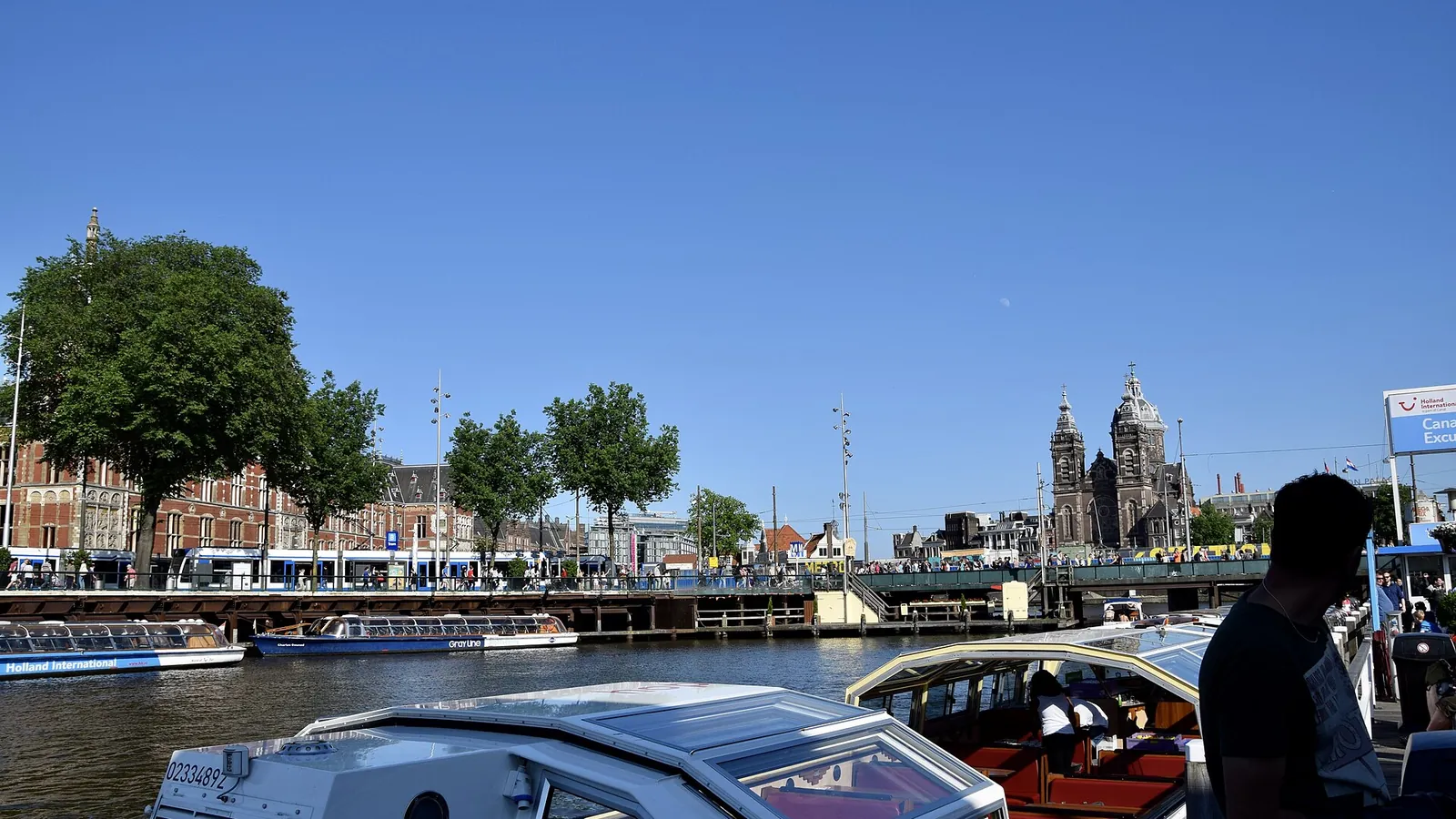
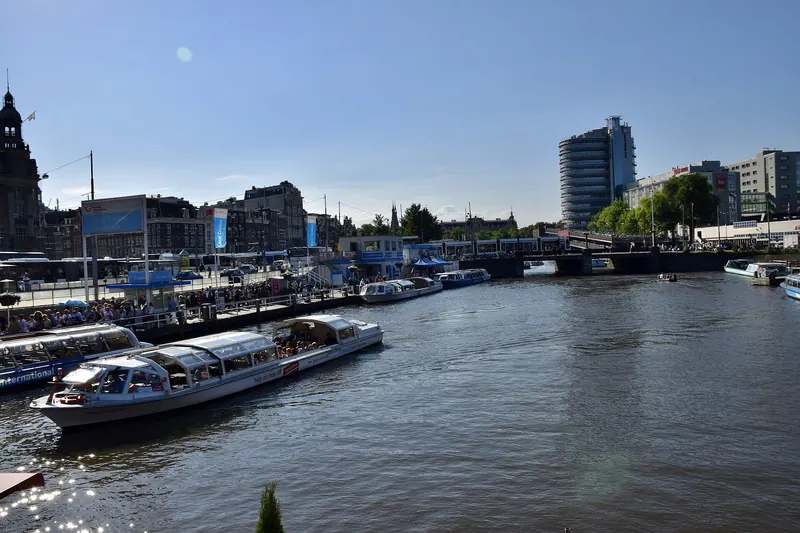
Amsterdam

North Holland

The Netherlands' canal-ringed capital, its UNESCO-listed waterways, world-class museums and cycling culture packed into a walkable centre.

Don't miss The canal ring at dusk, gabled townhouses lit from within reflecting in still water as cyclists cross humpbacked bridges.

Explore Destination — Amsterdam
Major CityCulture Arts

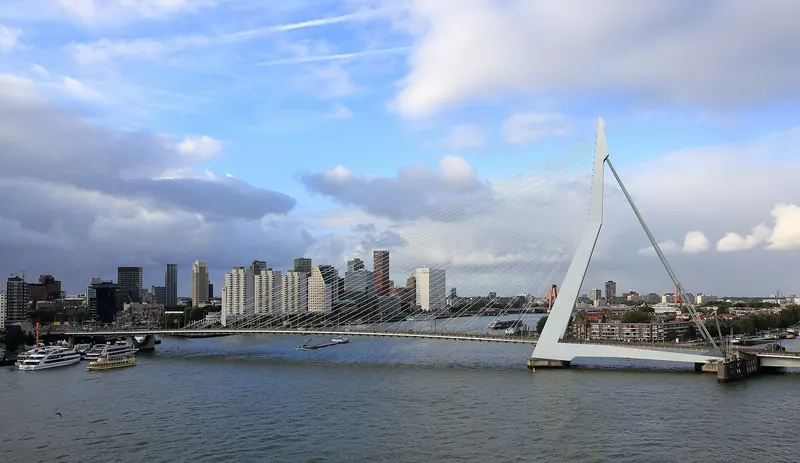
Rotterdam

South Holland

The Netherlands' bold, rebuilt second city, its Cube Houses, Markthal and cable-stayed Erasmusbrug forming one of Europe's most striking modern skylines.

Don't miss The Cube Houses tilted at 45 degrees above the Blaak, a disorienting piece of 1980s architecture that still functions as ordinary housing.

Explore Destination — Rotterdam
Major CityCulture Arts

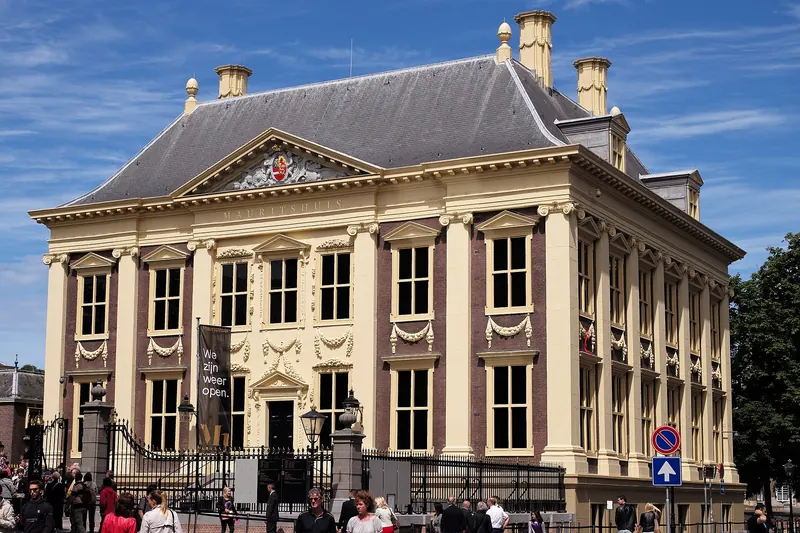
The Hague

South Holland

The Netherlands' seat of government and international law, its Mauritshuis art collection and Scheveningen beach giving it a different pace from Amsterdam.

Don't miss Vermeer's Girl with a Pearl Earring at the Mauritshuis, a small painting that draws a disproportionate crowd of admirers to a quiet corner of one room.

Explore Destination — The Hague
Major CityHistoric Site

Utrecht

Utrecht

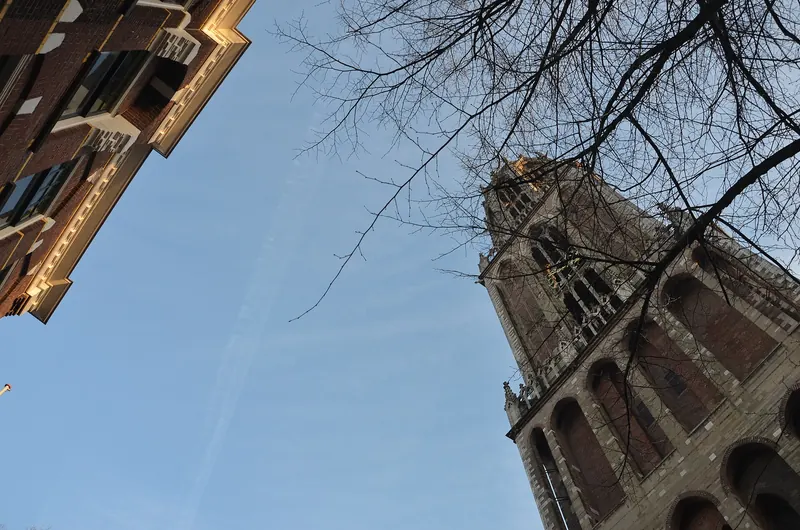
The Netherlands' fourth city, its uniquely two-level canal system and medieval Dom Tower making it a distinct alternative to Amsterdam.

Don't miss An evening drink on a wharf-level terrace along the Oudegracht, boats gliding past at eye level as the street traffic passes unseen a storey above.

Explore Destination — Utrecht
Historic SiteCulture Arts

Delft

South Holland

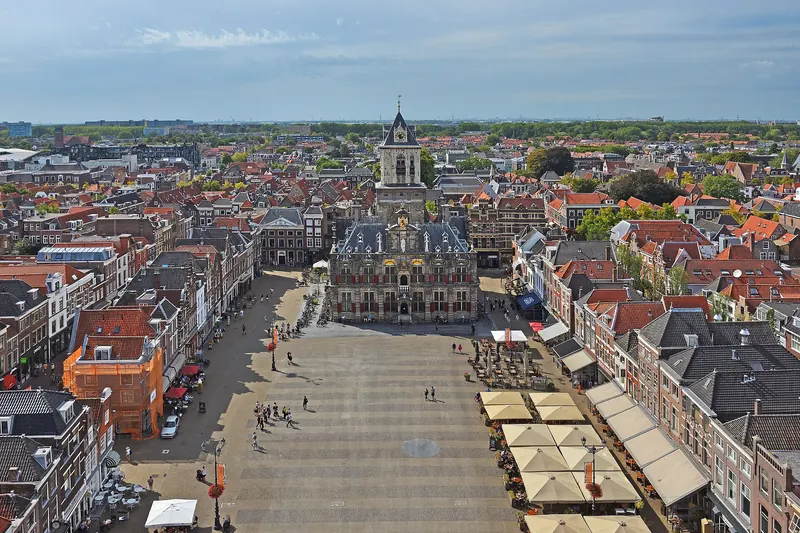
A compact, well-preserved canal city, home to Vermeer, Delftware pottery and one of the Netherlands' most beautiful market squares.

Don't miss The Markt square at dusk, the Nieuwe Kerk's spire catching the last light exactly as it does in countless 17th-century paintings of the same view.

Explore Destination — Delft
Nature & WildlifeScenic Region

Keukenhof & the Bollenstreek

South Holland (Lisse)

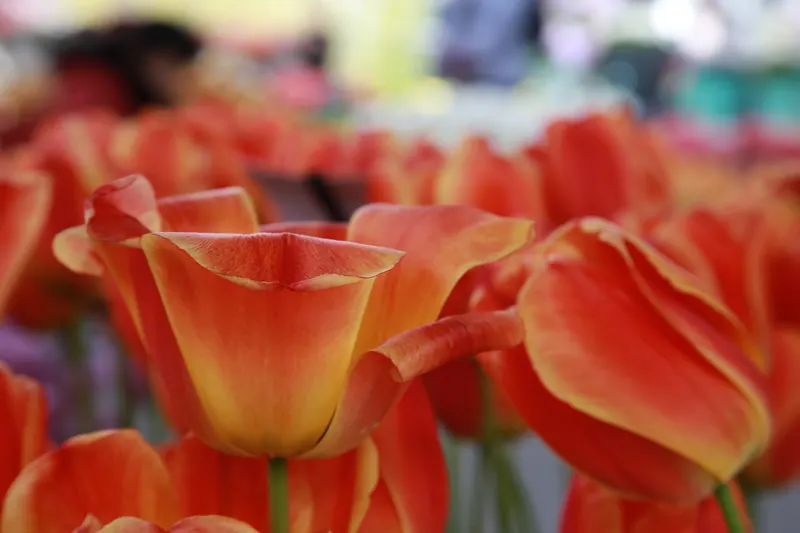
The world's largest flower garden, open only in spring, surrounded by the Bollenstreek's commercial tulip fields at their genuine, uncropped scale.

Don't miss A path through Keukenhof's historic woodland suddenly opening onto a river of thousands of tulips in a single colour, planted fresh every autumn for exactly this moment.

Explore Destination — Keukenhof & the Bollenstreek
Off the Beaten PathScenic Region

Giethoorn

Overijssel

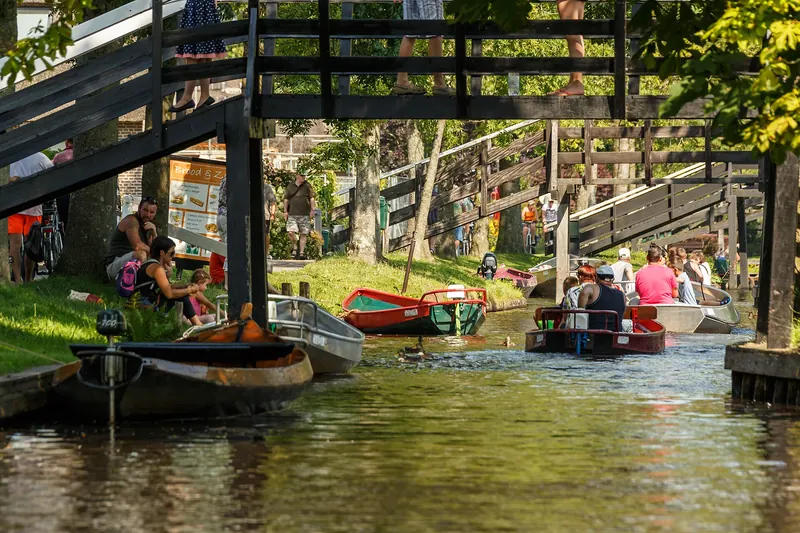
A car-free canal village in rural Overijssel, its thatched farmhouses and wooden footbridges reachable only by boat or on foot.

Don't miss Piloting a silent electric 'whisper boat' along a quiet stretch of canal, thatched farmhouses and private wooden footbridges passing on either side.

Explore Destination — Giethoorn
Historic SiteScenic Region

Zaanse Schans

North Holland

A collection of genuine historic windmills and green wooden houses on the Zaan river, an easy and worthwhile day trip from Amsterdam.

Don't miss A row of working windmills turning above the Zaan river, their sails catching the same wind that once powered an entire industrial region.

Explore Destination — Zaanse Schans
Historic SiteCulture Arts

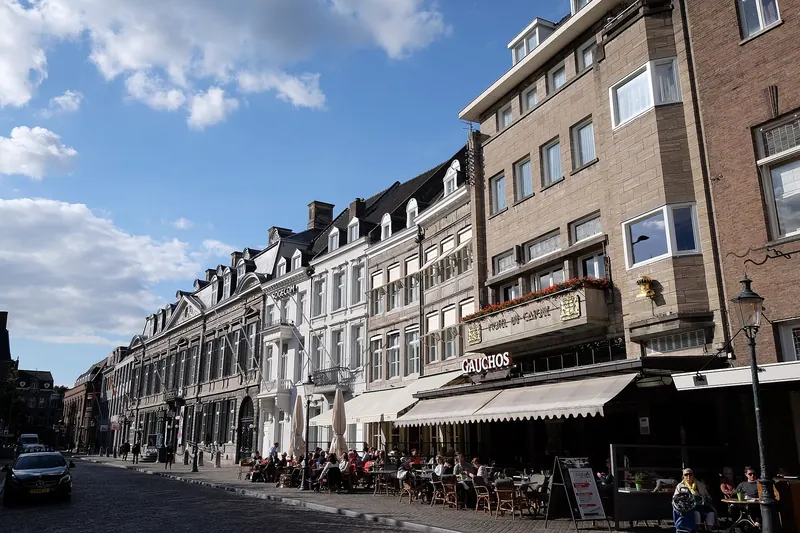
Maastricht

Limburg

The Netherlands' southernmost major city, its Roman history, limestone cave network and relaxed border-town character setting it apart from the rest of the country.

Don't miss A coffee on the Vrijthof's wide square terraces, the twin towers of St. Servatius Basilica and St. John's Church framing a scene that feels more Belgian or French than Dutch.

Explore Destination — Maastricht
UNESCO SiteHistoric Site

Kinderdijk

South Holland

A UNESCO World Heritage windmill network of 19 mills, still part of the water system that keeps the surrounding polder dry.

Don't miss The full row of 19 windmills reflected in still water at sunset, a working water-management system that happens to be one of the most photographed sights in the Netherlands.

Explore Destination — Kinderdijk

Back to the Netherlands country page

FAQ

Planning a trip to Netherlands

How many days do you need in the Netherlands?

A week covers Amsterdam plus two or three nearby cities comfortably. Ten days allows the fuller Randstad route with Kinderdijk and, in season, a Keukenhof detour.

What's the best first-time Netherlands itinerary?

Amsterdam, Utrecht and Delft, connected by train — the classic route because it works, pairing the capital's canals and museums with two smaller cities that feel different from it.

Do you need a car in the Netherlands?

No. The train network covers every major destination in this guide efficiently, and cycling or walking covers city-centre distances. A car mainly helps for Giethoorn or a flexible countryside tour.

When should I visit for the tulip fields?

Roughly mid-March to mid-May, peaking in April, though exact bloom dates shift with the weather each year — check Keukenhof's current-season forecast before booking specific dates.

Advertisement