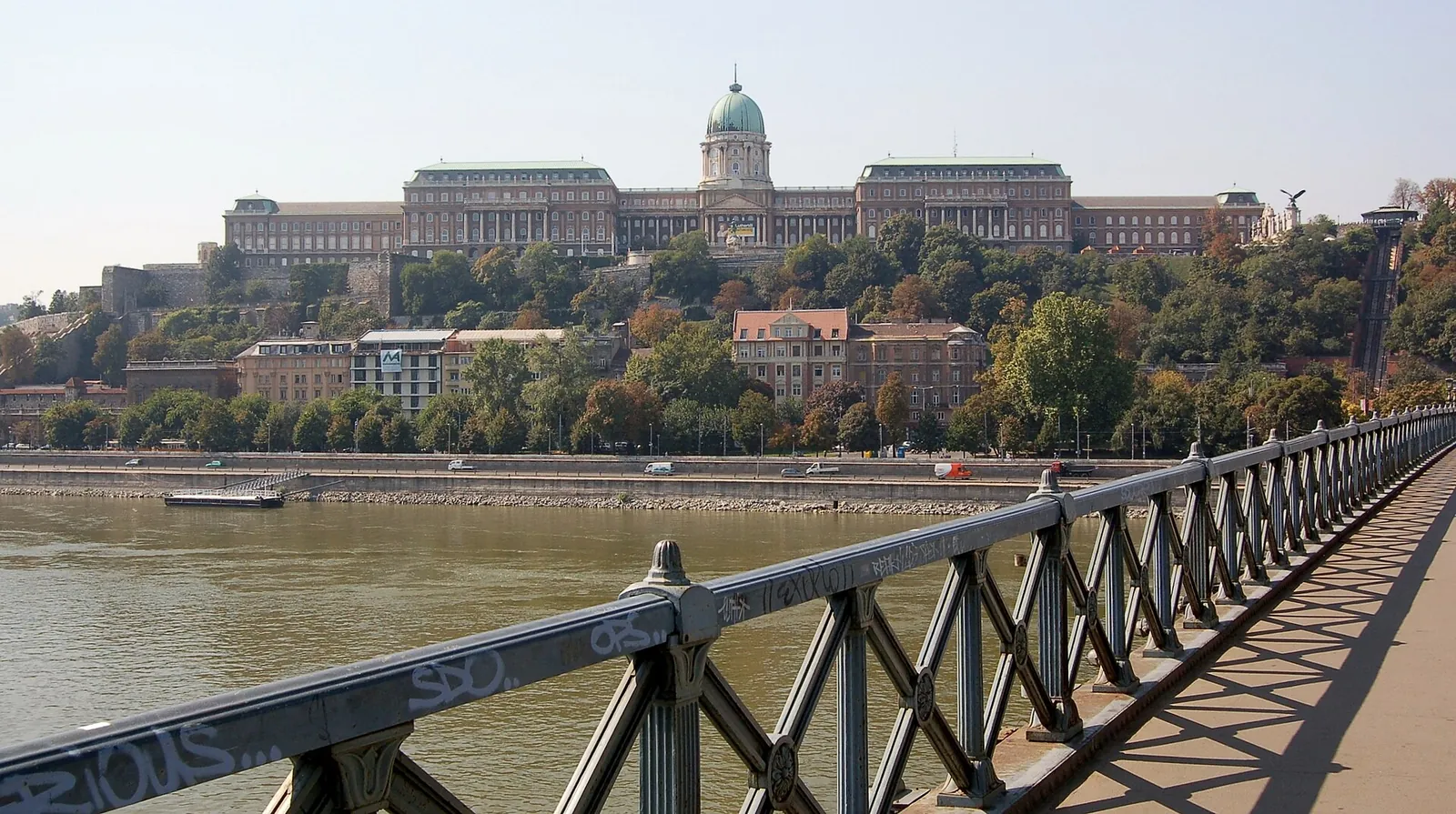
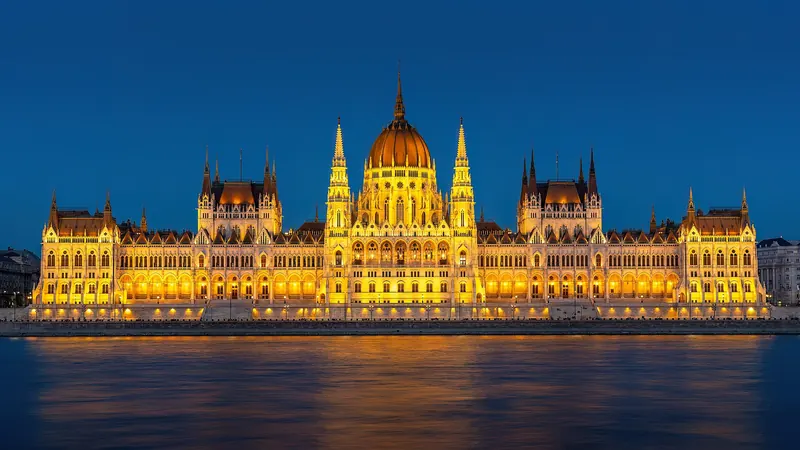
Buda Castle above the Danube seen from the Széchenyi Chain Bridge

Hungary · Travel guide

The Complete Hungary Travel Guide

How the country divides, how to choose between the ten destinations, how to get around by train and bus, and what two weeks can realistically hold.

  • Reading time 12 min read
  • Covers 10 destinations
  • Updated 2026

Photo: Bahnfrend · CC BY-SA 4.0

Hungary offers Budapest's baths and bridges, wine regions, a great lake, medieval towns and the plains of the puszta at very fair prices. This guide covers how the regions divide, how to choose between the ten destinations, how to travel, when to go, what it costs and three routes that work.

How Hungary divides

Hungary is about 500 km across, and it falls into five zones for a visitor.

Budapest and the Danube. Budapest is the hub, with the Danube Bend a short trip north.

The north. Eger and Tokaj are wine towns, and Hollókő is a preserved village.

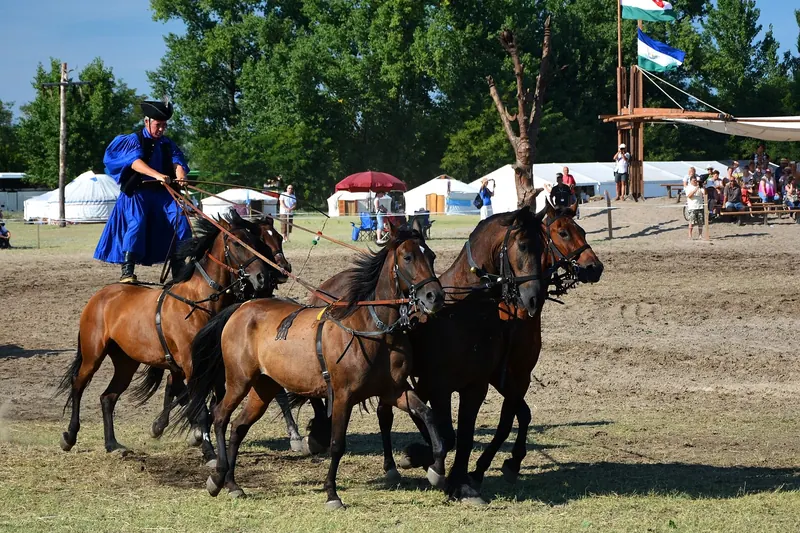
The Great Plain. Hortobágy is the puszta, and Szeged is a lively southern city.

The south-west. Pécs is a sunny Mediterranean-feeling city, and Lake Balaton is the summer playground.

The west. Sopron is a medieval town at the Austrian border.

Worth knowing: The practical unit is a loop from Budapest, with one or two regions per trip. Distances are short, and trains are cheap.

Choosing between the ten destinations

Getting around

Hungary's transport is centred on Budapest, and it is cheap but sometimes slow.

Trains. InterCity trains reach Eger, Szeged, Pécs and Sopron in two to three hours. Book on the MÁV app.

Buses. Volánbusz covers Balaton, Tokaj and smaller towns.

Budapest transit. Metro, trams and buses share a ticket. Validate before boarding.

Cars. Useful for Tokaj and Hortobágy. Buy an e-vignette for motorways.

Worth knowing: The legal alcohol limit for drivers is zero.

When to go

Hungary has four seasons, and the shoulder months are best.

April to June is spring and early summer, mild and green.

July and August are hot, with a lively Balaton season and Budapest's festivals.

September and October are autumn, with grape harvests, warm days and lower prices.

November to March is cold, with Christmas markets and steaming outdoor baths.

Worth knowing: Many Balaton facilities close from October to April.

Money, costs and safety

Hungary is good value. A restaurant meal costs US$8–20, a mid-range hotel US$70–130, and a long train ride US$10–25.

Cards are widely accepted. Pay in forints, and decline currency conversion.

Crime is low, but pickpockets and overcharging in tourist bars are real. Use licensed taxis or apps.

Check bills for service charges before tipping.

Three routes that work

  1. One week: Budapest and beyond

    Four nights in Budapest, a day in the Danube Bend, and two nights in Eger.

    Tip Buy a Budapest travel card.

  2. Ten days: adding the wine country

    The one-week route, plus Tokaj and Hortobágy.

    Tip Hire a car for a day.

  3. Two weeks: the classic

    The itinerary on the country page: Budapest, Eger, Tokaj, Hortobágy, Szeged, Pécs, Balaton and Sopron.

    Tip Skip Sopron if you prefer a slower pace.

Reference

The 10 destinations in this guide

Every place named above has its own detailed guide — attractions, food, where to stay, how to get around and a suggested day-by-day plan.

Capital CityMajor City

Budapest

Central Hungary, on the Danube

Hungary's capital, with the Parliament, Buda Castle, Fisherman's Bastion, Széchenyi thermal baths, the Great Market Hall, ruin bars and Danube views.

Don't miss The Parliament building lit up on the Danube at night, seen from a river cruise or the Buda bank.

Explore Destination — Budapest
Scenic RegionHistoric Site

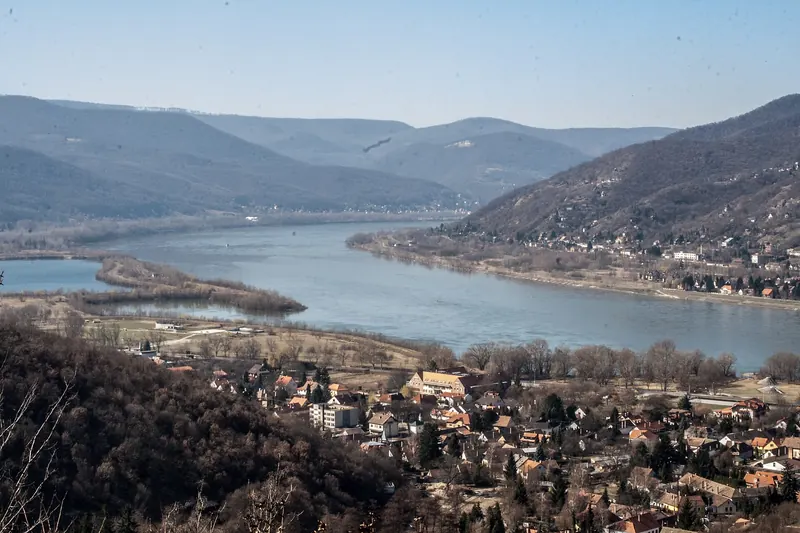
The Danube Bend

Pest and Komárom-Esztergom, north of Budapest

A day-trip loop from Budapest to the baroque artists' town of Szentendre, the royal citadel at Visegrád and the basilica at Esztergom, along a picturesque stretch of the Danube.

Don't miss The view from Visegrád's citadel over the Danube's great S-shaped bend.

Explore Destination — The Danube Bend
Historic SiteFood & Wine

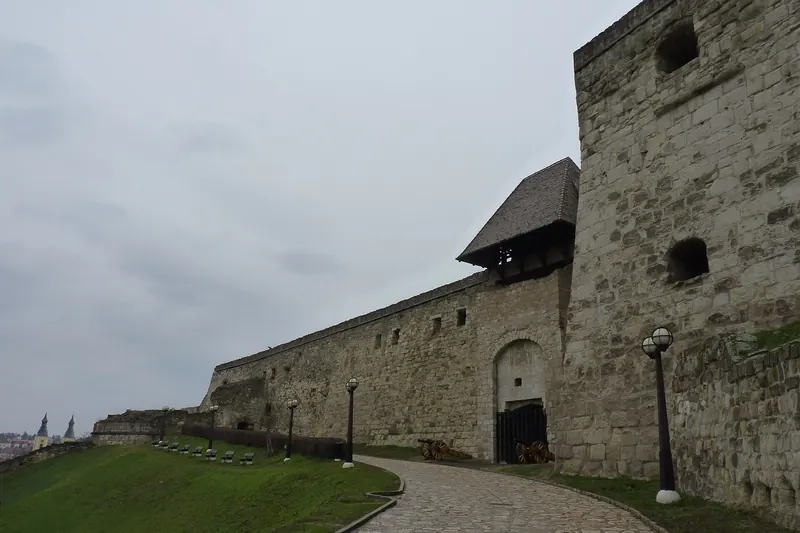
Eger

Heves, northern Hungary

A baroque town with a 16th-century castle, Europe's northernmost minaret, thermal baths and family cellars in the Szépasszony-völgy, home of Egri Bikavér, Bull's Blood wine.

Don't miss Tasting Bull's Blood red wine in a cellar carved into the hillside of the Valley of the Beautiful Women.

Explore Destination — Eger
Coast & BeachesScenic Region

Lake Balaton

Transdanubia, western Hungary

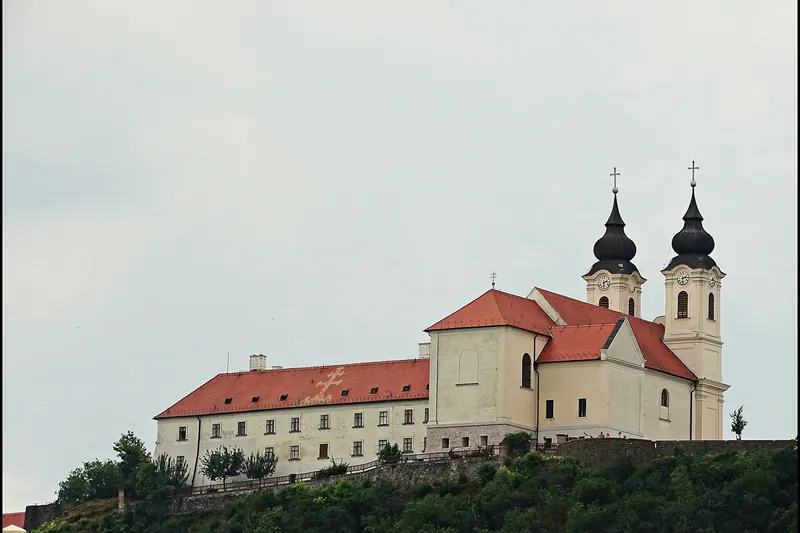
A 77-km-long lake with the Tihany Peninsula, Badacsony's basalt hills and wine, Balatonfüred's promenade and the Festetics Palace at Keszthely, popular for swimming, sailing and wine.

Don't miss Tihany Abbey on its peninsula above the lake at sunset, with lavender fields in July.

Explore Destination — Lake Balaton
Food & WineUNESCO Site

Tokaj

Borsod-Abaúj-Zemplén, north-east Hungary

A UNESCO-listed wine region and small town at the meeting of two rivers, with cellars, vineyard villages, sweet Aszú wine and dry Furmint.

Don't miss Tasting a glass of amber Tokaji Aszú in a centuries-old cellar cut into volcanic rock.

Explore Destination — Tokaj
Historic SiteUNESCO Site

Pécs

Baranya, southern Hungary

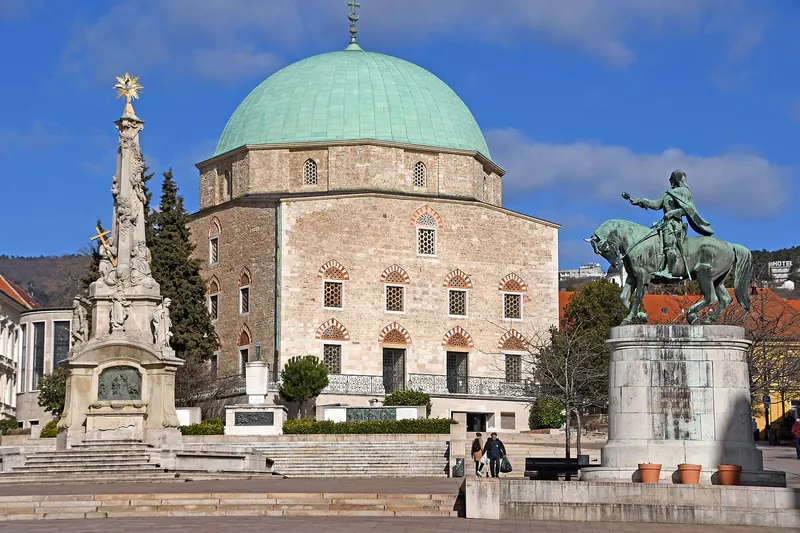
A Mediterranean-feeling city with early Christian tombs, the Gazi Kasim Pasha Mosque, a four-towered cathedral, Zsolnay ceramics and nearby Villány red wines.

Don't miss The Mosque-Church on Széchenyi Square, a domed Ottoman mosque topped with a cross.

Explore Destination — Pécs
Historic SiteCulture & Arts

Sopron

Győr-Moson-Sopron, western Hungary

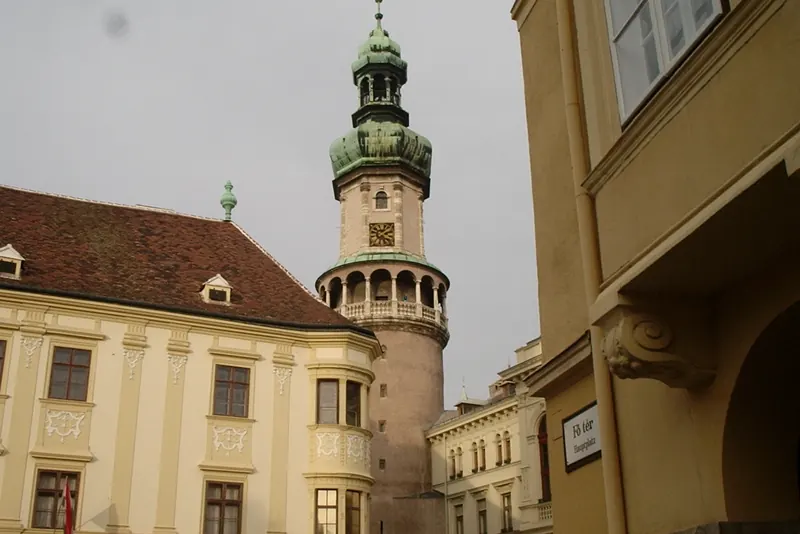
A well-preserved medieval town on the Austrian border, with the Fire Tower, Roman and Gothic remains, Baroque streets, Kékfrankos wine and an easy trip to Lake Fertő.

Don't miss The view from the Fire Tower's balcony over the medieval rooftops of the old town.

Explore Destination — Sopron
Major CityCulture & Arts

Szeged

Csongrád-Csanád, southern Hungary

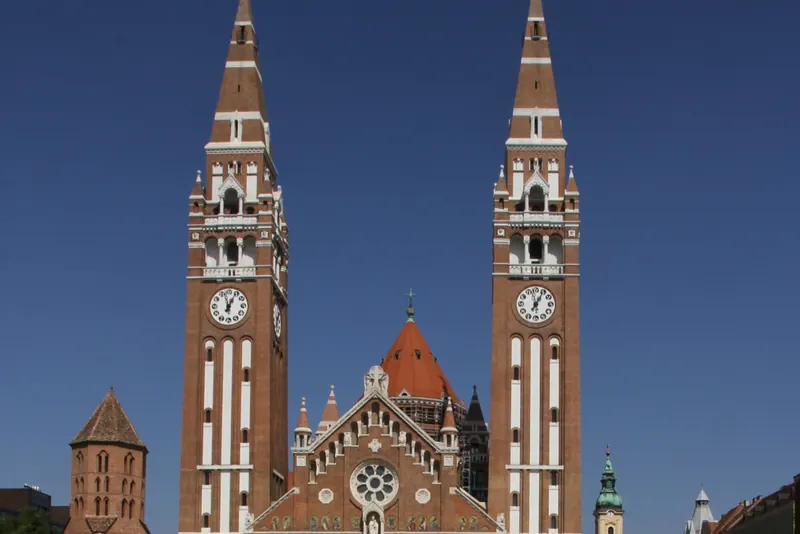
A lively southern city rebuilt after a great flood in 1879, with the Votive Church, Reök Palace, riverside promenades, halászlé fish soup and Szeged paprika and salami.

Don't miss The Votive Church's twin spires above Dóm Square, the heart of the city.

Explore Destination — Szeged
UNESCO SiteCulture & Arts

Hollókő

Nógrád, northern Hungary

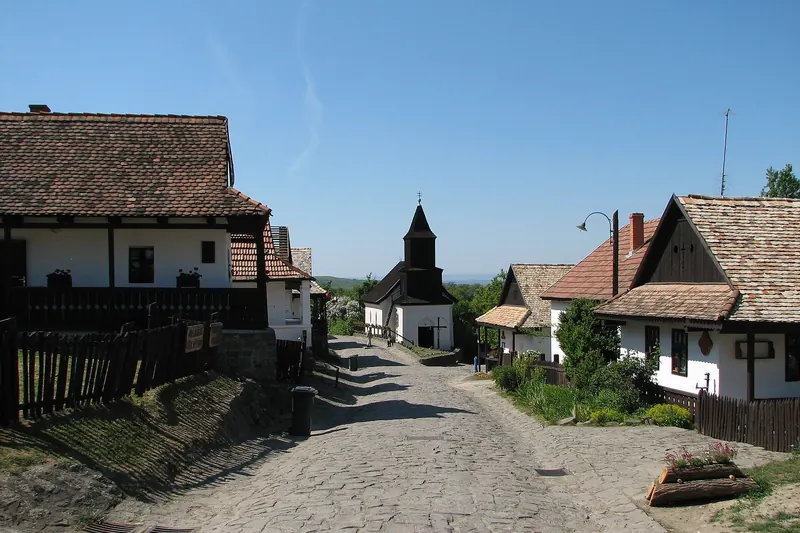
A UNESCO-listed old village of about 55 preserved houses in the Cserhát hills, with a 13th-century castle, folk museums, Palóc crafts and Easter festivities.

Don't miss The Old Village's whitewashed houses and wooden gables in the hills, still lived in today.

Explore Destination — Hollókő

Back to the Hungary country page

FAQ

Planning a trip to Hungary

Is Budapest enough for a trip to Hungary?

It can be, with three or four days. But a couple of day trips to the Danube Bend or Eger add a lot for little effort.

Do I need a car?

Not for most trips. Trains and buses reach nearly all the places here. A car helps for Tokaj, Hortobágy and Hollókő.

Which thermal bath should I choose?

Széchenyi is the grandest and busiest, Gellért is elegant, and Rudas has an Ottoman dome. Book ahead for peak times.

Is Lake Balaton worth visiting outside summer?

Yes. Spring and September are quiet, and the vineyards, villages and views are lovely. Many facilities close from October to April.

Advertisement