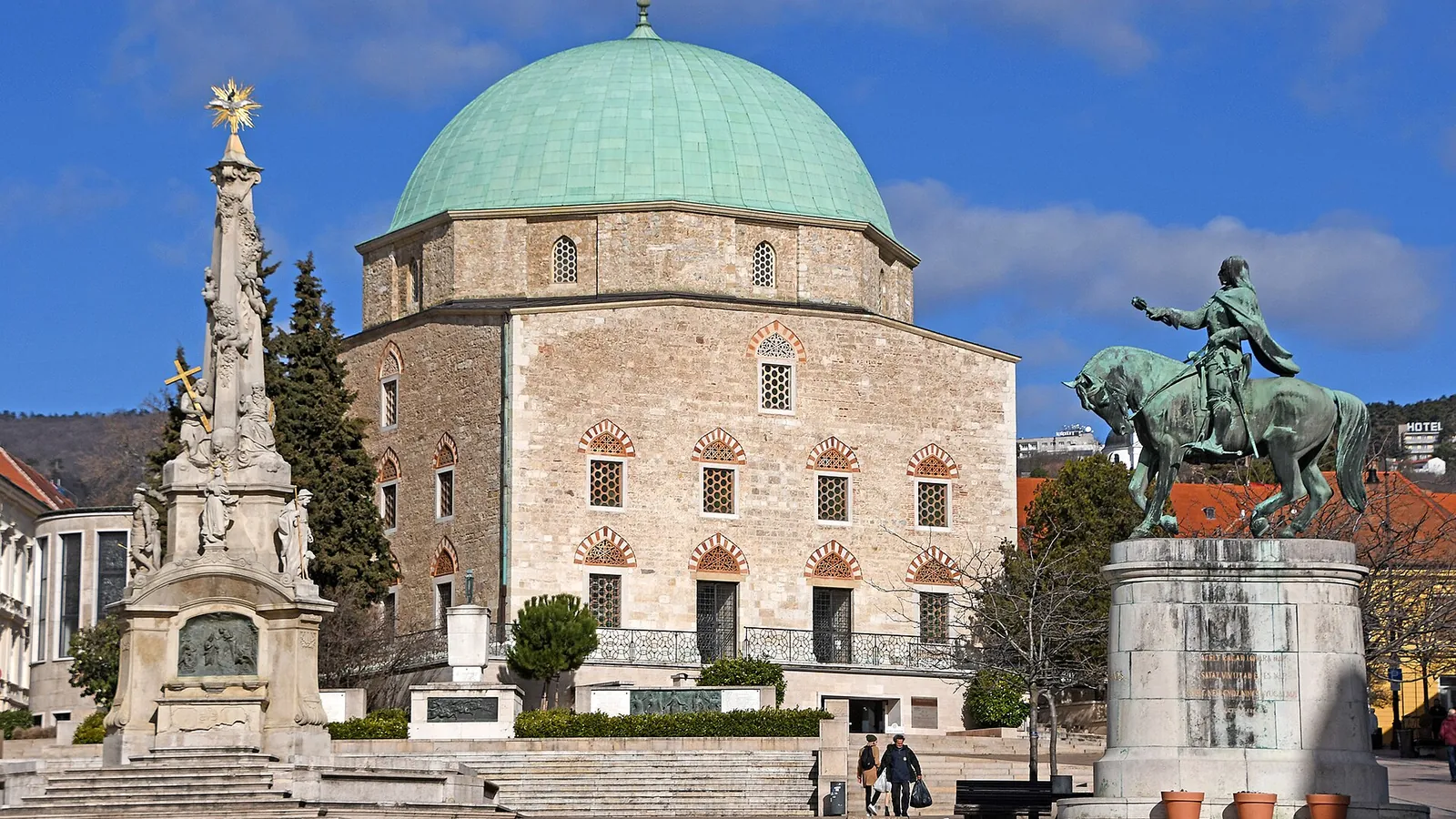
Széchenyi Square in Pécs with the domed Mosque-Church

Baranya, southern Hungary · Hungary

Pécs

A sunny southern city with Roman tombs, a mosque-turned-church, a four-towered cathedral and the colourful Zsolnay ceramic quarter.

  • Best time April–October
  • Stay 2 days
  • Good for History, art, wine, warm weather

Photo: Pasztilla aka Attila Terbócs · CC BY-SA 4.0

Welcome to Pécs

Pécs is a city of about 140,000 people at the foot of the Mecsek hills in southern Hungary, and it has one of the mildest climates in the country. It has been settled since Roman times, when it was called Sopianae, and its layers of history are unusually visible: Roman-era Christian tombs, a medieval cathedral, an Ottoman mosque, and Art Nouveau ceramics from the Zsolnay factory.

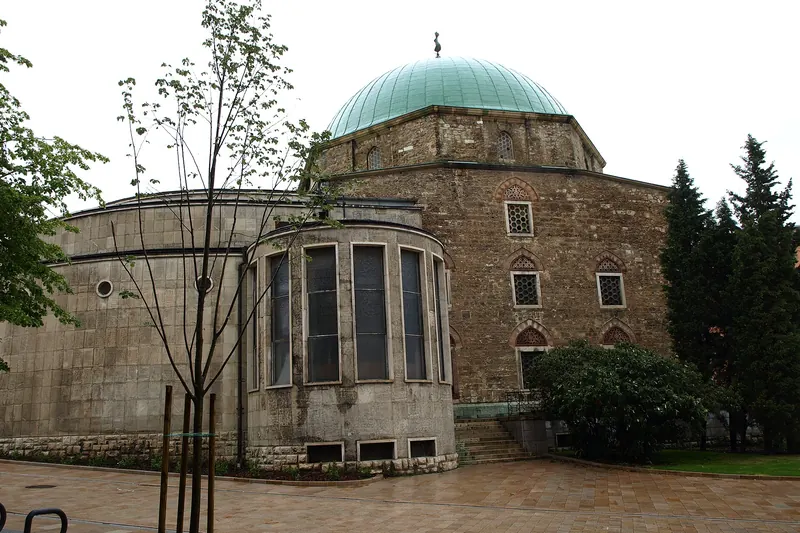
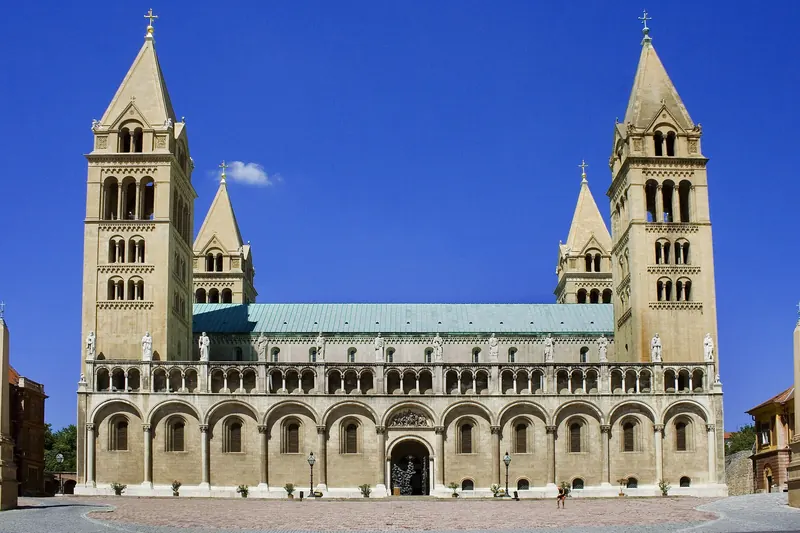
The most famous building is the Mosque-Church of Pasha Gazi Kasim on Széchenyi Square, built in the 16th century during the Ottoman occupation and later converted into a Catholic church, with Islamic prayer niche and Christian symbols side by side. Nearby, the four-towered cathedral is a neo-Romanesque giant, and the Early Christian Necropolis, a UNESCO World Heritage Site, contains painted burial chambers from the 4th century.

The Zsolnay Cultural Quarter celebrates the local porcelain, with its shimmering eosin-glazed tiles visible on rooftops across the city. Pécs was European Capital of Culture in 2010, and has good cafés, museums and a warm, unhurried feel. To the south, the Villány wine region produces some of Hungary's best reds. Two days is ideal.

  • Historic Site
  • UNESCO Site
  • Culture & Arts
  • Off the Beaten Path

Why visit

Why visit Pécs?

Pécs is a layered, sunny city with a fine cultural life and few tourists.

  • A mosque-church

    A relic of Ottoman rule.

  • Roman tombs

    UNESCO-listed and painted.

  • Zsolnay ceramics

    Colourful and iridescent.

  • Southern wines

    Villány reds.

  • Warm and relaxed

    Mild climate.

Main attractions

Top things to see in Pécs

Sights are close together in the compact centre.

  1. The domed Mosque-Church of Gazi Kasim Pasha in Pécs

    Mosque-Church of Gazi Kasim Pasha

    A 16th-century Ottoman mosque, now a Catholic church, with Islamic architecture and Christian symbols.

    Tip Look inside.

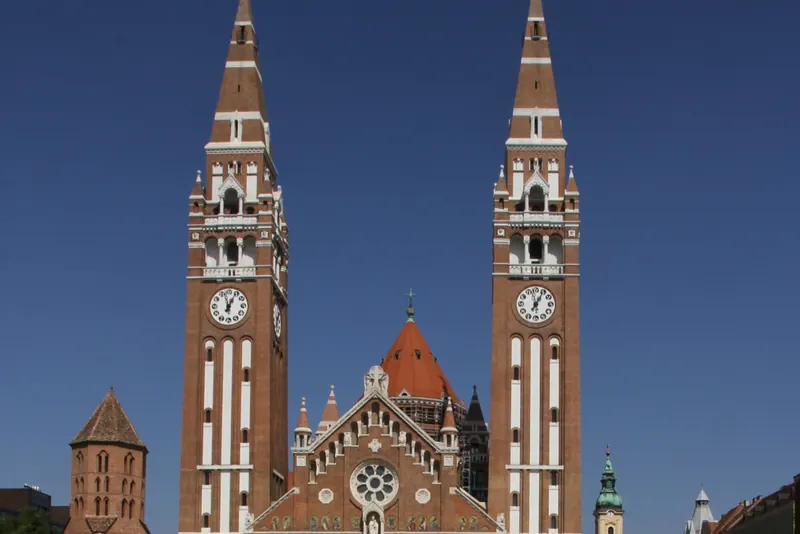
  2. The four-towered Pécs Cathedral in neo-Romanesque style

    Pécs Cathedral

    A grand cathedral with four towers and a dazzling interior, largely rebuilt in the 19th century.

    Tip Visit the square.

  3. Early Christian Necropolis

    UNESCO-listed 4th-century burial chambers, with wall paintings.

    Tip Book a guided visit.

  4. Zsolnay Cultural Quarter

    The former porcelain factory, now museums and cafés.

    Tip Look at the tiles.

  5. Széchenyi Square

    The main pedestrian square, with cafés and fountains.

    Tip Good for people-watching.

  6. Mecsek hills

    Forests and viewpoints above the city.

    Tip Take a bus.

Things to do

Best things to do in Pécs

Pécs is for wandering and tasting.

  1. Visit the Zsolnay quarter

    Ceramics and museums.

    Tip Allow half a day.

  2. Explore the necropolis

    A guided look.

    Tip Limited slots.

  3. Sip wine at Villány

    Red wines.

    Tip Book a tasting.

  4. Hike Mecsek

    Trails.

    Tip Take water.

  5. Sit in a café

    On Széchenyi tér.

    Tip Try cakes.

  6. Visit museums

    Art and archaeology.

    Tip Buy a combined ticket.

Local food

What to eat in Pécs

Pécs food is southern Hungarian, with rich wines.

  • Villány red wine

    Cabernet Franc and blends.

    Where to try it Wine cellars.

  • Fish soup

    Southern-style halászlé.

    Where to try it Restaurants.

  • Pécs pastries

    Local sweets.

    Where to try it Cafés.

  • Goulash

    Paprika stew.

    Where to try it Restaurants.

  • Pálinka

    Fruit brandy.

    Where to try it Bars.

Accommodation

Where to stay in Pécs

Stay in the centre.

  • City centre

    Hotels.

    Best for: Walking

  • Zsolnay quarter

    Boutique stays.

    Best for: Culture

  • Villány

    Guesthouses.

    Best for: Wine

What a night costs

Hostel dorm
US$14–26 per night
Mid-range hotel
US$60–110 per night
Luxury hotel
US$130–220 per night
Meal
US$7–16 per person

Transport

Getting to and around Pécs

Pécs is in the south.

Getting there

  • Train from Budapest

    About 3 to 3.5 hours.

    Direct.

  • Bus

    About 3.5 hours.

    Frequent.

  • Car

    About 2.5 hours on the M6.

    E-vignette.

Getting around

The centre is walkable.

  • On foot

    The old town.

    Comfortable shoes.

  • Bus

    To the hills.

    Cheap.

  • Taxi

    For evenings.

    Use an app.

When to go

Best time to visit Pécs

Pécs is the warmest part of Hungary.

  • Spring (April–May)

    Best time

    Blooming and mild.

  • Summer (June–August)

    Good

    Hot.

  • Autumn (September–October)

    Best time

    Harvest.

  • Winter (November–March)

    Quiet

    Mild but grey.

Worth planning around: Hot July afternoons.

Itinerary

Two days in Pécs

Historic sights and ceramics.

  1. Day1

    The centre

    Mosque and cathedral.

    • Morning Széchenyi Square and the Mosque-Church.
    • Afternoon Cathedral and necropolis.
    • Evening Dinner.
  2. Day2

    Ceramics and wine

    Zsolnay and Villány.

    • Morning Zsolnay Quarter.
    • Afternoon Villány wine.
    • Evening Return.

Travel tips

Pécs travel tips

A few tips help you plan.

  • Book the necropolis.
  • Look up at rooftops.
  • Try Villány wine.
  • Bring a hat in summer.
  • Use trains.
  • Check church hours.
  • Buy Zsolnay souvenirs.

FAQ

Pécs: frequently asked questions

Is Pécs worth visiting?

Yes.

How far from Budapest?

About 3 hours.

What is the Mosque-Church?

An Ottoman mosque now used as a church.

What is Zsolnay?

A famous local ceramic.

When to visit?

Spring or autumn.

How many days?

Two.

Read next

Related travel articles

Heritage

UNESCO Sites Worth Planning a Trip Around

A UNESCO listing tells you a place matters; it does not tell you whether it is worth two days and a detour. This is how to read the list usefully — and which sites reward building a trip around them.

Where to go

Beyond the Big Names: Places Worth the Detour

The most visited place in a country is rarely its best, and it is almost never its best value. This is a method for finding the destinations that do not make the postcards — and a set of examples from five of the 50 countries on this site.

Advertisement