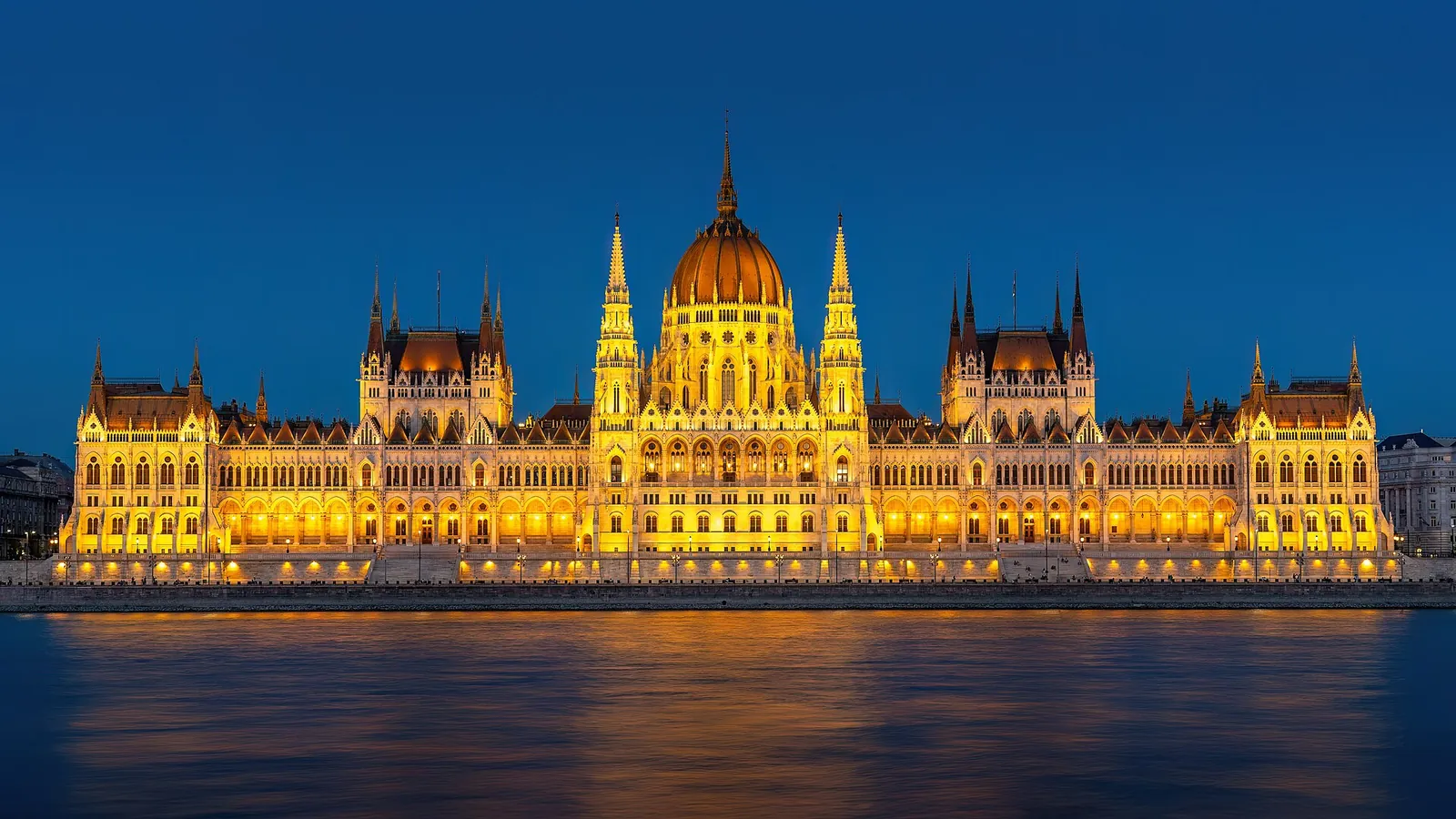
The Hungarian Parliament Building beside the Danube

Central Hungary, on the Danube · Hungary

Budapest

Two cities on either bank of the Danube: a hilltop castle in Buda, grand boulevards in Pest, thermal baths, ruin bars and a Parliament that glows at night.

  • Best time April–June and September–October
  • Stay 3–4 days
  • Good for First-timers, couples, nightlife, food, baths

Photo: Pierre Blaché · CC0

Welcome to Budapest

Budapest was created in 1873 from three towns, Buda, Óbuda and Pest, either side of the Danube, and it remains a city of two halves. Buda, on the west bank, is hilly and old, with the castle, the medieval Matthias Church and the Fisherman's Bastion on Castle Hill. Pest, on the east, is flat and busy, with wide boulevards, the neo-Gothic Parliament, cafés and the nightlife of the Jewish Quarter. Its riverbanks and Buda Castle Quarter are together a UNESCO World Heritage Site.

Its golden age came in the late 19th century, when Budapest was the second capital of the Austro-Hungarian Empire, and much of its grandeur dates from then: the Opera House, St. Stephen's Basilica, the Chain Bridge and the Great Market Hall. Underneath, the city sits on more than 100 thermal springs, and bathing in hot pools, from the palatial Széchenyi to the Ottoman-era Rudas, is a central experience.

By night, Budapest turns lively. The ruin bars, set in abandoned buildings in the old Jewish Quarter, started the trend in the early 2000s, and Szimpla Kert is the best known. The food scene has grown too, with modern Hungarian restaurants alongside traditional goulash and chimney cake. Three or four days is ideal, and it is a good base for day trips.

  • Capital City
  • Major City
  • Historic Site
  • UNESCO Site
  • Food & Wine

Why visit

Why visit Budapest?

Budapest is one of Europe's most beautiful and best-value capitals.

  • Grand architecture

    Parliament, the castle and the Opera.

  • Thermal baths

    Hot springs and palatial pools.

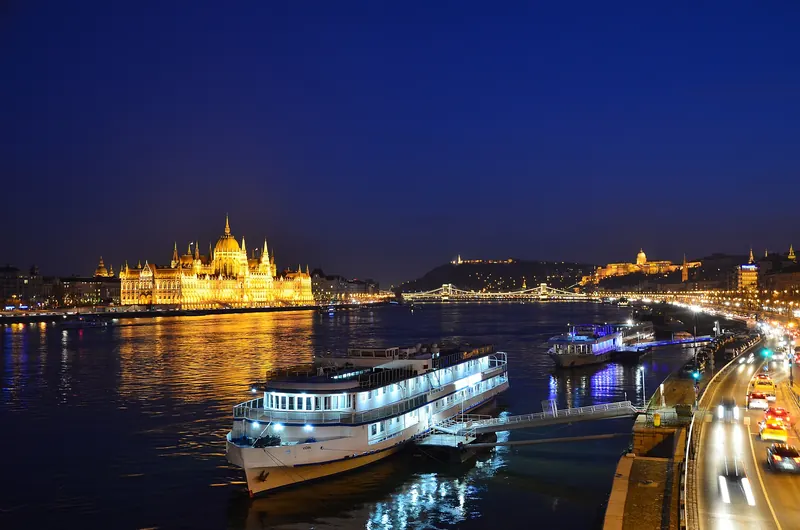
  • Danube views

    Bridges and the riverside at night.

  • Ruin bars and nightlife

    Eclectic and lively.

  • Good value

    Cheaper than Vienna or Prague.

Main attractions

Top things to see in Budapest

Budapest's sights are on both sides of the river, linked by bridges and trams.

  1. The illuminated Hungarian Parliament Building on the Danube at night

    Parliament Building

    A neo-Gothic riverside palace opened in 1904, with 691 rooms, the Holy Crown of Hungary and a grand staircase, visited on guided tours.

    Tip Book tours in advance.

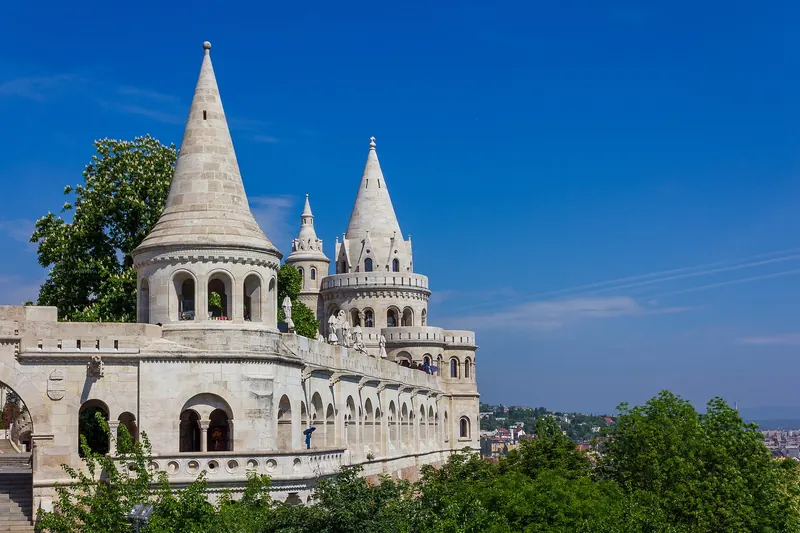
  2. The white turrets of Fisherman's Bastion above the Danube

    Fisherman's Bastion and Matthias Church

    A fairy-tale terrace of white turrets with views across the Danube to Pest, beside the Gothic Matthias Church.

    Tip Go at sunrise for no queue.

  3. People bathing in the outdoor pools at Széchenyi Thermal Bath

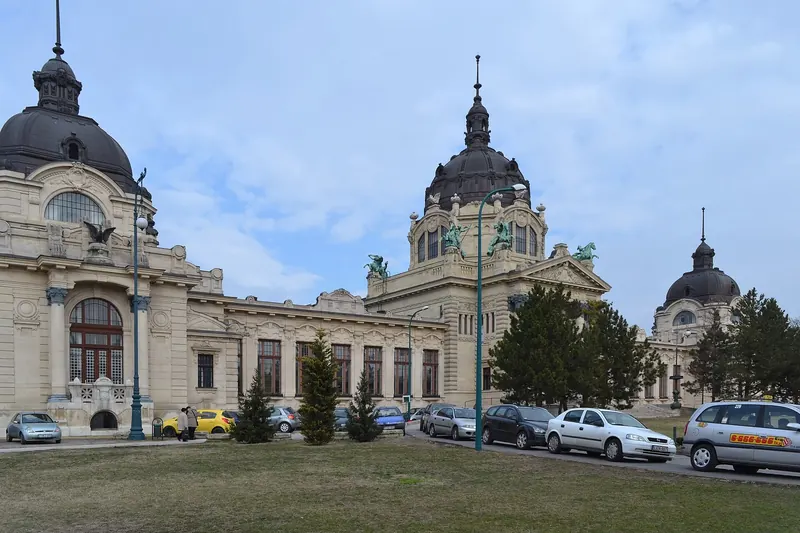
    Széchenyi Thermal Bath

    A huge neo-baroque bath complex in City Park with outdoor pools, saunas and steam rooms, open year-round.

    Tip Book tickets online.

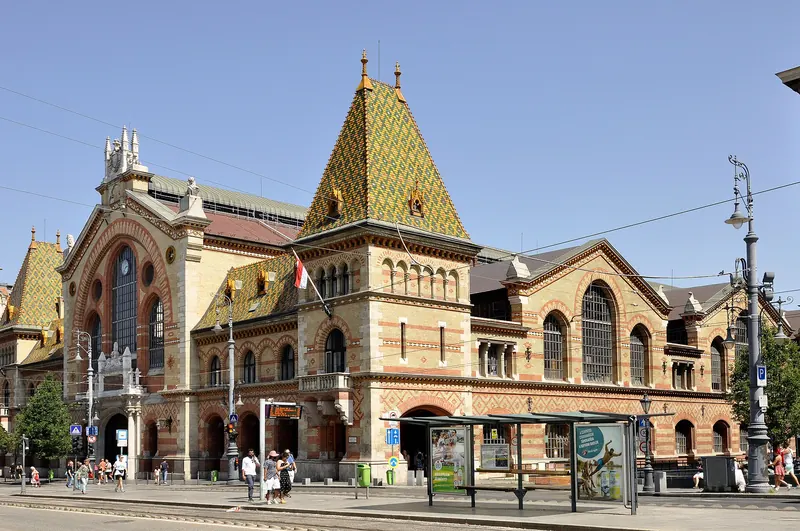
  4. The interior of Budapest's Great Market Hall with stalls under an iron roof

    Great Market Hall

    A grand 1897 market hall with stalls of paprika, salami and produce, and a food court upstairs serving lángos.

    Tip Go in the morning.

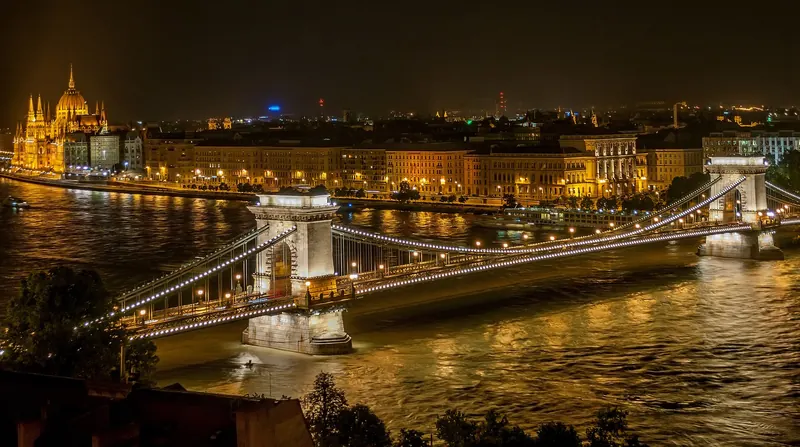
  5. The Széchenyi Chain Bridge lit at night above the Danube

    Chain Bridge

    The first permanent bridge across the Danube in Budapest, opened in 1849, and lit at night.

    Tip Walk it at dusk.

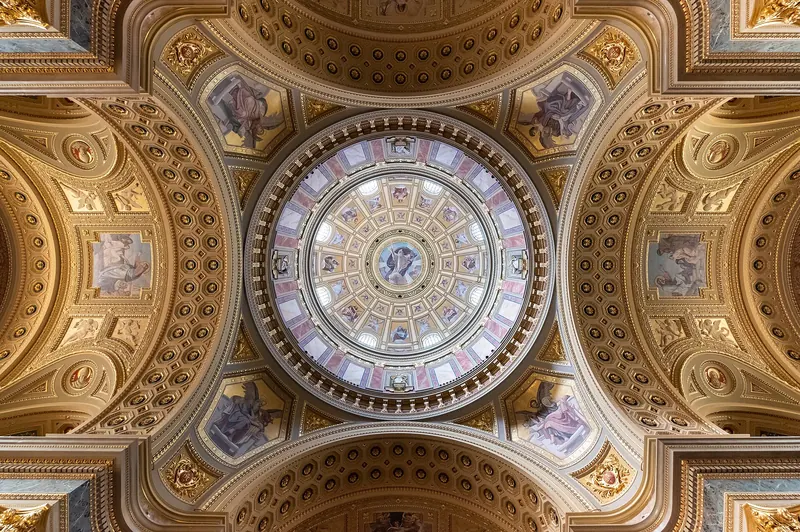
  6. The dome of St. Stephen's Basilica above the city

    St. Stephen's Basilica

    The city's largest church, with a dome you can climb for 360-degree views.

    Tip Take the lift.

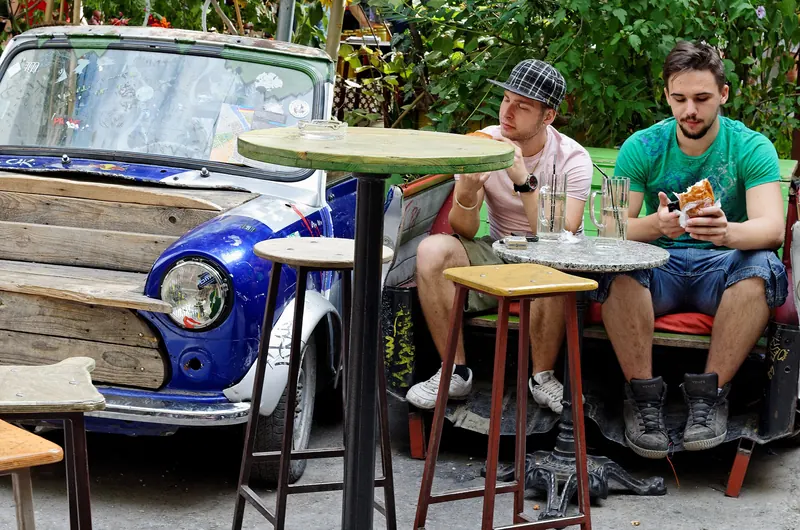
  7. The eclectic courtyard of Szimpla Kert ruin bar

    Szimpla Kert

    The original ruin bar, in a former stove factory, with mismatched furniture and lively courtyards.

    Tip Visit at opening time.

Things to do

Best things to do in Budapest

Budapest is for baths, boats and bars.

  1. Soak in a thermal bath

    Széchenyi, Gellért or Rudas.

    Tip Book a cabin.

  2. Cruise the Danube

    A boat at night.

    Tip Choose a sunset trip.

  3. Explore the Jewish Quarter

    Synagogues, street art and bars.

    Tip Visit the Great Synagogue.

  4. Walk up Gellért Hill

    For the best view.

    Tip Go at sunset.

  5. Ride the tram 2

    A scenic line beside the Danube.

    Tip Cheap.

  6. Taste Hungarian wine

    In wine bars.

    Tip Try Furmint.

Local food

What to eat in Budapest

Budapest's food ranges from cheap market stalls to fine dining.

  • Goulash

    Paprika beef soup.

    Where to try it Traditional restaurants.

  • Lángos

    Fried flatbread.

    Where to try it Market Hall.

  • Chimney cake

    A sweet spiral pastry.

    Where to try it Street stalls.

  • Dobos torte

    Layered cake.

    Where to try it Cafés.

  • Pálinka

    Fruit brandy.

    Where to try it Bars.

Accommodation

Where to stay in Budapest

Stay in Pest for convenience.

  • Belváros and Lipótváros

    Central hotels.

    Best for: Sightseeing

  • Jewish Quarter

    Hostels and boutiques.

    Best for: Nightlife

  • Castle District

    Small hotels.

    Best for: Quiet and views

What a night costs

Hostel dorm
US$14–30 per night
Mid-range hotel
US$80–160 per night
Luxury hotel
US$200–450 per night
Meal at a local restaurant
US$8–20 per person

Transport

Getting to and around Budapest

Budapest has an international airport and rail links.

Getting there

  • Airport bus and train

    Bus 100E to the centre, about 40 minutes.

    Cheap.

  • Train from Vienna

    About 2.5 hours.

    Frequent.

  • Train from Prague

    About 6.5 hours.

    Book ahead.

Getting around

Transit is cheap and frequent.

  • Metro and trams

    Four metro lines and many trams.

    Validate your ticket.

  • On foot

    The central areas.

    Comfortable shoes.

  • Bolt

    Ride-hailing.

    Avoid street taxis.

When to go

Best time to visit Budapest

Budapest has hot summers and cold winters.

  • Spring (April–May)

    Best time

    Mild.

  • Summer (June–August)

    Good

    Hot, with festivals.

  • Autumn (September–October)

    Best time

    Warm and golden.

  • Winter (November–March)

    Quiet

    Cold, with Christmas markets and steaming baths.

Worth planning around: The hottest July days.

Itinerary

Four days in Budapest

Buda, Pest, the baths and a day trip.

  1. Day1

    Buda

    Castle Hill.

    • Morning Fisherman's Bastion and Matthias Church.
    • Afternoon Buda Castle.
    • Evening Chain Bridge at dusk.
  2. Day2

    Pest

    Boulevards and markets.

    • Morning Parliament tour.
    • Afternoon St. Stephen's and the Market Hall.
    • Evening Ruin bars.
  3. Day3

    Baths

    A soak.

    • Morning Heroes' Square.
    • Afternoon Széchenyi Baths.
    • Evening Danube cruise.
  4. Day4

    Day trip

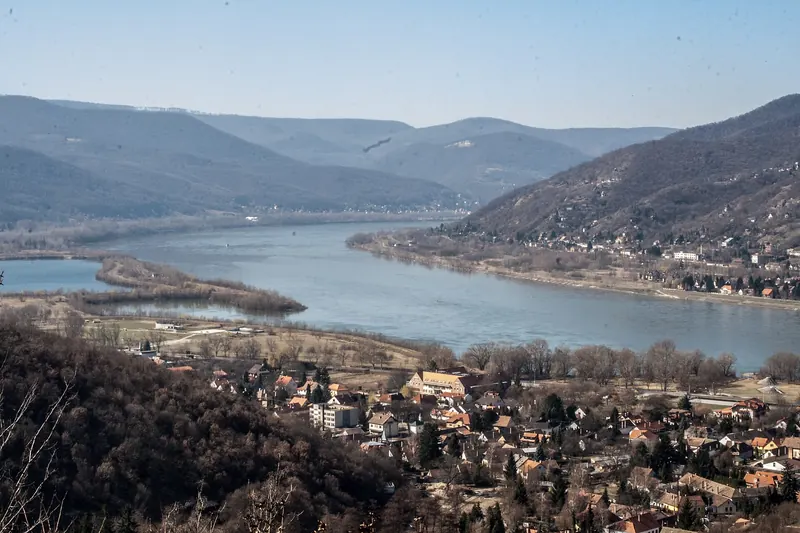
    The Danube Bend.

    • Morning Train to Szentendre.
    • Afternoon Visegrád or Esztergom.
    • Evening Return.

Travel tips

Budapest travel tips

A few tips help you plan.

  • Book Parliament and Széchenyi in advance.
  • Use Bolt instead of street taxis.
  • Validate tickets.
  • Decline currency conversion.
  • Watch for pickpockets.
  • Check bills for service charges.
  • Go to Fisherman's Bastion early.

FAQ

Budapest: frequently asked questions

How many days do you need in Budapest?

Three or four.

Which bath is best?

Széchenyi is the most famous, and Gellért the most elegant.

Is Budapest safe?

Yes, with normal precautions.

Is it cheap?

Yes.

What are ruin bars?

Bars in derelict buildings with eclectic decor.

Can I use euros?

Some places accept them, but use forints.

Read next

Related travel articles

Planning

Planning Your First Trip to Europe

Most first European trips go wrong in the same three ways: too many cities, too little time in each, and a route shaped by a cheap flight rather than by geography. Here is how to avoid all three.

Transport

Getting Around Europe by Train

European rail is excellent and confusing — six national operators, three completely different pricing models, and a rail pass that is either a bargain or a waste depending on where you are going. Here is how to work out which.

Advertisement