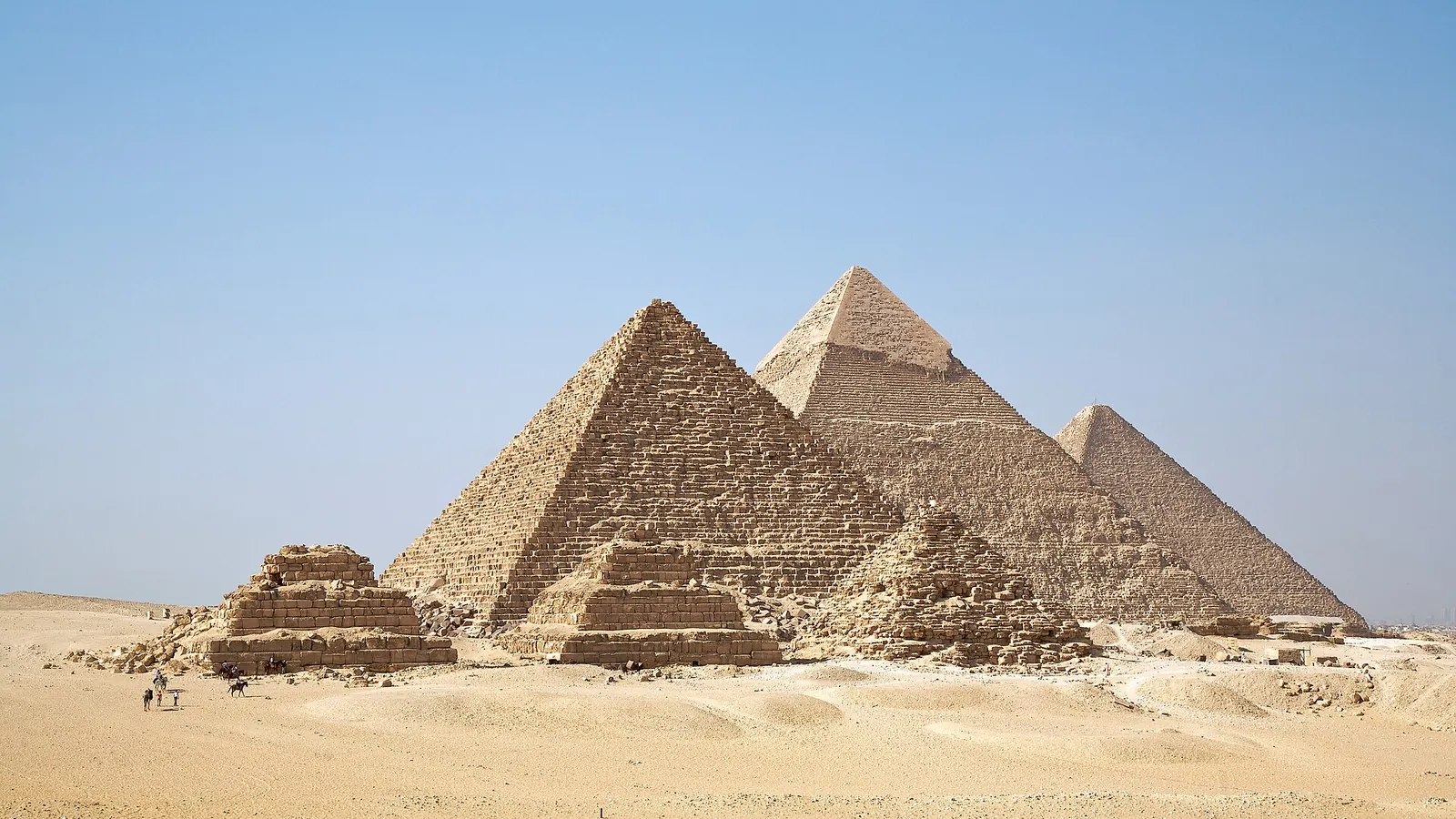
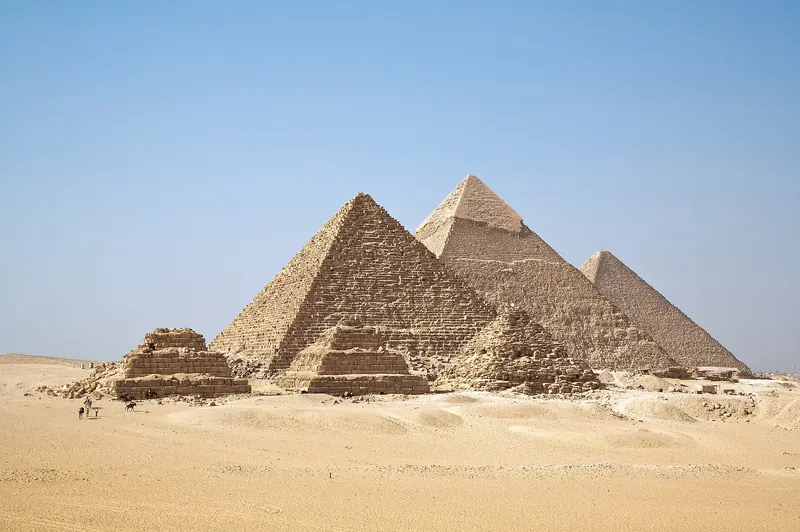
The Great Pyramids of Giza rising from the desert outside Cairo

Egypt · Travel guide

The Complete Egypt Travel Guide

Five-thousand-year-old monuments, a river that built a civilisation, and Red Sea reefs among the best diving on Earth

  • Reading time 13 min read
  • Covers 10 destinations
  • Updated 2026

Photo: Ricardo Liberato · CC BY-SA 2.0

How to plan an Egypt trip: whether to focus on Cairo, a Nile cruise or the Red Sea coast, when to go to avoid the worst heat, what it costs, and a practical ten-day itinerary.

How Egypt divides

Egypt divides into distinct zones along and beyond the Nile, and a first trip realistically covers the river corridor plus one coastal or desert extension.

Cairo and the pyramids. Cairo and Giza — the capital's museums and the Pyramids of Giza, the near-universal starting point for any Egypt trip.

The Nile corridor. Luxor, Aswan and a Nile cruise between them — ancient Egypt's temple-lined heartland.

The Red Sea coast. Sharm El Sheikh, Dahab and Hurghada — extraordinary diving and a relaxed beach counterpoint to the ruins.

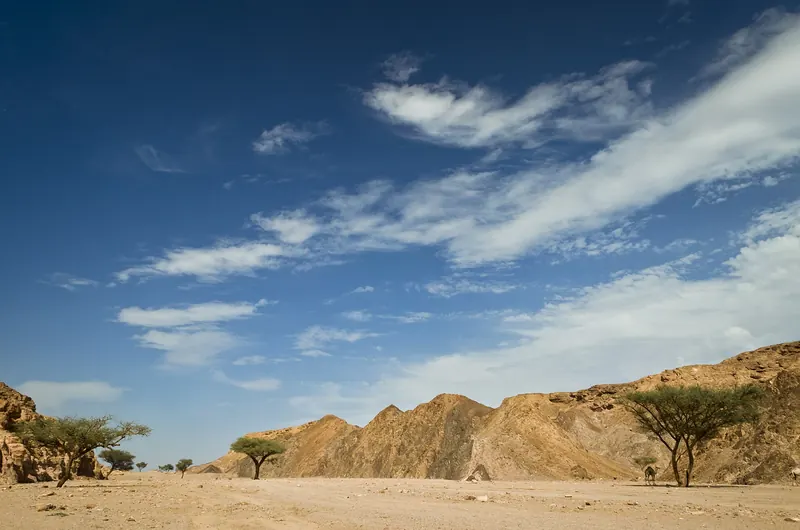
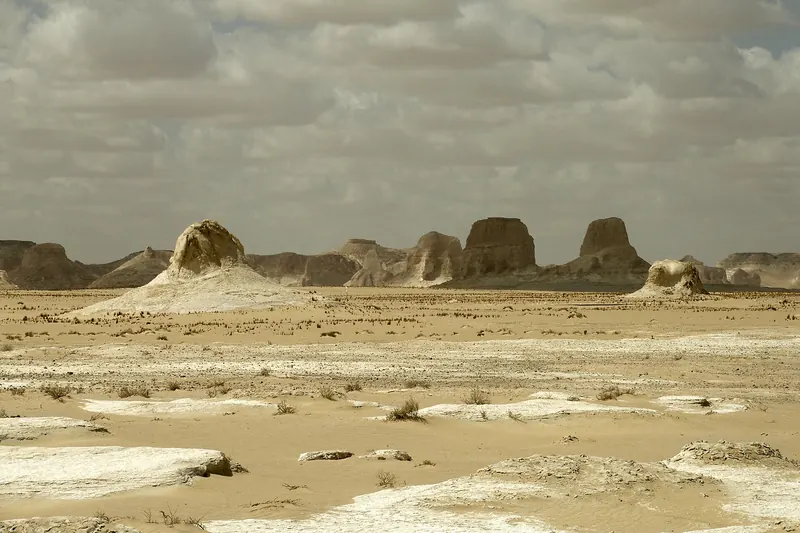
The north and the desert. Alexandria on the Mediterranean, and the White Desert and Siwa Oasis further into the Western Desert, both rewarding but off the classic first-timer route.

Worth knowing: Most first-time visitors combine Cairo with a Nile cruise between Luxor and Aswan. The Western Desert oases are where a longer or second trip belongs.

Choosing between the ten destinations

  • If this is your first trip

    Cairo and Giza, the essential starting point for any Egypt itinerary.

  • If you want the classic ancient Egypt route

    A Nile cruise between Luxor and Aswan, the most efficient way to see the temple sites.

  • If you want world-class diving

    Dahab or Sharm El Sheikh, both among the best diving destinations on Earth.

  • If you want a relaxed beach extension

    Hurghada, the most resort-focused option on the Red Sea coast.

  • If you want somewhere different from the ruins

    The White Desert, with its otherworldly chalk formations and desert camping.

  • If you want real remoteness

    Siwa Oasis, one of Egypt's most isolated and culturally distinct destinations.

Getting around: flights, trains, and one common mistake

Egypt's long north-south distances mean no single mode of transport covers the whole country — a mix of flights, trains and cruise boats is standard.

Fly for long distances, don't drive. Cairo to Aswan takes most of a day by road versus about an hour and a half by air.

Book a Nile cruise for Luxor to Aswan. It's the classic, most comfortable way to see the temples along the river without repeated hotel changes.

Don't underestimate the heat. Sightseeing in Luxor or Aswan outside winter requires pacing around the midday sun.

Use overnight trains for a budget-friendly link. Sleeper cabins between Cairo and Luxor or Aswan save both time and a hotel night.

Book a private driver for the desert oases. The White Desert and Siwa require experienced desert driving best left to local operators.

Worth knowing: Book your Nile cruise and major site tickets well ahead for peak winter travel — Egypt's most comfortable season sells out its best cruise cabins early.

When to go

Egypt's desert climate means 'the best time' is mostly about avoiding extreme heat rather than chasing good weather, which is reliable and dry nearly year-round.

Winter, December to February, brings the mildest, most comfortable temperatures for sightseeing, also the busiest and priciest season.

Shoulder months, October-November and March-April, offer warm but manageable heat with thinner crowds than peak winter.

Summer, May to September, brings intense heat, especially in Luxor and Aswan, though the Red Sea coast stays comparatively more bearable.

The Red Sea coast is workable nearly year-round, making it a sensible add-on regardless of when you visit the Nile sites.

Worth knowing: Book Nile cruise cabins and major site tickets many months ahead for a December-February trip — this is the busiest and most tightly booked window of the year.

Four routes that work

  1. Four days: Cairo and Giza

    Cairo and Giza alone, the most popular short Egypt itinerary for a reason.

    Tip Add the Grand Egyptian Museum to your Giza day for a complete pyramid experience.

  2. Ten days: the classic Nile route

    The itinerary on the Egypt country page: Cairo, a Nile cruise through Luxor and Aswan, and a Red Sea extension. A complete first look at Egypt's classic highlights.

    Tip Book a four-night cruise rather than a shorter option — it allows an unrushed pace at each temple stop.

  3. A week focused on the Red Sea

    Hurghada, Dahab or Sharm El Sheikh as a dedicated diving and relaxation trip, skipping the Nile entirely.

    Tip Dahab offers a more laid-back, budget-friendly diving scene than Sharm El Sheikh's larger resorts.

  4. A Western Desert add-on for a second trip

    The White Desert and Siwa Oasis, two of Egypt's most remote and rewarding corners.

    Tip Book a reputable desert safari operator — independent desert driving here is not recommended.

Reference

The 10 destinations in this guide

Every place named above has its own detailed guide — attractions, food, where to stay, how to get around and a suggested day-by-day plan.

HistoryUNESCO Site

Cairo & Giza

Greater Cairo

Egypt's sprawling capital, home to the Great Pyramids of Giza, the Sphinx, and a historic old city of mosques, museums and centuries-old bazaars.

Don't miss Standing at the base of the Great Pyramid of Giza, unable to fully comprehend that it was already over 2,000 years old when Cleopatra was born.

Explore Destination — Cairo & Giza
HistoryUNESCO Site

Luxor

Upper Egypt

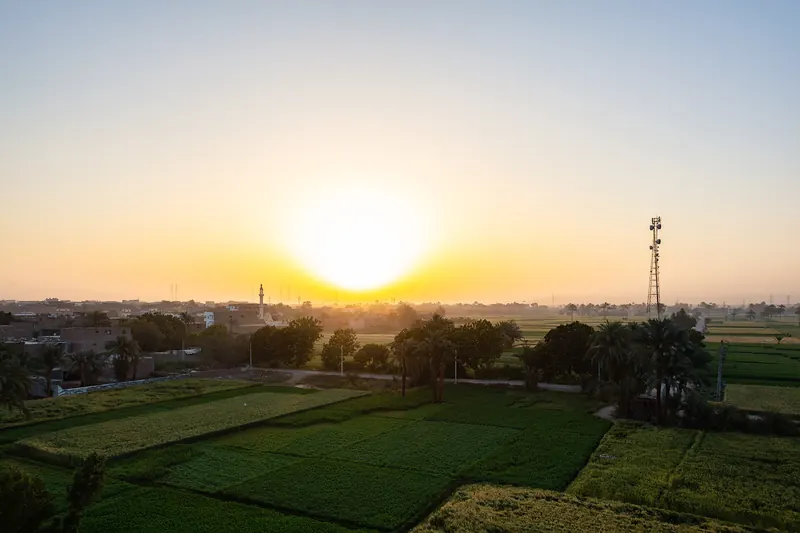
The site of ancient Thebes, home to Karnak and Luxor temples, the Valley of the Kings, and a wealth of ancient sites often called the world's largest open-air museum.

Don't miss Drifting silently over the Valley of the Kings in a hot air balloon at dawn, the whole west bank of temples and tombs spread out below in the first light.

Explore Destination — Luxor
HistoryUNESCO Site

Aswan

Upper Egypt

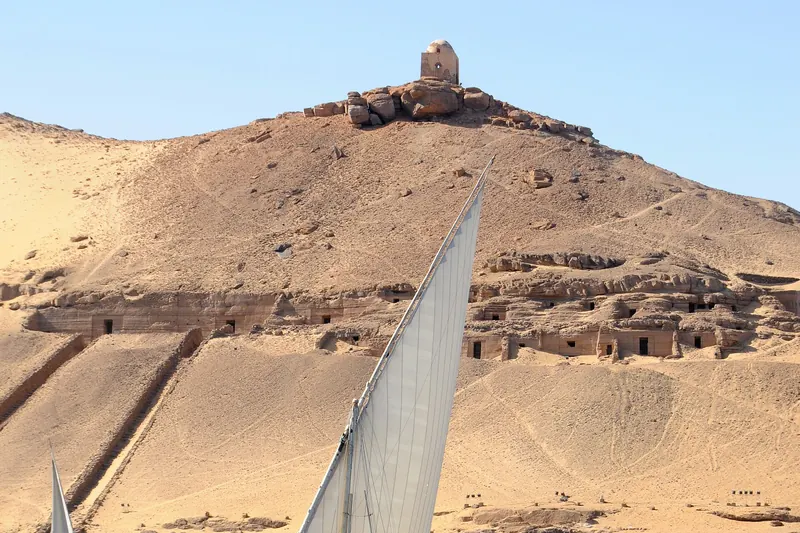
Egypt's most relaxed Nile city, home to living Nubian culture, the beautifully relocated Philae Temple, and Abu Simbel's colossal cliffside statues.

Don't miss Watching the sun set over the Nile from a felucca, drifting slowly past Elephantine Island as Aswan's granite hills turn gold.

Explore Destination — Aswan
HistoryCruise

A Nile Cruise

Upper Egypt

A multi-night journey between Luxor and Aswan, the classic way to see the Nile's temples at Edfu and Kom Ombo without repeated hotel changes.

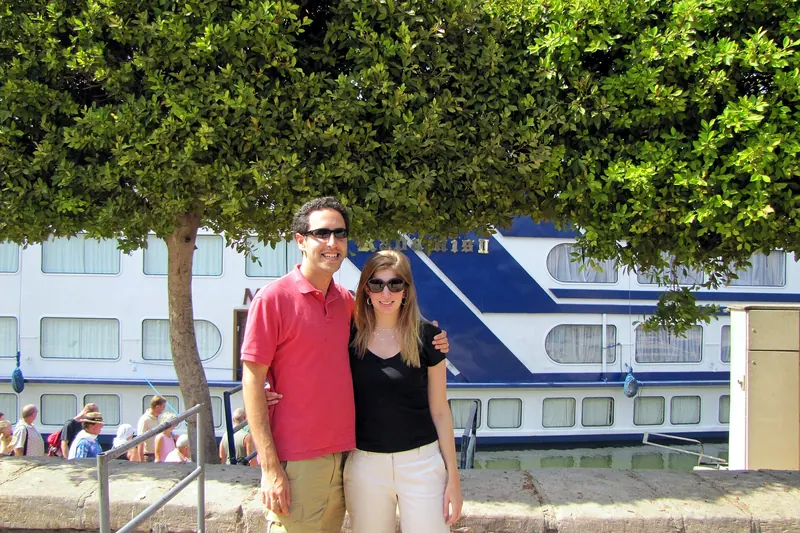
Don't miss Waking up on deck to find the boat has moored beside a temple overnight, stepping straight off the gangplank into Kom Ombo before the day's heat sets in.

Explore Destination — A Nile Cruise
HistoryCoast & Beaches

Alexandria

Mediterranean Coast

Egypt's Mediterranean second city, founded by Alexander the Great, home to a striking modern library, ancient catacombs and a long seafront corniche.

Don't miss Standing on the ramparts of Qaitbay Citadel, built from the fallen stones of the ancient Lighthouse of Alexandria, waves from the same Mediterranean crashing below.

Explore Destination — Alexandria
BeachDiving

Sharm El Sheikh

South Sinai

Egypt's largest Red Sea resort town, home to Ras Mohammed National Park and some of the most extraordinary coral reef diving and snorkelling on Earth.

Don't miss Drifting over Ras Mohammed's coral wall, a sheer drop into deep blue water lined with more fish species than seems possible in one place.

Explore Destination — Sharm El Sheikh
BeachDiving

Dahab

South Sinai

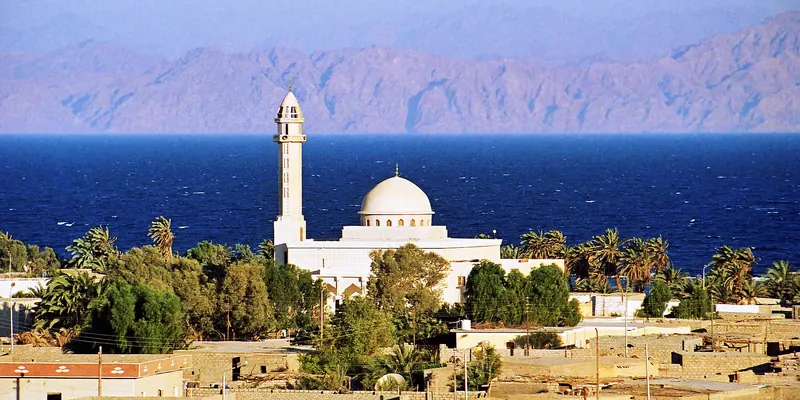
Egypt's laid-back Red Sea diving town, a former Bedouin fishing village built around house-reef diving, the legendary Blue Hole and a famously relaxed backpacker pace.

Don't miss Sitting cross-legged on cushions at a seafront camp in Masbat, watching the sun rise pink over the Gulf of Aqaba after an early dive.

Explore Destination — Dahab
BeachDiving

Hurghada

Red Sea

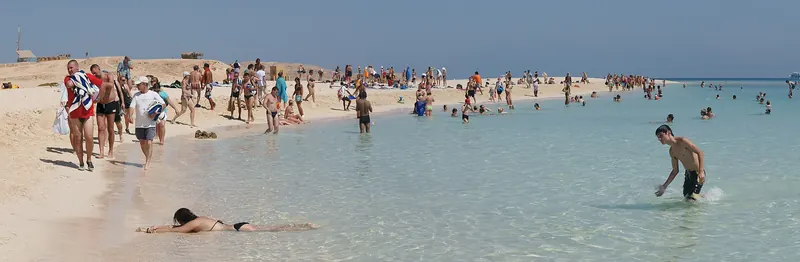
Egypt's original and largest Red Sea resort city, built around long beach hotels, offshore reef and wreck diving, and easy day trips to Giftun Island and El Gouna.

Don't miss Cutting the engine over the Abu Nuhas wrecks, sunlight falling through impossibly clear water onto a century-old ship's hull.

Explore Destination — Hurghada
DesertOff the Beaten Path

Siwa Oasis

Matrouh Governorate

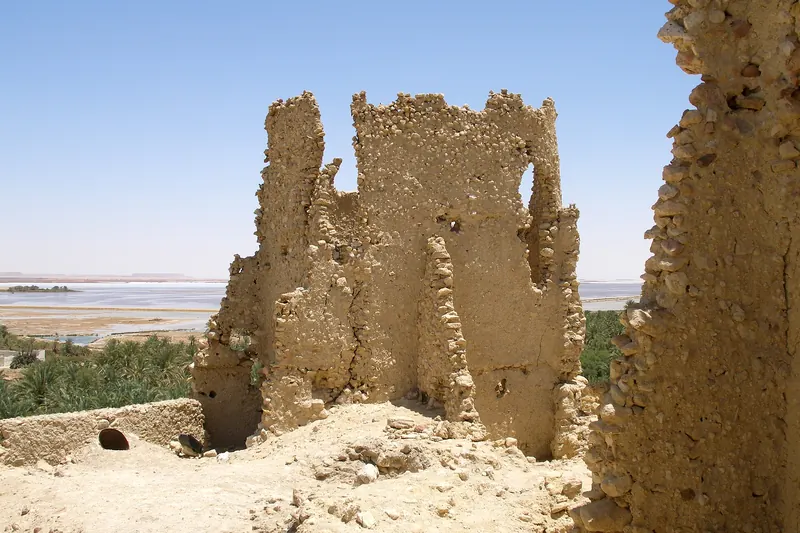
Egypt's most remote and culturally distinct oasis, home to the Oracle Temple of Amun, the ruined mudbrick town of Shali, salt lakes and the Great Sand Sea.

Don't miss Floating effortlessly in a warm salt lake at sunset, the crumbling towers of Shali's mudbrick old town glowing gold on the horizon.

Explore Destination — Siwa Oasis

Back to the Egypt country page

FAQ

Planning a trip to Egypt

How many days do you need in Egypt?

Ten to twelve days covers Cairo, a Nile cruise and a Red Sea extension at a reasonable pace, which is the itinerary in this guide. Four to five days is enough for Cairo and Giza alone, and still worthwhile on its own.

Is a Nile cruise worth the cost?

Yes — it's the classic, most comfortable way to see Luxor, Edfu, Kom Ombo and Aswan's temples without repeated hotel changes, and the river scenery itself is part of the experience.

Do you need a guide at the pyramids and temples?

Not required, but recommended — a licensed guide adds real historical context that's easy to miss exploring independently, and helps navigate persistent touting.

When should I visit to avoid the worst heat?

October to April offers the most comfortable temperatures, especially in Luxor and Aswan, where summer heat can exceed 40°C and become dangerous for sightseeing.

Advertisement