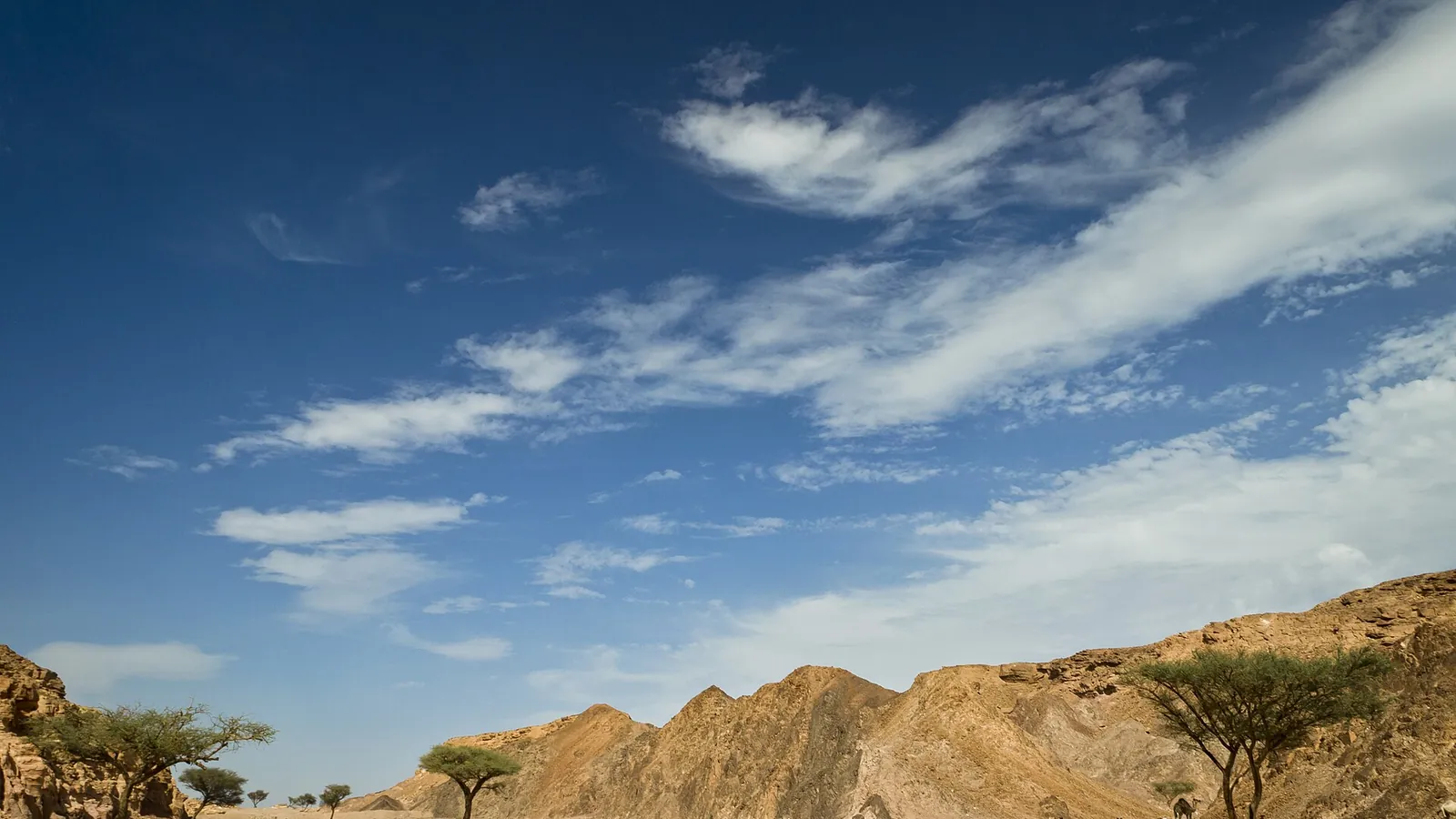
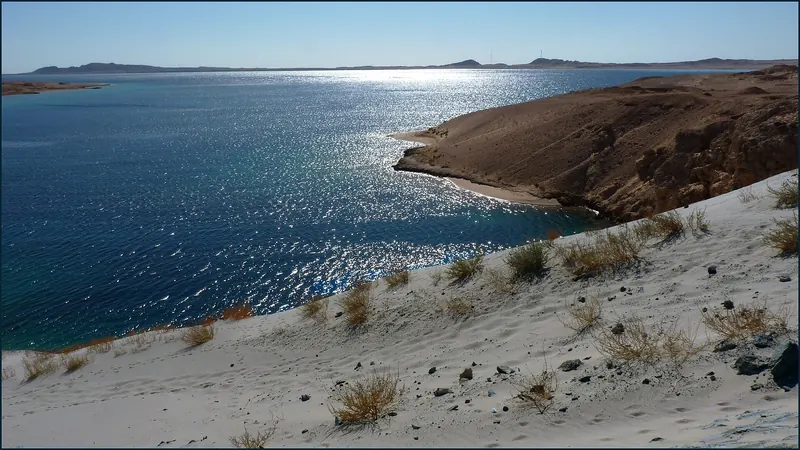
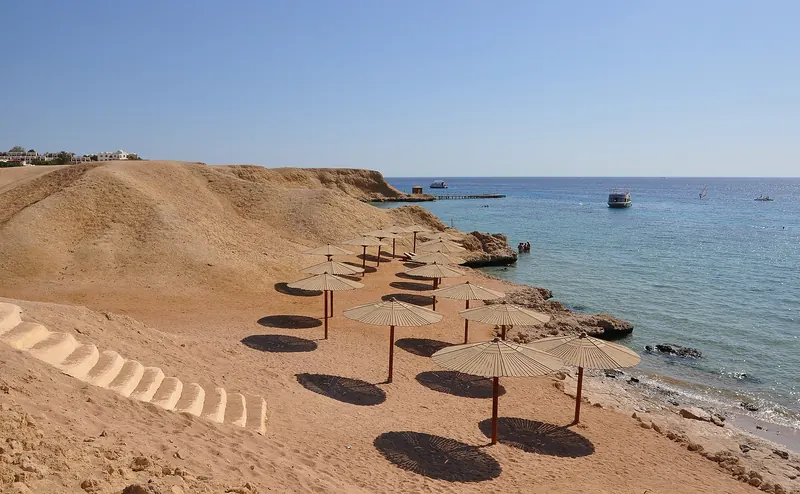

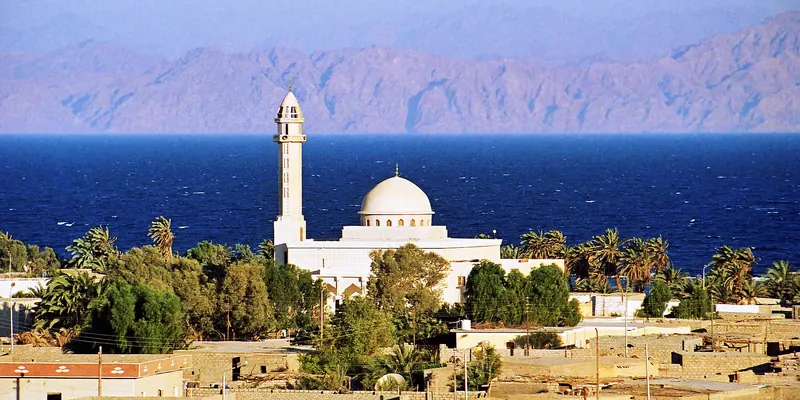
The South Sinai coastline near Sharm El Sheikh

South Sinai · Egypt

Sharm El Sheikh

Egypt's largest Red Sea resort town, built around extraordinary coral reefs and some of the best diving conditions on Earth.

  • Best time March to May and September to November for the most comfortable diving conditions
  • Stay 4-5 days
  • Good for Diving, snorkelling, beach relaxation

Photo: Mohammed Moussa · CC BY-SA 4.0

Welcome to Sharm El Sheikh

Sharm El Sheikh is Egypt's largest and best-developed Red Sea resort town, built along the southern tip of the Sinai Peninsula where the desert meets some of the most extraordinary coral reefs on Earth.

Its real draw is underwater — extraordinary visibility, healthy coral and a density of marine species that has made this coastline one of the world's premier diving destinations for decades.

Most visitors base themselves around Naama Bay or a nearby resort strip, splitting time between diving or snorkelling trips to Ras Mohammed National Park and simply relaxing by the Red Sea itself.

  • Beach
  • Diving
  • Resort
  • Nature & Wildlife

Why visit

Why visit Sharm El Sheikh?

Sharm El Sheikh's case rests on being one of the world's great diving and snorkelling destinations, with resort infrastructure to match.

  • Ras Mohammed is one of the world's best dive sites

    Extraordinary coral walls and visibility at the meeting point of two seas.

  • The coral reefs here are remarkably healthy

    Some of the best-preserved reef systems left in the Red Sea.

  • It's accessible to every experience level

    From beginner snorkellers to advanced technical divers, all well catered for.

  • The resort infrastructure is well developed

    A wide range of hotels, restaurants and dive centres to suit any budget.

  • It works well as a Red Sea extension to a Nile-focused trip

    A direct flight connects easily to Cairo or elsewhere in Egypt.

Main attractions

Top things to see in Sharm El Sheikh

Sharm El Sheikh's essential sights are mostly underwater, at some of the Red Sea's finest reef locations.

  1. Naama Bay in Sharm El Sheikh

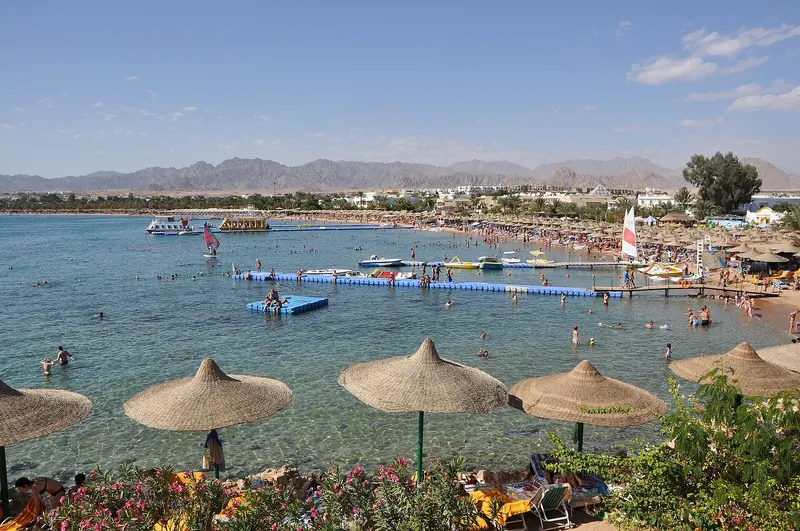
    Naama Bay

    The town's main hub, a curving bay lined with hotels, restaurants and dive centres right on the water.

    Tip A lively spot for an evening stroll, with restaurants spanning every cuisine and budget.

  2. Ras Mohammed National Park near Sharm El Sheikh

    Ras Mohammed National Park

    One of the world's premier dive and snorkel sites, where the Gulf of Aqaba and Gulf of Suez meet in extraordinary biodiversity.

    Tip Book a full-day boat trip here rather than a rushed half-day for the best experience.

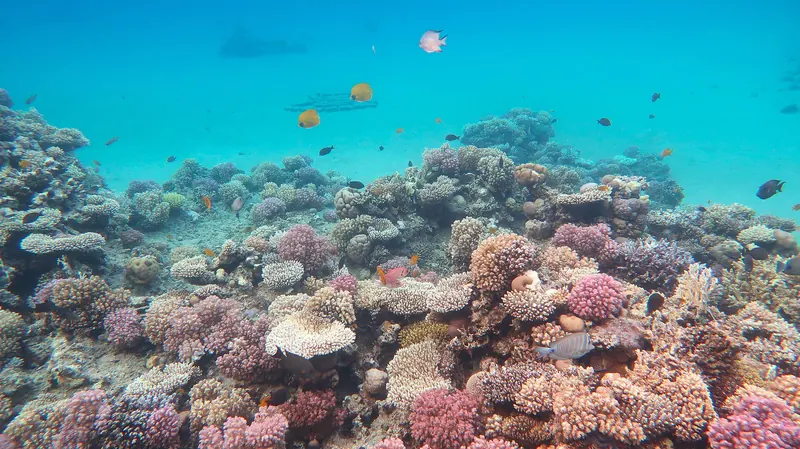
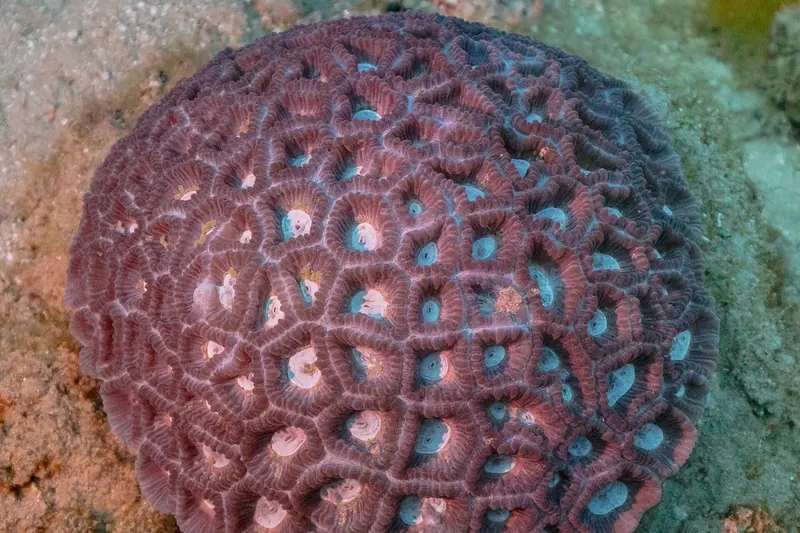
  3. Coral reef formations near Sharm El Sheikh

    The reef's coral formations

    Remarkably healthy and colourful, among the best-preserved coral systems remaining in the Red Sea.

    Tip Never touch or stand on coral — it's a fragile, slow-growing ecosystem.

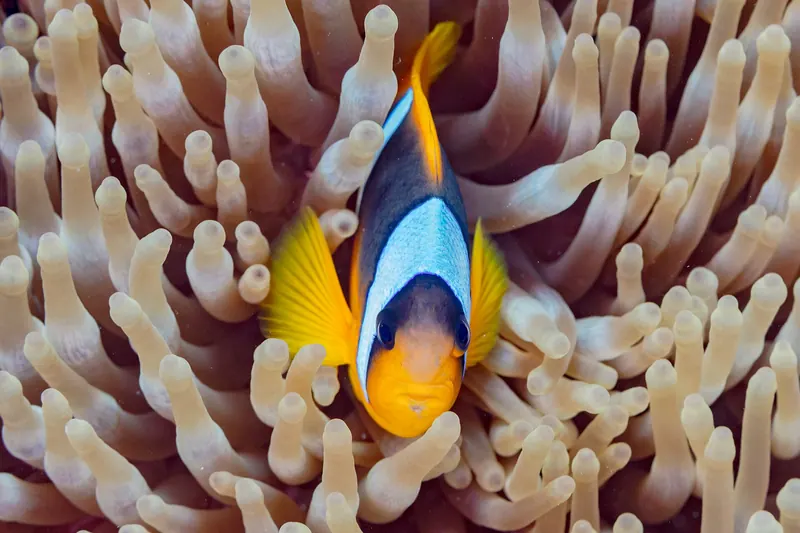
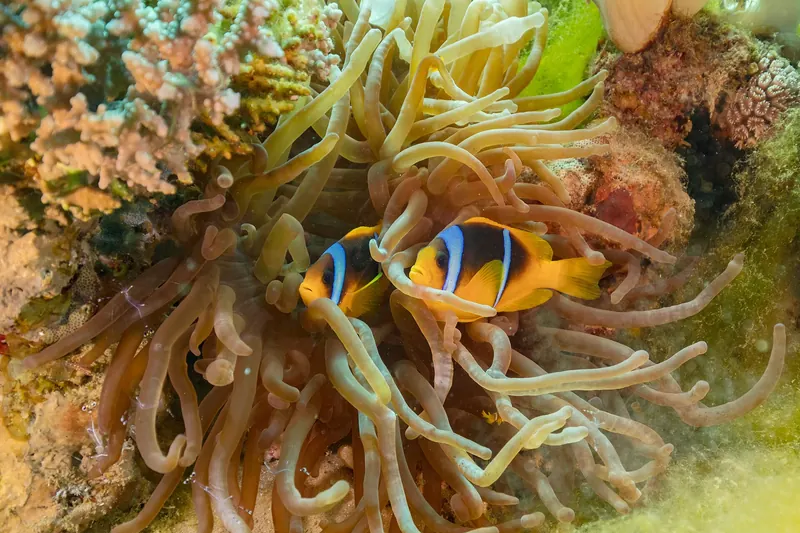
  4. Clownfish sheltering in a sea anemone in the Red Sea

    Clownfish in sea anemones

    A reliable, delightful sighting for snorkellers and divers alike across the reef.

    Tip Watch quietly from a respectful distance — clownfish are territorial and can nip if disturbed.

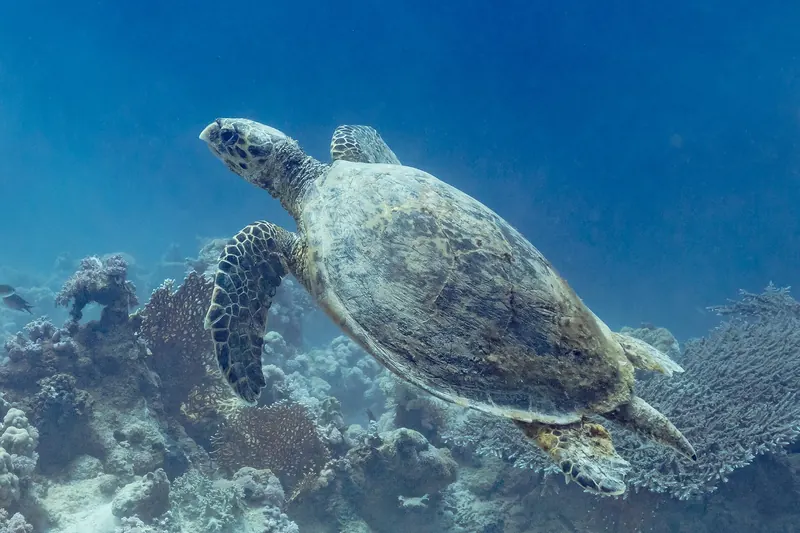
  5. A hawksbill sea turtle in the Red Sea

    Hawksbill sea turtles

    A real, if not guaranteed, highlight of many dives and snorkel trips around Ras Mohammed.

    Tip Never chase or touch a turtle — observe patiently and let it approach on its own terms.

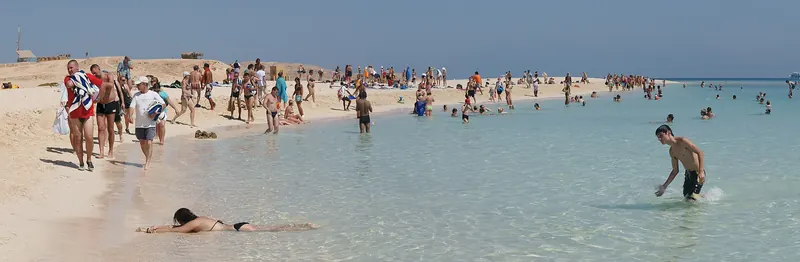
  6. The beach at Naama Bay

    Naama Bay's beach

    A relaxed stretch of sand right in the centre of town, easy access for a swim between other activities.

    Tip Most resort beaches are private to guests, though public access points exist nearby.

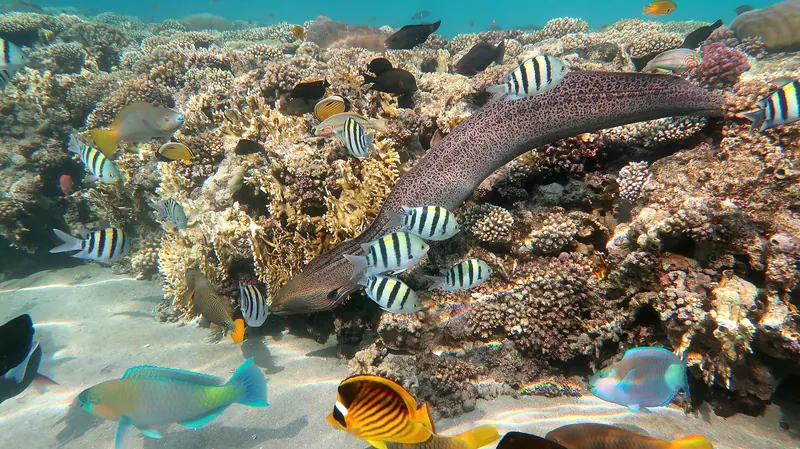
  7. A moray eel in the Red Sea near Sharm El Sheikh

    The reef's moray eels

    A common sighting for divers exploring the reef's crevices and coral overhangs.

    Tip A good subject for underwater photography, if you keep a safe, respectful distance.

Things to do

Best things to do in Sharm El Sheikh

Sharm El Sheikh exists for its underwater world, though plenty of relaxation rounds out a visit.

  1. Coral at Ras Mohammed National Park

    Dive or snorkel Ras Mohammed

    An essential Sharm El Sheikh experience, exploring some of the Red Sea's finest reef at this protected national park.

    Tip Book with a PADI or SSI certified dive centre, especially for anything beyond snorkelling.

  2. Clownfish in an anemone at Ras Mohammed

    Spot clownfish in anemones

    A delightful, accessible sighting even for first-time snorkellers.

    Tip Bring an underwater camera or housing — this is one of the reef's most photogenic residents.

  3. Snorkelling near a sea turtle in the Red Sea

    Watch for sea turtles while snorkelling

    A memorable moment for many visitors, spotting a hawksbill turtle gliding gracefully over the reef.

    Tip Stay calm and still — sudden movements tend to send turtles swimming away quickly.

  4. Relaxing on the beach at Naama Bay

    Relax on Naama Bay's beach

    An easy way to balance out days of diving, simple beach time right in the centre of town.

    Tip Most resorts offer sun loungers and water sports right on the sand.

  5. Diving near a moray eel

    Look for moray eels on a dive

    An exciting find for divers exploring the reef's nooks and coral formations.

    Tip Ask your dive guide to point out likely moray hiding spots along the route.

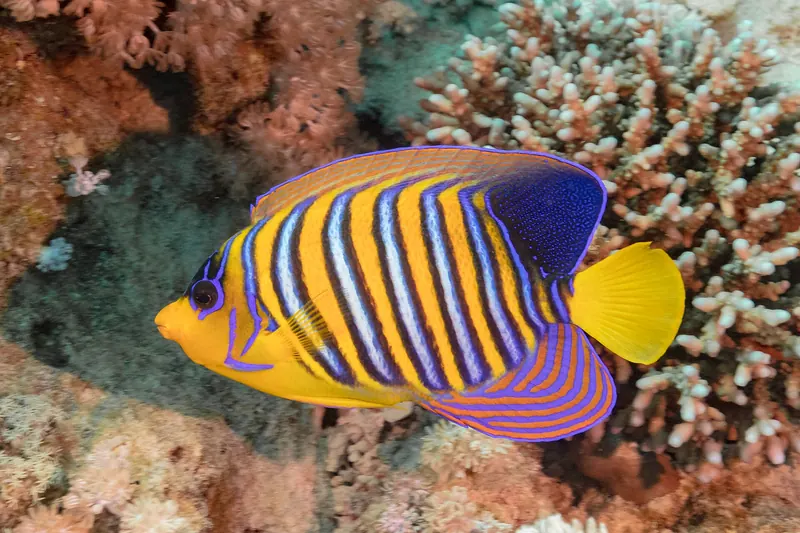
  6. A royal angelfish on the reef near Sharm El Sheikh

    Explore the reef's angelfish

    A colourful highlight of any dive or snorkel trip, angelfish among the reef's most striking residents.

    Tip Their vivid colours make them a rewarding subject for underwater photography.

Local food

What to eat in Sharm El Sheikh

Sharm El Sheikh's food spans international resort dining alongside fresh Red Sea seafood.

  • Fresh Red Sea seafood

    A highlight of dining here, fish and shellfish landed fresh from the surrounding waters.

    Where to try it Restaurants throughout Naama Bay and the wider resort strip.

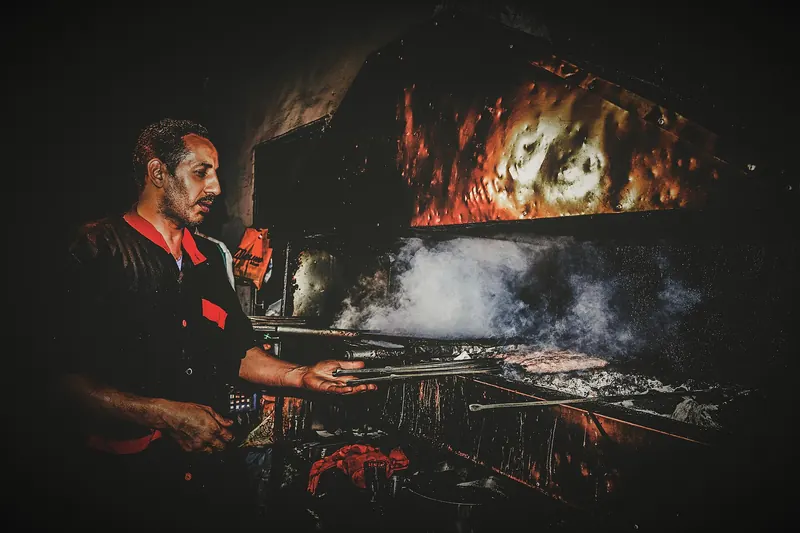
  • Grilled kofta, spiced minced meat skewers

    Grilled kofta

    A reliable classic, found throughout the town's restaurants.

    Where to try it Restaurants throughout Sharm El Sheikh.

  • Koshari, Egypt's national dish of rice, lentils and pasta

    Koshari

    Available at Egyptian restaurants throughout the resort area, a taste of home for local staff and visitors alike.

    Where to try it Egyptian restaurants throughout the town.

  • Ful medames, a traditional Egyptian fava bean breakfast

    Ful medames

    A traditional breakfast option, found at both resort buffets and local cafés.

    Where to try it Cafés and resort breakfasts throughout Sharm El Sheikh.

  • Taameya (Egyptian falafel)

    Egypt's own fava bean version of falafel, available throughout the town.

    Where to try it Restaurants and street stalls throughout Sharm El Sheikh.

  • Karkade (hibiscus tea)

    A refreshing national drink, a nice complement to a day by the Red Sea.

    Where to try it Cafés and restaurants throughout the resort area.

Accommodation

Where to stay in Sharm El Sheikh

Sharm El Sheikh offers a huge range of resort accommodation, from budget dive lodges to luxury all-inclusive hotels.

  • Naama Bay

    The liveliest, most convenient base for most visitors.

    Best for: Being central with the widest choice of restaurants and dive centres

  • Quieter resort strips further out

    A short taxi from Naama Bay, with larger, more secluded properties.

    Best for: A more relaxed, all-inclusive resort experience

What a night costs

Budget dive lodge
E£800–1,600 per night
Mid-range resort
E£2,500–5,000 per night
Two-tank dive trip
About E£1,800–2,800
Dinner at a mid-range restaurant
About E£300–600 per person

Transport

Getting to and around Sharm El Sheikh

Sharm El Sheikh is well connected by direct flights, both domestic and international.

Getting there

  • Flight from Cairo

    The standard domestic connection, taking about an hour.

    Frequent daily flights make Sharm an easy Red Sea addition to a Nile-focused trip.

  • Direct international flights

    Available from many European and Middle Eastern cities.

    A popular direct resort destination not requiring a Cairo stopover.

  • Bus from Cairo

    A long but budget-friendly overland option.

    Takes around six to eight hours via the Sinai Peninsula.

Getting around

Sharm El Sheikh is spread across a resort strip, with taxis and organised transfers the standard way around.

  • Resort shuttles and dive centre transfers

    The standard way to reach dive and snorkel sites from your hotel.

    Most dive centres include hotel pickup as part of the trip.

  • Taxis

    Useful for reaching restaurants and Naama Bay from other resort areas.

    Widely available, though agree the fare before starting your journey.

  • On foot within Naama Bay

    Easy for the central resort strip itself.

    Restaurants, dive centres and the beach all sit within a comfortable walk.

When to go

Best time to visit Sharm El Sheikh

Sharm El Sheikh is a year-round destination, with water temperatures staying warm even in winter.

  • Spring and autumn (March–May, September–November)

    Best time

    The most comfortable air and water temperatures for diving and beach time.

  • Summer (June–August)

    Good

    Hot on land, though the water itself stays pleasant for diving and snorkelling.

  • Winter (December–February)

    Good

    Mild and popular with visitors escaping colder climates, water temperatures still comfortable.

Worth planning around: Nothing strongly — Sharm El Sheikh's warm Red Sea waters make it a workable diving destination in any season.

Itinerary

Two days in Sharm El Sheikh

Built around a full-day Ras Mohammed trip on day one, relaxation and a second dive on day two.

  1. Day1

    Ras Mohammed National Park

    A full-day diving or snorkelling trip.

    • Morning Boat out to Ras Mohammed National Park.
    • Afternoon Multiple dive or snorkel stops along the reef.
    • Evening Dinner in Naama Bay.
  2. Day2

    Relaxation and a second dive

    Beach time and an optional local reef dive.

    • Morning A local shore dive or snorkel session.
    • Afternoon Relax on Naama Bay's beach.
    • Evening A final dinner by the water.

Travel tips

Sharm El Sheikh travel tips

Practical notes that make a Sharm El Sheikh visit noticeably smoother.

  • Book with a PADI or SSI certified dive centre for any diving beyond snorkelling.
  • Bring your own certification card if you're a qualified diver.
  • Pack reef-safe sunscreen to help protect the coral.
  • Never touch or stand on coral — it's a fragile, slow-growing ecosystem.
  • Stay hydrated and use sun protection, even on overcast days on the water.
  • Book a Ras Mohammed trip a day or two ahead through your resort or a dive centre.

FAQ

Sharm El Sheikh: frequently asked questions

How many days do you need in Sharm El Sheikh?

Four to five days allows for multiple dive or snorkel trips alongside real relaxation time.

Do you need to be a certified diver to visit?

No, not — excellent snorkelling is available for non-divers, and beginner dive courses are widely offered.

Is Ras Mohammed worth the trip?

Yes — it's considered one of the world's premier dive and snorkel sites, with extraordinary visibility and marine life.

What is Sharm El Sheikh known for?

World-class Red Sea diving and snorkelling, alongside a well-developed resort scene at Naama Bay.

Is Sharm El Sheikh good for beginners?

Yes — the resort has extensive infrastructure for every experience level, from first-time snorkellers to advanced divers.

Can you combine Sharm El Sheikh with the Nile Valley?

Yes, easily — a direct flight connects to Cairo, making it a natural Red Sea extension to a Nile-focused Egypt trip.

Read next

Related travel articles

Where to go

Beyond the Big Names: Places Worth the Detour

The most visited place in a country is rarely its best, and it is almost never its best value. This is a method for finding the destinations that do not make the postcards — and a set of examples from five of the 50 countries on this site.

Practical

Packing by Season and Trip Type

Most packing advice is a list of things. This is the opposite: the small number of decisions that determine whether your luggage helps or hinders, organised by the kind of trip you are actually taking.

Advertisement