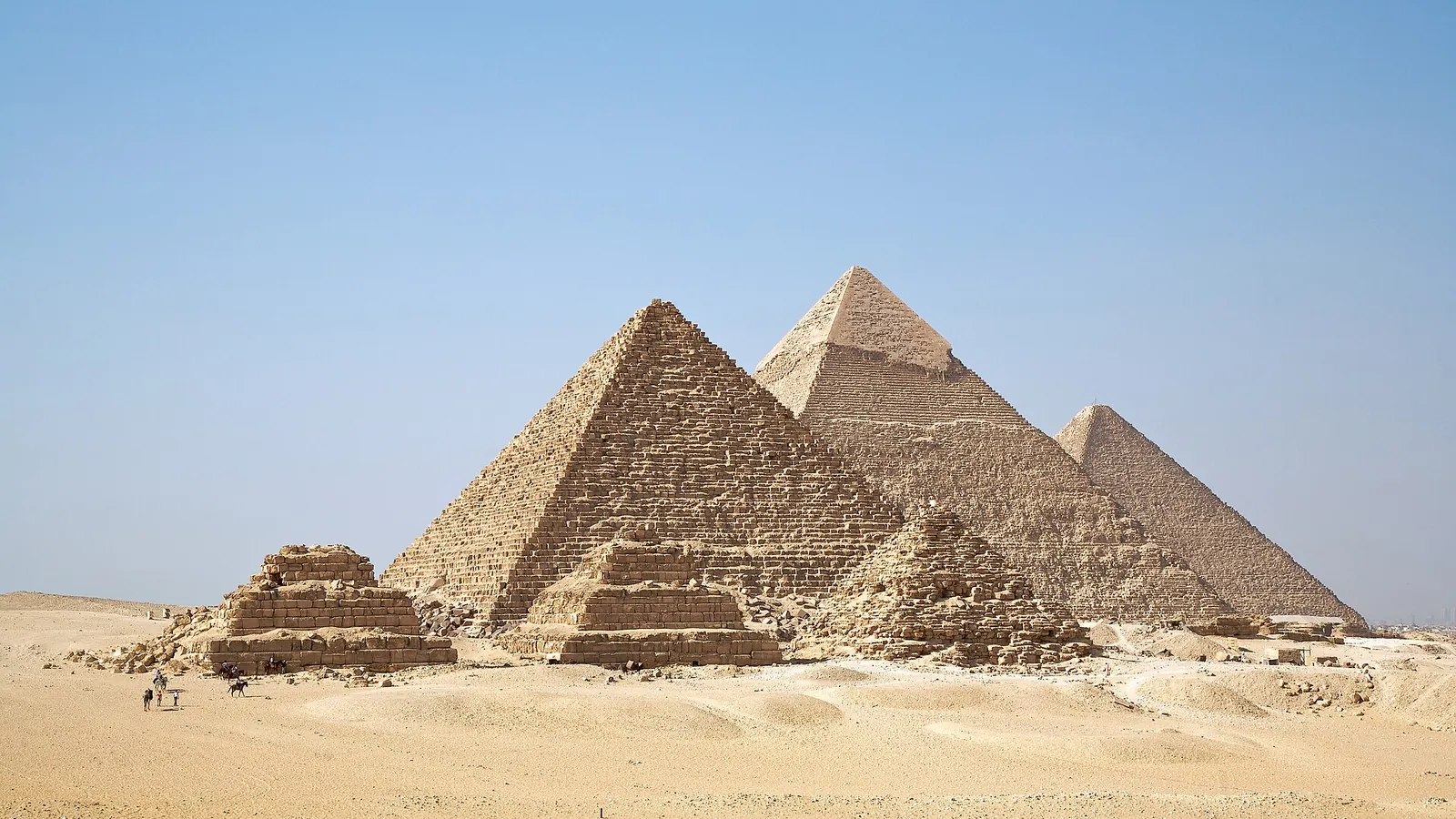
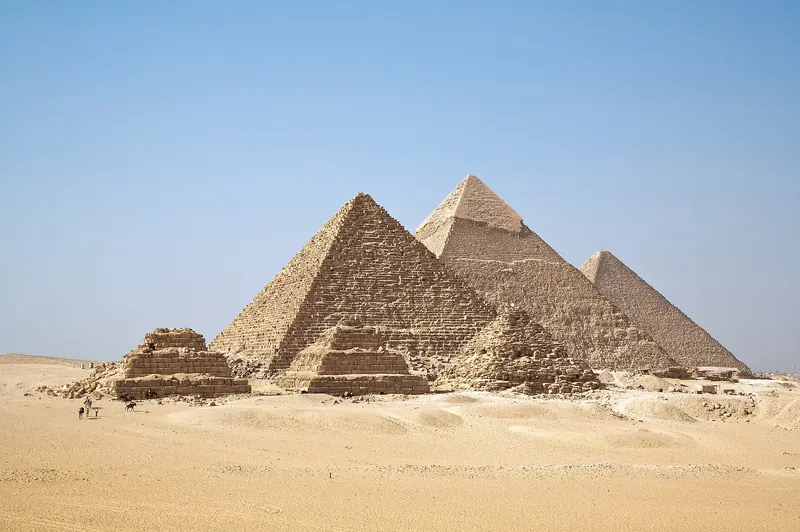
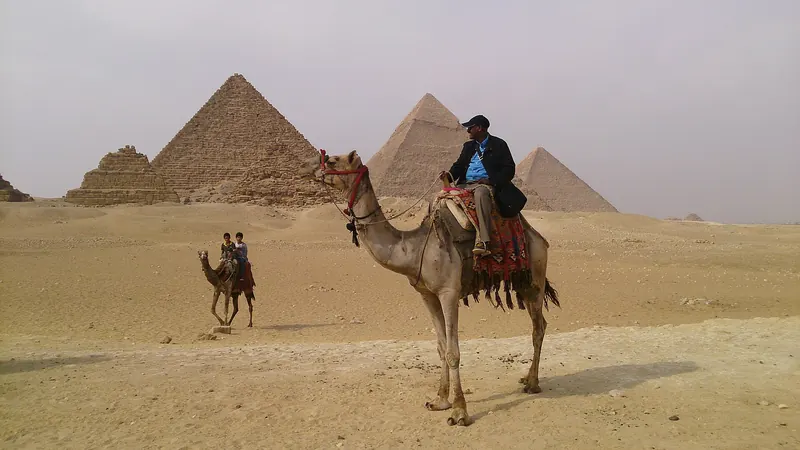

The Great Pyramids of Giza on the edge of Cairo

Greater Cairo · Egypt

Cairo & Giza

Egypt's sprawling capital, where the last surviving Ancient Wonder of the World still rises from the desert at the city's edge.

  • Best time October to April for the mildest, most comfortable temperatures
  • Stay 3 days
  • Good for Ancient history, museums, an essential first stop

Photo: Ricardo Liberato · CC BY-SA 2.0

Welcome to Cairo & Giza

Cairo is one of the world's great sprawling capitals, a city of over 20 million people that has grown right up to the edge of the Giza plateau, where the last surviving Ancient Wonder of the World still stands.

The Great Pyramids are almost impossibly old — already ancient ruins by the time of Cleopatra, built more than 4,500 years ago and still the most recognisable monuments on Earth.

Most visitors spend a few days here at the start of their Egypt trip, splitting time between Giza's pyramids, the treasures of the Grand Egyptian Museum, and the old city's centuries-old mosques and bazaars.

  • History
  • UNESCO Site
  • City
  • Culture

Why visit

Why visit Cairo & Giza?

Cairo and Giza's case rests on being the essential, unmissable starting point for any Egypt trip.

  • The Great Pyramids are unmissable

    The last surviving Ancient Wonder of the World, and still the most recognisable monument on Earth.

  • The Grand Egyptian Museum is a world-class collection

    Housing Tutankhamun's full treasure hoard and thousands of other ancient artefacts.

  • Islamic Cairo is a living historic city

    Centuries-old mosques and markets still in daily use, not preserved as a museum piece.

  • It's the essential gateway to the rest of Egypt

    Nearly every Egypt itinerary starts or ends in Cairo.

  • Khan el-Khalili is one of the world's great bazaars

    A centuries-old market still selling spices, lanterns and crafts to locals and visitors alike.

Main attractions

Top things to see in Cairo & Giza

Cairo and Giza's essential sights combine the world's most famous ancient monuments with a living historic old city.

  1. The Great Pyramids of Giza

    The Great Pyramids of Giza

    The last surviving Ancient Wonder of the World, three monumental pyramids built over 4,500 years ago as royal tombs.

    Tip Arrive at opening time to beat both the desert heat and the busiest tour groups.

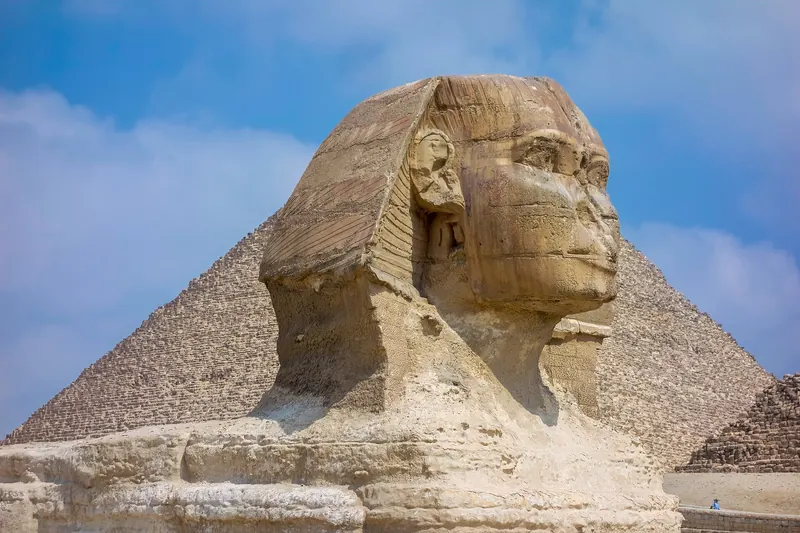
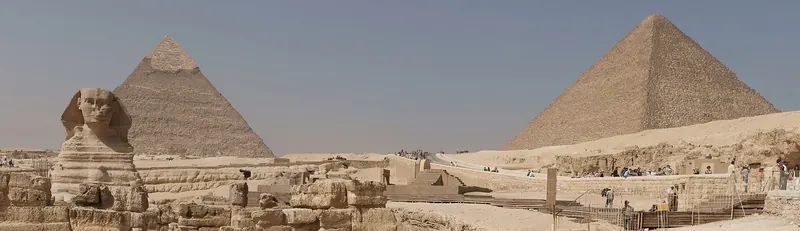
  2. The Great Sphinx of Giza

    The Great Sphinx

    One of the world's largest and oldest monolithic statues, its lion's body and human face guarding the pyramid complex.

    Tip The classic photo angle, appearing to touch the Sphinx's nose, requires standing at a specific spot your guide can show you.

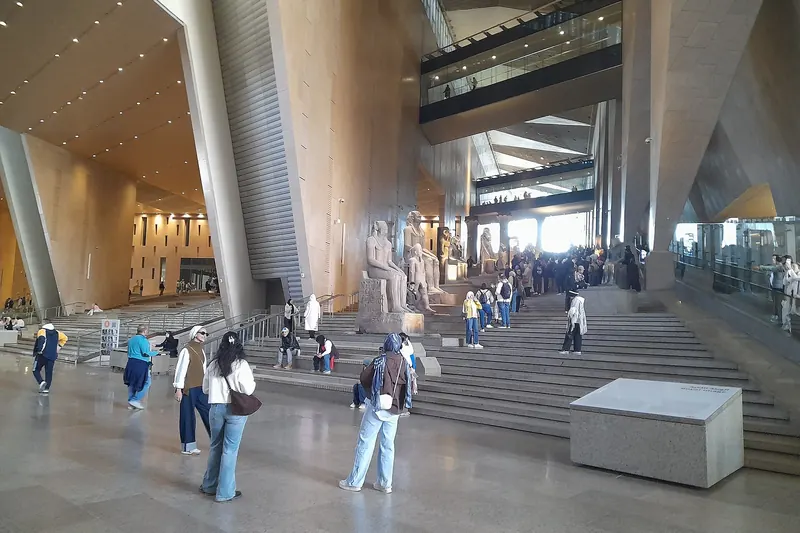
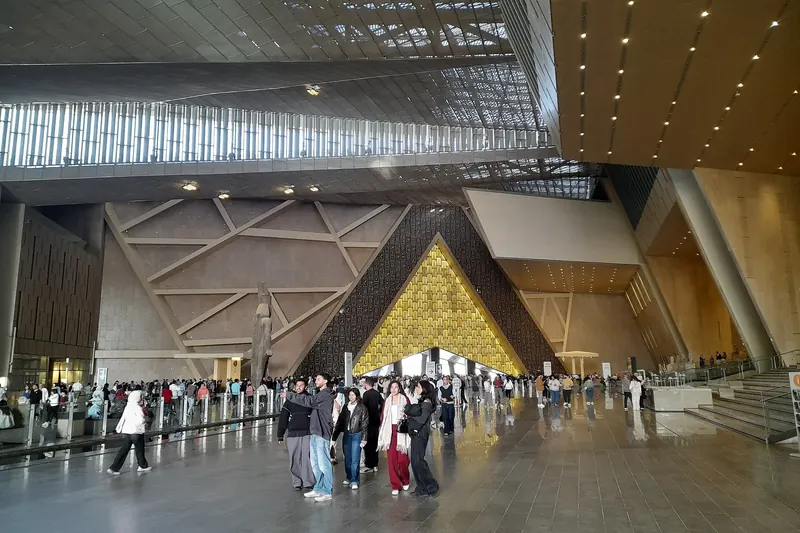
  3. The Grand Egyptian Museum near Giza

    The Grand Egyptian Museum

    One of the world's largest archaeological museums, housing Tutankhamun's complete treasure collection among thousands of other artefacts.

    Tip Allow a full half-day — the collection is far too extensive to rush.

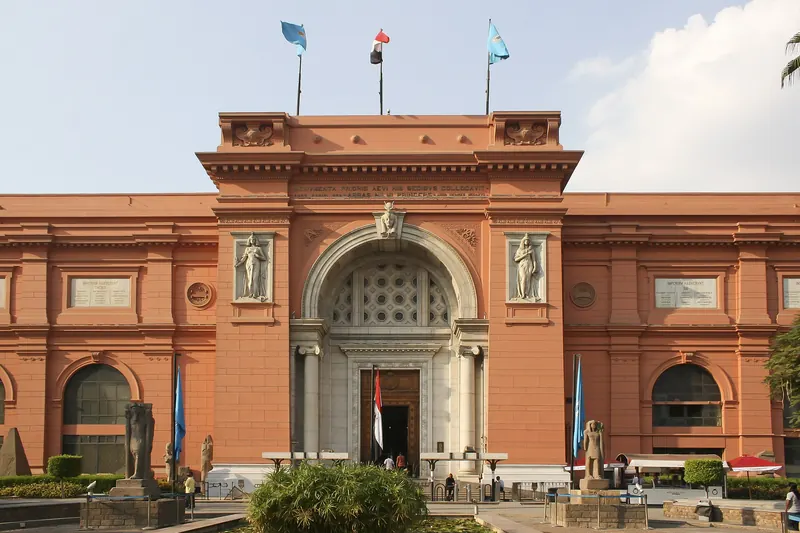
  4. The Egyptian Museum in Tahrir Square, Cairo

    The Egyptian Museum, Tahrir Square

    Cairo's original antiquities museum, a beautifully old-fashioned setting still holding significant artefacts.

    Tip Worthwhile even with the Grand Egyptian Museum now open, for a different, more historic display style.

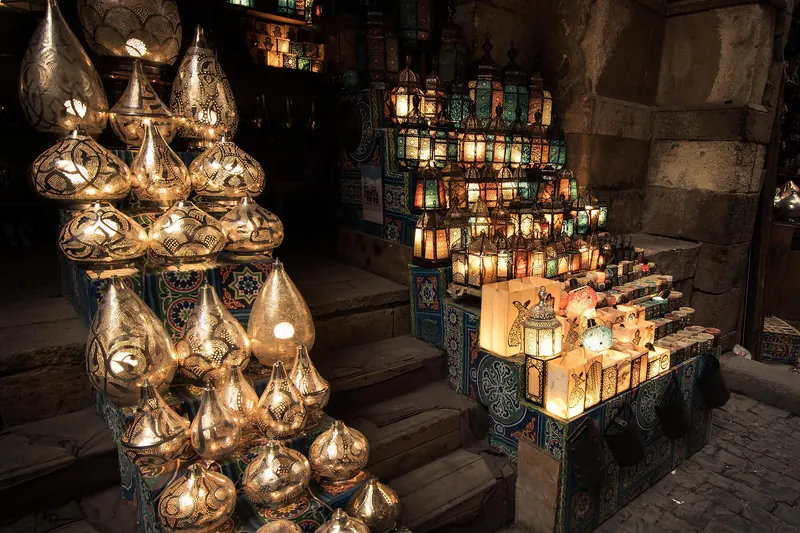
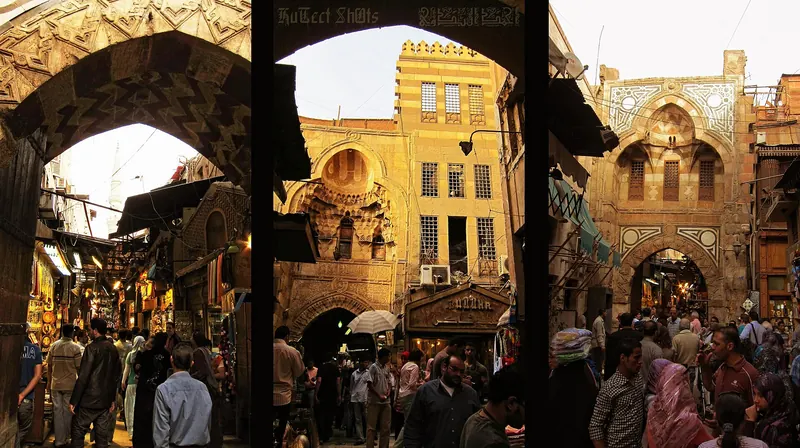
  5. The Khan el-Khalili bazaar in Cairo

    Khan el-Khalili

    A centuries-old bazaar, its narrow lanes packed with spices, lanterns, jewellery and workshops still in daily use.

    Tip Polite bargaining is expected and part of the shopping experience here.

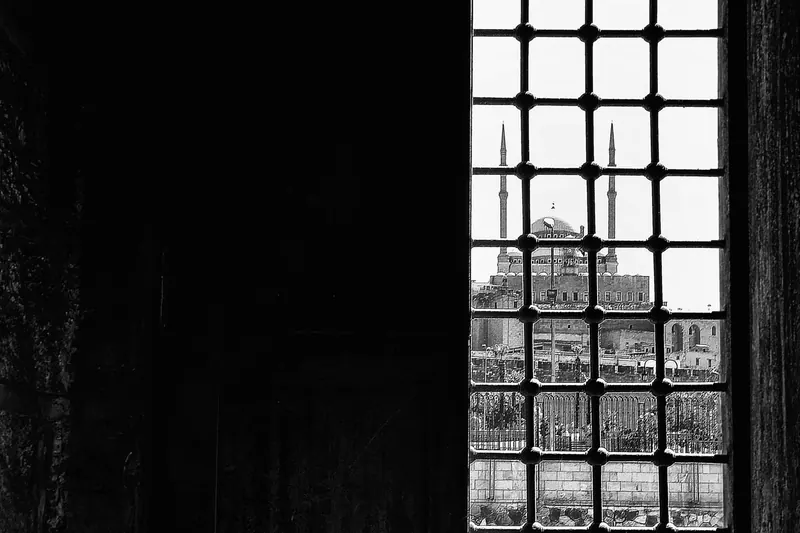
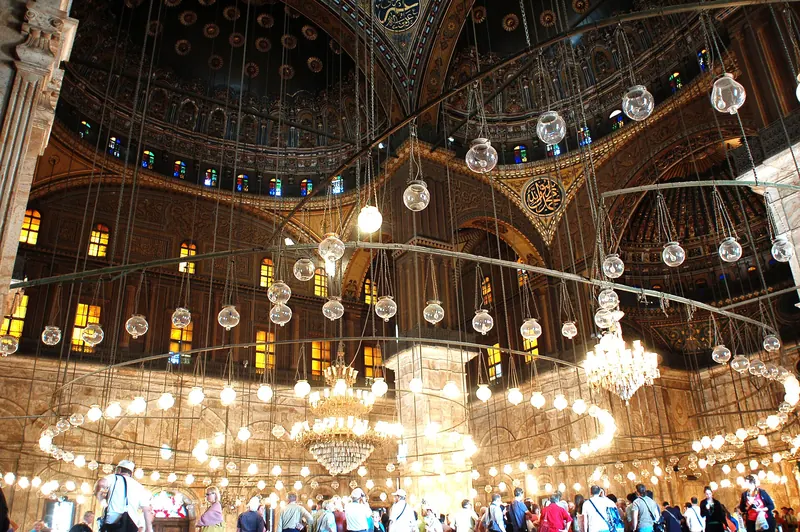
  6. The Mohammed Ali Mosque at the Cairo Citadel

    The Cairo Citadel & Mohammed Ali Mosque

    A striking Ottoman-style mosque atop a medieval fortress, with sweeping views over the whole city.

    Tip The citadel's elevated position offers one of Cairo's best panoramic views, pyramids included on a clear day.

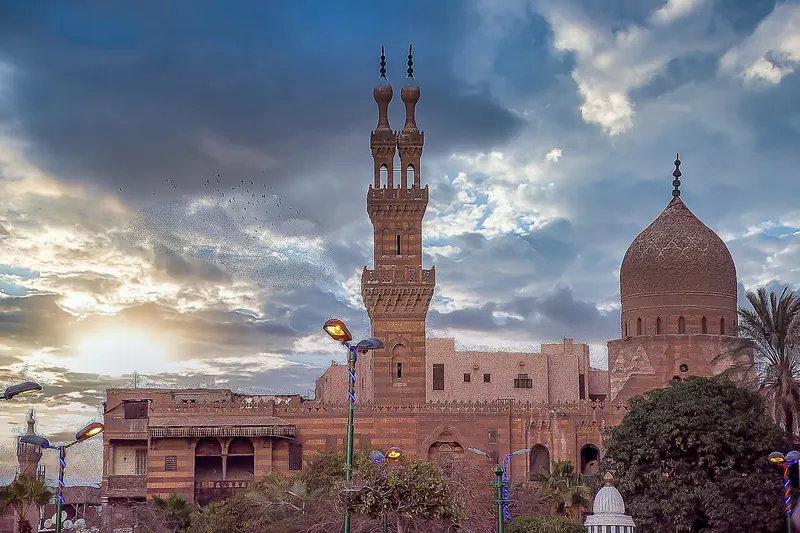
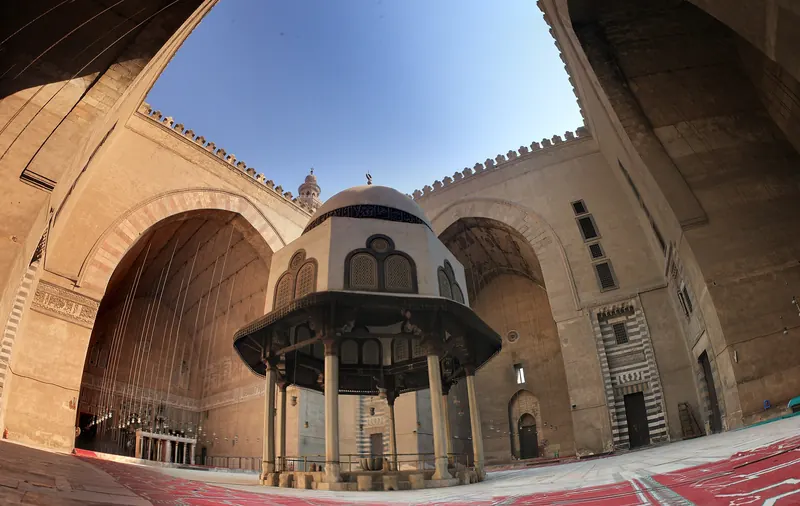
  7. Sultan Hassan Mosque in Cairo

    Sultan Hassan Mosque

    One of Cairo's most impressive medieval mosques, a masterpiece of Mamluk architecture dating to the 14th century.

    Tip The mosque's massive scale is best appreciated from its central courtyard.

Things to do

Best things to do in Cairo & Giza

Cairo and Giza reward mixing the pyramids with the old city's mosques and bazaars.

  1. Camel riding at the Giza Pyramids

    Ride a camel around the pyramids

    A classic, if slightly touristy, way to see the pyramids from a desert vantage point.

    Tip Agree the price and duration clearly before mounting — this is a common area for overcharging.

  2. Exhibits inside the Grand Egyptian Museum

    Explore the Grand Egyptian Museum's collection

    An absorbing half-day, taking in thousands of years of ancient Egyptian history and artefacts.

    Tip Book tickets online ahead — the museum's popularity means walk-up queues can be long.

  3. Shopping in Khan el-Khalili bazaar

    Bargain at Khan el-Khalili

    A lively way to spend an afternoon, browsing spices, textiles and crafts through the bazaar's narrow lanes.

    Tip A small glass of tea at a bazaar café makes a nice break between shopping stops.

  4. Inside the Mohammed Ali Mosque at the Cairo Citadel

    Climb the Cairo Citadel

    A worthwhile half-day, exploring the mosque's ornate interior and the citadel's sweeping city views.

    Tip Combine with a visit to the nearby National Military Museum, included within the citadel grounds.

  5. The interior of Sultan Hassan Mosque

    Explore Islamic Cairo's mosques

    A rewarding walk through centuries of Islamic architecture, still functioning as active places of worship.

    Tip Dress modestly and remove shoes before entering any mosque.

  6. A panoramic desert view of the pyramids and Sphinx

    View the pyramids from a desert panorama point

    An essential photo stop, a slightly elevated desert viewpoint capturing all three pyramids together.

    Tip Visit in late afternoon for the warmest, most flattering light on the stone.

Local food

What to eat in Cairo & Giza

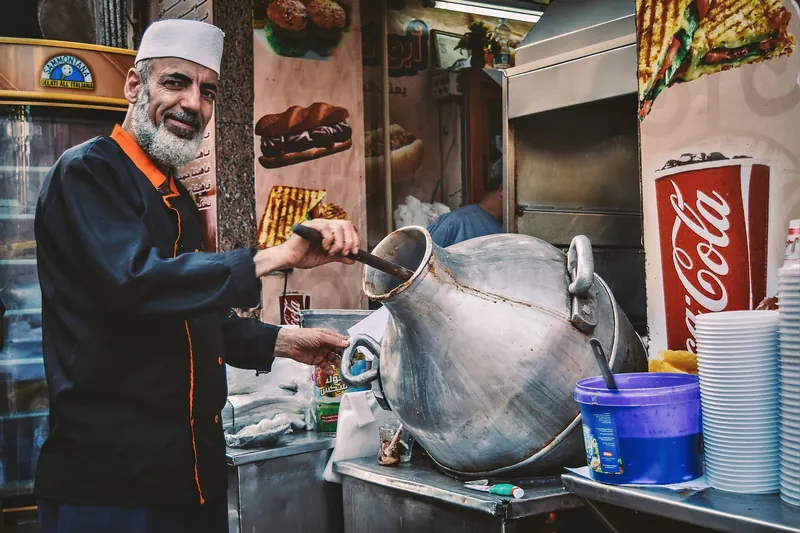
Cairo's food represents Egyptian cuisine at its best, from humble street stalls to more refined restaurants.

  • Koshari, Egypt's national dish of rice, lentils and pasta

    Koshari

    Egypt's national dish, found at dedicated koshari shops throughout the city at every price point.

    Where to try it Koshari shops throughout downtown Cairo.

  • Ful medames, a traditional Egyptian fava bean breakfast

    Ful medames

    An essential Cairo breakfast, slow-cooked fava beans found at street stalls citywide.

    Where to try it Breakfast stalls and cafés throughout Cairo.

  • Grilled kofta, spiced minced meat skewers

    Grilled kofta

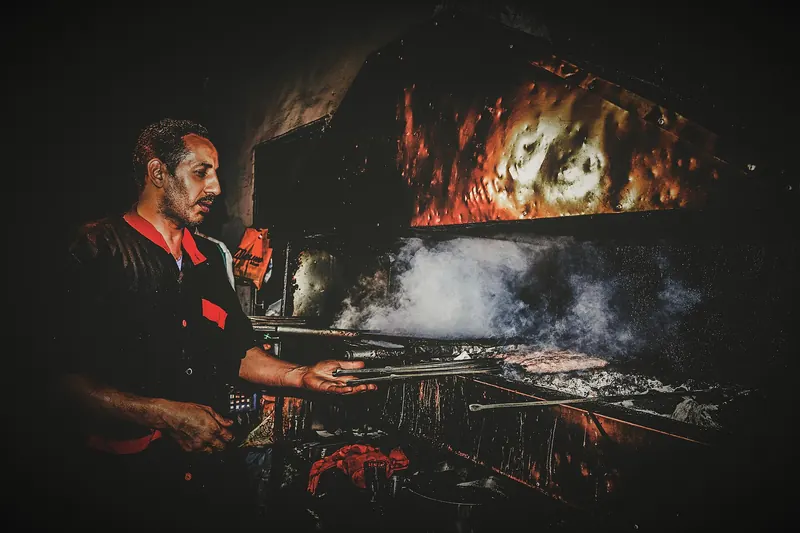
    A beloved grilled dish, spiced minced meat skewers found across the city's restaurants.

    Where to try it Restaurants throughout Cairo.

  • Taameya (Egyptian falafel)

    Egypt's own fava bean version of falafel, a beloved street food found on nearly every corner.

    Where to try it Street stalls throughout Cairo.

  • Molokhia

    A beloved home-style dish, a thick green soup found at traditional restaurants across the city.

    Where to try it Traditional restaurants throughout Cairo.

  • Karkade (hibiscus tea)

    A refreshing national drink, served hot or cold at cafés throughout the city.

    Where to try it Cafés and restaurants throughout Cairo.

Accommodation

Where to stay in Cairo & Giza

Cairo offers accommodation across every budget, with Giza and downtown Cairo the two main visitor bases.

  • Giza (near the pyramids)

    Several hotels offer direct pyramid views, especially convenient for an early pyramid visit.

    Best for: Being close to the pyramids themselves

  • Downtown Cairo or Zamalek

    Closer to Khan el-Khalili, the Egyptian Museum and Islamic Cairo's mosques.

    Best for: A more central base for the old city and museums

What a night costs

Hostel or guesthouse
E£400–800 per night
Mid-range hotel
E£1,800–3,500 per night
Grand Egyptian Museum entry
About E£1,200–1,700
Dinner at a mid-range restaurant
About E£300–600 per person

Transport

Getting to and around Cairo & Giza

Cairo is Egypt's main international gateway, with most visitors arriving here first regardless of their onward plans.

Getting there

  • International flight to Cairo Airport

    Most international routes into Egypt land here.

    Well connected to Europe, the Middle East and increasingly further afield.

  • Domestic flight onward

    The standard way to reach Luxor, Aswan and the Red Sea coast.

    Frequent daily flights connect Cairo to nearly every major Egypt destination.

  • Overnight train

    A budget-friendly, if slower, option for reaching Luxor or Aswan.

    Sleeper cabins save a hotel night while covering real distance.

Getting around

Cairo is a sprawling, traffic-heavy city, and most visitors rely on taxis, rideshare apps or organised tours.

  • Rideshare apps and taxis

    The easiest way around, widely available and inexpensive.

    Traffic can be heavy, so budget extra time between destinations.

  • Organised tours or private guides

    A practical, efficient way to see Giza and the old city together.

    Widely available and often worthwhile for the historical context alone.

  • The Cairo Metro

    A fast, cheap option for certain routes, avoiding the worst of the traffic.

    Limited coverage of tourist sites, but useful for some downtown journeys.

When to go

Best time to visit Cairo & Giza

Cairo's desert climate makes winter and shoulder season far more comfortable for a full day of sightseeing at Giza.

  • Winter (December–February)

    Best time

    The mildest temperatures for a full day of pyramid sightseeing, also the busiest season.

  • Shoulder months (October–November, March–April)

    Best time

    Warm but manageable heat with thinner crowds than peak winter.

  • Summer (May–September)

    Good

    Intense heat at the exposed Giza plateau, best managed with an early start.

Worth planning around: A midday Giza visit in summer — plan for an early morning start regardless of season.

Itinerary

Three days in Cairo and Giza

Built around the pyramids on day one, the Grand Egyptian Museum on day two, and the old city on day three.

  1. Day1

    The pyramids and Sphinx

    The Great Pyramids of Giza and the Sphinx.

    • Morning The Great Pyramids of Giza.
    • Afternoon The Great Sphinx and a desert panorama viewpoint.
    • Evening A sound and light show at the pyramids.
  2. Day2

    The Grand Egyptian Museum

    A full day at the museum.

    • Morning The Grand Egyptian Museum's main galleries.
    • Afternoon Tutankhamun's treasure collection.
    • Evening Dinner overlooking the Nile.
  3. Day3

    Islamic Cairo

    The Citadel, mosques and Khan el-Khalili.

    • Morning The Cairo Citadel and Mohammed Ali Mosque.
    • Afternoon Sultan Hassan Mosque and Islamic Cairo's streets.
    • Evening Khan el-Khalili bazaar.

Travel tips

Cairo & Giza travel tips

Practical notes that make a Cairo and Giza stay noticeably smoother.

  • Book Grand Egyptian Museum tickets online ahead to skip long walk-up queues.
  • Arrive early at Giza to beat both the heat and the tour bus crowds.
  • Agree prices upfront for camel rides, taxis and unofficial guides.
  • Dress modestly when visiting mosques, and carry a scarf for women entering.
  • Budget extra time for Cairo's traffic between destinations.
  • Carry small cash for tips, expected throughout your visit.

FAQ

Cairo & Giza: frequently asked questions

How many days do you need in Cairo and Giza?

Three days covers the pyramids, the Grand Egyptian Museum and Islamic Cairo comfortably.

Are the pyramids actually in Cairo?

On Cairo's western edge, in Giza — technically a separate city that has effectively merged with greater Cairo's sprawl.

Is the Grand Egyptian Museum worth visiting alongside the older Egyptian Museum?

Yes, both are worthwhile — the Grand Egyptian Museum houses the major Tutankhamun collection, while the older museum offers a different, more historic display style.

Is Cairo safe for tourists?

Generally yes in main tourist areas, with persistent touting around Giza the main practical nuisance rather than serious danger.

How do you avoid pyramid scams?

Agree prices upfront for any camel ride, guide or 'special access' offer, and be firm about declining unsolicited assistance.

Can you enter the pyramids themselves?

Yes, for an additional fee — though the interior chambers are relatively plain compared to the exterior's scale.

Read next

Related travel articles

Heritage

UNESCO Sites Worth Planning a Trip Around

A UNESCO listing tells you a place matters; it does not tell you whether it is worth two days and a detour. This is how to read the list usefully — and which sites reward building a trip around them.

Where to go

Beyond the Big Names: Places Worth the Detour

The most visited place in a country is rarely its best, and it is almost never its best value. This is a method for finding the destinations that do not make the postcards — and a set of examples from five of the 50 countries on this site.

Advertisement