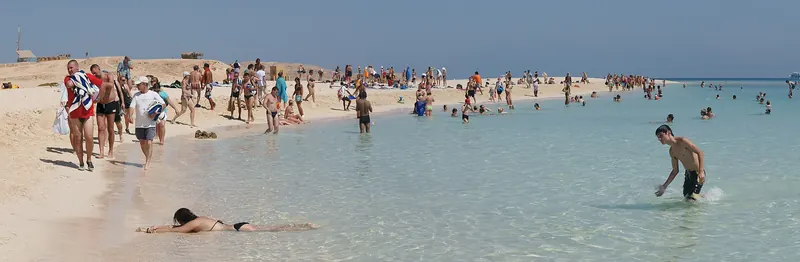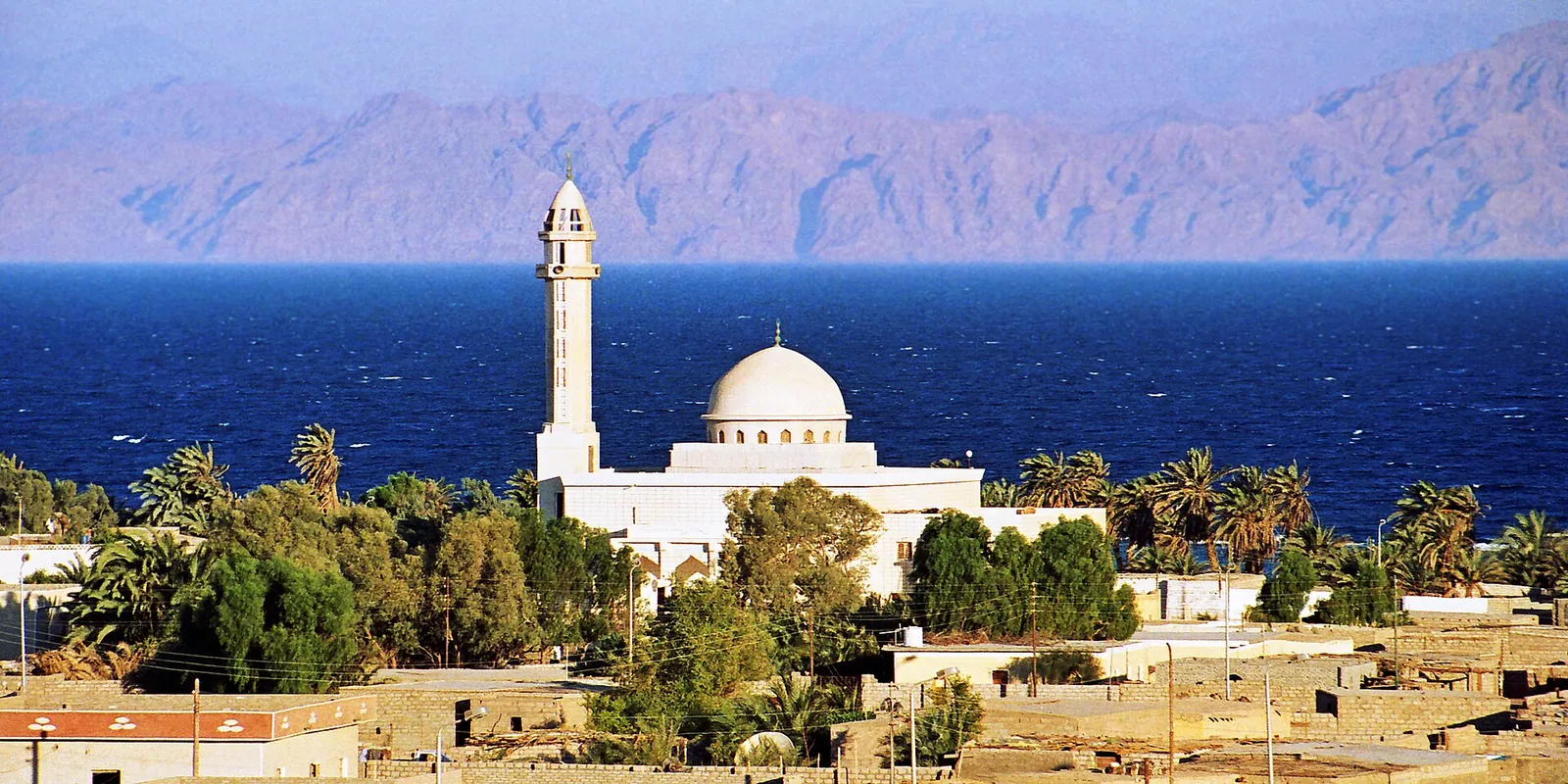
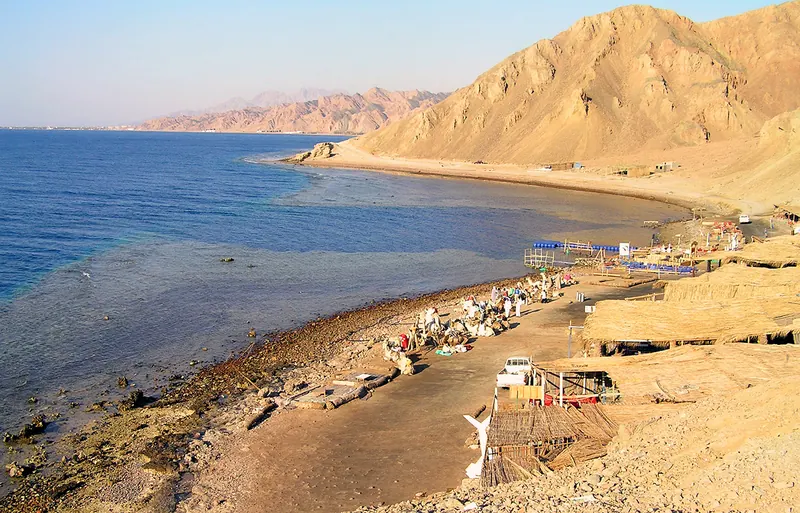
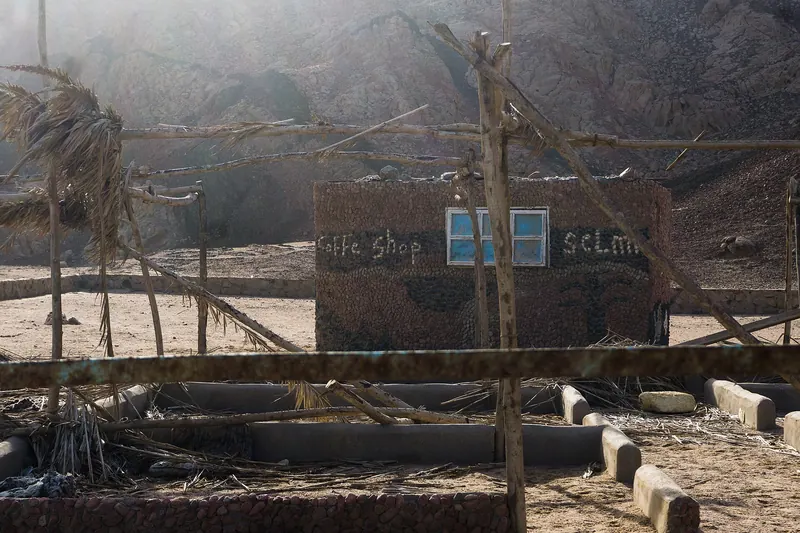
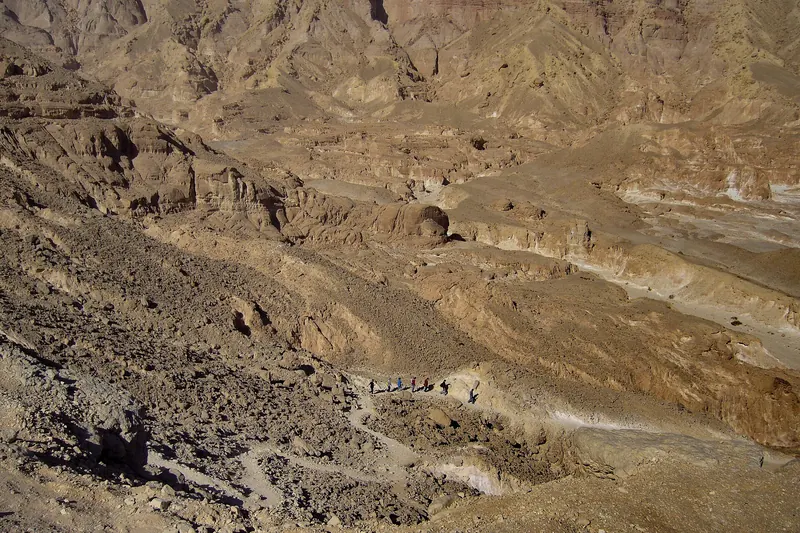
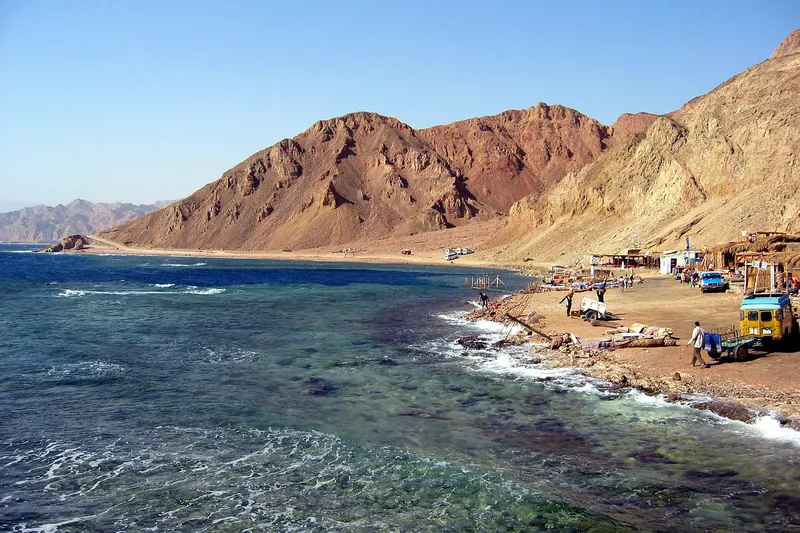

The coastal town of Dahab on the Gulf of Aqaba

South Sinai · Egypt

Dahab

Egypt's laid-back answer to Sharm El Sheikh, a former Bedouin fishing village turned shore-diving and freediving hub on the Gulf of Aqaba.

  • Best time March to May and September to November for the most comfortable conditions
  • Stay 3-5 days
  • Good for Diving, freediving, windsurfing, relaxed backpacking

Photo: Dr. Ondřej Havelka (cestovatel) · CC BY-SA 4.0

Welcome to Dahab

Dahab is Egypt's laid-back answer to Sharm El Sheikh, a former Bedouin fishing village strung along the Gulf of Aqaba about an hour and a half up the Sinai coast.

Its reputation rests on house-reef diving — walking straight off the shore into some of the Red Sea's best diving and freediving, including the legendary, notorious Blue Hole.

Life here moves at a different pace than Sharm's resort strip, built around cushion-strewn seafront cafés, budget guesthouses and a close-knit diving and freediving community.

  • Beach
  • Diving
  • Off the Beaten Path
  • Nature & Wildlife

Why visit

Why visit Dahab?

Dahab's case rests on world-class shore diving paired with an unusually relaxed, unpretentious atmosphere.

  • The diving here is shore-based and exceptional

    Walk straight off the beach into reef walls that would require a boat almost anywhere else.

  • It's one of the world's great freediving hubs

    Multiple international freediving schools and a calm, deep bay draw the discipline's top athletes.

  • The pace here is far more relaxed than Sharm

    A backpacker, Bedouin-influenced town with no big resort strip to speak of.

  • The lagoon is excellent for windsurfing and kitesurfing

    Flat, shallow water and reliable wind make it a genuine watersports draw.

  • It works well as a quieter Red Sea base

    Easily combined with Sharm El Sheikh or a wider Sinai itinerary.

Main attractions

Top things to see in Dahab

Dahab's essential sights are centred on its famous dive sites and its laid-back seafront.

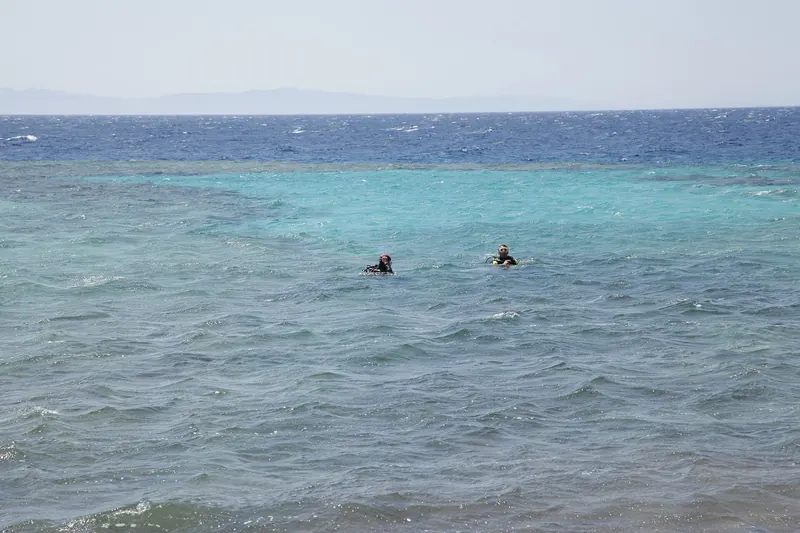
  1. The Blue Hole dive site near Dahab

    The Blue Hole

    One of the world's most famous — and most notorious — dive sites, a sinkhole dropping more than 100 metres just off the shore.

    Tip Only dive here with a qualified local guide and well within your certification level; the site has a serious accident history.

  2. The bay at Dahab's Canyon dive site

    The Canyon

    A dramatic underwater crevice a short way up the coast, its narrow walls opening onto a sandy floor around 30 metres down.

    Tip A rewarding, slightly easier alternative to the Blue Hole for certified divers.

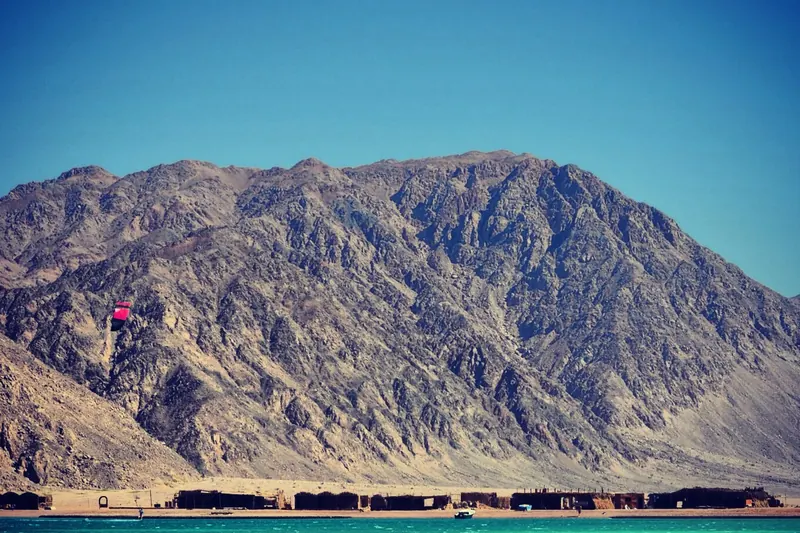
  3. The shallow lagoon south of Dahab

    Dahab's lagoon

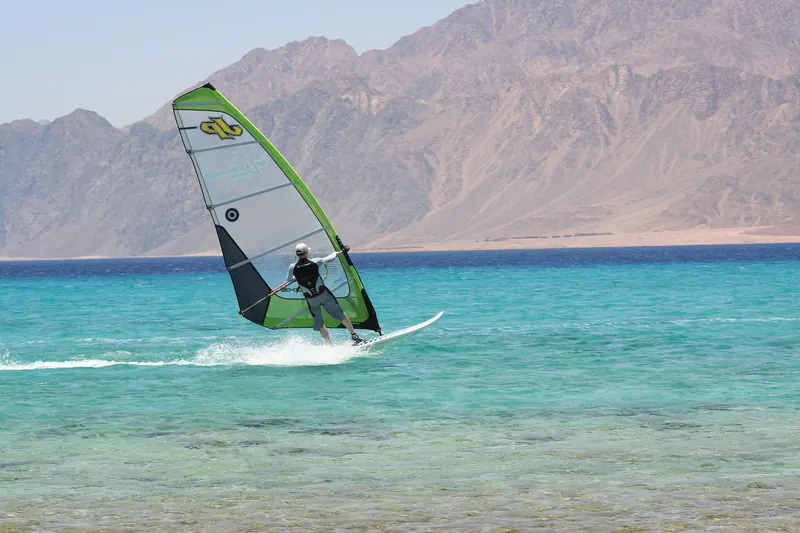
    A shallow, sheltered bay just south of town, its flat water and steady wind making it one of the Red Sea's best windsurfing and kitesurfing spots.

    Tip Beginner lessons are easy to arrange right at the lagoon's watersports centres.

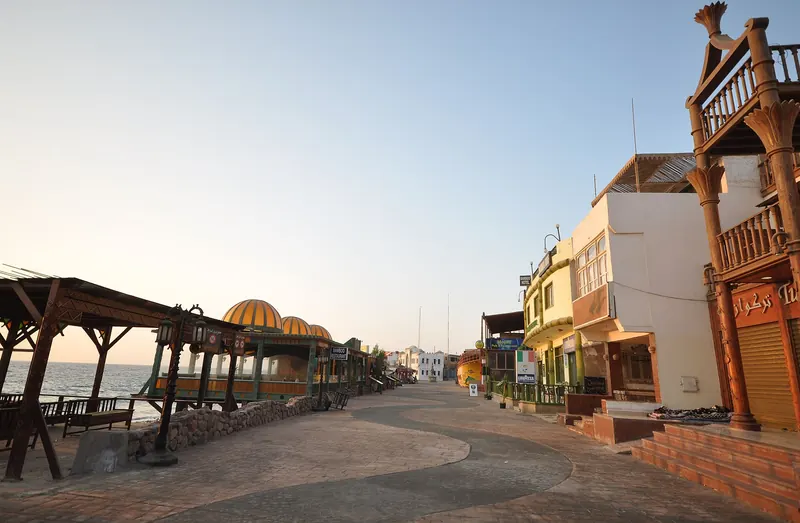
  4. The seafront promenade at Masbat in Dahab

    Masbat and Mashraba promenade

    Dahab's social heart, a seafront strip of cushion-scattered restaurants and cafés facing the Gulf of Aqaba.

    Tip Arrive for sunrise — the town faces east across the water toward Saudi Arabia's mountains.

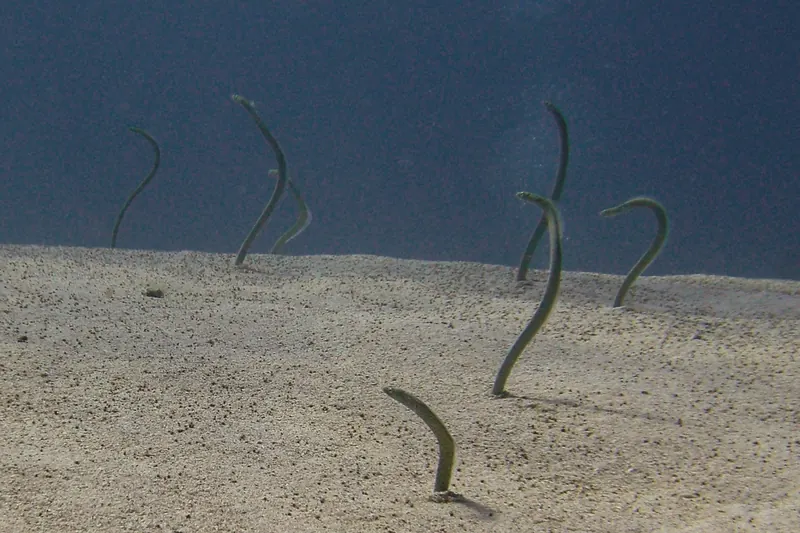
  5. Garden eels at Dahab's Eel Garden dive and snorkel site

    Eel Garden

    A shallow, easy shore dive and snorkel site named for its colony of garden eels swaying from the sandy bottom.

    Tip A good site for beginners and underwater photographers alike.

  6. The coastline at Ras Abu Galum Protected Area near Dahab

    Ras Abu Galum Protected Area

    A remote Bedouin village and marine reserve reachable only by camel or boat along the coast north of Dahab.

    Tip Go on an organised camel trek that includes snorkelling stops along the way.

  7. The Coloured Canyon inland from Dahab

    The Coloured Canyon

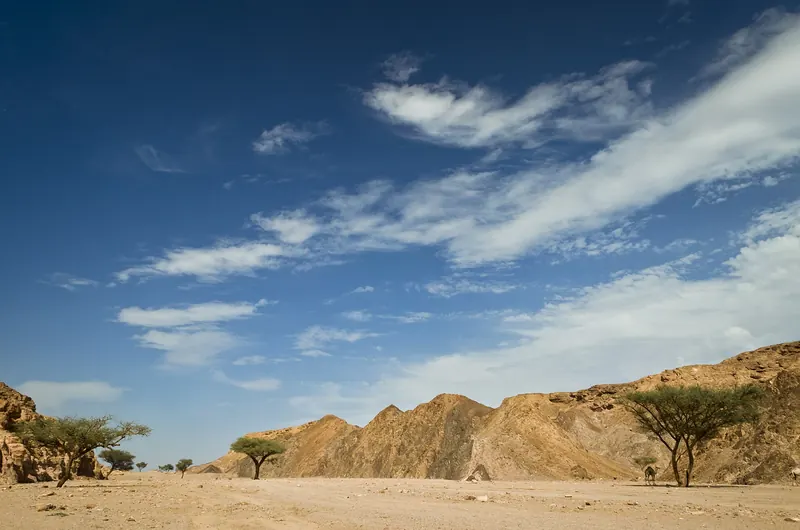
    A striking slot canyon inland toward Nuweiba, its walls streaked red, purple and gold by mineral deposits.

    Tip A popular full-day desert excursion, often paired with a Bedouin lunch.

Things to do

Best things to do in Dahab

Dahab rewards a slower pace, built around diving, watersports and simply relaxing by the water.

  1. Diving at the Blue Hole near Dahab

    Dive the Blue Hole with a qualified guide

    A bucket-list dive for the qualified, best done early morning with a reputable local dive centre.

    Tip Stick to depths well within your certification — the site's notoriety is well earned.

  2. Try freediving

    A major draw for Dahab, home to some of the world's top freediving schools and a calm, deep bay perfect for training.

    Tip Beginner courses are widely available and need no prior experience.

  3. Windsurfing at Dahab's lagoon

    Windsurf or kitesurf the lagoon

    A reliable watersports session, the lagoon's flat water and steady wind suiting beginners and experts alike.

    Tip Lessons and equipment rental are easy to arrange right at the lagoon.

  4. Snorkelling over garden eels at Dahab's Eel Garden

    Snorkel the Eel Garden

    An easy, rewarding shore snorkel, drifting over a colony of garden eels and healthy coral.

    Tip Rent gear from any of the dive shops lining the promenade.

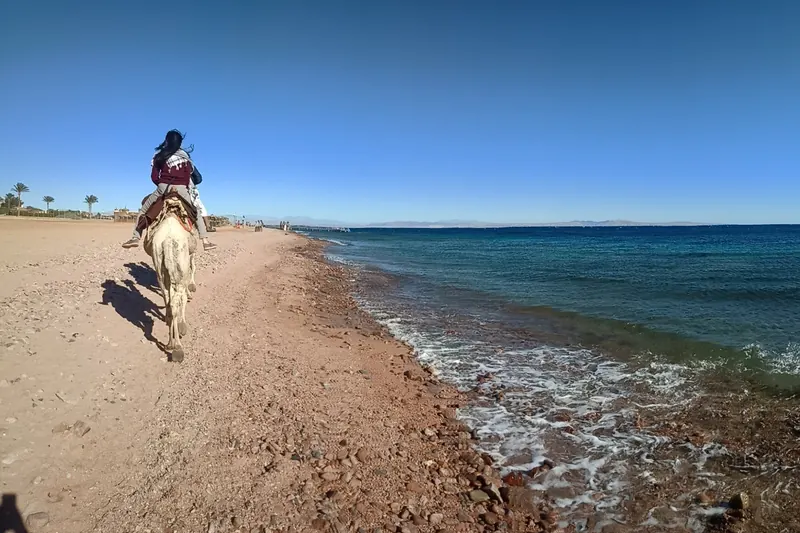
  5. A camel safari near Dahab

    Take a camel or jeep safari into the desert

    A classic Dahab excursion, riding out toward the mountains or the Coloured Canyon with a Bedouin guide.

    Tip Sunset or sunrise trips are the most atmospheric time to go.

  6. Sunrise over the Gulf of Aqaba at Dahab

    Watch sunrise over the Gulf of Aqaba

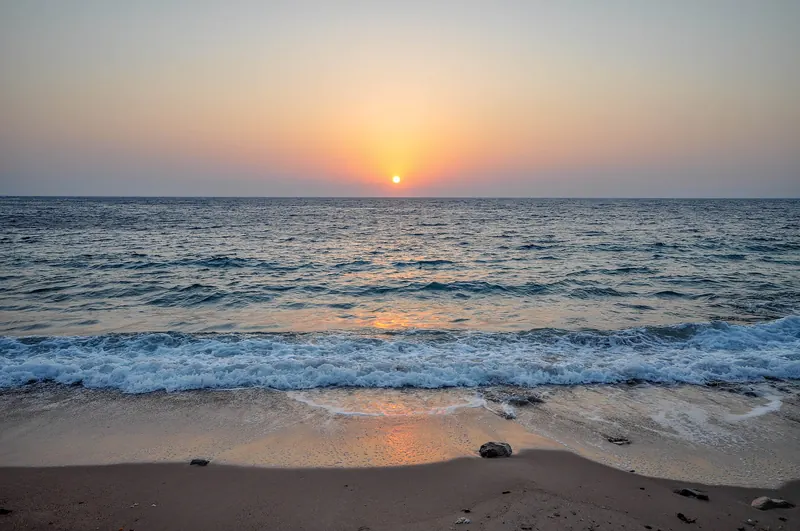
    A lovely, easy ritual, the town's east-facing coast turning the water pink before the day's heat sets in.

    Tip Grab a coffee from a promenade café and watch from a cushioned seafront seat.

Local food

What to eat in Dahab

Dahab's food scene reflects its backpacker, Bedouin-influenced character, relaxed and inexpensive.

  • Fresh grilled Red Sea seafood

    A Dahab staple, fish grilled simply and served right along the promenade.

    Where to try it Seafront restaurants throughout Masbat and Mashraba.

  • Bedouin tea

    A Dahab ritual, sweet tea brewed with fresh herbs and served on cushions at a seafront camp.

    Where to try it Any of the promenade's Bedouin-style seafront cafés.

  • Koshari, Egypt's national dish of rice, lentils and pasta

    Koshari

    Available at Egyptian-run restaurants throughout town, a comforting, filling staple.

    Where to try it Local restaurants away from the busier promenade strip.

  • Ful medames, a traditional Egyptian fava bean breakfast

    Ful medames

    A traditional, hearty breakfast, found at cafés throughout Dahab.

    Where to try it Local cafés, especially around the older Masbat quarter.

  • Taameya (Egyptian falafel)

    Egypt's own fava-bean falafel, a reliable, inexpensive staple.

    Where to try it Street stalls and restaurants throughout town.

  • Fresh fruit juice

    A refreshing staple after a day of diving, blended fresh at juice bars along the promenade.

    Where to try it Juice bars and cafés throughout Masbat.

Accommodation

Where to stay in Dahab

Dahab favours simple, characterful stays over big resorts, from budget dive camps to boutique guesthouses.

  • Masbat

    The liveliest stretch of the promenade, easy walking distance to everything.

    Best for: Being central, with the widest choice of restaurants and dive centres

  • Mashraba and Asalah

    Popular with longer-staying divers and freedivers.

    Best for: A quieter, more local stay a short walk from the main strip

What a night costs

Budget guesthouse or dive camp
E£400–900 per night
Mid-range boutique hotel
E£1,200–2,500 per night
Two-tank dive trip
About E£1,500–2,200
Dinner at a seafront restaurant
About E£200–400 per person

Transport

Getting to and around Dahab

Dahab is reached overland from Sharm El Sheikh or Cairo, with no airport of its own.

Getting there

  • Transfer or taxi from Sharm El Sheikh

    The most common route, about 1.5 hours by road.

    Shared or private transfers are easy to arrange through hotels or dive centres.

  • Bus from Cairo

    A long but budget-friendly overland option.

    Takes around eight to nine hours via the Sinai Peninsula.

  • Fly into Sharm El Sheikh

    The standard gateway, with frequent domestic and international flights.

    Continue on to Dahab by road transfer.

Getting around

Dahab is small and walkable, with most of daily life happening along the promenade.

  • On foot along the promenade

    The way most visitors get around central Dahab.

    Masbat, Mashraba and the lagoon all sit within easy walking distance of each other.

  • Bicycles

    A popular, easy way to cover slightly longer distances.

    Widely available for rent from guesthouses and shops.

  • Taxis

    Useful for reaching the lagoon or outlying dive sites.

    Agree the fare before starting your journey.

When to go

Best time to visit Dahab

Dahab is a year-round destination, with warm water even in the cooler months.

  • Spring (March–May)

    Best time

    Comfortable temperatures for diving, freediving and desert excursions alike.

  • Autumn (September–November)

    Best time

    Similarly excellent conditions, with warm water and fewer crowds than summer.

  • Summer (June–August)

    Good

    Hot on land, though the water stays pleasant and windsurfing conditions are strong.

  • Winter (December–February)

    Good

    Mild and popular with visitors escaping colder climates, though desert nights can turn cold.

Worth planning around: Nothing strongly — Dahab's warm Red Sea waters make it workable year-round.

Itinerary

Three days in Dahab

Built around the Blue Hole, the lagoon and a desert excursion.

  1. Day1

    The Blue Hole and Masbat

    Arrival and an introductory dive or snorkel.

    • Morning Arrive and settle in around Masbat.
    • Afternoon Snorkel or dive the Blue Hole with a local guide.
    • Evening Dinner on cushions at a seafront restaurant.
  2. Day2

    The Canyon and the lagoon

    A second dive site and watersports at the lagoon.

    • Morning Dive or snorkel the Canyon.
    • Afternoon Try windsurfing or kitesurfing at the lagoon.
    • Evening Dinner and shisha at a promenade café.
  3. Day3

    Ras Abu Galum or the Coloured Canyon

    A full-day excursion by camel or jeep.

    • Morning Set off on a full-day trip to Ras Abu Galum or the Coloured Canyon.
    • Afternoon Continue the desert or coastal excursion, with a Bedouin lunch.
    • Evening A final dinner back in Masbat before departing.

Travel tips

Dahab travel tips

Practical notes that make a Dahab visit noticeably smoother.

  • Book with a reputable, qualified dive centre, especially for the Blue Hole.
  • Bring your own certification card if you're a qualified diver.
  • Pack reef-safe sunscreen and modest clothing for walking through town.
  • Never dive beyond your certification level, whatever a dive guide suggests.
  • Carry cash — many smaller promenade restaurants and shops don't take cards.
  • Bargain and politely for camel treks and jeep safaris arranged independently.

FAQ

Dahab: frequently asked questions

How many days do you need in Dahab?

Three to five days allows time to dive multiple sites and simply enjoy the relaxed pace.

Is the Blue Hole as dangerous as its reputation suggests?

Its accidents are almost always tied to divers going beyond their training; with a qualified guide and sensible limits, it's a well-managed dive.

Do you need to be a certified diver to visit?

No, not — snorkelling, beginner courses and freediving taster sessions are all widely available.

How does Dahab compare to Sharm El Sheikh?

Much more laid-back and budget-friendly, with shore diving replacing Sharm's bigger resort strip and boat-based diving.

Can you combine Dahab with Sharm El Sheikh?

Yes, easily — they're about 1.5 hours apart by road, often combined in one Red Sea trip.

Is Dahab good for non-divers?

Yes — windsurfing, kitesurfing, desert excursions and simply relaxing on the promenade all make for a worthwhile stay.

Read next

Related travel articles

Where to go

Beyond the Big Names: Places Worth the Detour

The most visited place in a country is rarely its best, and it is almost never its best value. This is a method for finding the destinations that do not make the postcards — and a set of examples from five of the 50 countries on this site.

Practical

Packing by Season and Trip Type

Most packing advice is a list of things. This is the opposite: the small number of decisions that determine whether your luggage helps or hinders, organised by the kind of trip you are actually taking.

Advertisement