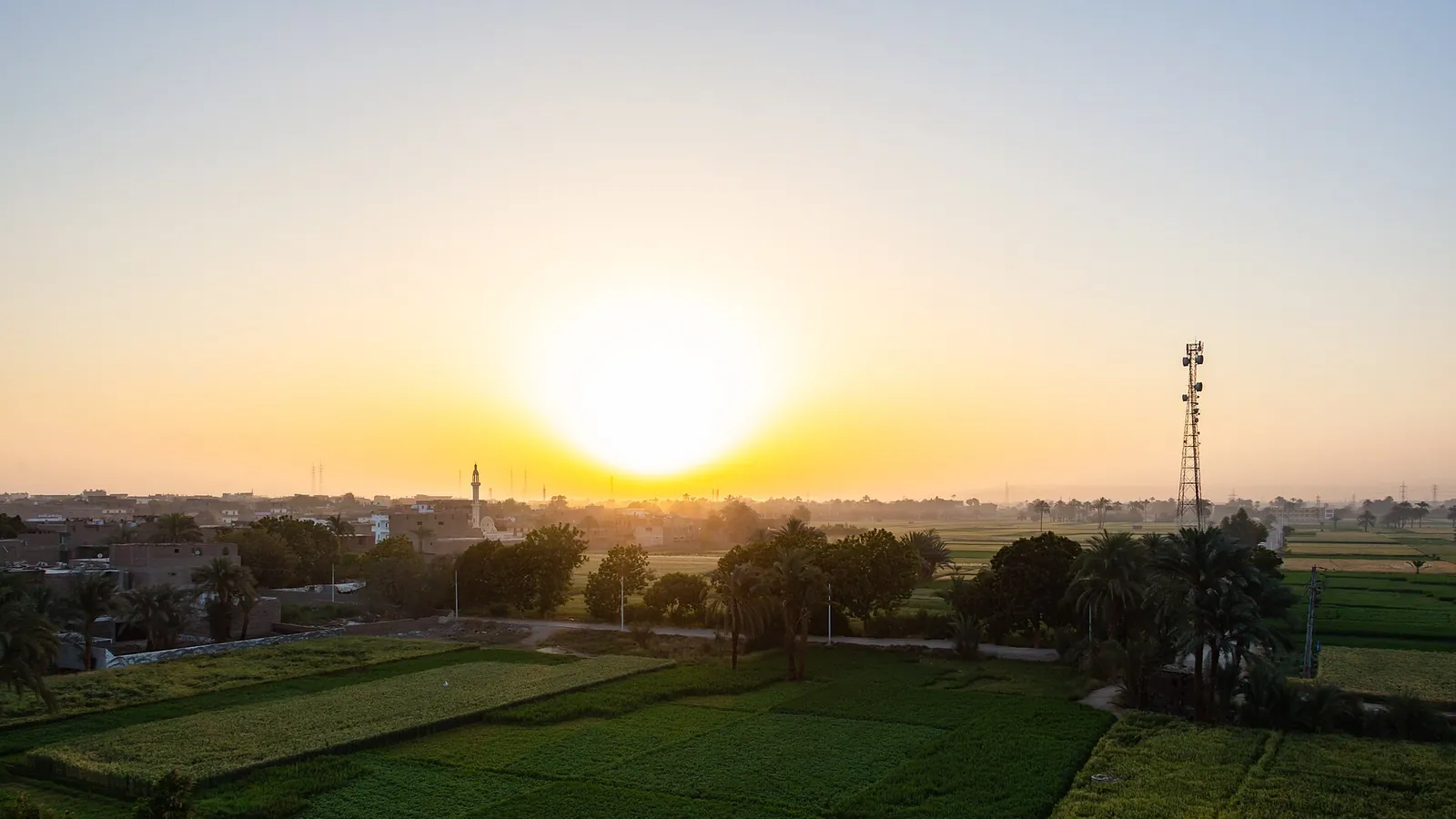
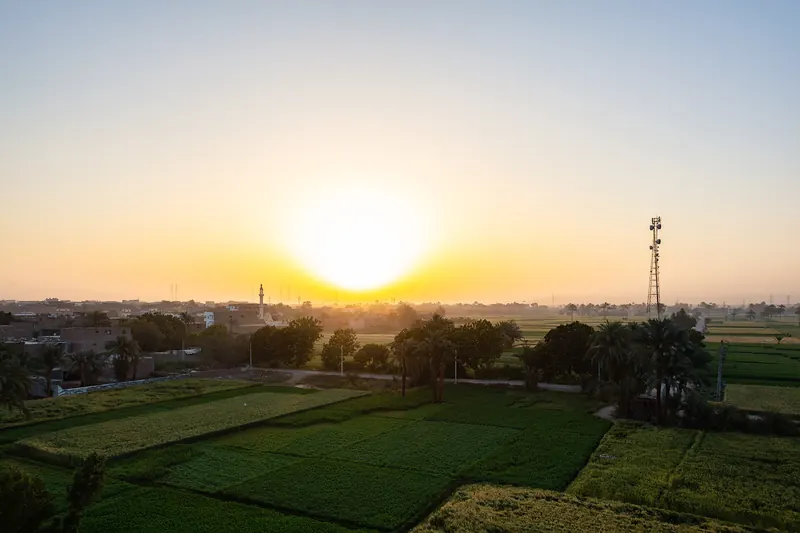


Luxor and the Nile at sunrise, seen from above

Upper Egypt · Egypt

Luxor

The site of ancient Thebes, described as the world's largest open-air museum, temples and royal tombs on both banks of the Nile.

  • Best time October to April for the mildest temperatures, essential for outdoor sightseeing
  • Stay 2-3 days
  • Good for Ancient history, temples, sunrise balloon rides

Photo: Diego Delso · CC BY-SA 4.0

Welcome to Luxor

Luxor sits on the site of ancient Thebes, once the capital of Egypt's New Kingdom and often described as the world's largest open-air museum for the sheer density of temples and tombs packed into a single city.

Its east bank holds the living city and its two great temples, Karnak and Luxor, while the west bank, the traditional realm of the dead in ancient Egyptian belief, holds the Valley of the Kings and the mortuary temples surrounding it.

Most visitors spend a few days here, splitting time between the two banks and, for many, a dawn hot air balloon ride that has become one of Egypt's most iconic experiences in its own right.

  • History
  • UNESCO Site
  • Culture
  • Hot Air Balloon

Why visit

Why visit Luxor?

Luxor's case rests on being the single densest concentration of ancient Egyptian monuments anywhere in the country.

  • Karnak is the largest religious complex ever built

    A vast temple complex constructed and expanded over nearly 2,000 years.

  • The Valley of the Kings is one of archaeology's great sites

    The burial ground of pharaohs including Tutankhamun, hidden in a desert valley.

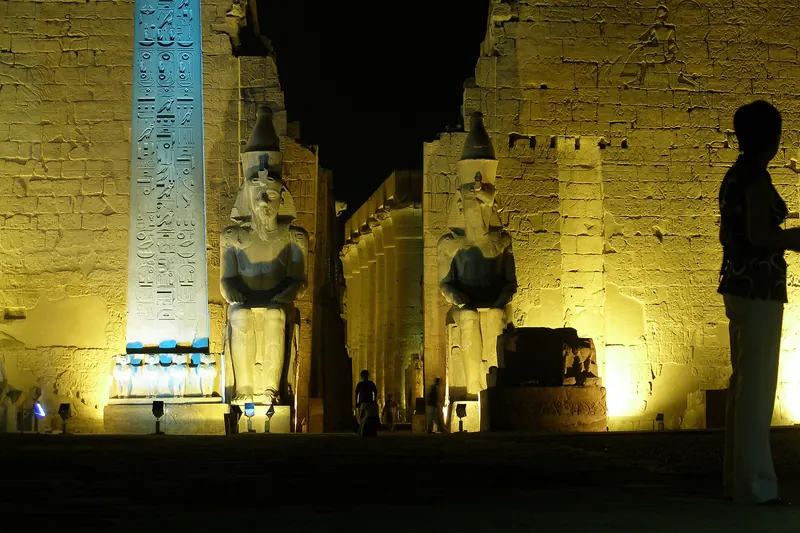
  • Luxor Temple is stunning after dark

    Beautifully lit at night, offering a very different experience from a daytime visit.

  • A sunrise hot air balloon ride is unforgettable

    Drifting silently over the west bank's temples and tombs as the sun comes up.

  • It's the natural start or end point for a Nile cruise

    Most Luxor-Aswan cruises begin or end here.

Main attractions

Top things to see in Luxor

Luxor's essential sights split between the living city's temples on the east bank and the royal tombs of the west.

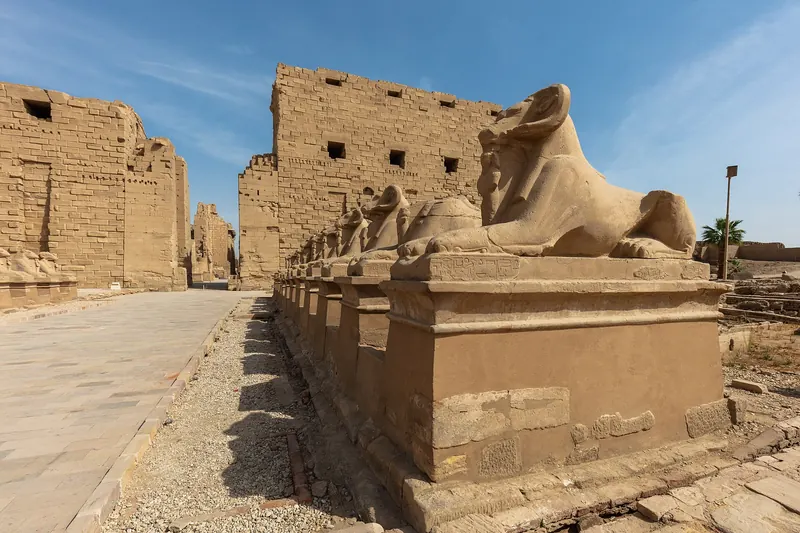
  1. The vast temple complex of Karnak in Luxor

    Karnak Temple

    The largest religious complex ever built, constructed and expanded by successive pharaohs over nearly 2,000 years.

    Tip Allow at least half a day — the complex is far larger than a quick visit can properly cover.

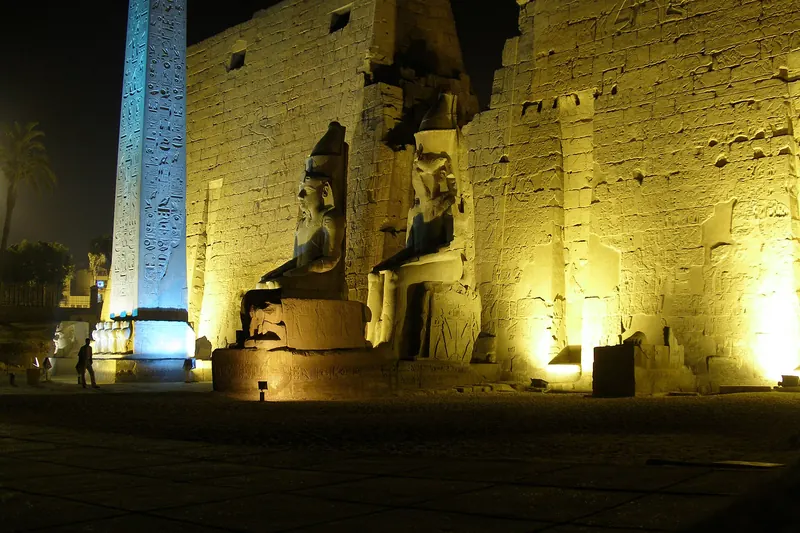
  2. Luxor Temple illuminated at night

    Luxor Temple

    Stunning after dark, beautifully lit colonnades and statues right in the heart of the modern city.

    Tip Visit both during the day and after dark — the two experiences feel like different places entirely.

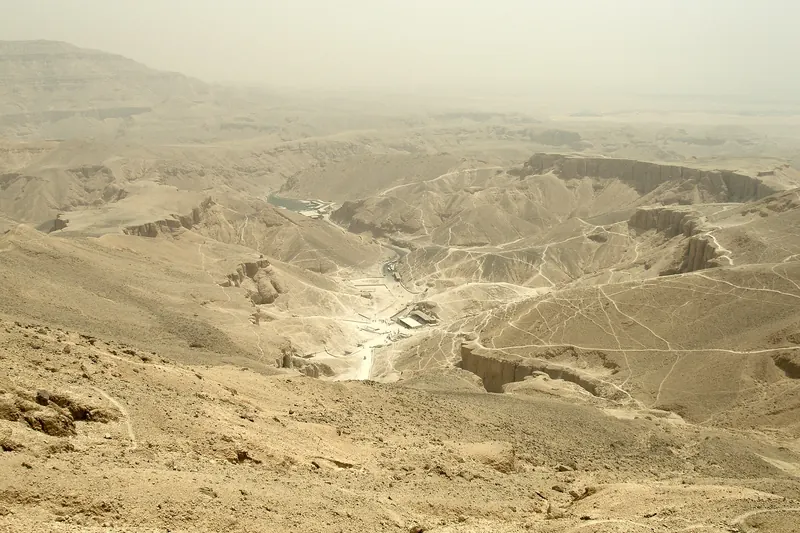
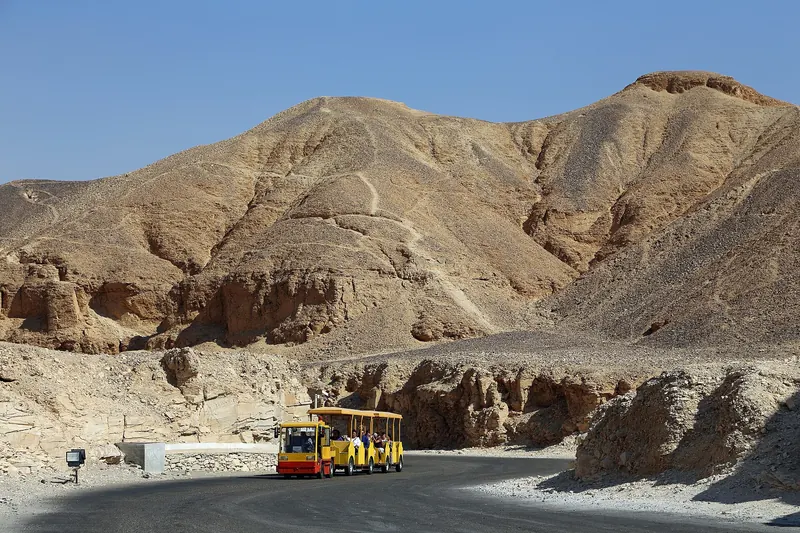
  3. The Valley of the Kings near Luxor

    The Valley of the Kings

    The burial ground of Egypt's New Kingdom pharaohs, including Tutankhamun, hidden in a remote desert valley.

    Tip A limited number of tombs are open on rotation — check which are accessible before visiting.

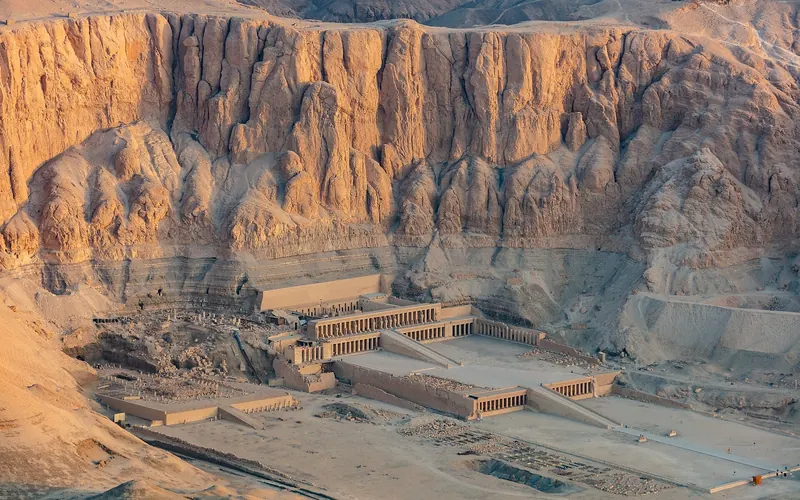
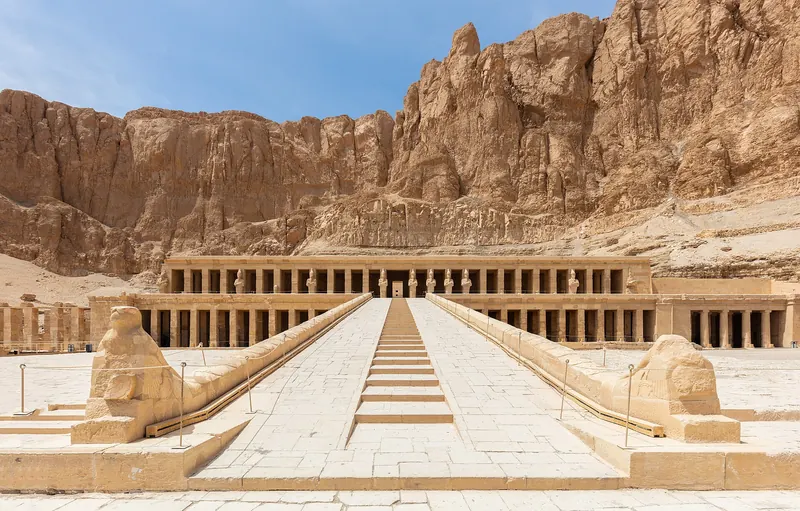
  4. The mortuary temple of Hatshepsut near Luxor

    The Temple of Hatshepsut

    A striking, unusually modern-looking mortuary temple built for one of ancient Egypt's few female pharaohs.

    Tip The temple's dramatic terraced design set against sheer cliffs makes it one of Luxor's most photogenic sites.

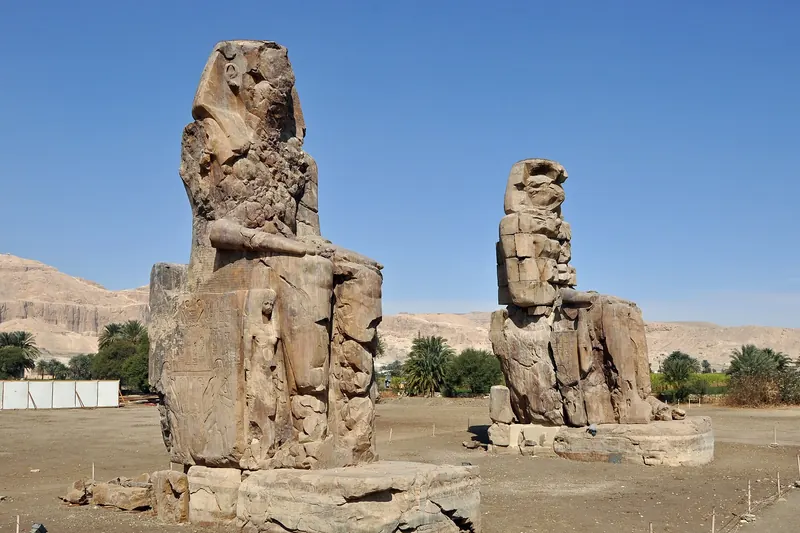
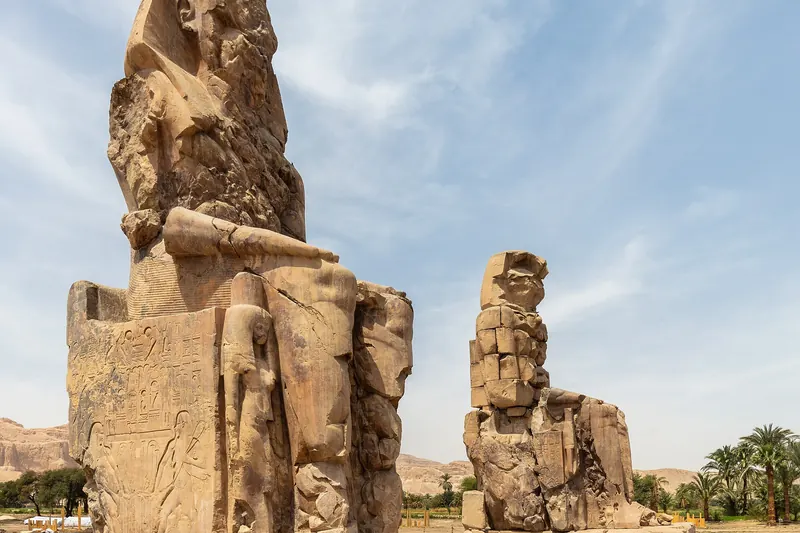
  5. The Colossi of Memnon statues near Luxor

    The Colossi of Memnon

    Two massive stone statues, all that remains of a mortuary temple that once stood behind them.

    Tip An easy, quick stop, often visited on the way to or from the Valley of the Kings.

  6. Luxor and the Nile viewed from above at sunrise

    Luxor at sunrise

    One of Egypt's most memorable sights, the whole west bank spread out below in the first golden light of day.

    Tip Best experienced from a hot air balloon, though the view from a west bank hilltop is also striking.

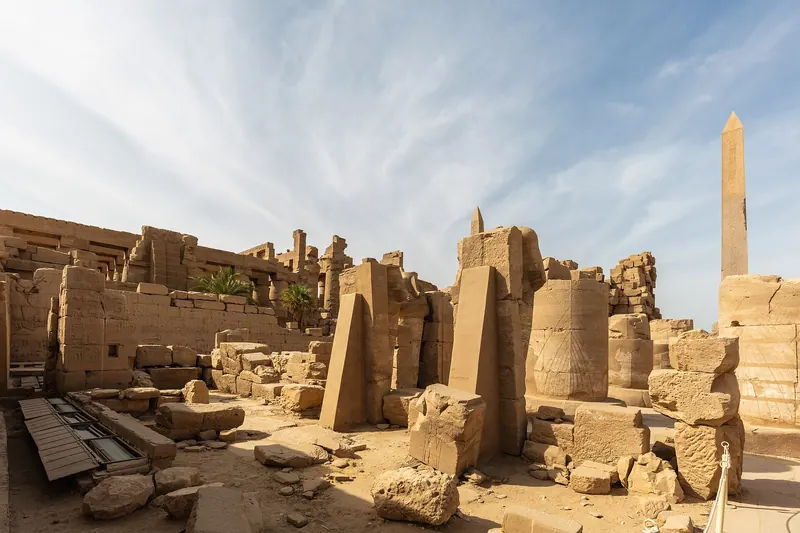
  7. The Great Hypostyle Hall at Karnak Temple

    Karnak's Great Hypostyle Hall

    One of the most awe-inspiring spaces in ancient architecture, a forest of massive columns towering overhead.

    Tip The columns' scale is best appreciated by standing directly beneath one and looking straight up.

Things to do

Best things to do in Luxor

Luxor rewards an early start, whether for the heat, the light, or a dawn balloon ride.

  1. A hot air balloon flight over Luxor at sunrise

    Ride a hot air balloon at sunrise

    An unforgettable way to see the west bank, drifting silently over temples and tombs as the sun rises.

    Tip Book with a reputable operator, and expect a very early hotel pickup, often before 4am.

  2. The columns of Karnak Temple

    Wander Karnak's columns

    An absorbing way to spend a morning, tracing nearly 2,000 years of ancient additions to a single complex.

    Tip Hire a guide here — Karnak's history and layout are hard to fully appreciate alone.

  3. Exploring a tomb in the Valley of the Kings

    Explore a tomb in the Valley of the Kings

    A moving experience, descending into brightly painted burial chambers built for ancient pharaohs.

    Tip Tutankhamun's tomb requires a separate ticket and is smaller, but worth it for its history.

  4. The terraces of the Temple of Hatshepsut

    Visit the Temple of Hatshepsut

    A striking stop, its dramatic terraced design set against sheer desert cliffs.

    Tip Combine with a Valley of the Kings visit, since both sit close together on the west bank.

  5. Luxor Temple's columns lit up at night

    See Luxor Temple lit up at night

    A magical evening stop, the temple's columns and statues beautifully illuminated after dark.

    Tip A very different atmosphere from a daytime visit — worth doing both if time allows.

  6. The Colossi of Memnon statues

    Photograph the Colossi of Memnon

    A quick, easy stop, two massive weathered statues standing alone in open farmland.

    Tip Early morning light works especially well for photos here.

Local food

What to eat in Luxor

Luxor's food reflects Upper Egypt's traditional staples, with fresh Nile fish a local highlight.

  • Koshari, Egypt's national dish of rice, lentils and pasta

    Koshari

    A reliable classic, found throughout the city at every price point.

    Where to try it Restaurants throughout Luxor.

  • Ful medames, a traditional Egyptian fava bean breakfast

    Ful medames

    An essential breakfast before an early temple visit or balloon ride.

    Where to try it Breakfast stalls and cafés throughout Luxor.

  • Fresh Nile fish

    A local specialty, fish caught fresh from the Nile and grilled simply with local spices.

    Where to try it Restaurants along the Luxor corniche.

  • Molokhia

    A beloved home-style dish, a thick green soup found at traditional restaurants across the city.

    Where to try it Traditional restaurants throughout Luxor.

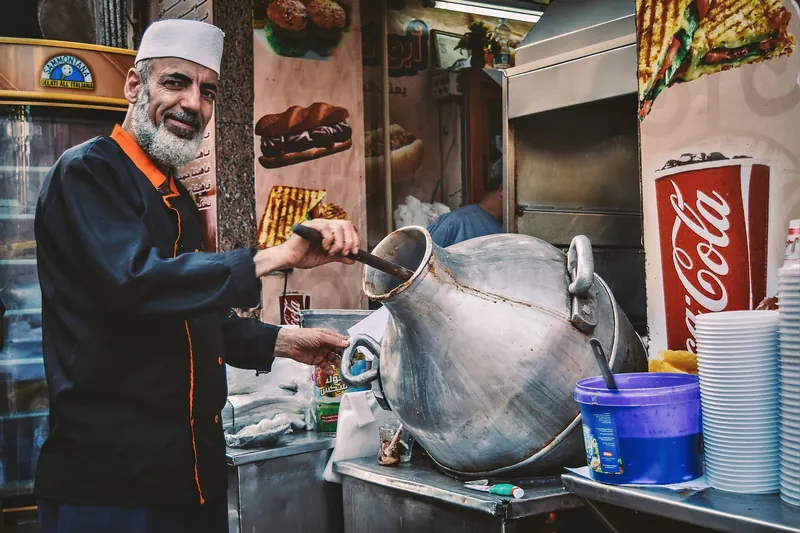
  • Taameya (Egyptian falafel)

    Egypt's own fava bean version of falafel, found at street stalls throughout the city.

    Where to try it Street stalls throughout Luxor.

  • Karkade (hibiscus tea)

    A refreshing national drink, especially welcome in Luxor's dry heat.

    Where to try it Cafés and restaurants throughout Luxor.

Accommodation

Where to stay in Luxor

Luxor offers accommodation on both riverbanks, with the east bank the more central, practical base.

  • East bank (central Luxor)

    The most convenient base, with the widest choice of hotels and restaurants.

    Best for: Being central to Karnak, Luxor Temple and the corniche

  • West bank

    Fewer options, but a short ferry ride from the east bank and closer to the tombs.

    Best for: A quieter stay closer to the Valley of the Kings

What a night costs

Hostel or guesthouse
E£400–800 per night
Mid-range hotel
E£1,500–3,000 per night
Hot air balloon ride
About E£3,000–4,500
Dinner at a mid-range restaurant
About E£250–500 per person

Transport

Getting to and around Luxor

Luxor is well connected by flight, train and Nile cruise boat from Cairo.

Getting there

  • Flight from Cairo

    The fastest option, taking about an hour and a half.

    Frequent daily flights make Luxor an easy addition to any Egypt itinerary.

  • Overnight train from Cairo

    A budget-friendly, if slower, option with comfortable sleeper cabins.

    Saves a hotel night while covering the long distance from Cairo.

  • Nile cruise from Aswan

    The classic way to arrive, sailing north with stops at Edfu and Kom Ombo along the way.

    A multi-night journey combining transport with guided temple visits.

Getting around

Luxor is split by the Nile, with a ferry, taxi or organised tour needed to cover both banks.

  • Local ferry across the Nile

    A cheap, quick way to cross between the east and west banks.

    Regular sailings run throughout the day from the central corniche.

  • Taxis and organised tours

    The standard way to reach the Valley of the Kings and other west bank sites.

    Widely available and often bundled as a half-day or full-day package.

  • On foot on the east bank

    Easy for reaching Luxor Temple and the corniche from central hotels.

    Karnak sits a bit further out, better reached by taxi.

When to go

Best time to visit Luxor

Luxor's desert climate makes it one of Egypt's hottest destinations, with winter and shoulder season far more comfortable.

  • Winter (December–February)

    Best time

    The mildest, most comfortable temperatures for a full day of temple sightseeing.

  • Shoulder months (October–November, March–April)

    Best time

    Warm but manageable heat with thinner crowds than peak winter.

  • Summer (May–September)

    Good

    Dangerous heat, often exceeding 40°C, making extensive outdoor sightseeing risky.

Worth planning around: Extensive outdoor sightseeing during Luxor's summer — some of the hottest temperatures in Egypt.

Itinerary

Two days in Luxor

Built around the east bank's temples on day one, the west bank's tombs on day two.

  1. Day1

    The east bank

    Karnak Temple and Luxor Temple.

    • Morning Karnak Temple.
    • Afternoon Rest during the midday heat.
    • Evening Luxor Temple lit up at night.
  2. Day2

    The west bank

    A sunrise balloon ride, the Valley of the Kings and Hatshepsut's temple.

    • Morning A sunrise hot air balloon ride, then the Valley of the Kings.
    • Afternoon The Temple of Hatshepsut and the Colossi of Memnon.
    • Evening Dinner back on the east bank.

Travel tips

Luxor travel tips

Practical notes that make a Luxor visit noticeably smoother.

  • Book a hot air balloon ride ahead — it's one of Luxor's most popular activities.
  • Start early for the Valley of the Kings, both for the heat and the crowds.
  • Check which tombs are open on rotation before planning your Valley of the Kings visit.
  • Bring sun protection and water regardless of season — Luxor's heat is intense.
  • Hire a licensed guide at Karnak — its history and scale reward real context.
  • Visit Luxor Temple both during the day and after dark for two distinct experiences.

FAQ

Luxor: frequently asked questions

How many days do you need in Luxor?

Two to three days covers Karnak, Luxor Temple and the Valley of the Kings comfortably.

Is the hot air balloon ride worth it?

Yes — it's widely considered one of Egypt's most memorable experiences, offering a unique view over the west bank's temples and tombs.

How many tombs can you visit in the Valley of the Kings?

A standard ticket covers three tombs from a rotating selection, with Tutankhamun's tomb requiring a separate additional ticket.

What is Luxor known for?

Being the site of ancient Thebes, often called the world's largest open-air museum for its density of temples and royal tombs.

Is Luxor part of a Nile cruise?

Yes — most Nile cruises between Luxor and Aswan begin or end here, making it a natural starting point.

How hot does Luxor get?

Very hot in summer, often exceeding 40°C — winter and shoulder season are far more comfortable for sightseeing.

Read next

Related travel articles

Heritage

UNESCO Sites Worth Planning a Trip Around

A UNESCO listing tells you a place matters; it does not tell you whether it is worth two days and a detour. This is how to read the list usefully — and which sites reward building a trip around them.

Where to go

Beyond the Big Names: Places Worth the Detour

The most visited place in a country is rarely its best, and it is almost never its best value. This is a method for finding the destinations that do not make the postcards — and a set of examples from five of the 50 countries on this site.

Advertisement