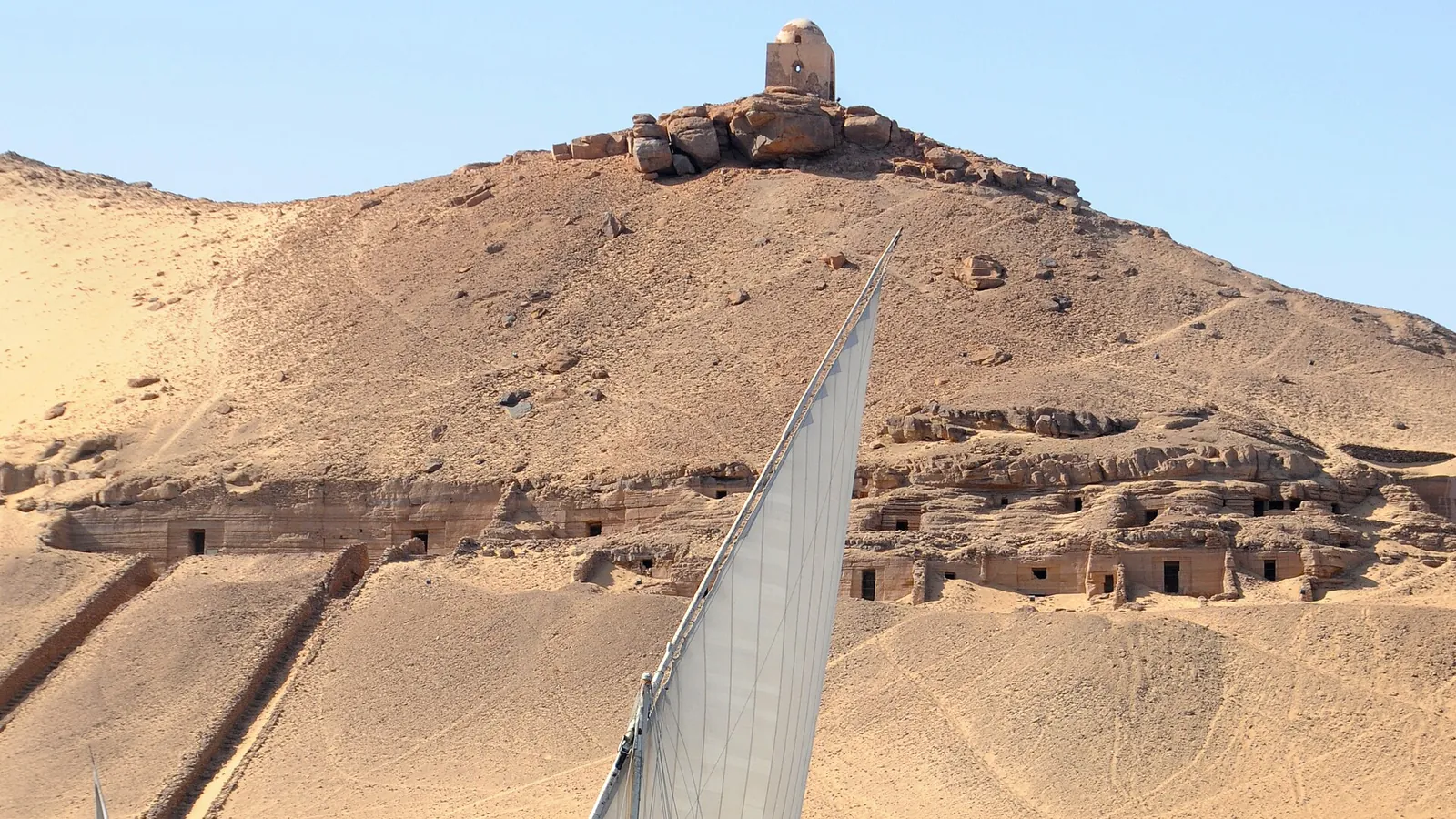
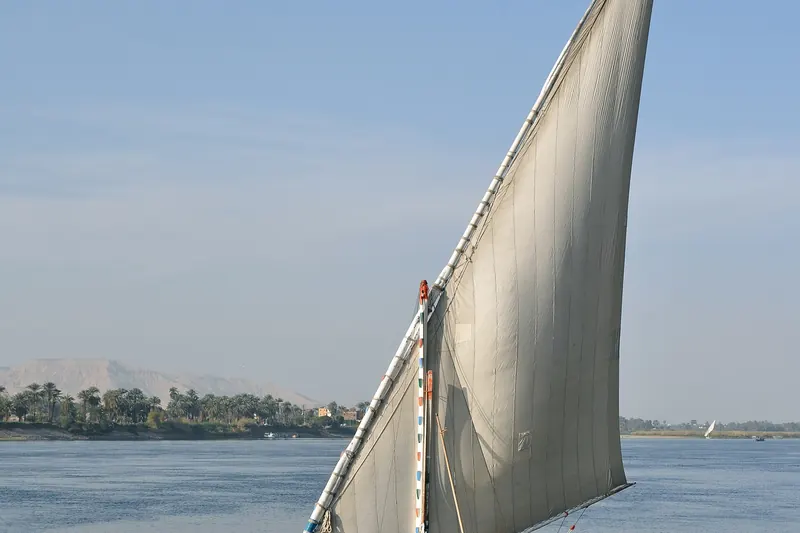

Feluccas sailing on the Nile at Aswan

Upper Egypt · Egypt

Aswan

Egypt's most relaxed Nile city, home to Nubian culture, the temple of Philae, and Abu Simbel's colossal statues carved directly into a cliff.

  • Best time October to April for the mildest temperatures, essential for Abu Simbel and outdoor sites
  • Stay 2-3 days
  • Good for Nubian culture, temples, a relaxed Nile pace

Photo: David Broad · CC BY 3.0

Welcome to Aswan

Aswan is Egypt's most relaxed Nile city, its granite hills and wide river views giving it a noticeably calmer pace than Cairo or even Luxor.

It's also the heart of Nubian culture in Egypt, a distinct community with its own language, colourful architecture and traditions along this stretch of the Nile, predating the pharaonic history that surrounds it.

Most visitors spend a few days here, combining the beautifully relocated Philae Temple and a felucca sail with an essential day trip to Abu Simbel, Ramses II's colossal monument carved directly into a cliff face.

  • History
  • UNESCO Site
  • Culture
  • Nature & Wildlife

Why visit

Why visit Aswan?

Aswan's case rests on combining major ancient monuments with a distinct living Nubian culture and a relaxed river pace.

  • Abu Simbel is one of Egypt's most awe-inspiring monuments

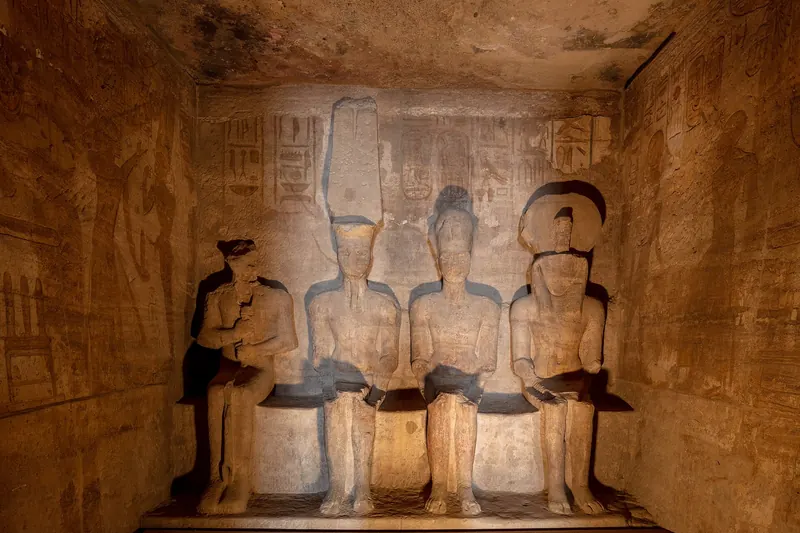
    Colossal statues of Ramses II carved directly into a cliff, later relocated to save it from flooding.

  • Philae Temple is beautifully set on its own island

    Relocated stone by stone in a major 20th-century engineering effort to save it from the Aswan Dam's waters.

  • Nubian culture here is distinct and living

    A real community with its own language, architecture and traditions, not a historical footnote.

  • Aswan is the most relaxed of Egypt's major Nile cities

    A noticeably calmer pace, well suited to a slower few days.

  • It's the classic endpoint for a Nile cruise

    Most Luxor-Aswan cruises finish here, or start here heading north.

Main attractions

Top things to see in Aswan

Aswan's essential sights combine major ancient monuments with a distinct, living Nubian culture.

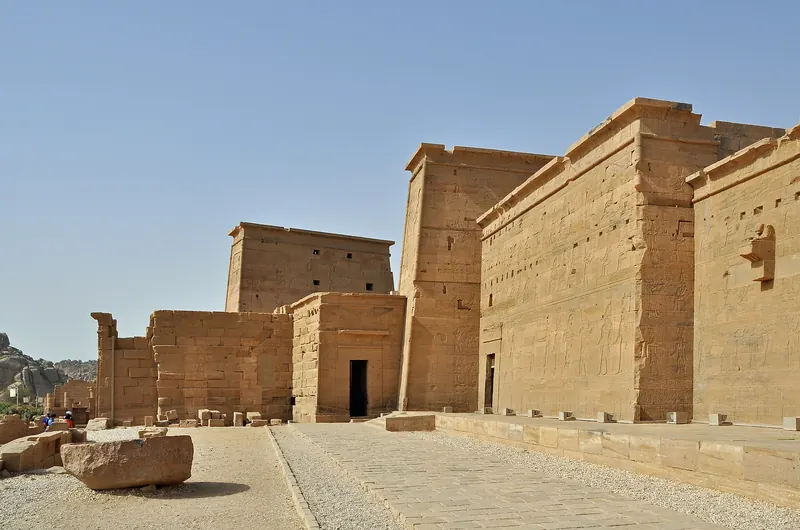
  1. Philae Temple on its island near Aswan

    Philae Temple

    Relocated stone by stone in a major engineering effort, saving it from the rising waters of the Aswan Dam.

    Tip Reached by a short boat ride, part of the visit's charm rather than a mere logistical necessity.

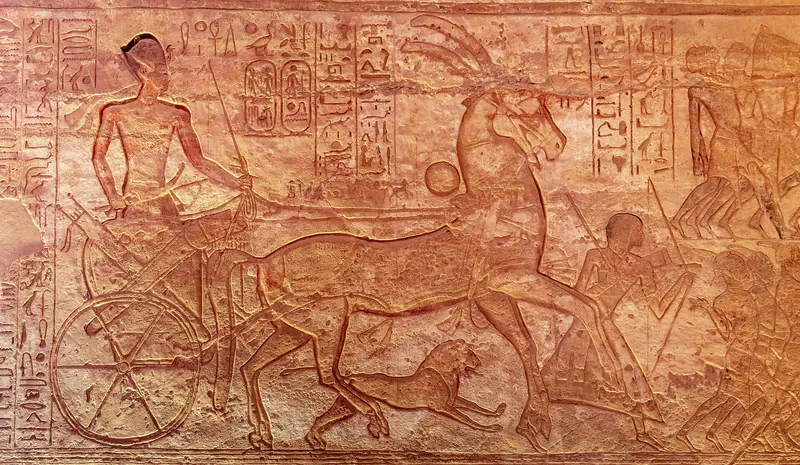
  2. The colossal statues of Abu Simbel

    Abu Simbel

    One of Egypt's most awe-inspiring monuments, four colossal statues of Ramses II carved directly into a cliff face.

    Tip A long day trip from Aswan — most visitors depart very early to arrive before the midday heat.

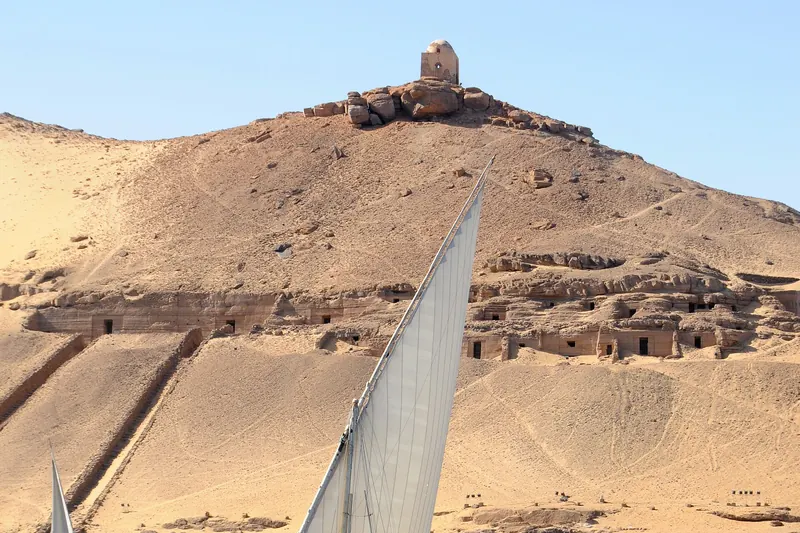
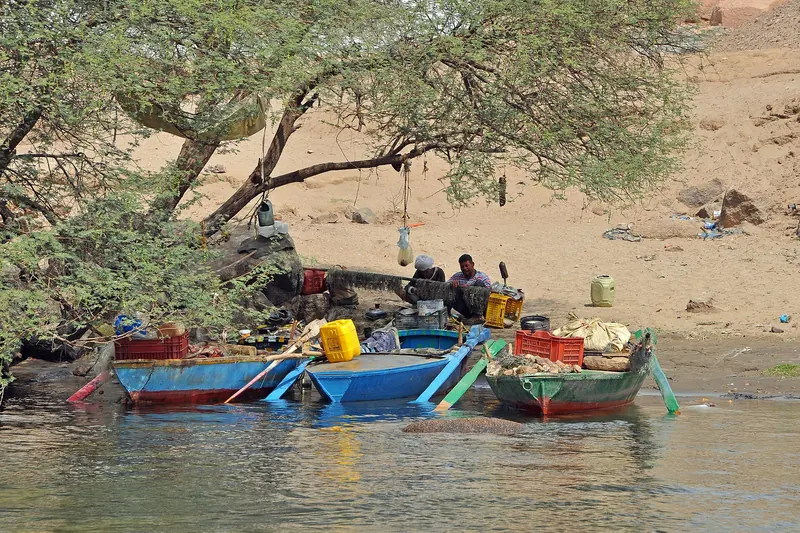
  3. Traditional feluccas sailing on the Nile at Aswan

    Feluccas on the Nile at Aswan

    One of the most scenic stretches of the Nile for a felucca sail, granite boulders and green islands dotting the river.

    Tip Sunset is the classic time for a felucca sail here, with Aswan's hills turning gold.

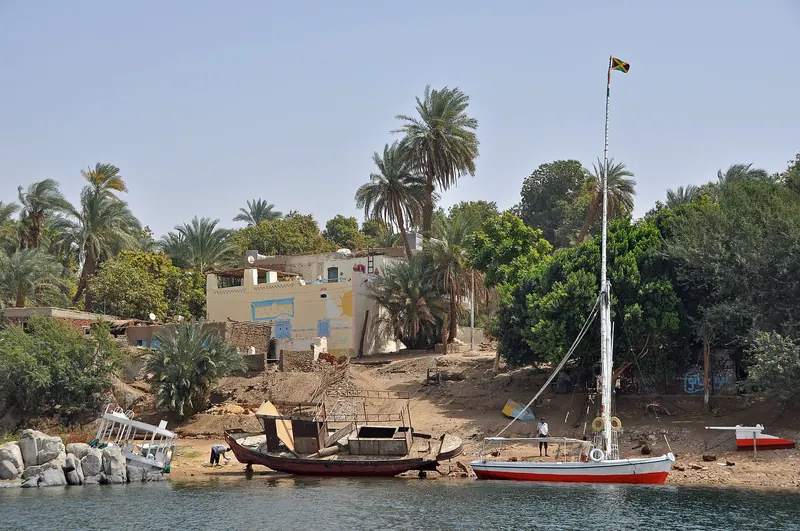
  4. A colourful Nubian house near Aswan

    A Nubian village

    A distinct cultural experience, brightly painted houses and a warm welcome from Aswan's Nubian community.

    Tip Most visits are arranged by boat, often combined with a felucca sail.

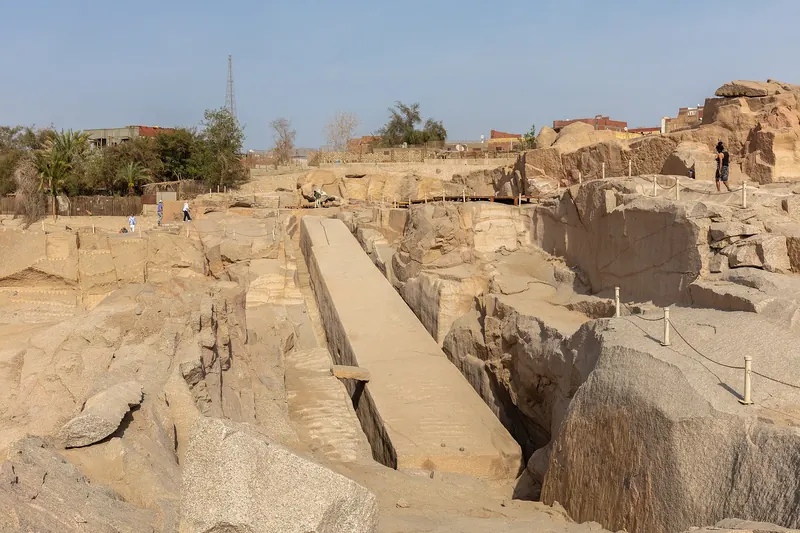
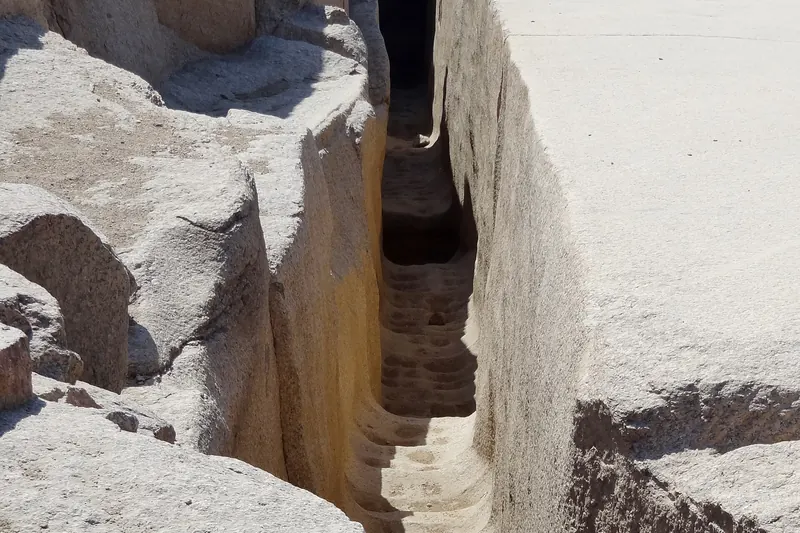
  5. The Unfinished Obelisk still attached to bedrock in Aswan

    The Unfinished Obelisk

    A fascinating window into ancient construction methods, a massive obelisk abandoned mid-carving after cracks appeared.

    Tip Still attached to the surrounding bedrock, showing exactly how ancient quarrying worked.

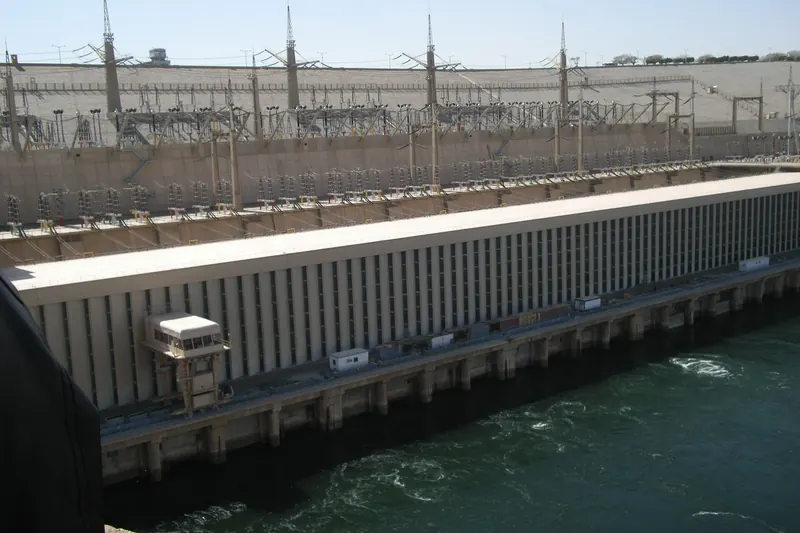
  6. The Aswan High Dam

    The Aswan High Dam

    A significant feat of modern engineering, whose construction necessitated the relocation of Abu Simbel and Philae.

    Tip A quick stop rather than a full visit, best combined with other nearby sites.

  7. Elephantine Island on the Nile at Aswan

    Elephantine Island

    An ancient settlement site right in the middle of the Nile, with ruins and a Nubian village both worth exploring.

    Tip Reached by a short, cheap public ferry from Aswan's corniche.

Things to do

Best things to do in Aswan

Aswan rewards a relaxed pace, mixing major sites with the river itself.

  1. Sailing a felucca on the Nile near Aswan

    Sail a felucca around Aswan's islands

    An essential Aswan experience, drifting past granite boulders and green islands on a traditional sailboat.

    Tip Negotiate the price and route with your captain before setting off.

  2. The temples of Abu Simbel at dawn

    Visit Abu Simbel at dawn

    A long but rewarding day trip, seeing the colossal statues before the midday heat and crowds build.

    Tip Book a tour or private driver ahead — the site sits about three hours from Aswan.

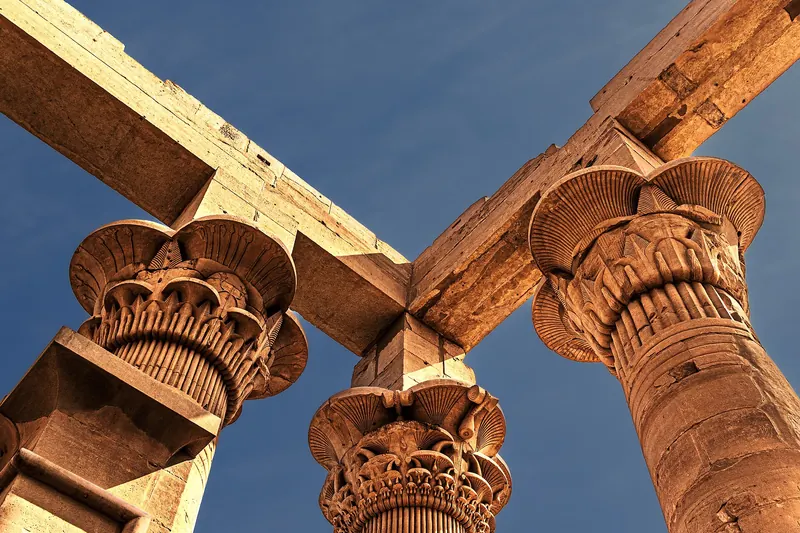
  3. The columns of Philae Temple

    Explore Philae Temple

    A worthwhile few hours, exploring one of Egypt's most beautifully set temple complexes.

    Tip Visit late afternoon for softer light on the temple's carved reliefs.

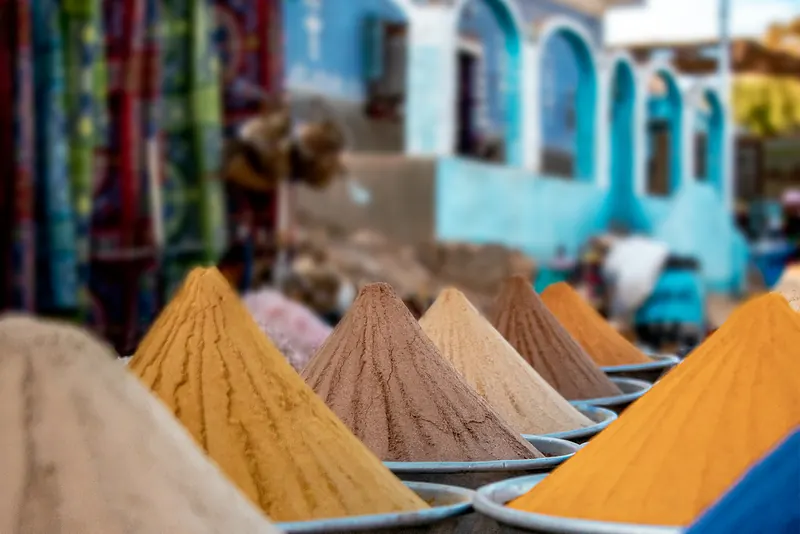
  4. A spice market in a Nubian village near Aswan

    Visit a Nubian village and market

    A warm, welcoming cultural experience, browsing spices and crafts in a distinct Nubian community.

    Tip A boat trip here combines well with a felucca sail or Elephantine Island visit.

  5. The Unfinished Obelisk quarry in Aswan

    See the Unfinished Obelisk up close

    A quick but fascinating stop, still showing the exact ancient quarrying technique that abandoned it.

    Tip Easy to combine with a felucca sail or other central Aswan sites.

  6. Ancient ruins on Elephantine Island

    Explore Elephantine Island's ruins

    A rewarding half-day, combining ancient ruins with a Nubian village on the same island.

    Tip The public ferry across is cheap and frequent, an easy independent excursion.

Local food

What to eat in Aswan

Aswan's food reflects its Nubian heritage alongside standard Egyptian staples.

  • Nubian cuisine

    Distinct from mainland Egyptian food, featuring dishes with dates, okra and unique local spice blends.

    Where to try it Nubian restaurants and village visits around Aswan.

  • Fresh Nile fish

    A local specialty, fish caught fresh from the Nile and grilled with local spices.

    Where to try it Restaurants along Aswan's corniche.

  • Koshari, Egypt's national dish of rice, lentils and pasta

    Koshari

    A reliable classic, found throughout the city at every price point.

    Where to try it Restaurants throughout Aswan.

  • Molokhia

    A beloved home-style dish, a thick green soup found at traditional restaurants across the city.

    Where to try it Traditional restaurants throughout Aswan.

  • Karkade (hibiscus tea)

    Associated closely with this region, a refreshing tea widely grown and served in Upper Egypt.

    Where to try it Cafés and restaurants throughout Aswan.

  • Taameya (Egyptian falafel)

    Egypt's own fava bean version of falafel, found at street stalls throughout the city.

    Where to try it Street stalls throughout Aswan.

Accommodation

Where to stay in Aswan

Aswan offers accommodation along the corniche, with several options offering direct Nile views.

  • The corniche

    The most convenient base, close to felucca departures and central sites.

    Best for: Being central and offering Nile views

  • Elephantine Island or a Nile-view hotel

    A short ferry ride from the mainland, with a more tranquil riverside setting.

    Best for: A quieter, more scenic stay

What a night costs

Hostel or guesthouse
E£400–800 per night
Mid-range hotel
E£1,500–3,000 per night
Abu Simbel day trip
About E£1,500–2,500
Dinner at a mid-range restaurant
About E£250–500 per person

Transport

Getting to and around Aswan

Aswan is reached by flight, overnight train, or as the endpoint of a Nile cruise from Luxor.

Getting there

  • Flight from Cairo or Luxor

    The fastest option, connecting daily from both cities.

    A practical choice for a time-limited itinerary.

  • Overnight train from Cairo

    A budget-friendly, if long, option with comfortable sleeper cabins.

    Saves a hotel night while covering the long distance south.

  • Nile cruise from Luxor

    The classic way to arrive, sailing south with stops at Edfu and Kom Ombo along the way.

    A multi-night journey combining transport with guided temple visits.

Getting around

Central Aswan is walkable, with boats essential for reaching the islands and Nubian villages.

  • On foot along the corniche

    Covers central Aswan easily.

    The riverside promenade is pleasant for a relaxed walk.

  • Felucca or motorboat

    Essential for reaching Philae Temple, Elephantine Island and Nubian villages.

    Widely available and easy to arrange right from the corniche.

  • Private driver or organised tour for Abu Simbel

    The standard way to reach Abu Simbel, given the distance.

    Bookable through your hotel or a local agency.

When to go

Best time to visit Aswan

Aswan's desert climate makes it one of Egypt's hottest cities, with winter and shoulder season far more comfortable.

  • Winter (December–February)

    Best time

    The mildest, most comfortable temperatures for sightseeing and felucca sails.

  • Shoulder months (October–November, March–April)

    Best time

    Warm but manageable heat with thinner crowds than peak winter.

  • Summer (May–September)

    Good

    Among Egypt's hottest temperatures, making extensive outdoor sightseeing risky.

Worth planning around: A midday Abu Simbel visit in summer — plan around the early morning for both temperature and light.

Itinerary

Two days in Aswan

Built around Abu Simbel on day one, Philae Temple and a felucca sail on day two.

  1. Day1

    Abu Simbel

    A full-day trip to Abu Simbel.

    • Morning Depart very early for Abu Simbel.
    • Afternoon Explore the temples and return to Aswan.
    • Evening Dinner along the corniche.
  2. Day2

    Philae and the Nile

    Philae Temple, the Unfinished Obelisk and a felucca sail.

    • Morning Philae Temple.
    • Afternoon The Unfinished Obelisk and a Nubian village.
    • Evening A sunset felucca sail.

Travel tips

Aswan travel tips

Practical notes that make an Aswan visit noticeably smoother.

  • Book an Abu Simbel day trip ahead, and expect a very early departure.
  • Negotiate felucca prices and routes clearly before setting off.
  • Bring sun protection and water for both Philae and Abu Simbel.
  • Try a Nubian village visit for a distinct cultural experience beyond the ancient sites.
  • Use the public ferry for an independent, budget-friendly Elephantine Island visit.
  • Pace your sightseeing around the heat, especially outside winter.

FAQ

Aswan: frequently asked questions

How many days do you need in Aswan?

Two to three days covers Philae Temple, Abu Simbel and a felucca sail comfortably.

Is Abu Simbel worth the long day trip from Aswan?

Yes — it's one of Egypt's most awe-inspiring monuments, and the journey is well organised via tour or private driver.

Why was Philae Temple relocated?

To save it from the rising waters caused by the Aswan Dam, moved stone by stone to a nearby island in a major 20th-century engineering effort.

What is Aswan known for?

Its relaxed pace, Nubian culture, and major monuments including Philae Temple and nearby Abu Simbel.

Is Aswan part of a typical Nile cruise?

Yes — most Luxor-Aswan cruises begin or end here, making it a natural stop on a classic Egypt itinerary.

Can you visit a Nubian village independently?

Yes — boats to Nubian villages and Elephantine Island are easy to arrange directly from Aswan's corniche.

Read next

Related travel articles

Heritage

UNESCO Sites Worth Planning a Trip Around

A UNESCO listing tells you a place matters; it does not tell you whether it is worth two days and a detour. This is how to read the list usefully — and which sites reward building a trip around them.

Where to go

Beyond the Big Names: Places Worth the Detour

The most visited place in a country is rarely its best, and it is almost never its best value. This is a method for finding the destinations that do not make the postcards — and a set of examples from five of the 50 countries on this site.

Advertisement