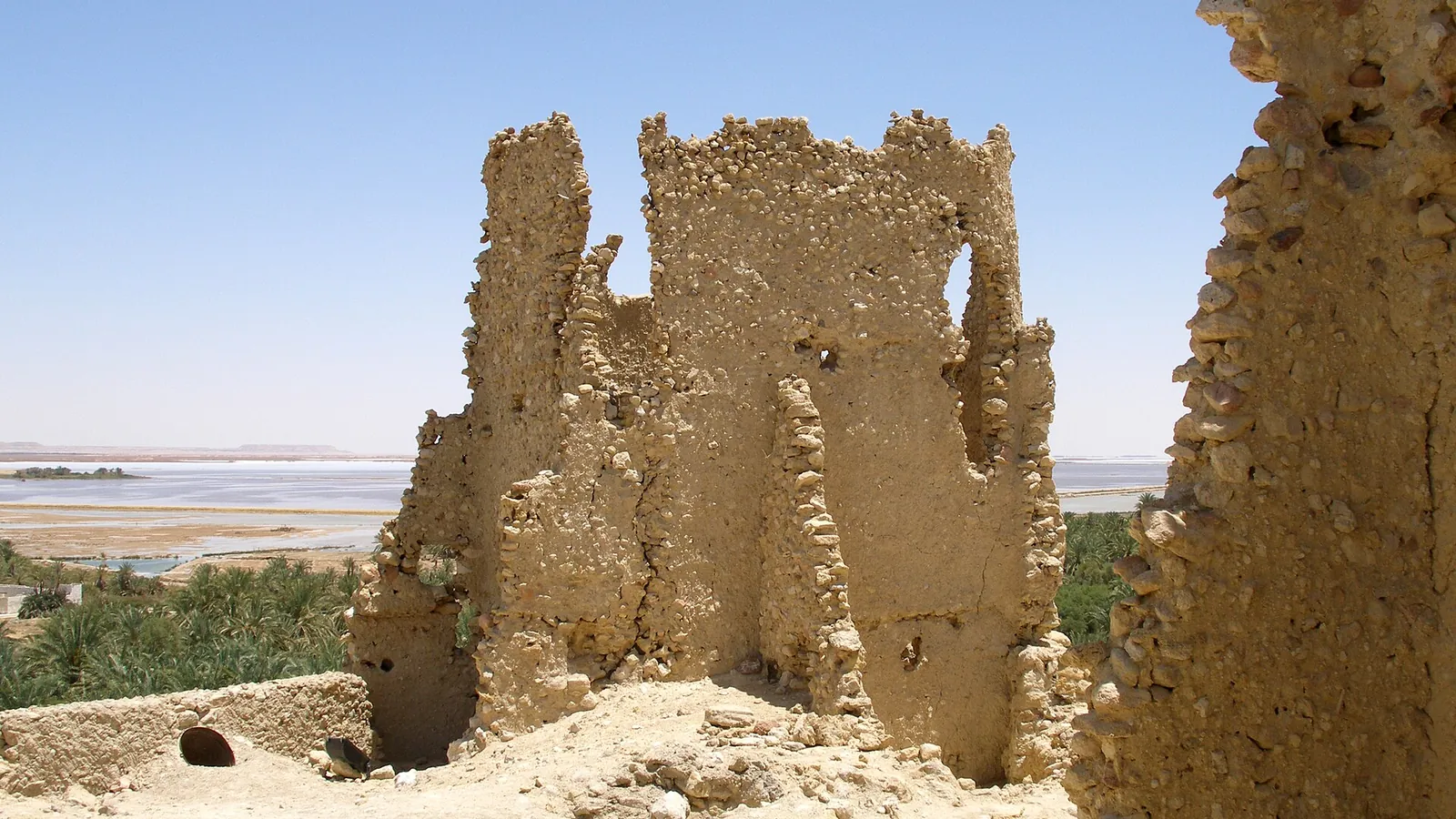

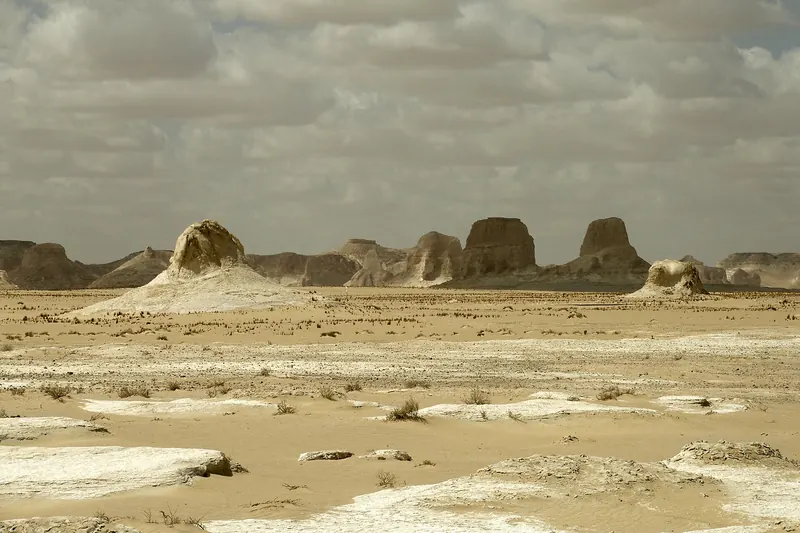
The Temple of the Oracle of Amun in Siwa Oasis

Matrouh Governorate · Egypt

Siwa Oasis

Egypt's most remote and distinct oasis, a Berber-speaking desert town of mudbrick ruins, salt lakes and olive groves where Alexander the Great once consulted an oracle.

  • Best time October to April for comfortable desert temperatures
  • Stay 2-3 days
  • Good for Off-the-beaten-path travel, culture, desert scenery

Photo: Vyacheslav Argenberg · CC BY 4.0

Welcome to Siwa Oasis

Siwa Oasis is Egypt's most remote and culturally distinct destination, a Berber-speaking desert town closer to the Libyan border than to the Nile Valley.

Its history runs deep — Alexander the Great made a famous, gruelling journey here to consult the Oracle of Amun, whose temple ruins still stand above the palm groves.

Modern Siwa revolves around mudbrick architecture, natural springs and salt lakes, and the vast dunes of the Great Sand Sea rolling away toward Libya.

  • Desert
  • Off the Beaten Path
  • Culture
  • Nature & Wildlife

Why visit

Why visit Siwa Oasis?

Siwa's case rests on being unlike anywhere else in Egypt, both culturally and geographically.

  • Siwa is culturally distinct from the rest of Egypt

    A Berber Amazigh community with its own language, dress and traditions.

  • The history here is extraordinary

    Alexander the Great's famous pilgrimage to consult the Oracle of Amun.

  • The mudbrick architecture is unlike anywhere else in Egypt

    Shali's crumbling old town rises straight out of the oasis floor.

  • The natural springs and salt lakes are a real highlight

    Warm, buoyant water framed by palm groves and desert.

  • The Great Sand Sea is right on the doorstep

    Dune safaris and sandboarding roll away toward the Libyan border.

Main attractions

Top things to see in Siwa Oasis

Siwa's essential sights are spread across its ancient ruins, natural springs and surrounding desert.

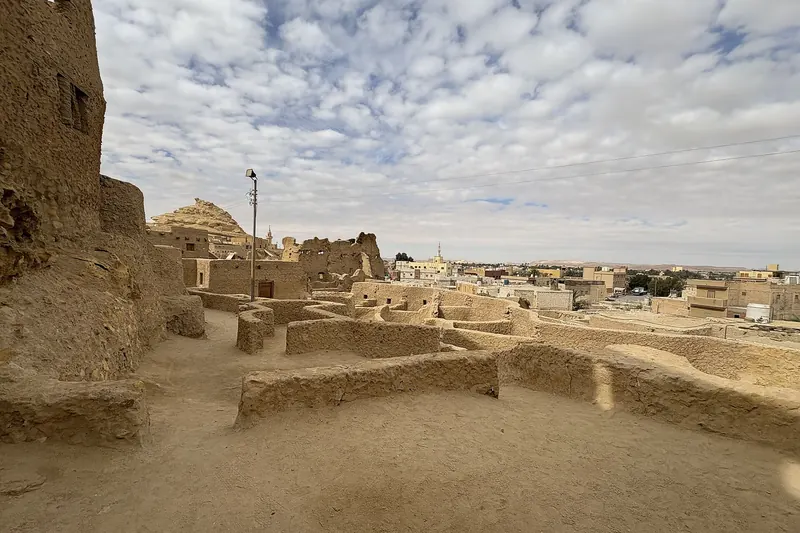
  1. The ruined mudbrick town of Shali Fortress in Siwa

    Shali Fortress

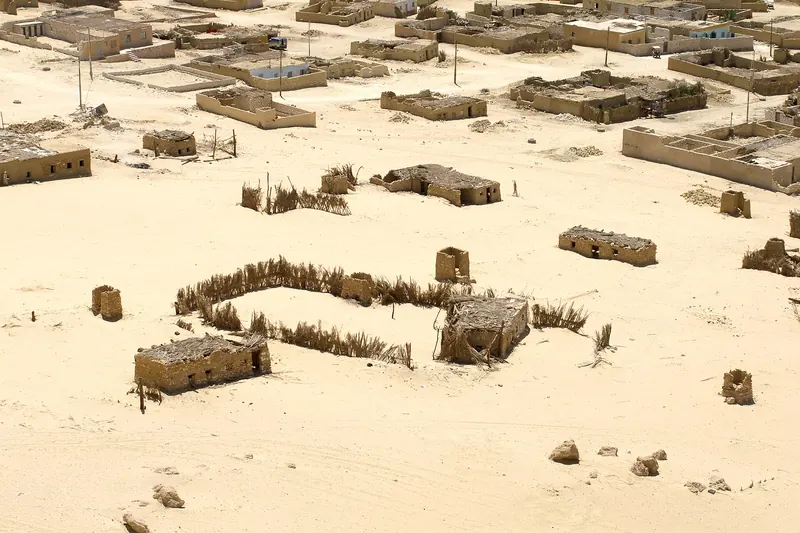
    Siwa's dramatic old town, a mudbrick fortress-village largely abandoned after rare heavy rains damaged it in 1926.

    Tip Climb up at sunset, when the eroded walls glow gold against the sky.

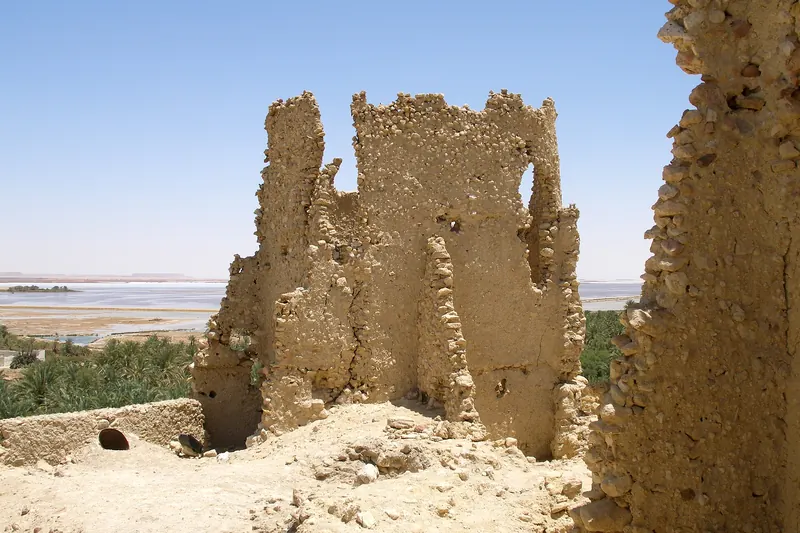
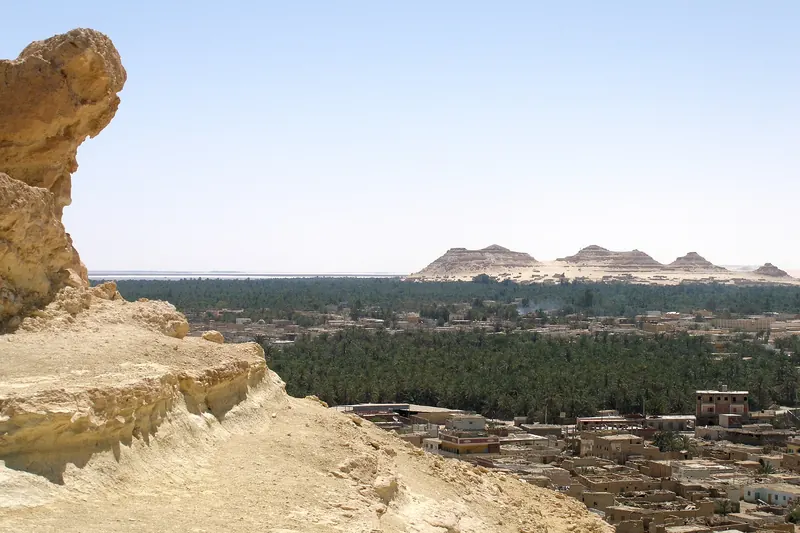
  2. The Temple of the Oracle of Amun in Siwa

    Temple of the Oracle of Amun

    The site that drew Alexander the Great across the desert, an oracle so respected he had himself declared a son of the god here.

    Tip Pair the visit with the nearby Temple of Amun's ruins and the view over the palm groves.

  3. Cleopatra's Spring, also known as the Spring of Juba, in Siwa

    Cleopatra's Spring (Spring of Juba)

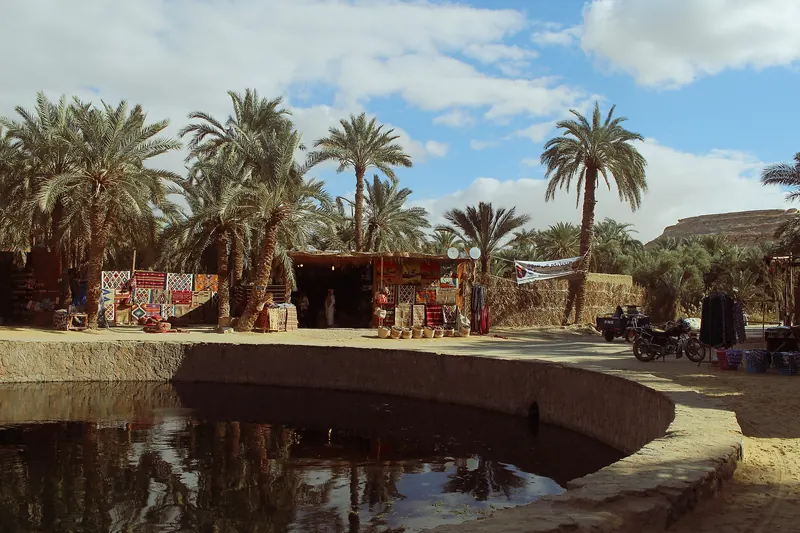
    A natural spring-fed pool said to have been visited by Cleopatra herself, still a popular swimming spot today.

    Tip Modest swimwear is appropriate — this remains a conservative, traditional community.

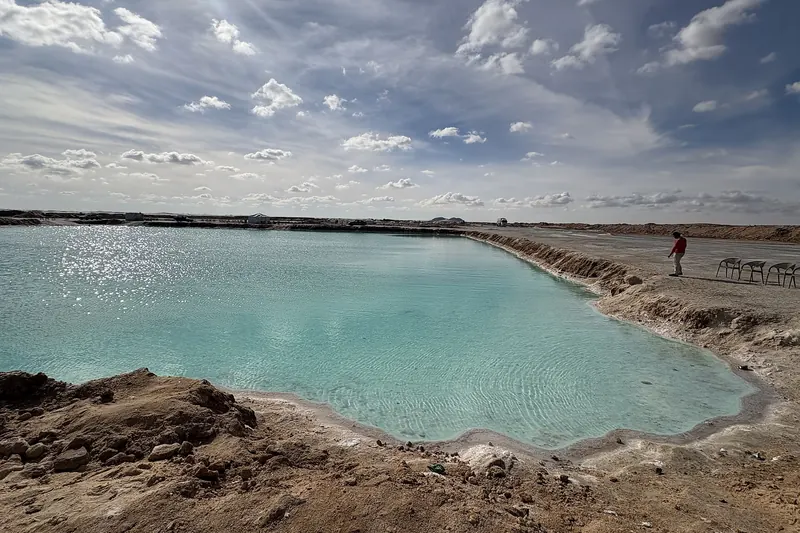
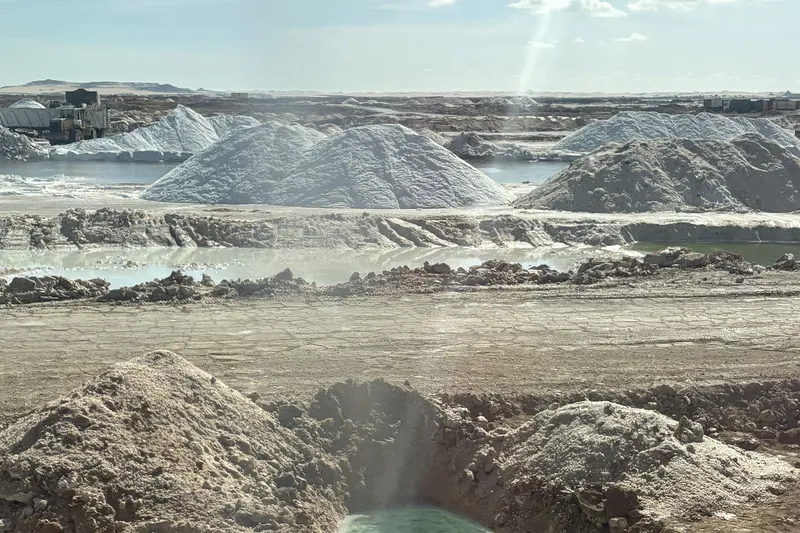
  4. Turquoise salt lakes around Siwa Oasis

    Siwa's salt lakes

    A striking landscape of turquoise pools and white salt crusts scattered around the oasis.

    Tip Float in one of the lakes — the salt concentration makes sinking almost impossible.

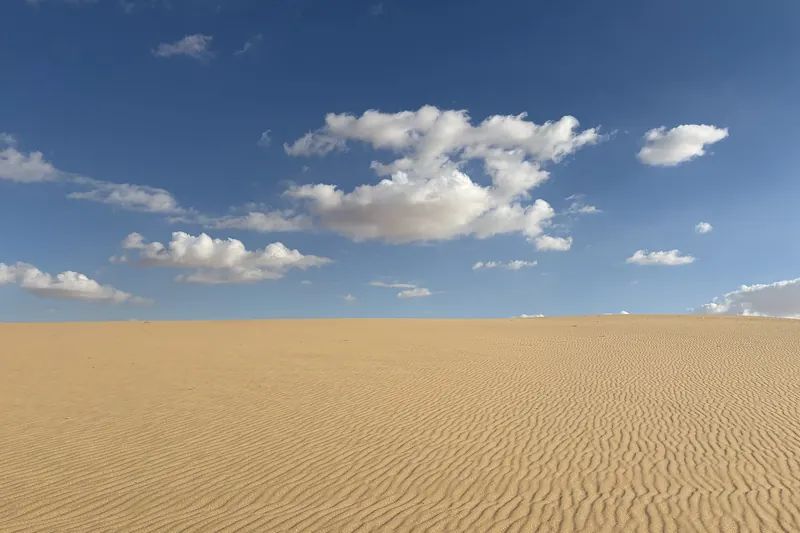
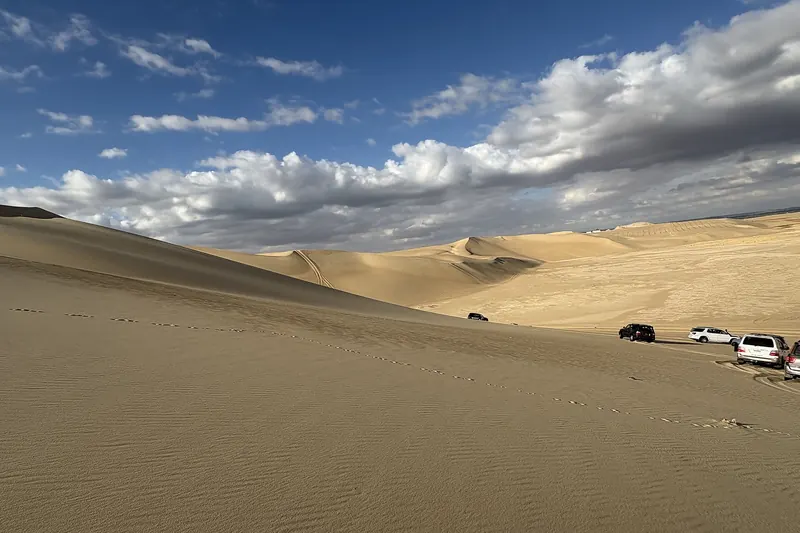
  5. The dunes of the Great Sand Sea near Siwa

    The Great Sand Sea

    One of the world's largest sand seas, its dunes rolling away toward the Libyan border just beyond Siwa.

    Tip A 4x4 dune safari is the classic way to experience its scale.

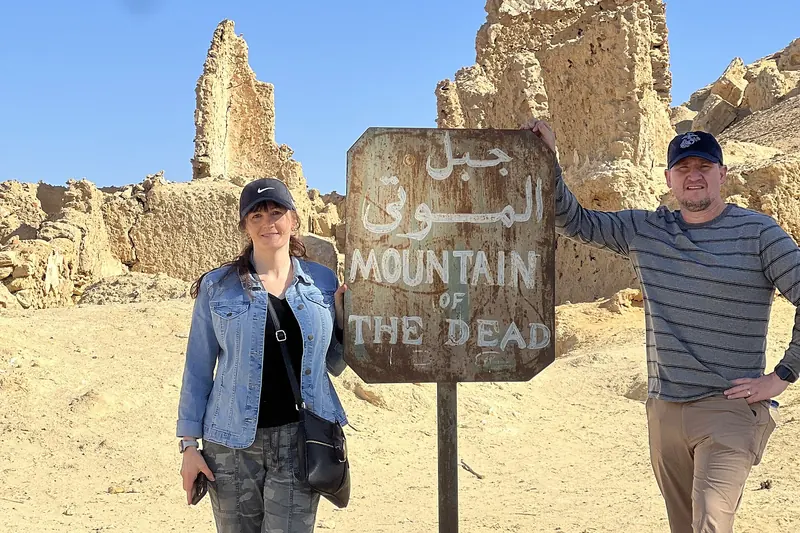
  6. Gebel al-Mawta, the Mountain of the Dead, in Siwa

    Gebel al-Mawta (Mountain of the Dead)

    A small hill honeycombed with painted rock tombs from Siwa's Greco-Roman period.

    Tip Ask the site guard to unlock the best-preserved tombs, which aren't always open by default.

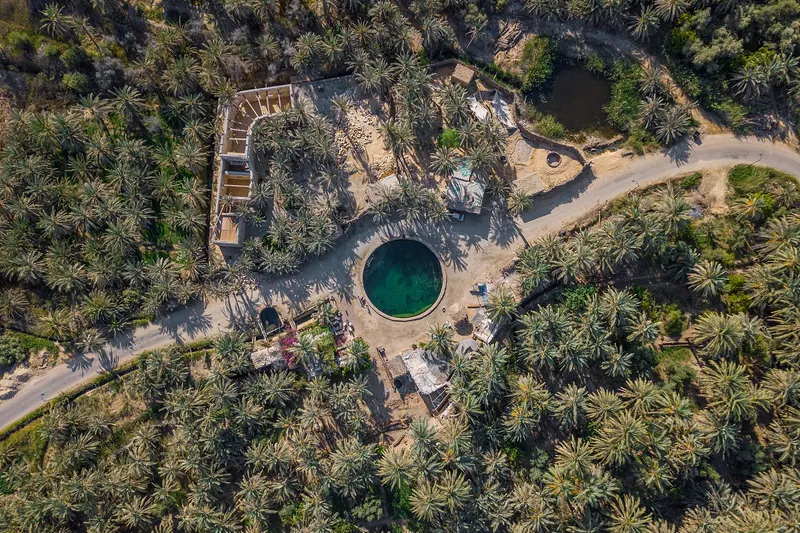
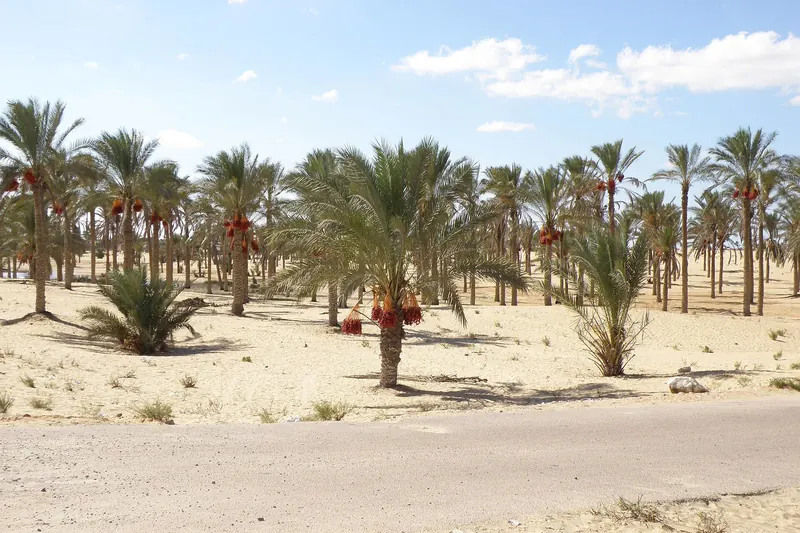
  7. Palm groves and desert houses around Siwa Oasis

    Siwa's olive and date groves

    The oasis's economic backbone, dense palm and olive groves fed by hundreds of natural springs.

    Tip Rent a bicycle to explore the groves' quiet dirt lanes.

Things to do

Best things to do in Siwa Oasis

Siwa rewards a slow, unhurried pace, built around its ruins, springs and surrounding desert.

  1. Shali Fortress at sunset in Siwa

    Climb Shali Fortress at sunset

    An essential Siwa ritual, watching the light turn the old town's mudbrick walls gold.

    Tip Wear sturdy shoes — the old town's paths are uneven and partly ruined.

  2. Swimming in Cleopatra's Spring in Siwa

    Swim in Cleopatra's Spring

    A refreshing, easy stop, a natural pool shaded by palms right in the oasis.

    Tip Quieter early morning or late afternoon, outside the midday tour-group rush.

  3. Floating in one of Siwa's salt lakes

    Float in a salt lake

    A novel experience, the water's salinity keeping you effortlessly buoyant.

    Tip Avoid getting salt water in your eyes, and rinse off with fresh water afterward.

  4. A 4x4 safari into the Great Sand Sea near Siwa

    Take a 4x4 safari into the Great Sand Sea

    A thrilling half or full day, dune bashing across some of the Sahara's largest sand formations.

    Tip Book through an experienced local operator familiar with the dunes' terrain.

  5. Rock-cut tombs at Gebel al-Mawta in Siwa

    Explore the rock tombs at Gebel al-Mawta

    A worthwhile stop, painted tombs cut into the hillside from Siwa's Greco-Roman period.

    Tip A quick visit, easily combined with Shali Fortress in the same afternoon.

  6. Palm groves on the outskirts of Siwa Oasis

    Cycle through the palm and olive groves

    A peaceful way to spend an afternoon, pedalling quiet dirt lanes between springs and groves.

    Tip Rent a bicycle from almost any guesthouse in town.

Local food

What to eat in Siwa Oasis

Siwa's food reflects its own oasis produce and traditions, distinct from Nile Valley Egyptian cooking.

  • Siwan olives and olive oil

    One of Siwa's real exports, olive groves feeding both the oasis's own tables and oil production.

    Where to try it Local shops and family-run groves throughout Siwa.

  • Fresh dates, a Siwa Oasis speciality

    Siwan dates

    A Siwa staple, sweet dates grown across the oasis's palm groves.

    Where to try it Local shops and market stalls in Siwa town.

  • Siwan bread and tagen

    Traditional Siwan cooking, bread and stews slow-cooked in clay pots.

    Where to try it Local guesthouses and family-run restaurants in Siwa town.

  • Koshari, Egypt's national dish of rice, lentils and pasta

    Koshari

    Available at restaurants in Siwa town, a familiar staple alongside more local specialities.

    Where to try it Restaurants in Siwa town.

  • Ful medames, a traditional Egyptian fava bean breakfast

    Ful medames

    A traditional, hearty breakfast, found at guesthouses throughout Siwa.

    Where to try it Guesthouses and cafés in Siwa town.

  • Karkade (hibiscus tea)

    A refreshing national drink, a welcome break after a hot day exploring the oasis.

    Where to try it Cafés and guesthouses throughout Siwa.

Accommodation

Where to stay in Siwa Oasis

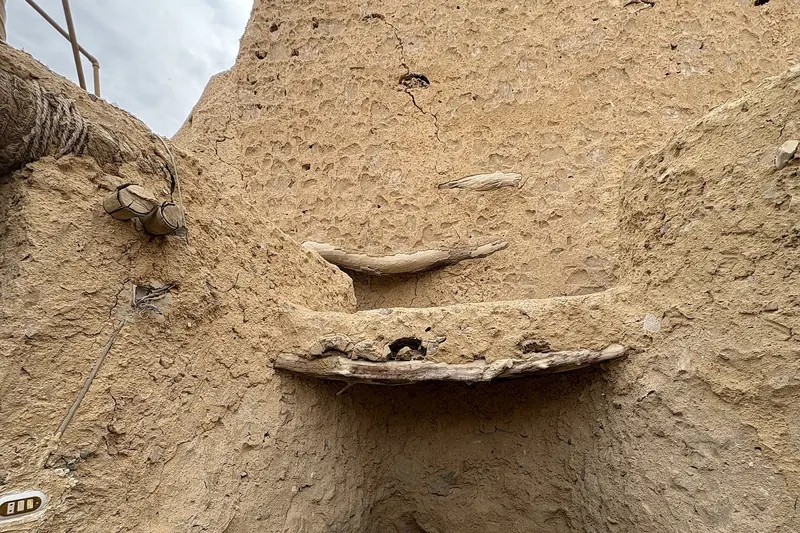
Siwa favours simple, characterful eco-lodges and guesthouses over big hotels, many built from traditional kershef mudbrick.

  • Siwa town centre

    Convenient guesthouses within easy reach of the main sights.

    Best for: Being central and walkable to the market and Shali

  • Eco-lodges on the oasis outskirts

    Traditional mudbrick architecture set right among the springs and dunes.

    Best for: A quieter, more atmospheric stay among the palm groves

What a night costs

Budget guesthouse
E£400–900 per night
Eco-lodge or boutique stay
E£1,200–2,500 per night
Full-day Great Sand Sea safari
About E£1,200–2,000
Dinner at a local restaurant
About E£150–300 per person

Transport

Getting to and around Siwa Oasis

Siwa is remote, reached by a long but straightforward road journey.

Getting there

  • Bus from Cairo

    The standard route, a long overnight or full-day journey.

    Takes around nine to eleven hours; overnight buses save a travel day.

  • Via Marsa Matrouh

    A shorter alternative for those already on the north coast.

    About four hours by road from Marsa Matrouh to Siwa.

  • Private car or driver

    A comfortable, flexible option for a small group.

    Roughly eight hours from Cairo on a well-paved desert road.

Getting around

Siwa town is small and easy to explore without a car of your own.

  • Bicycle

    The classic, most popular way to get around Siwa.

    Widely available for rent from guesthouses throughout town.

  • Donkey cart (karetta)

    A traditional, still-common way to get around locally.

    Easy to arrange for short trips around town or to nearby sites.

  • 4x4 with driver

    Essential for reaching the Great Sand Sea and more remote sites.

    Arrange through your guesthouse or a local safari operator.

When to go

Best time to visit Siwa Oasis

Siwa is best visited outside the peak summer heat, when desert days turn extremely hot.

  • Autumn (October–November)

    Best time

    Warm, comfortable days and cool nights.

  • Winter (December–February)

    Best time

    The most popular season, mild days though cold desert nights.

  • Spring (March–April)

    Good

    Pleasant before summer's full heat sets in.

  • Summer (May–September)

    Think twice

    Extremely hot, often exceeding 40°C during the day.

Worth planning around: Peak summer (June–August), when daytime desert heat becomes uncomfortable for sightseeing.

Itinerary

Three days in Siwa

Built around Shali and the Oracle Temple, the springs and salt lakes, and a Great Sand Sea safari.

  1. Day1

    Shali and the Oracle Temple

    Arrival and Siwa's historic core.

    • Morning Arrive in Siwa and settle in.
    • Afternoon Explore Shali Fortress and the Temple of the Oracle of Amun.
    • Evening Dinner in Siwa town.
  2. Day2

    Springs and salt lakes

    A day of swimming and relaxing around the oasis.

    • Morning Visit Cleopatra's Spring.
    • Afternoon Float in one of Siwa's salt lakes.
    • Evening Sunset from Shali's ramparts.
  3. Day3

    The Great Sand Sea

    A full-day 4x4 desert safari.

    • Morning Set off by 4x4 into the Great Sand Sea.
    • Afternoon Dune bashing, sandboarding and a desert lunch stop.
    • Evening Final dinner back in Siwa town.

Travel tips

Siwa Oasis travel tips

Practical notes that make a Siwa visit noticeably smoother.

  • Dress modestly — Siwa is a conservative, traditional community, more so than Cairo or the Red Sea resorts.
  • Carry cash — Siwa has very limited card acceptance and few ATMs.
  • Book a Great Sand Sea safari through a reputable local guide.
  • Pack for cold desert nights, even if the day has been hot.
  • Bring a good book or two — Siwa's real pleasure is its slow pace.
  • Respect local customs around photographing Siwan women without permission.

FAQ

Siwa Oasis: frequently asked questions

How many days do you need in Siwa?

Two to three days covers the main sights, though the journey itself makes a longer stay worthwhile.

How do you get to Siwa?

By long-distance bus from Cairo, or a shorter road trip via Marsa Matrouh on the north coast.

Is Siwa worth the long journey?

Yes — its culture, ruins and landscape are unlike anywhere else in Egypt.

What language is spoken in Siwa?

Siwan, a Berber (Amazigh) language distinct from Egyptian Arabic, though Arabic is widely understood.

Can you combine Siwa with the White Desert?

It's possible but demanding — the two sit on opposite sides of the Western Desert, so most visitors choose one or budget significant extra travel time for both.

Is Siwa safe to visit?

Yes — Siwa is a well-established, welcoming destination, though it sits in a border region, so it's worth checking current travel advice before an independent trip.

Read next

Related travel articles

Where to go

Beyond the Big Names: Places Worth the Detour

The most visited place in a country is rarely its best, and it is almost never its best value. This is a method for finding the destinations that do not make the postcards — and a set of examples from five of the 50 countries on this site.

Practical

Packing by Season and Trip Type

Most packing advice is a list of things. This is the opposite: the small number of decisions that determine whether your luggage helps or hinders, organised by the kind of trip you are actually taking.

Advertisement