Turkey is 1,600 km from west to east, with a population of 85 million and geography that changes completely as you cross it. Five broad regions cover almost everything a visitor comes for.
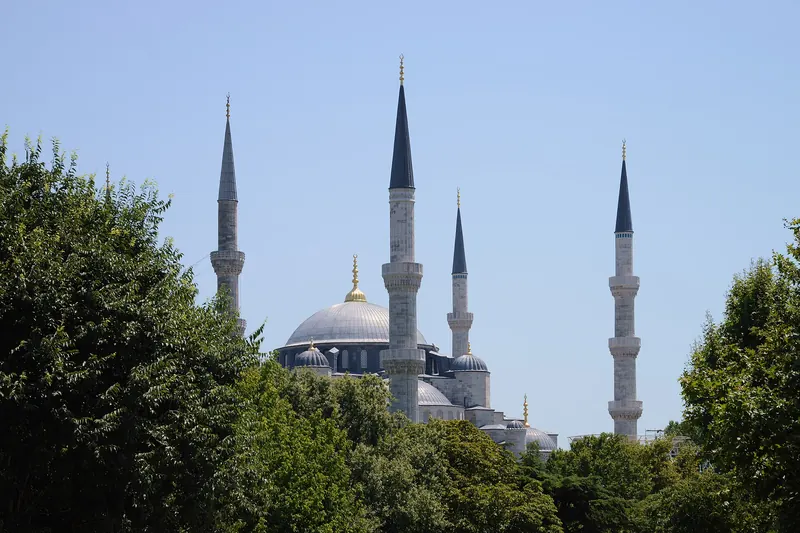
Istanbul and the northwest. A city of some 16 million straddling Europe and Asia, and one of the great urban destinations in the world. It was the capital of the Roman, Byzantine and Ottoman empires in turn and has the buildings from each. It is also completely unlike the rest of the country.
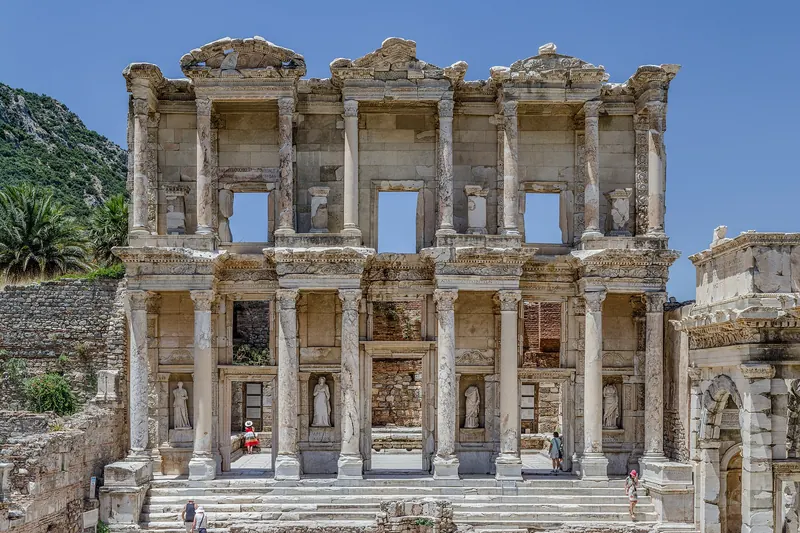
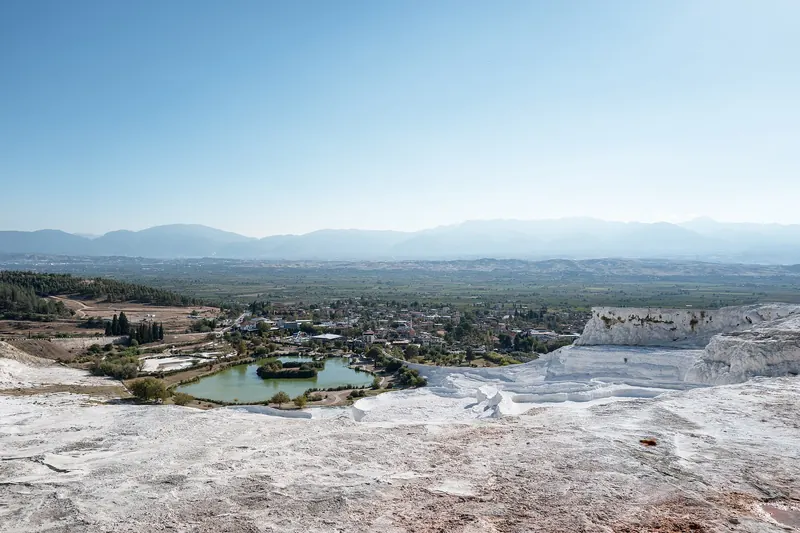
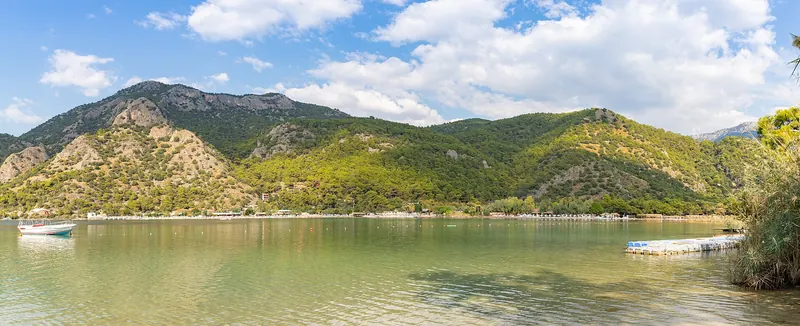
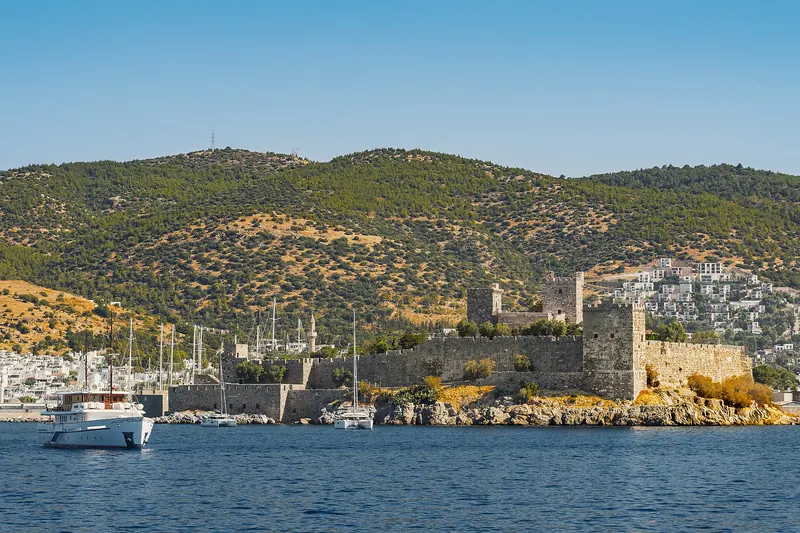
The Aegean coast. Ephesus, Pamukkale, Bodrum, İzmir and a string of classical sites. The densest concentration of Greek and Roman archaeology anywhere, in a Mediterranean landscape of olive groves and pine-backed coves.
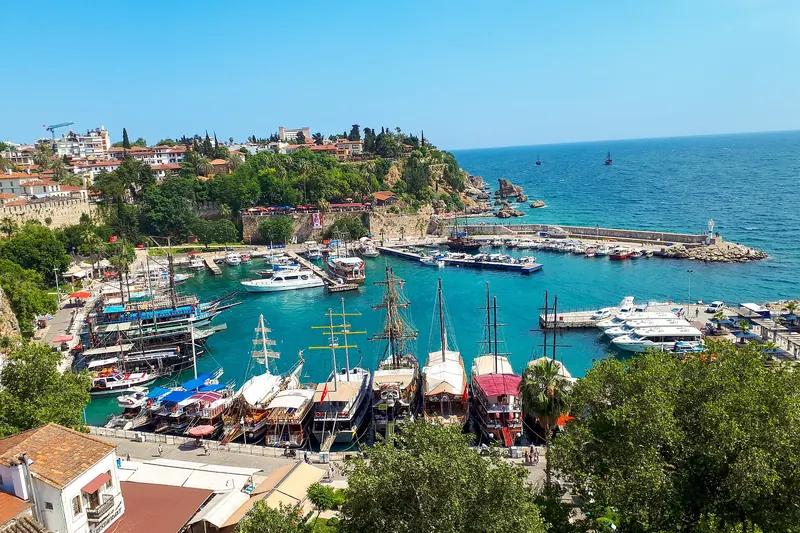
The Mediterranean — the Turquoise Coast. From Fethiye east through Kaş and Kalkan to Antalya, with Lycian rock tombs, sunken cities, and the Lycian Way long-distance path running above the sea.
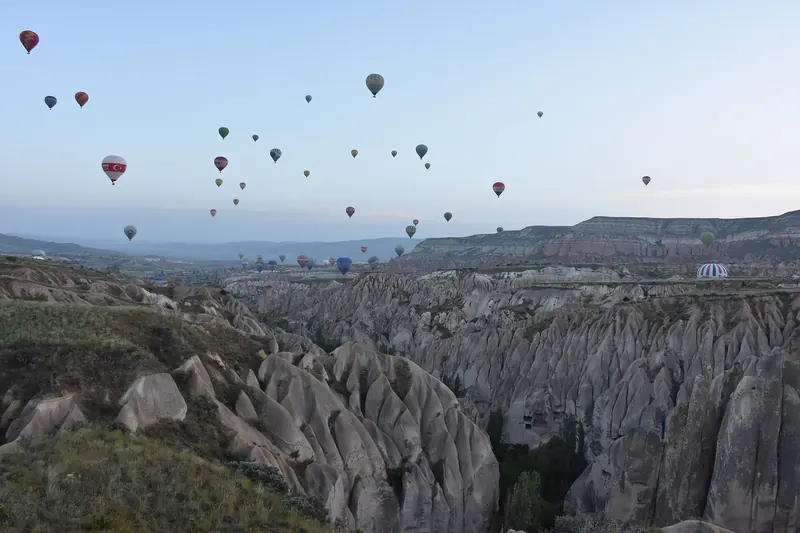
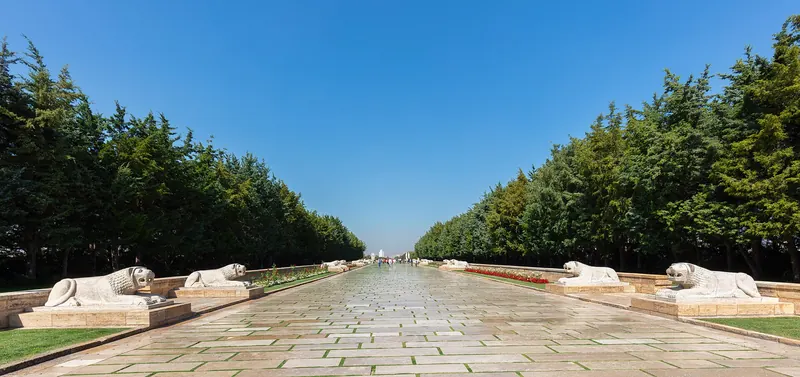
Central Anatolia. A high dry plateau holding Cappadocia's eroded volcanic landscape, Konya's whirling dervish tradition, and Ankara, the capital, with the country's best museum of Anatolian prehistory.
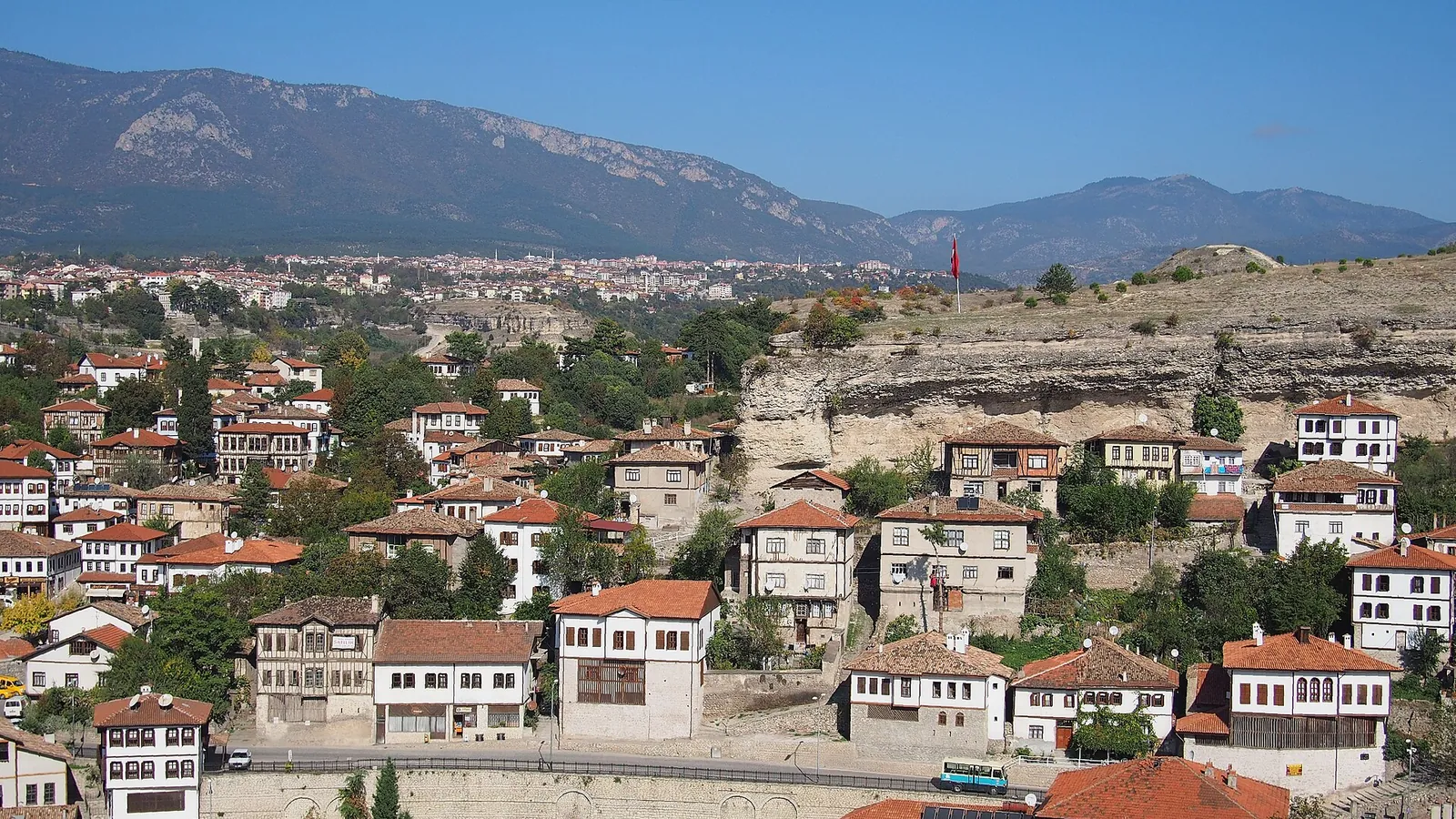
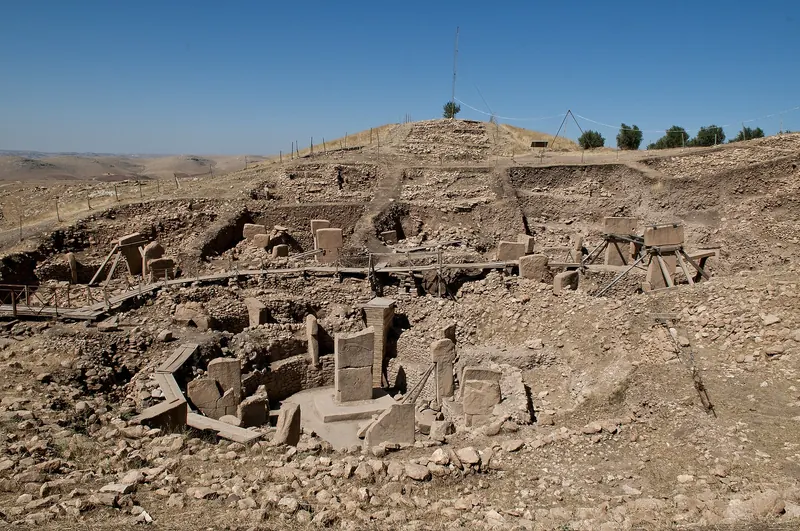
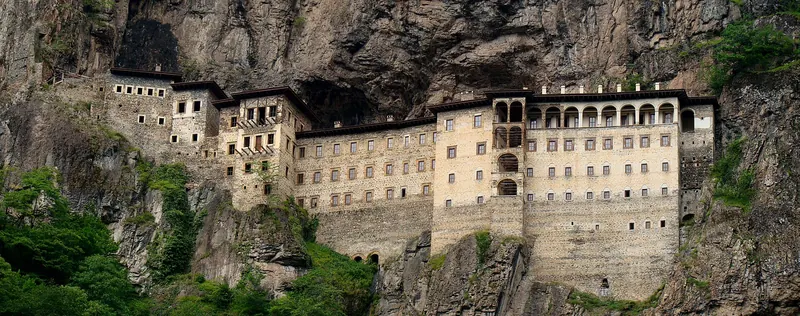
The east and southeast. Şanlıurfa and Göbekli Tepe, Gaziantep's food, Mardin's stone city, and Mount Nemrut's giant heads. And in the north, the Black Sea coast — green, wet and mountainous, closer to the Alps than the Aegean.