Welcome to Pamukkale
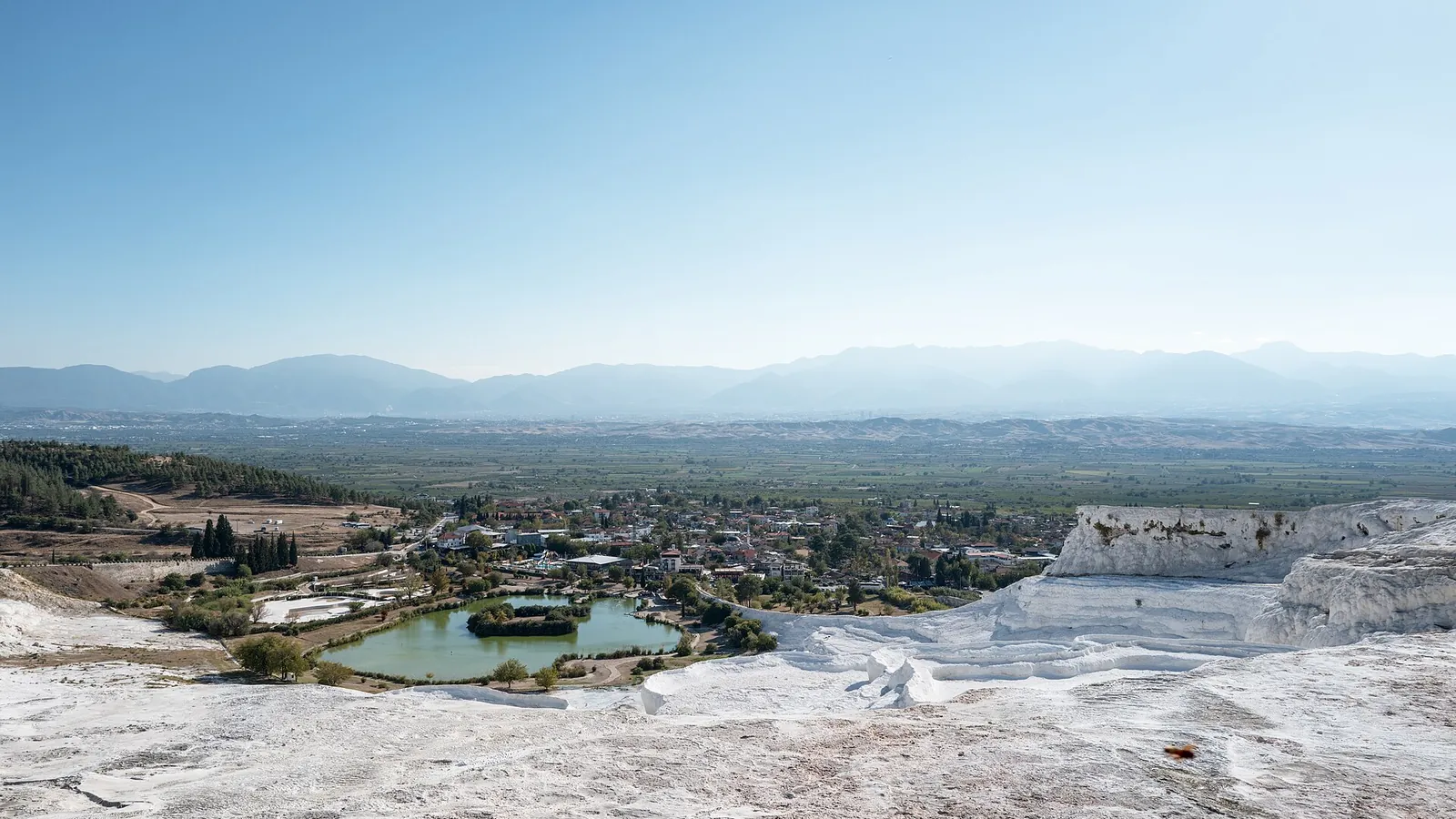
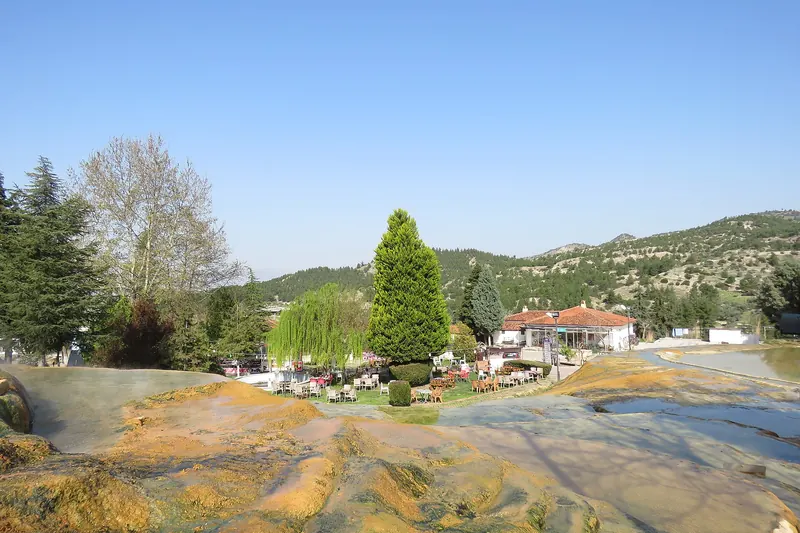
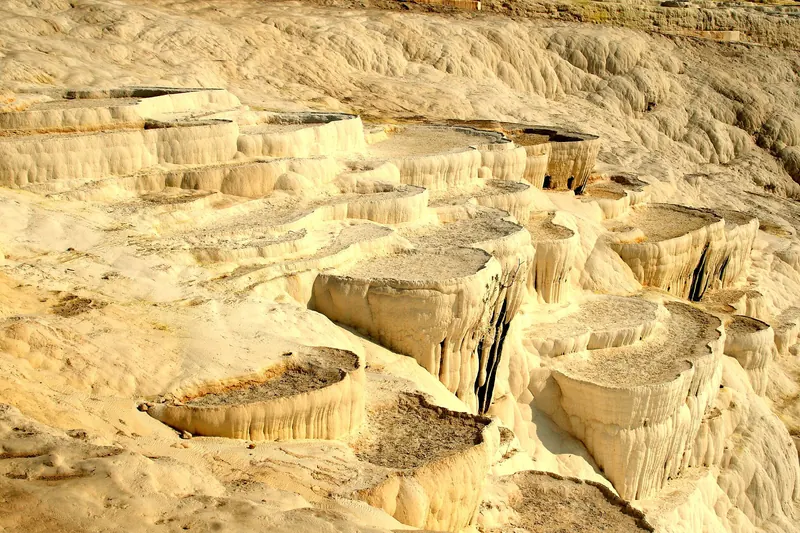
Pamukkale means 'cotton castle' in Turkish, which is an accurate description of what you see from the valley: a 200-metre hillside that appears to be covered in snow. It is not snow but travertine — calcium carbonate deposited by hot springs that emerge at around 35°C, saturated with dissolved limestone, which precipitates out as the water cools and flows down the slope. The process has been running for hundreds of thousands of years and has built terraces, basins and frozen cascades of white rock.
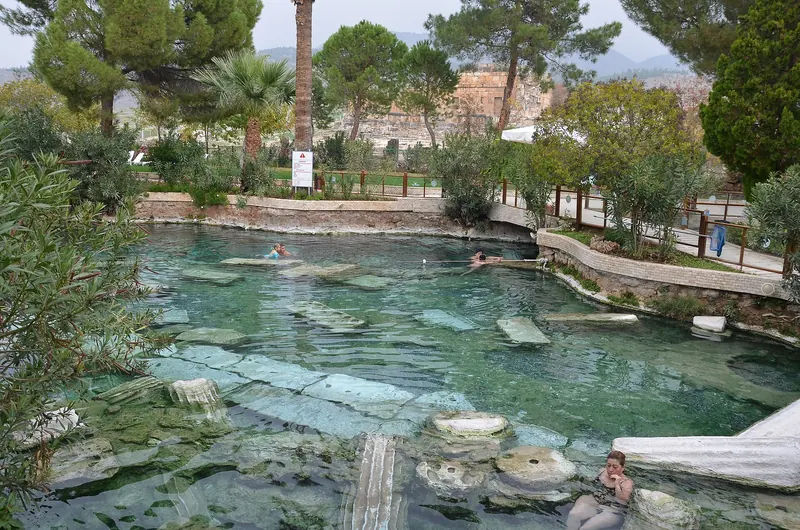
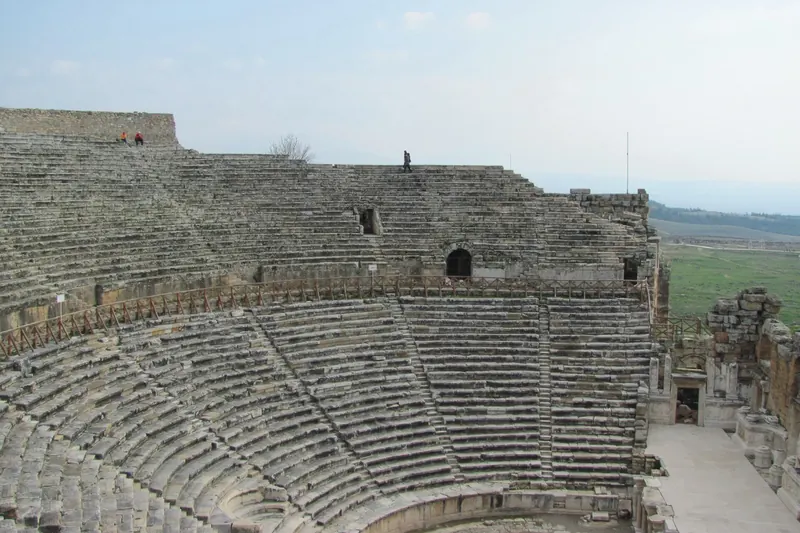
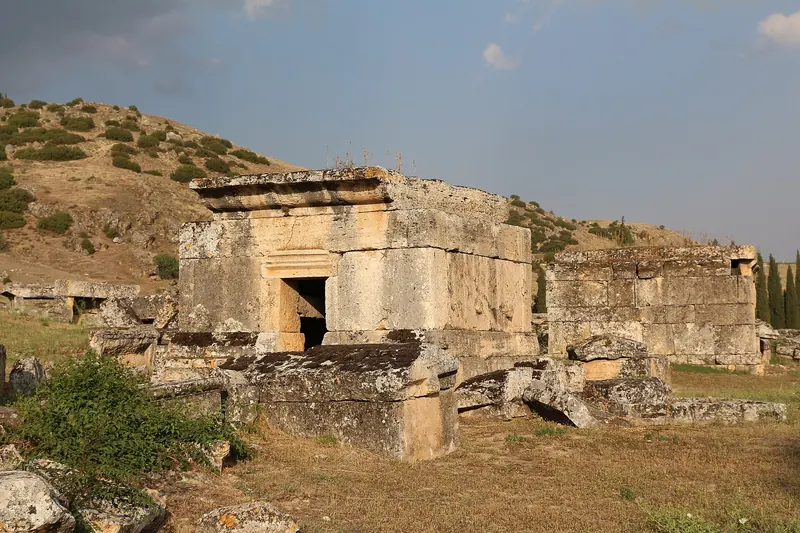
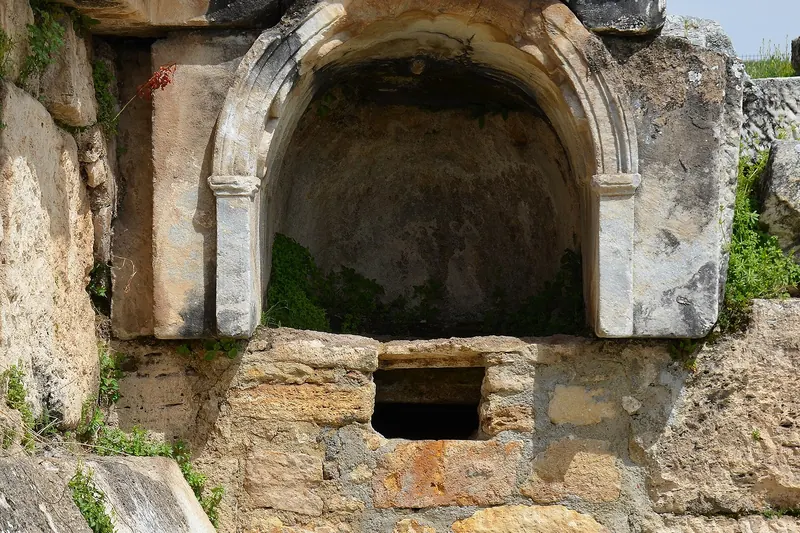
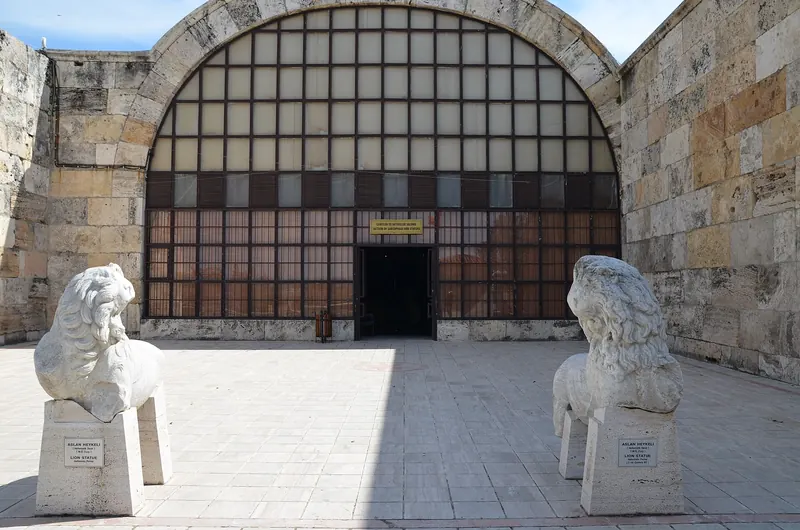
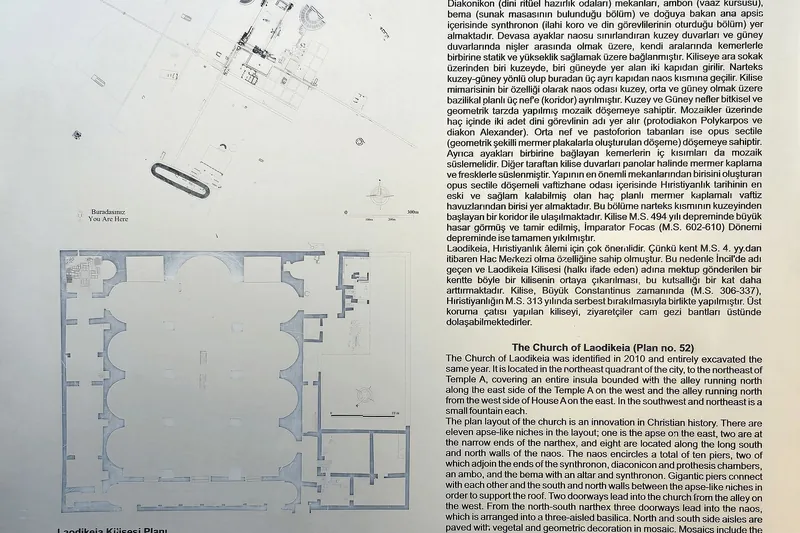
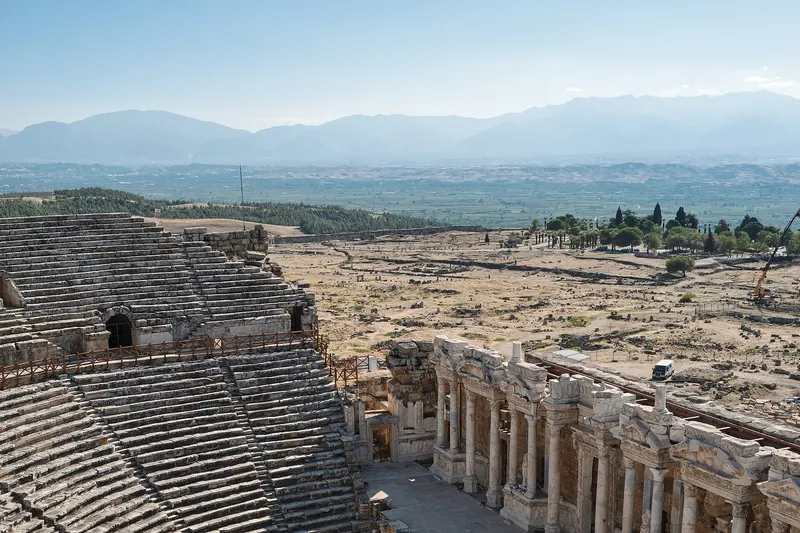
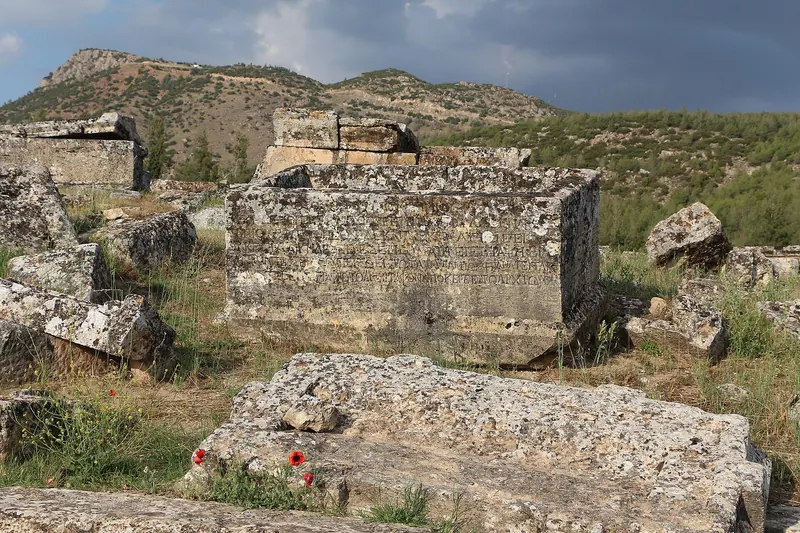
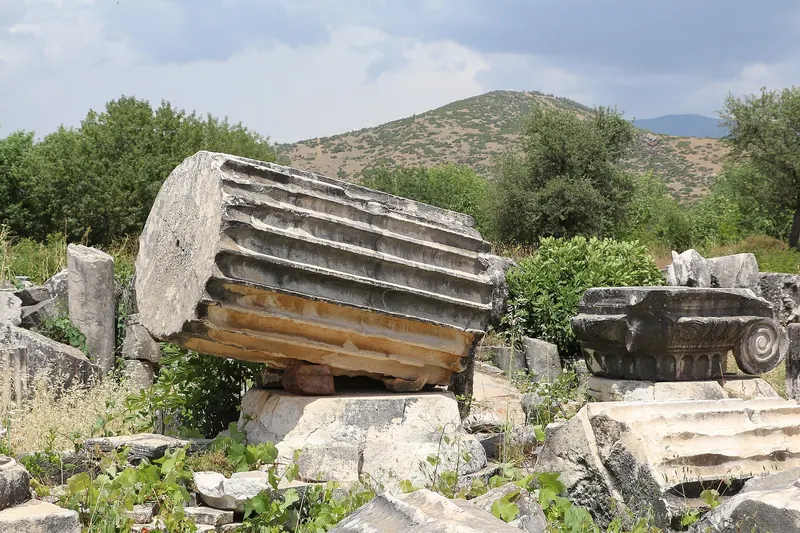
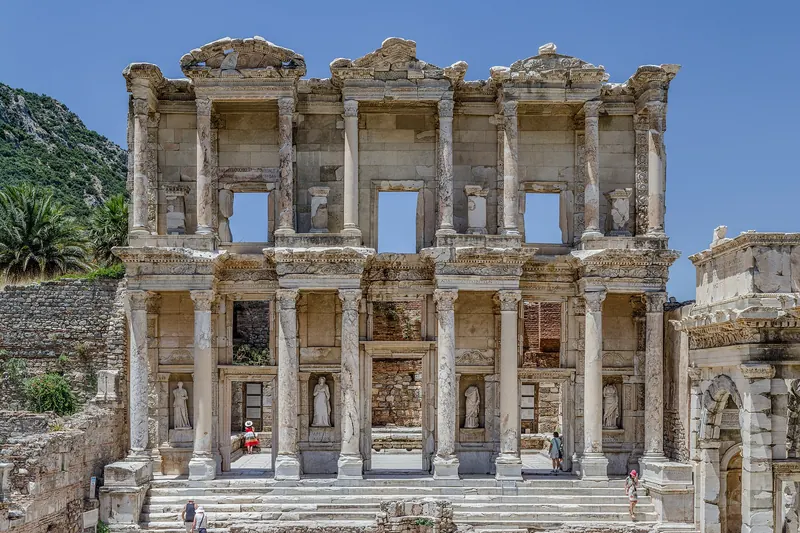
On top of the hill sits Hierapolis, a Roman and Byzantine spa city founded in the 2nd century BC around the springs. People came here to be healed, and a substantial number of them died here — which is why Hierapolis has one of the largest ancient necropolises in Turkey, with well over a thousand tombs spread across the ridge. The theatre, the colonnaded street and the baths are all substantially intact.
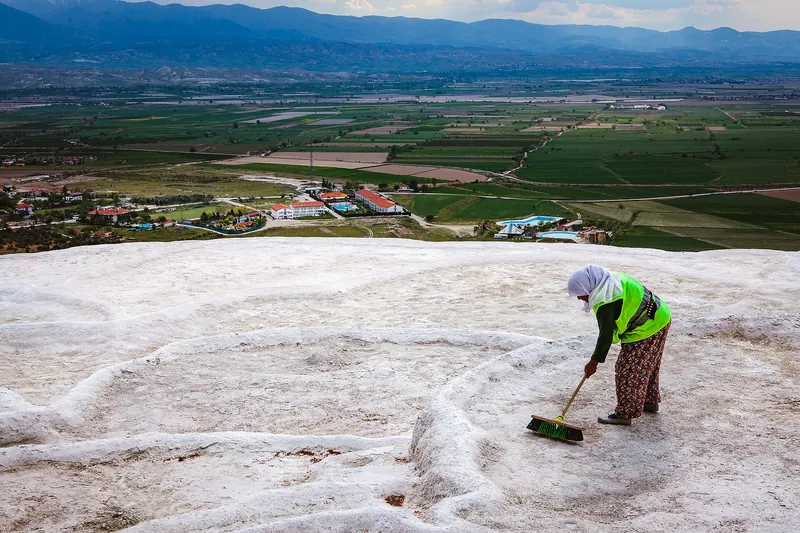
The site has had a difficult modern history. Hotels were built directly on the terraces in the 1960s and 1970s, and their swimming pools and access roads diverted the water and damaged the formations badly. They were demolished after UNESCO listing in 1988, water flow is now rotated between sections to allow recovery, and visitors walk barefoot on a designated route. The terraces you see are partly restored, and the restrictions are the reason they still exist.
- UNESCO Site
- Nature & Wildlife
- Archaeology
- Scenic Region