Welcome to Trabzon
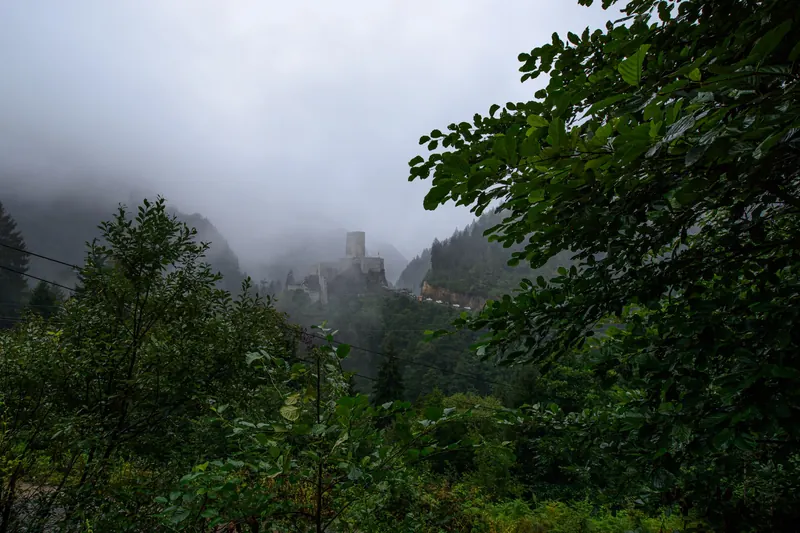
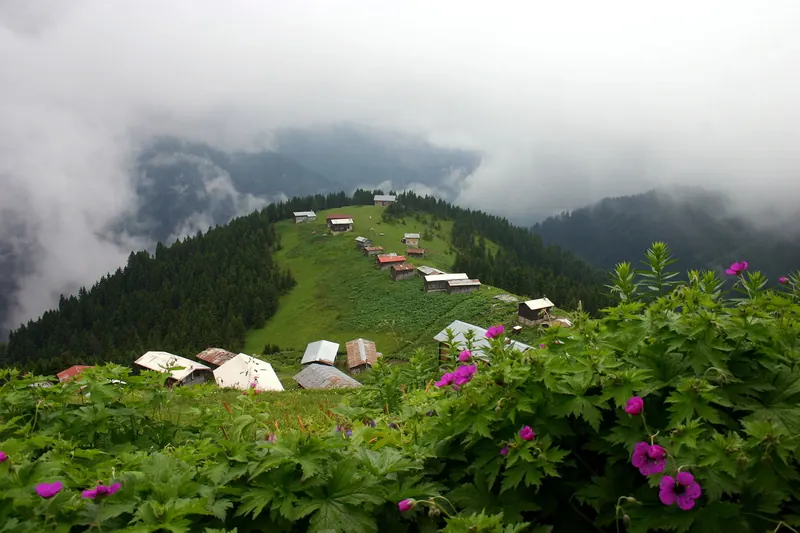
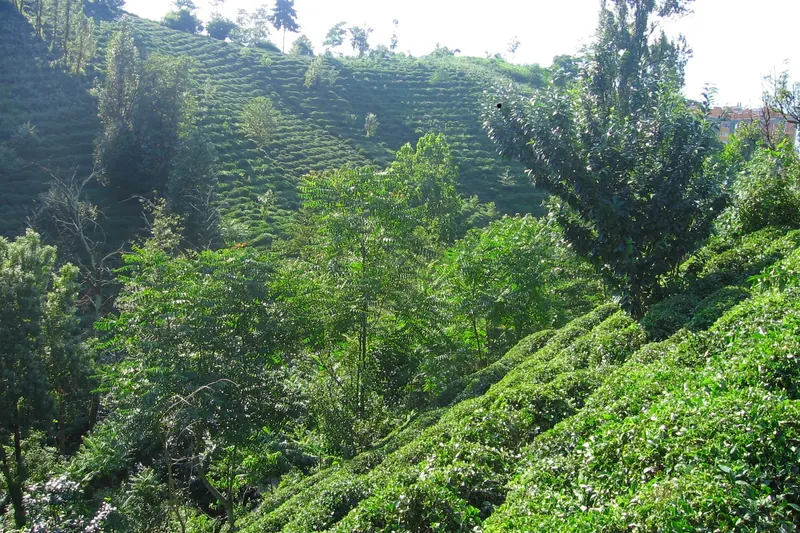
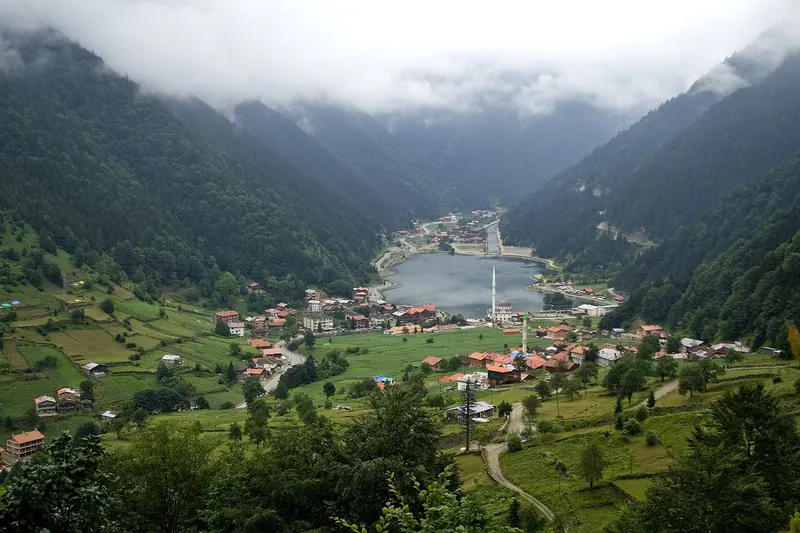
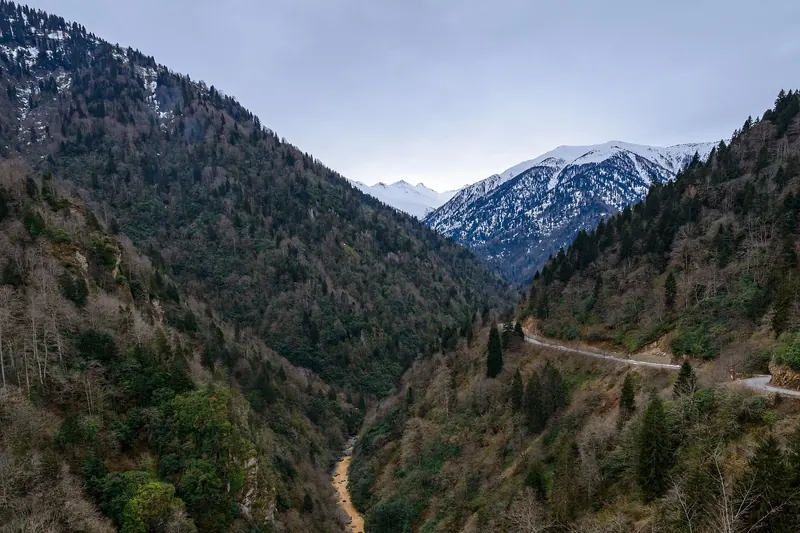
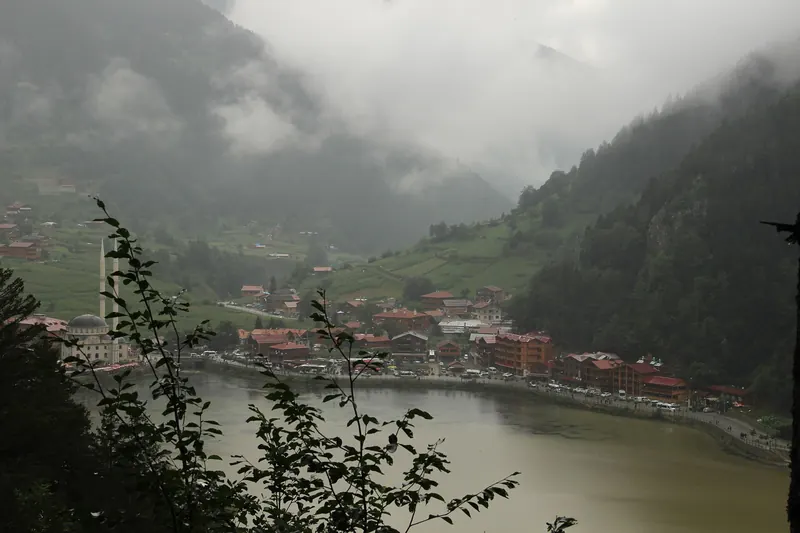
Everything most people picture when they think of Turkey — dry light, olive trees, ruins baking in the sun — is absent here. The eastern Black Sea is the wettest part of the country, with rain in every month and over two metres of it a year in places. The result is a coast of near-vertical green: tea terraces climbing from the sea, hazelnut groves, beech and spruce forest, and valleys that fill with cloud by mid-morning. It looks far more like the Alps or the Caucasus than like the Aegean, because geographically it is much closer to both.
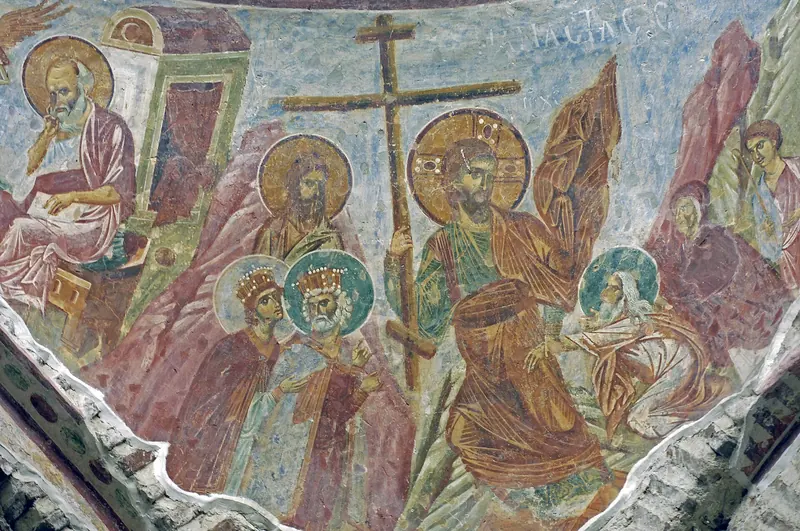
Trabzon is the region's city and was, for two and a half centuries, a capital. After the Fourth Crusade sacked Constantinople in 1204, a branch of the Komnenos dynasty set up the Empire of Trebizond here — a Black Sea state that outlasted Byzantium itself, falling to Mehmed II only in 1461. What survives is a thirteenth-century Hagia Sophia with its frescoes, a walled old quarter above a ravine, and a position on the old caravan route from Persia to the sea.
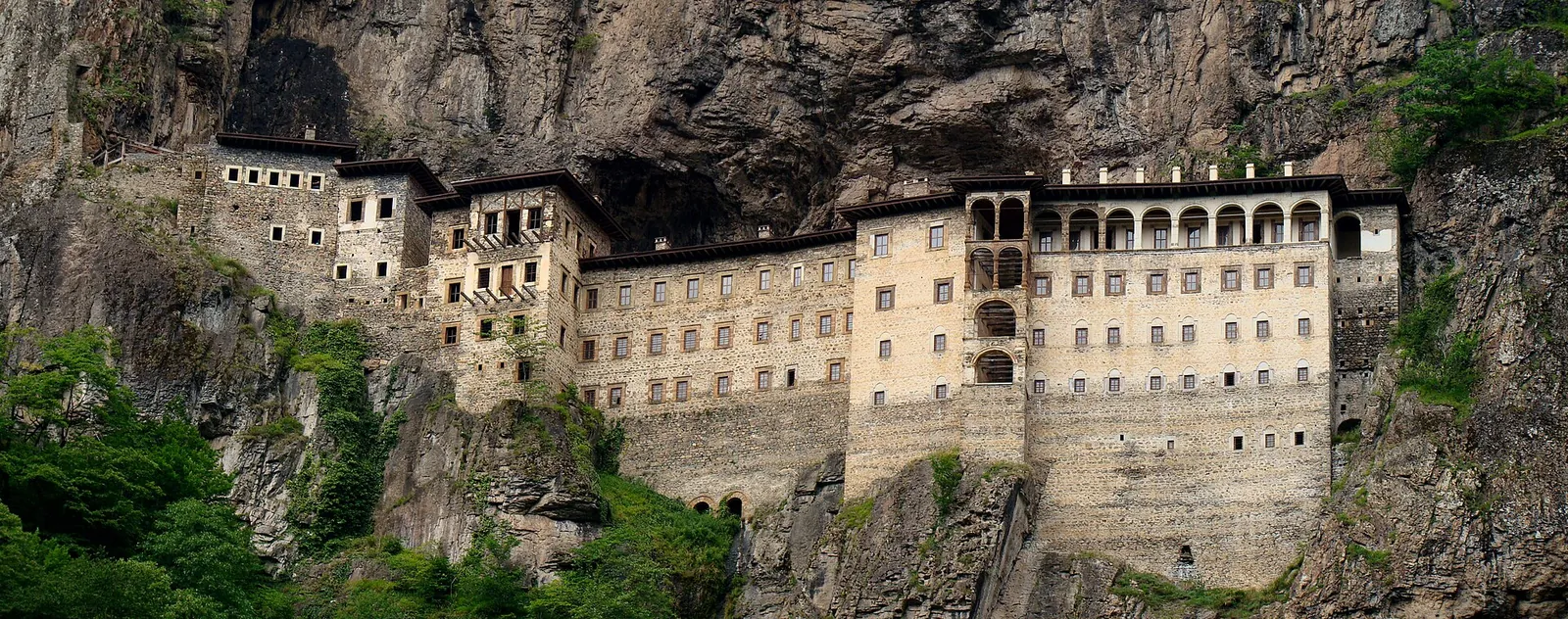
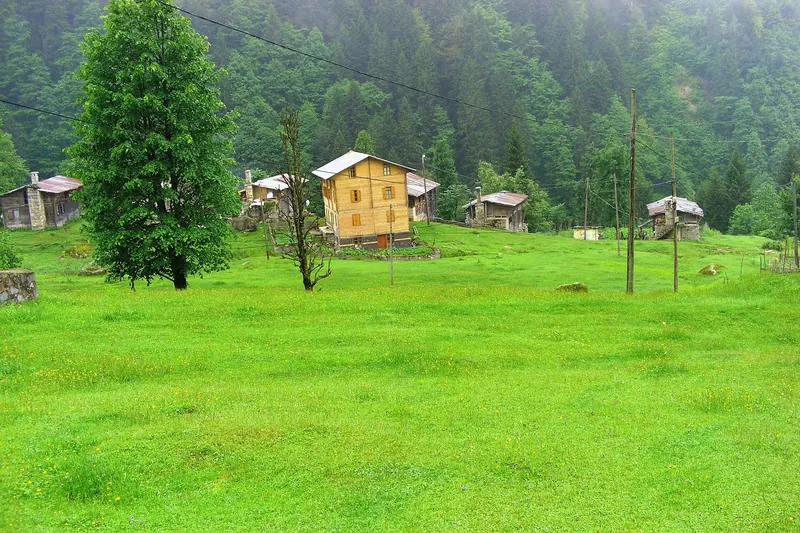
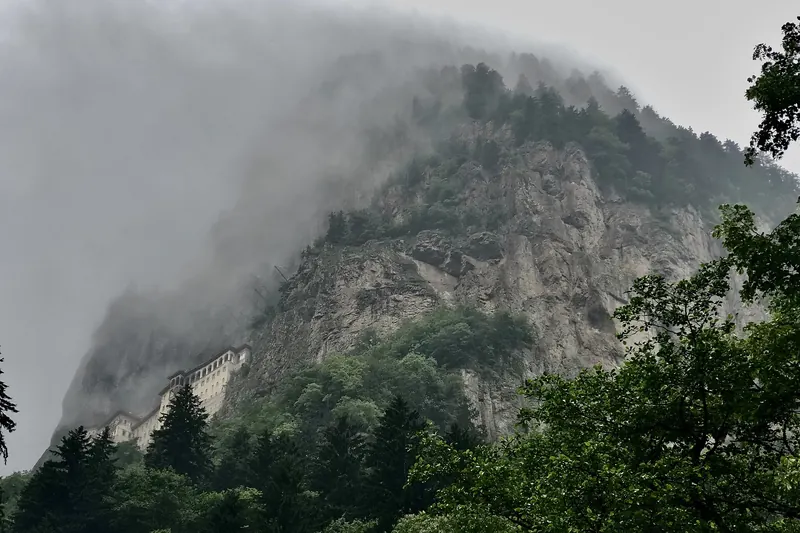
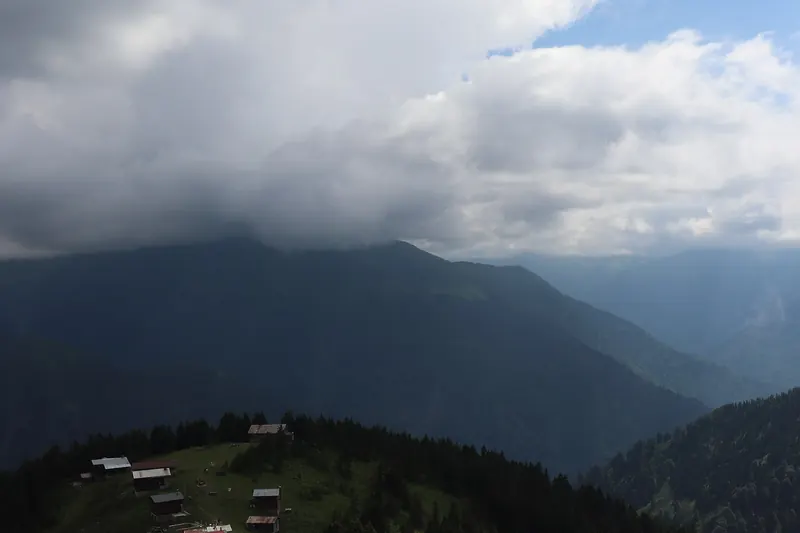
The reason most people come, though, is an hour inland and 1,200 metres up. Sumela Monastery is built into a sheer cliff above the Altındere valley, a Greek Orthodox foundation traditionally dated to 386 and abandoned in 1923 when its community left in the population exchange. Beyond it the land climbs again to the Kaçkar mountains, where the highest peak reaches 3,937 metres and the summer pastures — the yayla — sit above the cloud line with wooden houses on stilts.
- Mountains
- Nature & Wildlife
- Coast & Beaches
- Off the Beaten Path