Welcome to Şanlıurfa
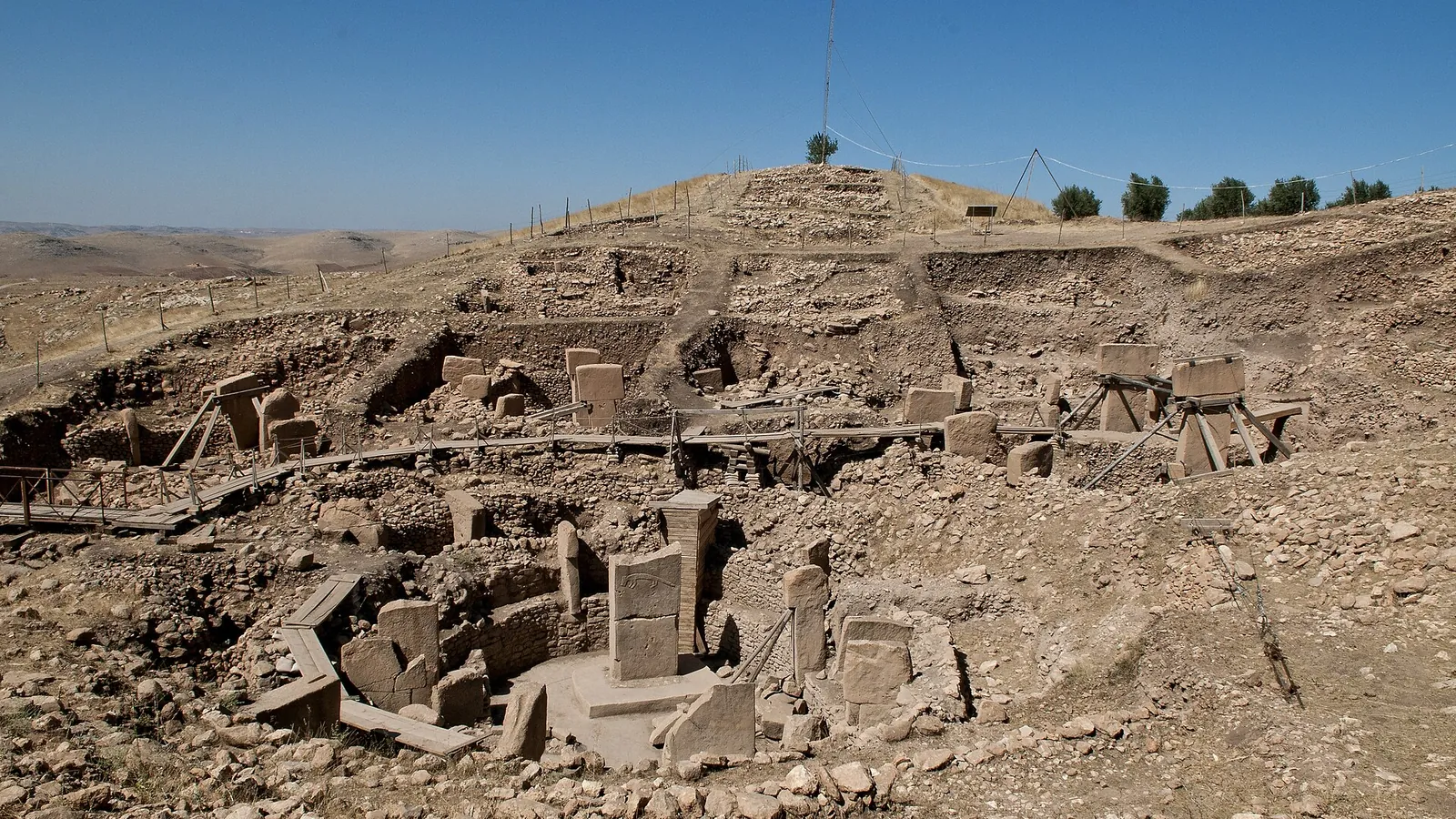
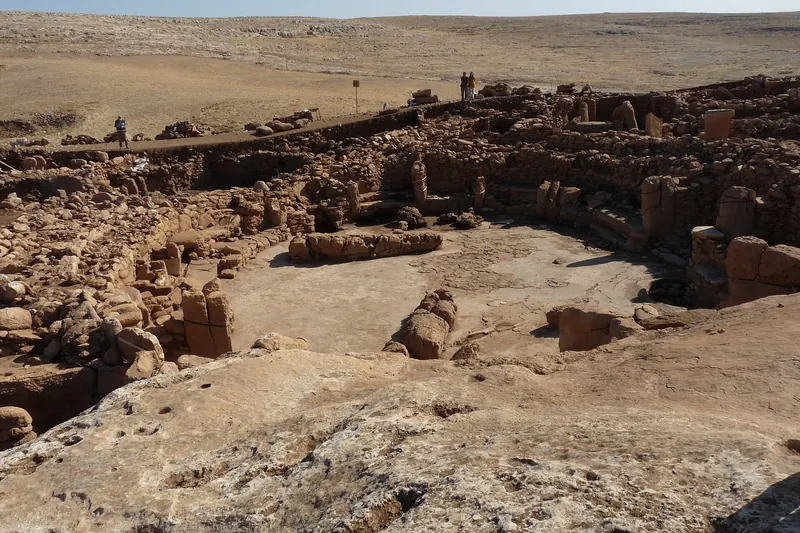
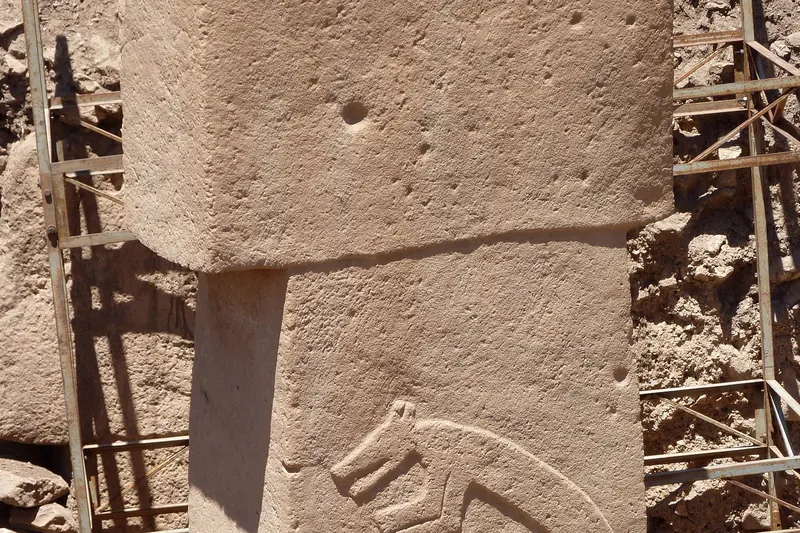
Göbekli Tepe is the reason the textbooks were rewritten. On a limestone ridge eighteen kilometres from Şanlıurfa, hunter-gatherers quarried, carved and raised T-shaped pillars up to five and a half metres high and ten tonnes in weight, set them in circles, decorated them with foxes, boars, snakes, cranes and scorpions — and did it around 9500 BC. That is roughly six thousand years before Stonehenge and seven thousand before the pyramids, and crucially before pottery, before metal, before writing, before the wheel, and before agriculture was established. The old assumption was that farming produced settlement, settlement produced surplus, and surplus produced monuments. This site suggests the sequence may have run the other way round.
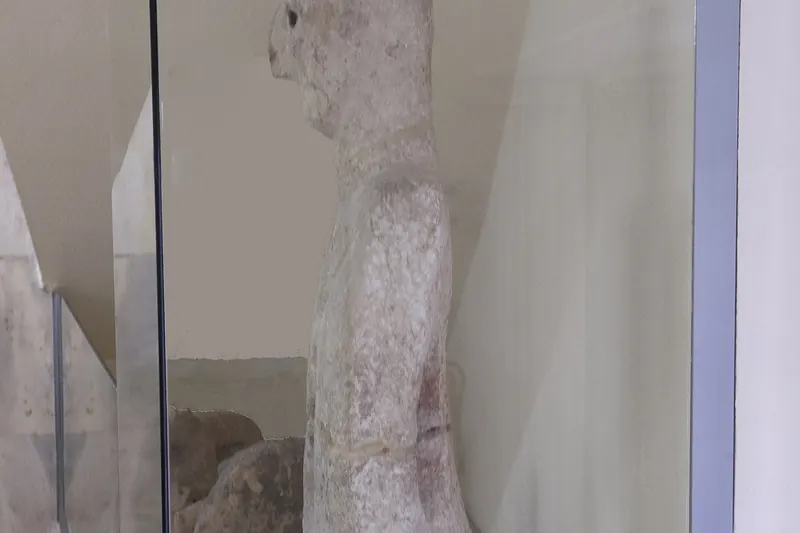
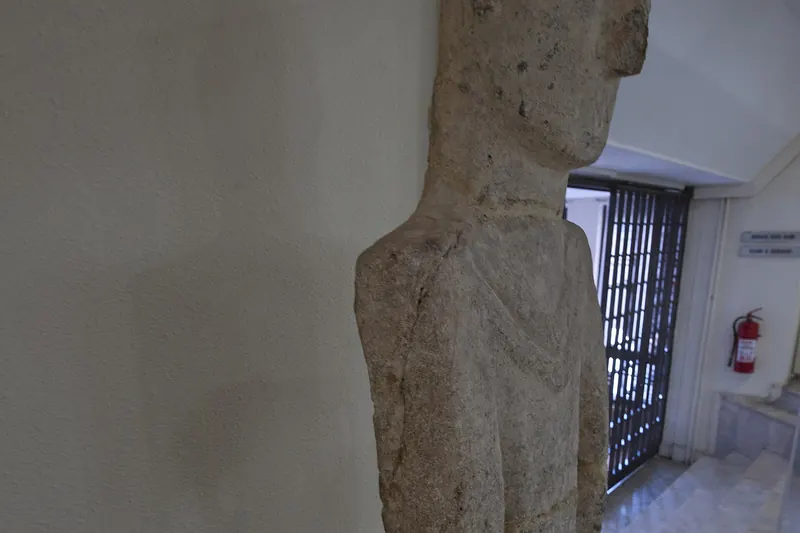
Excavation began in 1995 under Klaus Schmidt, and only a fraction of the mound has been dug; geophysical survey indicates many more enclosures still buried. It became a UNESCO World Heritage Site in 2018 and now sits under protective canopies with raised walkways. Nearby, Karahan Tepe and a string of related sites are being investigated as part of the same Neolithic world, and the finds — including the Urfa Man, a life-size human statue of around 9000 BC and the oldest known — are in the city's excellent archaeology museum.
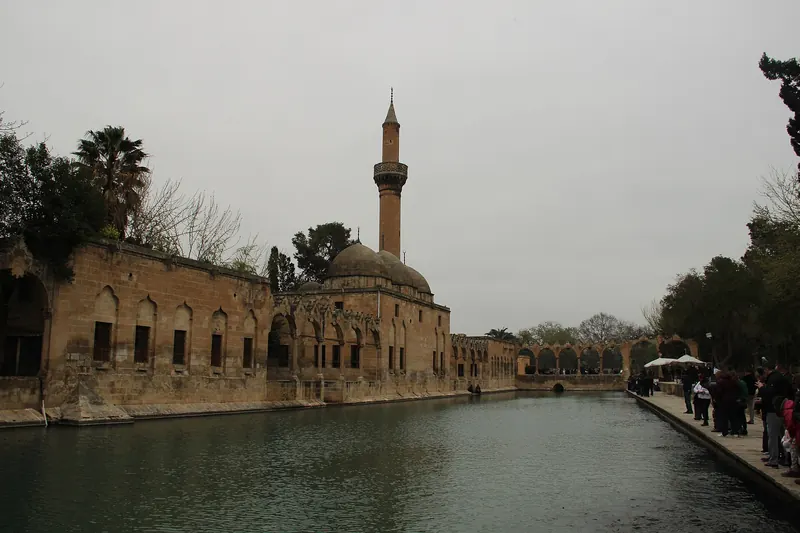
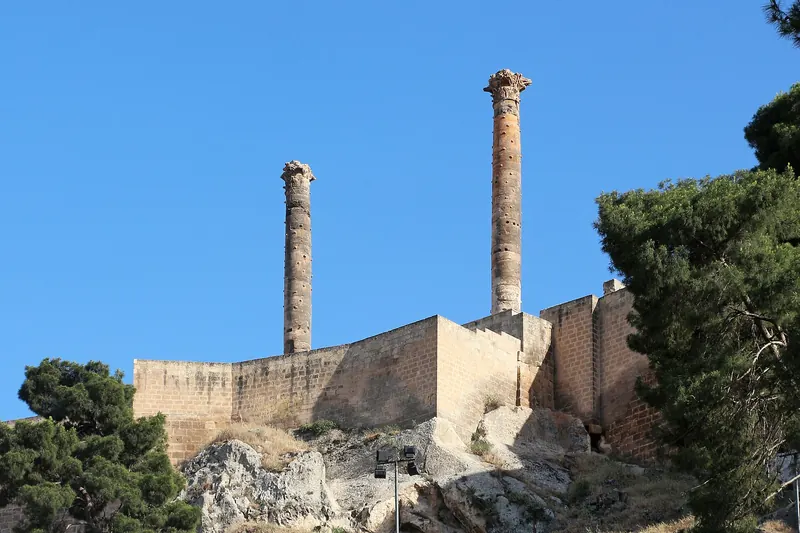
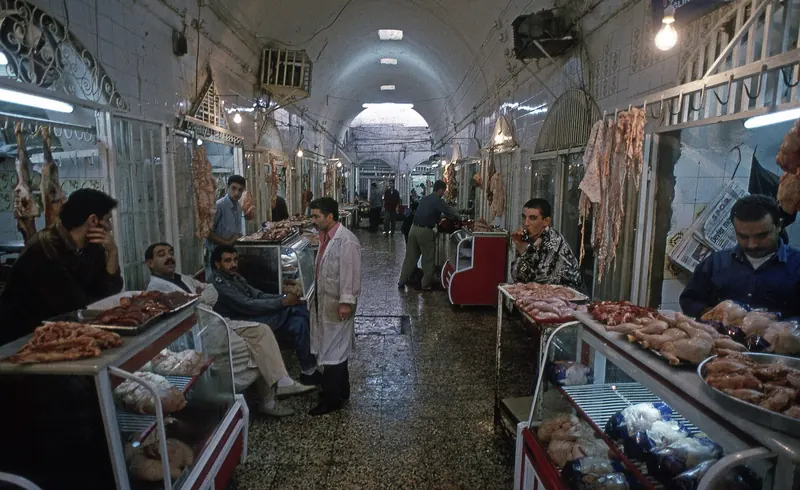
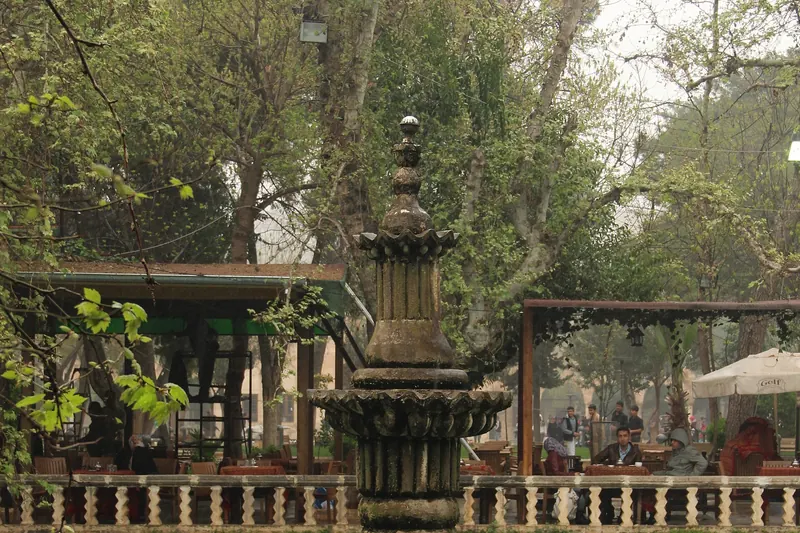
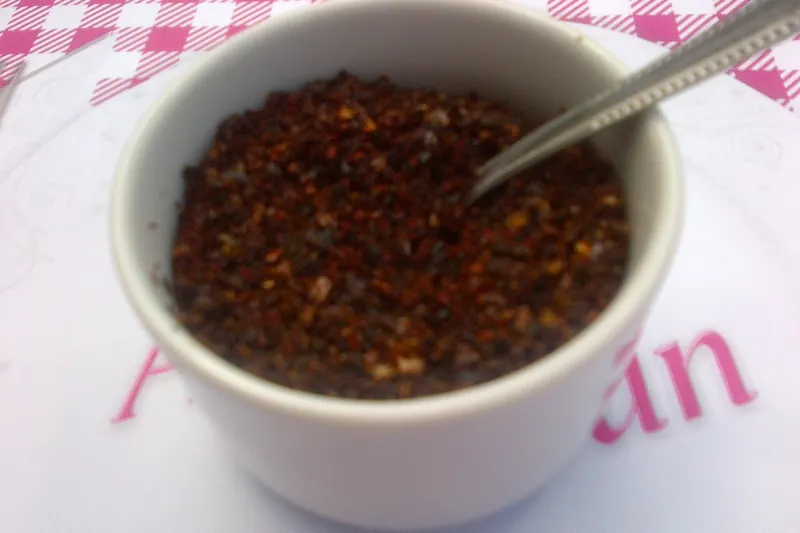
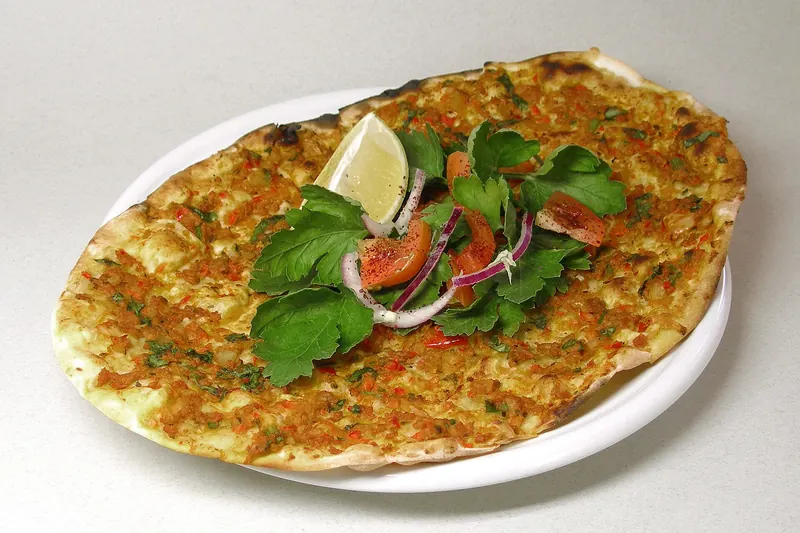
Şanlıurfa itself is not a backdrop. It is one of the oldest continuously inhabited cities in the world, known to the Greeks as Edessa, and it is a working pilgrimage city: at Balıklıgöl, sacred carp fill pools where, by tradition, Abraham was thrown into a fire that God turned to water. Around it are Ottoman mosques, courtyard houses, a covered bazaar with coppersmiths still hammering, and a food culture built on lamb, bulgur and a dark purple pepper called isot that is grown nowhere else. It is conservative, hot, and completely unlike the Turkey of the coast.
- Archaeology
- UNESCO Site
- Culture & Arts
- Historic Site