Welcome to Ankara
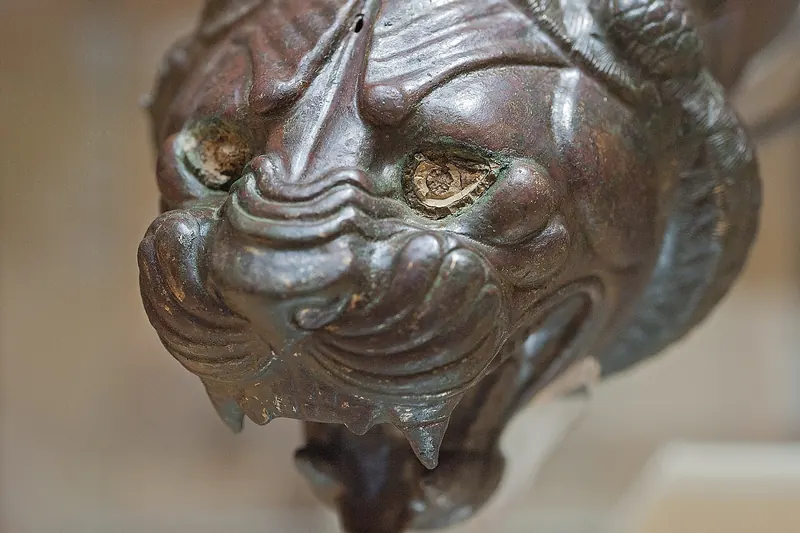
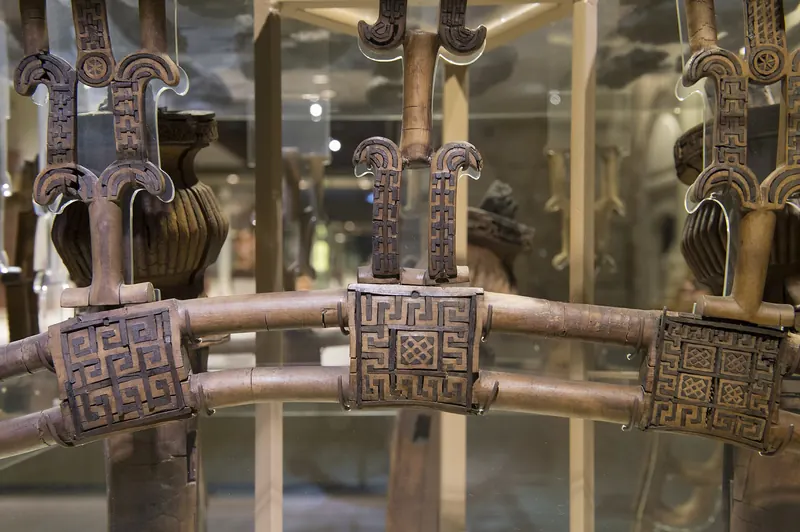
Ankara is the capital of Turkey and one of the least-visited capitals in Europe or Asia. Most itineraries treat it as a change of trains between Istanbul and Cappadocia, which is a mistake for one specific reason: the Museum of Anatolian Civilizations. It sits inside a restored fifteenth-century Ottoman covered market, and it holds the finds from Çatalhöyük, from the Hittite capital at Hattusa, from the Assyrian merchant colonies at Kültepe and from Phrygian Gordion. Nothing else in the country lets you see, in two hours, the ten thousand years that everything else in Turkey is built on top of.
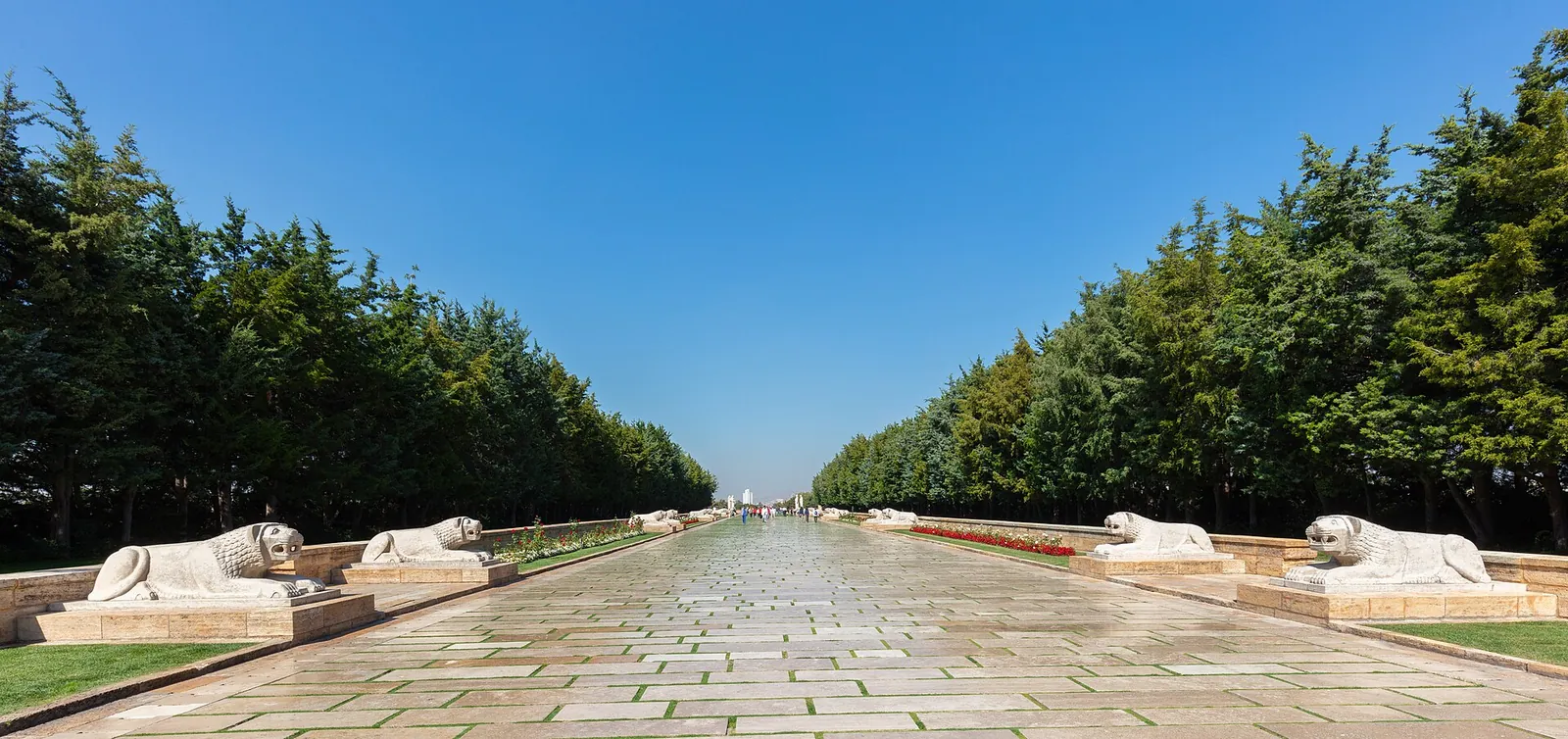
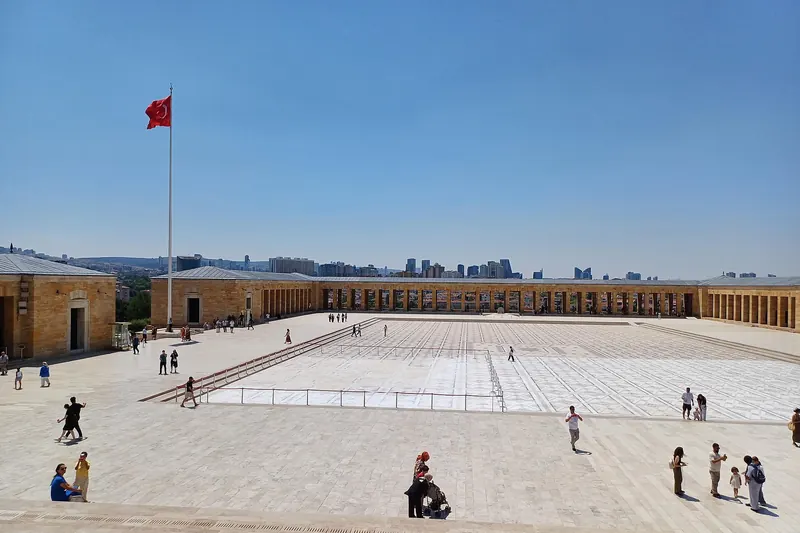
The city itself is a deliberate creation. When the republic was declared in 1923 the capital was moved here from Istanbul — inland, defensible, and pointedly not Ottoman — and a provincial town of a few tens of thousands was rebuilt as a modern administrative capital by German and Austrian planners. That history is legible in the wide boulevards, the ministries, and above all in Anıtkabir, the mausoleum built for Atatürk between 1944 and 1953, which is less a tomb than a statement of what the republic thought it was.
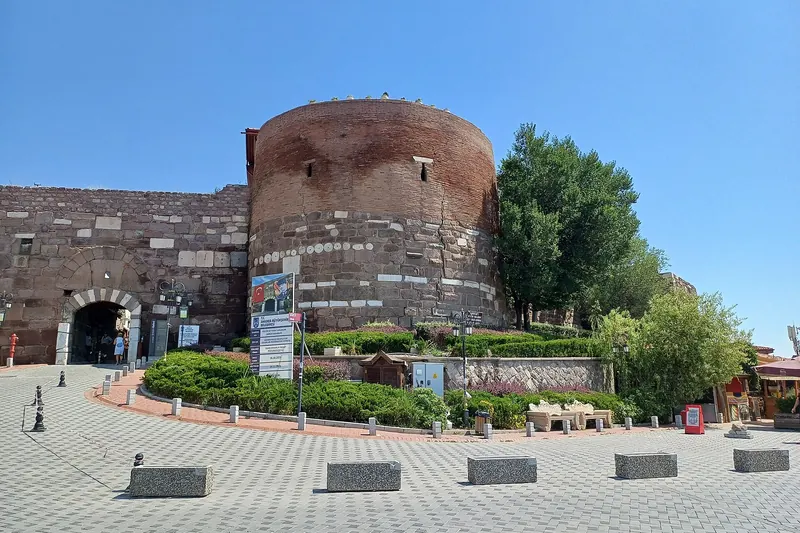
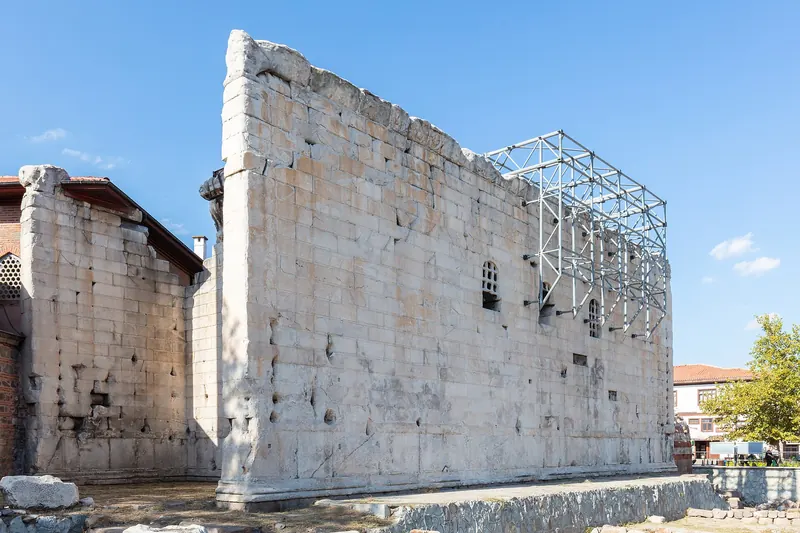
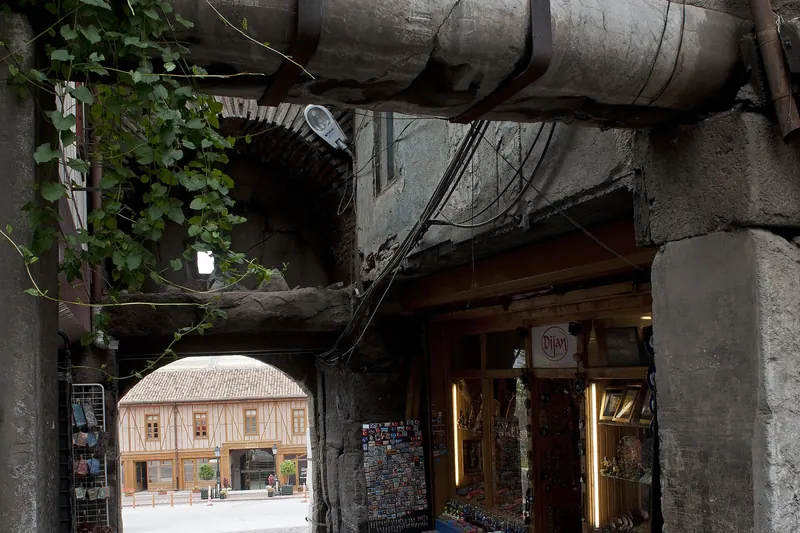
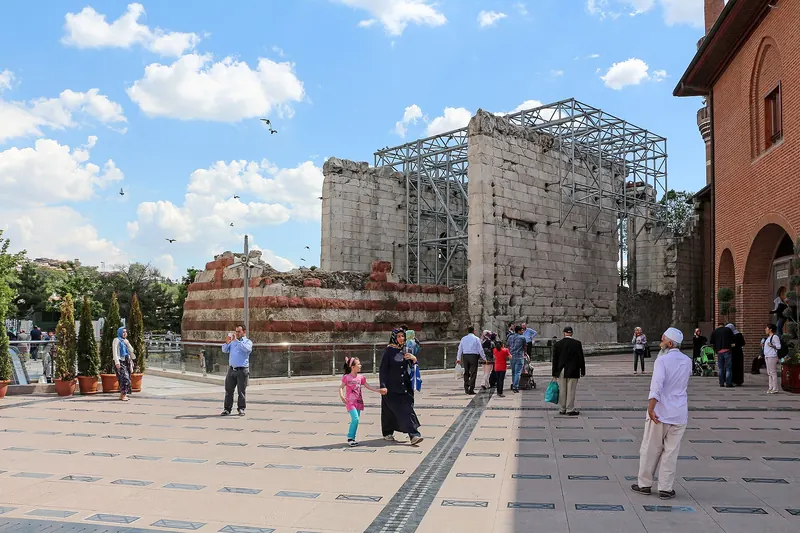
Underneath all of that there is a much older Ankara: a Byzantine and Seljuk citadel on a rock above the city, its walls built from recycled Roman columns and inscribed blocks, with a neighbourhood of Ottoman houses inside it. Below the castle stands a temple of Augustus whose walls carry the fullest surviving copy of the Res Gestae — the emperor's own account of his reign, written to be read across the empire, and still legible here.
- Capital City
- Culture & Arts
- Historic Site
- Off the Beaten Path