Welcome to Ephesus
Ephesus was one of the largest cities of the Roman world — estimates run to about 250,000 people at its peak, making it perhaps the second city of the eastern empire after Alexandria. It was a port, though the harbour silted up centuries ago and the sea is now five kilometres away, which is both why the city declined and why so much of it survives: it was abandoned rather than built over.
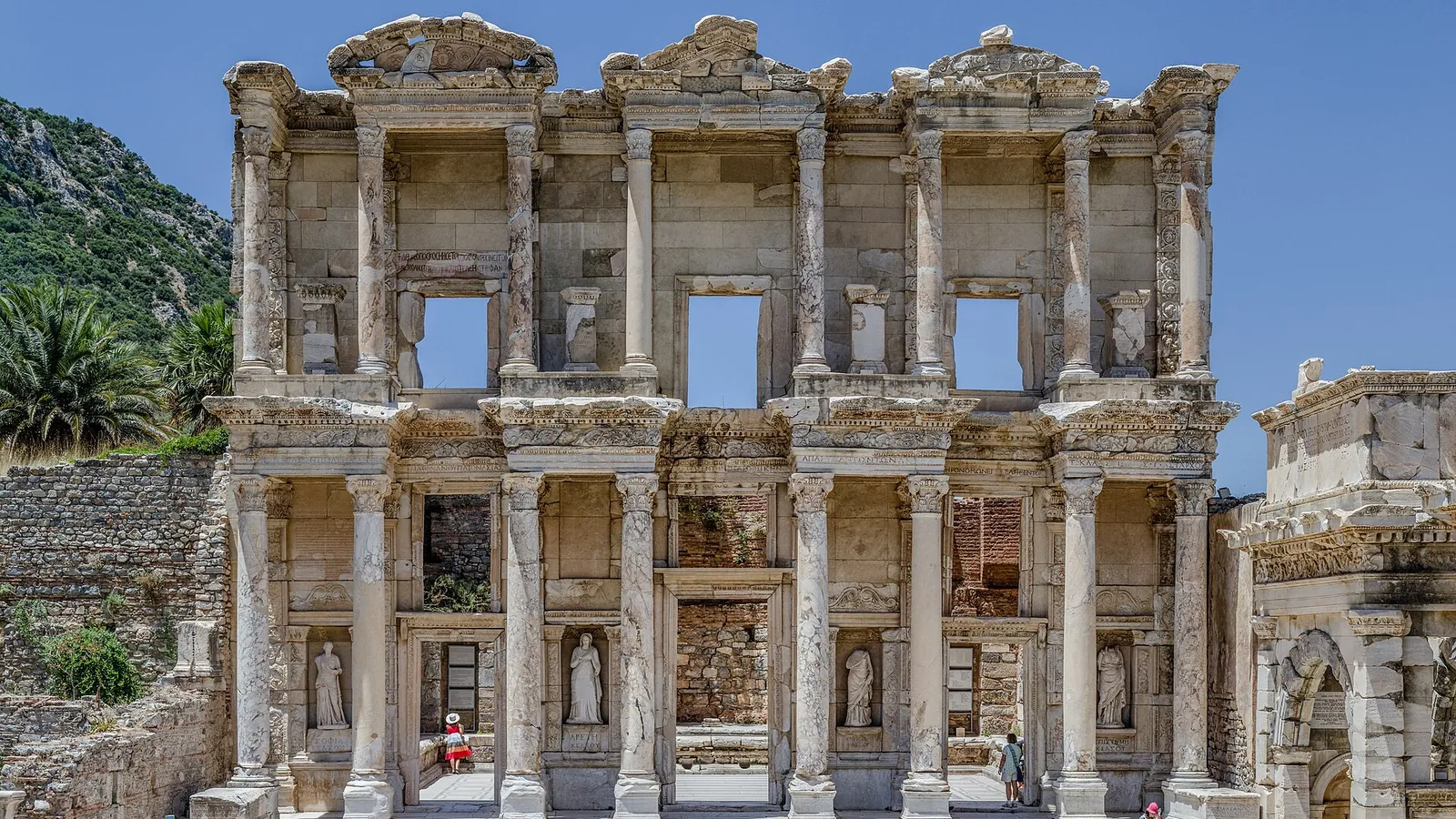
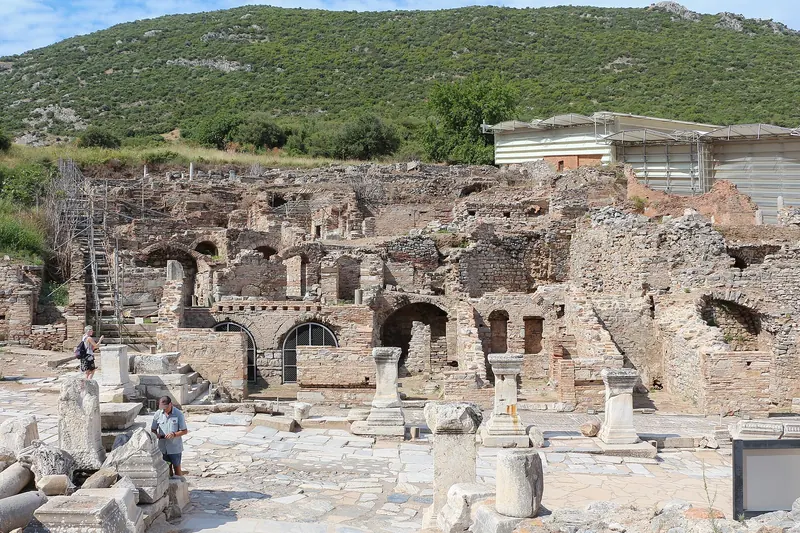
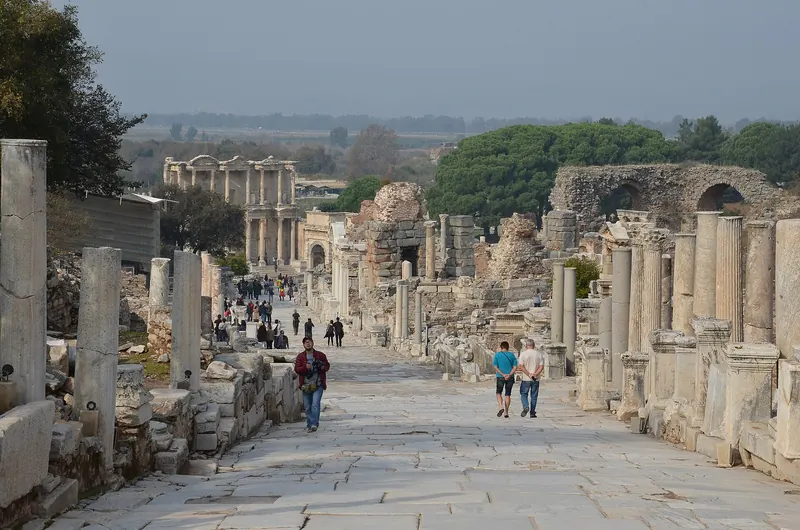
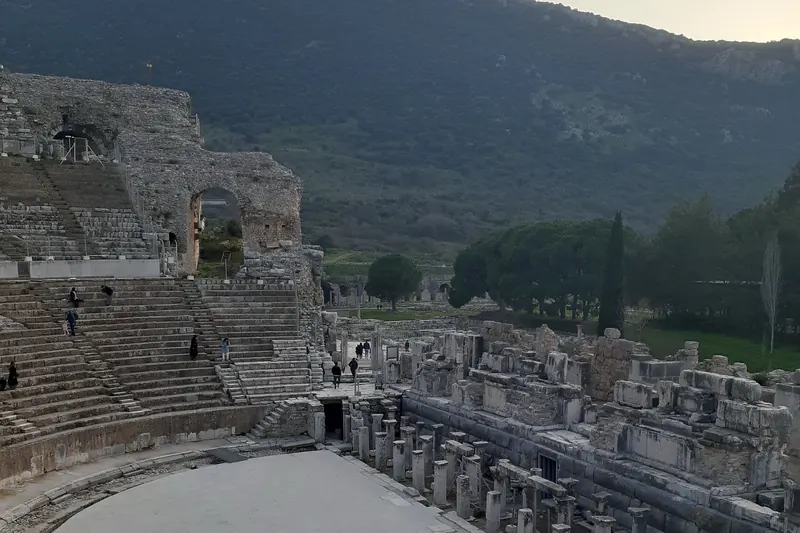
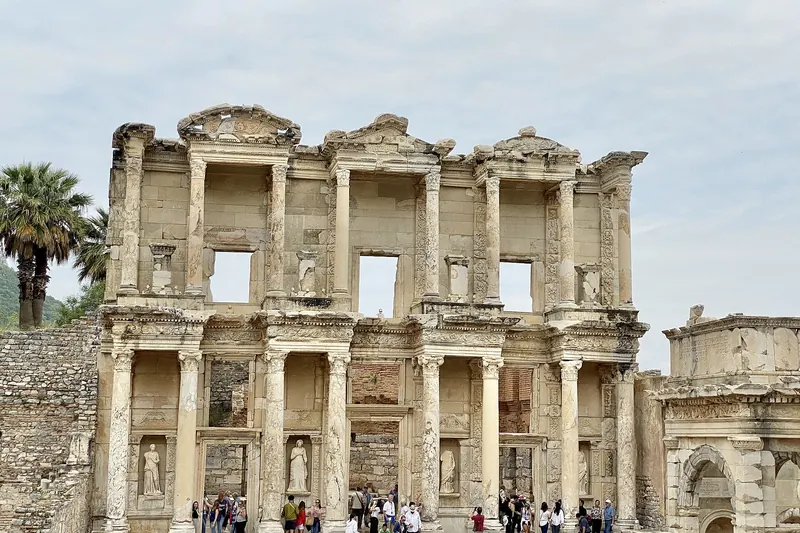
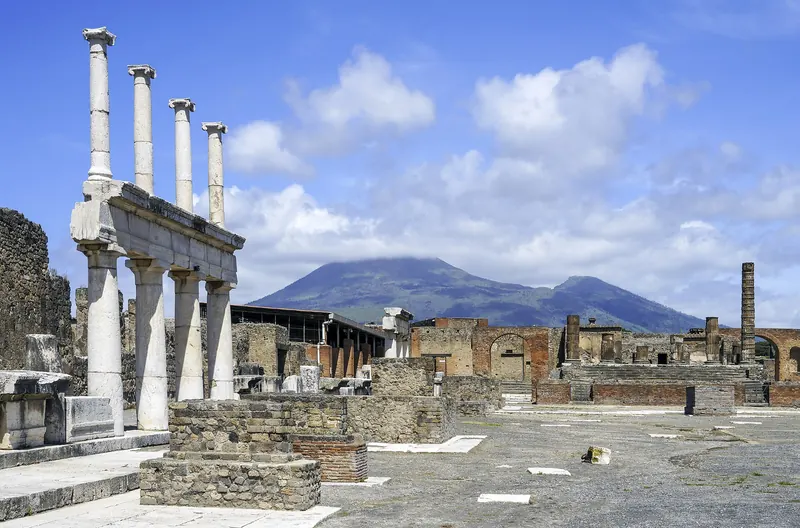
What that means for a visitor is unusual. At most classical sites you look at foundations and imagine. At Ephesus you walk down the actual marble-paved Curetes Street, past shopfronts, fountains, a public latrine with the seats still in place, and the two-storey facade of the Library of Celsus, into a theatre that held 24,000 people. The scale and the state of preservation are closer to Pompeii than to anything else in the eastern Mediterranean.
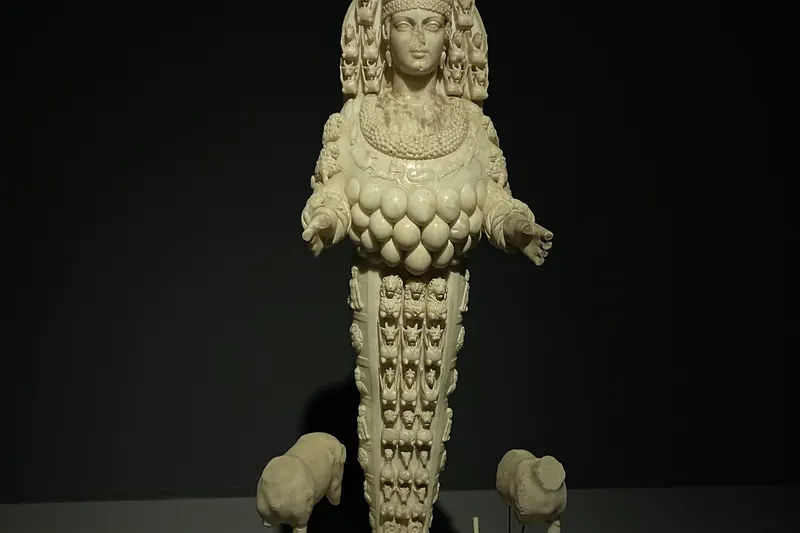
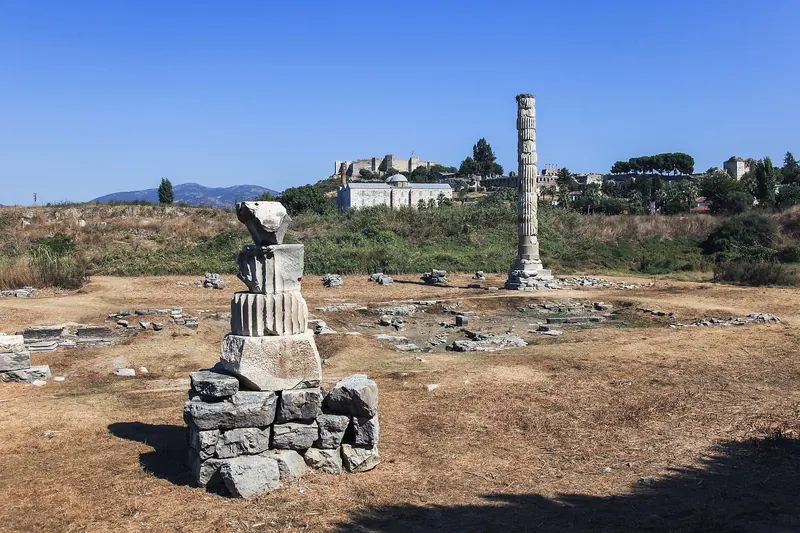
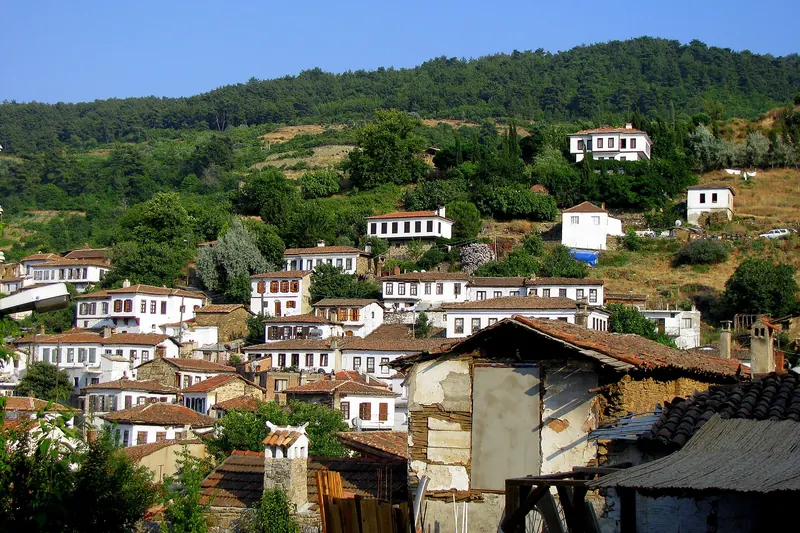
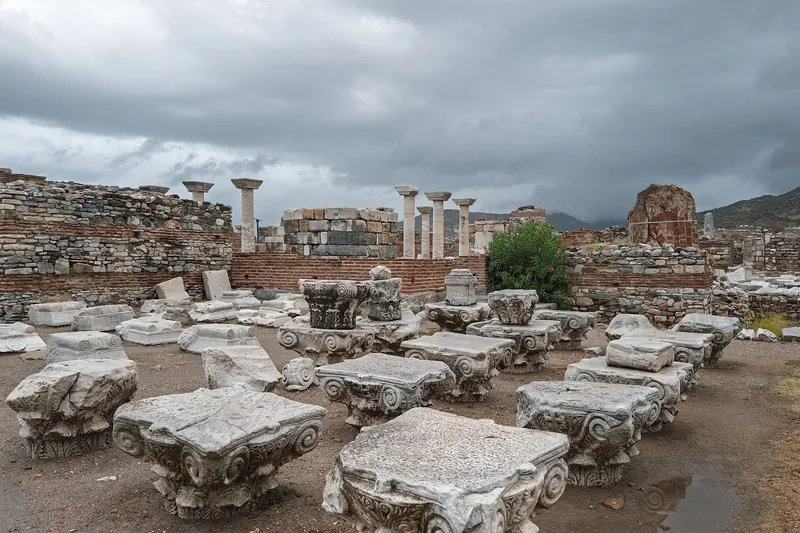
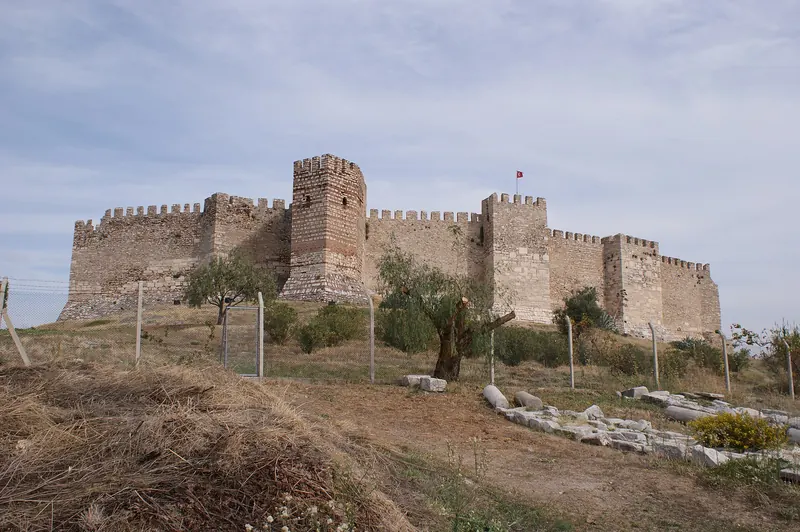
The town of Selçuk sits three kilometres away beneath a Byzantine castle and is where you should stay. It holds the last standing column of the Temple of Artemis — one of the Seven Wonders of the Ancient World, of which almost nothing remains — plus the Ephesus Archaeological Museum, the Basilica of St John, and a pleasant small-town Turkish atmosphere that the site itself lacks.
- UNESCO Site
- Archaeology
- Historic Site