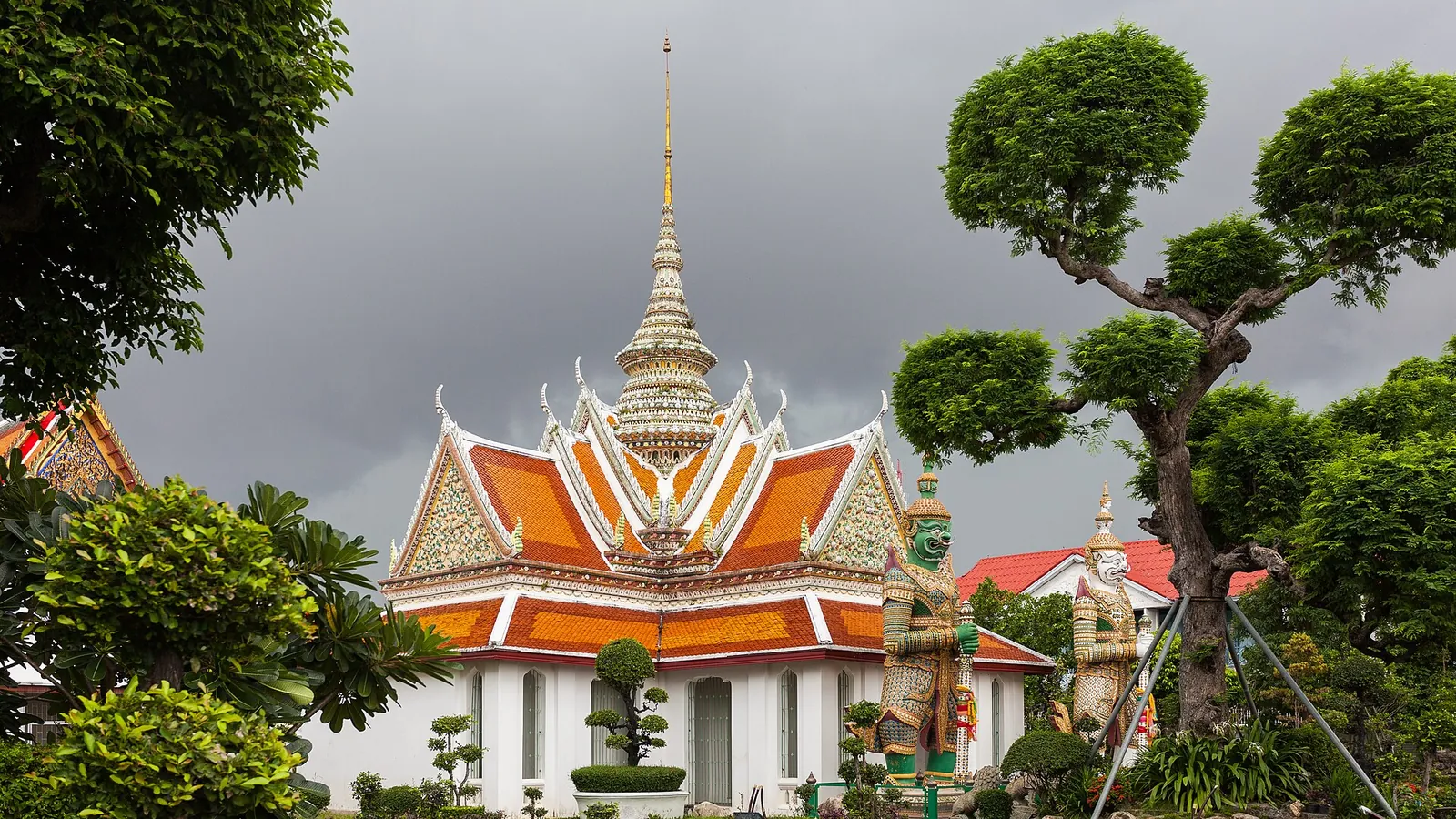
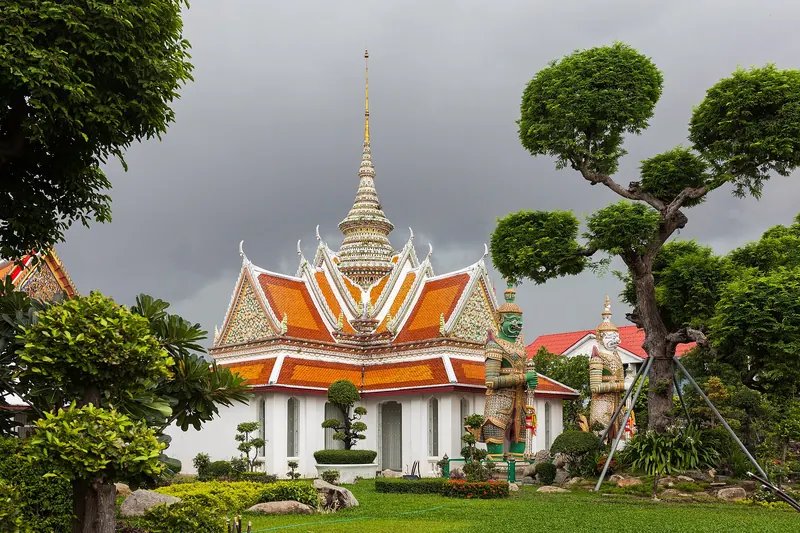
Wat Arun, the Temple of Dawn, on the bank of the Chao Phraya River in Bangkok

Thailand · Travel guide

The Complete Thailand Travel Guide

How the north, central plains and south divide, why an overnight train beats a bus, and what a fortnight can honestly cover.

  • Reading time 15 min read
  • Covers 10 destinations
  • Updated 2026

Photo: Diego Delso · CC BY-SA 3.0

Thailand packs golden temples, ancient ruined capitals and a coastline of limestone islands into a country its budget flights, sleeper trains and buses make easy to combine. This guide covers how the regions differ, when to fly instead of taking the train, what the seasons really mean from December's cool comfort to April's Songkran soaking, and the practicalities — temple dress codes and tuk-tuk fares — that catch first-time visitors out most often.

How Thailand divides

Thailand spans a varied geography from mountainous north to tropical south, and treating it as a single trip without picking a focus is the most common mistake first-time visitors make in planning.

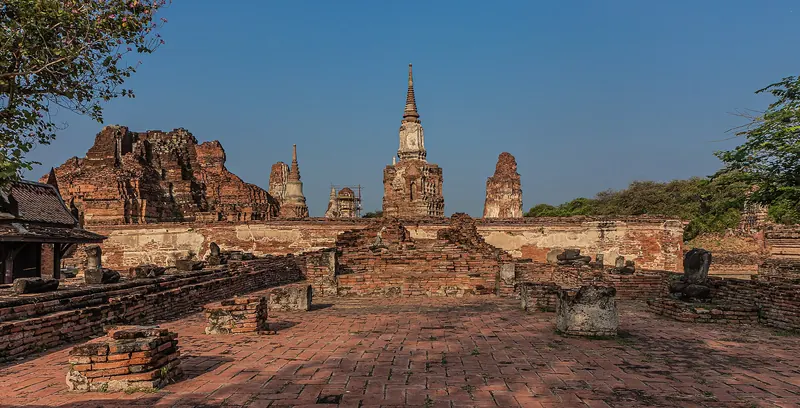
Bangkok and the central plains. Bangkok itself, a genuine megacity built around royal temples and river life, alongside easy day or overnight trips to Ayutthaya's ruined former capital and Kanchanaburi's WWII history and waterfalls.

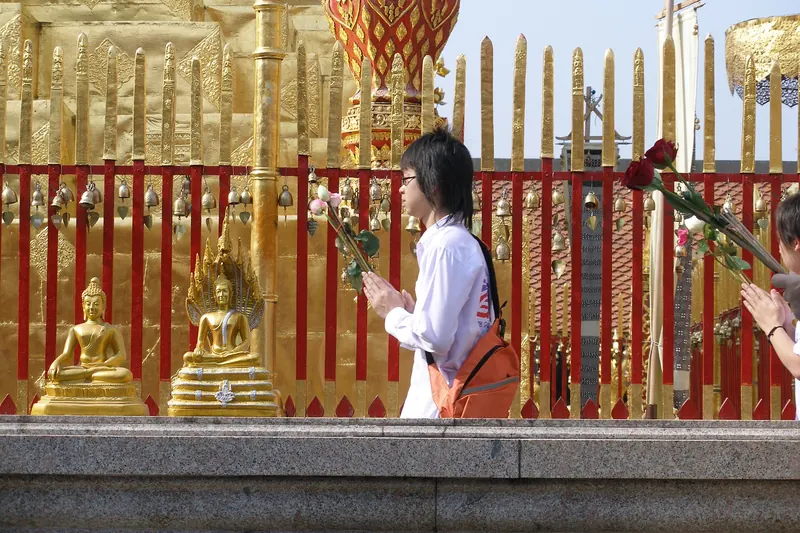
The cultural north. Chiang Mai for its moated old city and mountain temples, Chiang Rai for the White Temple and the Golden Triangle, and Sukhothai's peaceful first-capital ruins between the two.

The Andaman coast. Phuket as the region's major resort hub, Krabi and Railay for limestone karsts and rock climbing, and Khao Sok's ancient rainforest a short drive inland from both.

The Gulf islands. Koh Samui and Koh Phangan, reachable from Bangkok without crossing to the Andaman side, offering a different island rhythm from Phuket and Krabi.

Worth knowing: The practical unit for a first trip is Bangkok plus one region, not an attempt at the whole country. Bangkok, Ayutthaya and either the north or a single stretch of coast make a well-paced two-week trip; trying to fit both north and south in under two weeks turns into a lot of transit.

Choosing between the ten destinations

  • If this is your first trip

    Bangkok, Ayutthaya and Chiang Mai, connected by overnight train. Three nights in Bangkok, a day trip to Ayutthaya, three nights in Chiang Mai. It is the standard route because it works: a megacity, ancient ruins and mountain culture, no flight required between any of them.

  • If you want beaches and islands above all

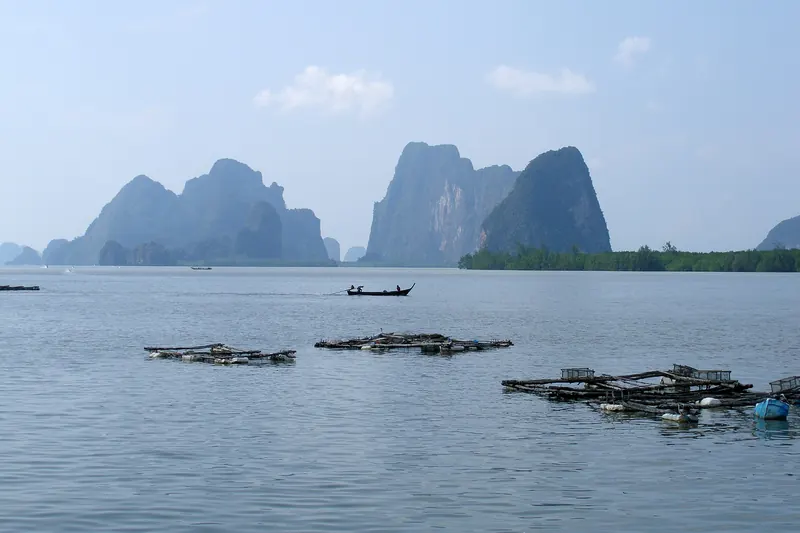
    Phuket or Krabi and Railay as your base, with day trips to Phang Nga Bay or the Phi Phi Islands — Krabi's Railay Beach is reachable only by boat and worth the detour for the climbing and the karst scenery.

  • If you want ancient history without the north's distance

    Ayutthaya as an easy day trip from Bangkok, or an overnight stay to see the ruins lit at dusk without the day-tripper crowds.

  • If you want fewer crowds with comparable history and beauty

    Sukhothai for a peaceful first-capital historical park with a fraction of Ayutthaya's visitor numbers, or Chiang Rai for a quieter, less touristed version of the north than Chiang Mai.

  • If you want rainforest and wildlife over temples and beaches

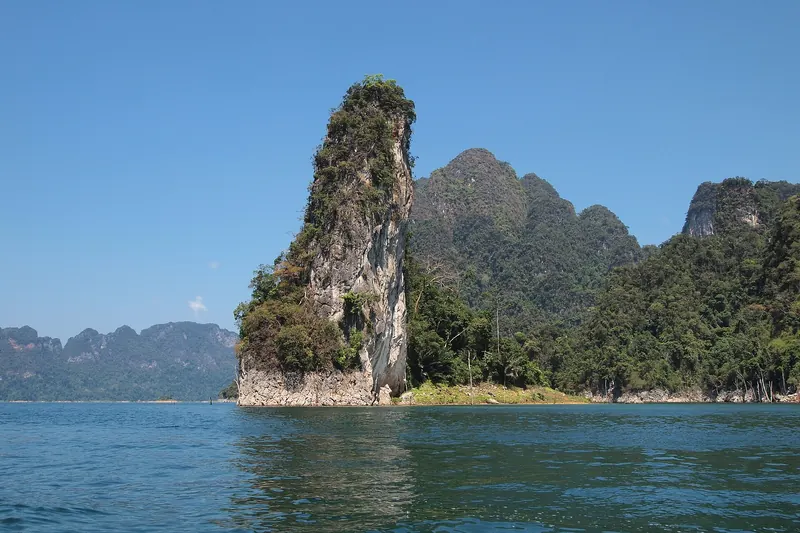
    Khao Sok National Park, one of the world's oldest rainforests, with a raft-house stay on Cheow Lan Lake unlike anywhere else in the country.

  • If you want a different island rhythm

    Koh Samui and Koh Phangan on the Gulf coast, reachable from Bangkok without the Andaman coast's transfer, and Koh Phangan's Full Moon Party for a specific kind of night out.

Getting around: flights, trains and one common mistake

Thailand's domestic flight, sleeper train and bus network makes a wide-ranging itinerary workable. Budget carriers connect Bangkok to Chiang Mai, Phuket and Koh Samui in one to two hours.

Take the overnight train to Chiang Mai at least once. It's comfortable, saves a night's accommodation, and the daytime scenery through the central plains is worth experiencing at least in one direction.

Fly rather than bus for the south. The bus or train south from Bangkok to the Andaman coast takes the best part of a day; a budget flight covers it in under two hours for a modest price difference.

Agree fares before you get in. Tuk-tuks and unmetered taxis expect negotiation — agree a price upfront, or use a ride-hailing app for a fixed, metered fare instead.

Ferries connect the islands, but schedules thin out in the rainy season from June to October — check current timetables rather than assuming peak-season frequency.

Don't underestimate Bangkok traffic. A short-looking journey across the city can take an hour at rush hour — the BTS Skytrain and MRT subway are considerably faster than a taxi for most central routes.

Worth knowing: Book the flight or train for your last leg back to Bangkok with real slack before an international departure. Weather and traffic delays are the most common way a tight itinerary goes wrong.

When to go

Thailand's weather divides into three broad seasons, and 'the best time' is really a trade-off between comfort, crowds and price. The clearest window is November to February.

Cool season (November–February) brings the most comfortable weather nationwide — warm, dry days and cooler evenings, especially in the north. It's also peak tourist season, with prices and crowds to match.

Hot season (March–May) stays dry but turns intense, particularly inland and in the north, while the islands remain swimmable and crowds thin noticeably outside the mid-April Songkran holiday.

Rainy season (June–October) typically means short, heavy afternoon downpours rather than all-day rain, and it affects the Andaman coast (Phuket, Krabi, Khao Sok) more than the Gulf side, where Koh Samui stays comparatively dry.

Songkran, Thailand's water festival and New Year in mid-April, turns much of the country into a joyful nationwide water fight — extraordinary fun if you're prepared to get soaked, worth timing around if you're not.

Worth knowing: The Andaman coast and Gulf coast run on slightly different rainy-season timing — if the Andaman side (Phuket, Krabi, Khao Sok) looks wet on your dates, Koh Samui on the Gulf side is often a drier alternative.

Costs, cash and what you must book

Mid-range travel in Thailand runs roughly ฿2,500–4,500 per person per day, with Phuket and Koh Samui adding a genuine 20–35% premium over that figure. Backpacking works at ฿1,000–1,800; comfortable travel with good hotels and private tours runs ฿5,500–10,000.

Carry cash. Card acceptance is strong in cities, malls and nicer hotels, but street food, markets, songthaews and rural areas remain cash-based.

Book ahead, without exception: domestic flights and overnight train sleepers for peak season (December–February), Phuket and Koh Samui accommodation for the cool-season peak, and any Songkran-period travel.

Agree fares before you ride. Tuk-tuks and unmetered taxis are an easy way to overpay — negotiate first or use a ride-hailing app.

Small savings that add up: street food over tourist restaurants, overnight trains over flights where time allows, and travelling in the cool season's shoulder edges — November or February — for meaningfully lower prices than the December–January peak.
Culture, Buddhism and how respect actually works

Thai culture is shaped deeply by Buddhism and the monarchy, and a handful of norms rooted in both hold nationwide.

The monarchy is treated with genuine, serious respect, backed by strict lèse-majesté laws — avoid any critical remarks about the royal family, in person or online, without exception.

The head is sacred, the feet are lowly. Avoid touching anyone's head, even a child's in a friendly gesture, and avoid pointing your feet at people, Buddha images or temple altars.

Remove your shoes before entering homes and temples — a universal expectation, with a pile of shoes at the entrance as your cue if you're unsure.

Dress modestly for temples — shoulders and knees covered — or expect to be turned away or asked to rent a wrap at the entrance.

Finally, keep your temper in check. Public anger is seen as poor form in Thai culture and tends to make any dispute worse, not better — a calm, smiling approach resolves things considerably faster.

Four routes that work

  1. Ten days: Bangkok, Ayutthaya and Chiang Mai

    Four nights in Bangkok with a day trip to Ayutthaya, then four nights in Chiang Mai via overnight train. The most trodden route in Thailand and still the right first trip — a megacity, ancient ruins and mountain culture, no domestic flight required.

    Tip Book the overnight sleeper train a few days ahead in the cool season, when the route sells out.

  2. Two weeks: north and the Andaman coast

    The itinerary on the Thailand country page: Bangkok, Ayutthaya, Chiang Mai, then flying south to Krabi and Koh Samui. Adds the north's culture to a beach-focused second half.

    Tip Fly rather than bus for the Bangkok-to-south leg — it saves the best part of a day.

  3. Ten days on the Andaman coast alone

    Phuket or Krabi as a base, with day trips to Khao Sok's rainforest, Phang Nga Bay and the Phi Phi Islands, without any long-distance domestic transfers at all.

    Tip Base yourself in Krabi over Phuket for a quieter, more scenic version of the same coastline.

  4. A week in the north

    Chiang Mai and Chiang Rai as a self-contained mountain-culture trip, with Sukhothai's ruins added on the way between them. Rewards a full week and neither city works well as a rushed one-day add-on to Bangkok.

    Tip Hire a driver or join a small-group tour for the Chiang Mai-to-Chiang Rai leg — it passes several worthwhile stops best not rushed by public bus.

Reference

The 10 destinations in this guide

Every place named above has its own detailed guide — attractions, food, where to stay, how to get around and a suggested day-by-day plan.

Capital CityMajor City

Bangkok

Central Thailand

Thailand's capital, a genuine megacity where golden royal temples and river life sit directly alongside some of the best street food anywhere in the world.

Don't miss Wat Arun lit up across the Chao Phraya River at dusk, its porcelain-studded spires catching the last light as ferries cross below.

Explore Destination — Bangkok
Historic SiteCulture & Arts

Chiang Mai

Northern Thailand

Northern Thailand's cultural capital, a moated old city of temples ringed by mountains, with a slower pace than Bangkok.

Don't miss Wat Phra That Doi Suthep at golden hour, its gilded chedi glowing above the city on the mountainside where a legend says a white elephant chose the temple's site.

Explore Destination — Chiang Mai
Historic SiteUNESCO Site

Ayutthaya

Central Thailand

The ruined former capital of the Siamese kingdom, its UNESCO-listed temple complexes an easy and worthwhile day trip from Bangkok.

Don't miss The sandstone Buddha head at Wat Mahathat, cradled within the roots of a fig tree that grew slowly around it over centuries.

Explore Destination — Ayutthaya
Historic SiteUNESCO Site

Sukhothai

Northern Thailand

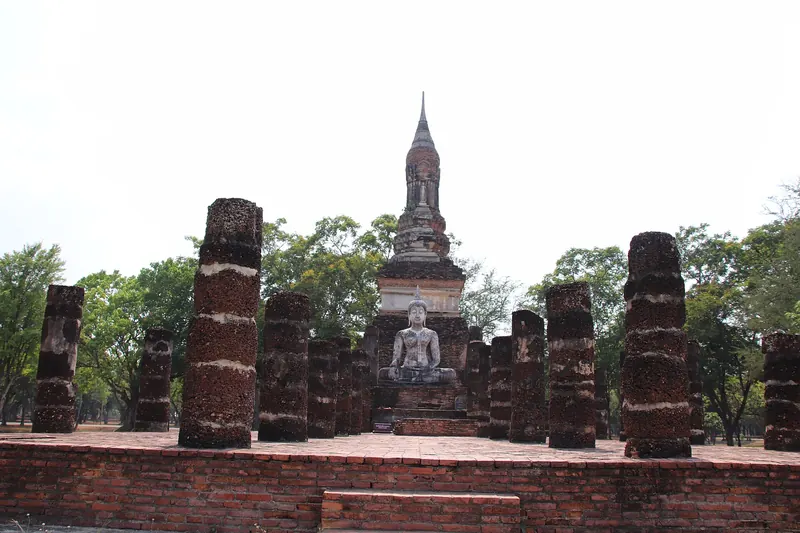
The 13th-century birthplace of the Thai kingdom, its peaceful ruined temples spread across a UNESCO-listed historical park.

Don't miss Wat Mahathat's central lotus-bud chedi at dawn, its reflection perfectly still in the surrounding pond before the historical park's first tour buses arrive.

Explore Destination — Sukhothai
Culture & ArtsMountains

Chiang Rai

Northern Thailand

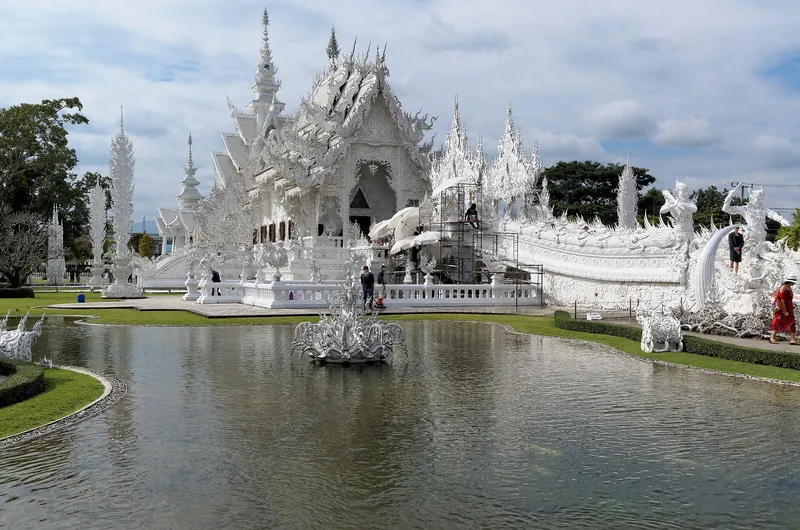
Northern Thailand's quieter frontier city, home to striking contemporary temples and the historic Golden Triangle where Thailand, Laos and Myanmar meet.

Don't miss Wat Rong Khun, the White Temple, its mirrored white facade almost too bright to look at directly under the midday sun.

Explore Destination — Chiang Rai
IslandCoast & Beaches

Phuket

Andaman Coast, Southern Thailand

Thailand's largest island, home to a genuine range of beach resorts, an atmospheric old town, and easy boat access to the Andaman Sea's islands.

Don't miss Phuket Old Town's pastel Sino-Portuguese shophouses at golden hour, their painted facades unlike any other Thai city.

Explore Destination — Phuket
Coast & BeachesNature & Wildlife

Krabi & Railay

Andaman Coast, Southern Thailand

Thailand's most dramatic stretch of limestone coastline, home to Railay's boat-only beaches and world-class rock climbing.

Don't miss The view from Railay's Phra Nang Cave Beach, its sheer limestone cliffs rising straight from turquoise water, no road ever reaching it.

Explore Destination — Krabi & Railay
IslandCoast & Beaches

Koh Samui & Koh Phangan

Gulf of Thailand, Southern Thailand

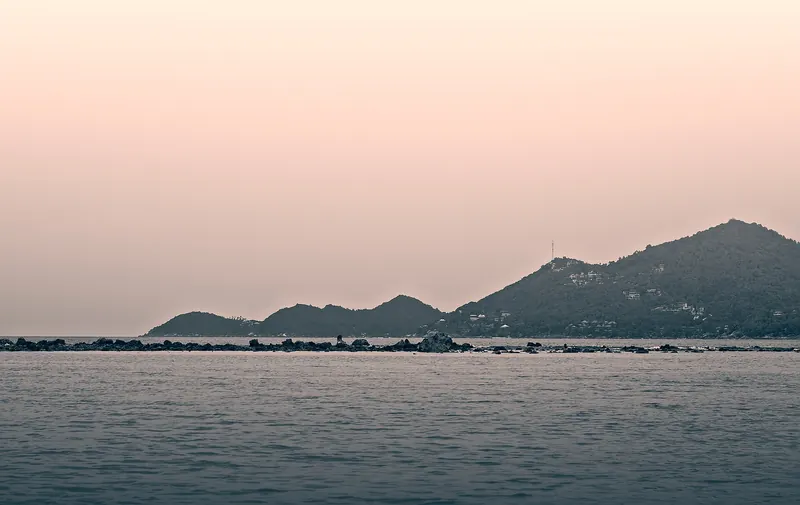
The Gulf of Thailand's two most popular islands, Koh Samui's resort beaches paired with Koh Phangan's nightlife and quieter yoga retreats.

Don't miss Sunset over the Big Buddha at Wat Phra Yai, its golden statue catching the last light above Koh Samui's northeastern coast.

Explore Destination — Koh Samui & Koh Phangan
Historic SiteNature & Wildlife

Kanchanaburi

Western Thailand

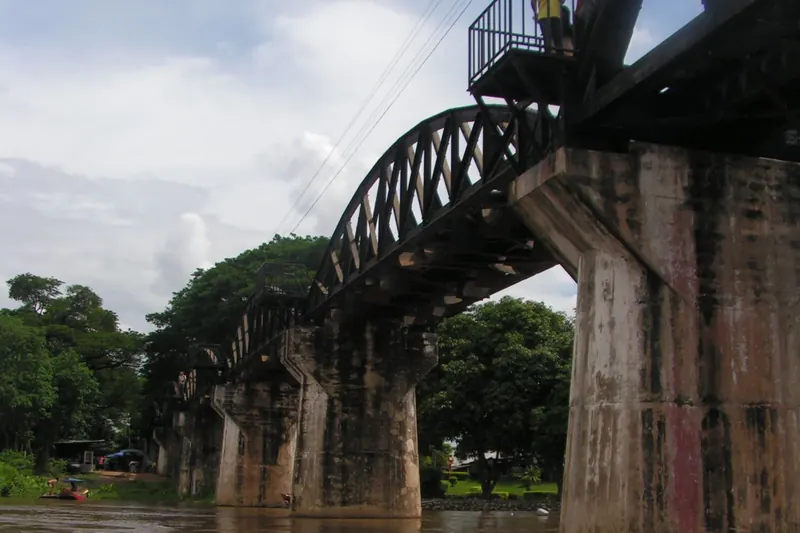
A riverside western Thailand town holding the Bridge on the River Kwai's WWII history, paired with spectacular waterfalls and caves nearby.

Don't miss The Bridge on the River Kwai at dusk, the water beneath it a peaceful sight given the bridge's grim wartime history.

Explore Destination — Kanchanaburi
National ParkNature & Wildlife

Khao Sok National Park

Surat Thani, Southern Thailand

A wild national park of ancient rainforest and a limestone-studded lake, rarely on standard Thailand itineraries despite rewarding the detour.

Don't miss Cheow Lan Lake at dawn, mist rising off the water between limestone karsts that rival Guilin's, with not another boat in sight.

Explore Destination — Khao Sok National Park

Back to the Thailand country page

FAQ

Planning a trip to Thailand

How long do I need in Thailand?

Ten to fourteen days for a first trip. Eight to ten covers Bangkok and either the north or a single stretch of coast properly; twelve to sixteen lets you add both, which is the itinerary on this page. Four or five days is enough for Bangkok alone, and Bangkok alone justifies a trip.

Should I fly or take the train between regions?

Take the overnight train to Chiang Mai at least once for the experience and the saved night's accommodation; fly for the south, where the bus or train alternative takes the better part of a day versus a two-hour flight.

What is the single most common mistake visitors make?

Trying to fit both the north and the south into a trip shorter than two weeks. The transit between them, even by flight, eats a meaningful chunk of a short trip — pick one region and go deeper instead.

When should I avoid Thailand?

Nowhere is truly a bad time, but the Andaman coast (Phuket, Krabi, Khao Sok) from July to September brings heavier rain and rougher seas than the Gulf coast, which can affect boat trips and snorkelling specifically on that side of the country.

Advertisement