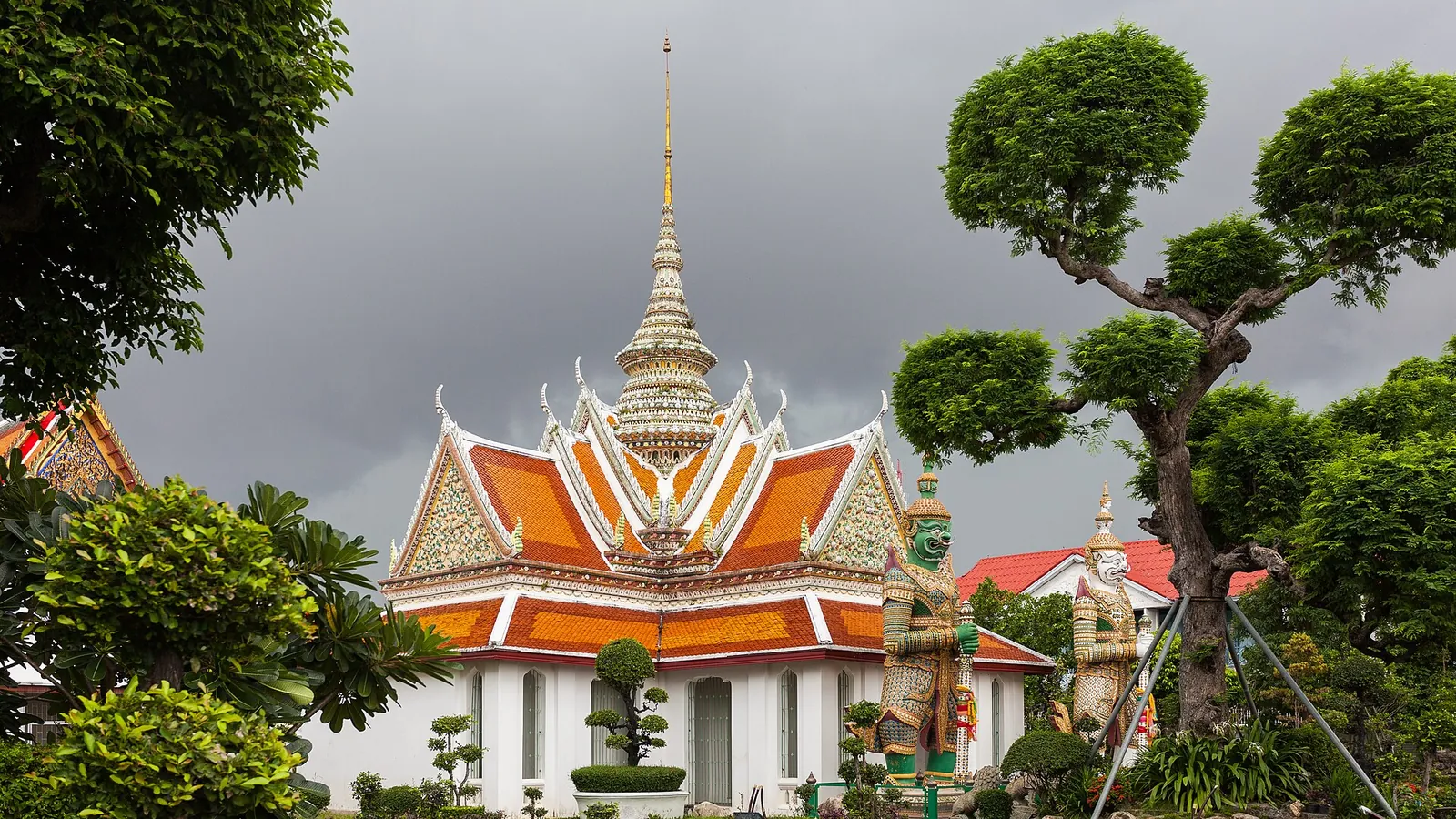
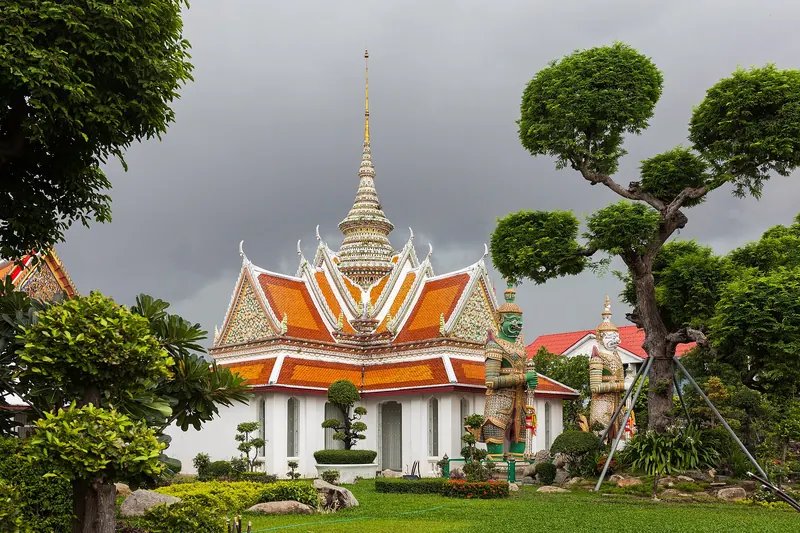
Wat Arun, the Temple of Dawn, on the bank of the Chao Phraya River

Central Thailand · Thailand

Bangkok

A genuine megacity of golden royal temples, river life and a street food scene good enough that Michelin now sends inspectors to plastic-stool stalls.

  • Best time November–February, for cooler, drier weather
  • Stay 3–4 days
  • Good for History, food, culture, a Southeast Asia gateway

Photo: Diego Delso · CC BY-SA 3.0

Welcome to Bangkok

Bangkok is a genuine sensory overload in the best sense — golden temple spires rising above tangled overhead wires, the Chao Phraya River's commuter ferries and tourist barges sharing the same water, and street food carts parked within sight of some of Southeast Asia's most serious fine-dining restaurants. Few capitals pack this much contrast into a single walkable district.

The city's ancient royal heart, the Rattanakosin Island area holding the Grand Palace and Wat Pho, sits directly alongside Chinatown's chaotic Yaowarat Road and the modern high-rise sprawl around Sukhumvit, and the BTS Skytrain and river ferries make moving between all of them straightforward for a city of Bangkok's size.

What consistently surprises first-time visitors is how much Bangkok rewards slowing down rather than checklisting temples — a river-view rooftop bar at sunset, an unhurried evening in Chinatown, or simply following a queue of locals to a street stall often delivers more than a rushed circuit of the major sights.

  • Capital City
  • Major City
  • Historic Site
  • Culture & Arts
  • Food & Wine

Why visit

Why visit Bangkok?

Bangkok's case is that no other Southeast Asian capital packs this much history, food and modern energy into one navigable city.

  • The Grand Palace complex is spectacular

    The Emerald Buddha, glittering spires and painted murals deliver on the reputation in a way photographs alone never quite capture.

  • The street food is world-class at every price point

    From Michelin-recognised stalls to five-star hotel restaurants, Bangkok's food scene rewards eating widely and cheaply.

  • The river and canals are still part of daily life

    Commuter ferries and longtail boats along the Chao Phraya offer a working city view most capitals lost long ago.

  • It's the natural gateway to the rest of Thailand

    Ayutthaya, the north and the southern islands are all a short flight or train ride from Bangkok's two airports.

  • It works as both a destination and a base

    A complete trip on its own, and the practical starting point for onward travel anywhere else in the country.

Main attractions

Top things to see in Bangkok

Bangkok's essential sights, spanning the royal Rattanakosin district and the temples along the river.

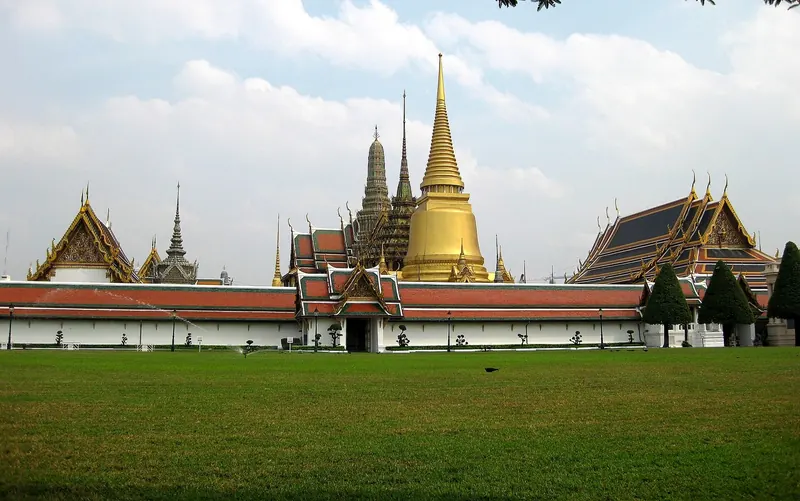
  1. Wat Phra Kaew, the Temple of the Emerald Buddha, within the Grand Palace complex

    The Grand Palace and Wat Phra Kaew

    The former royal residence's dazzling complex of gilded stupas, murals and the revered Emerald Buddha, Thailand's most sacred Buddhist image.

    Tip Arrive at opening time to beat both the heat and the tour-group crowds, and dress modestly — shoulders and knees covered, no exceptions.

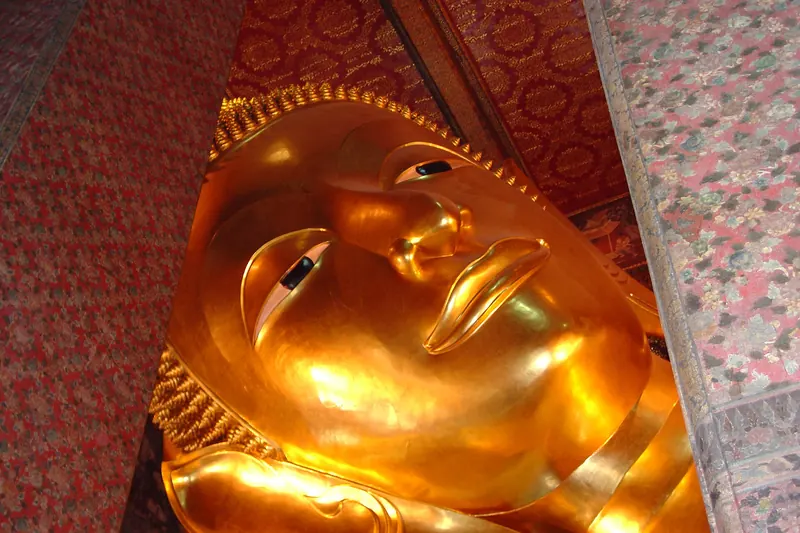
  2. The giant reclining Buddha statue at Wat Pho in Bangkok

    Wat Pho

    Home to a 46-metre gold-plated reclining Buddha and Thailand's original school of traditional massage, one of Bangkok's most atmospheric temple complexes.

    Tip Get a traditional Thai massage at the on-site school for an authentic version of the experience.

  3. Wat Arun, the Temple of Dawn, seen from across the Chao Phraya River

    Wat Arun

    The Temple of Dawn's porcelain-studded spire rises directly from the Chao Phraya's west bank, a short ferry crossing from the Grand Palace.

    Tip Cross by ferry in the late afternoon for the temple lit gold by the setting sun, then stay for the illuminated evening view from across the river.

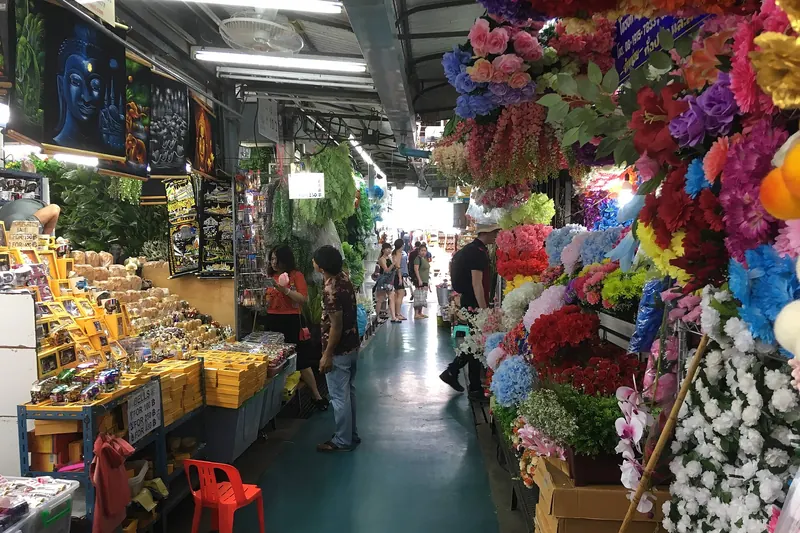
  4. Stalls and shoppers at Chatuchak Weekend Market in Bangkok

    Chatuchak Weekend Market

    One of the world's largest weekend markets, thousands of stalls selling everything from vintage clothing to street food, spread across a maze-like site.

    Tip Download an offline map of the market beforehand — even locals get turned around in its sprawling, only loosely organised sections.

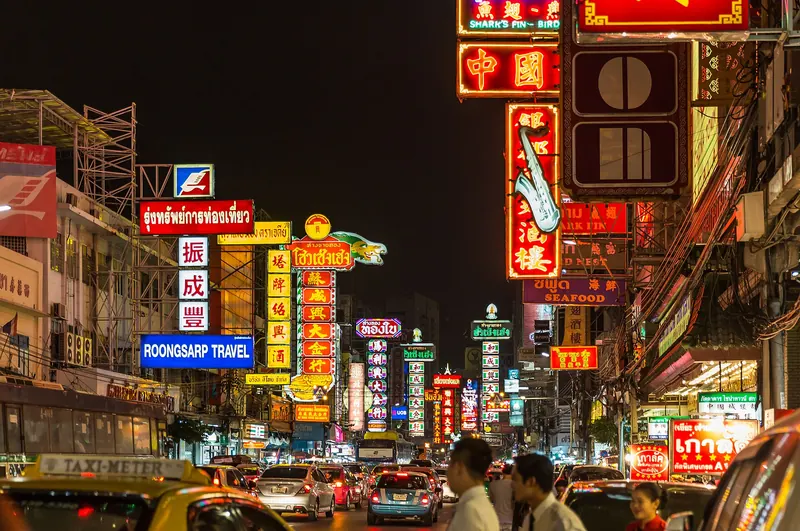
  5. Neon signs and street food stalls along Yaowarat Road in Bangkok's Chinatown at night

    Chinatown (Yaowarat)

    Bangkok's Chinatown comes alive after dark, its main strip Yaowarat Road lined with neon signs, gold shops and some of the city's best street food.

    Tip Visit after 6pm, when the street food stalls set up in earnest and the neon lighting is at its most atmospheric.

  6. Jim Thompson House

    The former home of an American silk entrepreneur who vanished mysteriously in 1967, an elegant traditional Thai teak house set around a lush garden and canal.

    Tip Guided tours run continuously through the day and are included in the entry ticket — no need to book ahead.

  7. Lumphini Park

    Central Bangkok's largest green space, a genuine escape from the city's traffic and noise, with a lake, monitor lizards and a popular morning exercise scene.

    Tip Visit early morning to see Bangkok's tai chi and aerobics groups, a lively local ritual before the heat sets in.

Things to do

Best things to do in Bangkok

Beyond the major temples, Bangkok rewards its river life, markets and serious food and nightlife culture.

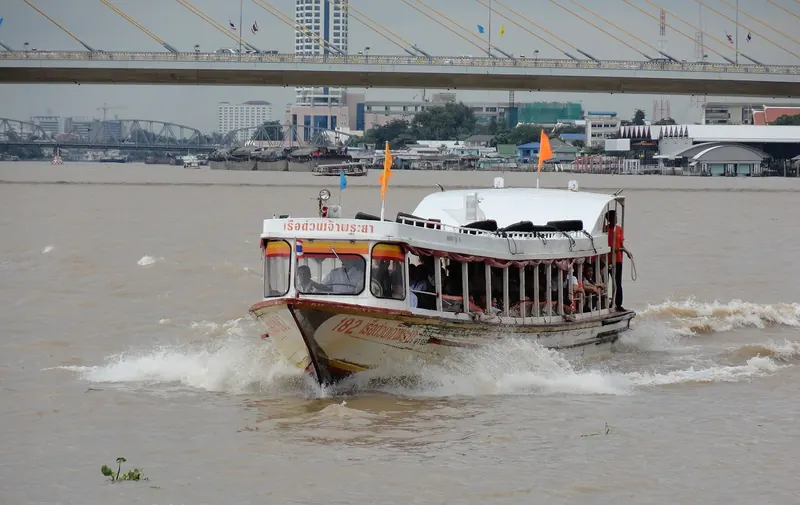
  1. A Chao Phraya Express Boat ferry crossing the river in Bangkok

    Ride the Chao Phraya Express ferry

    A cheap and scenic way to see the river's temples and skyline, used daily by commuters and tourists alike.

    Tip The orange-flag boat covers most major sightseeing stops and costs only a few baht per ride.

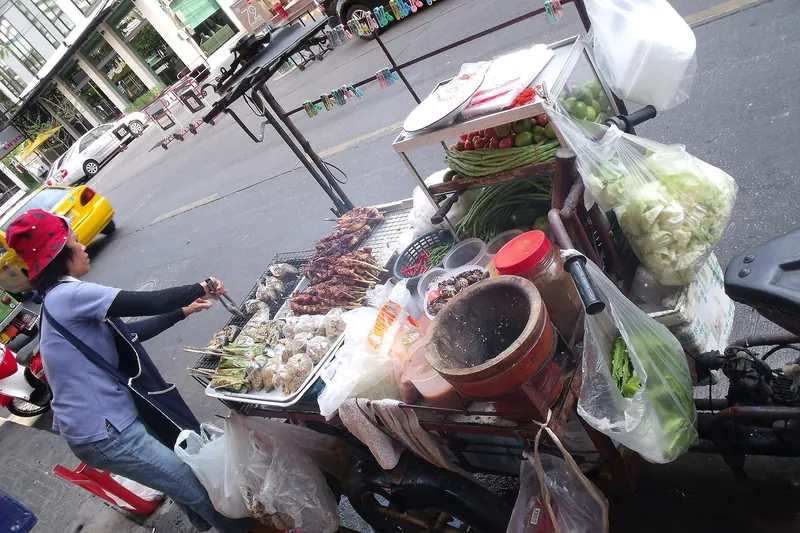
  2. A street food vendor cooking at a stall in Bangkok

    Eat your way down a street food strip

    Yaowarat, Chinatown's main strip, and the stalls around Victory Monument both offer an excellent, cheap crawl across several dishes in one evening.

    Tip Order small portions from several stalls rather than filling up at the first one — it's the whole point of a street food crawl.

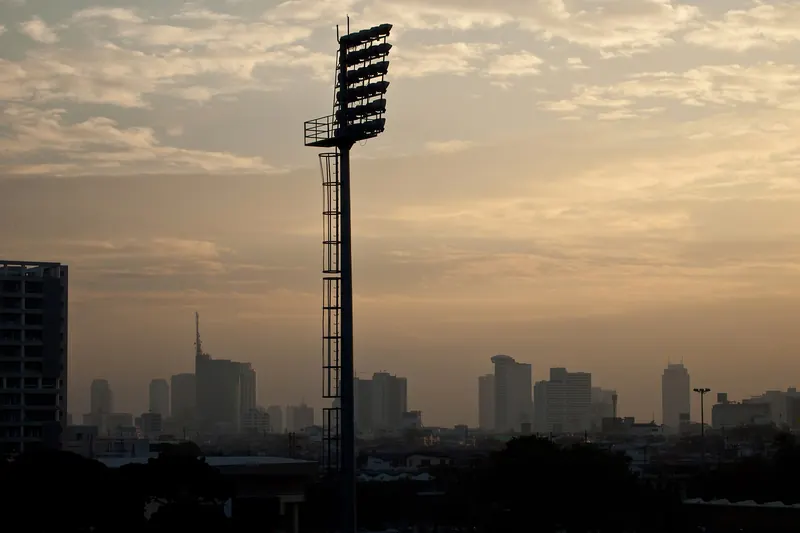
  3. The Bangkok skyline seen at sunset from a rooftop bar

    Watch the sunset from a rooftop bar

    Bangkok's rooftop bar scene is spectacular, with sweeping views over the Chao Phraya and the city's ever-expanding skyline.

    Tip Many rooftop bars have a smart-casual dress code and turn away flip-flops and tank tops — check ahead if you're coming straight from sightseeing.

  4. Take a canal (khlong) longtail boat tour

    Bangkok's back canals, the remnants of a city once called the Venice of the East, offer a different view of local life away from the main river.

    Tip Negotiate the price and route clearly before boarding a longtail boat at a canal pier.

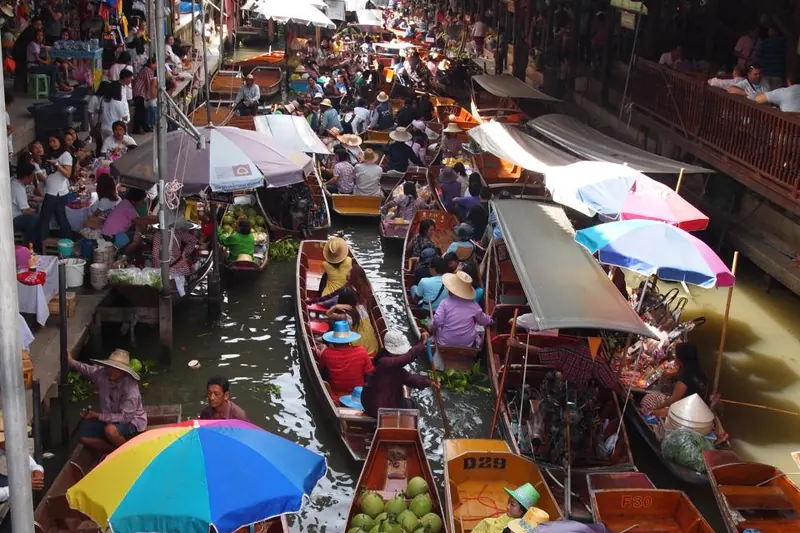
  5. Boats selling produce at Damnoen Saduak Floating Market near Bangkok

    Visit a floating or railway market

    Damnoen Saduak's floating market and the nearby Maeklong Railway Market, where vendors fold back their stalls as a train passes through, are both popular half-day trips from the city.

    Tip Go early — floating markets are at their most authentic and least crowded before 8am, before tour buses arrive in force.

  6. Take a Thai cooking class

    A hands-on way to understand Thai cuisine's balance of sweet, sour, salty and spicy, typically including a market visit to shop for ingredients first.

    Tip Choose a class that starts with a market tour — understanding the ingredients improves the cooking that follows.

  7. Experience Bangkok's nightlife

    From Khao San Road's backpacker energy to Thonglor's serious cocktail bars, Bangkok's nightlife spans a wide range of scenes.

    Tip Thonglor and Ekkamai offer a considerably more local, less touristy nightlife scene than the backpacker-heavy Khao San Road.

Local food

What to eat in Bangkok

Bangkok's food scene spans genuine street food institutions to an increasingly serious fine-dining movement.

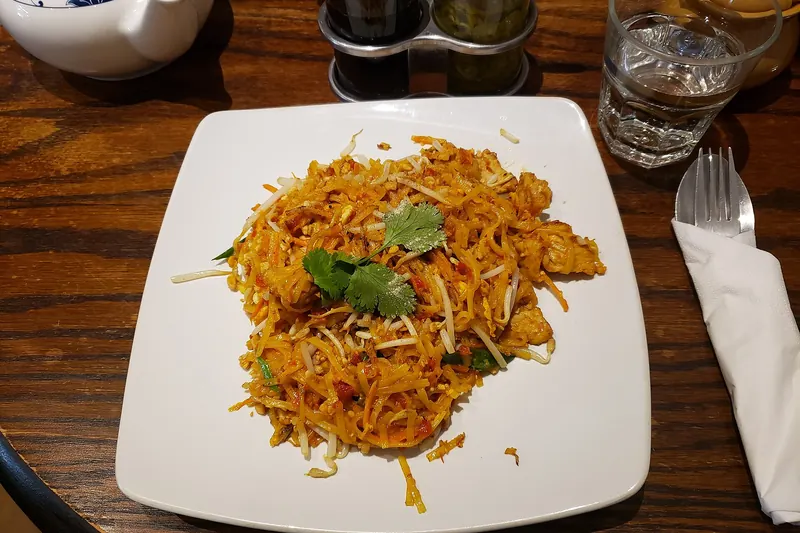
  • A plate of pad thai with pork

    Pad thai

    Stir-fried rice noodles with egg, tofu or shrimp and crushed peanuts, best from a wok-fried street stall rather than a tourist-menu version.

    Where to try it Thip Samai and countless street stalls citywide, particularly around Chinatown.

  • Boat noodles (kuay teow reua)

    A rich, intensely flavoured noodle soup traditionally sold from boats along the canals, served in small bowls so you can order several rounds.

    Where to try it Dedicated boat noodle stalls around Victory Monument, a genuine local institution.

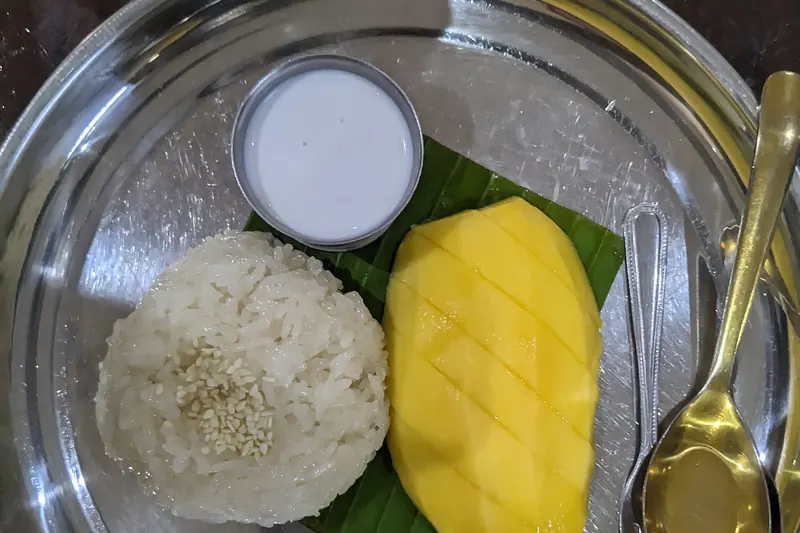
  • A plate of mango sticky rice with coconut cream

    Mango sticky rice

    Sweet coconut sticky rice with fresh mango, one of the city's most popular street desserts.

    Where to try it Street dessert stalls citywide, particularly strong around Chinatown and the flower market.

  • Khao man kai (Thai chicken rice)

    Poached chicken over rice cooked in chicken fat and stock, served with an addictive ginger-chilli-soybean sauce.

    Where to try it Dedicated khao man kai shops citywide, a genuine everyday lunch institution for Bangkok residents.

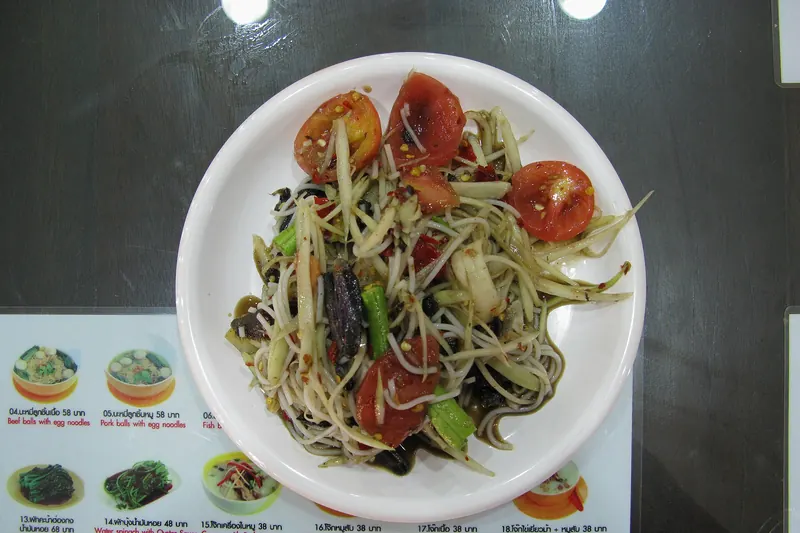
  • Som tam, spicy green papaya salad, with fresh chillies and beans

    Som tam (green papaya salad)

    Shredded unripe papaya pounded with chilli, lime and fish sauce, a fiery Isan-style dish widely available across the city.

    Where to try it Isan-style street stalls citywide, which usually ask directly how spicy you want it.

  • Thai iced tea

    Strong black tea sweetened with condensed milk over ice, essential alongside a hot, spicy meal.

    Where to try it Street stalls and restaurants citywide, sold from bright orange-tinted glasses.

Accommodation

Where to stay in Bangkok

Bangkok's neighbourhoods each offer a different base, from riverside temples to modern high-rise convenience.

  • Rattanakosin and Banglamphu

    The most historic base, putting the Grand Palace, Wat Pho and Wat Arun within easy reach, alongside Khao San Road's backpacker energy.

    Best for: Walking to the Grand Palace and old-city temples

  • Sukhumvit

    Bangkok's modern commercial heart, with a huge range of hotels, restaurants and direct Skytrain access across the city.

    Best for: Nightlife, shopping and BTS Skytrain connections

  • Riverside (near the Chao Phraya)

    Riverside hotels offer spectacular sunset views and easy ferry access to Rattanakosin's temples and Chinatown.

    Best for: Views and easy ferry access to the major sights

What a night costs

Hostel dorm
฿250–450 per night
Mid-range hotel
฿1,800–3,500 per night
Grand Palace entry
฿500
Street food meal
฿40–80

Transport

Getting to and around Bangkok

Bangkok has two airports, with Suvarnabhumi handling most international flights.

Getting there

  • Suvarnabhumi Airport (BKK)

    Bangkok's main international gateway, connected to the city by the Airport Rail Link in about 30 minutes.

    Metered taxis are also available, though traffic can extend the journey time at rush hour.

  • Don Mueang Airport (DMK)

    Bangkok's secondary airport, used by many budget carriers for domestic and regional flights.

    A shuttle bus connects Don Mueang to the BTS Skytrain network for onward city travel.

  • Overnight trains and buses

    Reliable connections reach Chiang Mai and Ayutthaya from Bangkok's main rail stations.

    Book sleeper berths a few days ahead in peak season, when popular routes sell out.

Getting around

Bangkok is large, but the BTS Skytrain, MRT subway and river ferries cover most visitor needs efficiently.

  • BTS Skytrain and MRT subway

    Fast, air-conditioned and reliable, covering most of the modern city and bypassing Bangkok's notorious traffic.

    A stored-value Rabbit card makes fares and transfers considerably more convenient than buying single tickets.

  • Chao Phraya river ferries

    Cheap and scenic, connecting Rattanakosin's temples, Chinatown and several riverside neighbourhoods directly.

    The orange-flag boat covers most major tourist stops for only a few baht per ride.

  • Taxis and ride-hailing apps

    Affordable and useful for areas away from the Skytrain, though traffic can extend journey times significantly.

    Insist on the meter in a street-hailed taxi, or use a ride-hailing app for a fixed, upfront fare.

When to go

Best time to visit Bangkok

Bangkok's heat and humidity run high year-round, and the cool season offers the most comfortable window for extensive walking and sightseeing.

  • Cool season (November–February)

    Best time

    The most comfortable weather of the year — still warm, but with noticeably lower humidity and cooler evenings.

  • Hot season (March–May)

    Shoulder

    Intense heat and humidity, often exceeding 35°C, with April's Songkran festival a notable exception worth planning around.

  • Rainy season (June–October)

    Good

    Typically short, heavy afternoon downpours rather than all-day rain, with lower prices and thinner crowds.

  • Songkran (mid-April)

    Good

    Thailand's water festival turns Bangkok's streets into a joyful, citywide water fight — extraordinary fun if you're prepared to get soaked.

Worth planning around: Midday hours outdoors in March to May, when heat and humidity both peak — plan temple visits for morning or late afternoon instead.

Itinerary

Three days in Bangkok

The royal temples and river first, then Bangkok's markets and neighbourhoods at an unhurried pace.

  1. Day1

    The Grand Palace and the river

    Bangkok's essential royal and religious sights.

    • Morning The Grand Palace and Wat Phra Kaew, arriving at opening time.
    • Afternoon Wat Pho, then a ferry crossing to Wat Arun.
    • Evening A riverside rooftop bar at sunset.
  2. Day2

    Markets and Chinatown

    Bangkok's shopping and street food culture.

    • Morning Chatuchak Weekend Market, if timed for a weekend.
    • Afternoon The Jim Thompson House and its silk garden.
    • Evening A street food crawl along Yaowarat in Chinatown.
  3. Day3

    Canals, neighbourhoods or a day trip

    A quieter side of the city, or a trip beyond it.

    • Morning A longtail boat tour of the back canals, or a floating market day trip.
    • Afternoon Free time in Sukhumvit or Lumphini Park.
    • Evening A final dinner and Bangkok's nightlife.

Travel tips

Bangkok travel tips

Practical notes on booking, timing and transport that make a real difference to a Bangkok trip.

  • Dress modestly for the Grand Palace and temples — shoulders and knees covered, or you may be turned away.
  • Visit major temples at opening time to avoid both the worst heat and the biggest tour-group crowds.
  • Use the BTS Skytrain, MRT or river ferries rather than taxis at rush hour — Bangkok traffic is severe.
  • Agree a fare before boarding a tuk-tuk, or use a ride-hailing app for a fixed, metered price instead.
  • Carry cash for street food and markets — many stalls remain cash-only.
  • Book overnight trains to Chiang Mai a few days ahead in peak season, when the route sells out.
  • Be wary of anyone approaching you about a 'closed' Grand Palace or a special gem deal — both are common scams near the main tourist sites.

FAQ

Bangkok: frequently asked questions

How many days do you need in Bangkok?

Three to four. Two covers the Grand Palace and central temples at a rushed pace; four allows a floating market day trip and deeper neighbourhood time without feeling hurried.

Is Bangkok a good base for exploring Thailand?

Yes — both airports and the main rail stations connect easily to Ayutthaya, the north and the southern islands, making Bangkok the natural start or end point for a wider Thailand trip.

Is Bangkok safe for tourists?

Yes, very — violent crime against visitors is rare. The practical risks are overcharging and tourist-area scams around 'closed' temples or gem shops, manageable with ordinary skepticism of unsolicited offers.

What is the best time of year to visit?

November to February offers the most comfortable weather for extensive walking and sightseeing. March to May is hot and humid, and the rainy season from June to October brings short afternoon downpours rather than all-day rain.

Is Bangkok worth visiting beyond the Grand Palace?

Yes — the street food scene, river life, markets and nightlife all stand on their own, and many visitors find Chinatown and the back canals just as memorable as the major temples.

Read next

Related travel articles

Practical

Packing by Season and Trip Type

Most packing advice is a list of things. This is the opposite: the small number of decisions that determine whether your luggage helps or hinders, organised by the kind of trip you are actually taking.

Where to go

Beyond the Big Names: Places Worth the Detour

The most visited place in a country is rarely its best, and it is almost never its best value. This is a method for finding the destinations that do not make the postcards — and a set of examples from five of the 50 countries on this site.

Advertisement