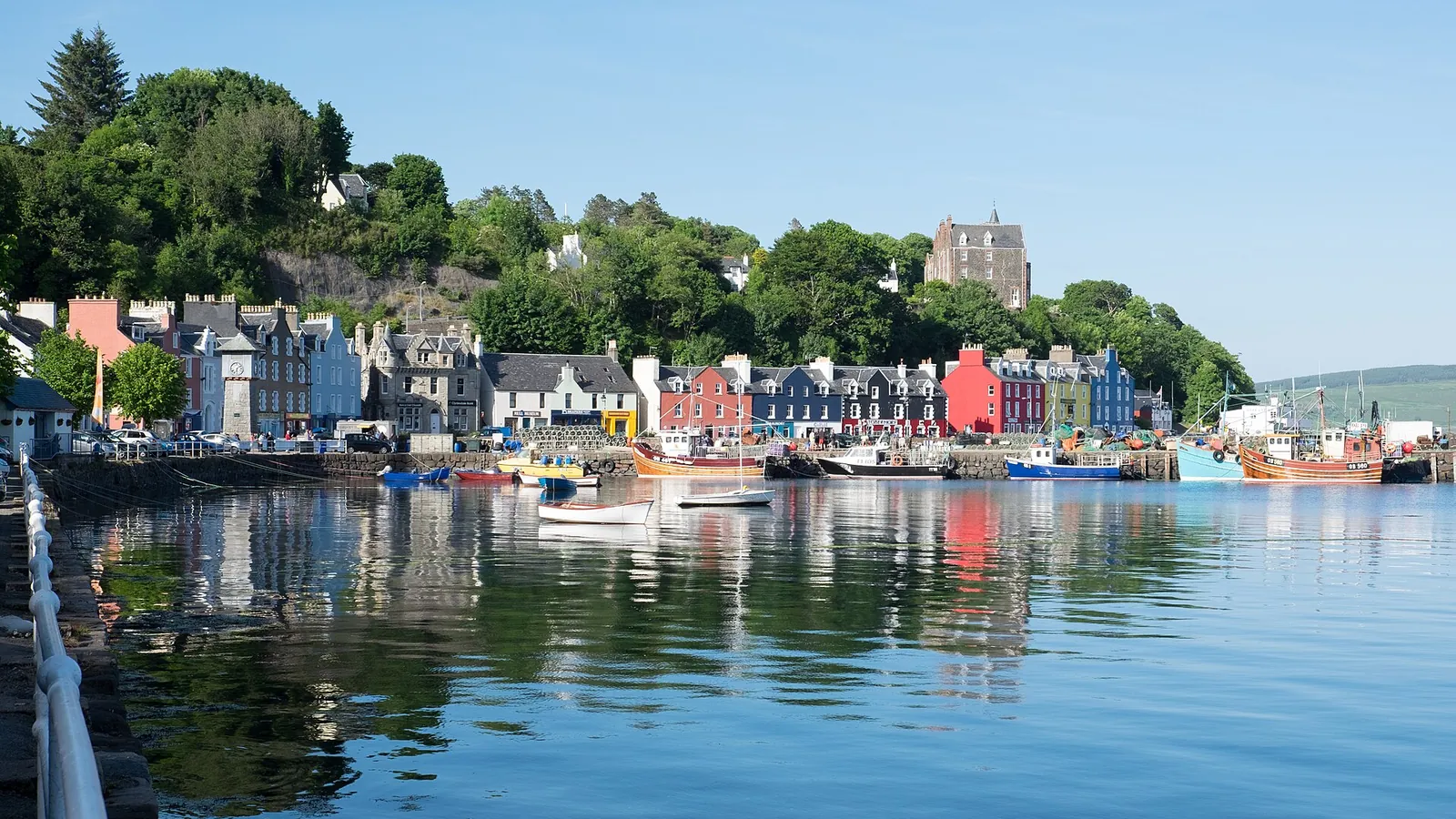
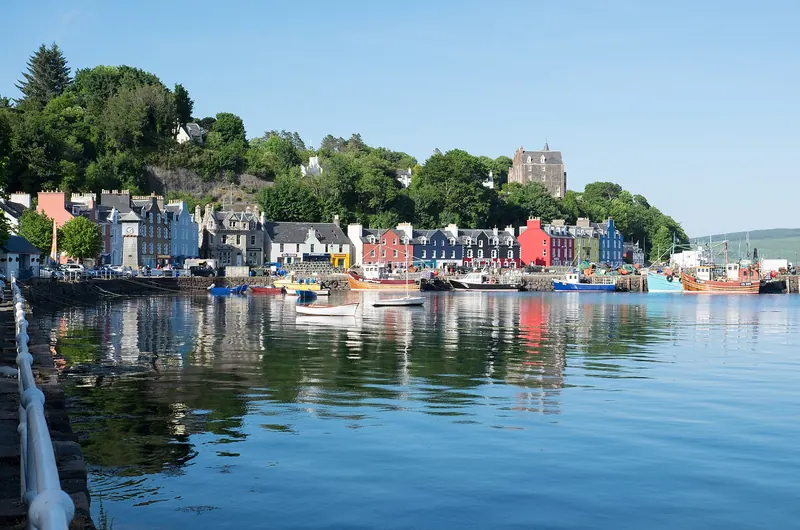
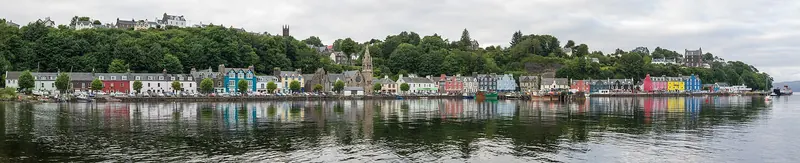
The colourful harbourfront of Tobermory on the Isle of Mull

Inner Hebrides · Scotland

Mull, Iona & Staffa

A colourful harbour town, a sacred ancient abbey and a basalt sea cave that once inspired a symphony, all within a short Hebridean hop of each other.

  • Best time May to September for the best weather and boat trip reliability
  • Stay 2 days
  • Good for Island-hopping, wildlife, ancient history

Photo: DeFacto · CC BY-SA 4.0

Welcome to Mull, Iona & Staffa

Mull is the gateway to a trio of Inner Hebridean islands, its main town Tobermory instantly recognisable for the brightly painted buildings lining its small harbour.

A short ferry hop away sits Iona, one of the most spiritually significant places in Scotland, where St Columba founded a monastery in 563 that helped bring Christianity to much of the country.

Further out again is Staffa, home to Fingal's Cave, an extraordinary sea cave of perfectly hexagonal basalt columns that inspired Mendelssohn's Hebrides Overture after his own visit in 1829.

  • Island
  • Nature & Wildlife
  • Wildlife
  • History

Why visit

Why visit Mull, Iona & Staffa?

Mull, Iona and Staffa's case rests on combining colourful island character with deep spiritual and natural history.

  • Tobermory is one of Scotland's most photogenic towns

    A small harbour lined with brightly painted 18th-century buildings.

  • Iona is one of Scotland's most spiritually significant sites

    St Columba's 563 monastery here helped bring Christianity to much of the country.

  • Fingal's Cave is unlike anywhere else on Earth

    A sea cave of perfectly hexagonal basalt columns that inspired a famous orchestral overture.

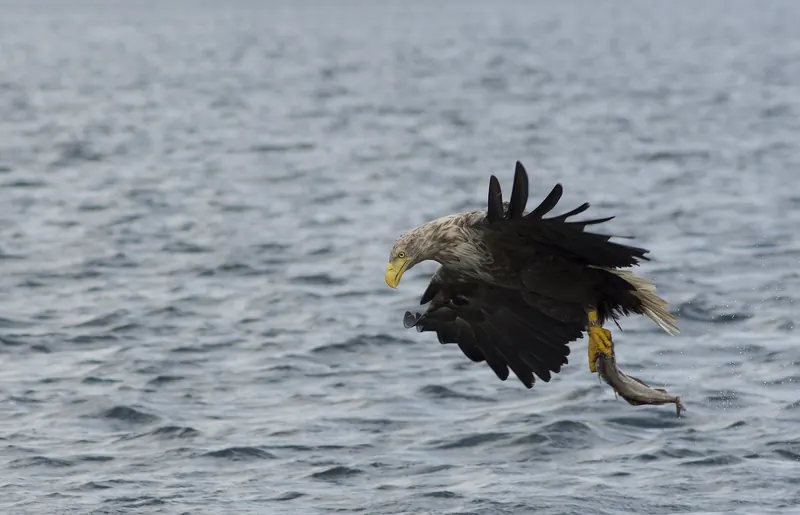
  • White-tailed sea eagles are a real, common sighting

    Europe's largest bird of prey, reintroduced to Mull and now thriving.

  • It rewards visitors willing to island-hop

    A real sense of remoteness and discovery across three distinct islands.

Main attractions

Top things to see in Mull, Iona & Staffa

The islands' essential sights combine Tobermory's colour with deep spiritual and natural history further out.

  1. The colourful harbourfront buildings of Tobermory

    Tobermory's colourful harbour

    One of Scotland's most photographed harbours, its 18th-century buildings painted in bright, distinctive colours.

    Tip Arrive by ferry for the best first view of the harbourfront's colours from the water.

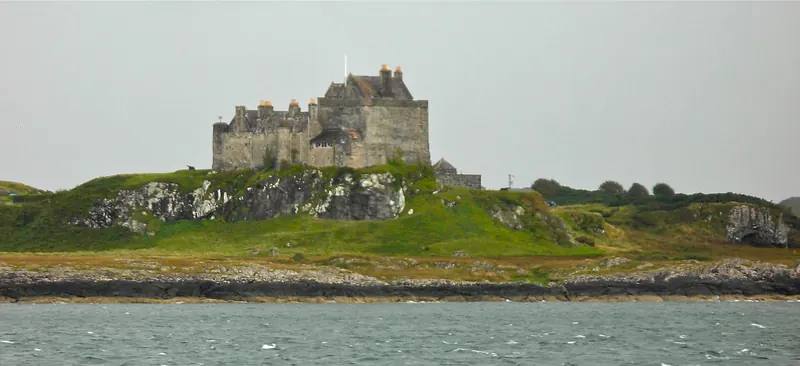
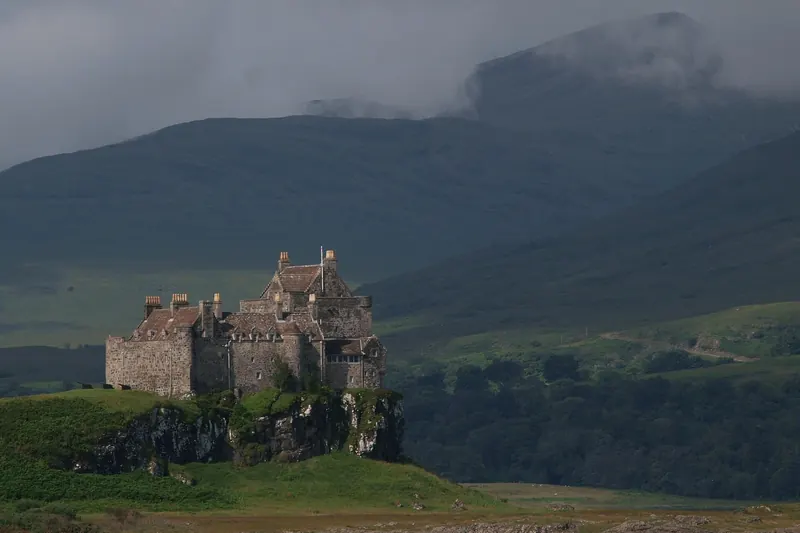
  2. Duart Castle on the Isle of Mull

    Duart Castle

    Mull's most dramatic castle, the ancient seat of Clan Maclean on a rocky headland overlooking the Sound of Mull.

    Tip The castle's dungeon and clan history exhibits are worth the extra time inside.

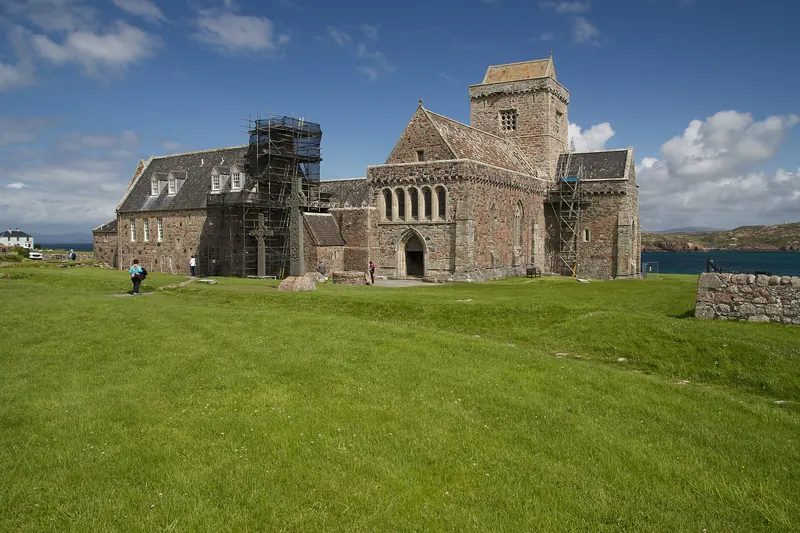
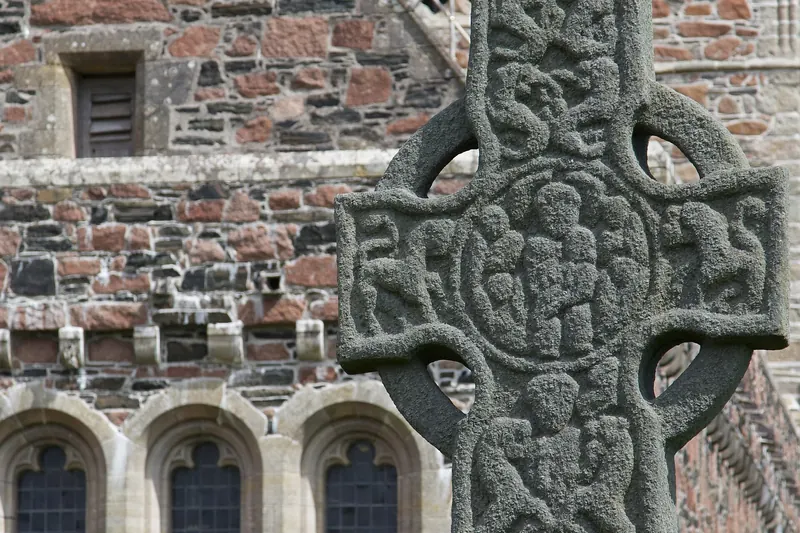
  3. Iona Abbey on the island of Iona

    Iona Abbey

    One of the most spiritually significant sites in Scotland, founded by St Columba in 563 and central to Christianity's spread across the country.

    Tip The short ferry crossing to Iona is worth taking slowly, with views back to Mull.

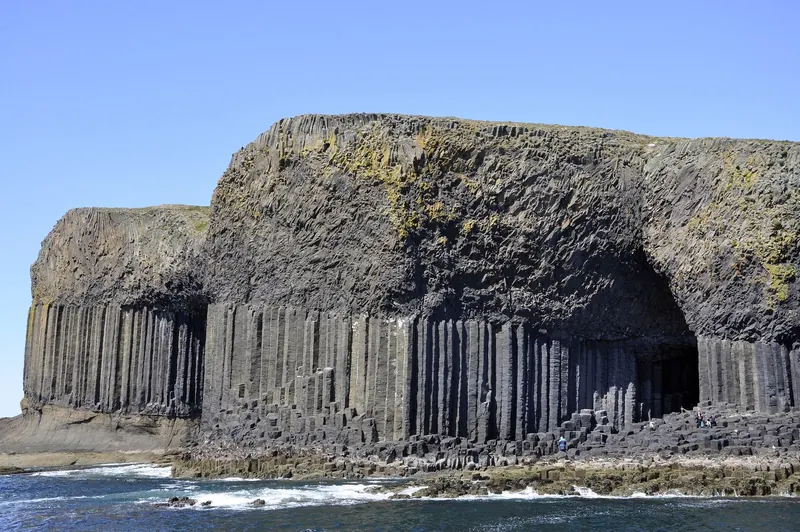
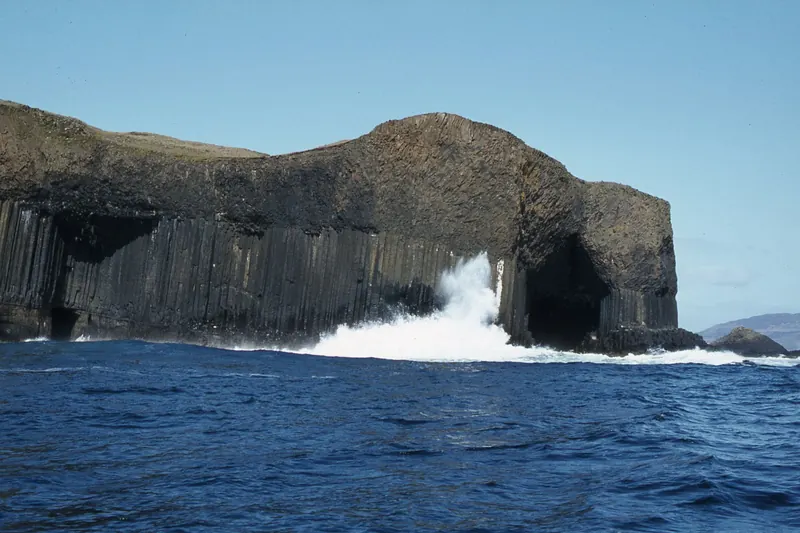
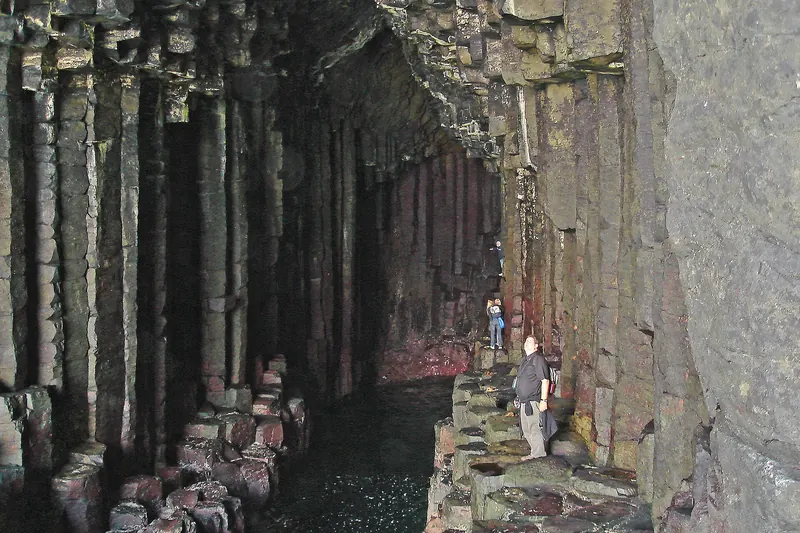
  4. Fingal's Cave on the island of Staffa

    Fingal's Cave, Staffa

    An extraordinary natural sea cave of perfectly hexagonal basalt columns, its deep swell inspiring Mendelssohn's famous overture.

    Tip Boat trips land on Staffa in calm weather, allowing visitors to walk right into the cave's entrance.

  5. The hexagonal basalt columns of Staffa

    Staffa's basalt columns

    A geological wonder, ancient volcanic activity cooling into thousands of perfectly hexagonal stone columns.

    Tip Puffins nest on Staffa's clifftops in season, an added bonus for visiting boat trips.

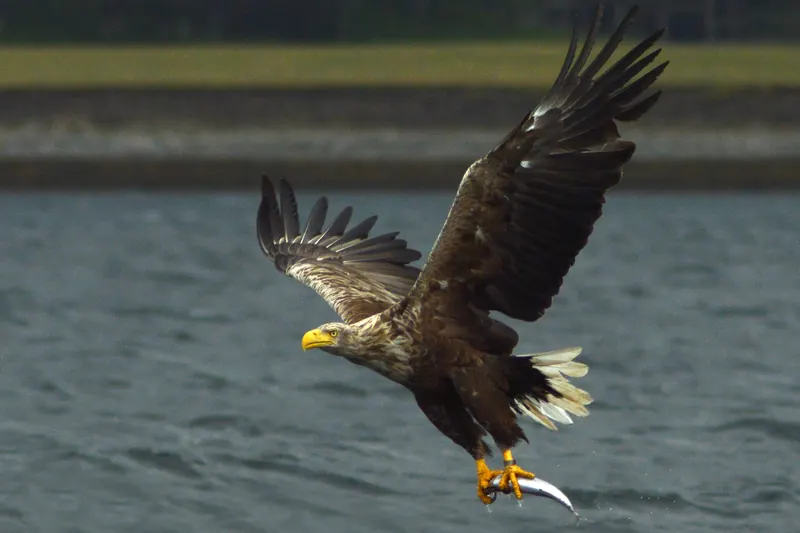
  6. A white-tailed sea eagle over Mull

    Mull's white-tailed sea eagles

    A real, thriving population of Europe's largest bird of prey, successfully reintroduced to the island decades ago.

    Tip Dedicated eagle-watching boat trips offer the best chance of a close sighting.

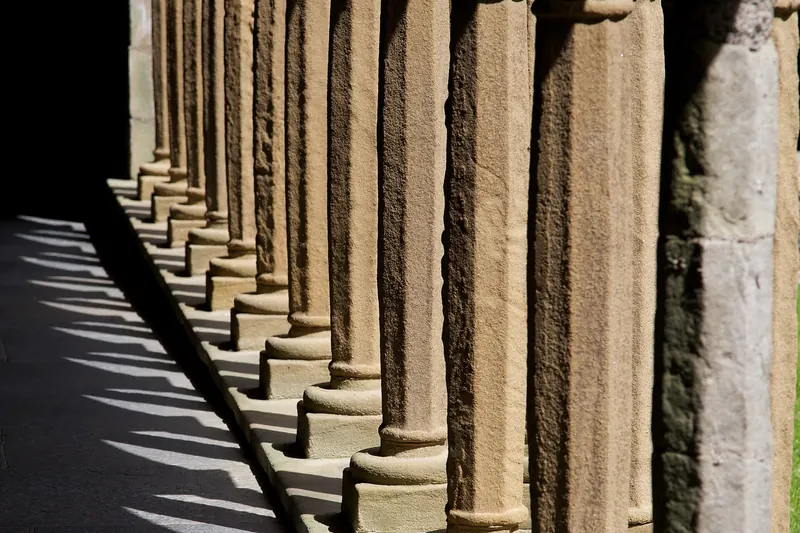
  7. The cloister arcade at Iona Abbey

    Iona Abbey's cloister

    A peaceful, restored medieval cloister, still home to an active religious community today.

    Tip The abbey remains a working spiritual community, worth visiting with quiet respect.

Things to do

Best things to do in Mull, Iona & Staffa

The islands reward slow, unhurried travel, whether by ferry, boat trip or on foot.

  1. The main street along Tobermory's harbourfront

    Wander Tobermory's harbourfront

    A relaxed way to spend a morning, browsing shops and cafés along the colourful harbour.

    Tip A good base for arranging boat trips out to Staffa and Iona.

  2. Touring Duart Castle on the Isle of Mull

    Tour Duart Castle

    A worthwhile hour or two, exploring the ancient seat of Clan Maclean on its dramatic headland.

    Tip Combine with the castle's tea room for a break with a sea view.

  3. Visiting Iona Abbey on the island of Iona

    Visit Iona Abbey

    A reflective few hours, exploring one of Scotland's most spiritually significant sites in real depth.

    Tip Allow time for the short walk around the wider island, not just the abbey itself.

  4. A boat trip to Fingal's Cave on Staffa

    Boat to Fingal's Cave

    A memorable half-day trip, weather permitting, landing on Staffa to walk right into the famous cave.

    Tip Book ahead in summer, and stay flexible — trips depend entirely on sea conditions.

  5. A white-tailed sea eagle spotted on Mull

    Spot white-tailed sea eagles

    A rewarding wildlife experience, with real, reliable chances of spotting Europe's largest bird of prey.

    Tip Dedicated eagle-watching boat trips depart regularly from Tobermory in season.

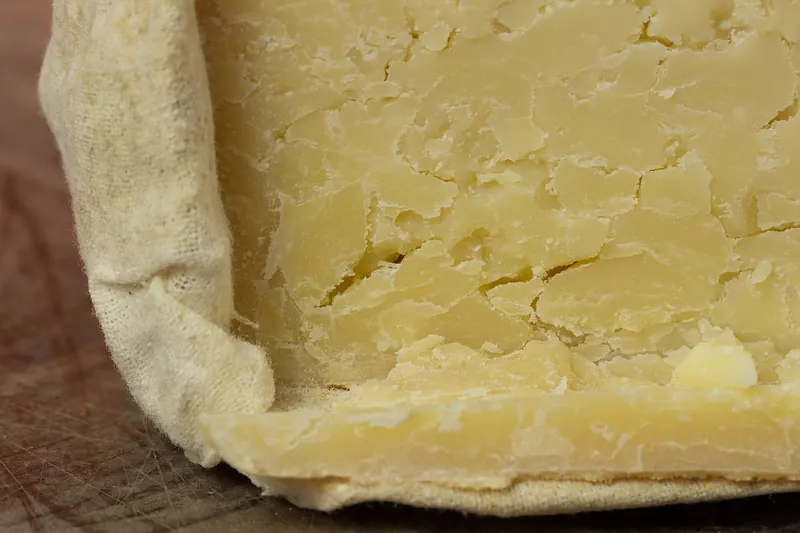
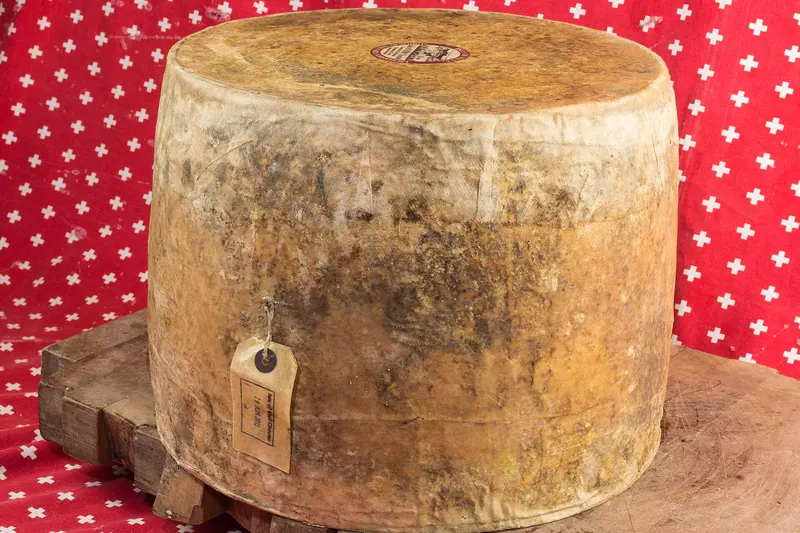
  6. Tobermory cheese made on the Isle of Mull

    Sample Tobermory cheese

    A worthwhile stop at a local farm producing distinctive cheese from Mull's own dairy herds.

    Tip Check opening hours for farm shop visits and tastings.

Local food

What to eat in Mull, Iona & Staffa

Food across the islands leans on fresh seafood and Mull's own dairy and whisky traditions.

  • Cheese made at a farm near Tobermory

    Tobermory cheese

    Distinctive artisan cheese made from the island's own dairy herds, a real point of local pride.

    Where to try it Farm shops and delis throughout Tobermory.

  • Fresh langoustines

    A Hebridean specialty, sweet shellfish landed straight from the surrounding waters.

    Where to try it Seafood restaurants throughout Tobermory.

  • Tobermory whisky

    Mull's own distillery product, made right on the harbourfront since 1798.

    Where to try it The distillery itself, and pubs throughout Tobermory.

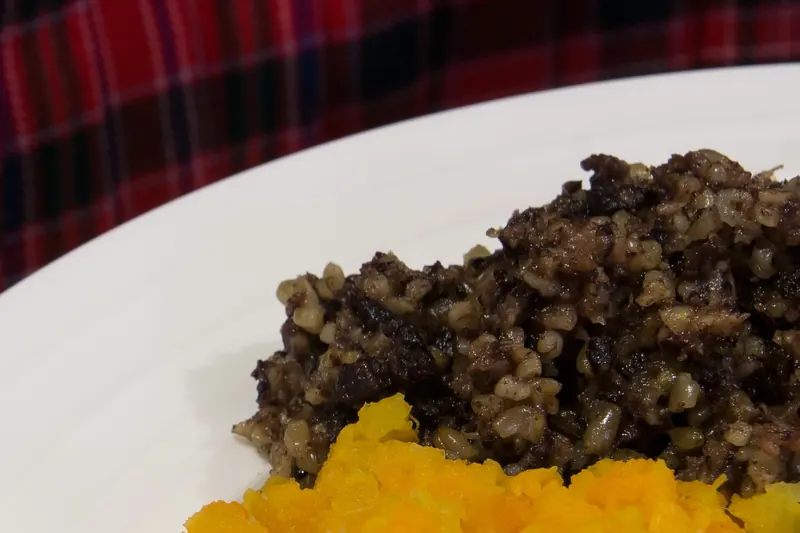
  • Haggis served with neeps and tatties, Scotland's national dish

    Haggis, neeps and tatties

    A warming meal after a day of island-hopping or a boat trip to Staffa.

    Where to try it Restaurants and pubs throughout Tobermory.

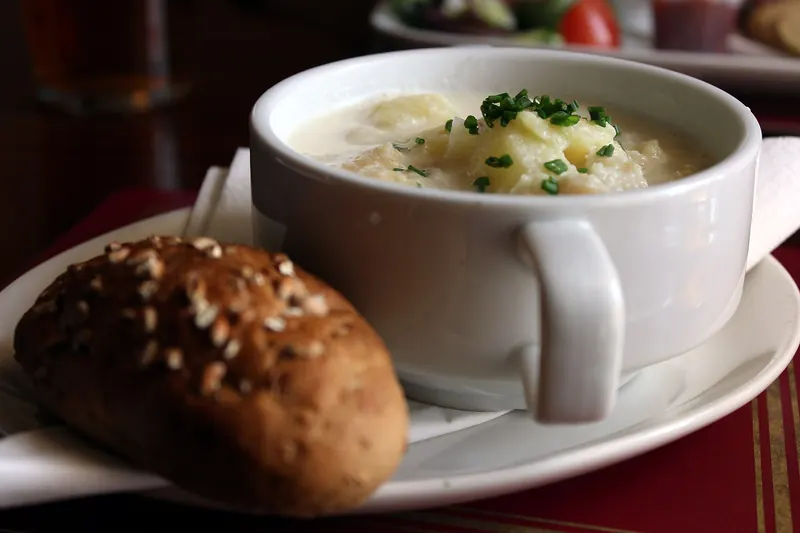
  • Cullen skink, a traditional Scottish smoked haddock soup

    Cullen skink

    A welcome, warming choice after a breezy boat trip out to Staffa or Iona.

    Where to try it Restaurants and pubs throughout Tobermory.

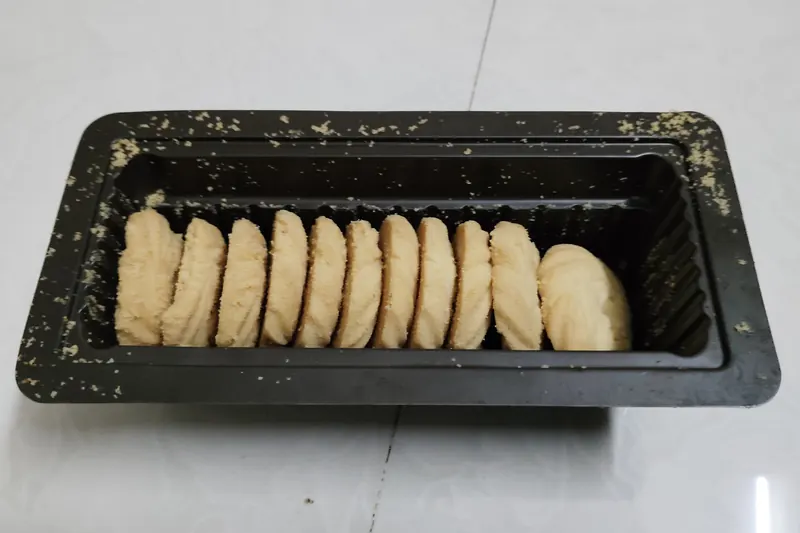
  • Traditional Scottish shortbread biscuits

    Scottish shortbread

    A simple, buttery treat, good provisions for a day of ferry crossings and boat trips.

    Where to try it Cafés and shops throughout Tobermory.

Accommodation

Where to stay in Mull, Iona & Staffa

Tobermory serves as the islands' main base, small but well set up for travellers.

  • Tobermory

    The most practical base, with the widest choice of guesthouses and restaurants.

    Best for: Being central to boat trips and ferry connections

  • Elsewhere on Mull

    Smaller villages around the island offer real solitude away from Tobermory's harbour.

    Best for: A quieter, more remote stay

What a night costs

Hostel or guesthouse
£35–70 per night
Mid-range hotel
£90–170 per night
Staffa boat trip
About £35–50
Dinner at a mid-range restaurant
About £20–35 per person

Transport

Getting to and around Mull, Iona & Staffa

Mull is reachable only by ferry, with Iona and Staffa a further crossing beyond it.

Getting there

  • Ferry from Oban

    The main route to Mull, a scenic 45-minute crossing with regular sailings.

    Oban itself is about two and a half hours from Glasgow by road or rail.

  • Ferry from Mull to Iona

    A short, frequent crossing from Fionnphort at Mull's western tip.

    Only a few minutes each way, running throughout the day.

  • Boat trip to Staffa

    Departs from Mull, Iona or occasionally Oban directly.

    Weather-dependent, so build flexibility into any itinerary.

Getting around

A car helps on Mull itself, while Iona is small enough to explore entirely on foot.

  • Rental car on Mull

    Useful for reaching Duart Castle and Fionnphort for the Iona ferry.

    Roads on Mull are narrow and largely single-track.

  • On foot on Iona

    The only way to explore the small island once you arrive.

    The whole island is walkable within a few hours.

  • Organised boat tours

    The only way to reach Staffa and Fingal's Cave.

    Widely available from Tobermory, Fionnphort and Iona.

When to go

Best time to visit Mull, Iona & Staffa

The islands are visitable through the warmer months, with far fewer boat sailings and services outside the main season.

  • Late spring (May–June)

    Best time

    Mild weather with good odds of calm seas for boat trips to Staffa.

  • Summer (July–August)

    Good

    The busiest season, with the widest choice of ferry and boat trip sailings.

  • Early autumn (September)

    Good

    A quieter window with still-decent weather odds.

  • Winter (November–February)

    Good

    Limited boat services and a real chance of Staffa trips being cancelled for weather.

Worth planning around: Booking a rigid winter Staffa boat trip — check conditions closely, since sailings are entirely weather-dependent.

Itinerary

Two days on Mull, Iona and Staffa

Built around Tobermory and Duart Castle on day one, Iona and Staffa on day two.

  1. Day1

    Tobermory and Duart Castle

    Tobermory's harbour and Duart Castle.

    • Morning Arrive by ferry and explore Tobermory's harbourfront.
    • Afternoon Duart Castle.
    • Evening Dinner in Tobermory.
  2. Day2

    Iona and Staffa

    Iona Abbey and a boat trip to Fingal's Cave.

    • Morning Ferry to Iona and visit the abbey.
    • Afternoon Boat trip to Staffa and Fingal's Cave.
    • Evening Return to Mull for the night.

Travel tips

Mull, Iona & Staffa travel tips

Practical notes that make a Mull, Iona and Staffa visit noticeably smoother.

  • Book ferry crossings to Mull ahead in summer, especially for a car.
  • Check Staffa boat trip conditions closely — sailings depend entirely on weather.
  • Build flexible days into your itinerary in case of cancelled crossings.
  • Pack a proper waterproof layer regardless of season — the islands are exposed.
  • Bring binoculars for the best chance of spotting sea eagles.
  • Respect Iona Abbey's status as an active religious community during your visit.

FAQ

Mull, Iona & Staffa: frequently asked questions

How many days do you need for Mull, Iona and Staffa?

Two days covers Tobermory, Duart Castle, Iona and a Staffa boat trip comfortably.

Can you visit Staffa without a private boat?

Yes — regular organised boat trips run from Mull, Iona and Oban, weather permitting.

Is Iona Abbey still a working religious site?

Yes — it remains home to an active spiritual community, alongside its role as a historic visitor attraction.

What is Fingal's Cave known for?

Its perfectly hexagonal basalt columns and deep, echoing acoustics, which inspired Mendelssohn's Hebrides Overture.

Can you see sea eagles on Mull?

Yes — Mull has one of Britain's best populations of white-tailed sea eagles, reintroduced decades ago and now thriving.

Do you need a car on these islands?

Helpful on Mull itself, though Iona is small enough to explore entirely on foot once you arrive.

Read next

Related travel articles

Heritage

UNESCO Sites Worth Planning a Trip Around

A UNESCO listing tells you a place matters; it does not tell you whether it is worth two days and a detour. This is how to read the list usefully — and which sites reward building a trip around them.

Where to go

Beyond the Big Names: Places Worth the Detour

The most visited place in a country is rarely its best, and it is almost never its best value. This is a method for finding the destinations that do not make the postcards — and a set of examples from five of the 50 countries on this site.

Advertisement