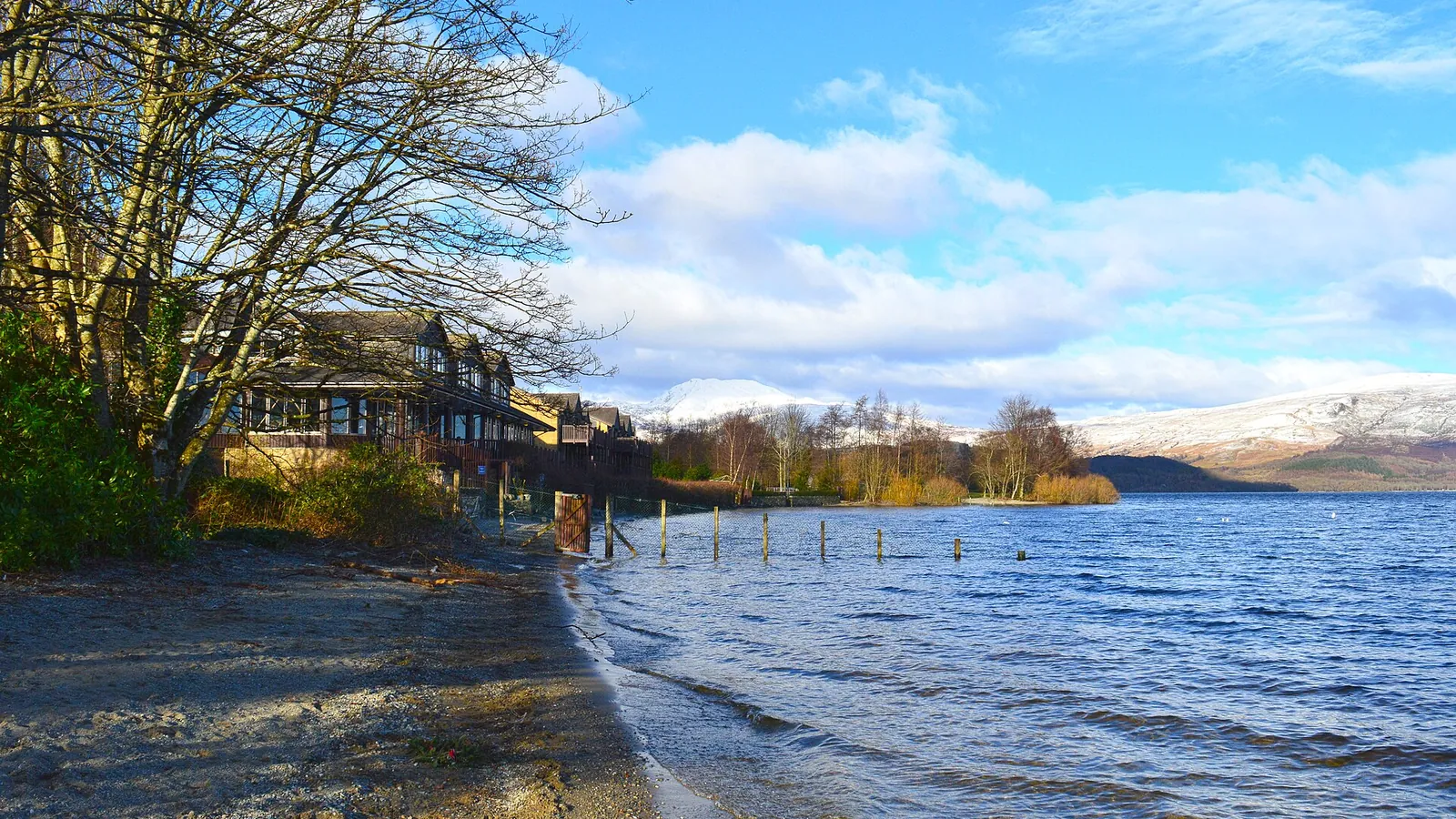
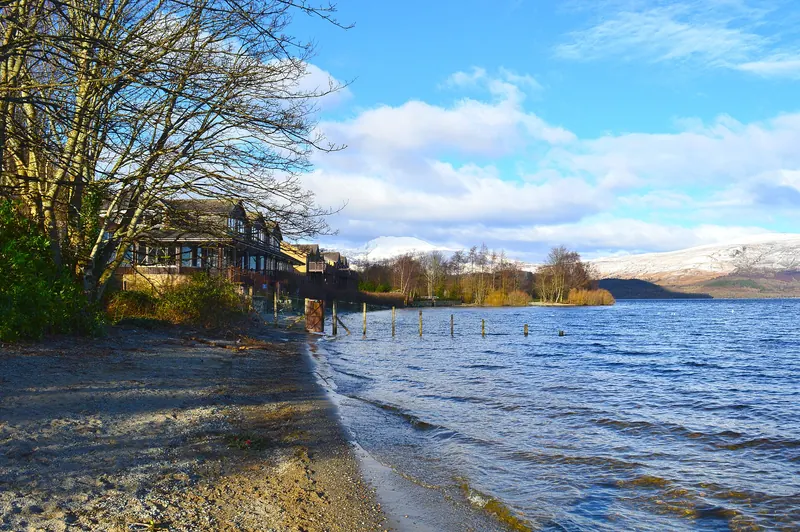
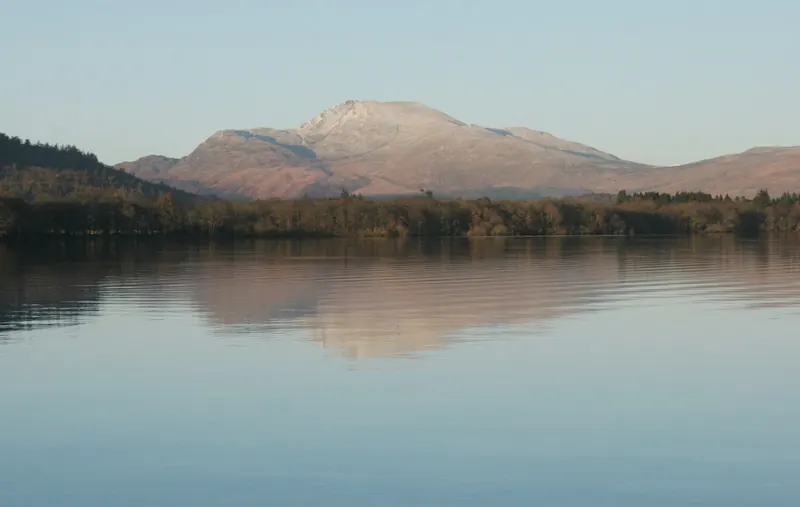
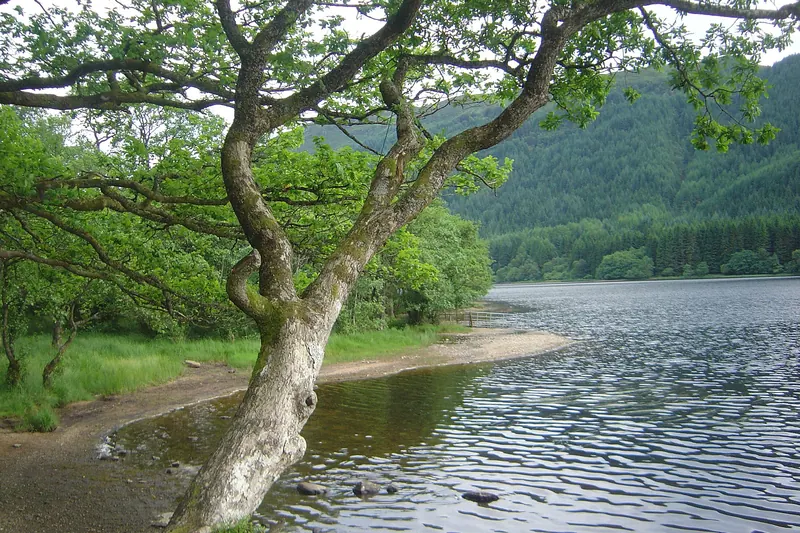
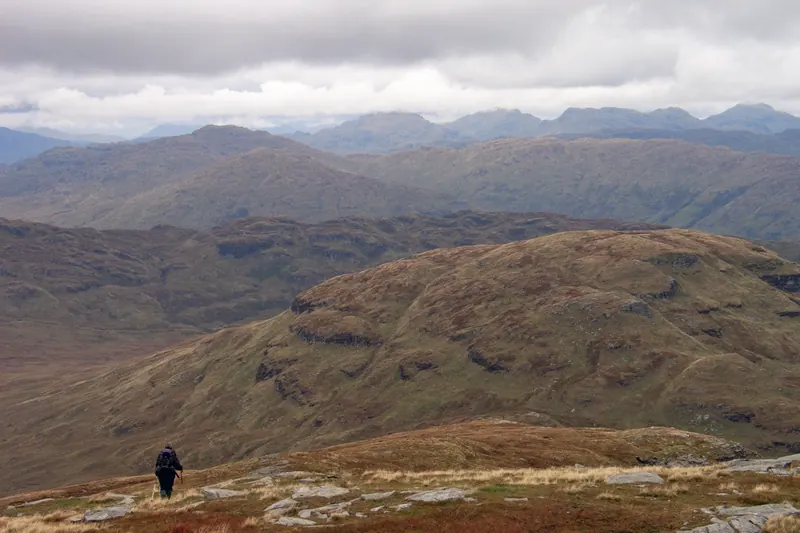
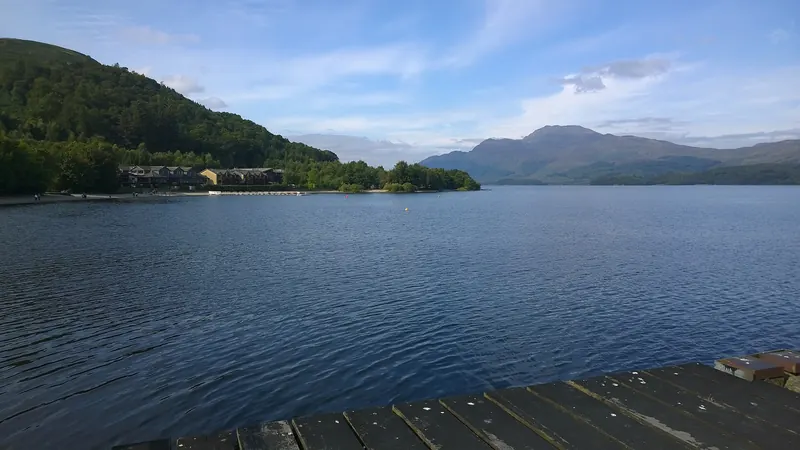
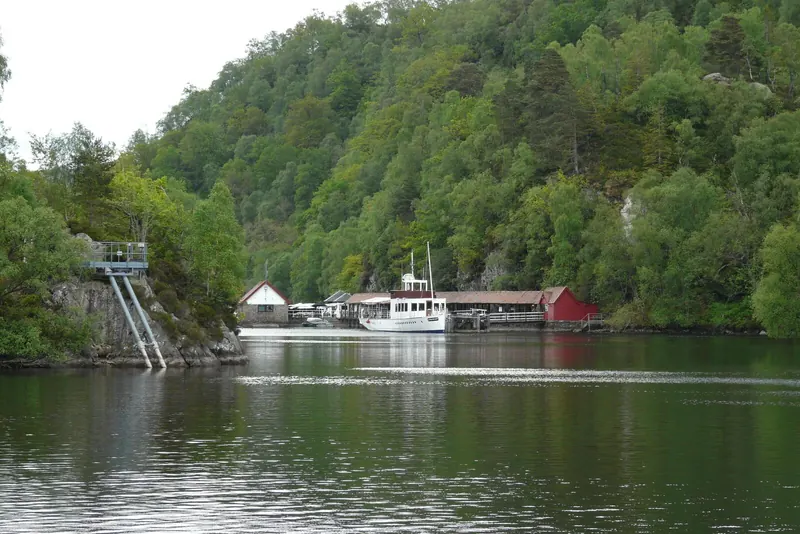
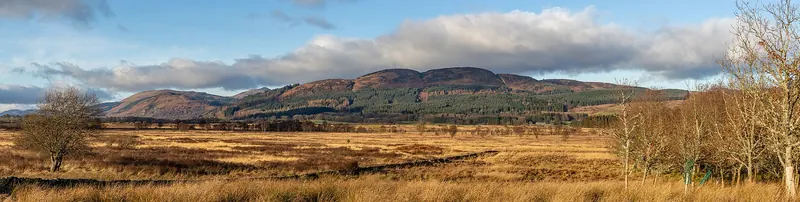
Loch Lomond and the surrounding Highland hills

Central Scotland · Scotland

Loch Lomond & the Trossachs

Scotland's first national park, an accessible first taste of the Highlands within easy reach of Glasgow.

  • Best time May to September for the best weather, though the park works well year-round
  • Stay 1-2 days
  • Good for Hiking, scenic drives, an easy Highland taste

Photo: S. Alexander Gilmour · CC BY 2.0

Welcome to Loch Lomond & the Trossachs

Loch Lomond and the Trossachs is Scotland's first national park, and for good reason a favourite easy escape from Glasgow, offering a real first taste of Highland scenery within an hour's drive of the city.

Loch Lomond itself is Britain's largest lake by surface area, its southern shores gentle and accessible, its northern reaches narrowing into properly dramatic Highland terrain around Ben Lomond.

Most visitors combine a loch cruise or lakeside walk with time in the wooded Trossachs further east, where Loch Katrine's historic steamship and the area's inspired Sir Walter Scott's romantic writing about the Highlands.

  • Nature & Wildlife
  • Hiking
  • Scenic Drive
  • National Park

Why visit

Why visit Loch Lomond & the Trossachs?

Loch Lomond and the Trossachs' case rests on offering real Highland scenery within easy reach of Glasgow.

  • It's Scotland's first national park

    Established in 2002, protecting some of the country's most accessible Highland scenery.

  • Loch Lomond is Britain's largest lake by area

    A real sense of scale, especially from the water on a loch cruise.

  • Ben Lomond is an achievable first Munro

    One of the most accessible of Scotland's mountains over 3,000 feet for a first serious hike.

  • The Trossachs inspired Sir Walter Scott

    His writing about the area helped popularise the wider romantic image of the Highlands.

  • It's an easy day trip or overnight from Glasgow

    Under an hour's drive, making it accessible even on a short trip.

Main attractions

Top things to see in Loch Lomond & the Trossachs

The park's essential sights combine Loch Lomond's accessible scale with the Trossachs' more intimate, wooded scenery.

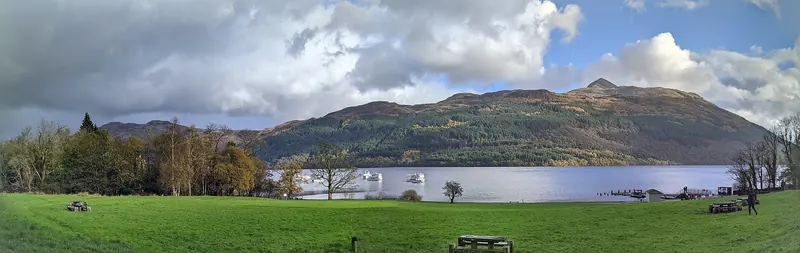
  1. Loch Lomond, Britain's largest lake by surface area

    Loch Lomond

    Britain's largest lake by surface area, its southern shores gentle and its northern reaches narrowing into dramatic Highland terrain.

    Tip The loch's character changes dramatically from south to north — see both if time allows.

  2. Ben Lomond overlooking Loch Lomond

    Ben Lomond

    One of Scotland's most accessible Munros, a mountain over 3,000 feet, with sweeping views over the loch from the summit.

    Tip The standard route takes four to six hours round trip and needs no technical climbing.

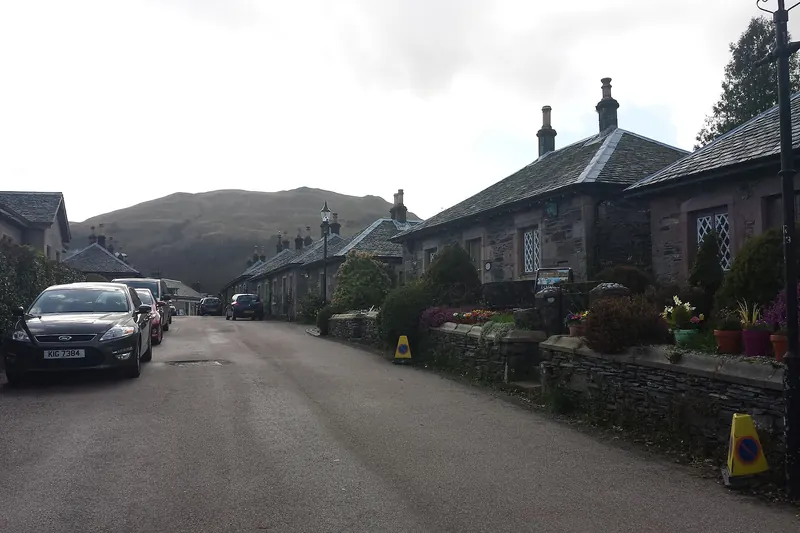
  3. The village of Luss on the shore of Loch Lomond

    Luss village

    One of Scotland's prettiest lochside villages, its stone cottages and pier a popular, easy stop on the loch's western shore.

    Tip Arrive early or late to avoid the busiest midday tour bus crowds.

  4. Loch Katrine in the heart of the Trossachs

    Loch Katrine

    The scenic heart of the Trossachs, a loch that helped inspire Sir Walter Scott's romantic writing about the Highlands.

    Tip The surrounding forest offers excellent, easy cycling and walking trails.

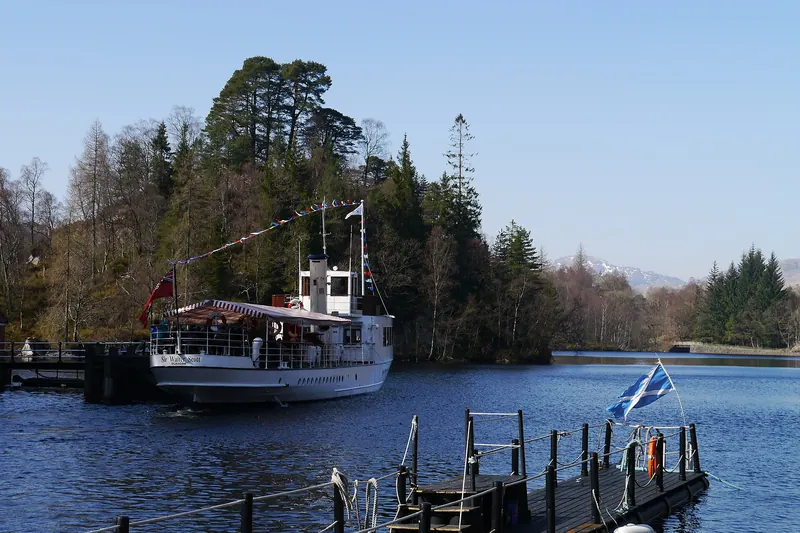
  5. The SS Sir Walter Scott steamship on Loch Katrine

    The SS Sir Walter Scott

    A historic Victorian steamship, still carrying passengers across Loch Katrine over a century after entering service.

    Tip Book ahead in summer — it's one of the Trossachs' most popular attractions.

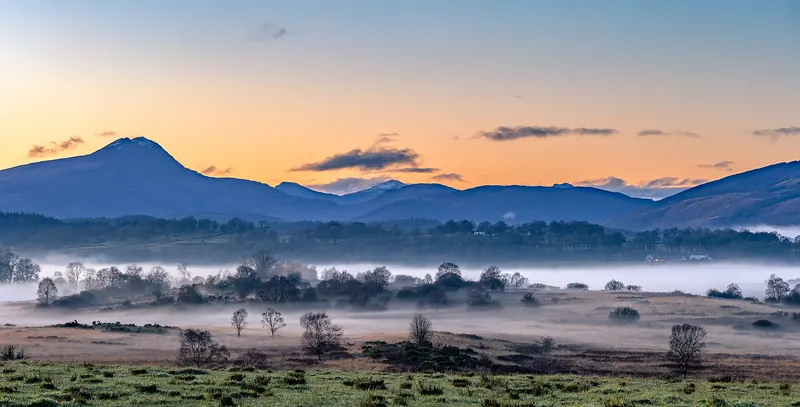
  6. The wooded hills of the Trossachs at sunset

    The Trossachs

    A more intimate, wooded landscape than Loch Lomond itself, often called 'the Highlands in miniature.'

    Tip A rewarding scenic drive, best taken slowly with several stops.

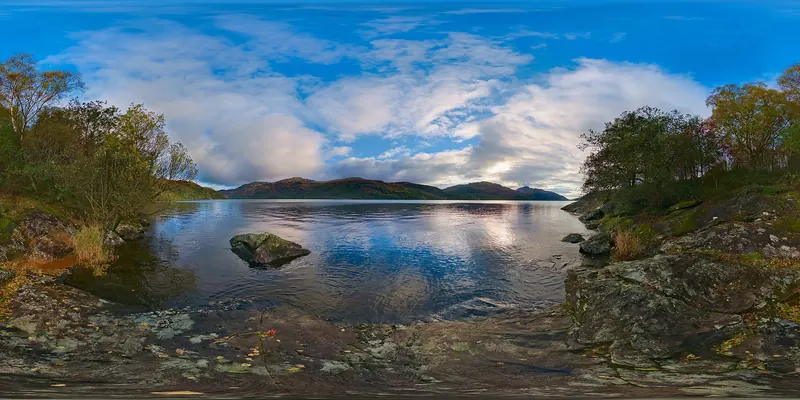
  7. Loch Lomond near the village of Tarbet

    Loch Lomond near Tarbet

    Where the loch begins to narrow and turn properly Highland in character, a striking contrast to its wider southern reaches.

    Tip A good stop for photos looking north toward the narrower, more dramatic upper loch.

Things to do

Best things to do in Loch Lomond & the Trossachs

The park rewards combining time on the water with a proper walk or hike.

  1. A cruise boat on Loch Lomond

    Cruise Loch Lomond

    A relaxed way to appreciate the loch's real scale, with regular sailings departing from Balloch and Luss.

    Tip A shorter cruise from Luss covers some of the loch's most scenic stretches.

  2. Hiking the ridge of Ben Lomond

    Hike Ben Lomond

    An achievable first Munro for many visitors, rewarded with sweeping summit views over the loch.

    Tip Start early and check the weather — conditions change quickly at altitude even here.

  3. The lochside village of Luss

    Wander Luss village

    An easy, pretty stop, strolling stone cottages and a short pier out onto the loch itself.

    Tip Combine with a coffee stop at one of the village's small cafés.

  4. Boarding the SS Sir Walter Scott on Loch Katrine

    Sail Loch Katrine on the SS Sir Walter Scott

    A memorable way to see the Trossachs, a slow cruise aboard a working Victorian steamship.

    Tip Book ahead in peak summer, when sailings can sell out.

  5. A scenic drive through the Trossachs

    Drive through the Trossachs

    A rewarding, unhurried drive through wooded hills often described as 'the Highlands in miniature.'

    Tip Stop often — the scenery here rewards a slow pace more than covering distance.

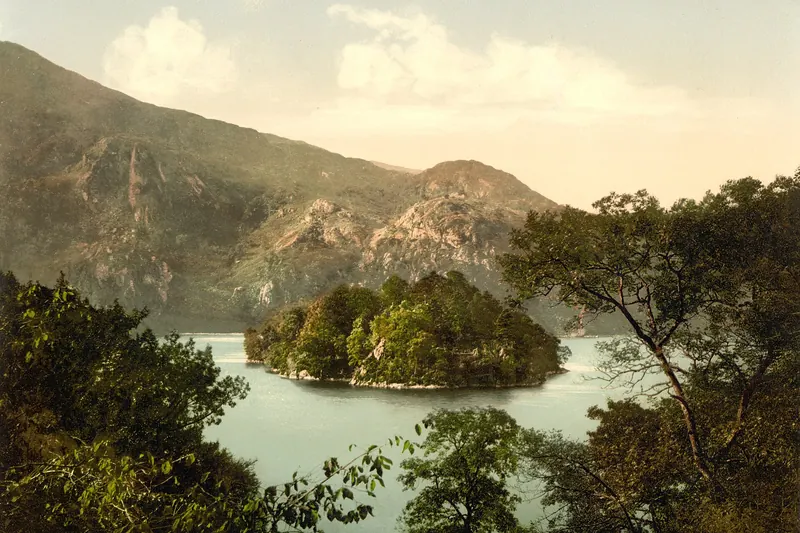
  6. Ellen's Isle on Loch Katrine

    Photograph Ellen's Isle on Loch Katrine

    A scenic small island, named for the heroine of Sir Walter Scott's poem set on the loch.

    Tip Best viewed from the SS Sir Walter Scott's regular cruise route.

Local food

What to eat in Loch Lomond & the Trossachs

Food here leans on hearty Scottish classics well suited to a day of hiking or loch cruising.

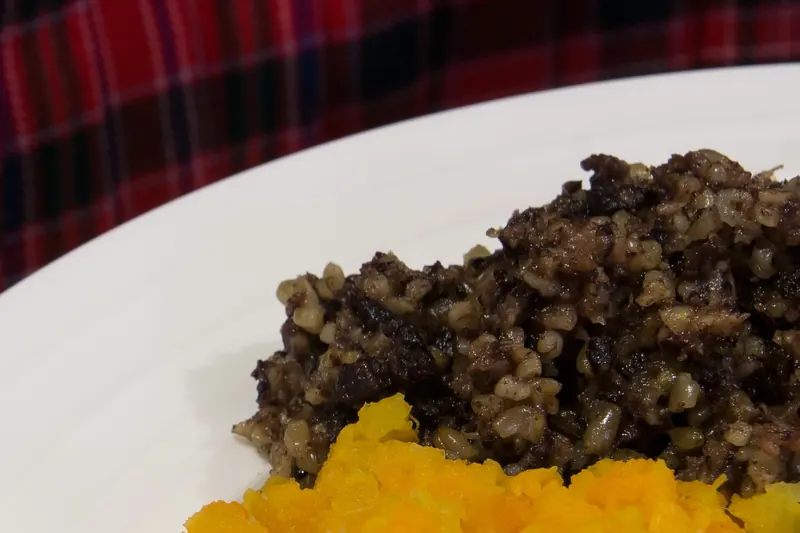
  • Haggis served with neeps and tatties, Scotland's national dish

    Haggis, neeps and tatties

    A warming classic, found on menus throughout Luss and Balloch.

    Where to try it Restaurants and pubs throughout the park.

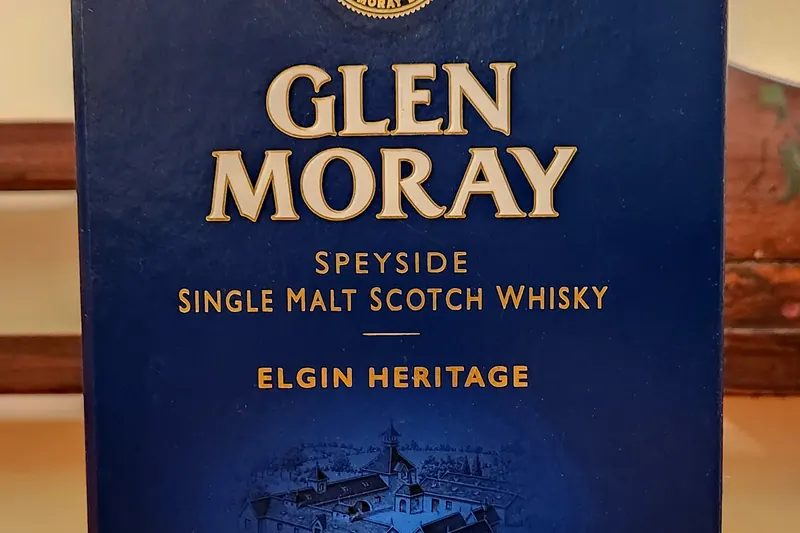
  • A bottle of single malt Scotch whisky

    Scotch whisky

    Well earned after a day hiking Ben Lomond or exploring the Trossachs.

    Where to try it Traditional pubs throughout Luss and Callander.

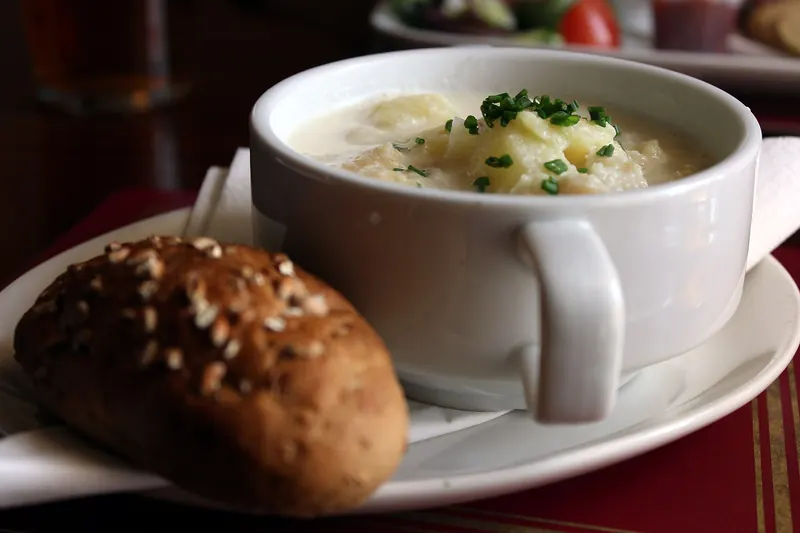
  • Cullen skink, a traditional Scottish smoked haddock soup

    Cullen skink

    A warming choice after a day on the water or out on the trails.

    Where to try it Restaurants and pubs throughout the park.

  • Venison

    A true Highland specialty, wild-sourced game found on menus across the region.

    Where to try it Restaurants throughout Luss and Callander.

  • Traditional Scottish shortbread biscuits

    Scottish shortbread

    A simple, buttery treat, good trail fuel for a day on Ben Lomond.

    Where to try it Cafés and shops throughout Luss and Balloch.

  • Scottish salmon

    Excellent, sourced from the lochs and rivers of the surrounding national park.

    Where to try it Restaurants throughout the park.

Accommodation

Where to stay in Loch Lomond & the Trossachs

Luss and Balloch serve as the park's main bases, both well set up for day trips from Glasgow.

  • Luss

    A small, pretty base with easy access to loch cruises and Ben Lomond.

    Best for: Being picturesque and central to the loch's western shore

  • Balloch

    The park's southern entry point, well connected by train to Glasgow.

    Best for: A practical gateway town with more amenities

What a night costs

Guesthouse or B&B
£40–80 per night
Mid-range hotel
£90–170 per night
Loch Lomond cruise
About £15–20
Dinner at a mid-range restaurant
About £20–35 per person

Transport

Getting to and around Loch Lomond & the Trossachs

Loch Lomond and the Trossachs are one of Scotland's most accessible national parks from Glasgow.

Getting there

  • Intercity train to Balloch

    Direct from Glasgow, taking under an hour.

    One of the easiest national park connections by public transport in Scotland.

  • Rental car

    Useful for reaching Luss, the Trossachs and Ben Lomond's trailheads.

    About 45 minutes from Glasgow by road.

  • Organised day tours

    A popular no-driving option from Glasgow or Edinburgh.

    Widely available, often combined with Stirling or the wider Highlands.

Getting around

A car helps for covering both Loch Lomond and the Trossachs in one visit.

  • Rental car

    The most flexible way to combine Luss, Loch Katrine and Ben Lomond's trailhead.

    Roads within the park are generally well maintained and scenic.

  • On foot in Luss or Balloch

    Easy — both villages are small and walkable.

    Wider park sights require a car or organised tour.

  • Loch cruises

    A scenic way to move between points on Loch Lomond itself.

    Regular sailings connect Balloch, Luss and other lochside stops.

When to go

Best time to visit Loch Lomond & the Trossachs

Loch Lomond and the Trossachs are visitable in any season, though hiking and cruising are easiest in the warmer months.

  • Late spring (May–June)

    Best time

    Mild weather and thinner crowds than midsummer.

  • Summer (July–August)

    Good

    The warmest and busiest season, with the best conditions for Ben Lomond.

  • Autumn (September–October)

    Good

    Beautiful, with the Trossachs' forest turning colour.

  • Winter (November–February)

    Good

    Short days and frequent rain, though atmospheric, with far fewer visitors.

Worth planning around: Attempting Ben Lomond in poor visibility or high wind — a real hazard even on this relatively accessible mountain.

Itinerary

Two days at Loch Lomond and the Trossachs

Built around Loch Lomond and Luss on day one, the Trossachs and Loch Katrine on day two.

  1. Day1

    Loch Lomond

    Luss village and a loch cruise, or Ben Lomond.

    • Morning Explore Luss village.
    • Afternoon A Loch Lomond cruise, or hike Ben Lomond for the more active option.
    • Evening Dinner in Luss or Balloch.
  2. Day2

    The Trossachs

    Loch Katrine and the SS Sir Walter Scott.

    • Morning Drive through the Trossachs to Loch Katrine.
    • Afternoon Sail Loch Katrine aboard the SS Sir Walter Scott.
    • Evening A final dinner before returning to Glasgow.

Travel tips

Loch Lomond & the Trossachs travel tips

Practical notes that make a Loch Lomond and Trossachs visit noticeably smoother.

  • Book SS Sir Walter Scott sailings ahead in peak summer.
  • Start early for Ben Lomond — the trailhead car park fills fast on fine days.
  • Check weather conditions before any higher-altitude hike.
  • Pack a proper waterproof layer regardless of season.
  • Visit Luss early or late to avoid the busiest midday tour bus crowds.
  • Consider the train to Balloch if visiting without a car.

FAQ

Loch Lomond & the Trossachs: frequently asked questions

How many days do you need at Loch Lomond and the Trossachs?

One to two days covers Luss, a loch cruise and the Trossachs comfortably.

Can you visit as a day trip from Glasgow?

Yes, easily — Balloch is under an hour away by train, making it one of Scotland's most accessible national parks.

Is Ben Lomond difficult to climb?

Moderate — it's one of the more accessible Munros, taking four to six hours round trip without requiring technical climbing skill.

What is Loch Lomond known for?

Being Britain's largest lake by surface area, and for inspiring the well-known folk song of the same name.

Is the SS Sir Walter Scott worth it?

Yes — it's a historic working Victorian steamship, and a memorable, relaxed way to see Loch Katrine.

How far is Loch Lomond from Glasgow?

Very close, under an hour's drive or train ride, making it an easy day trip or short overnight from the city.

Read next

Related travel articles

Road trips

How to Plan a US National Parks Road Trip

American national parks are no longer places you turn up at. Timed entry, permit lotteries and mandatory shuttles now govern the popular ones, and the distances between them are larger than almost any visitor expects. Here is how to plan around both.

Where to go

Beyond the Big Names: Places Worth the Detour

The most visited place in a country is rarely its best, and it is almost never its best value. This is a method for finding the destinations that do not make the postcards — and a set of examples from five of the 50 countries on this site.

Advertisement