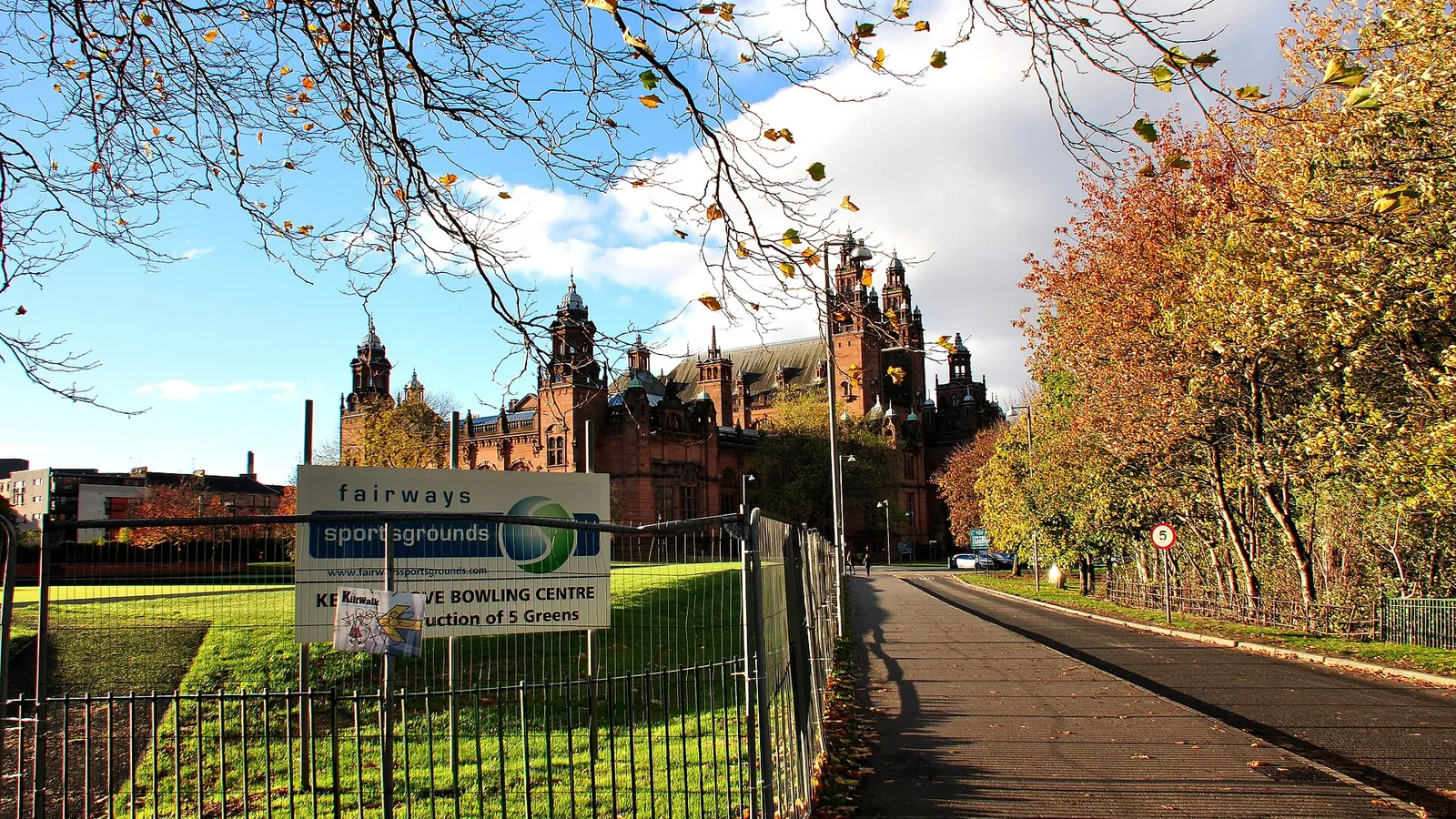


Kelvingrove Art Gallery and Museum in Glasgow

Greater Glasgow · Scotland

Glasgow

Scotland's largest city, an underrated mix of Victorian grandeur, world-class free museums and a fiercely loyal music scene.

  • Best time May to September for the best weather, though Glasgow works well year-round
  • Stay 2 days
  • Good for City culture, museums, nightlife

Photo: Osama Shukir Muhammed Amin FRCP(Glasg) · CC BY-SA 4.0

Welcome to Glasgow

Glasgow is Scotland's largest city and its cultural powerhouse, a place of Victorian sandstone grandeur that tends to surprise first-time visitors expecting something rougher around the edges.

It's also a city of exceptional free museums — Kelvingrove alone holds everything from a Salvador Dalí masterpiece to a suspended Spitfire — alongside a live music scene that has produced a disproportionate share of Britain's best bands.

Most visitors use Glasgow as a starting point for the wider Highlands, and a couple of days here earns its place on the itinerary well before you head north.

  • City
  • Culture
  • Museums
  • Nightlife

Why visit

Why visit Glasgow?

Glasgow's case rests on world-class free museums and a cultural confidence that rarely gets enough credit.

  • Kelvingrove is one of Europe's best free museums

    A vast collection spanning fine art, natural history and technology, all at no cost.

  • The architecture is spectacular and underrated

    Victorian sandstone grandeur and Charles Rennie Mackintosh's pioneering Art Nouveau designs throughout the city.

  • The Necropolis is a striking, free hilltop walk

    A Victorian garden cemetery with sweeping views back over the cathedral and city.

  • Live music here is the real deal

    A legendary scene that has launched a disproportionate share of Britain's best-known bands.

  • It works well as a gateway to the Highlands

    Trains and rental cars to Loch Lomond and Skye both start here.

Main attractions

Top things to see in Glasgow

Glasgow's essential sights combine world-class free museums with striking Victorian and Art Nouveau architecture.

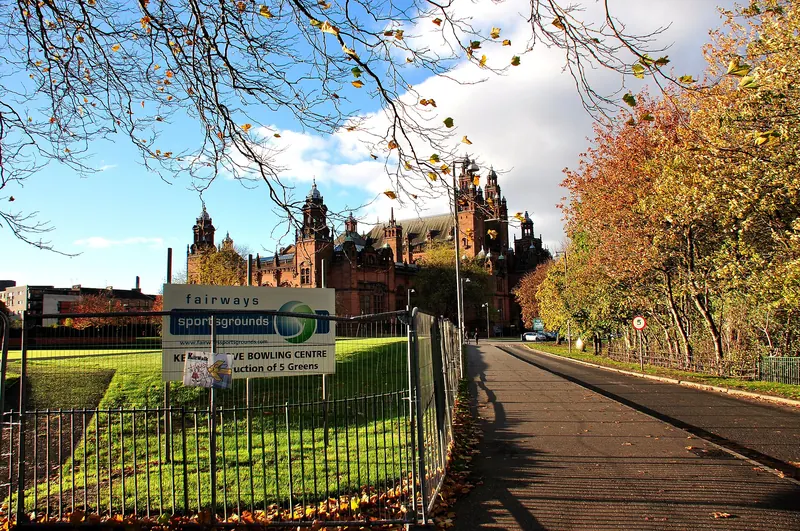
  1. The Victorian facade of Kelvingrove Art Gallery and Museum

    Kelvingrove Art Gallery and Museum

    One of Europe's best free museums, a vast red sandstone building holding everything from fine art to a suspended Spitfire.

    Tip The organ recitals, held most days, are worth timing a visit around.

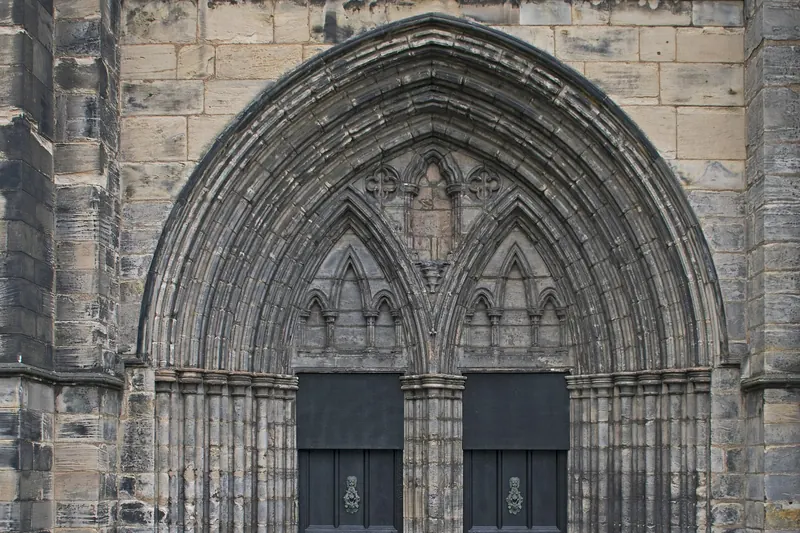
  2. The main portal of Glasgow Cathedral

    Glasgow Cathedral

    One of Scotland's few medieval cathedrals to survive the Reformation intact, dating back to the 12th century.

    Tip Free to enter, and combines well with a walk up to the Necropolis right behind it.

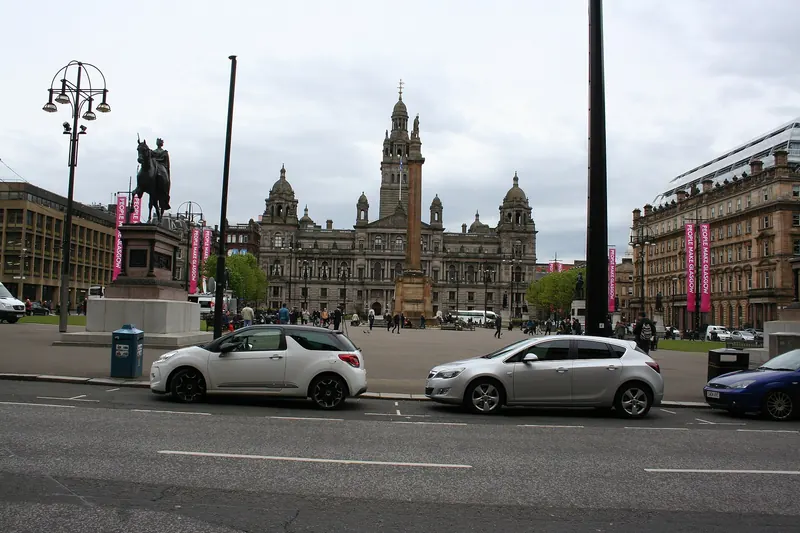
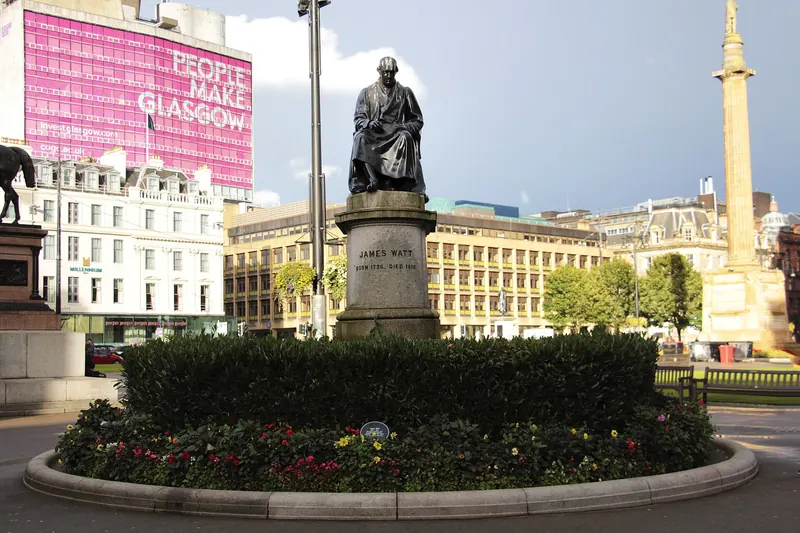
  3. George Square, Glasgow's central civic square

    George Square

    The city's civic heart, ringed by grand Victorian buildings and statues of notable Scots including James Watt.

    Tip A good landmark for getting oriented before exploring the surrounding Merchant City.

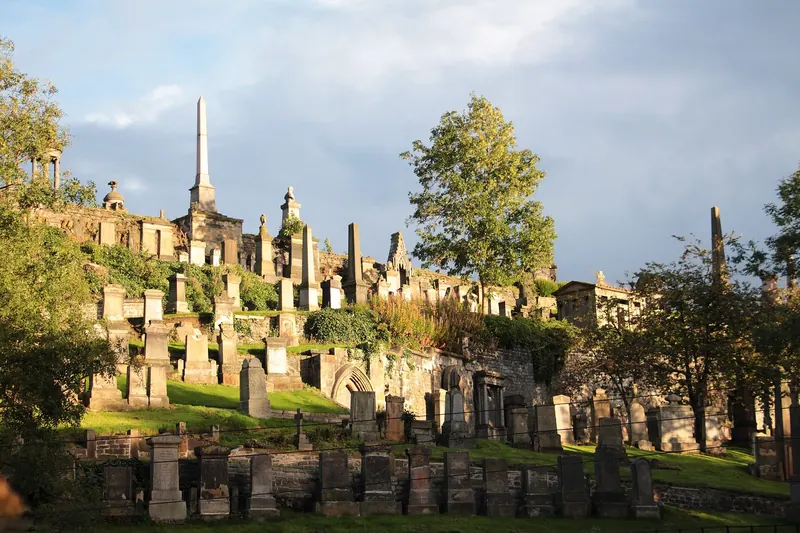
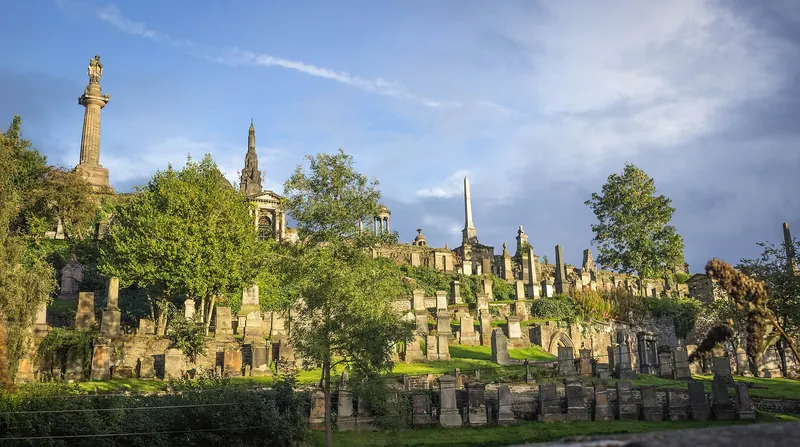
  4. Glasgow Necropolis, a Victorian hilltop cemetery

    Glasgow Necropolis

    A striking Victorian garden cemetery on a hill above the cathedral, its monuments offering sweeping views over the city.

    Tip Free to enter, and especially atmospheric at sunset.

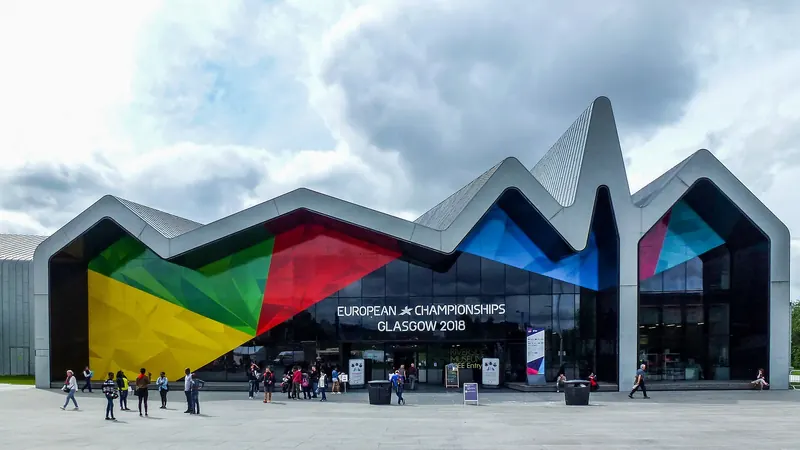
  5. The Riverside Museum on the banks of the River Clyde in Glasgow

    Riverside Museum

    A striking Zaha Hadid-designed building on the Clyde, home to Scotland's transport and travel collection.

    Tip Combine with the historic tall ship Glenlee, moored right outside.

  6. The Glasgow School of Art building

    Glasgow School of Art

    Charles Rennie Mackintosh's most celebrated building, a landmark of Art Nouveau design shaping the city's aesthetic identity.

    Tip Check ahead for guided tour availability, given the building's ongoing restoration history.

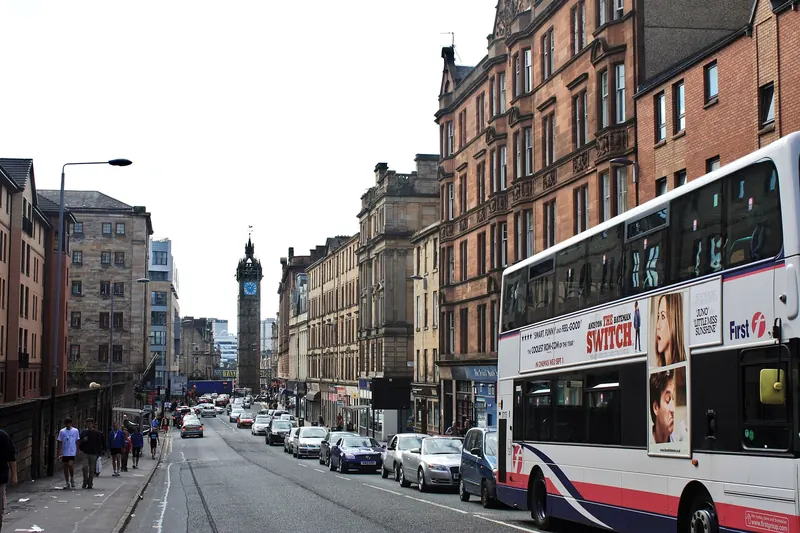
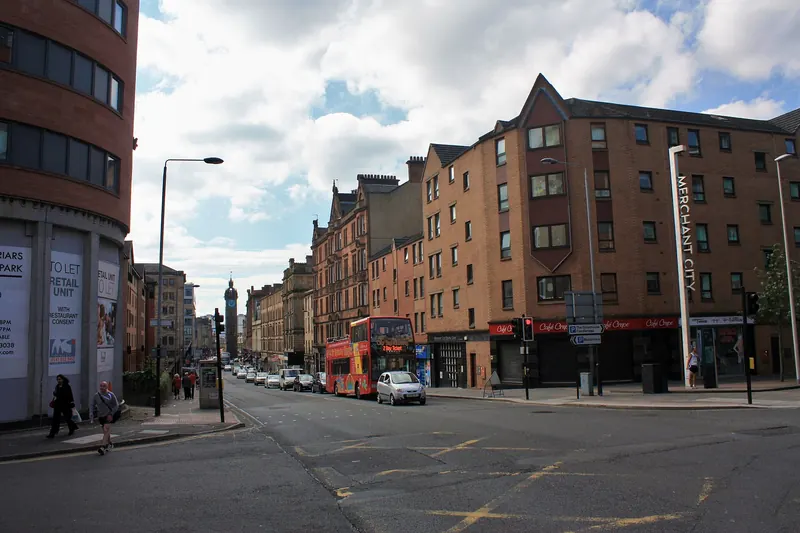
  7. The Victorian streets of Glasgow's Merchant City

    Merchant City

    The city's old trading quarter, now full of independent shops, restaurants and Victorian architecture.

    Tip One of the best areas for a relaxed evening of dinner and a wander.

Things to do

Best things to do in Glasgow

Glasgow rewards mixing its major museums with a wander through its distinct neighbourhoods.

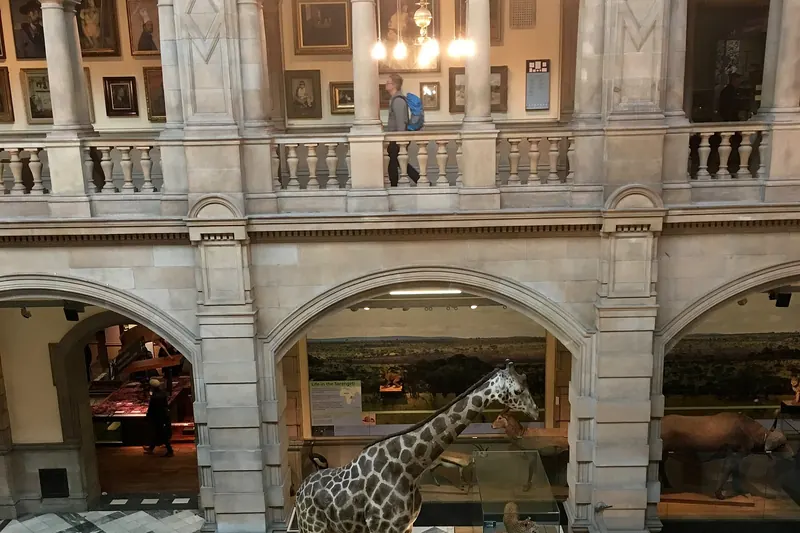
  1. The interior galleries of Kelvingrove Art Gallery and Museum

    Wander Kelvingrove's galleries

    An absorbing few hours, covering everything from Dutch old masters to natural history displays, entirely free.

    Tip Arrive early on weekends — it's one of Scotland's most popular free attractions.

  2. Views over Glasgow from the Necropolis hilltop

    Climb the Necropolis for skyline views

    A rewarding half-hour walk among Victorian monuments, ending with sweeping views over the cathedral and city.

    Tip Wear sturdy shoes — the paths can be uneven and occasionally muddy.

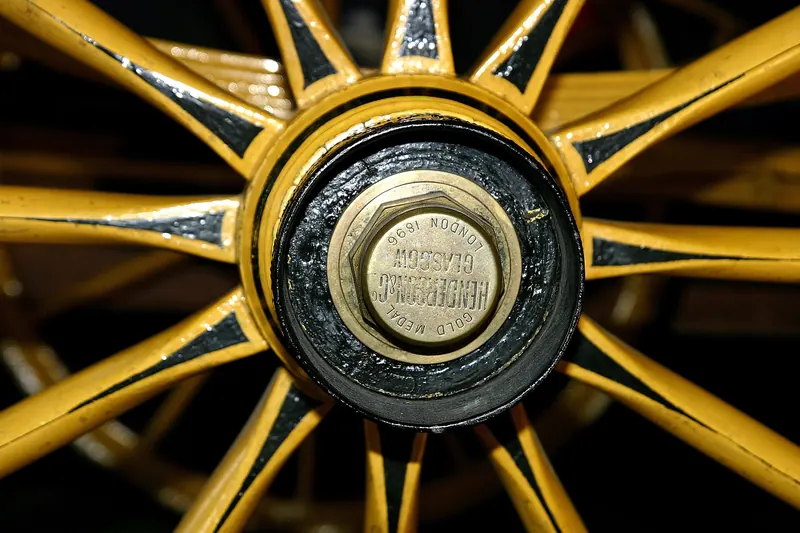
  3. Transport exhibits at the Riverside Museum in Glasgow

    Explore the Riverside Museum's vehicles

    An engaging few hours for any transport enthusiast, from vintage cars to a full recreated 1930s street.

    Tip Free to enter, with the historic tall ship Glenlee included nearby.

  4. The historic streets of Glasgow's Merchant City

    Stroll Merchant City's Victorian streets

    A relaxed evening spent browsing independent shops and restaurants along the old trading quarter's grand streets.

    Tip A good area to find dinner away from the busiest tourist streets.

  5. The statue of James Watt in George Square, Glasgow

    Photograph George Square

    An easy stop between sights, ringed by grand Victorian civic buildings and notable statues.

    Tip Check for seasonal events — the square regularly hosts markets and festivals.

  6. Catch live music in the city

    An essential part of a Glasgow visit, with venues across the city hosting live acts most nights of the week.

    Tip Check listings ahead — the scene here is renowned well beyond Scotland.

Local food

What to eat in Glasgow

Glasgow's food spans serious modern Scottish dining and simple, hearty pub classics at every price point.

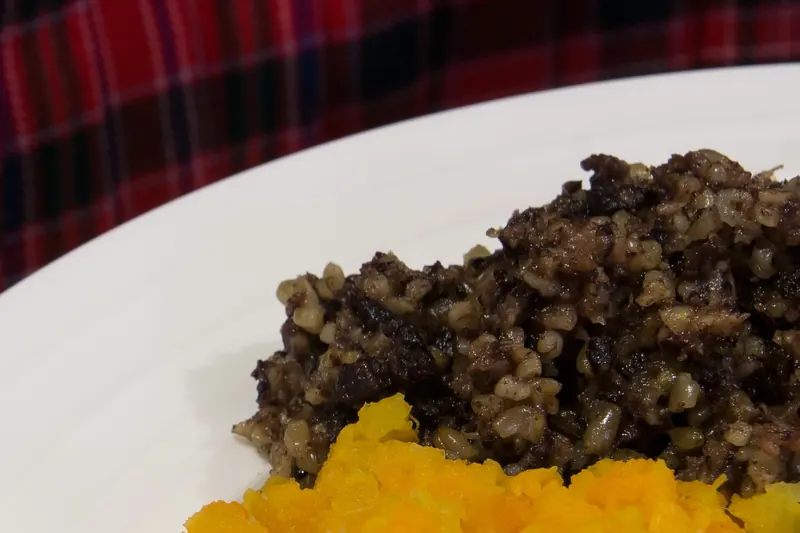
  • Haggis served with neeps and tatties, Scotland's national dish

    Haggis, neeps and tatties

    Worth trying at a proper restaurant, Scotland's national dish served across the city at every price point.

    Where to try it Traditional restaurants and pubs throughout the city centre.

  • A bottle of single malt Scotch whisky

    Scotch whisky

    Well served in Glasgow's traditional pubs, with a serious whisky bar scene to match.

    Where to try it Whisky bars and traditional pubs throughout the city.

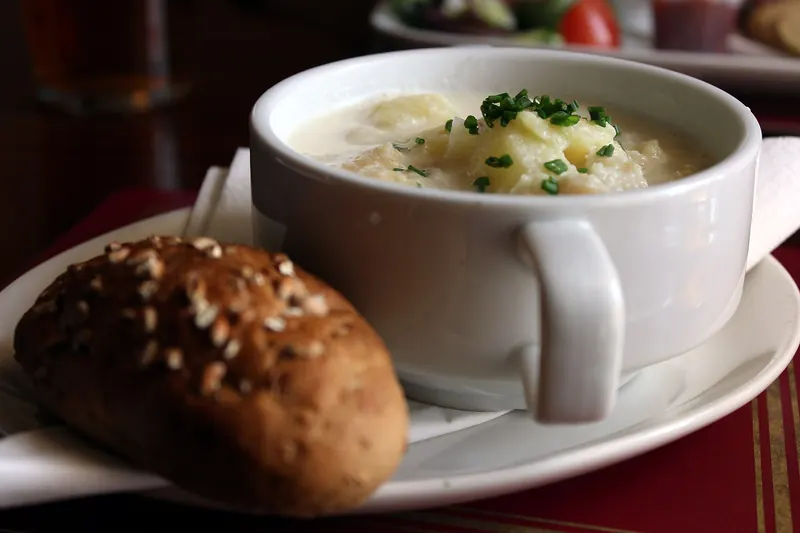
  • Cullen skink, a traditional Scottish smoked haddock soup

    Cullen skink

    A warming choice on menus across the city, a rich, smoky soup of haddock and potato.

    Where to try it Traditional restaurants and pubs throughout Glasgow.

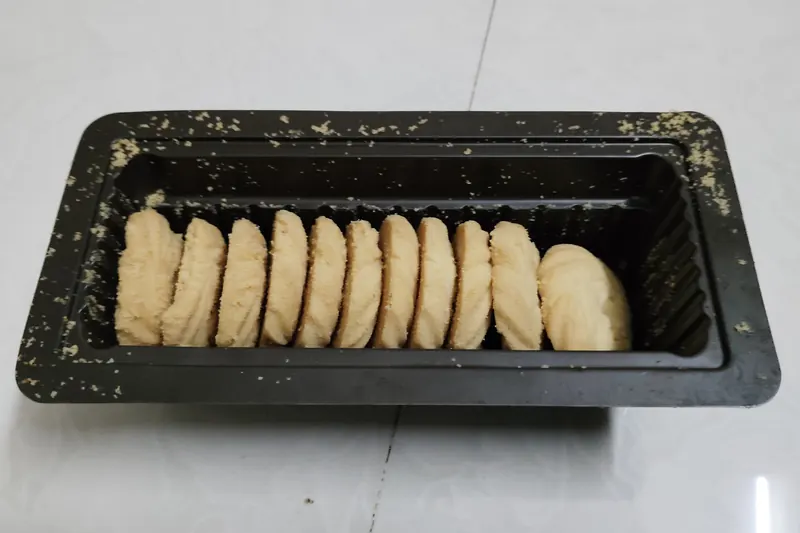
  • Traditional Scottish shortbread biscuits

    Scottish shortbread

    An essential Glasgow café treat, simple and buttery, found in bakeries across the city.

    Where to try it Bakeries and cafés throughout the city centre.

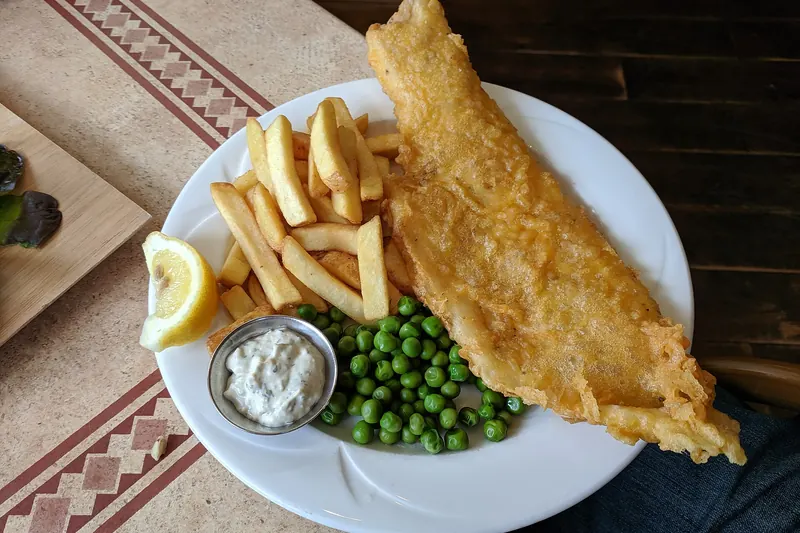
  • A plate of fish and chips

    Fish and chips

    A reliable classic, sold at chippers across the city, especially popular after a night out.

    Where to try it Chip shops citywide, particularly in the West End.

  • Bottles of Irn-Bru, Scotland's beloved soft drink

    Irn-Bru

    A beloved Scottish institution, a bright orange, distinctively flavoured soft drink found everywhere.

    Where to try it Shops, cafés and pubs citywide.

Accommodation

Where to stay in Glasgow

Glasgow offers accommodation across every budget, concentrated within a compact, walkable city centre.

  • City centre

    The most convenient base, close to George Square, Merchant City and the main train stations.

    Best for: Being central and walkable to major sights

  • The West End

    Close to Kelvingrove and the university, with excellent cafés and a livelier evening scene.

    Best for: A more relaxed, local neighbourhood feel

What a night costs

Hostel or guesthouse
£30–60 per night
Mid-range hotel
£95–180 per night
Riverside Museum entry
Free
Dinner at a mid-range restaurant
About £20–35 per person

Transport

Getting to and around Glasgow

Glasgow is well connected by air and rail, one of Scotland's two main international gateways.

Getting there

  • Flight to Glasgow Airport

    Most international routes into western Scotland land here, about 20 minutes from the city centre.

    A frequent express bus connects the airport to central Glasgow.

  • Intercity train

    Fast and direct from Edinburgh, Stirling and Inverness.

    Glasgow Central and Queen Street stations both sit right in the city centre.

  • Intercity bus

    A budget-friendly option from across the UK.

    Buchanan Bus Station sits a short walk from the city centre.

Getting around

Glasgow is compact enough to explore mostly on foot, with good public transport for the rest.

  • On foot

    Covers the city centre and Merchant City easily.

    Central Glasgow's main sights sit within a comfortable walking radius of each other.

  • The Subway

    A quick, simple way to reach the West End and Kelvingrove.

    Scotland's only underground metro system, small and easy to navigate.

  • Buses

    Reliable for reaching the Riverside Museum and other outer sights.

    Frequent services cover the wider city well.

When to go

Best time to visit Glasgow

Glasgow's museum-heavy, walkable character makes it a viable destination in any season.

  • Late spring (May–June)

    Best time

    Mild weather and long daylight hours, with fewer crowds than midsummer.

  • Summer (July–August)

    Good

    The warmest and busiest season, with festivals and outdoor events.

  • Autumn (September–October)

    Good

    Mild with thinner crowds than summer.

  • Winter (November–February)

    Good

    Short days and frequent rain, though atmospheric, with cosy pubs and lower prices.

Worth planning around: Nothing strongly — Glasgow's museum-rich, compact character makes it a workable destination in any season.

Itinerary

Two days in Glasgow

Built around Kelvingrove and the West End on day one, the city's Victorian core on day two.

  1. Day1

    Kelvingrove and the West End

    Kelvingrove, the Riverside Museum and the West End.

    • Morning Kelvingrove Art Gallery and Museum.
    • Afternoon The Riverside Museum and the tall ship Glenlee.
    • Evening Dinner in the West End.
  2. Day2

    The Victorian core

    Glasgow Cathedral, the Necropolis and Merchant City.

    • Morning Glasgow Cathedral and the Necropolis.
    • Afternoon George Square and Merchant City.
    • Evening Live music and a final dinner in the city.

Travel tips

Glasgow travel tips

Practical notes that make a Glasgow stay noticeably smoother.

  • Visit Kelvingrove early on weekends to beat the crowds.
  • Take the Subway for a quick, easy hop between the city centre and the West End.
  • Budget for variable restaurant prices — Glasgow spans everything from cheap eats to fine dining.
  • Wear comfortable shoes — Glasgow's compact centre still adds up to real walking distances.
  • Check live music listings ahead — the scene here draws visitors in its own right.
  • Pack a proper waterproof layer regardless of season — Glasgow's weather shifts fast.

FAQ

Glasgow: frequently asked questions

How many days do you need in Glasgow?

Two days covers the major museums and sights at a comfortable, unrushed pace.

Is Glasgow worth visiting before heading to the Highlands?

Yes — its museums add real cultural context, and it's the natural gateway for trains and rental cars heading north.

Is Glasgow expensive?

Moderately, on par with other major UK cities — its many free museums help keep costs down.

Is Glasgow walkable?

Yes — most major sights sit within a comfortable walk of the city centre, with a simple Subway for the rest.

What is Glasgow famous for?

Its world-class free museums, Victorian and Art Nouveau architecture, and a legendary live music scene.

Is Glasgow safer or better than Edinburgh for a first visit?

Both are safe and welcoming — Glasgow offers a grittier, more underrated cultural scene, while Edinburgh leans more historic and picturesque. Many visitors combine both.

Read next

Related travel articles

Where to go

Beyond the Big Names: Places Worth the Detour

The most visited place in a country is rarely its best, and it is almost never its best value. This is a method for finding the destinations that do not make the postcards — and a set of examples from five of the 50 countries on this site.

Transport

Getting Around Europe by Train

European rail is excellent and confusing — six national operators, three completely different pricing models, and a rail pass that is either a bargain or a waste depending on where you are going. Here is how to work out which.

Advertisement