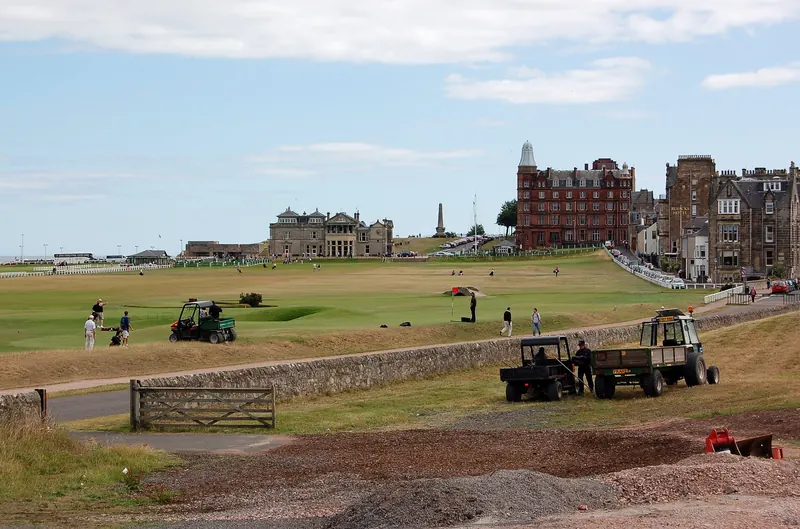









The Old Course at St Andrews, the home of golf

Fife · Scotland

St Andrews

The home of golf and one of Scotland's oldest universities, a small, windswept coastal town with an outsized place in history.

  • Best time May to September for the best weather, though St Andrews works well year-round
  • Stay 1-2 days
  • Good for Golf history, university towns, coastal walks

Photo: Bahnfrend · CC BY-SA 4.0

Welcome to St Andrews

St Andrews is known worldwide as the home of golf, its Old Course a place of pilgrimage for players long before most visitors ever set foot in the small Fife town surrounding it.

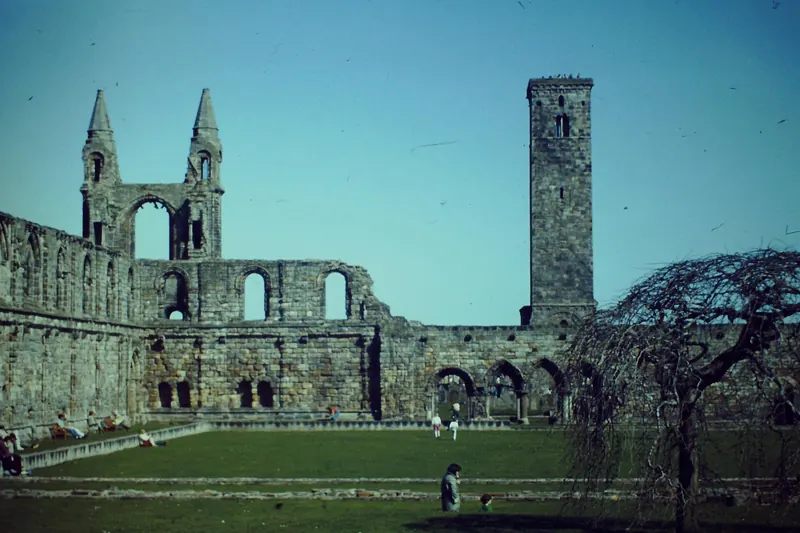
That single reputation undersells the place — St Andrews is also home to Scotland's oldest university, founded in 1413, and the substantial ruins of what was once the largest cathedral in Scotland, a reminder of the town's earlier role as the country's religious capital.

Most visitors spend a day or two here, walking the Old Course's famous Swilcan Bridge, the cathedral ruins and the windswept West Sands beach, all within a compact, walkable town centre.

  • History
  • Culture
  • Coast & Beaches
  • Golf

Why visit

Why visit St Andrews?

St Andrews' case rests on being the literal birthplace of golf, layered with deep medieval and academic history.

  • It's the birthplace of golf

    The Old Course has been played since the 15th century, making it the sport's spiritual home.

  • The cathedral ruins are substantial

    Once Scotland's largest cathedral, its remains still convey real scale and grandeur.

  • The university is Scotland's oldest

    Founded in 1413, with a beautiful, historic campus woven through the town itself.

  • West Sands beach is famous beyond golf

    Its opening scene in Chariots of Fire made it recognisable well beyond Scotland.

  • It's compact and walkable

    Every major sight sits within a comfortable walk of the town centre.

Main attractions

Top things to see in St Andrews

St Andrews' essential sights combine the literal home of golf with substantial medieval and academic history.

  1. The Old Course at St Andrews

    The Old Course

    The oldest golf course in the world, played since the 15th century and still a working public course today.

    Tip A public right of way crosses parts of the course — you can walk sections even without playing.

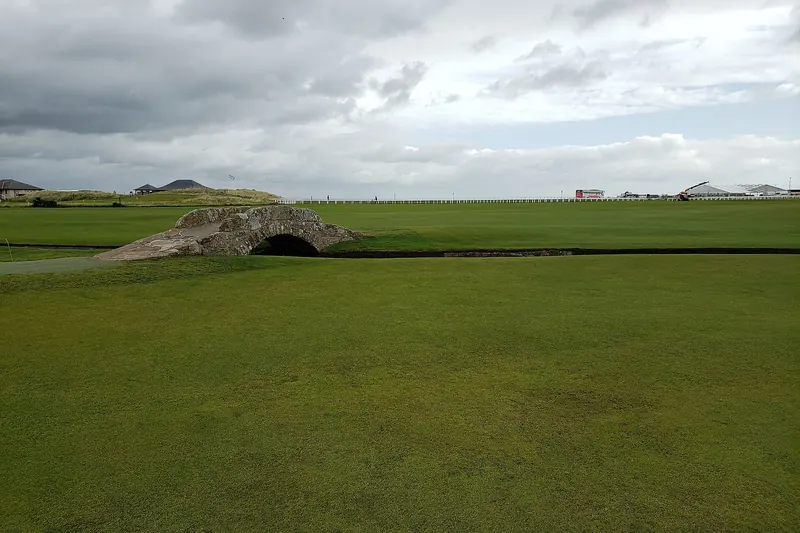
  2. The Swilcan Bridge on the Old Course at St Andrews

    Swilcan Bridge

    Golf's most iconic crossing, a small stone bridge photographed by generations of the sport's greatest players on their final round.

    Tip Early morning offers the best chance of an uncrowded photo.

  3. The ruins of St Andrews Cathedral

    St Andrews Cathedral ruins

    Once the largest cathedral in Scotland, its substantial ruins still convey real scale from the town's medieval religious importance.

    Tip Climb St Rule's Tower, included with entry, for sweeping views over the town and coast.

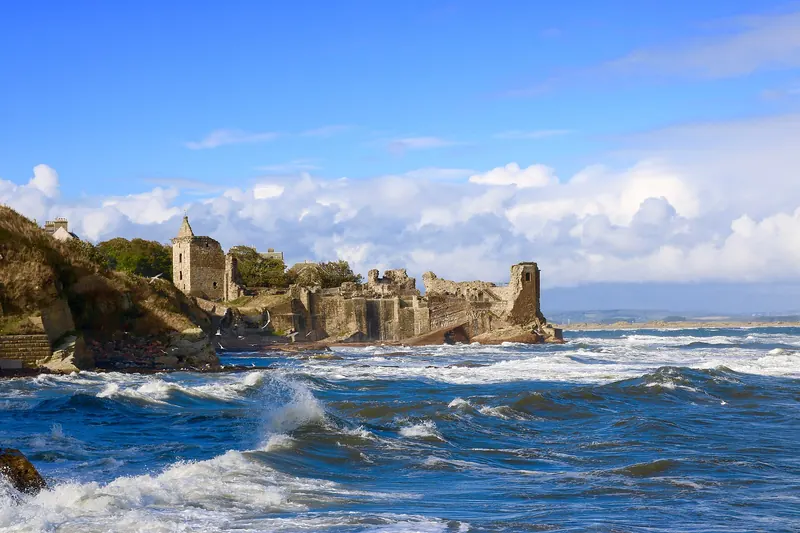
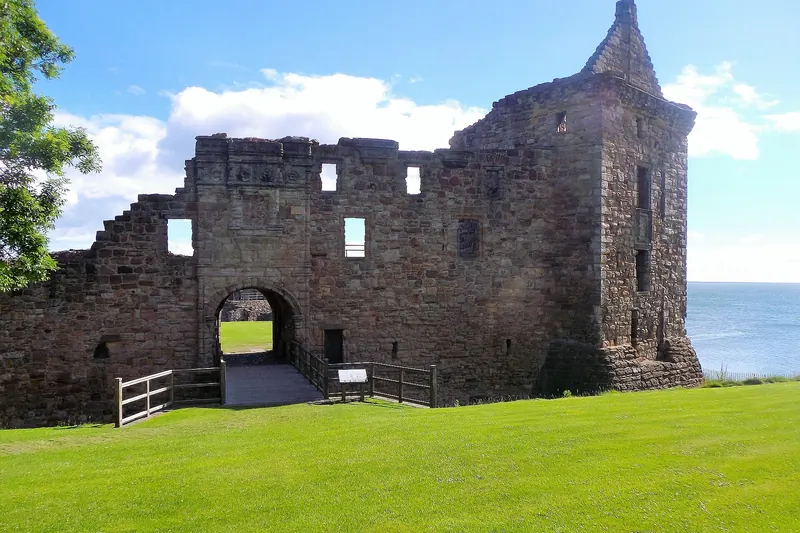
  4. The ruins of St Andrews Castle overlooking the coast

    St Andrews Castle

    A dramatic clifftop ruin with a real, gruesome history, including a rare survivable siege tunnel and bottle dungeon.

    Tip The siege tunnel and mine are a highlight, included with the standard entry ticket.

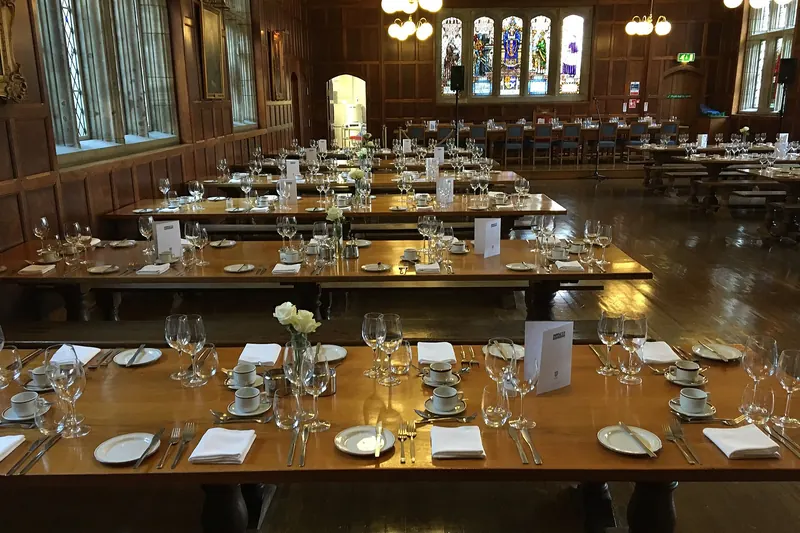
  5. The historic buildings of the University of St Andrews

    The University of St Andrews

    Scotland's oldest university, founded in 1413, its historic buildings woven throughout the town centre itself.

    Tip Free walking tours of the historic campus run regularly in season.

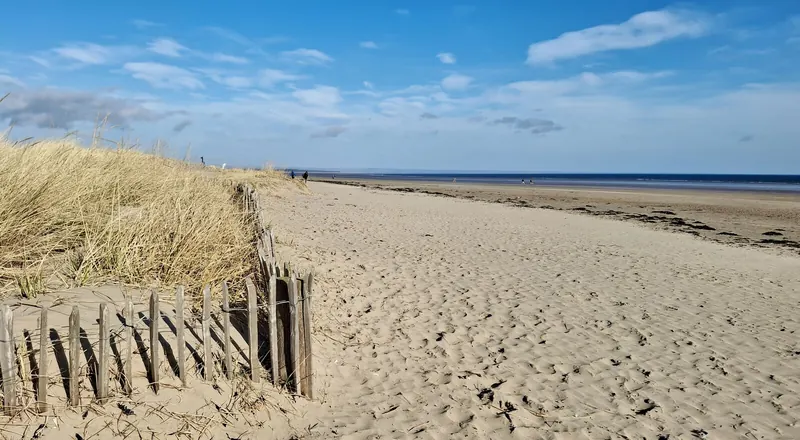
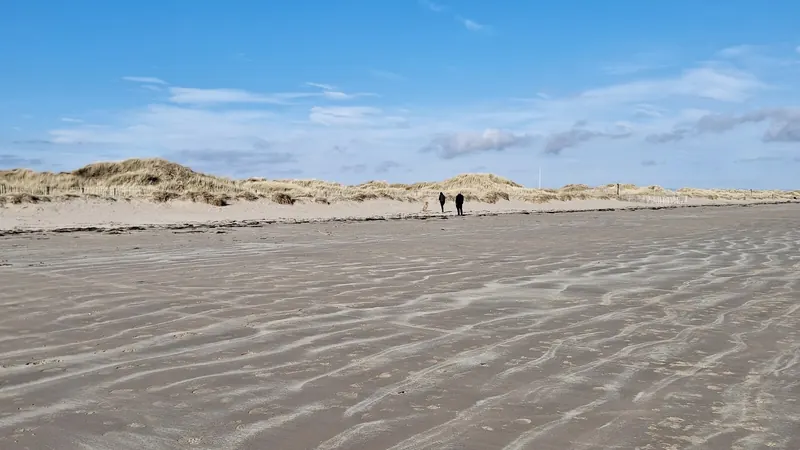
  6. West Sands Beach at St Andrews

    West Sands Beach

    A wide, windswept beach made famous by its opening scene in Chariots of Fire, backing directly onto the Old Course.

    Tip A bracing but rewarding walk any time of year, not just in summer.

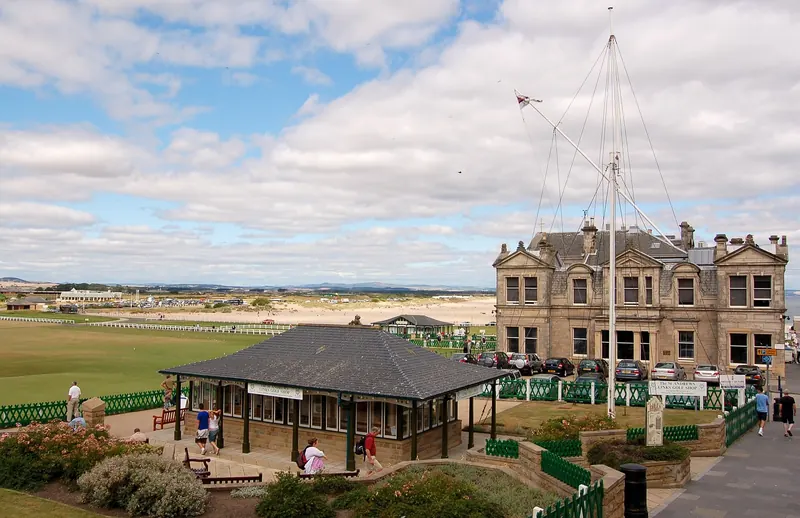
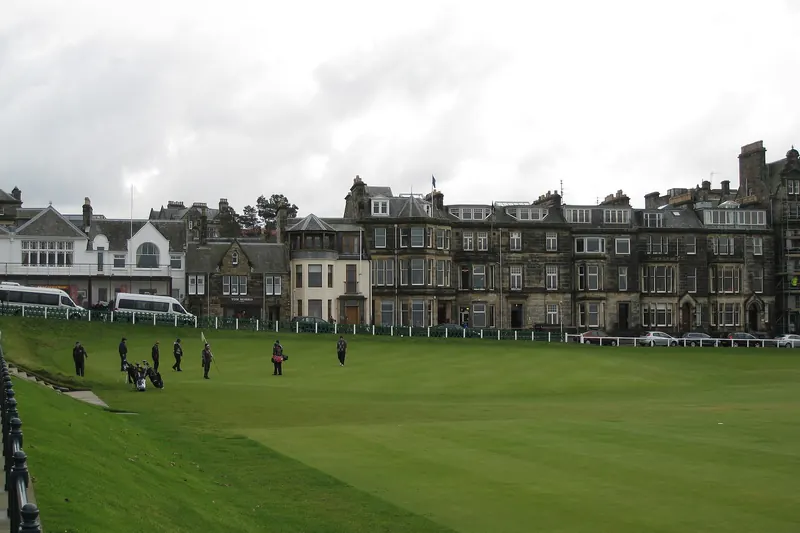
  7. The R&A Clubhouse overlooking the Old Course

    The R&A Clubhouse

    Golf's spiritual headquarters, the historic clubhouse overlooking the Old Course's first tee and Swilcan Bridge.

    Tip One of the most-photographed buildings in golf, even without stepping inside.

Things to do

Best things to do in St Andrews

St Andrews rewards mixing its golf history with its substantial medieval ruins and coastal walks.

  1. Walking a public path across the Old Course at St Andrews

    Walk a public section of the Old Course

    A rare privilege for a working championship course, with a public right of way crossing several holes.

    Tip Check playing hours — the path is open to the public on Sundays and certain other times.

  2. The Swilcan Bridge on the Old Course at St Andrews

    Photograph the Swilcan Bridge

    An essential stop for any golf fan, standing where generations of the sport's greatest names have posed for their own photos.

    Tip Early morning or evening avoids the busiest crowds near the first tee.

  3. Exploring the ruins of St Andrews Cathedral

    Explore the cathedral ruins

    A worthwhile hour, wandering what remains of Scotland's largest medieval cathedral above the harbour.

    Tip Climb St Rule's Tower for the best views in town, weather permitting.

  4. Walking along West Sands Beach at St Andrews

    Walk West Sands Beach

    A bracing, scenic walk along the wide beach made famous by Chariots of Fire's opening scene.

    Tip Combine with a coffee stop in town afterward to warm up.

  5. Historic university buildings in St Andrews

    Wander the historic university streets

    A pleasant way to spend an hour, exploring Scotland's oldest university woven through the town's medieval streets.

    Tip Join a free student-led walking tour for real insider context.

  6. Exploring the ruins of St Andrews Castle

    Explore St Andrews Castle's dungeon and tunnel

    A hands-on historic experience, crawling through a rare surviving siege mine and tunnel beneath the castle.

    Tip Not for the claustrophobic — the tunnel section is narrow and low.

Local food

What to eat in St Andrews

St Andrews' food spans serious modern Scottish dining and simple, hearty coastal classics.

  • Haggis served with neeps and tatties, Scotland's national dish

    Haggis, neeps and tatties

    A worthwhile classic, found on menus throughout the town at every price point.

    Where to try it Traditional restaurants and pubs throughout St Andrews.

  • A plate of fish and chips

    Fish and chips

    An essential coastal classic, best eaten on a bench overlooking the harbour or West Sands.

    Where to try it Chip shops throughout the town centre.

  • Cullen skink, a traditional Scottish smoked haddock soup

    Cullen skink

    A warming choice after a bracing walk along West Sands.

    Where to try it Restaurants and pubs throughout St Andrews.

  • A bottle of single malt Scotch whisky

    Scotch whisky

    Well served in the town's traditional pubs, popular among the golfing crowd after a round.

    Where to try it Traditional pubs throughout St Andrews.

  • Traditional Scottish shortbread biscuits

    Scottish shortbread

    A simple, buttery treat found in cafés throughout the historic town centre.

    Where to try it Bakeries and cafés throughout St Andrews.

  • Scottish salmon

    Excellent, sourced from Scotland's rivers and coastal waters.

    Where to try it Restaurants throughout St Andrews.

Accommodation

Where to stay in St Andrews

St Andrews offers accommodation across every budget, concentrated within a compact, walkable town centre.

  • Town centre

    The most convenient base, close to the Old Course, cathedral and university.

    Best for: Being central and walkable to every sight

  • Near West Sands

    A short walk from the town centre, with easy access to the beach and Old Course.

    Best for: A quieter, beach-adjacent stay

What a night costs

Guesthouse or B&B
£45–90 per night
Mid-range hotel
£110–200 per night
St Andrews Castle and Cathedral combined ticket
About £11
Dinner at a mid-range restaurant
About £25–40 per person

Transport

Getting to and around St Andrews

St Andrews is well connected by road and bus, though it has no train station of its own.

Getting there

  • Flight to Edinburgh Airport

    The closest major airport, about an hour and a half's drive.

    Well connected internationally, making it the practical arrival point for most visitors.

  • Train to Leuchars, then bus or taxi

    The nearest station, a short onward connection from the main east coast line.

    Regular buses and taxis cover the final few kilometres into St Andrews.

  • Rental car

    Convenient if combining St Andrews with a wider Fife or Highlands trip.

    About an hour and a half from Edinburgh by road.

Getting around

St Andrews is compact enough to explore entirely on foot.

  • On foot

    Covers the Old Course, cathedral, castle and university easily.

    The entire town centre is walkable in well under an hour, end to end.

  • Local taxis

    Useful for reaching accommodation slightly outside the centre.

    Rarely needed for sightseeing, given the compact town centre.

When to go

Best time to visit St Andrews

St Andrews' compact, museum-and-ruin-heavy character makes it a viable visit in any season.

  • Late spring (May–June)

    Best time

    Mild weather and thinner crowds than midsummer, good for both golf and walking.

  • Summer (July–August)

    Good

    The warmest and busiest season, including major golf tournament periods on occasion.

  • Autumn (September–October)

    Good

    Mild with thinner crowds than summer.

  • Winter (November–February)

    Good

    Short days and frequent wind and rain, though atmospheric, with far fewer visitors.

Worth planning around: Nothing strongly — St Andrews' compact, ruin-and-museum-rich character makes it workable in any season.

Itinerary

One day in St Andrews

A single, well-paced day covering the Old Course, the cathedral ruins and the beach.

  1. Day1

    Golf and medieval history

    The Old Course, the cathedral ruins and West Sands.

    • Morning The Old Course, Swilcan Bridge and the R&A Clubhouse.
    • Afternoon St Andrews Cathedral and Castle ruins.
    • Evening A walk along West Sands, then dinner in town.

Travel tips

St Andrews travel tips

Practical notes that make a St Andrews visit noticeably smoother.

  • Check Old Course playing hours if hoping to walk the public right of way.
  • Visit early morning for the best photos at the Swilcan Bridge, before crowds build.
  • Buy a combined ticket for the cathedral and castle to save on entry costs.
  • Wear comfortable shoes for the town's cobbled medieval streets.
  • Pack a proper windproof layer for West Sands, which lives up to its bracing reputation.
  • Book accommodation ahead during major golf tournament periods.

FAQ

St Andrews: frequently asked questions

How many days do you need in St Andrews?

One day covers the Old Course, cathedral and castle comfortably; an overnight allows a more relaxed pace.

Can you play golf on the Old Course?

Yes, though tee times are highly sought after and often require booking many months ahead or entering a ballot.

Do you need to golf to enjoy St Andrews?

No, not — the cathedral ruins, castle, university and beach are all worthwhile regardless of interest in golf.

What is St Andrews known for?

As the home of golf, alongside Scotland's oldest university and substantial medieval cathedral ruins.

Is St Andrews walkable?

Yes, very — the entire town centre sits within a comfortable walk, with no car needed for sightseeing.

Can you visit St Andrews as a day trip from Edinburgh?

Yes — it's about an hour and a half's drive, making it a workable, if full, day trip.

Read next

Related travel articles

Where to go

Beyond the Big Names: Places Worth the Detour

The most visited place in a country is rarely its best, and it is almost never its best value. This is a method for finding the destinations that do not make the postcards — and a set of examples from five of the 50 countries on this site.

Heritage

UNESCO Sites Worth Planning a Trip Around

A UNESCO listing tells you a place matters; it does not tell you whether it is worth two days and a detour. This is how to read the list usefully — and which sites reward building a trip around them.

Advertisement