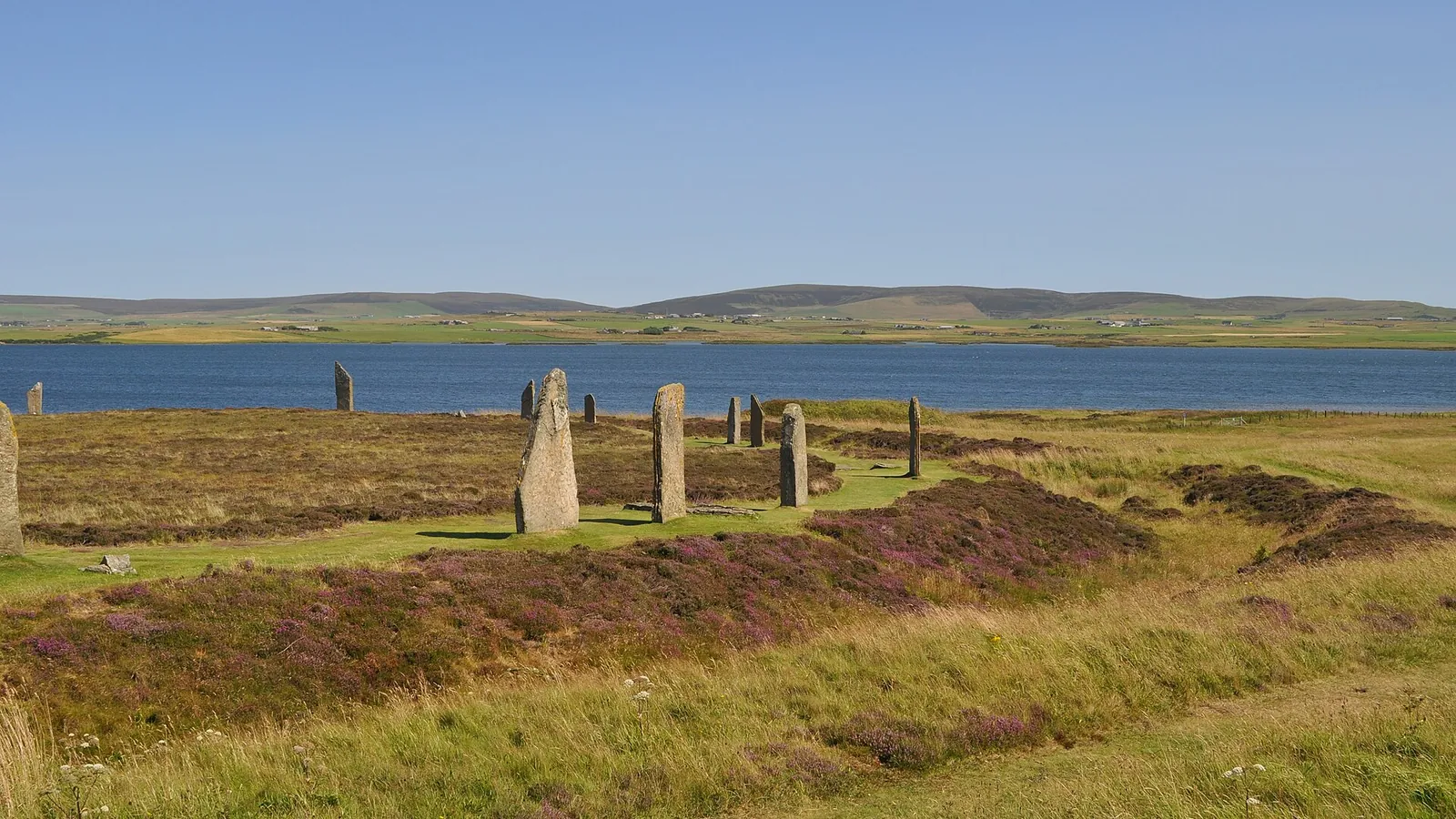
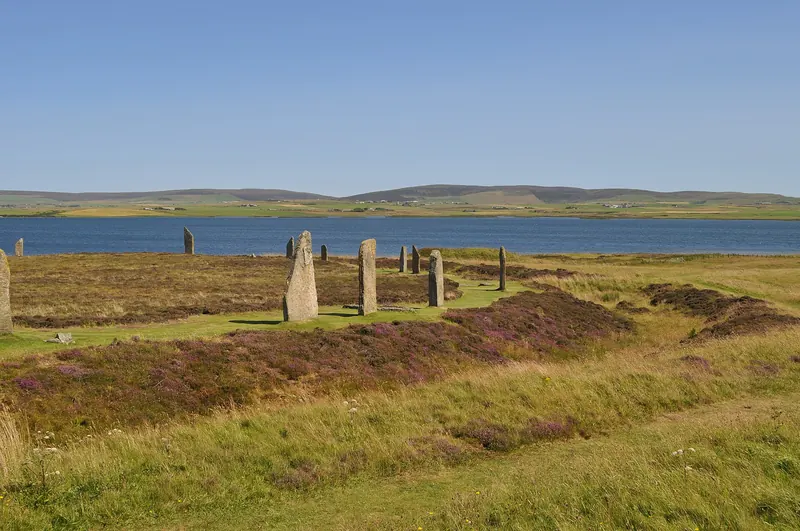
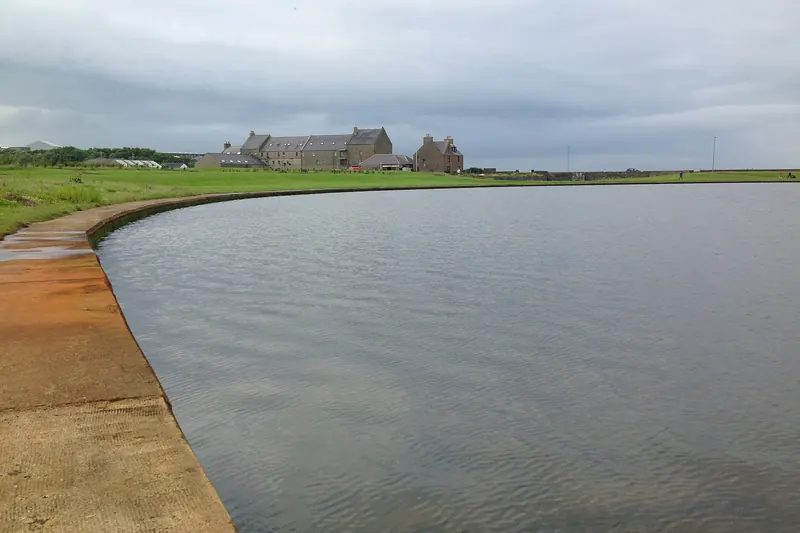
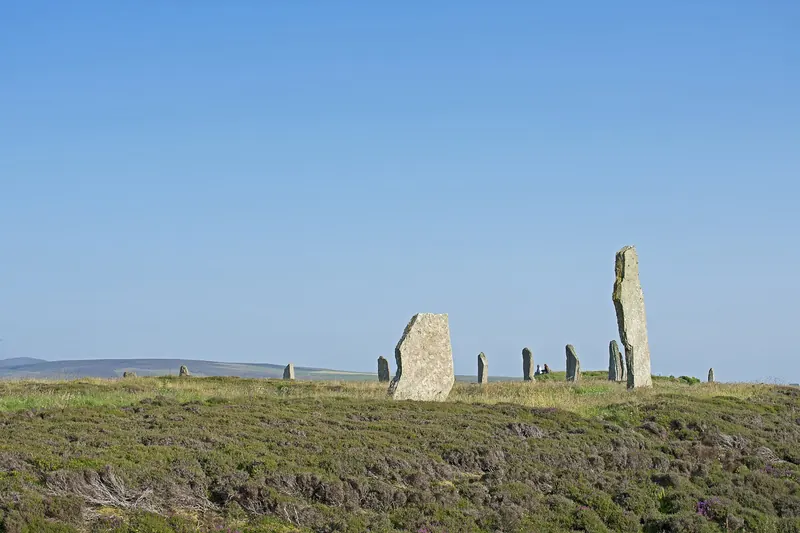
The Ring of Brodgar stone circle on Orkney

Northern Isles · Scotland

The Orkney Islands

A remote archipelago holding one of the world's densest concentrations of Neolithic monuments, older than Stonehenge and the pyramids alike.

  • Best time May to September for the best weather and longest daylight
  • Stay 2-3 days
  • Good for Ancient history, remote island travel, archaeology

Photo: Stevekeiretsu · CC BY-SA 3.0

Welcome to the Orkney Islands

Orkney is one of the most archaeologically significant places on Earth, a remote northern archipelago holding one of the world's densest concentrations of Neolithic monuments, many still remarkably intact.

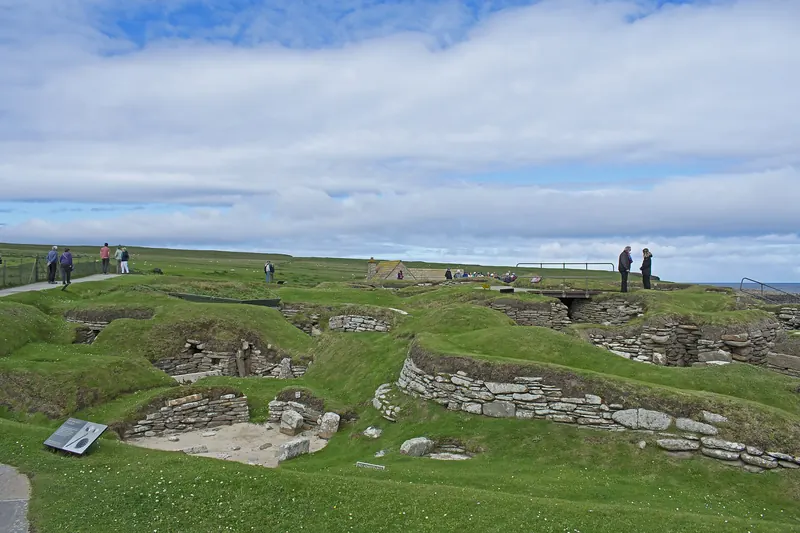
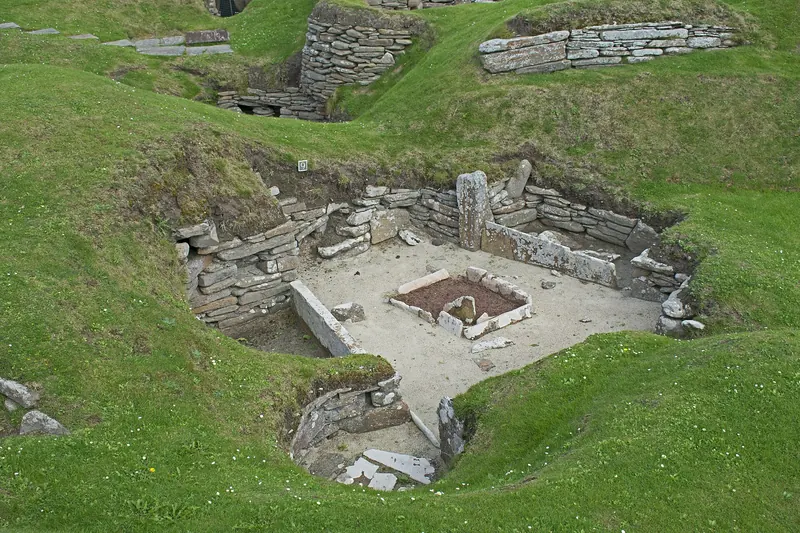
Skara Brae, its most famous site, is older than Stonehenge and the Egyptian pyramids, a Stone Age village so well preserved that its stone furniture still stands in place after being buried in sand for thousands of years.

Most visitors base themselves in Kirkwall, Orkney's small capital, using it to explore a UNESCO World Heritage core of ancient sites within a short drive, alongside more recent history at the poignant Italian Chapel.

  • History
  • Island
  • Culture
  • Remote

Why visit

Why visit the Orkney Islands?

Orkney's case rests on being one of the most important prehistoric landscapes anywhere in the world.

  • Skara Brae is older than Stonehenge

    A remarkably intact Neolithic village, its stone furniture still standing after 5,000 years.

  • The Ring of Brodgar is one of Britain's great stone circles

    A vast Neolithic monument on a narrow strip of land between two lochs.

  • Maeshowe is a masterpiece of ancient engineering

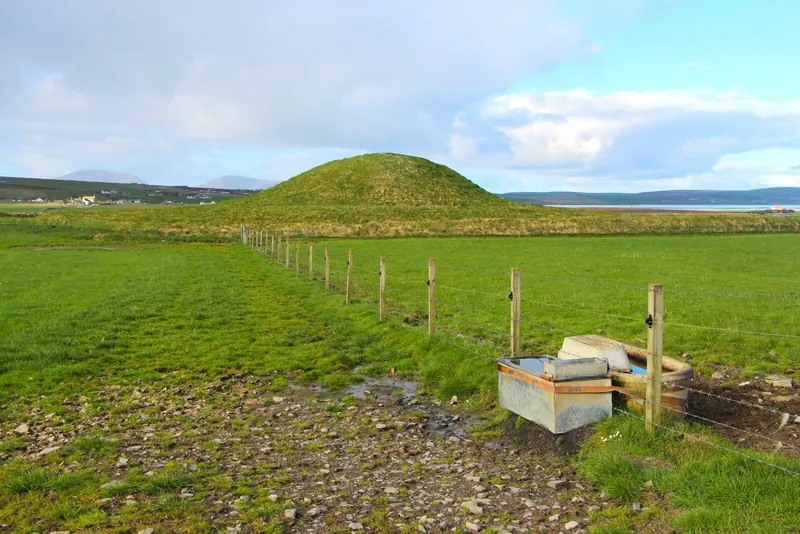
    A chambered cairn precisely aligned to the winter solstice sunset.

  • The Italian Chapel is a moving piece of more recent history

    Built by WWII prisoners of war from a Nissen hut and scrap materials.

  • It rewards visitors willing to travel further north

    A real sense of remoteness and discovery, even for well-travelled visitors.

Main attractions

Top things to see in the Orkney Islands

Orkney's essential sights combine world-significant Neolithic monuments with more recent, moving history.

  1. The Neolithic village of Skara Brae on Orkney

    Skara Brae

    Older than Stonehenge and the Egyptian pyramids, a Stone Age village remarkably preserved after millennia buried in sand.

    Tip The visitor centre's replica house lets you handle reconstructions of what the original furniture would have felt like.

  2. The Ring of Brodgar stone circle on Orkney

    The Ring of Brodgar

    One of Britain's largest stone circles, a vast Neolithic monument set dramatically between two lochs.

    Tip Free and unstaffed — visit at sunrise or sunset for a striking atmosphere.

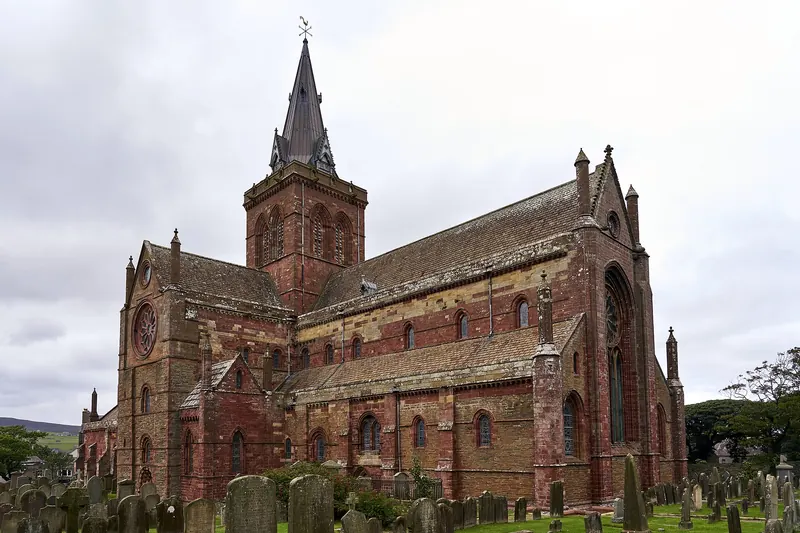
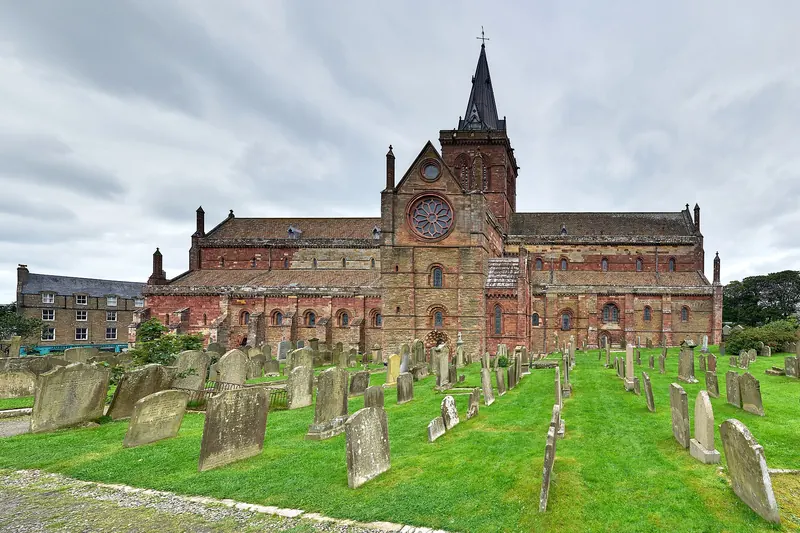
  3. St Magnus Cathedral in Kirkwall, Orkney

    St Magnus Cathedral, Kirkwall

    A striking red sandstone cathedral founded in 1137, still the proud centrepiece of Kirkwall's compact old town.

    Tip Free to enter, with real medieval atmosphere inside its red and yellow sandstone nave.

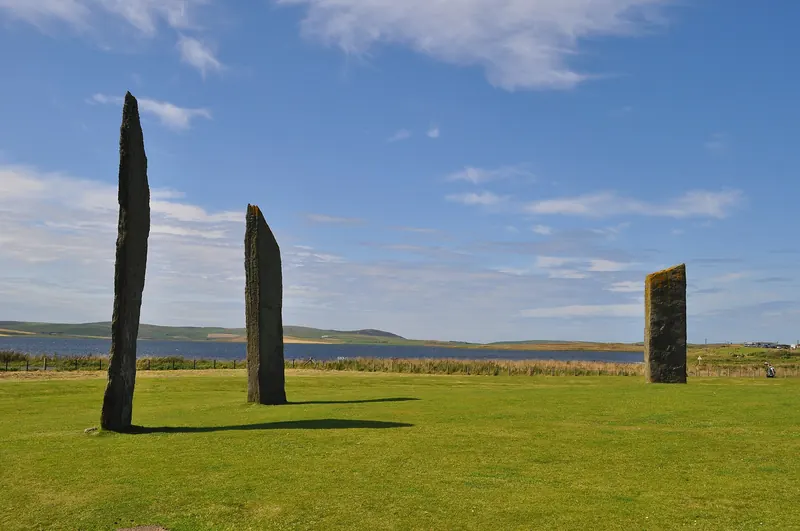
  4. The Standing Stones of Stenness on Orkney

    The Standing Stones of Stenness

    Among the oldest henge monuments in the British Isles, towering stones that predate the nearby Ring of Brodgar.

    Tip Combine with the Ring of Brodgar, since both sit only a short walk or drive apart.

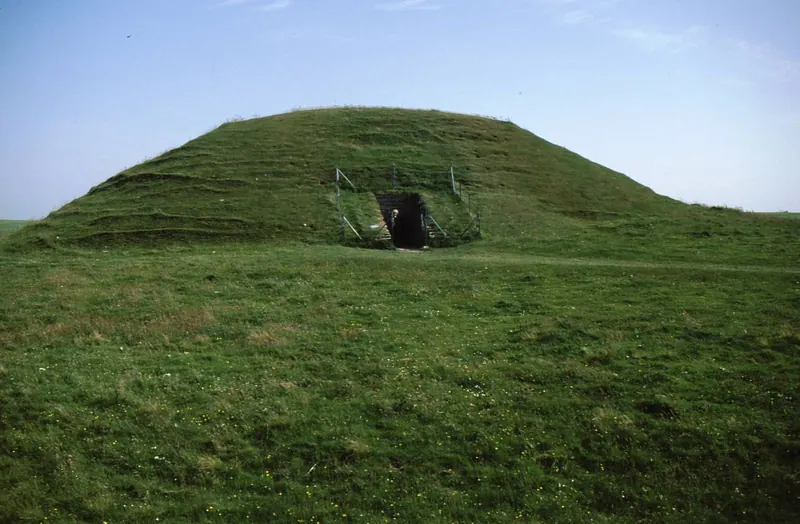
  5. The Maeshowe chambered cairn on Orkney

    Maeshowe

    A masterpiece of Neolithic engineering, a chambered tomb precisely aligned so the winter solstice sunset lights its inner chamber.

    Tip Book a guided tour ahead — entry to the chamber itself is guide-led only.

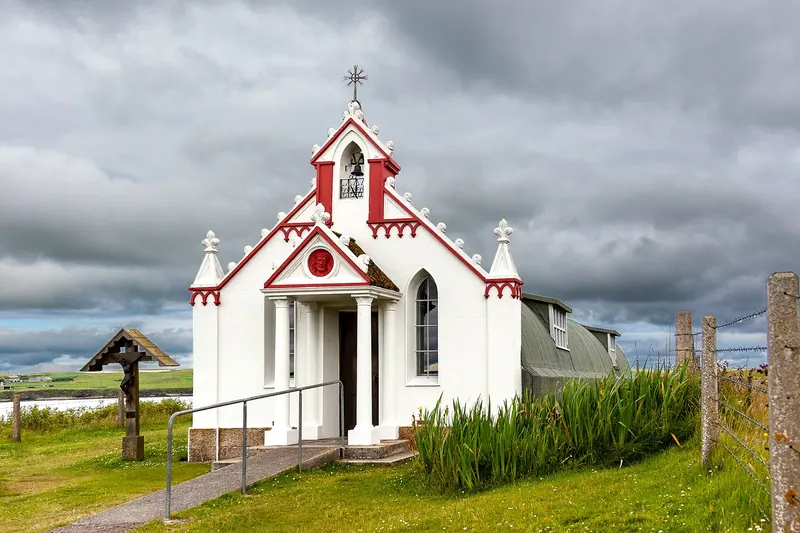
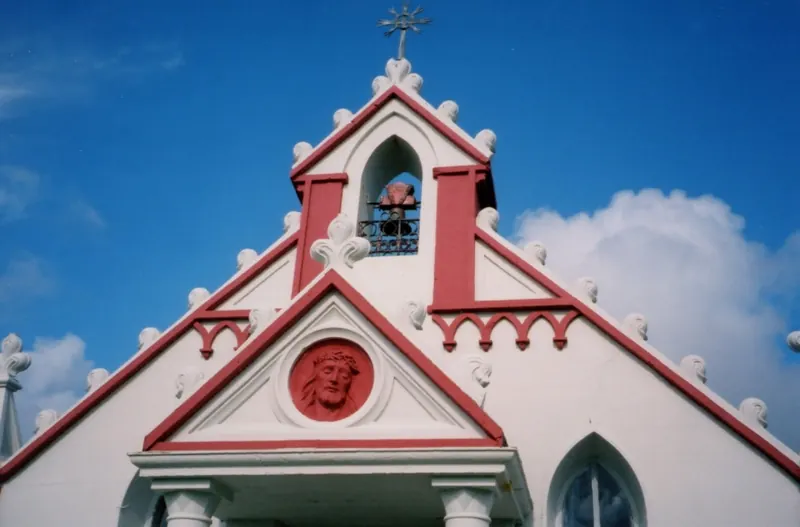
  6. The Italian Chapel on Orkney

    The Italian Chapel

    A deeply moving piece of more recent history, an ornate chapel built by WWII Italian prisoners of war from two Nissen huts.

    Tip The interior's painted details, made from scrap materials, reward a slow, close look.

  7. The town of Kirkwall on Orkney

    Kirkwall

    Orkney's small, historic capital, its narrow flagstone streets anchored by St Magnus Cathedral.

    Tip Well set up as a base, with the widest choice of accommodation and restaurants on the islands.

Things to do

Best things to do in the Orkney Islands

Orkney rewards a slow, unhurried pace, moving between ancient sites within a compact UNESCO World Heritage core.

  1. Walking through the ancient village of Skara Brae

    Explore Skara Brae's ancient village

    An absorbing hour or two, walking among Stone Age houses complete with original stone beds and dressers.

    Tip Combine with nearby Skaill House, a 17th-century mansion included with entry.

  2. Walking among the stones of the Ring of Brodgar

    Walk among the Ring of Brodgar's stones

    A quiet, atmospheric walk around one of Britain's great stone circles, free and open at any hour.

    Tip Visit at sunrise or sunset for the most striking light and atmosphere.

  3. The entrance passage to Maeshowe's ancient chamber

    Enter Maeshowe's ancient chamber

    A rare chance to crawl through a low entrance passage into a still-intact 5,000-year-old burial chamber.

    Tip Book well ahead, especially around the December solstice when demand peaks.

  4. Visiting the Italian Chapel on Orkney

    Visit the Italian Chapel

    A moving half-hour, taking in the ornate interior painted by homesick prisoners of war from salvaged materials.

    Tip Free to enter, though donations toward its upkeep are welcomed.

  5. Exploring the interior of St Magnus Cathedral

    Explore St Magnus Cathedral

    A peaceful stop in Kirkwall, exploring nearly 900 years of continuous religious history.

    Tip Free to enter, with occasional guided tower tours available in season.

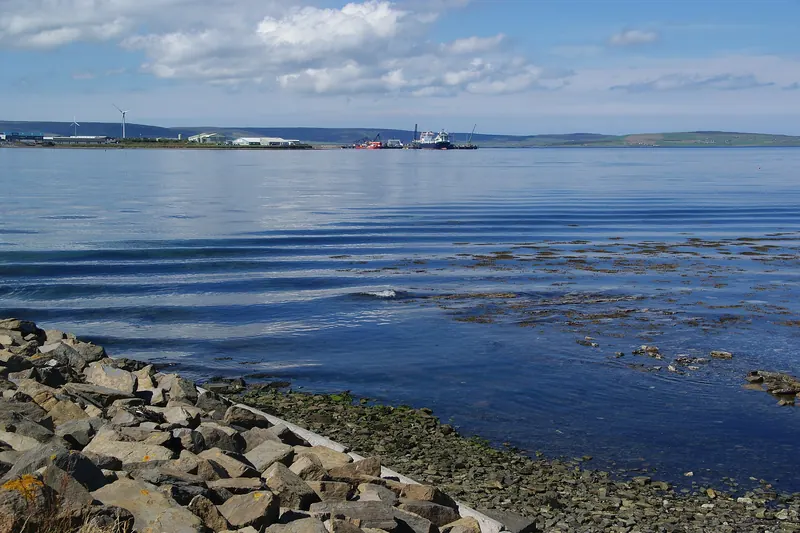
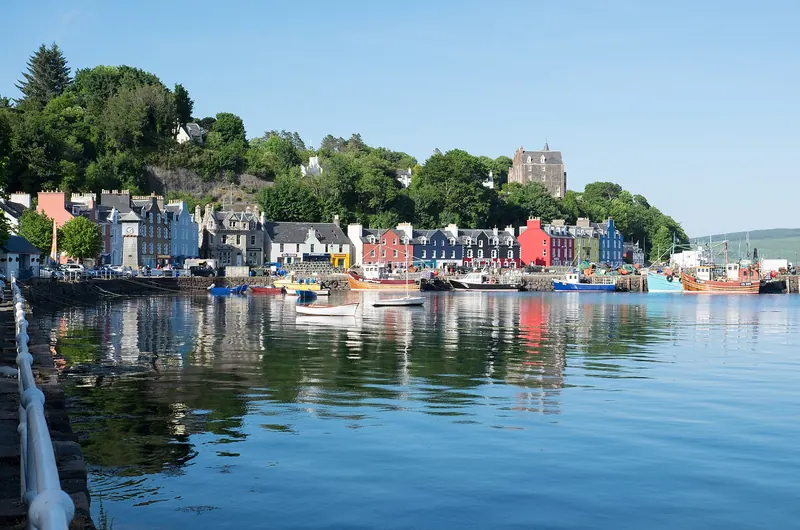
  6. The harbour at Kirkwall on Orkney

    Wander Kirkwall's harbour

    A relaxed way to end a day of ancient sites, watching the boats along Kirkwall's working harbour.

    Tip A good spot to find dinner after a full day exploring the islands.

Local food

What to eat in the Orkney Islands

Orkney's food leans on excellent local seafood, beef and cheese, reflecting the islands' rich farming and fishing tradition.

  • Orkney cheese

    Well regarded nationally, distinctive cheddar-style cheese made from the islands' own dairy herds.

    Where to try it Farm shops and delis throughout Kirkwall.

  • Fresh Orkney crab

    Excellent, landed straight from the surrounding North Atlantic and Norse Sea waters.

    Where to try it Seafood restaurants throughout Kirkwall.

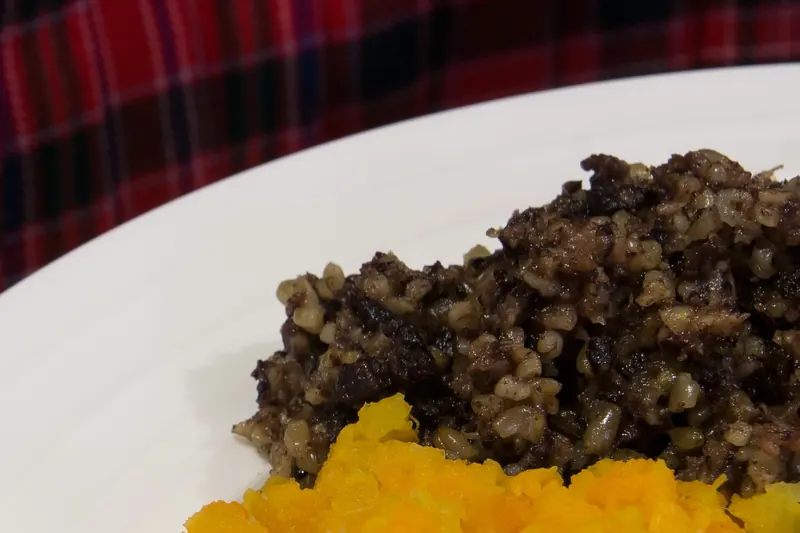
  • Haggis served with neeps and tatties, Scotland's national dish

    Haggis, neeps and tatties

    A warming classic, found on menus throughout Kirkwall.

    Where to try it Restaurants and pubs throughout Kirkwall.

  • Highland Park whisky

    Orkney's own distillery product, one of the world's most northerly whisky makers since 1798.

    Where to try it The distillery itself, and pubs throughout Kirkwall.

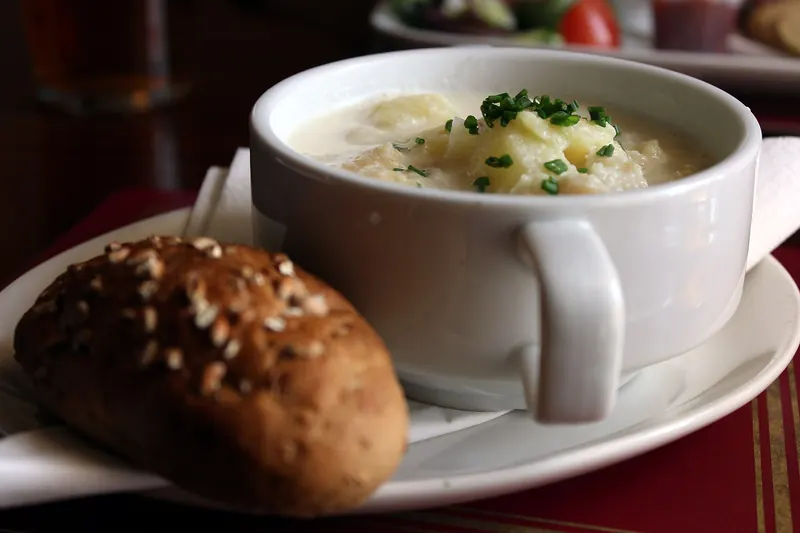
  • Cullen skink, a traditional Scottish smoked haddock soup

    Cullen skink

    A warming choice after a windswept day among the ancient stone sites.

    Where to try it Restaurants and pubs throughout Kirkwall.

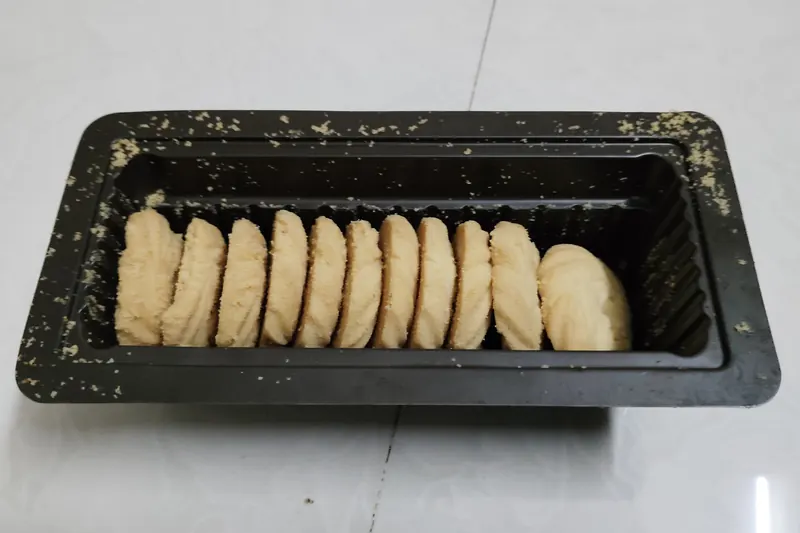
  • Traditional Scottish shortbread biscuits

    Scottish shortbread

    A simple, buttery treat found in cafés throughout Kirkwall.

    Where to try it Bakeries and cafés throughout the town.

Accommodation

Where to stay in the Orkney Islands

Kirkwall serves as Orkney's main base, well equipped for travellers exploring the islands.

  • Kirkwall

    The most practical base, with the widest choice of accommodation and restaurants.

    Best for: Being central and well-connected across the islands

  • Near Skara Brae or Stromness

    Small guesthouses closer to the UNESCO World Heritage core in Orkney's west.

    Best for: A closer base to the main archaeological sites

What a night costs

Hostel or guesthouse
£30–65 per night
Mid-range hotel
£90–170 per night
Skara Brae entry
About £9
Dinner at a mid-range restaurant
About £20–35 per person

Transport

Getting to and around the Orkney Islands

Orkney is reachable by ferry or a short flight, sitting just off Scotland's northern coast.

Getting there

  • Flight to Kirkwall Airport

    The fastest option, connecting to Inverness, Edinburgh, Glasgow and Aberdeen.

    A short, scenic flight over the Pentland Firth.

  • Ferry from Scrabster or Aberdeen

    A more scenic, budget-friendly way to arrive, especially with a car.

    The Scrabster to Stromness crossing takes about 90 minutes.

  • Ferry from John o' Groats

    A fast, seasonal foot-passenger route across the Pentland Firth.

    One of the shortest crossings, taking under an hour.

Getting around

A car is the most practical way to see Orkney's spread-out ancient sites.

  • Rental car

    Essential for covering Skara Brae, the Ring of Brodgar and Maeshowe in a single day.

    Available at both the airport and ferry terminal.

  • On foot in Kirkwall

    Easy — the town itself is small and walkable.

    Wider island sights all require a car or organised tour.

  • Organised day tours

    A relaxed option covering the main archaeological sites in one day.

    Widely available from Kirkwall for visitors without a rental car.

When to go

Best time to visit the Orkney Islands

Orkney is visitable year-round, though its exposed, northern position makes summer far more comfortable for exploring.

  • Late spring (May–June)

    Best time

    Mild weather and remarkably long daylight hours this far north.

  • Summer (July–August)

    Good

    The warmest and busiest season, with near-endless daylight around midsummer.

  • Early autumn (September)

    Good

    A quieter window with still-decent weather odds.

  • Winter (November–February)

    Good

    Short days and frequent storms, though atmospheric, and the only time to see Maeshowe's solstice alignment.

Worth planning around: Underestimating Orkney's exposed weather — windier and more severe than mainland Scotland in any season.

Itinerary

Two days on Orkney

Built around the UNESCO World Heritage sites on day one, Kirkwall and the Italian Chapel on day two.

  1. Day1

    The Neolithic heart of Orkney

    Skara Brae, the Ring of Brodgar and Maeshowe.

    • Morning Skara Brae and Skaill House.
    • Afternoon The Ring of Brodgar and the Standing Stones of Stenness.
    • Evening A guided tour of Maeshowe, if timed for late afternoon.
  2. Day2

    Kirkwall and the Italian Chapel

    St Magnus Cathedral and the Italian Chapel.

    • Morning St Magnus Cathedral and Kirkwall's old town.
    • Afternoon The Italian Chapel at Lamb Holm.
    • Evening A final dinner by Kirkwall's harbour.

Travel tips

The Orkney Islands travel tips

Practical notes that make an Orkney visit noticeably smoother.

  • Book Maeshowe's guided tour well ahead — entry is guide-led only and slots are limited.
  • Pack proper windproof and waterproof layers regardless of season.
  • Check ferry schedules closely if bringing a car, especially outside summer.
  • Allow a full day for the Skara Brae, Ring of Brodgar and Stenness core sites.
  • Bring cash as a backup for smaller rural sites and shops.
  • Budget extra time for weather delays — Orkney's exposed position means real disruption is possible.

FAQ

The Orkney Islands: frequently asked questions

How many days do you need on Orkney?

Two to three days covers the main Neolithic sites, Kirkwall and the Italian Chapel comfortably.

Is Skara Brae older than Stonehenge?

Yes — Skara Brae dates back around 5,000 years, predating both Stonehenge and the Egyptian pyramids.

Can you visit Orkney as a day trip?

It's possible by flight from Inverness or Edinburgh, but rushed — the islands reward at least an overnight stay.

What is Orkney known for?

One of the world's densest concentrations of well-preserved Neolithic monuments, alongside striking Northern Isles scenery.

Do you need to book Maeshowe in advance?

Yes, essential — entry to the inner chamber is by guided tour only, and slots fill up, especially around the winter solstice.

Is Orkney part of the Scottish Highlands?

No, a distinct island group known as the Northern Isles, with its own separate Norse-influenced history and culture.

Read next

Related travel articles

Heritage

UNESCO Sites Worth Planning a Trip Around

A UNESCO listing tells you a place matters; it does not tell you whether it is worth two days and a detour. This is how to read the list usefully — and which sites reward building a trip around them.

Where to go

Beyond the Big Names: Places Worth the Detour

The most visited place in a country is rarely its best, and it is almost never its best value. This is a method for finding the destinations that do not make the postcards — and a set of examples from five of the 50 countries on this site.

Advertisement