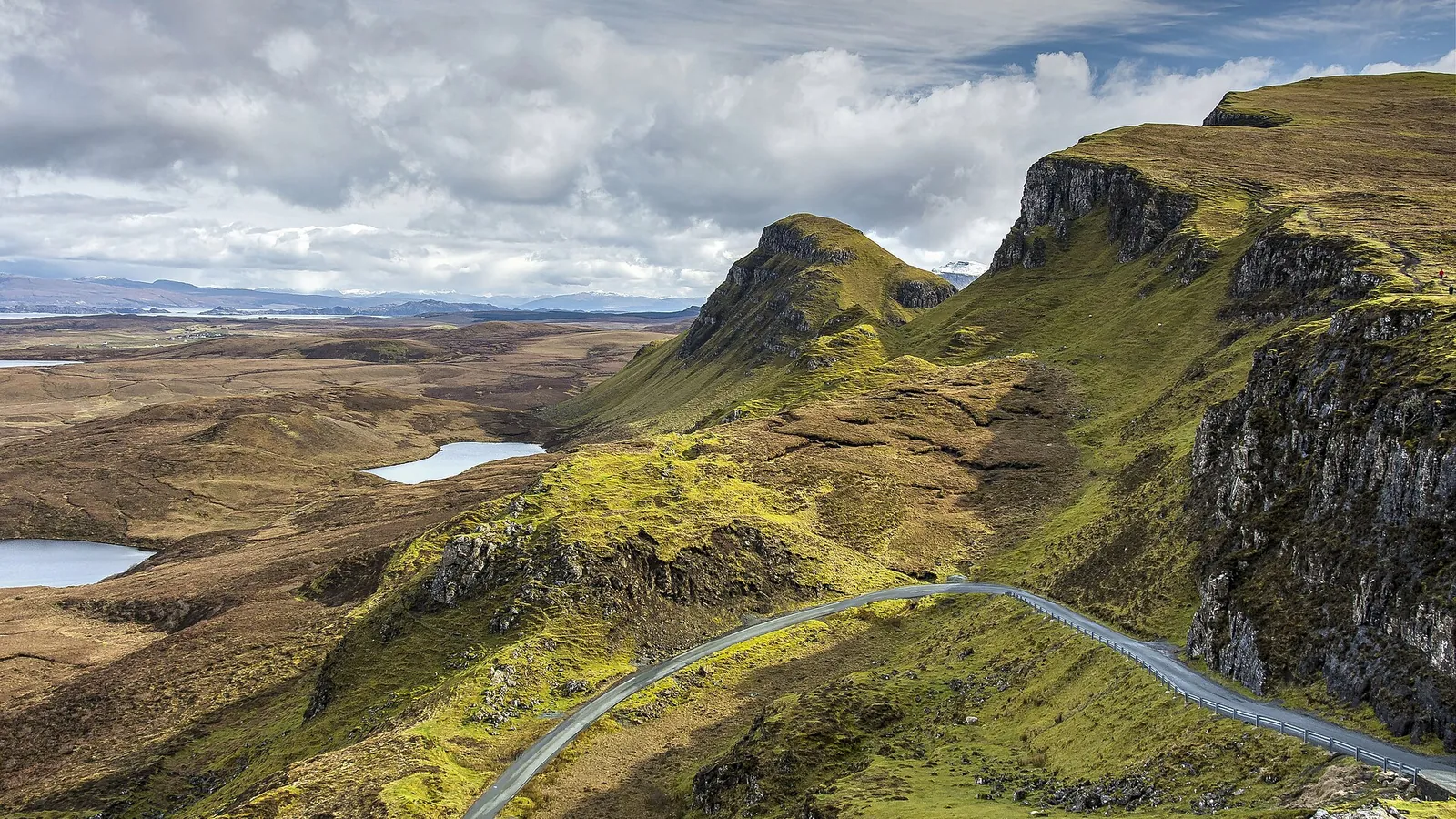
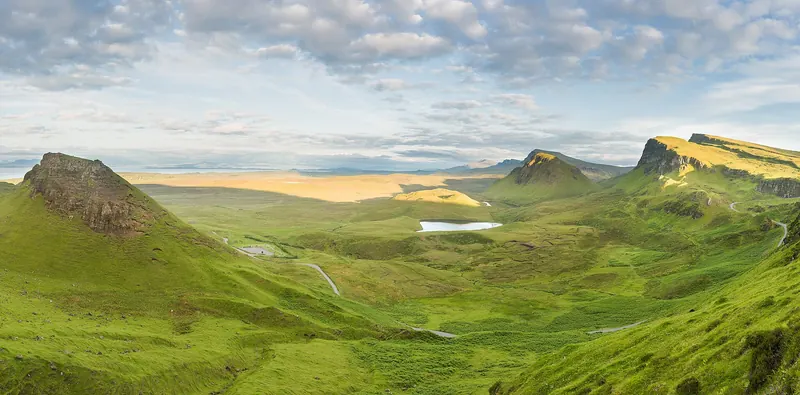
The dramatic landscape of the Quiraing on the Isle of Skye

Scotland · Travel guide

The Complete Scotland Travel Guide

Misty mountains, whisky trails and island-studded coastlines across a small, dramatic country

  • Reading time 12 min read
  • Covers 10 destinations
  • Updated 2026

Photo: MPerkowski · CC BY-SA 4.0

How to plan a Scotland trip: whether to focus on Glasgow, the Highlands or the islands, when to go for the best weather and fewest midges, what it costs, and a practical nine-day itinerary.

How Scotland divides

Scotland divides into a compact set of very different regions, each with a distinct character — its small size means a first trip can realistically cover several without feeling rushed.

The central belt. Glasgow and Stirling — Scotland's largest city and its historic battlefields, the easiest part of the country to reach.

The Highlands and Skye. the Isle of Skye, Loch Ness and Inverness and the Cairngorms — Scotland's most iconic scenery, and the reason most people visit.

Whisky country. Speyside — a dense concentration of distilleries and the Malt Whisky Trail.

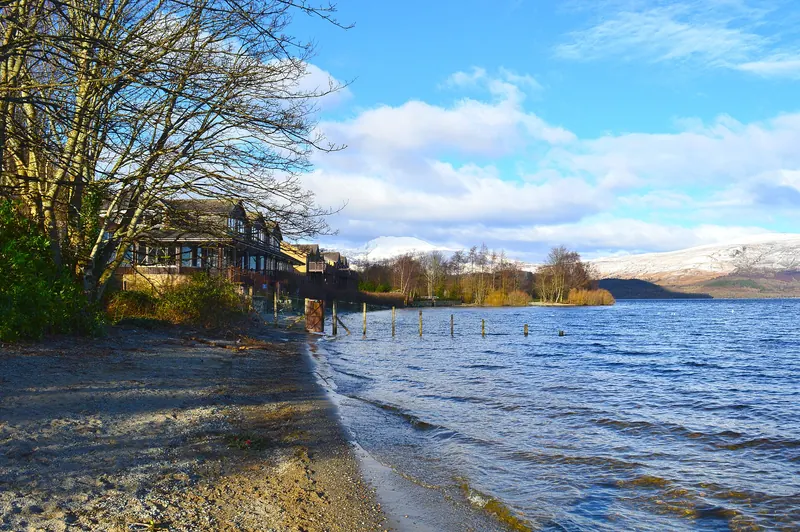
The east and the isles. St Andrews, Loch Lomond, Mull and Iona and Orkney are all spectacular but reward visitors with more time and a bigger budget.

Worth knowing: Most first-time visitors combine Glasgow, Skye and the central Highlands in a single trip. Orkney and the inner Hebrides are where a longer or second trip belongs.

Choosing between the ten destinations

  • If this is your first trip

    Glasgow, the natural starting point, with the best transport links and an underrated cultural scene.

  • If you want the classic Highland scenery

    The Isle of Skye, one of the most photographed landscapes in the entire country.

  • If you want whisky at the source

    Speyside, home to the highest concentration of distilleries anywhere in Scotland.

  • If you want history and battlefields

    Stirling, central to Scotland's story, from Stirling Castle to the Wallace Monument.

  • If you want ancient history older than Stonehenge

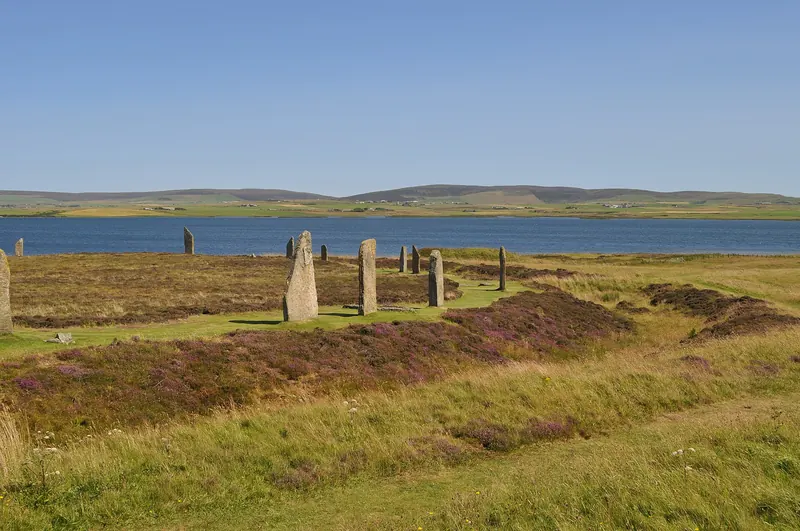
    Orkney, home to some of the best-preserved Neolithic sites in Europe.

  • If you want quiet island-hopping

    Mull, Iona and Staffa, rewarding for visitors willing to take the ferry further out.

Getting around: driving, trains, and one common mistake

Scotland's Highlands and islands mean no single mode of transport covers the whole country — a mix of rental car, train and ferry is standard.

Rent a car for the Highlands. It's the most flexible way to see Skye, the Cairngorms and Speyside at your own pace.

Learn single-track road etiquette. Many Highland and island roads are single-track with passing places — pull in early to let oncoming traffic pass.

Take a scenic train at least once. The Glasgow to Inverness route and the West Highland Line are among the world's great rail journeys.

Book ferries ahead in summer. Crossings to Skye, Mull and Orkney fill up fast in peak season.

Don't underestimate Highland driving times. A route that looks like two hours on a map can take four on narrow, winding roads.

Worth knowing: Book your rental car, accommodation and any ferry crossings months ahead for a June–August trip — Scotland's Highland and island capacity sells out early in peak season.

When to go

Scotland's weather is famously changeable in every season, so 'the best time' is really about balancing crowds, midges and the odds of a dry day. May, June and September generally work best.

Late spring brings the best odds of mild, dry weather with long daylight and noticeably fewer midges than midsummer.

Summer is warmest and busiest, with the longest days — also peak midge season in the Highlands on still, warm evenings.

Early autumn is an underrated window, often mild with the landscape beginning to turn and thinner crowds than summer.

Winter brings short days and frequent storms, but is atmospheric, with cosy pubs, a real chance of Highland snow and far fewer visitors.

Worth knowing: Pack proper waterproofs and midge repellent regardless of when you go — Scottish weather offers no guarantees, and summer midges are a real nuisance in the Highlands.

Four routes that work

  1. Four days: Glasgow and Stirling

    Glasgow's museums and nightlife, with an easy day trip to Stirling's castle and battlefields.

    Tip Base yourself centrally in Glasgow and take Stirling as a half-day train trip.

  2. Nine days: the classic Highlands loop

    The itinerary on the Scotland country page: Glasgow, Loch Lomond, Skye, Loch Ness, the Cairngorms and Speyside. A complete first look at Scotland's classic highlights.

    Tip Break the Highland drives into realistic daily distances — single-track roads reward a slower pace than the map suggests.

  3. A week focused on whisky and history

    Speyside and Stirling as a self-contained trip, skipping the longer Highland transit.

    Tip Base yourself in Aberdeen or Elgin and take day trips along the Malt Whisky Trail.

  4. An Orkney and Hebrides add-on for a second trip

    Orkney's ancient stones and Mull and Iona's quiet island character, two of Scotland's most remote and rewarding corners.

    Tip Book ferries well ahead, and build in flexible days in case of weather-related cancellations.

Reference

The 10 destinations in this guide

Every place named above has its own detailed guide — attractions, food, where to stay, how to get around and a suggested day-by-day plan.

CityCulture

Glasgow

Greater Glasgow

Scotland's largest city, home to world-class free museums, Victorian architecture and a legendary live music and nightlife scene.

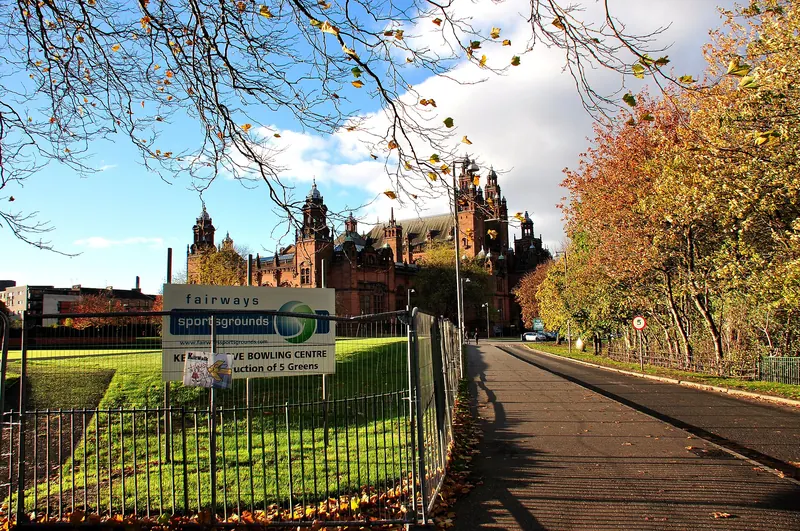
Don't miss Wandering Kelvingrove's cathedral-like galleries, from a suspended Spitfire to a real stuffed giraffe, all free to enter.

Explore Destination — Glasgow
Nature & WildlifeScenic Drive

The Isle of Skye

Inner Hebrides

Scotland's most iconic island, home to the Old Man of Storr, the Quiraing and the Fairy Pools, and some of the country's most dramatic Highland scenery.

Don't miss Standing beneath the Old Man of Storr's jagged pinnacle as low cloud drifts across the ridge above, one of Scotland's defining views.

Explore Destination — The Isle of Skye
HistoryNature & Wildlife

Loch Ness & Inverness

The Highlands

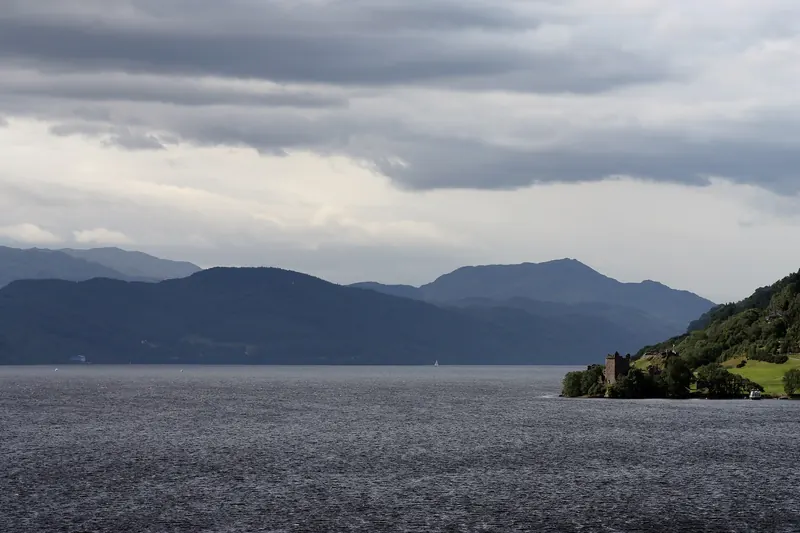
Scotland's most famous loch, Urquhart Castle's dramatic ruins, and Inverness, the compact Highland capital, alongside the pivotal battlefield at Culloden.

Don't miss Standing in the ruins of Urquhart Castle as a sudden gap in the cloud lights up the full length of Loch Ness below.

Explore Destination — Loch Ness & Inverness
HistoryCulture

St Andrews

Fife

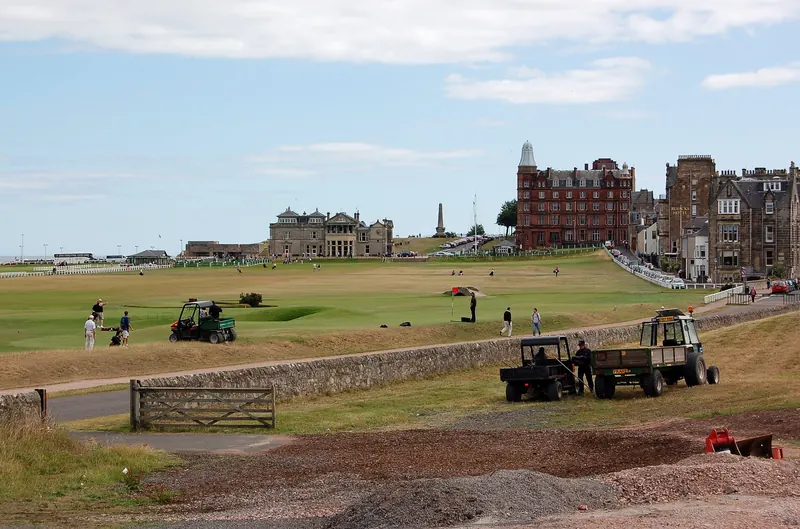
The home of golf and one of Scotland's oldest universities, a small coastal town of medieval ruins, the Old Course and windswept beaches.

Don't miss Watching golfers cross the Swilcan Bridge on the Old Course, the same stone crossing photographed by generations of the sport's greatest players.

Explore Destination — St Andrews
HistoryCastle

Stirling

Central Scotland

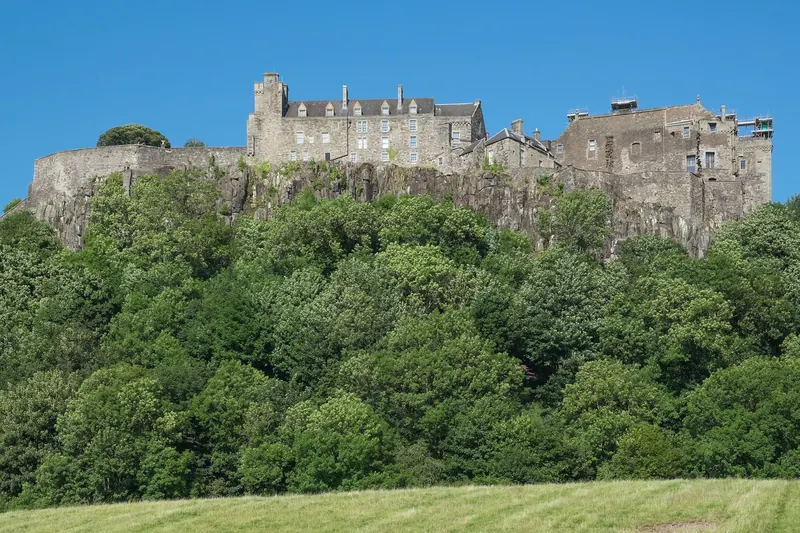
A compact city central to Scottish history, home to Stirling Castle, the Wallace Monument and the battlefields of Bannockburn and Stirling Bridge.

Don't miss Standing on Stirling Castle's esplanade as the view opens across the plain where Bruce and Wallace both changed the course of Scottish history.

Explore Destination — Stirling
IslandNature & Wildlife

Mull, Iona & Staffa

Inner Hebrides

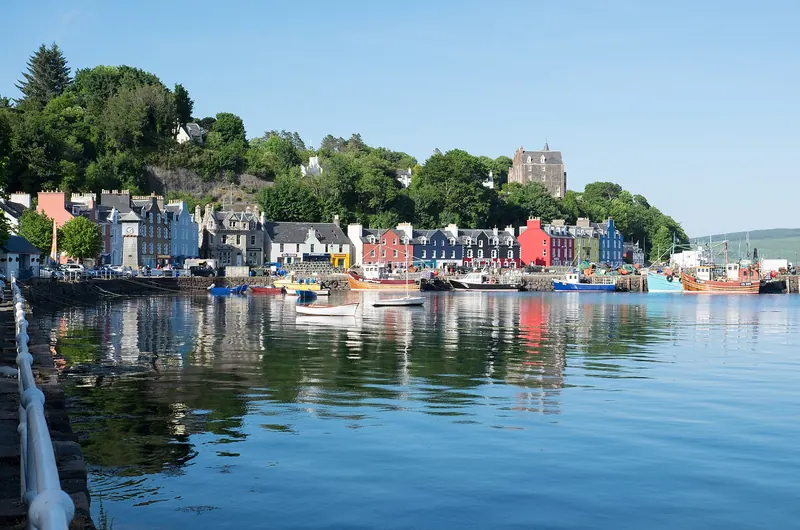
A trio of Hebridean islands: Mull's colourful Tobermory harbour, Iona's ancient abbey, and Staffa's extraordinary basalt sea cave.

Don't miss Stepping inside Fingal's Cave on Staffa, its perfectly hexagonal basalt columns and deep, echoing swell unlike anywhere else on Earth.

Explore Destination — Mull, Iona & Staffa
HistoryIsland

The Orkney Islands

Northern Isles

A remote northern archipelago home to Skara Brae, the Ring of Brodgar and some of the best-preserved Neolithic sites anywhere in the world.

Don't miss Standing inside Skara Brae's stone houses, more complete and intact than most homes I've seen from centuries far more recent.

Explore Destination — The Orkney Islands
WhiskyFood Drink

Speyside

Moray

Scotland's whisky heartland, home to the highest concentration of distilleries anywhere in the country, strung along the scenic River Spey.

Don't miss Standing in Glenfiddich's original stillhouse as a distiller explains a process barely changed since the distillery's founding in 1886.

Explore Destination — Speyside

Back to the Scotland country page

FAQ

Planning a trip to Scotland

How many days do you need in Scotland?

Nine to twelve days covers Glasgow, the Highlands and Skye at a reasonable pace, which is the itinerary in this guide. Four to five days is enough for Glasgow and one nearby region, and still worthwhile on its own.

Is the Highland scenery worth the extra driving time?

Yes — Skye, the Cairngorms and Loch Ness are a large part of why people visit, and the slower pace is part of the experience rather than a drawback.

Do you need a car in Scotland?

For the Highlands and islands, yes — though trains and buses cover Glasgow, Stirling and the central belt well without one.

When should I visit to avoid the midges?

May and June offer the best odds of mild weather with far fewer midges than July and August, when they're at their worst on still, warm evenings.

Advertisement