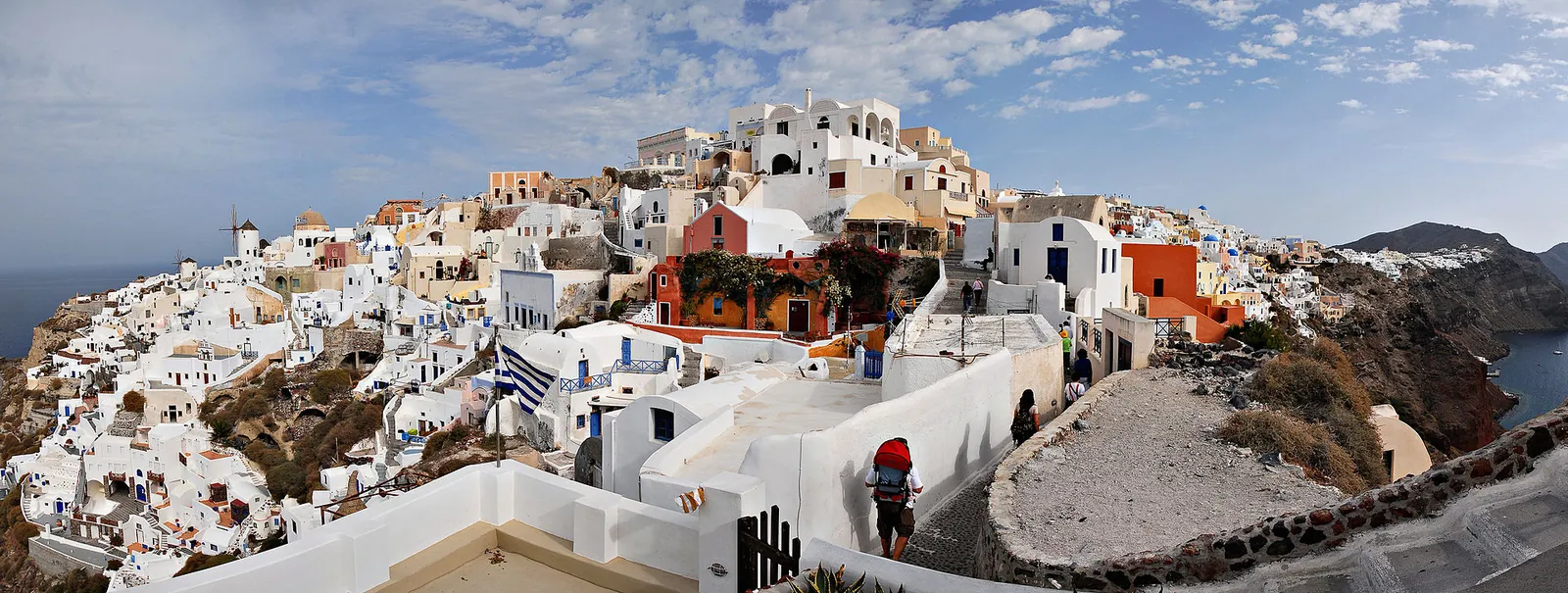
White-washed buildings and blue domes above the sea on a Mediterranean island

Seasons

The Best Time to Visit Southern Europe

Why September beats August almost everywhere, and the specific exceptions where it does not.

  • Reading time 8 min read

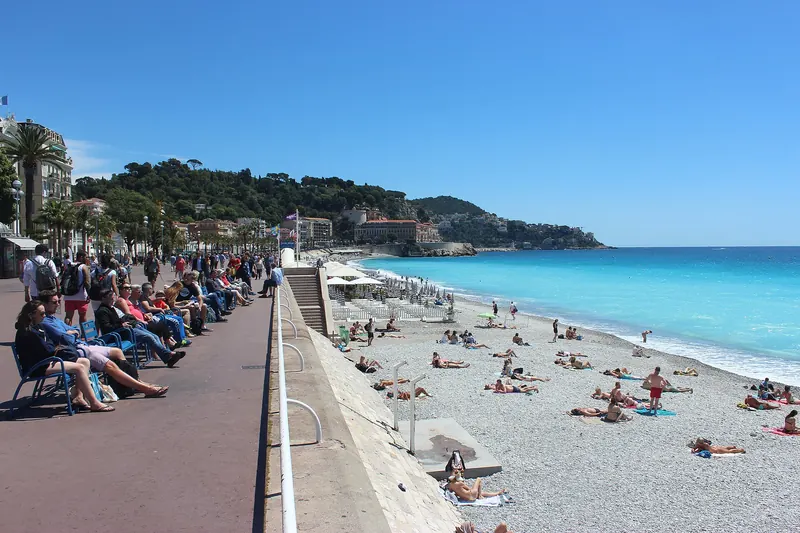
Photo: Mstyslav Chernov · CC BY-SA 3.0

Southern Europe has one obvious peak season and one much better one. This is the month-by-month case for going in spring or early autumn — plus the handful of things that only happen in July and August.

The case for September

If you can travel in only one month, make it September. The Mediterranean has been warming all summer and reaches its highest temperature of the year in late August and September — around 24–26°C, warmer than in June by several degrees. The air temperature drops back to the mid-twenties, which is pleasant rather than punishing. And the crowds vanish, sharply, in the first ten days of the month as European school holidays end.

The price effect is just as large. Coastal accommodation that costs €280 a night in the first fortnight of August often runs €140–170 by the third week of September, for the same room and better weather. Restaurants take bookings again. Village car parks have spaces. The famous viewpoint has six people at it rather than sixty.

September also brings the wine harvest across France, Spain and Italy, which is the most interesting time to be in any wine region — though note that some estates suspend visits while picking, so check before travelling out to one specifically.

Worth knowing: The one thing September does not give you is the long evening. Sunset in the Mediterranean drops from about 21:00 in July to 19:30 by the end of September, which changes the rhythm of the day noticeably.

Month by month

  • April–May

    Green landscapes, wildflowers, mild days of 18–24°C and very few visitors. Everything is open by Easter. The sea is too cold for most people to swim — around 16–18°C — so this is a walking, city and countryside season rather than a beach one.

    Tip The best months for hiking in Mediterranean landscapes, which become punishingly hot by July.

  • June

    Arguably the best all-round month. Long days, sea temperatures reaching about 21–23°C by the end of the month, everything open and the crowds still moderate until the last week. Lavender in Provence begins around the 25th.

    Tip Prices rise steeply in the final week of June as the season officially starts.

  • July

    Hot, long-dayed and busy. The full summer programme of festivals runs, the sea is warm, and everything is open — but southern inland areas regularly exceed 33°C and coastal accommodation is at or near peak price.

    Tip July is the peak of lavender season in Provence and the best month for the high Alps.

  • August

    The month to avoid if you have any choice. All of continental Europe takes its holiday simultaneously, which means peak prices, peak crowds and peak heat. In France and Italy many city restaurants close for two to four weeks while their owners go to the coast.

    Tip If August is fixed, favour cities and mountains over the Mediterranean coast — the cities empty out as locals leave.

  • September

    The best month overall. The warmest sea of the year, air in the mid-twenties, crowds gone after the first week, prices falling, and the grape harvest under way across the wine regions.

    Tip The first weekend of September is still busy. From about the 10th the difference is dramatic.

  • October–March

    October is warm, quiet and increasingly wet towards the end. From November much of rural southern Europe closes — hotels and restaurants in Provence, the Dordogne, the Greek islands and coastal Spain shut until March. Cities stay fully open and are cheap and atmospheric.

    Tip Winter city breaks in Seville, Rome, Naples or Nice are good value with mild daytime temperatures.

When high summer really is the right answer

The advice to avoid July and August is strong but not absolute. Several things happen only then, and if one of them is the point of your trip, the crowds are the price of admission.

Lavender in Provence flowers from about 25 June and is harvested in the first half of August. There is no shoulder-season version of it. The high Alps are only fully accessible from late June to September — lifts close for maintenance in May and November, and high trails hold snow into July. Mediterranean island ferry networks run reduced or non-existent winter schedules, and many Greek and Croatian islands effectively close from November.

Festivals are the other exception. The Palio in Siena, Spain's San Fermín and La Tomatina, Bastille Day, Ferragosto and most of the open-air music and theatre programmes fall in July and August by definition.

And if you are travelling with school-age children, the choice is often made for you. In that case the mitigation is straightforward: book everything early, start each day at 08:00 rather than 10:00, choose inland or mountain destinations over the coast, and accept that the middle of the day belongs to a pool or a long lunch rather than sightseeing.

Dealing with Mediterranean heat

Southern European summers have become measurably hotter over the past two decades, and inland temperatures above 35°C are now routine in July and August across Spain, southern France, Italy and Turkey. Much older accommodation has no air conditioning, and shuttered stone buildings that cope well with 30°C cope less well with 40°C.

The local response is not to fight it. Sightsee from 08:00 to about 12:00, eat a long lunch, retreat indoors or to water from 14:00 to 17:00, and come back out from 18:00 until late. This is why southern Europe eats dinner at 21:00 and why the streets fill again after dark — it is a sensible adaptation, not a quirk.

Practically: confirm air conditioning when booking rather than assuming it, carry water everywhere, use the public fountains that most Italian and Spanish cities provide, and treat any full-day outdoor site — Roman ruins, archaeological parks, national parks — as a morning activity only.

FAQ

Common questions

Is September a good time to visit the Mediterranean?

It is the best time. The sea reaches its warmest of the year at around 24–26°C after a summer of heating, the air drops back to the mid-twenties, and crowds and prices fall sharply from about the 10th of the month. The only trade-off is shorter evenings than in July.

Should I avoid Europe in August?

Where you can, yes. August combines peak prices, peak crowds and peak heat, and in France and Italy a noticeable share of city restaurants close for two to four weeks while their owners take their own holiday. If August is unavoidable, favour cities and mountains over the coast, book early, and start your days early.

When is the sea warm enough to swim in the Mediterranean?

Mid-June through October for most people. June sits around 21–23°C, July and August climb to 25–27°C, September stays at about 24–26°C, and October falls back to roughly 21–22°C. April and May are swimmable for the hardy at 16–18°C but feel cold.

Is winter a bad time to visit southern Europe?

It depends entirely on where. Cities — Rome, Seville, Naples, Nice, Barcelona — are excellent in winter: mild, cheap, uncrowded and fully open. Rural and coastal areas are a different story, with hotels and restaurants across Provence, the Dordogne, the Greek islands and much of coastal Spain closing from November to March.

When does lavender bloom in Provence?

From about 25 June on the Valensole plateau, roughly a fortnight later at higher altitude around Sault, with harvest starting in the first half of August. The reliable window is late June to about 20 July. This is the one thing in southern Europe that cannot be seen in shoulder season.

Advertisement