Welcome to the Dolomites
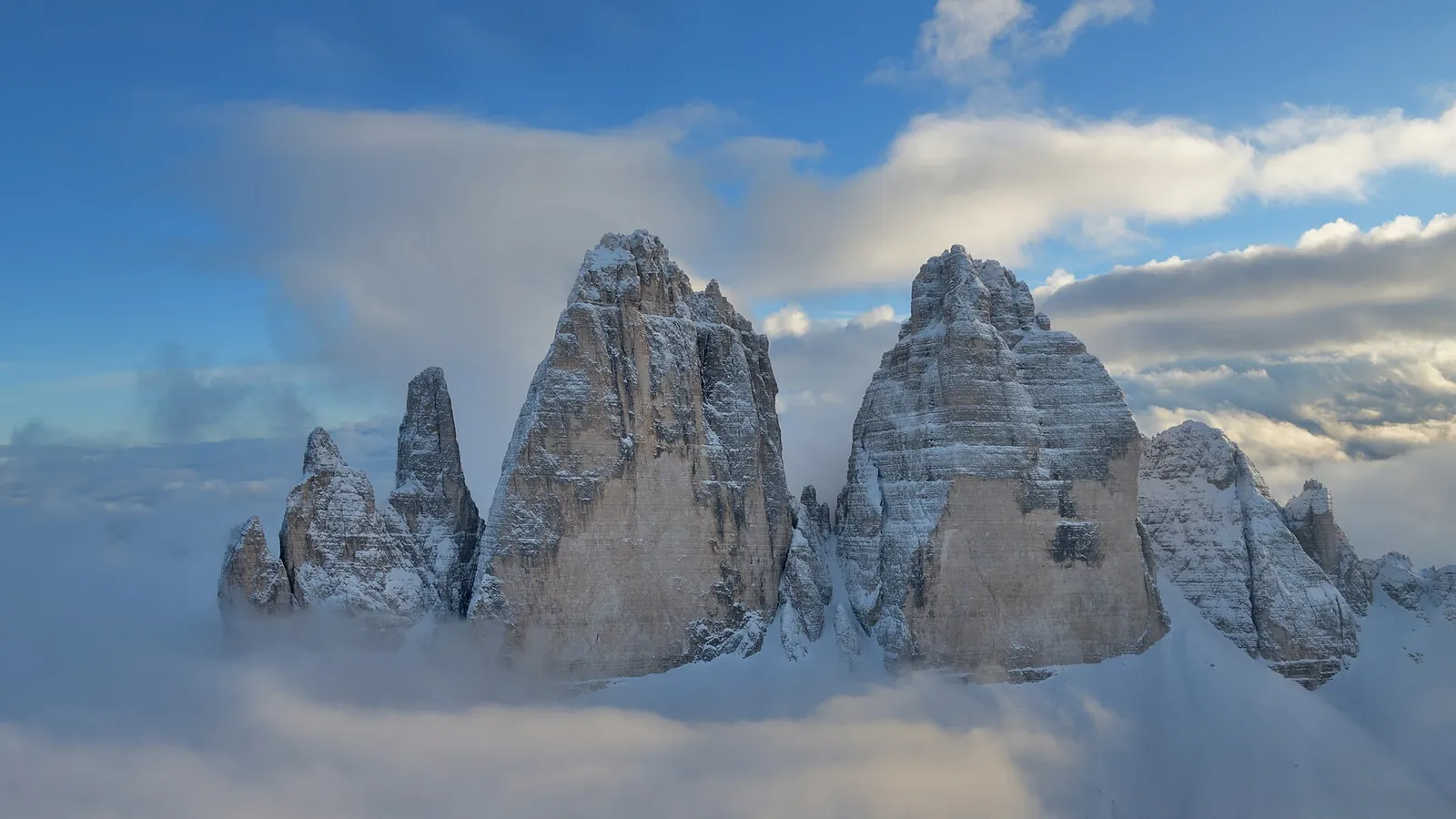
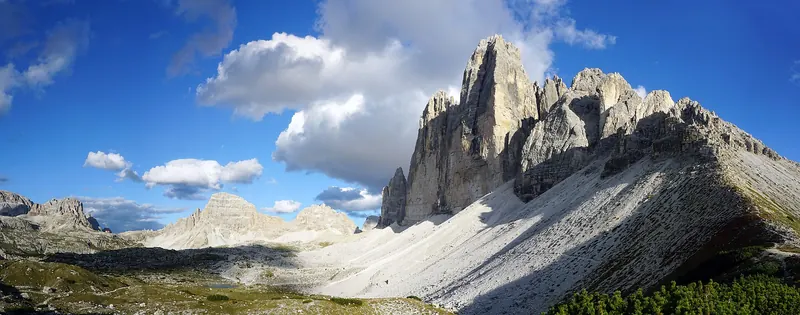
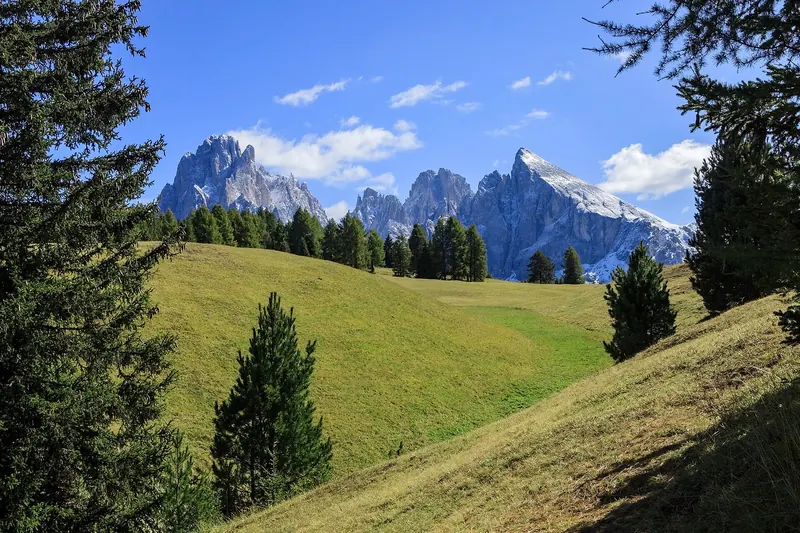
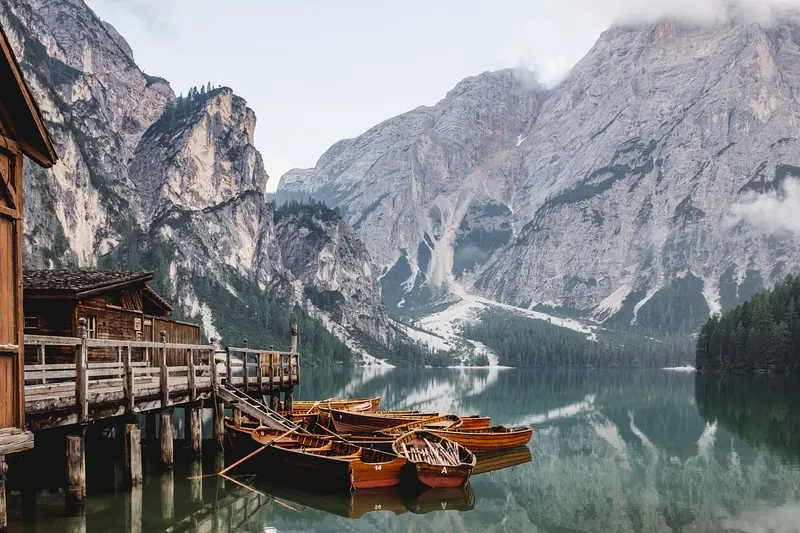
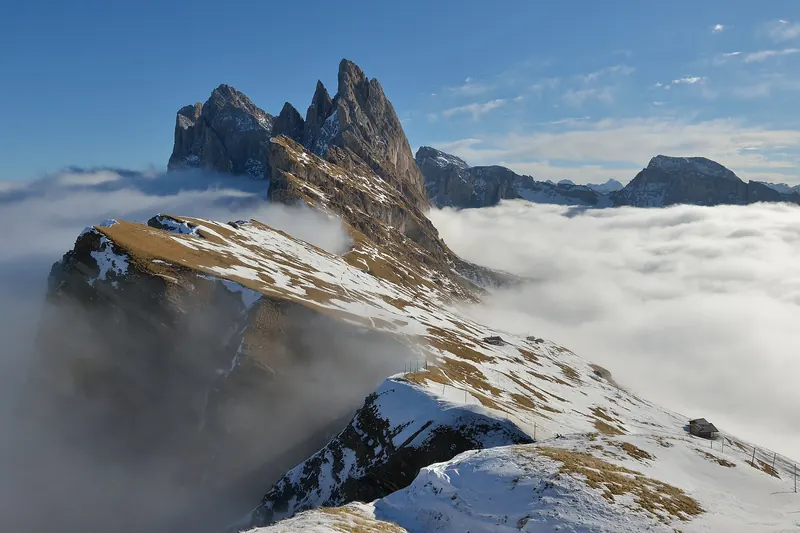
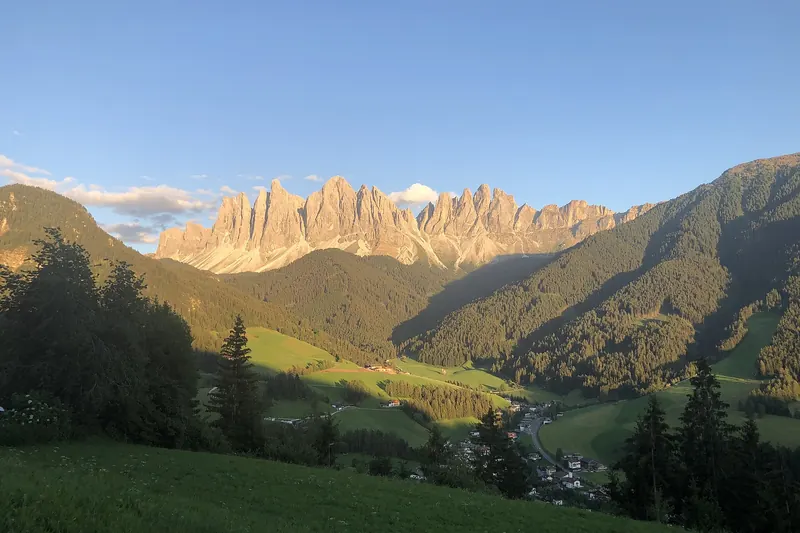
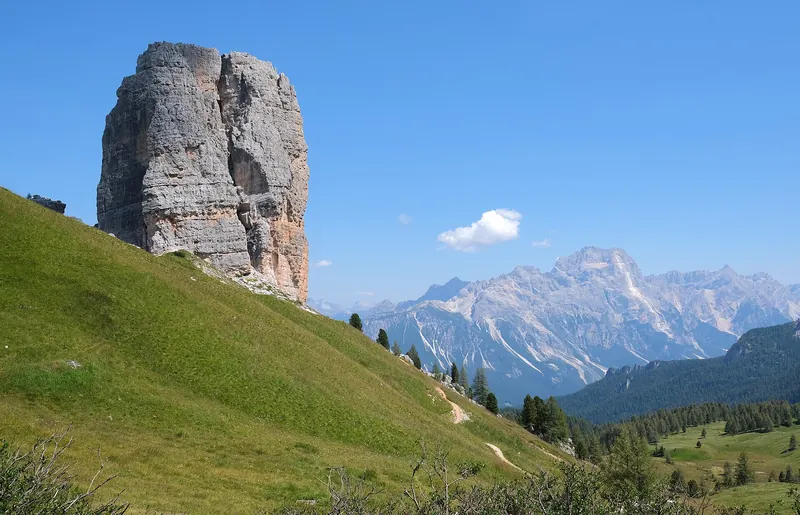
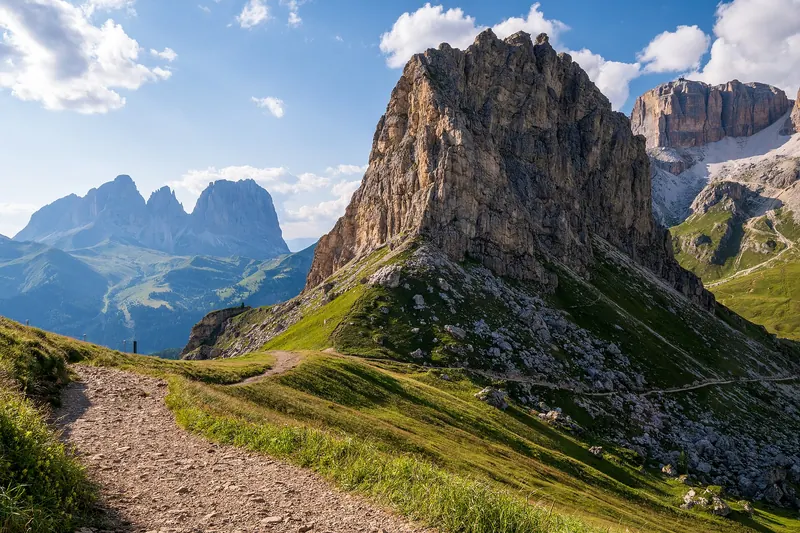
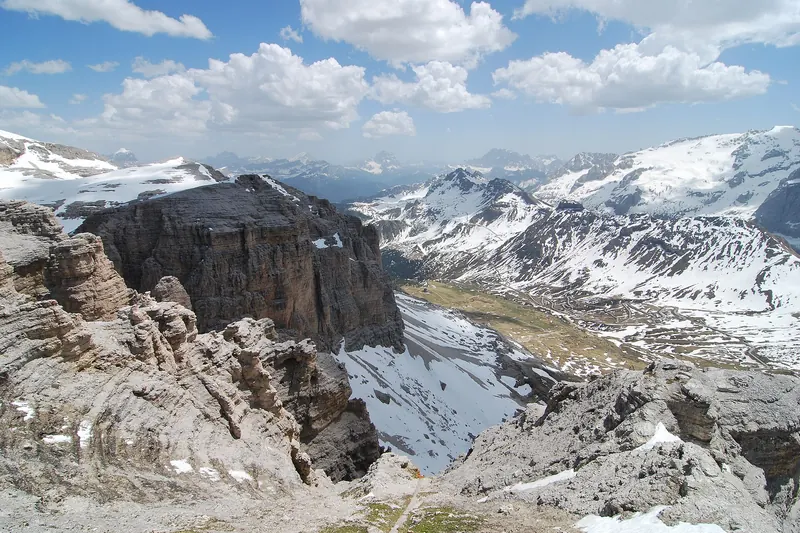
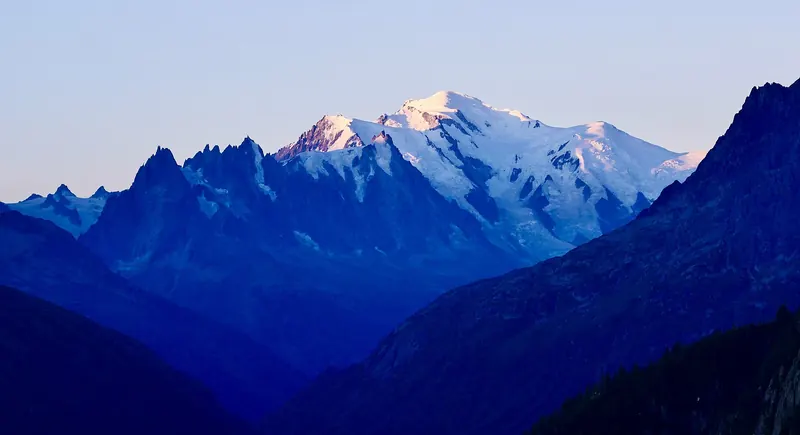
The Dolomites do not look like other mountains. They are made of a pale carbonate rock that erodes into vertical towers, blades and walls rather than pyramids, so they rise abruptly out of soft green pasture with almost no transition — meadow, then a 600-metre cliff. At sunset the rock turns pink and then a deep orange, a phenomenon the locals call the enrosadira and which is worth planning an evening around. UNESCO listed nine separate mountain systems here in 2009, specifically for that landscape.
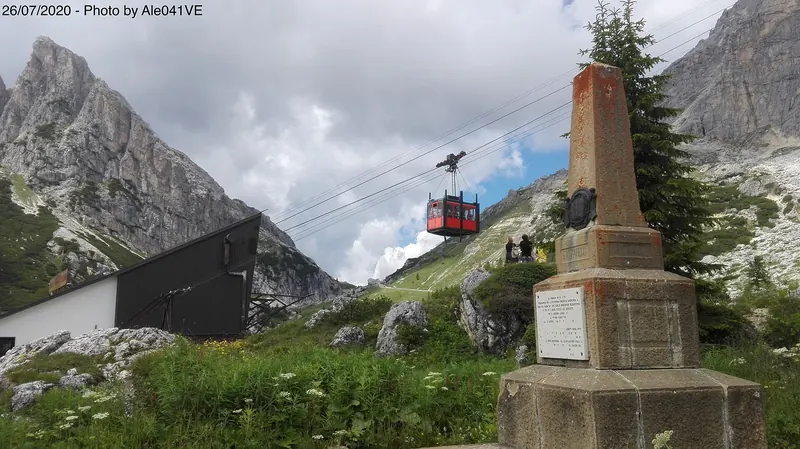
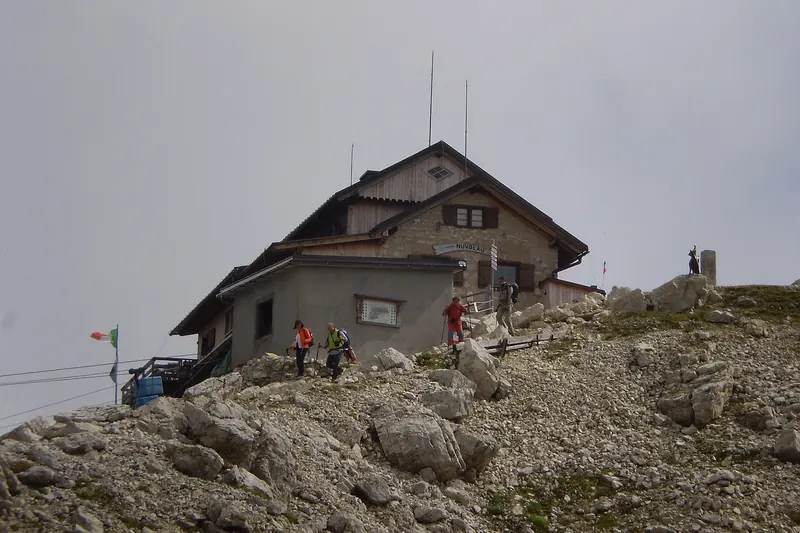
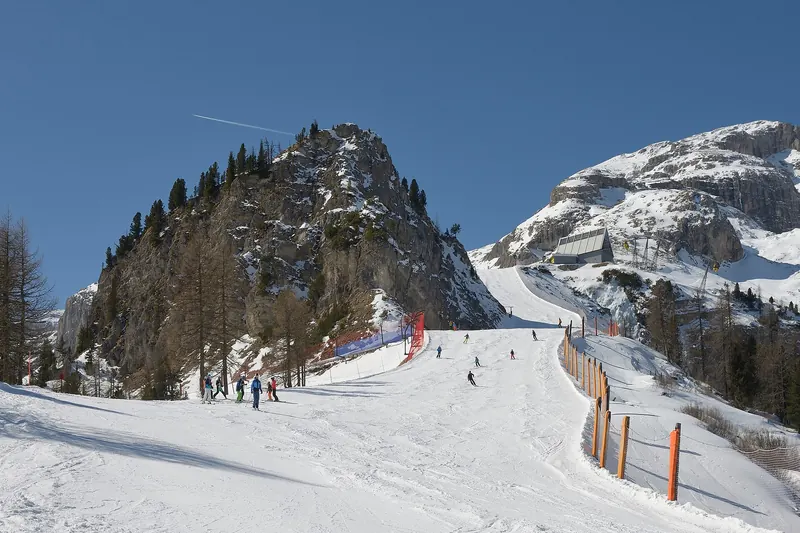
They are also unusually easy mountains to be in. A dense network of cable cars and chairlifts, built for skiing, runs through the summer and will put you at 2,000 or 2,500 metres in fifteen minutes; from there the walking is along contours rather than up them. Scattered across the high ground are several hundred rifugi — mountain huts that serve full lunches on sun terraces and offer beds for the night, which makes multi-day hut-to-hut walking possible with a daypack.
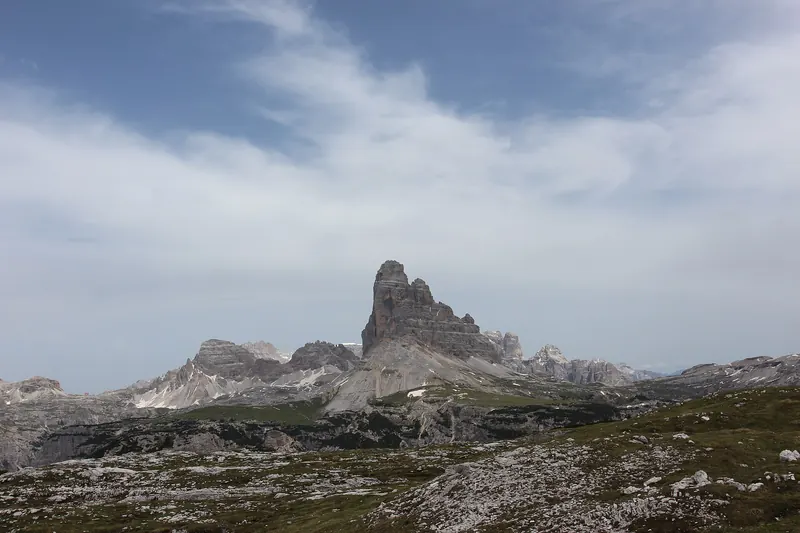
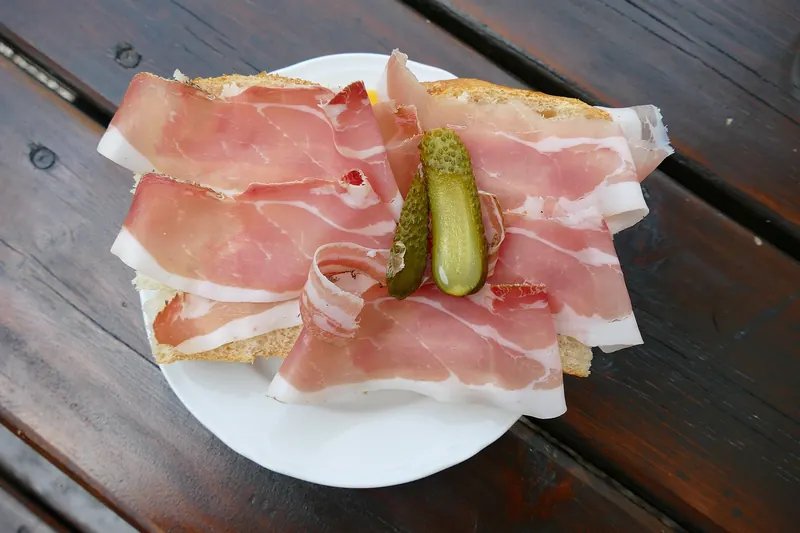
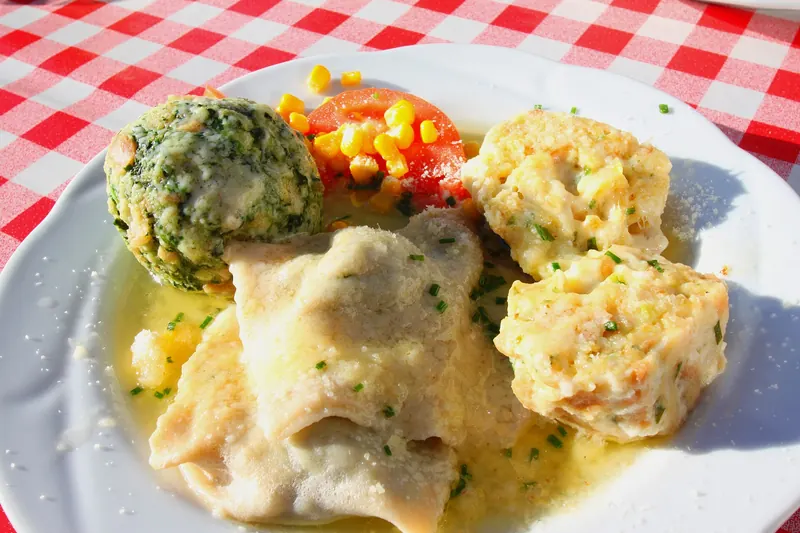
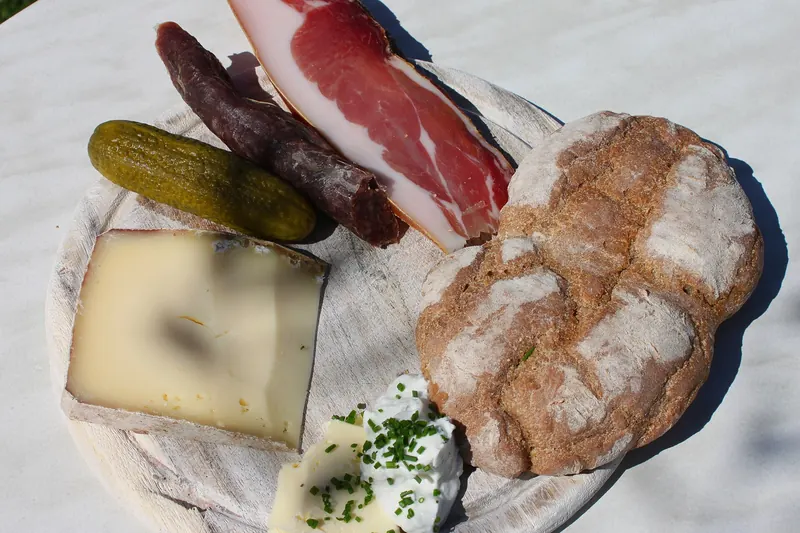
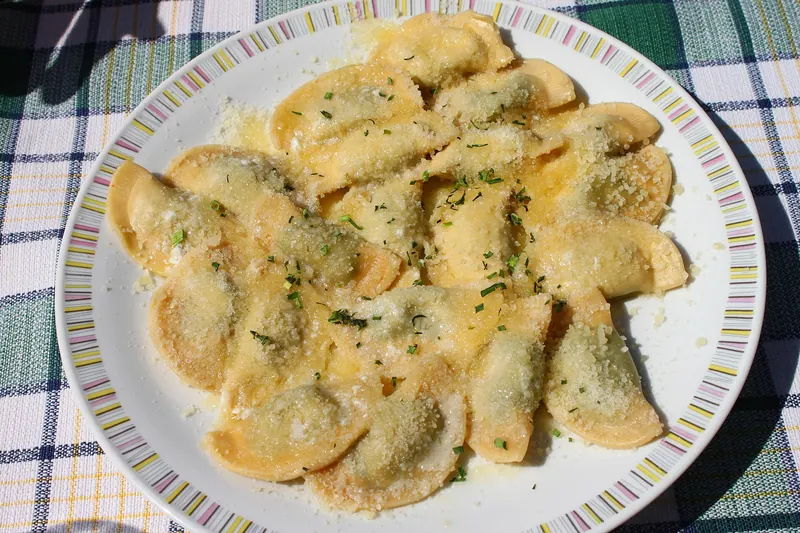
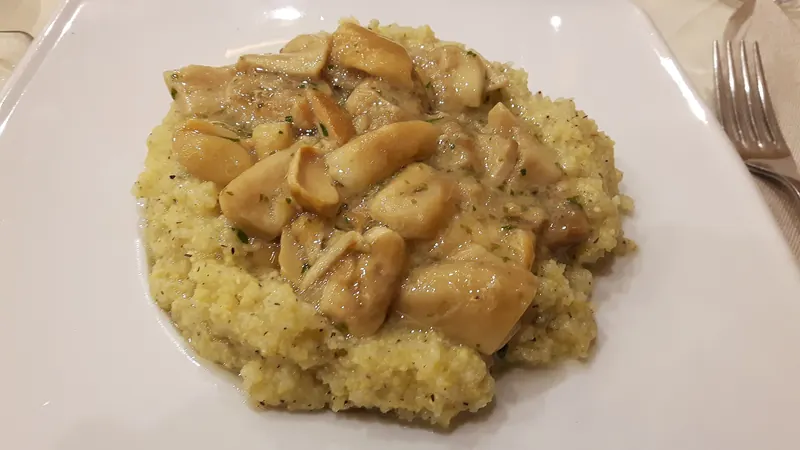
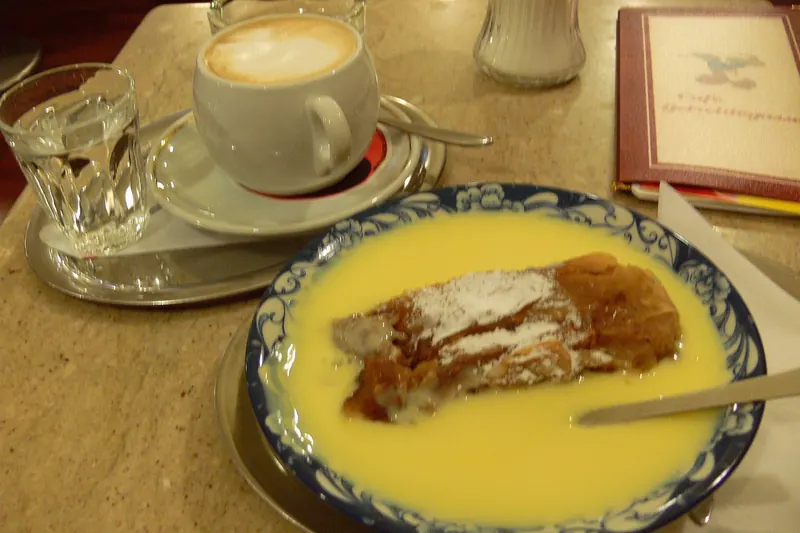
The last thing to know is that this is culturally not the Italy of the rest of this guide. South Tyrol was Austrian until 1919, and roughly two-thirds of its population still speaks German as a first language; in a handful of valleys the first language is Ladin, a Romance language older than either. Every place has two or three names — Val Gardena is Gröden, Alpe di Siusi is Seiser Alm, Tre Cime is Drei Zinnen — and the food is dumplings, speck and strudel rather than pasta and tomatoes. Cortina, on the Venetian side, hosted events at the 2026 Winter Olympics and is the one properly Italian-feeling resort in the range.
- Mountains
- UNESCO Site
- Nature & Wildlife
- Scenic Region