Welcome to the Dordogne
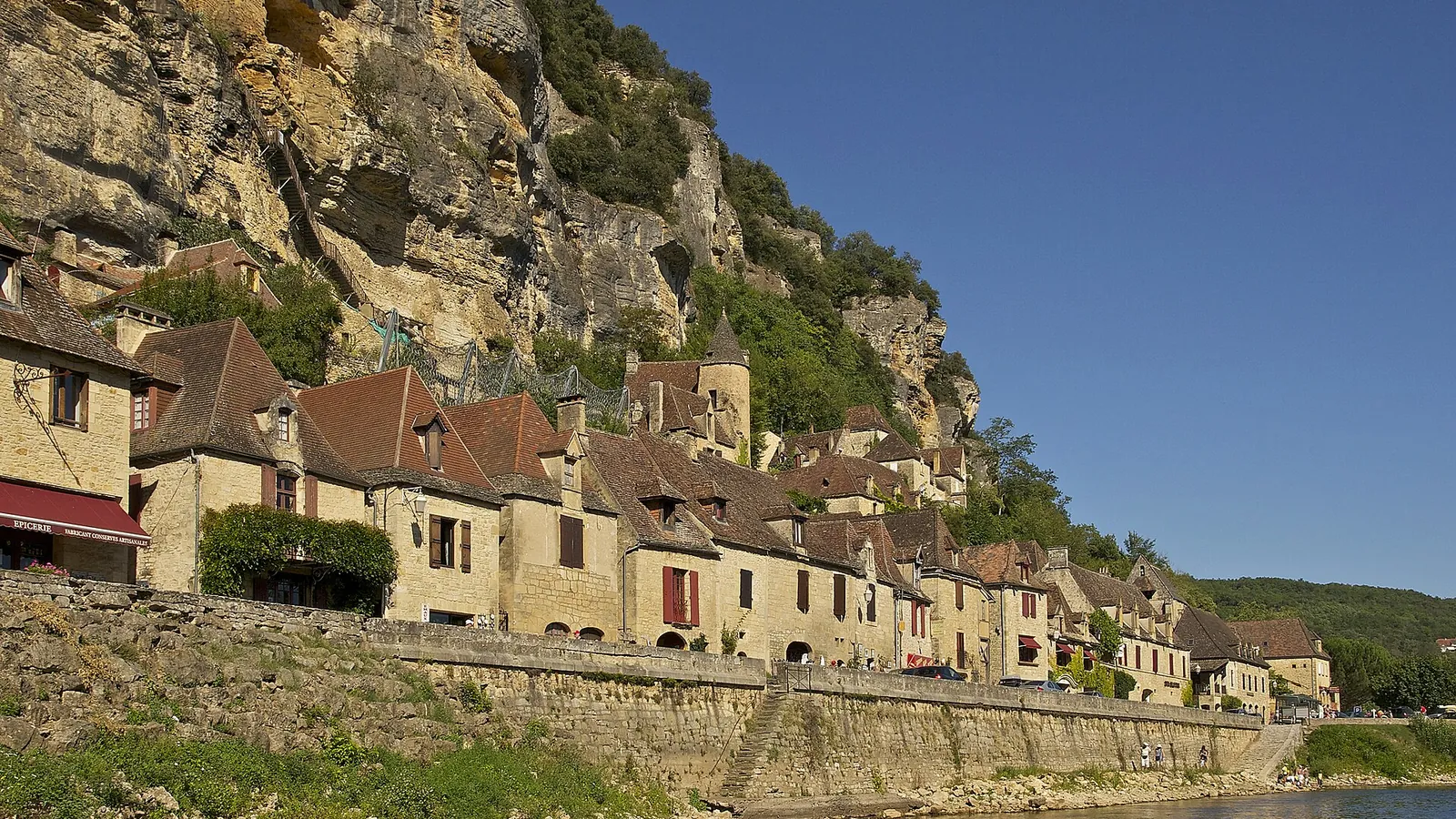
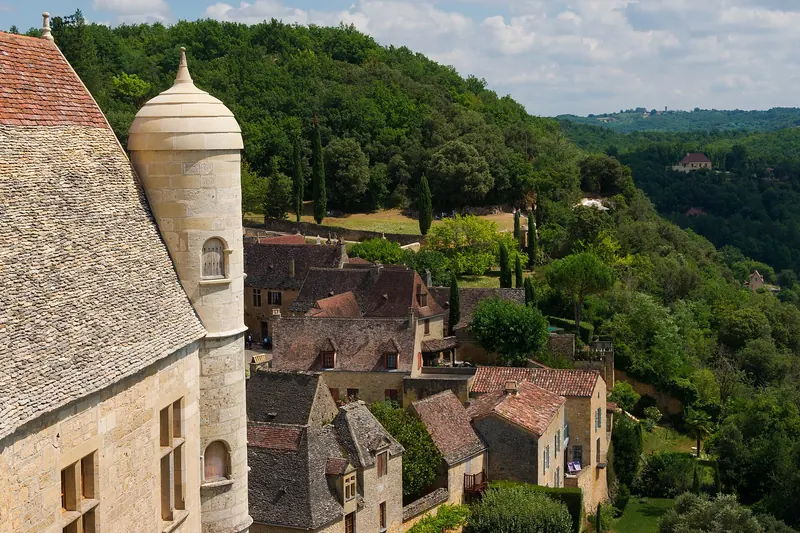
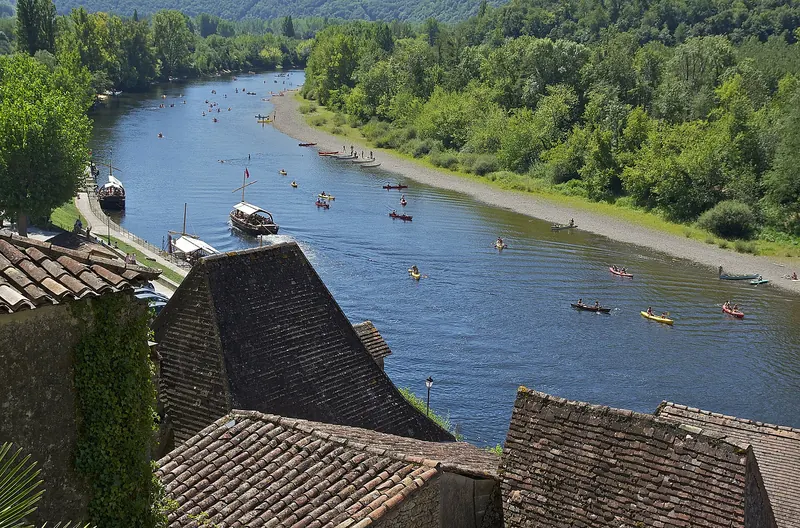
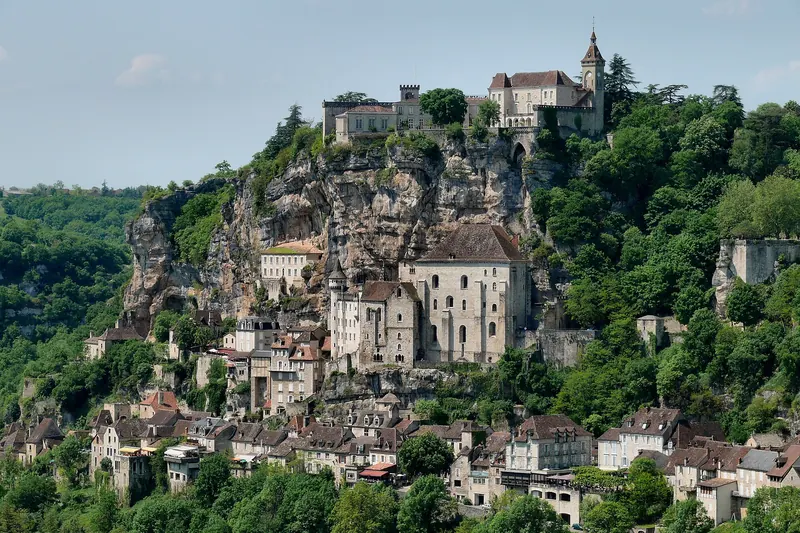
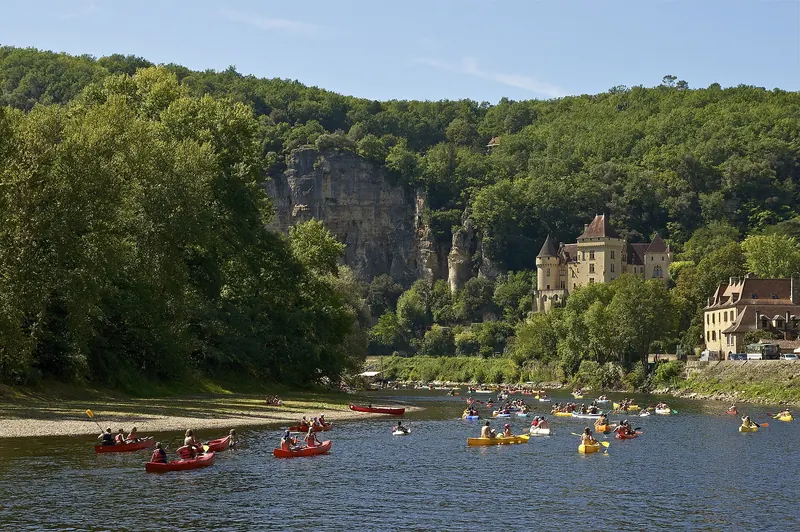
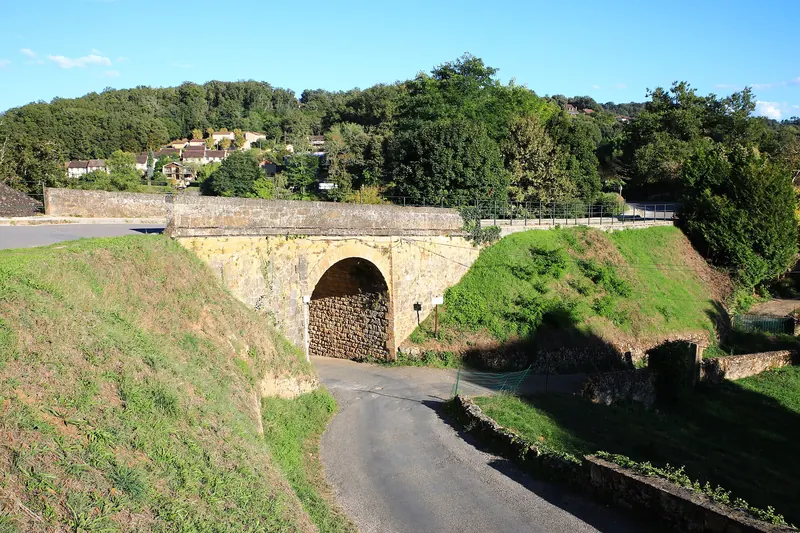
The Dordogne valley is the part of France that most reliably converts visitors into repeat visitors. It has no single overwhelming sight in the way that Paris or Mont-Saint-Michel do. What it has instead is an unusually high concentration of good things within a very small area: a river with castles on the cliffs above it, a medieval town that survived intact because it was too poor to be modernised, and the richest prehistoric heritage in Europe.
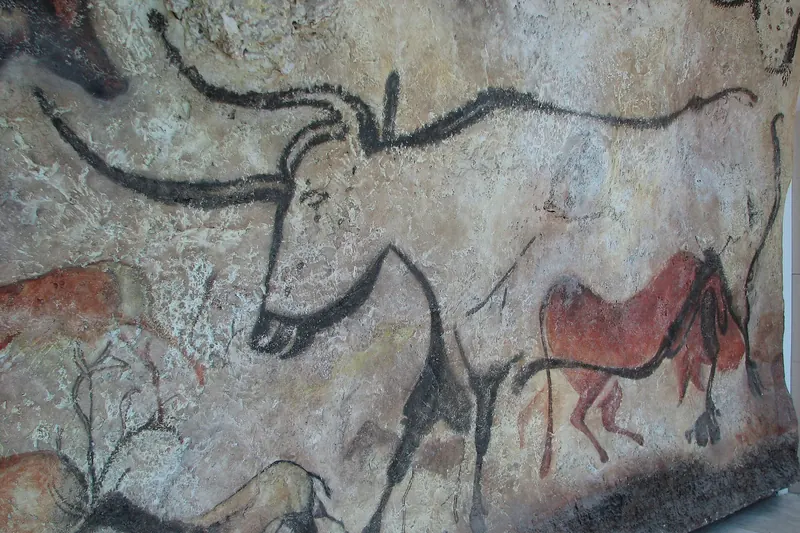
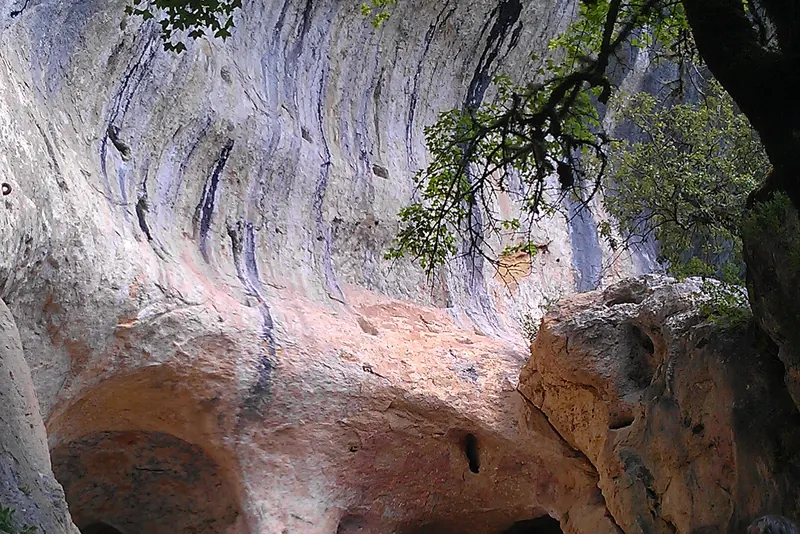
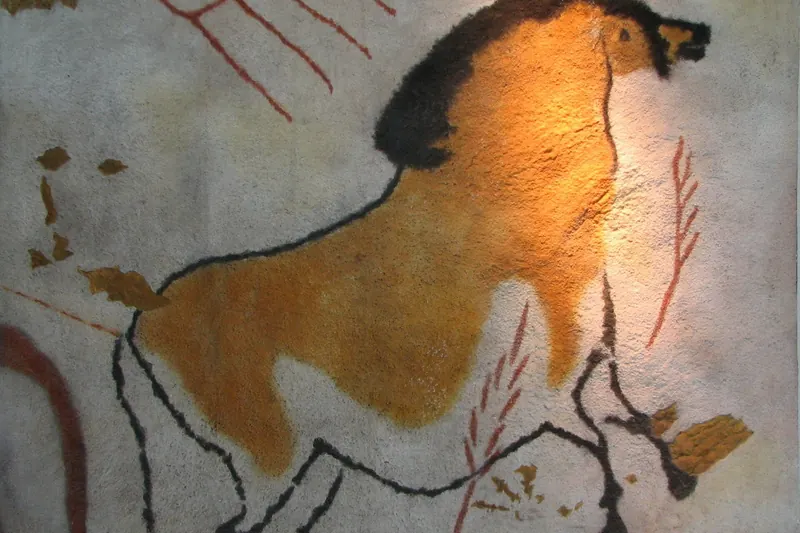
That last part deserves emphasis. The Vézère valley, just north of the Dordogne, contains 147 prehistoric sites and 25 decorated caves, fifteen of which are UNESCO-listed. Lascaux, discovered by four teenagers and a dog in 1940, holds paintings around 17,000 years old that are not primitive scratchings but confident, sophisticated art. Standing in front of them — even in the replica, the original having been closed since 1963 — rearranges your sense of how long people have been people.
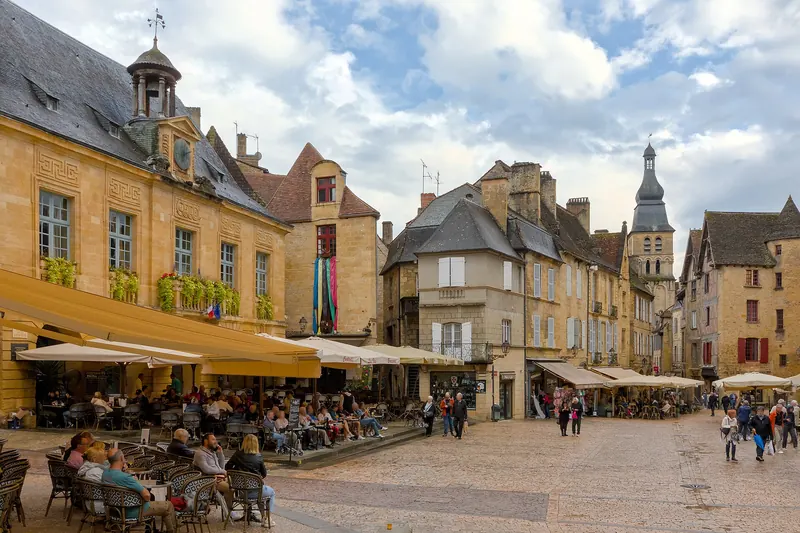
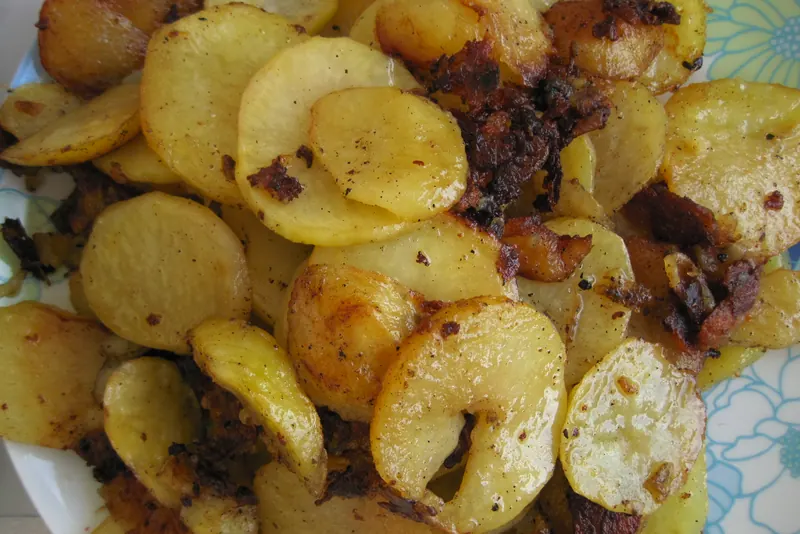
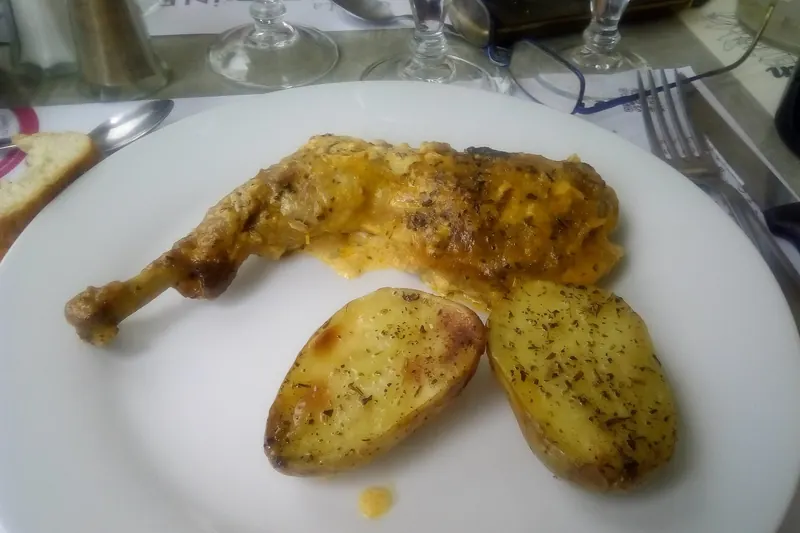
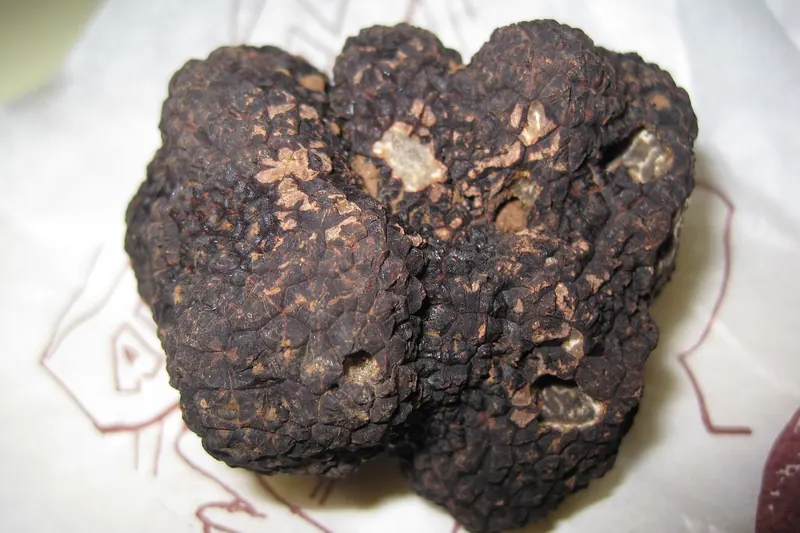
The valley is also, by a comfortable margin, the best place to eat in this guide. Southwest French cooking runs on duck, walnuts, truffles, cèpes and foie gras, and Sarlat's Saturday market is one of the great food markets of Europe. Combined with the castles, the canoeing and the villages, it makes a case for four or five days rather than the two most itineraries allow.
- Historic Site
- Nature & Wildlife
- Food & Wine
- Off the Beaten Path