Welcome to Yellowstone
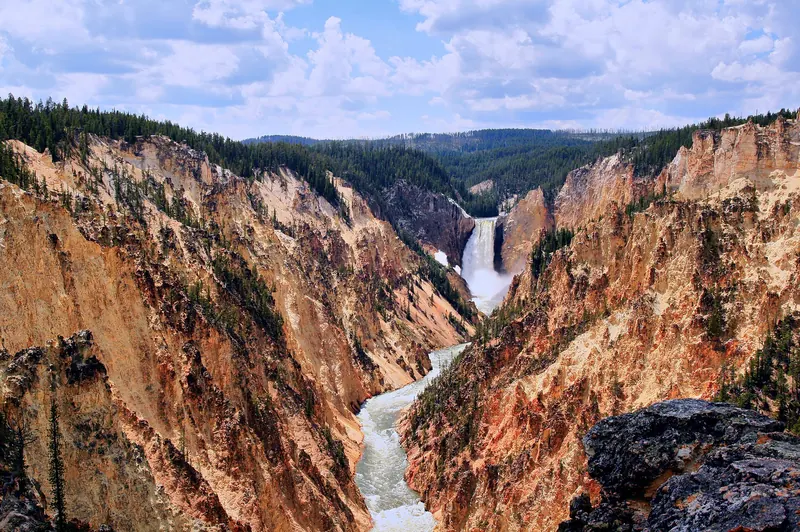
Yellowstone became the world's first national park in 1872, which means the entire global idea of protected wilderness starts here. It covers nearly 9,000 square kilometres of high plateau — most of it above 2,400 metres — spread across Wyoming, Montana and Idaho, and it is essentially the top of an active supervolcano. The last full-scale eruption was 640,000 years ago and the magma chamber beneath is still driving everything you see.
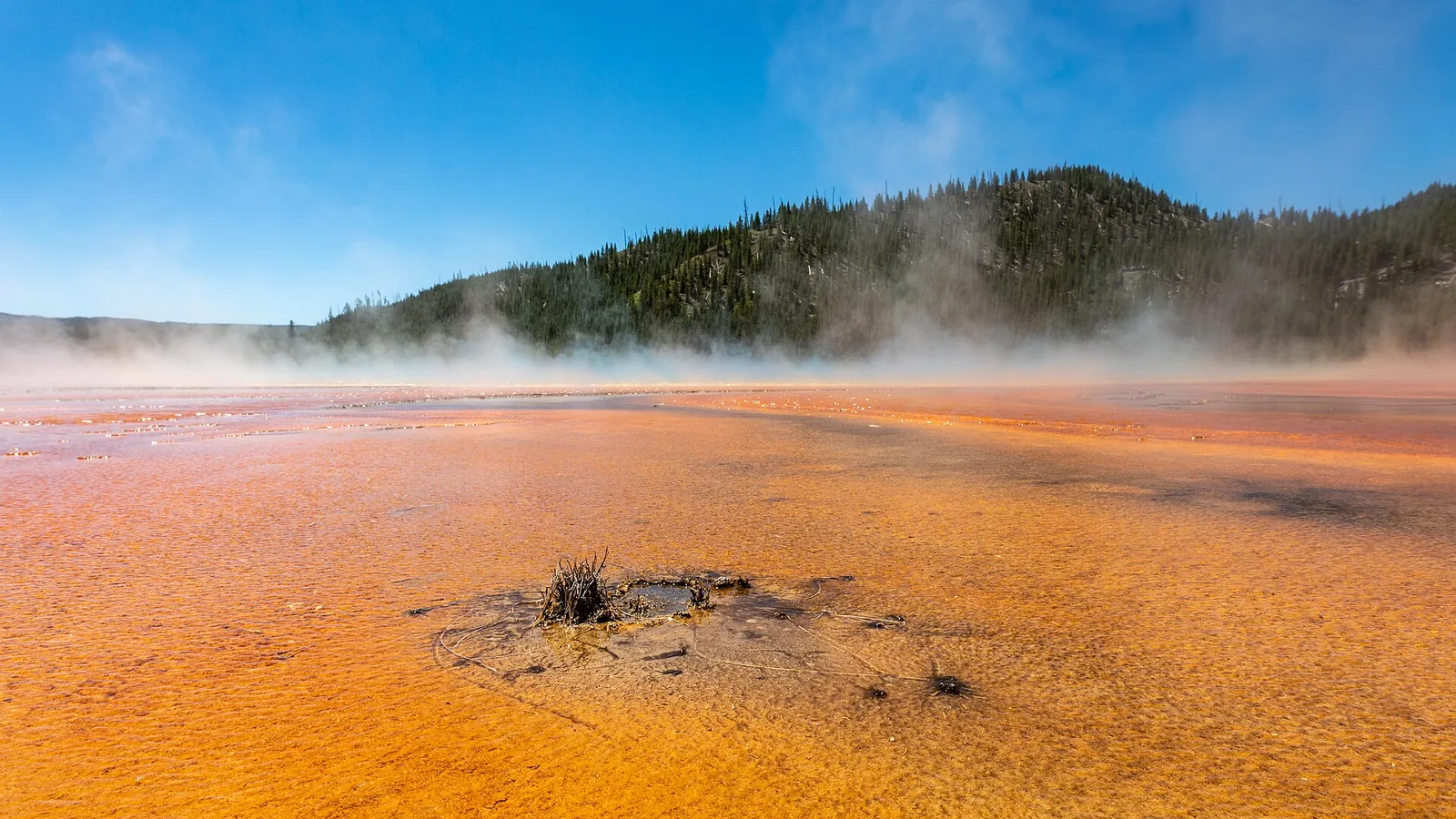
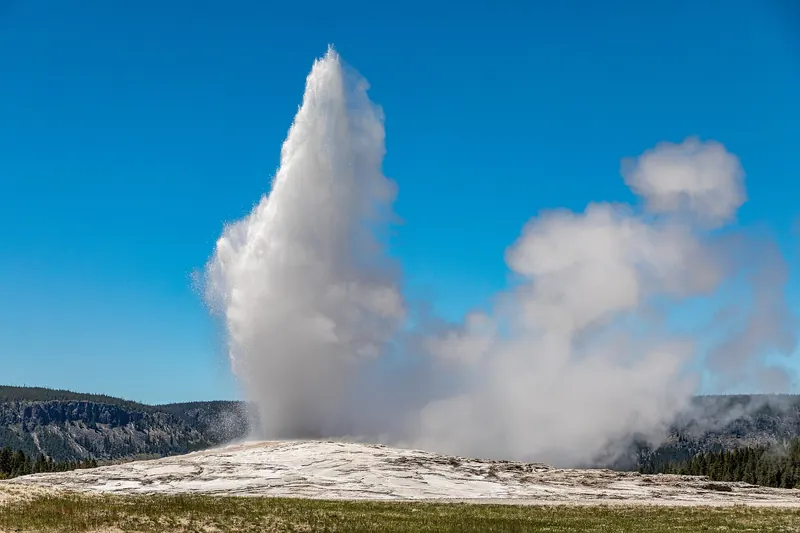
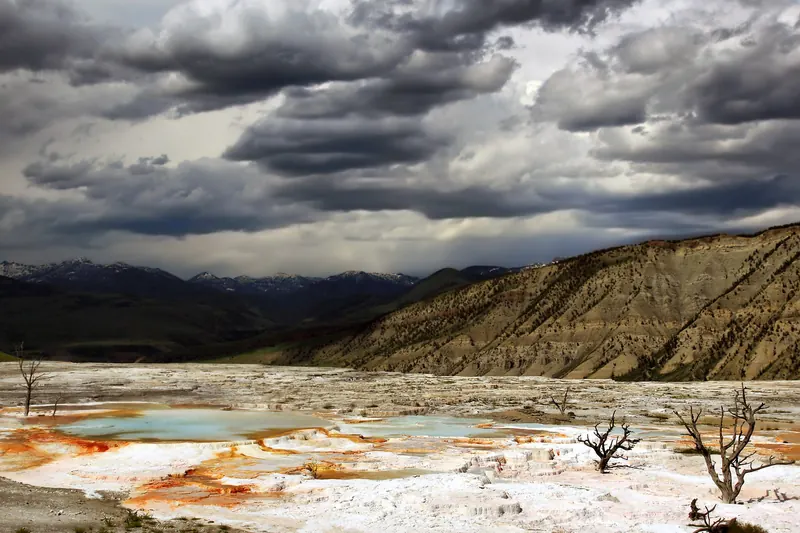
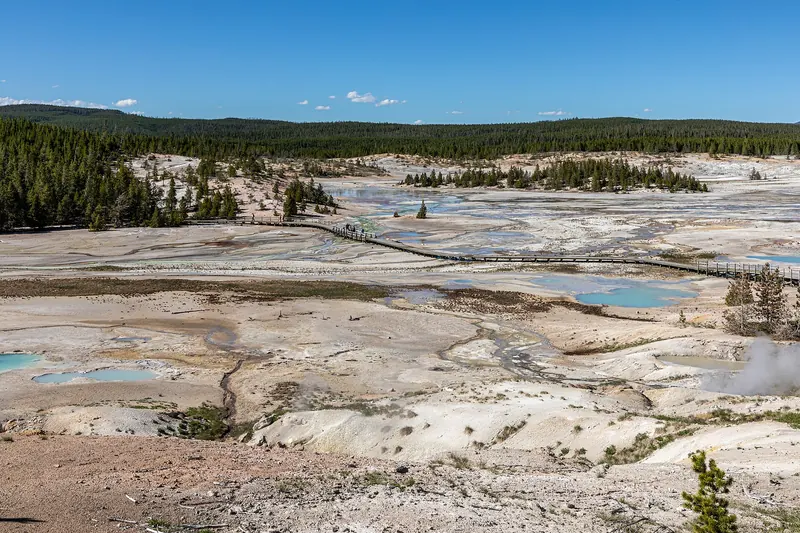
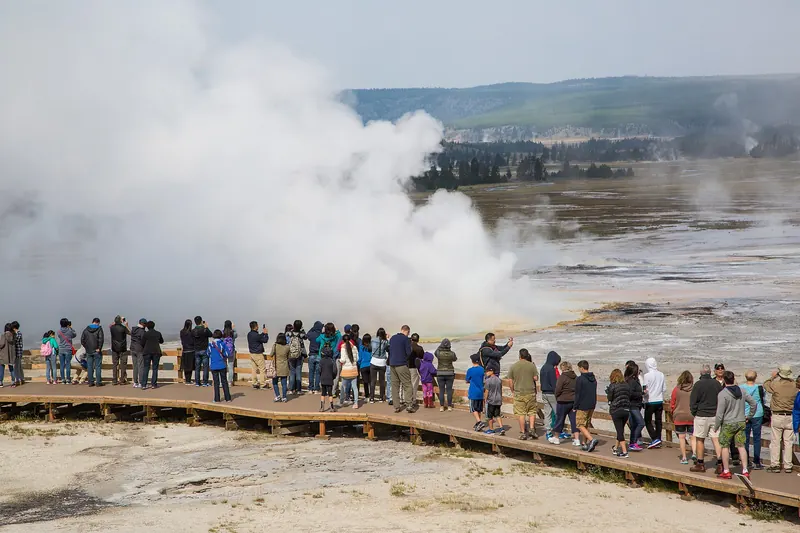
That geology produces more than 10,000 thermal features, roughly half the world's geysers, and hot springs coloured by heat-loving bacteria in bands of orange, yellow and green. Grand Prismatic Spring is 110 metres across and deeper than a ten-storey building. Old Faithful erupts every 60 to 110 minutes and has done so, more or less reliably, since it was named in 1870.
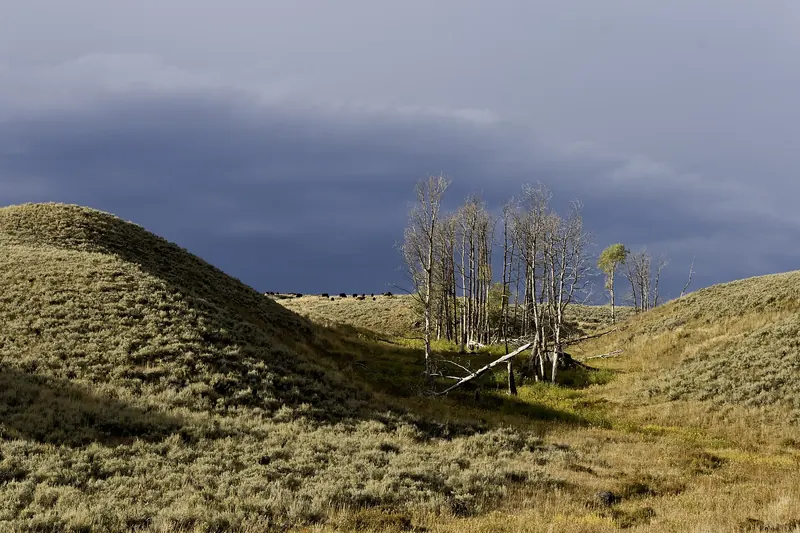
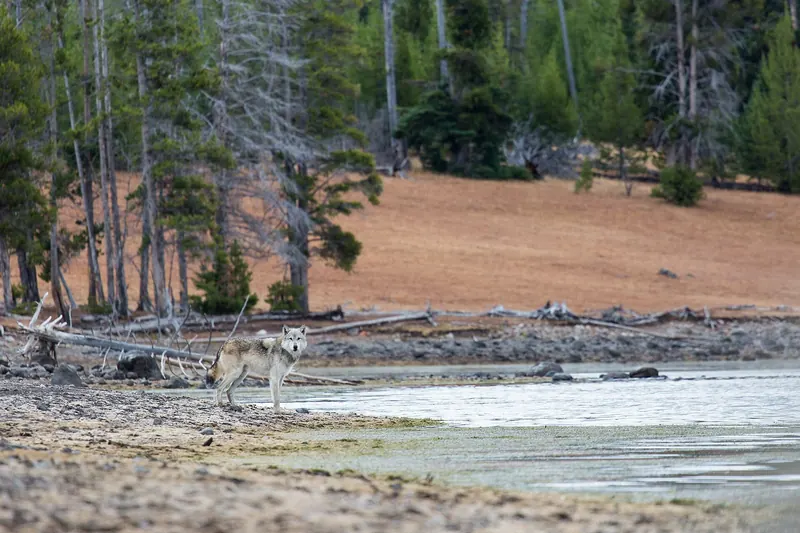
The wildlife is the other half of the case, and for many visitors the better half. Yellowstone holds around 5,000 bison — the only place in the United States where they have lived continuously since prehistoric times — plus grizzly and black bears, elk, moose, bighorn sheep and the wolves reintroduced in 1995 after a seventy-year absence. In the Lamar Valley at dawn you can see several of these in an hour without leaving the roadside.
- National Park
- Nature & Wildlife
- UNESCO Site
- Mountains