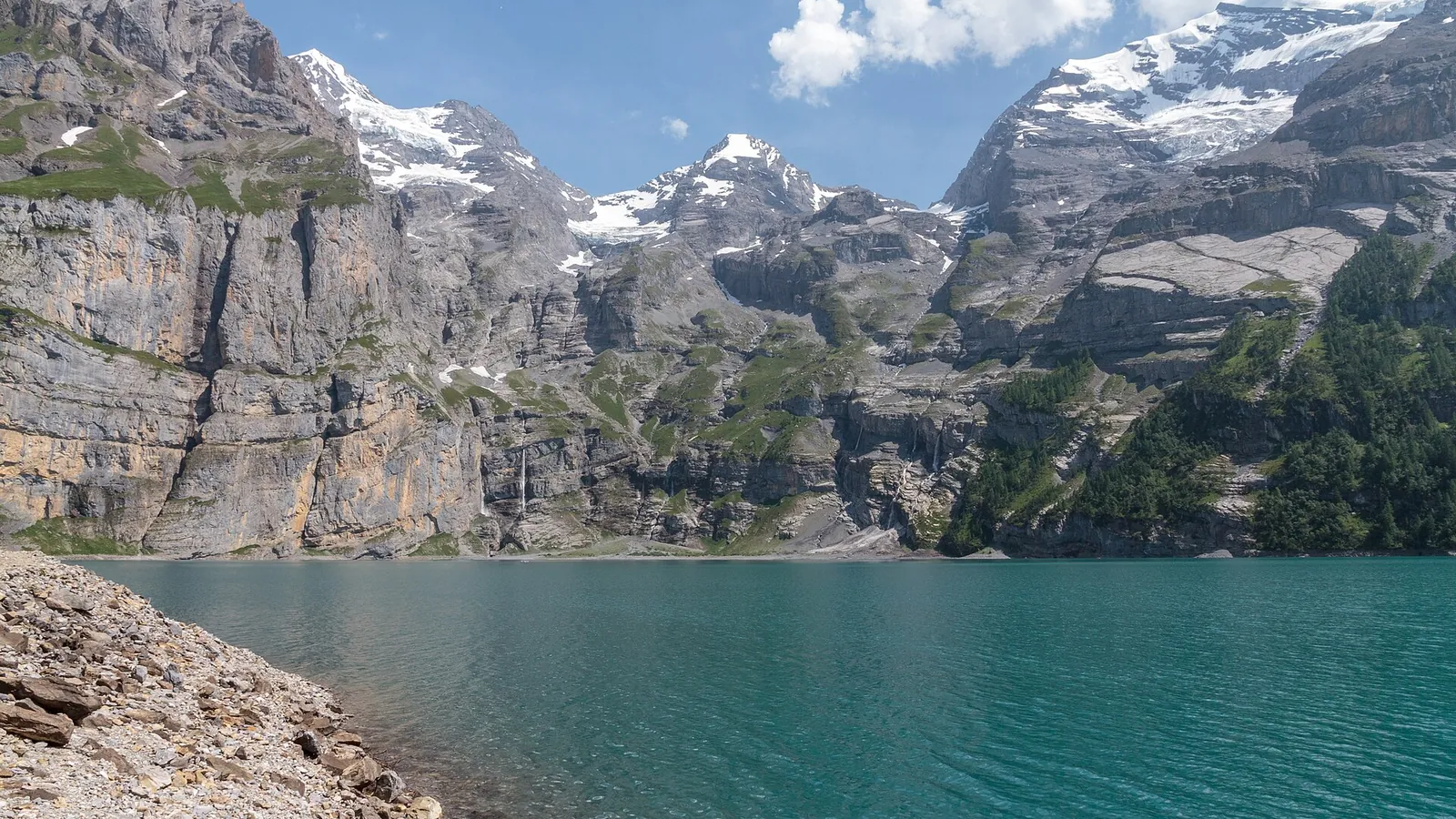
The turquoise Oeschinensee lake surrounded by steep Alpine peaks near Kandersteg

Switzerland · Travel guide

The Complete Switzerland Travel Guide

How the country divides, how to choose between the ten destinations, how to use the rail network and passes without overspending, and what two weeks can realistically hold.

  • Reading time 13 min read
  • Covers 10 destinations
  • Updated 2026

Photo: JoachimKohler-HB · CC BY-SA 4.0

Switzerland packs peaks, lakes, old towns and scenic railways into a country you can cross in a few hours, at a high price. This guide covers how the regions divide, how to choose between the ten destinations, how to travel and save money, when to go and three routes that work.

How Switzerland divides

Switzerland is about 350 km across, and it falls into six zones for a visitor.

The north and the plateau. Zurich is the gateway, Bern the capital, and Lucerne the classic lake and mountain base.

The Bernese Oberland. Interlaken and the Jungfrau region hold the Eiger, Mönch and Jungfrau, waterfalls and cog railways.

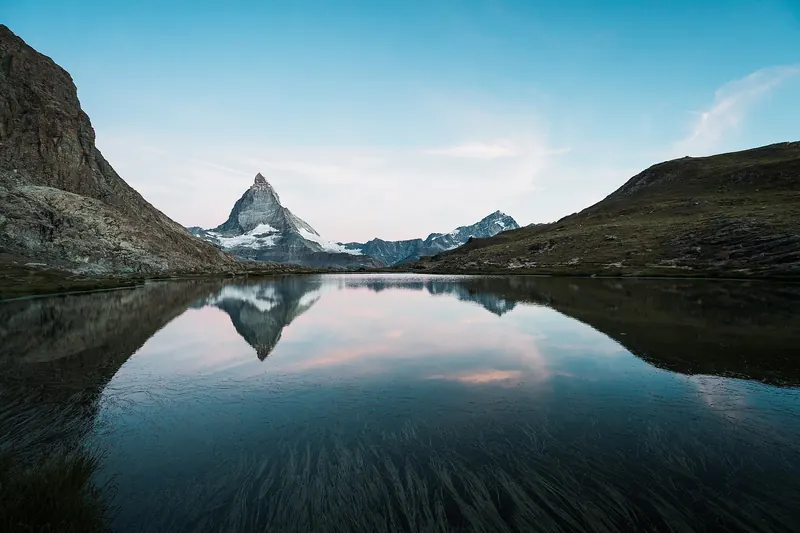
Valais. Zermatt sits beneath the Matterhorn in a car-free valley.

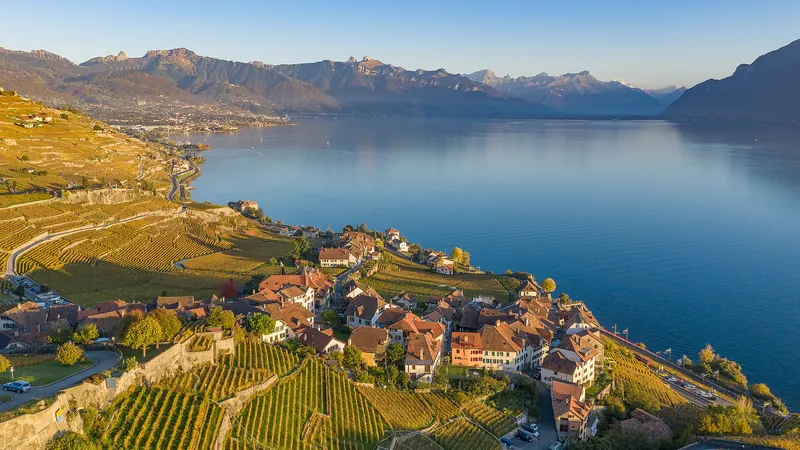
Lake Geneva. Geneva and Lausanne and Lavaux are French-speaking, with vineyards and lake views.

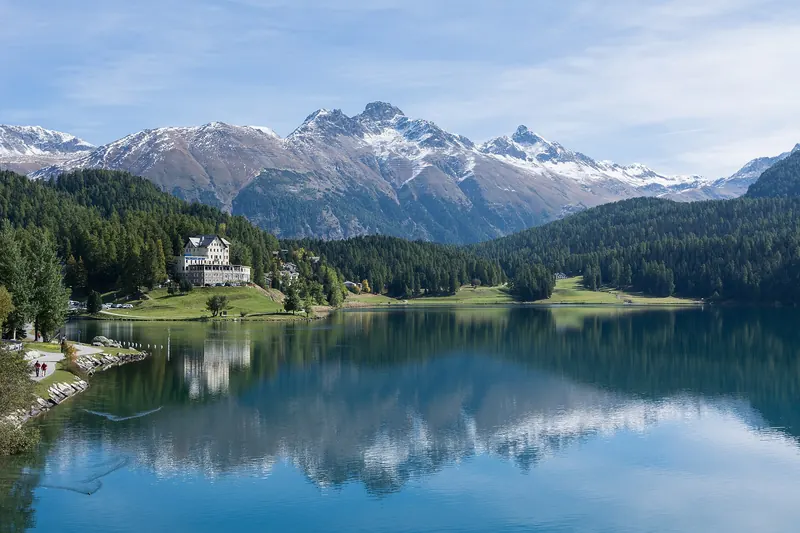
The south and east. Lugano and Ticino feel Italian, St. Moritz and the Engadin are Alpine and grand, and Appenzell is rural and traditional.

Worth knowing: The practical unit is a chain of two or three of these, linked by rail. Distances are short, so base changes take a couple of hours.

Choosing between the ten destinations

  • If you have one week

    Lucerne, the Jungfrau region and either Zurich or Bern for arrival and a city.

  • If you want the great peaks

    Zermatt for the Matterhorn and the Jungfrau region for the Eiger and Jungfraujoch.

  • If you love trains

    The Engadin for the Bernina and Glacier Express, and Lake Geneva for the GoldenPass line.

  • If you love cities and culture

    Zurich, Bern and Geneva all have museums, old towns and fine dining.

  • If you want a Mediterranean feel

    Lugano and Ticino have palm trees, piazzas and Italian food, just south of the Alps.

  • If you want traditional Switzerland

    Appenzell for cheese, painted houses and gentle hills, away from the crowds.

Getting around and passes

Switzerland's public transport network is one of the best in the world, and connections are designed to meet at each station.

Trains. Frequent, punctual and cross-country. Seat reservations are only needed on panoramic trains such as the Glacier Express. Use the SBB Mobile app.

The Swiss Travel Pass. Unlimited travel on trains, buses and boats, free entry to many museums, and discounts on mountain railways. It pays off for fast-moving trips.

Half Fare Card and regional passes. Cheaper for a slower trip, particularly with a few big excursions such as Jungfraujoch or Gornergrat.

Cars. Only needed for Ticino's valleys and remote areas. Parking is expensive.

Worth knowing: Mountain lifts and cog railways are usually excluded or discounted on passes, so add them to your budget.

When to go

Switzerland has two main seasons, and the shoulder months are quieter but limited.

June to August is summer: hiking, lakes, long days and the highest prices. Thunderstorms build in the afternoons, and clear mornings are best for high views.

September and October are autumn: clear air, colour, harvests and fewer crowds. Many people think September is the best month.

December to March is winter: snow, skiing and Christmas markets. Cities are lively, and mountain villages are magical, but hikes are limited.

April, May and November are the low season, when some lifts and hotels shut, and it is cheap but limited.

Worth knowing: Weather in the mountains changes fast. Check forecasts and webcams before paying for a summit.

Money, costs and safety

Switzerland is very expensive. A simple restaurant meal costs US$25–40, a mid-range hotel US$200–300, and a return trip to Jungfraujoch can cost more than US$200.

Savings come from supermarket picnics, hostels and apartments, regional passes and cheaper bases such as Lucerne, Thun and Bern. Tap water is excellent, and fountains are drinkable.

Tipping is not expected, since service is included. Cards are widely accepted.

Crime is low. The mountains are the real risk: check weather, closures and avalanche warnings, wear proper footwear and tell someone your plans.

Three routes that work

  1. One week: Zurich, Lucerne and the Jungfrau

    Two nights in Lucerne, three in Interlaken or Lauterbrunnen, and a night each in Zurich at the start and end.

    Tip A regional pass may be cheaper than the full Swiss Travel Pass.

  2. Ten days: adding Zermatt and Bern

    The one-week route, plus a night in Bern and two in Zermatt.

    Tip Check the Matterhorn forecast before you go up.

  3. Two weeks: the classic

    The itinerary on the country page: Zurich, Lucerne, the Jungfrau, Bern, Zermatt, Lavaux and Geneva.

    Tip Swap Geneva for Ticino if you want sun and Italian food.

Reference

The 10 destinations in this guide

Every place named above has its own detailed guide — attractions, food, where to stay, how to get around and a suggested day-by-day plan.

Major CityHistoric Site

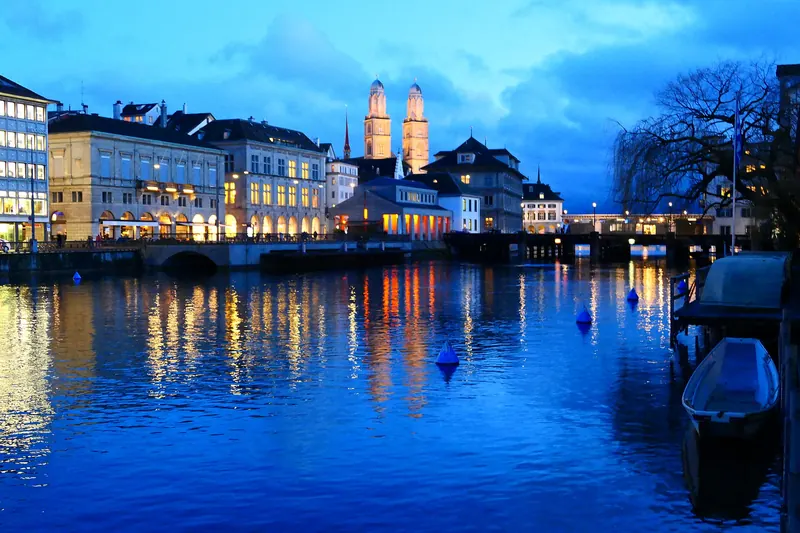
Zurich

Zurich, northern Switzerland

A compact, clean city on Lake Zurich, with a medieval old town, Bahnhofstrasse shopping, museums, river swimming and easy day trips to the mountains.

Don't miss The Limmat river with the twin towers of the Grossmünster and old-town rooftops from Lindenhof hill.

Explore Destination — Zurich
Historic SiteScenic Region

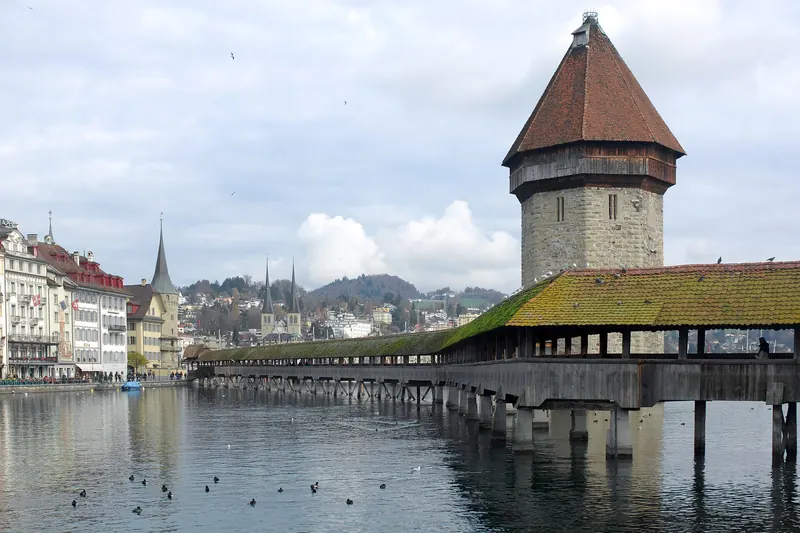
Lucerne

Central Switzerland, Lake Lucerne

A postcard old town on Lake Lucerne, with the Chapel Bridge, the Lion Monument, Mount Pilatus, Rigi and paddle-steamer trips, ideal as a Swiss base.

Don't miss Walking across the Chapel Bridge at sunset, with the Reuss river, the water tower and the snow-dusted Pilatus behind.

Explore Destination — Lucerne
Major CityHistoric Site

Geneva

Geneva, south-west Switzerland

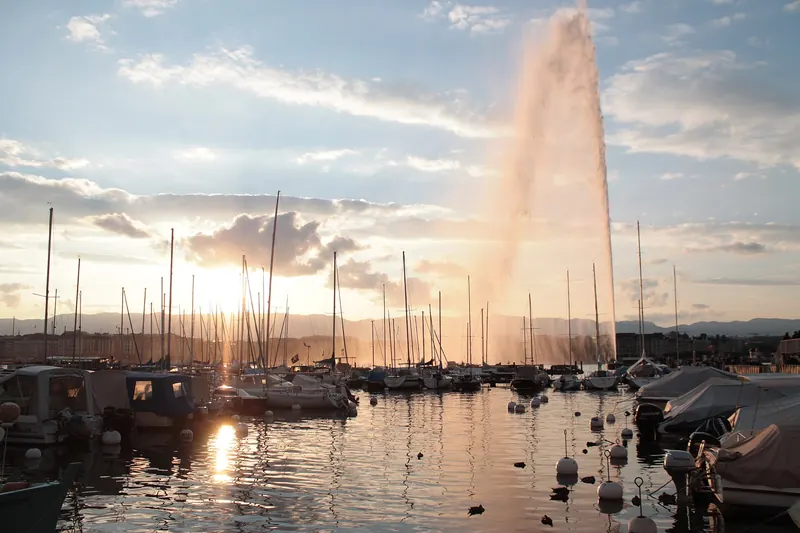
A French-speaking lakeside city, with the Jet d'Eau, the old town and St. Peter's Cathedral, the Reformation Wall, UN and Red Cross sites, watches and chocolate.

Don't miss The Jet d'Eau shooting 140 metres into the air, with the Alps and Mont Blanc behind on a clear day.

Explore Destination — Geneva
Capital CityHistoric Site

Bern

Bern, western Switzerland

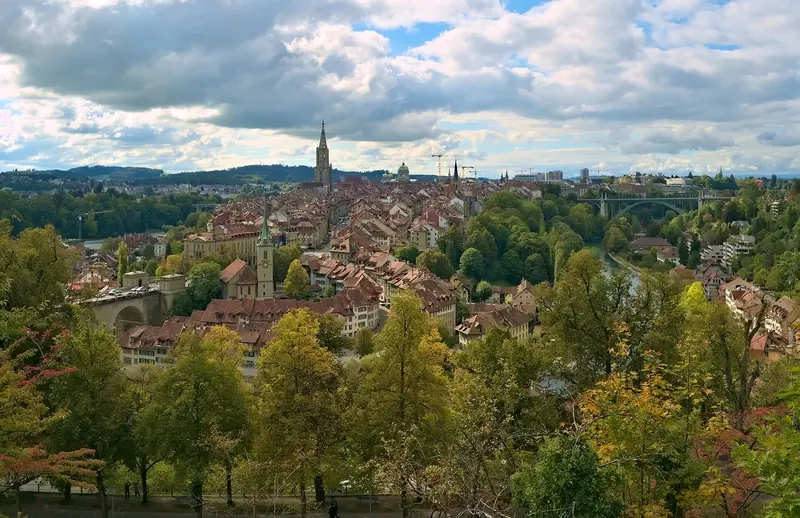
A relaxed capital with a UNESCO-listed old town, six kilometres of arcades, the Zytglogge clock tower, the Rosengarten viewpoint, the Bundeshaus, river swimming and Einstein's apartment.

Don't miss The old town's red roofs and the Aare's turquoise bend, seen from the Rosengarten.

Explore Destination — Bern
Scenic RegionCoast & Beaches

Lugano and Ticino

Ticino, southern Switzerland

The Italian-speaking south, with Lugano's lake and piazzas, Locarno and Ascona on Lake Maggiore, the castles of Bellinzona and the Verzasca Valley.

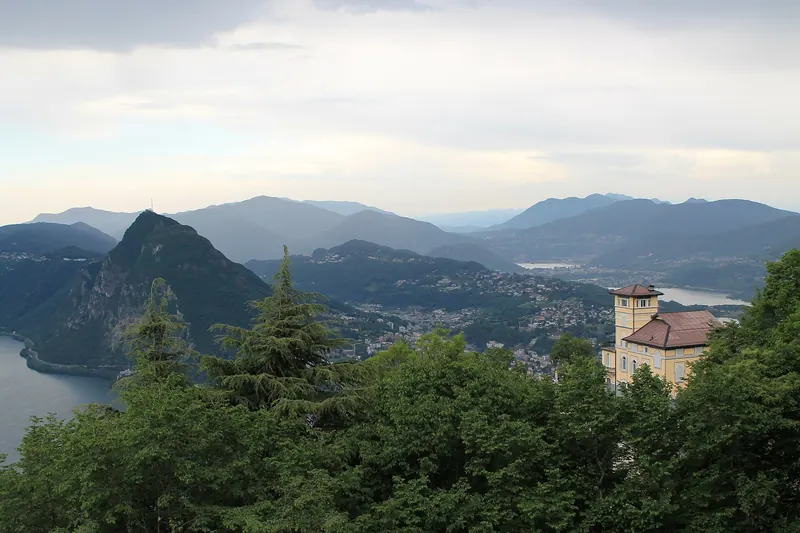
Don't miss Sitting on Lugano's lakefront under a palm tree, with Monte Brè across the water and an espresso in hand.

Explore Destination — Lugano and Ticino
MountainsCulture & Arts

Appenzell and the Säntis

Eastern Switzerland, Appenzell

A traditional region of gentle hills, with colourful Appenzell village, the Säntis peak, the cliffside Berggasthaus Äscher, Appenzeller cheese and folk customs, away from the crowds.

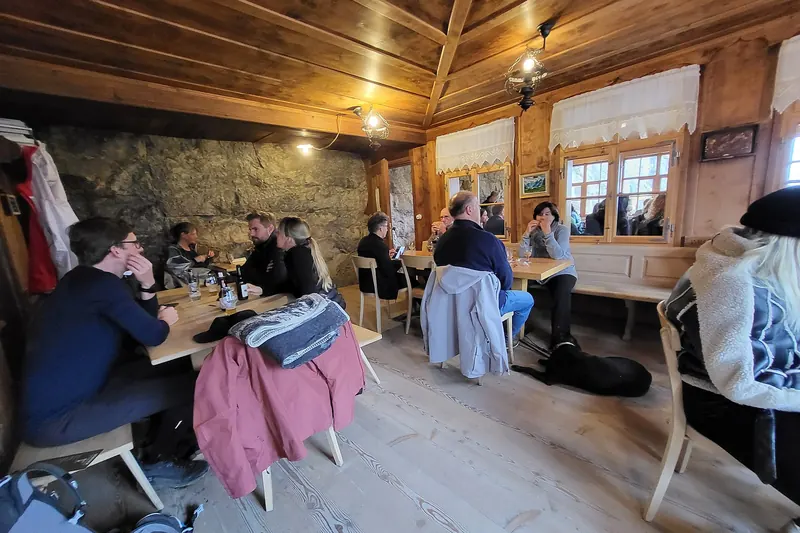
Don't miss Berggasthaus Äscher, a mountain inn built into an overhanging cliff, with a view of the valley 500 metres below.

Explore Destination — Appenzell and the Säntis

Back to the Switzerland country page

FAQ

Planning a trip to Switzerland

Can I visit Switzerland without a car?

Yes, and it is easier without one. Trains, buses, boats and cable cars reach nearly every village on a shared timetable, and many mountain villages are car-free.

Is a rail pass worth it?

It depends. The Swiss Travel Pass suits trips that change base every day or two and include museums and boats. For a slower trip based in one or two places, a regional pass or a Half Fare Card usually costs less.

How can I save money?

Picnic from supermarkets, choose hostels or apartments, base yourself in cheaper towns such as Lucerne, Thun or Bern, and pick one or two big mountain excursions rather than all of them.

When should I book?

Book hotels and scenic trains two to four months ahead for July and August. Mountain lifts do not need booking except a few, but check the weather on the day.

Advertisement