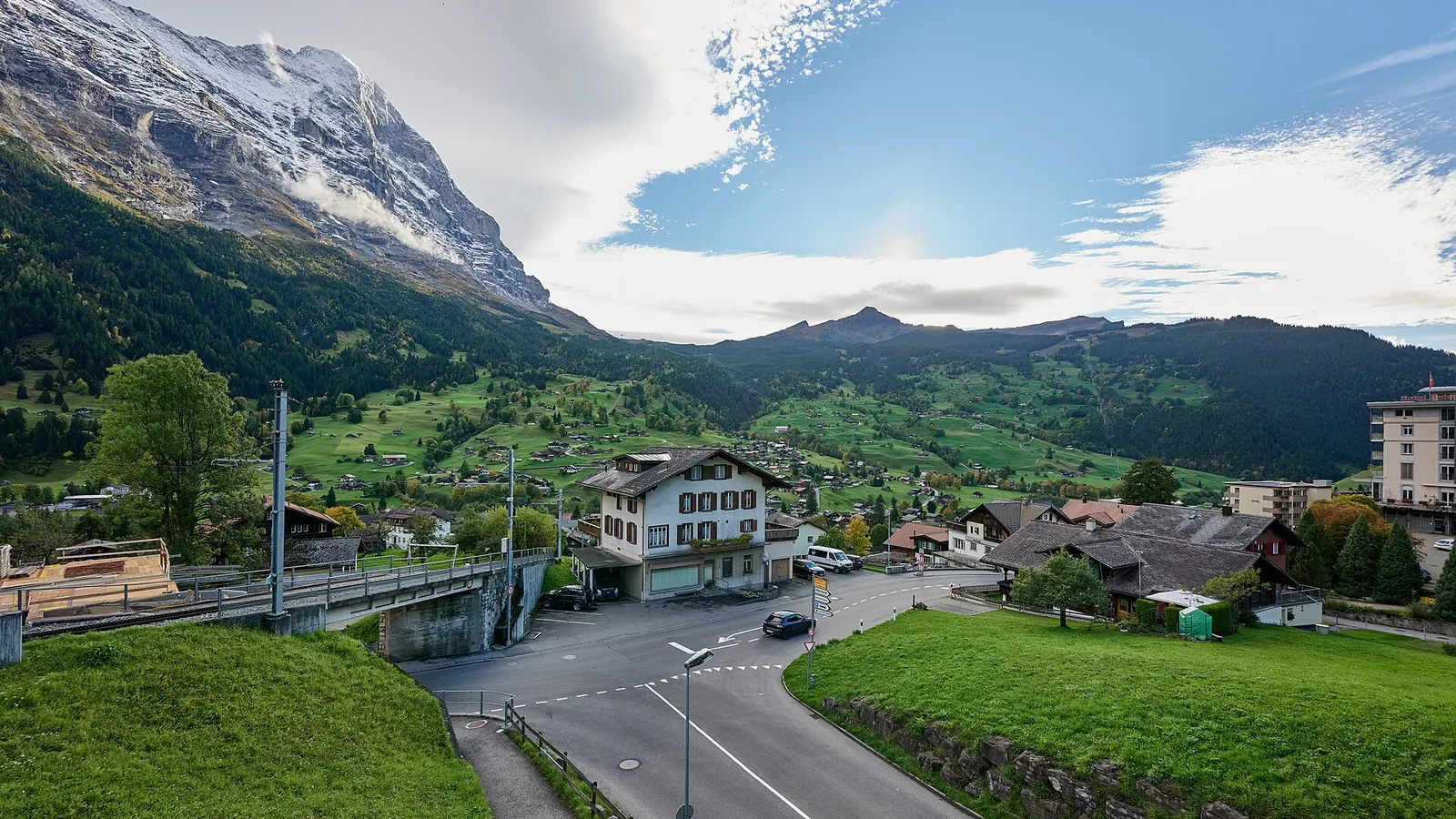
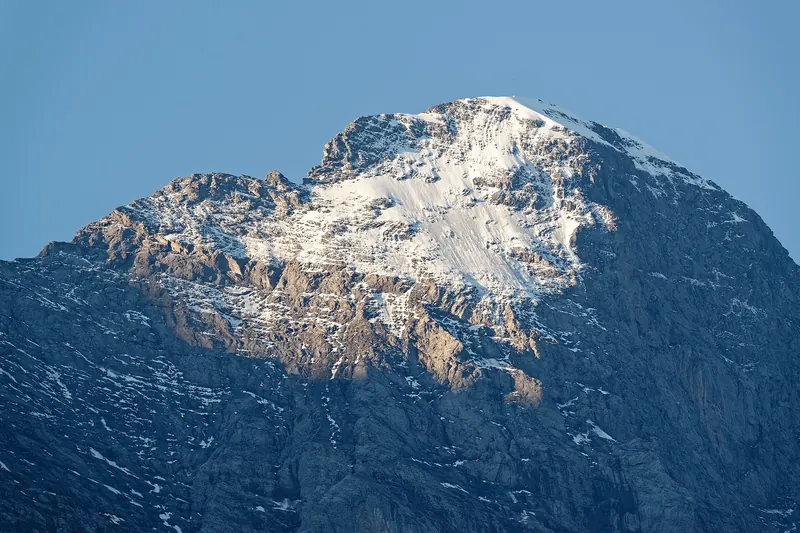
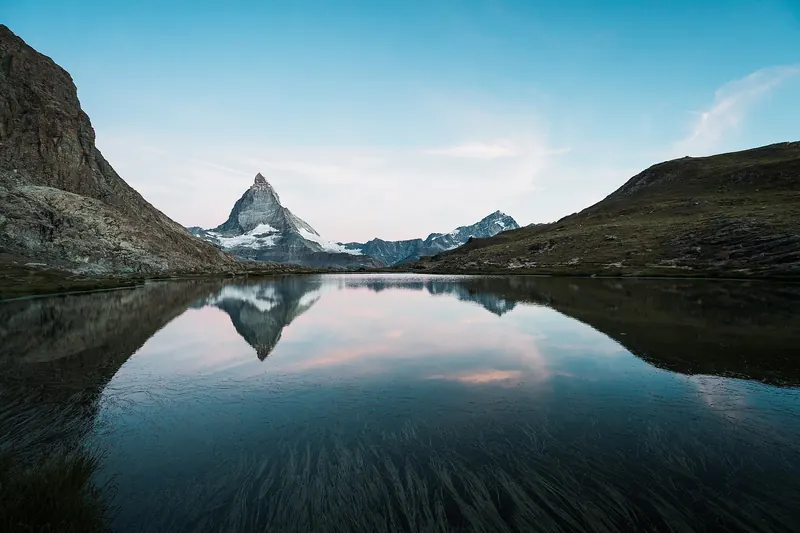
The Eiger rising above the village of Grindelwald

Bernese Oberland, central Switzerland · Switzerland

Interlaken and the Jungfrau Region

The Eiger, Mönch and Jungfrau above waterfall valleys, car-free villages, glacier railways and lakes, the most concentrated mountain scenery in Europe.

  • Best time June–September
  • Stay 3–4 days
  • Good for Hiking, mountain railways, waterfalls, adventure sports

Photo: Leonhard Lenz · CC0

Welcome to Jungfrau Region

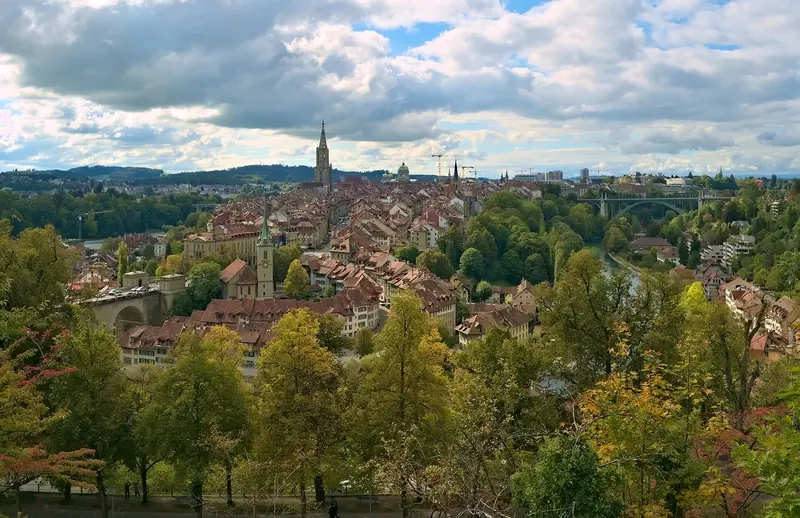
The Bernese Oberland is Switzerland's most dramatic mountain region, a cluster of 4,000-metre peaks above green valleys, glaciers and two large lakes. Interlaken, a small town between Lake Thun and Lake Brienz, is the gateway, and from it, mountain railways climb to Grindelwald and Lauterbrunnen, and on to the Jungfrau massif. The area, together with the Aletsch Glacier, is a UNESCO World Heritage Site.

The highlight is the Jungfraujoch, a saddle at 3,454 metres, reached by a cog railway that travels through a tunnel inside the Eiger and Mönch. The station is called the Top of Europe, and at the top are an ice palace, the Sphinx observatory and views over the Aletsch Glacier. Below, the Lauterbrunnen Valley has 72 waterfalls falling from its cliffs, including the Staubbach and the vast Trümmelbach, and car-free villages such as Wengen and Mürren cling to the walls above.

It is also an adventure hub, with paragliding, canyoning, skydiving and hiking, and softer options like lake boats, chocolate factories and Harder Kulm's viewing platform. Interlaken itself is a touristy base, and many visitors prefer to stay in Lauterbrunnen or Grindelwald. Three or four days is a good stay, with time for the Jungfraujoch on the clearest morning.

  • Mountains
  • Scenic Region
  • Nature & Wildlife
  • UNESCO Site

Why visit

Why visit Jungfrau Region?

The Jungfrau region is the greatest concentration of Alpine scenery in Switzerland.

  • The Top of Europe

    Jungfraujoch, at 3,454 metres.

  • A valley of waterfalls

    Lauterbrunnen's cliffs and falls.

  • The Eiger

    Its north face above Grindelwald.

  • Two lakes

    Thun and Brienz, in turquoise.

  • Hiking and adventure

    Trails, paragliding and canyoning.

Main attractions

Top things to see in Jungfrau Region

The sights are spread along valleys, so base yourself in the region and use trains.

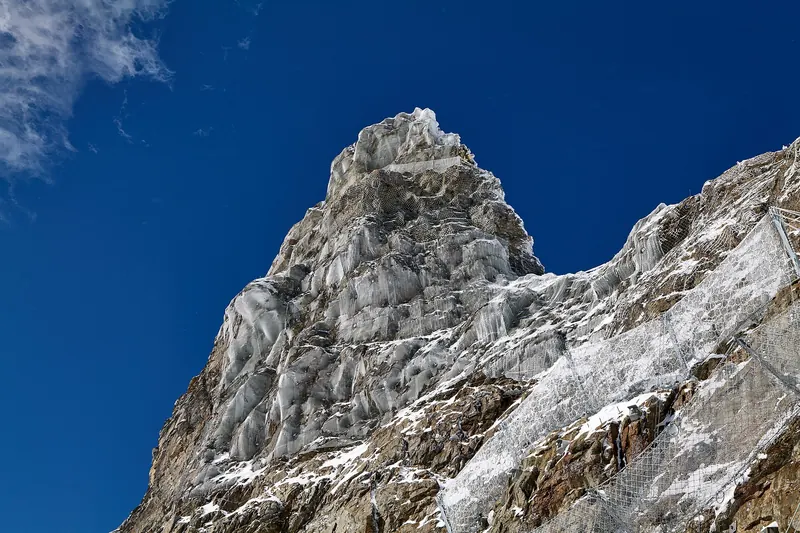
  1. The Sphinx observatory at Jungfraujoch high in the Alps

    Jungfraujoch

    The highest railway station in Europe, with an ice palace, the Sphinx viewing terrace and views of the Aletsch Glacier. The trip takes about 2.5 hours from Interlaken.

    Tip Go on a clear morning, and bring warm clothes.

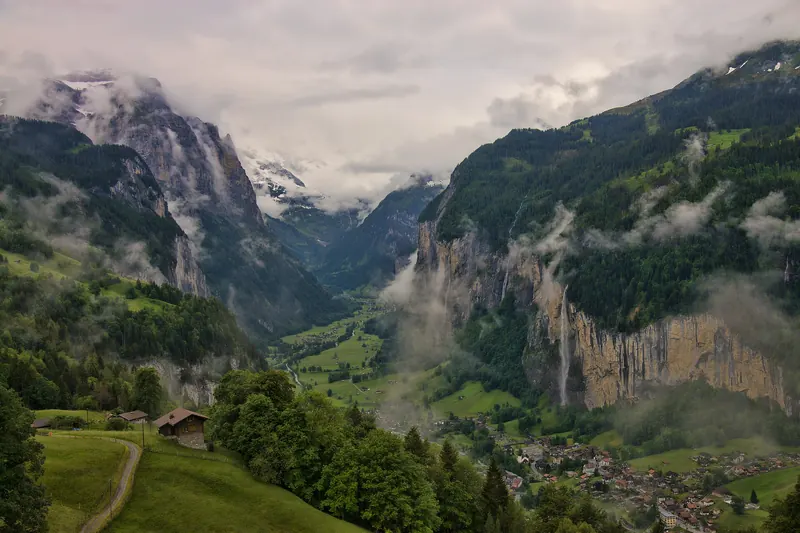
  2. The Lauterbrunnen Valley with its sheer cliffs and green meadows

    Lauterbrunnen Valley

    A U-shaped glacial valley with sheer walls and dozens of waterfalls, including the 300-metre Staubbach Falls.

    Tip Walk the flat valley floor.

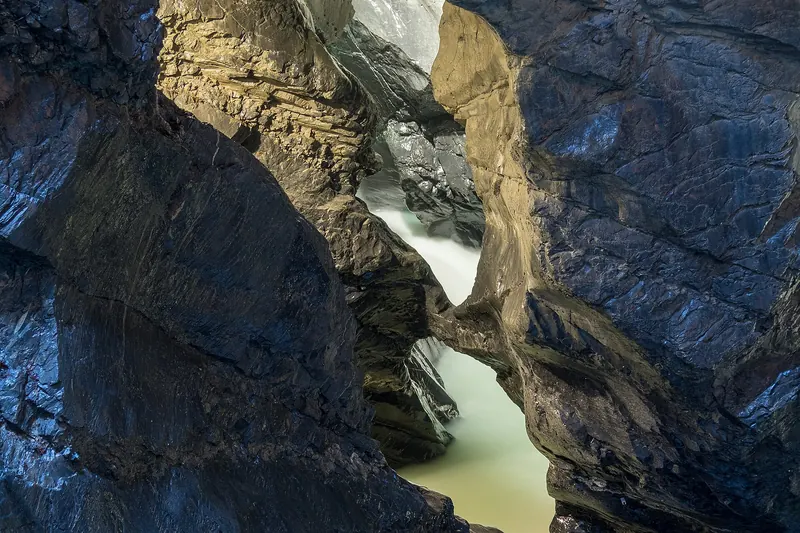
  3. The Trümmelbach Falls rushing through a rock gorge

    Trümmelbach Falls

    Ten glacier-fed waterfalls inside the mountain, reached by a tunnel lift and walkways.

    Tip Open in summer only.

  4. The north face of the Eiger seen from Grindelwald

    Grindelwald and the Eiger

    A village beneath the Eiger's north face, with cable cars to First and the Bachalpsee lake.

    Tip Hike from First to Bachalpsee.

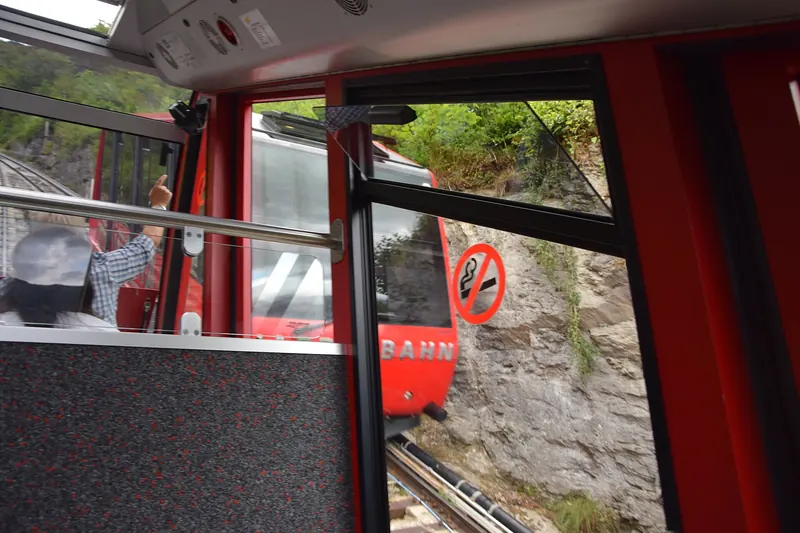
  5. The funicular railway climbing to Harder Kulm above Interlaken

    Harder Kulm

    A viewpoint above Interlaken reached by funicular, with a platform over the two lakes.

    Tip Good for an evening.

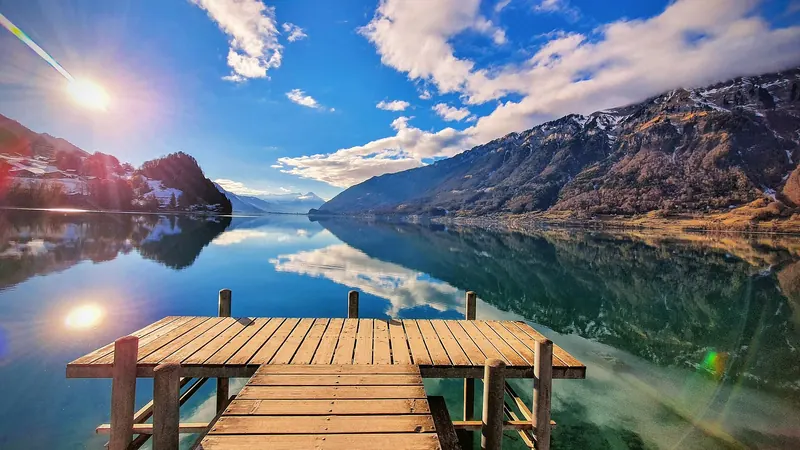
  6. The village of Iseltwald on the turquoise Lake Brienz

    Lake Brienz and Iseltwald

    A turquoise lake with a peaceful village on a peninsula.

    Tip Take a boat.

Things to do

Best things to do in Jungfrau Region

The region is for mountain trains, walks and adventure.

  1. Ride to Jungfraujoch

    The Jungfrau railway climbs through the Eiger.

    Tip Book early, and watch the weather.

  2. Hike from First to Bachalpsee

    An easy walk to a mountain lake with Eiger views.

    Tip Start early.

  3. Walk the Lauterbrunnen Valley

    Flat paths between waterfalls.

    Tip A half day.

  4. Paraglide over Interlaken

    Tandem flights from Beatenberg.

    Tip Book with a licensed operator.

  5. Take the Schynige Platte railway

    A historic cog railway to an alpine garden.

    Tip Open in summer.

  6. Cruise Lake Brienz

    A boat to Giessbach Falls.

    Tip Included in some passes.

Local food

What to eat in Jungfrau Region

The Oberland's food is hearty and Alpine.

  • Rösti

    Fried grated potato, often with cheese and egg.

    Where to try it Mountain restaurants.

  • Berner Platte

    A heap of meats, sauerkraut and beans.

    Where to try it Traditional restaurants.

  • Meringue with cream

    A sweet from Meiringen.

    Where to try it Cafés.

  • Cheese fondue

    A shared pot.

    Where to try it Chalet restaurants.

  • Alpine cheese

    Cheese from local huts.

    Where to try it Dairies on trails.

Accommodation

Where to stay in Jungfrau Region

Choose a base by the trip you want.

  • Interlaken

    Hotels and hostels.

    Best for: Transport and adventure sports

  • Lauterbrunnen and Wengen

    Chalets and guesthouses.

    Best for: Waterfalls and views

  • Grindelwald

    Hotels and apartments.

    Best for: Hiking and the Eiger

  • Mürren

    A car-free village on a cliff.

    Best for: Quiet

What a night costs

Hostel dorm
US$50–90 per night
Mid-range hotel
US$200–350 per night
Luxury hotel
US$450–900 per night
Jungfraujoch return ticket
US$200–260 per person

Transport

Getting to and around Jungfrau Region

Interlaken is a rail hub.

Getting there

  • Train from Bern

    About 55 minutes.

    Frequent.

  • Train from Zurich

    About two hours, with a change at Bern.

    Book with SBB.

  • From Lucerne

    About two hours on the scenic Luzern-Interlaken Express.

    Reserve a seat.

Getting around

Trains and cable cars cover the valleys.

  • Regional trains

    Interlaken to Lauterbrunnen and Grindelwald.

    Included in the Swiss Travel Pass.

  • Mountain railways

    Discounts apply with passes.

    Check the prices.

  • PostBus

    To smaller villages.

    Check the timetable.

When to go

Best time to visit Jungfrau Region

Summer has open trails, and winter has skiing.

  • Spring (April–May)

    Quiet

    Waterfalls at full strength, but many lifts closed.

  • Summer (June–August)

    Best time

    Hiking and long days.

  • Autumn (September–October)

    Best time

    Clear air and gold.

  • Winter (December–March)

    Good

    Skiing, with snow-covered villages.

Worth planning around: Cloudy days for Jungfraujoch.

Itinerary

Three days in the Jungfrau region

The summit, the valley and the lake.

  1. Day1

    The Top of Europe

    Jungfraujoch.

    • Morning Train to Jungfraujoch.
    • Afternoon Ice Palace and Sphinx.
    • Evening Dinner in Grindelwald.
  2. Day2

    Waterfalls

    Lauterbrunnen.

    • Morning Trümmelbach Falls.
    • Afternoon Walk the valley.
    • Evening Wengen.
  3. Day3

    Lakes and viewpoints

    Water and views.

    • Morning First to Bachalpsee hike.
    • Afternoon Harder Kulm.
    • Evening Lake Brienz cruise.

Travel tips

Jungfrau Region travel tips

A few tips help you plan the mountains.

  • Check the Jungfraujoch webcam before buying tickets.
  • Start early, before clouds build.
  • Book a base in Lauterbrunnen or Grindelwald.
  • Bring warm clothes for Jungfraujoch.
  • Use a Swiss Travel Pass for discounts.
  • Respect cows and close gates.
  • Book adventure sports with licensed operators.

FAQ

Jungfrau Region: frequently asked questions

Is Jungfraujoch worth the price?

On a clear day, yes. On a cloudy day, no, so check the weather.

Where should I stay?

Lauterbrunnen or Grindelwald for scenery, and Interlaken for convenience.

How many days do you need?

Three or four.

When is the best time?

June to September for hiking.

Is it accessible without a car?

Yes, trains and lifts serve everything.

Is it a UNESCO site?

Yes, the Swiss Alps Jungfrau-Aletsch area is a World Heritage Site.

Read next

Related travel articles

Transport

Getting Around Europe by Train

European rail is excellent and confusing — six national operators, three completely different pricing models, and a rail pass that is either a bargain or a waste depending on where you are going. Here is how to work out which.

Road trips

How to Plan a US National Parks Road Trip

American national parks are no longer places you turn up at. Timed entry, permit lotteries and mandatory shuttles now govern the popular ones, and the distances between them are larger than almost any visitor expects. Here is how to plan around both.

Advertisement